Serving Niceville, FL & nearby
(850) 615-1240
Niceville, FL

What Your Garage Door's Age Says About the Repair It Needs

Niceville homes built between 1973 and 2013 carry different garage door hardware than newer builds. Here's what that age gap means before you call for a repair.

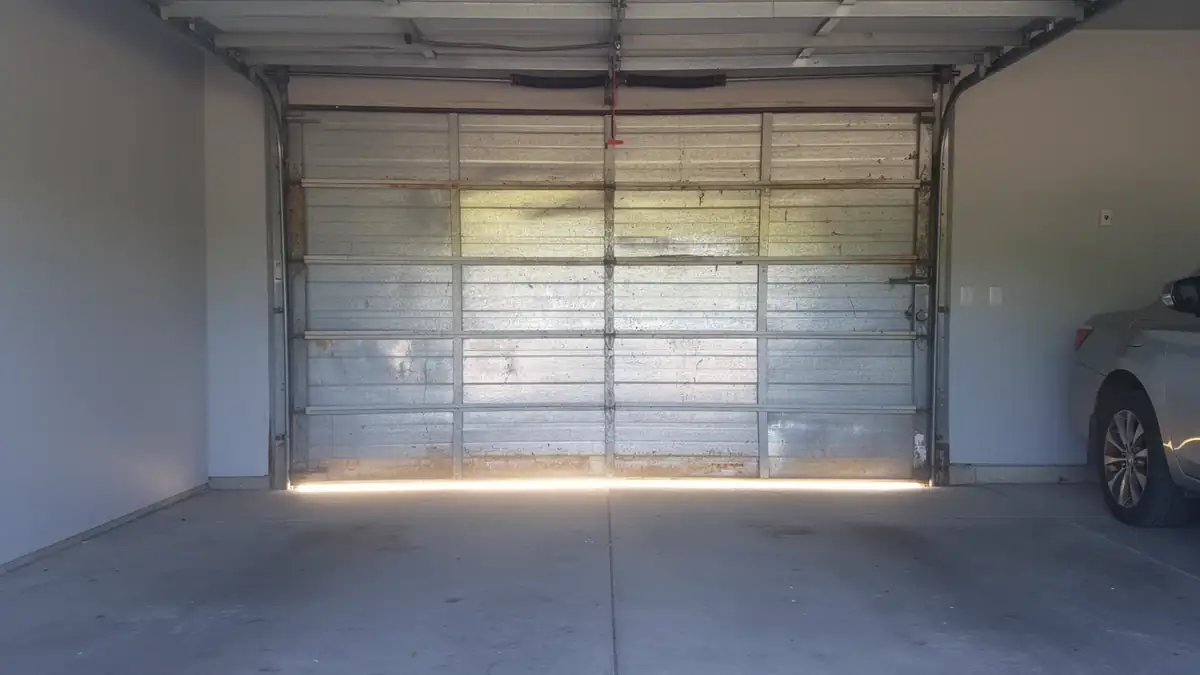
The closed metal garage door has a torsion spring and a car parked inside.

What Is Going On

  1. Most of the housing around Niceville went up between 1973 and 2013

    With the median landing around 1979. That matters more than it sounds like it should. A door built before foam-filled panels became standard is a different animal than one built after - thinner steel, no insulation layer bonded to the skin, and hardware sized for a lighter panel. Across seven of the older pockets of town the stock skews even earlier, into the 1960s and 70s, where you'll still find original single-layer steel doors hung on side-mounted torsion hardware that nobody stocks new anymore.

  2. When a door from that era starts acting up

    Sagging on one side, grinding on the way up, refusing to seal at the bottom - the fix usually isn't the opener. It's the door itself fighting fifty years of wear on parts built for a lighter, simpler design. A door from the 1990s or 2000s build wave behaves differently: better insulation, standard torsion springs that are easy to match, rollers rated for more cycles. Knowing which decade your door came out of tells you more about what's actually wrong than any symptom list ever will.

  3. This isn't a reason to panic about an old door

    It's a reason to know what you're dealing with before someone quotes you a fix that doesn't match the hardware.

Checking It Yourself

Before you call anyone, a few things you can check in five minutes. Pull the release handle and lift the door by hand to the halfway point. If it stays put on its own, the springs are doing their job. If it drops or shoots up, the springs are off balance - common on older doors where the spring was never matched to a heavier replacement panel somewhere down the line.

Look at the rollers next. On houses from the 1960s-70s stock, you'll often find steel rollers with no nylon sleeve - loud, and they wear the track faster. If yours grind or you can see flat spots, that's wear, not a mystery.

Check the bottom seal. On an original-era door, the weatherstrip is often the thin rubber style that hardens and cracks with age rather than the newer bulb-style seal. If daylight shows under the door at the corners, that seal has given up - a cheap fix, and one that matters more here than in a drier climate.

Last, listen to the opener motor under load. A strain or a stall usually means the door is heavier to lift than it should be - which loops back to the spring, not the opener. None of this requires tools, just five minutes and the door open.

How Local Conditions Play In

Niceville's climate band is mild with the occasional freeze morning - not the hard freeze-thaw cycling that cracks concrete up north, but enough to matter for a door that's been sitting unmaintained for twenty years. Lubricant that's gone thick and gritty doesn't move easily on a cold morning, and a spring under tension already fighting age doesn't need a cold start making it worse.

The bigger factor here is humidity, not cold. Sitting a few miles off the water - means steel hardware around here deals with more moisture in the air most of the year than a door would inland. On an original 1970s-era door with no galvanized coating on the hinges or the bottom bracket, that shows up as surface rust at the hinge pins years before it would on a newer door built to a better coating spec.

This isn't a reason to assume every door here is rusting out. It's a reason original hardware on an older house tends to need more frequent lubrication and a closer eye on the bottom bracket than the same door would need somewhere drier and colder.

The Seasonal Bit

  1. With roughly 8,743 owner-occupied houses across this service area

    A lot of them built when a single-car door was still the standard width, the upgrade a lot of owners want - going from one single door to a double, or widening a single - runs into a header and track opening that was never sized for it. That's a structural question before it's a door question, and it's worth knowing which one you're actually solving.

    • 8,743 owner-occupied
  2. The seasonal pattern here is less about snow load and more about steady humidity cycling the wood jamb a steel door is mounted into

    Jambs on houses from the earlier end of the 1973-2013 build range were often untreated lumber. Over decades that wood shrinks and swells enough that the track screws loosen, which shows up as a door that rattles in the wind or won't seal evenly at the bottom corner.

  3. One honest limitation

    If a jamb has rotted at the base from decades of that cycling, no amount of track adjustment fixes it - that's carpentry work before it's a garage door job, and we'll tell you so rather than keep tightening screws into soft wood.
How it works

From “it’s stuck” to “it’s fixed”

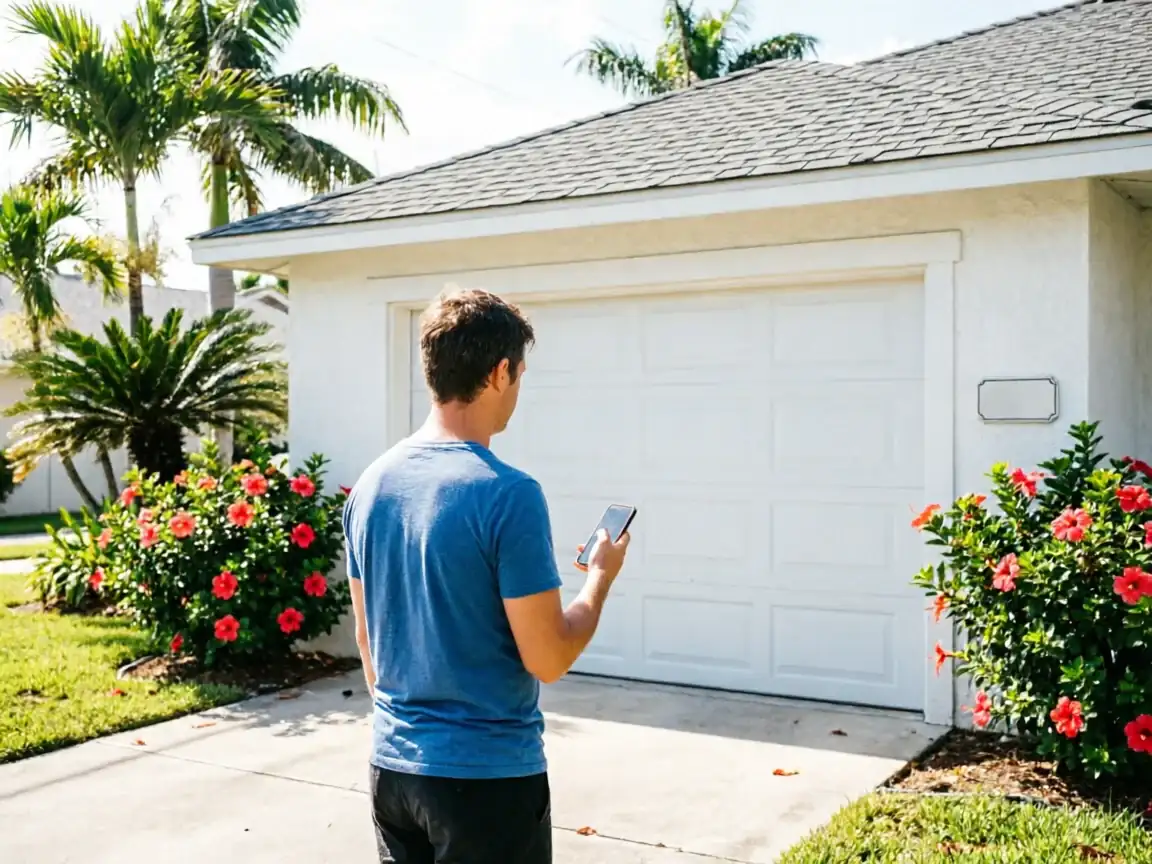
A man stands in a driveway, holding a phone and facing a white garage door.

Tell us what’s wrong

Describe the symptom - won’t open, loud bang, opener runs but the door won’t move.

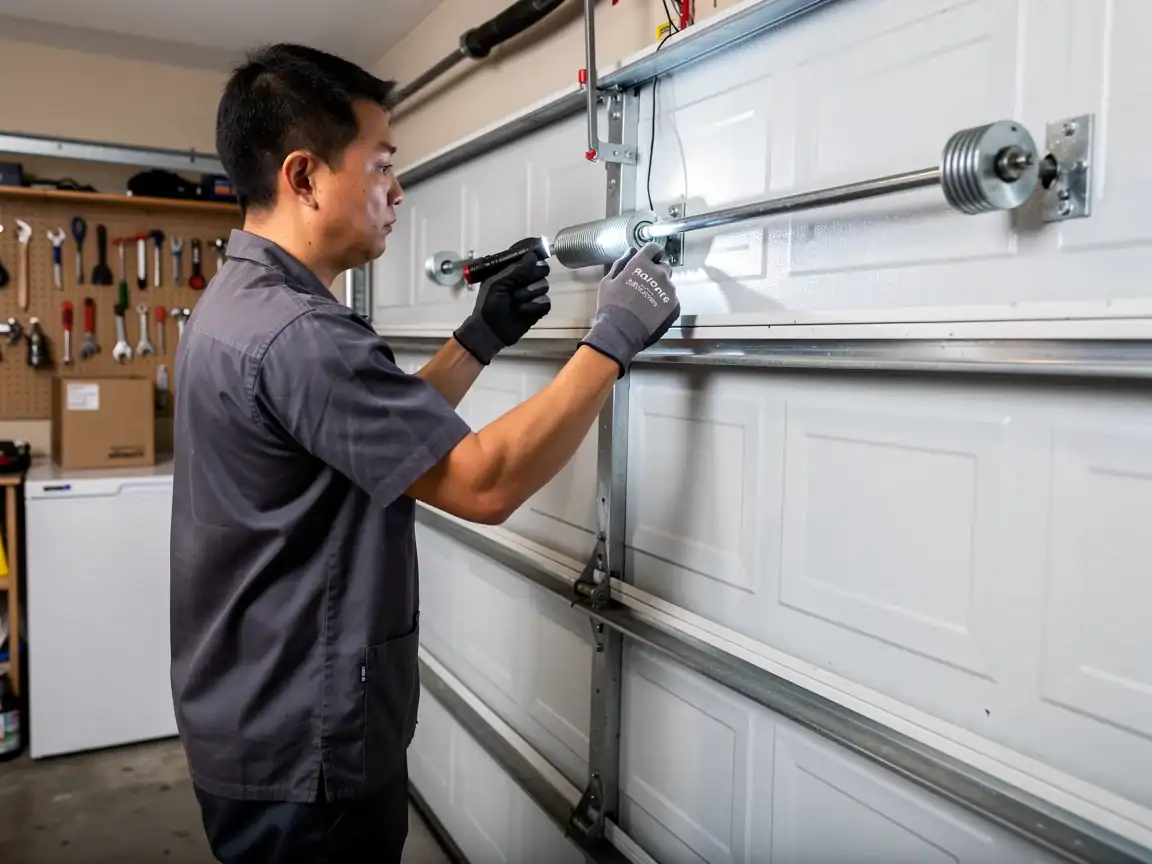
A technician shines a flashlight on a garage door torsion spring.

On-site diagnosis

A technician tests the door under power and by hand and finds what actually failed.

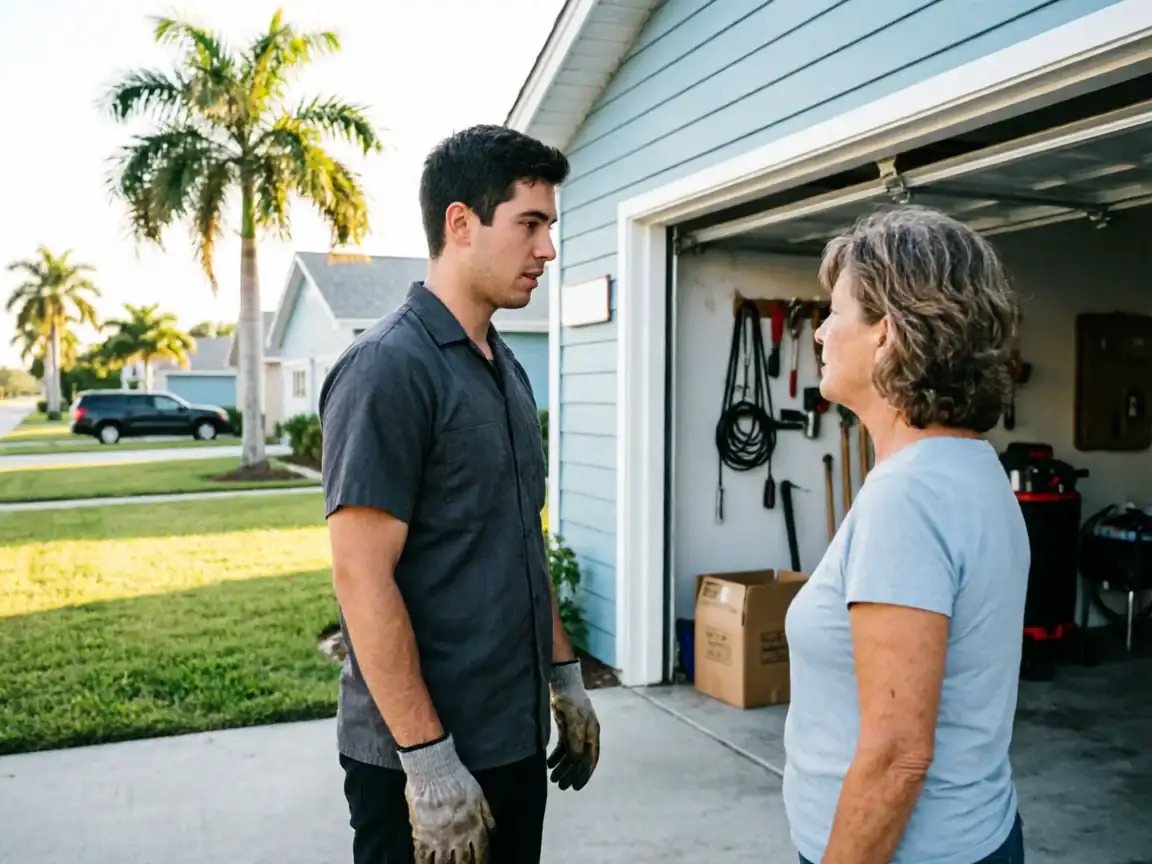
A technician wearing gloves talks to a woman in front of an open garage.

Clear, up-front plan

You get the fix that’s needed and what drives the cost - before any work starts.

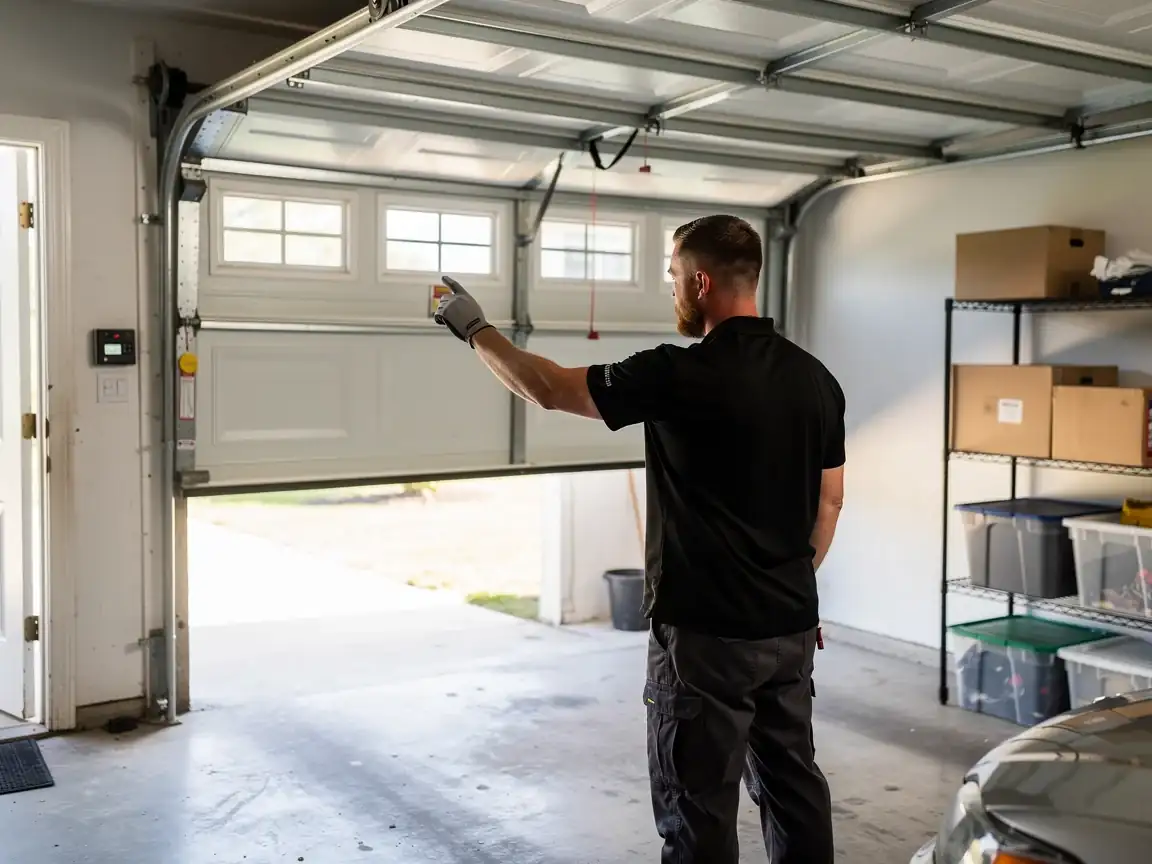
A technician points at an open white garage door with windows from inside a garage.

Repaired & tested

The repair is done, the door is set true and tested, and the work area left clean.

Not sure which repair your door needs in Niceville, FL? Describe what it’s doing - every job starts with a diagnosis.

How we work

What to expect

Diagnosis first

Every visit starts by finding what actually failed - not a pre-written parts list.

The right part for the door

Springs and openers matched to the door’s weight and age, so the fix holds up.

Straight answers

When a repair makes more sense than a replacement - or the reverse - you hear it plainly.

Clean, careful work

Tension released safely, hardware set true, the door tested under power before we leave.

What we do

Garage Door Services

Repair and installation work for Niceville homes and businesses.

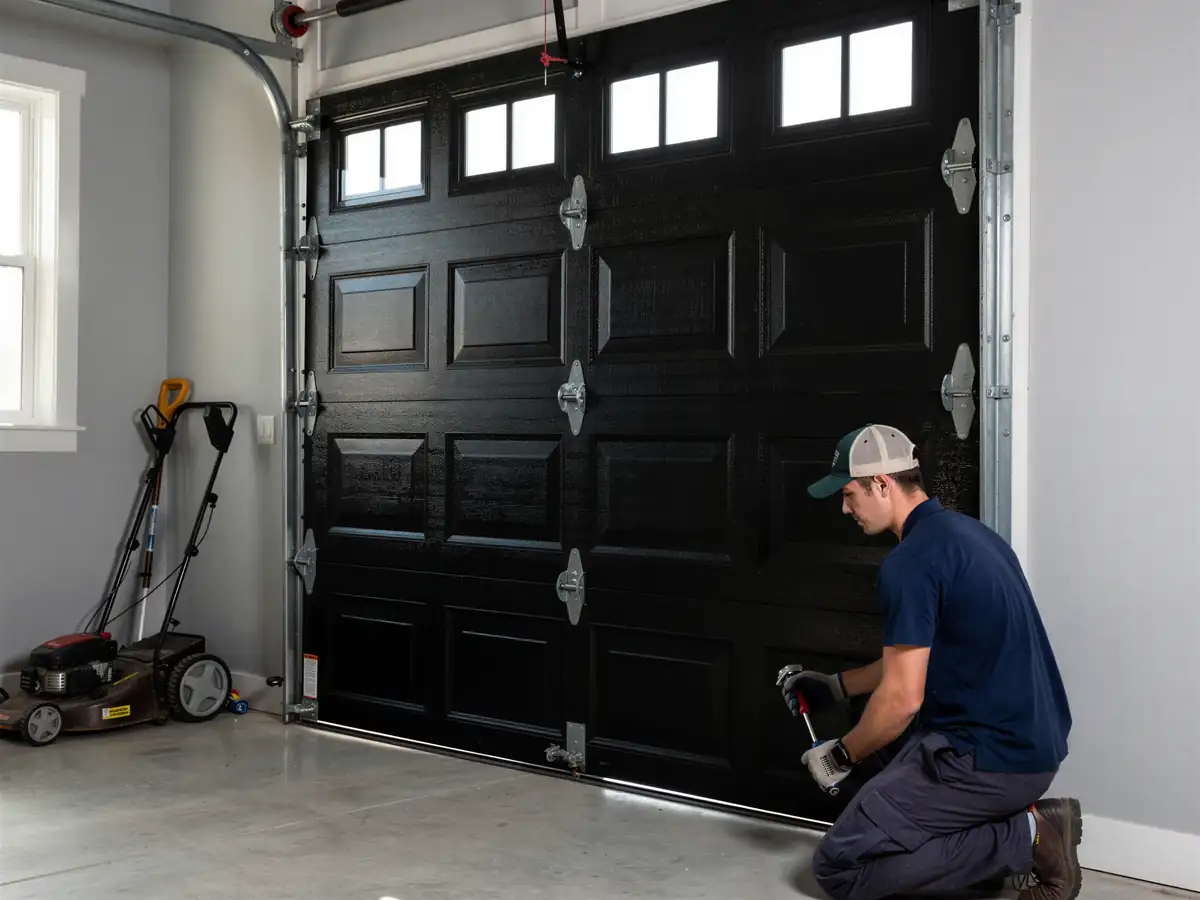
A technician kneels to work on the bottom panel of a black garage door.

Garage Door Repair

Garage door repair for Niceville homes built mostly between 1973 and 2013 - torsion and extension spring fixes, opener repair, and track work for the area's housing stock.

Learn more
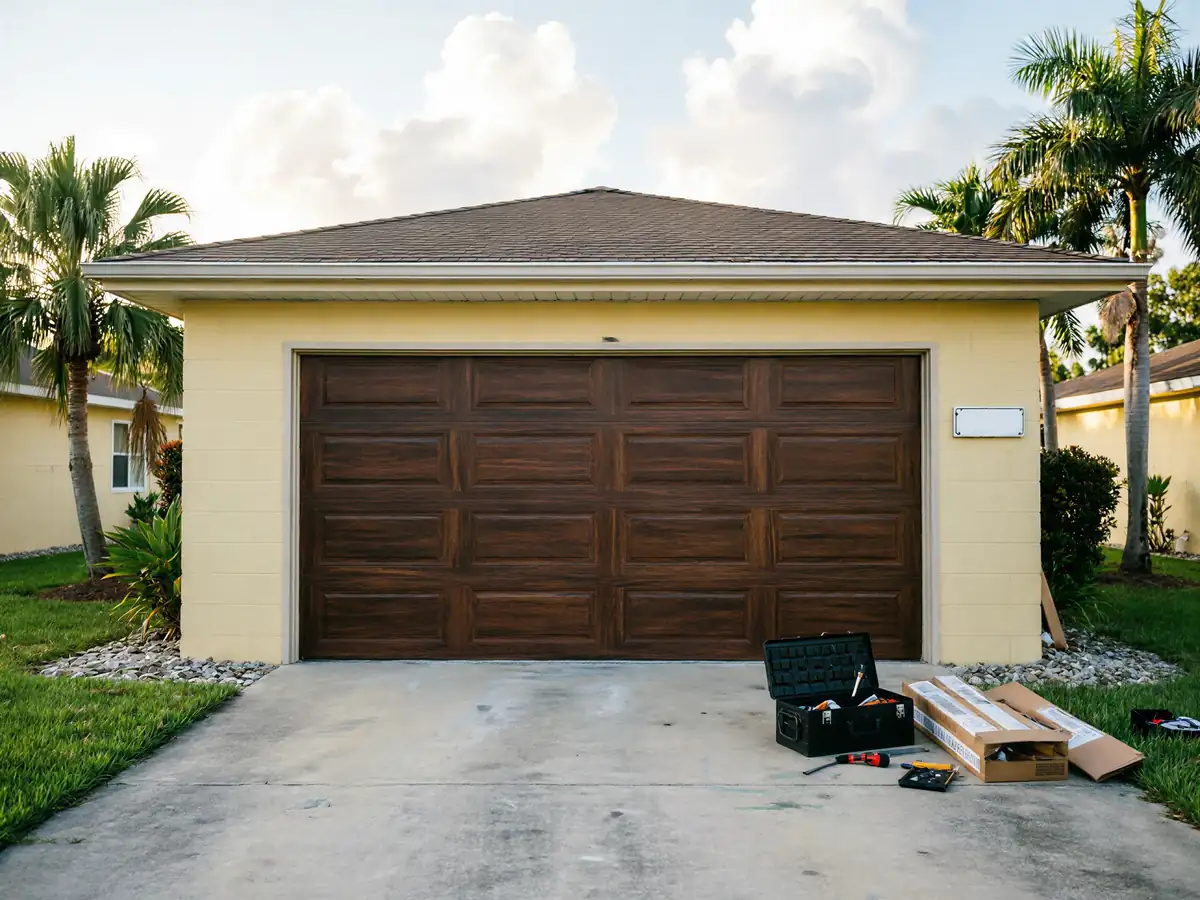
A brown paneled garage door is on a yellow house with tools on the driveway.

Garage Door Installation

New garage door installation for Niceville homes built 1973-2013, matched to the panel widths and mild-climate hardware this housing stock actually needs.

Learn more
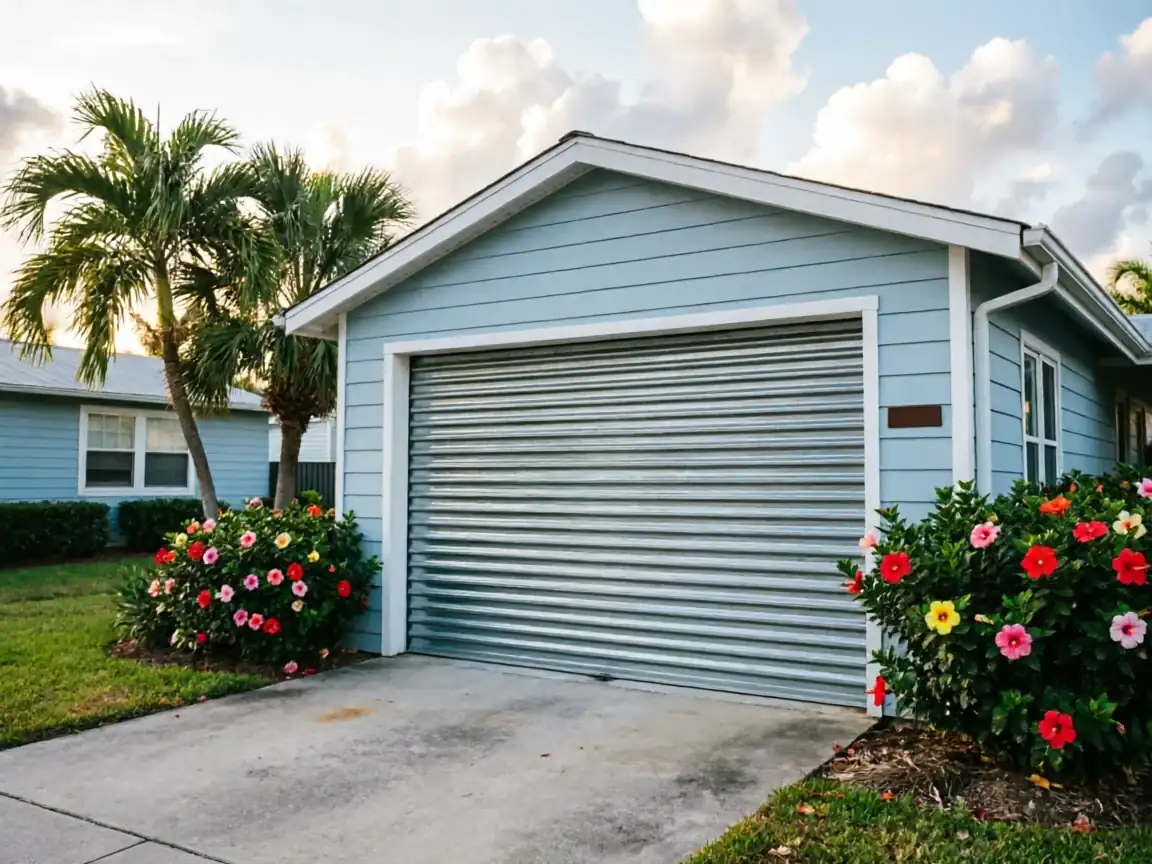
The light blue house has a gray corrugated metal garage door and colorful hibiscus bushes.

Garage Door Service

Garage door service in Niceville, FL for houses built 1973-2013, where spring and track wear is common in this area's mild, occasional-freeze climate.

Learn more
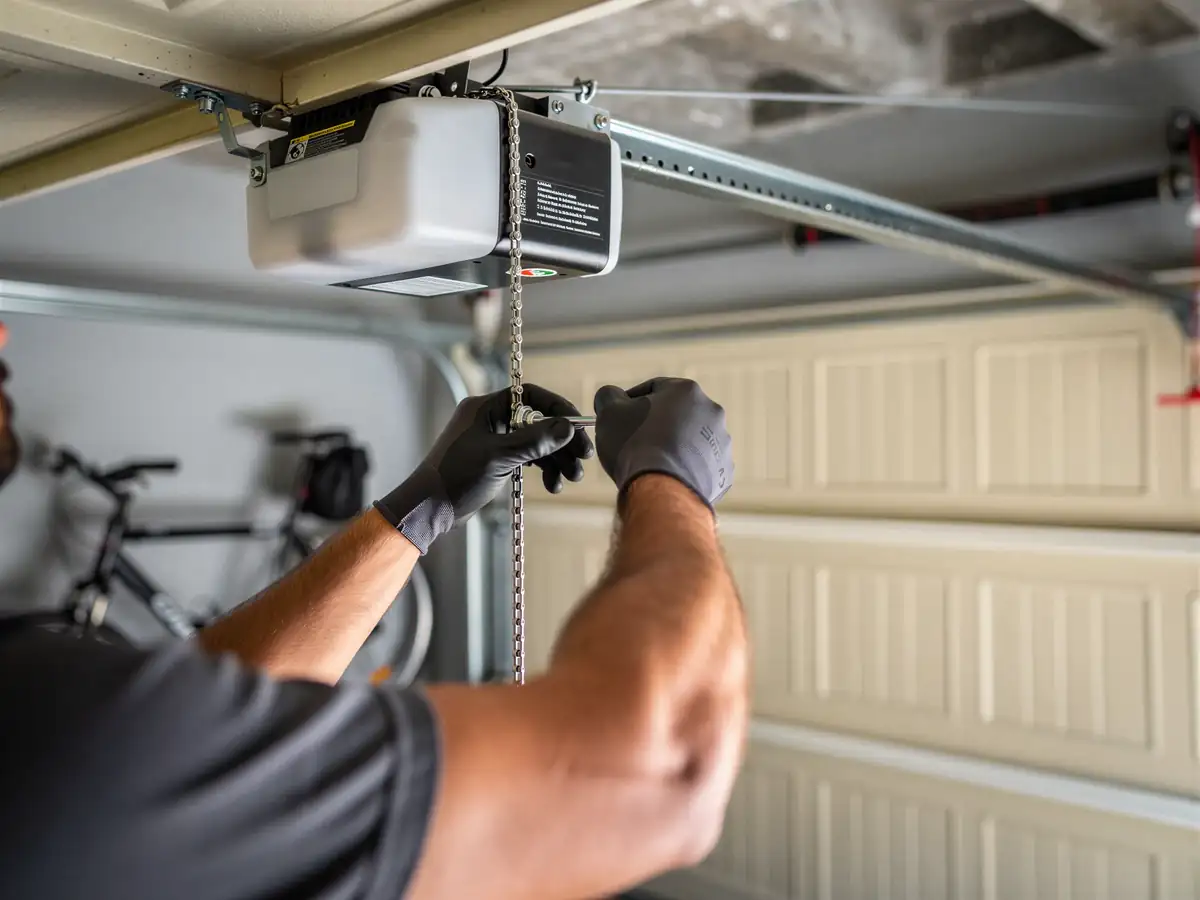
A technician adjusts the chain on a garage door opener.

Opener Repair

Opener trouble in a Niceville house built between 1973 and 2013? See why the failure happens here, what drives the cost, and how long you're stuck without the door.

Learn more
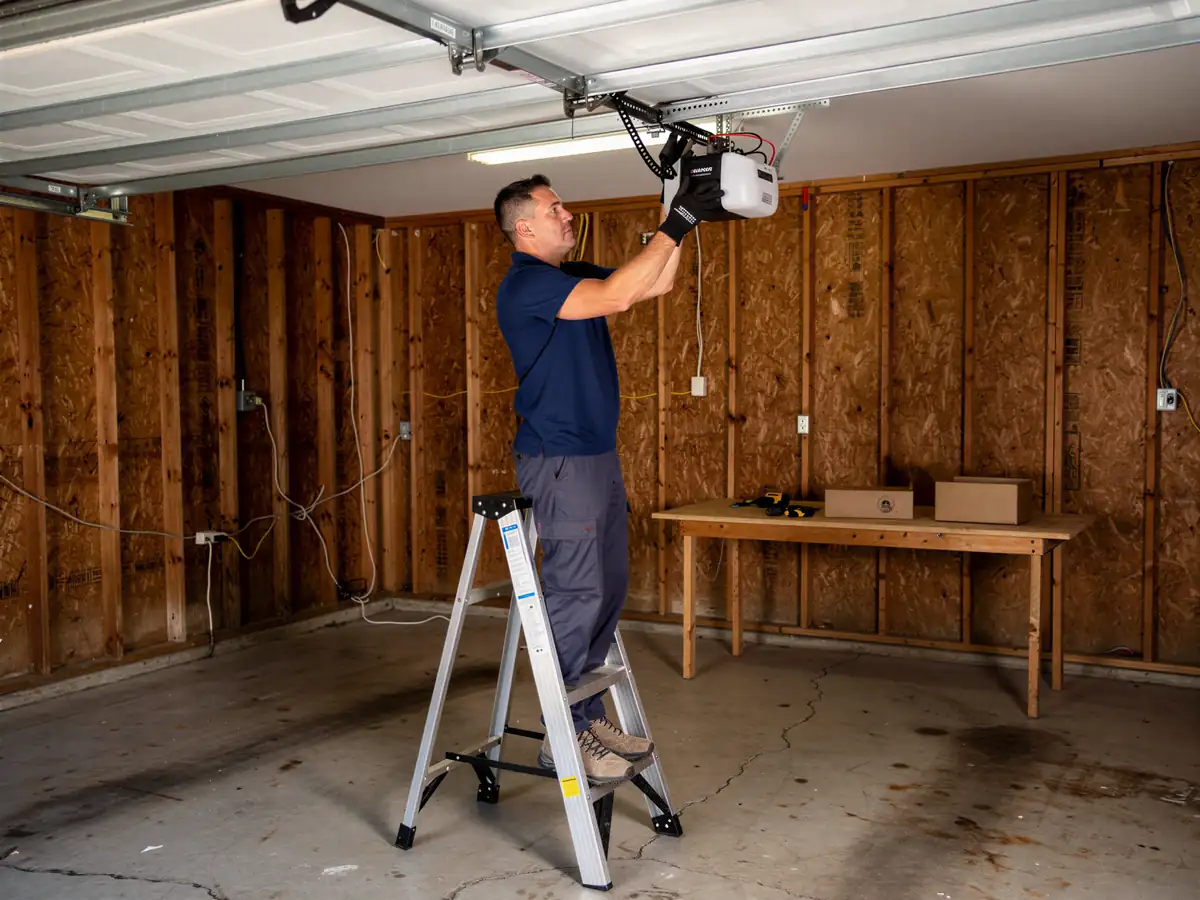
A technician on a ladder installs a garage door opener in a garage.

Opener Installation

Opener installation for Niceville-area homes built mostly from the 1960s through the 2010s, where humidity and aging chain-drive units cause the most calls we get.

Learn more
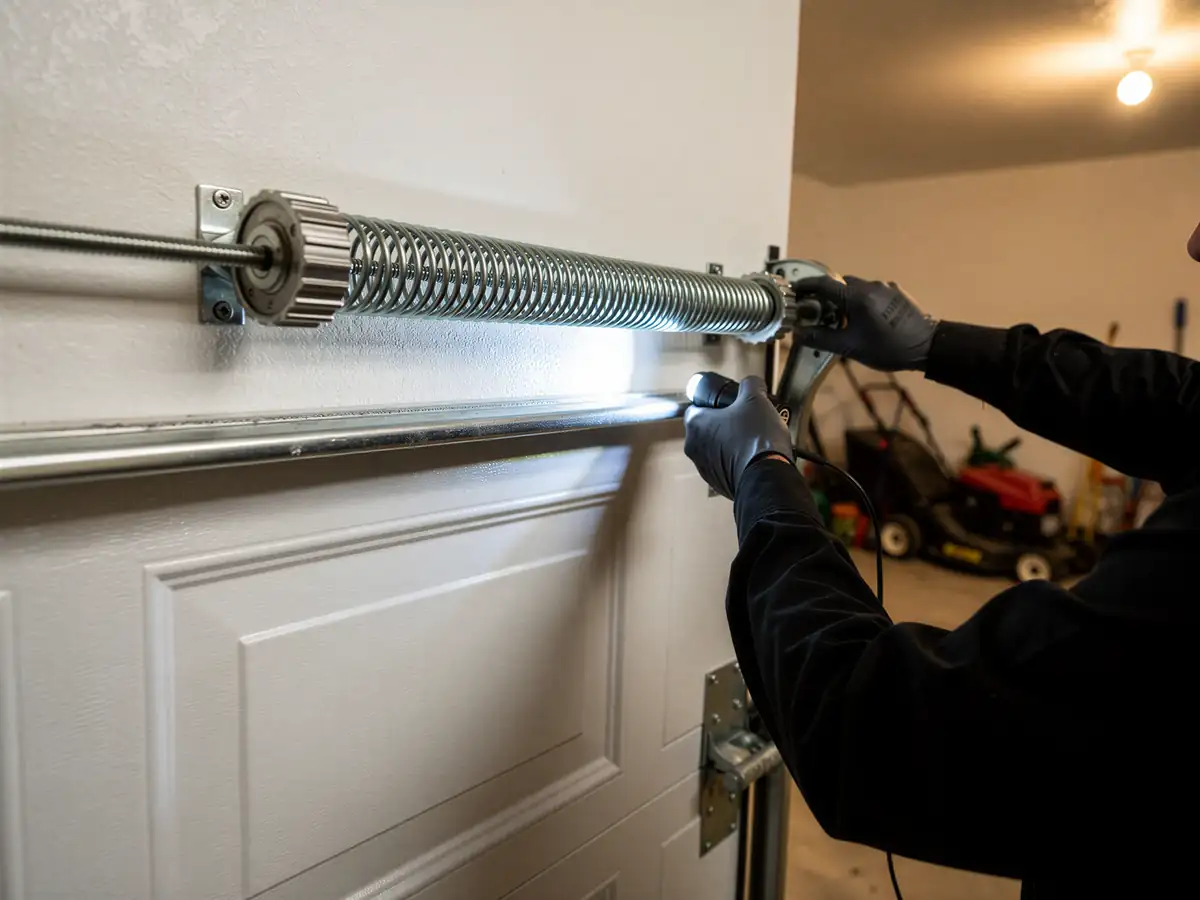
A technician in black gloves works on a garage door torsion spring.

Spring Repair

Torsion springs on Niceville's 1970s-era garage doors wear out on a predictable schedule. See why, what drives the cost, and how long you're stuck without the door.

Learn more
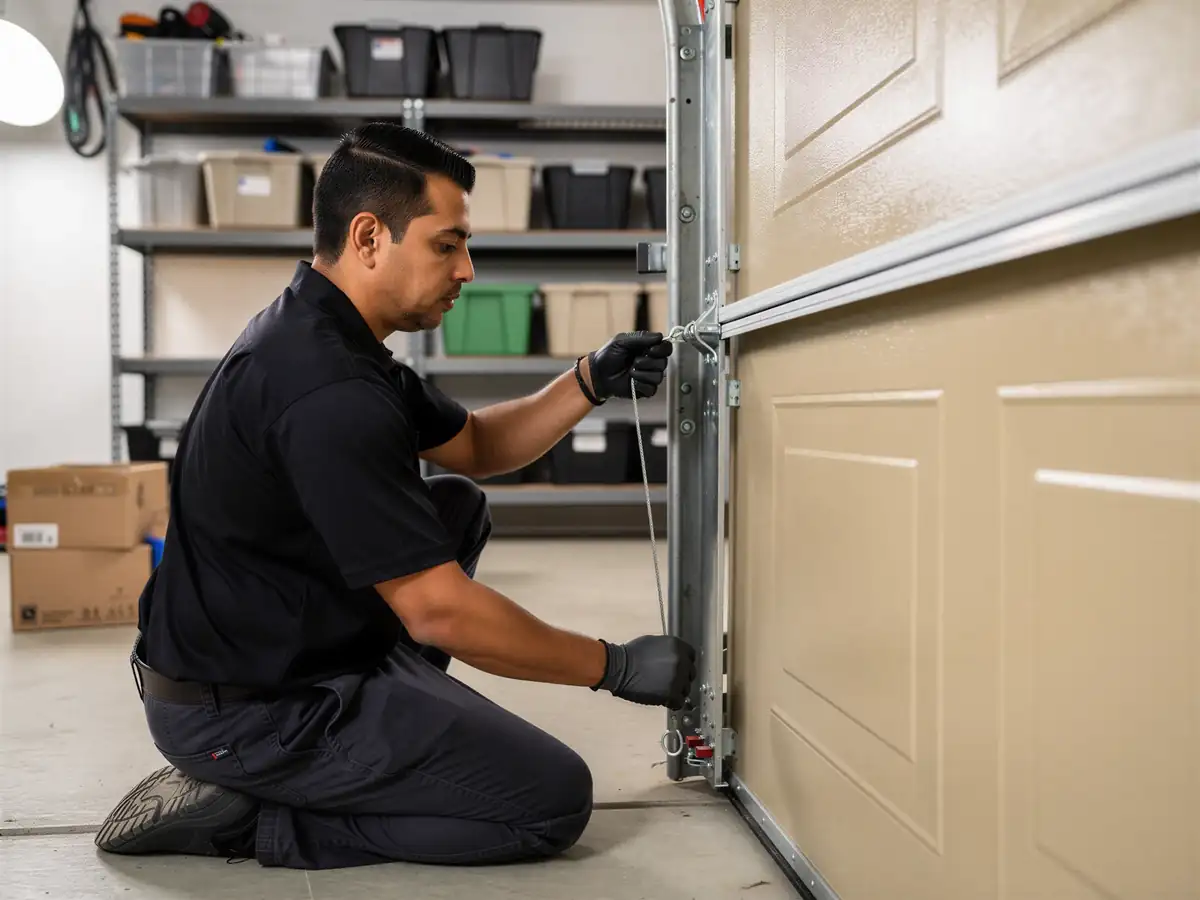
A technician in black gloves kneels while working on a beige garage door.

Cable Repair

Frayed or snapped garage door cables are common in Niceville's older torsion-hardware homes. See why it happens here, what drives the cost, and how long you're without the door.

Learn more
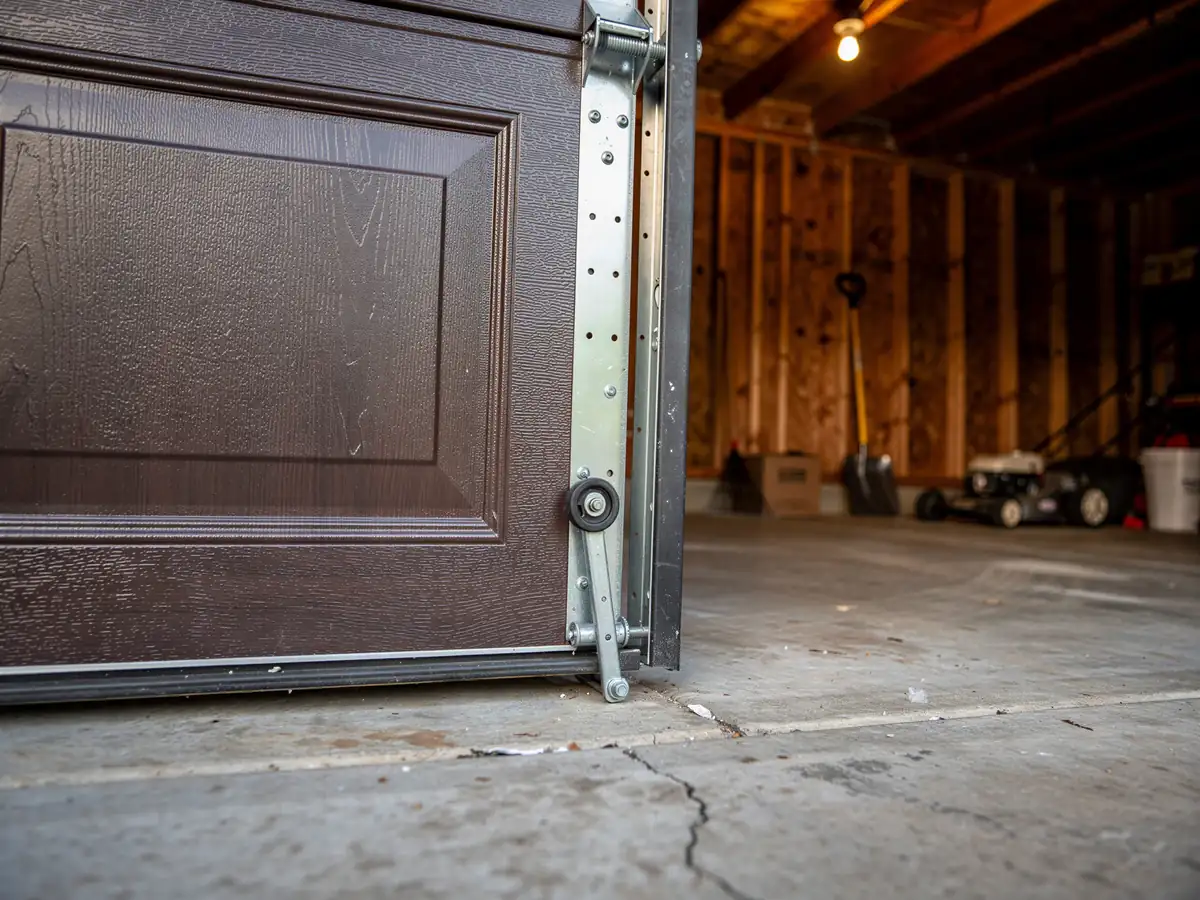
A brown garage door is slightly open, showing the roller and track.

Off-Track Repair

Why garage doors slip off track in Niceville, FL homes built mostly between 1973 and 2013, what drives the fix, how it shows up, and how long you're stuck.

Learn more
Questions

Frequently asked

Straight answers about garage door repair in Niceville. Still unsure? Ask us directly.

My garage door is original to the house - is it worth repairing or replacing?

Depends what's actually broken. A spring, a roller, or a seal on an original door is almost always a repair. But if the panel itself is dented, delaminating, or the track opening doesn't match a door you want to upgrade to, replacement usually makes more sense than chasing repairs on a fifty-year-old panel.

Why does my door rust at the hinges faster than I'd expect?

Sitting a few miles off the water, the air around Niceville carries more moisture most of the year than it would further inland. On original hardware without a strong galvanized coating, that shows up at the hinge pins and bottom bracket well before it would on a newer door.

Do I need to worry about freezing temperatures damaging my door?

Not in the way owners up north do. Niceville sees occasional freeze mornings, not sustained hard freezes. The bigger issue for an older door isn't ice - it's thickened lubricant and springs that were already under strain starting up cold.

Can I widen my garage opening for a two-car door?

Sometimes, but it's a structural question first. Many houses here were built with single-door openings, and the header above it wasn't sized for a wider span. That needs to be checked before anyone talks about the door itself.

Ready to get your garage door sorted?

Tell us what it’s doing and where you are in Niceville - we’ll take it from there.

Request a QuoteCall