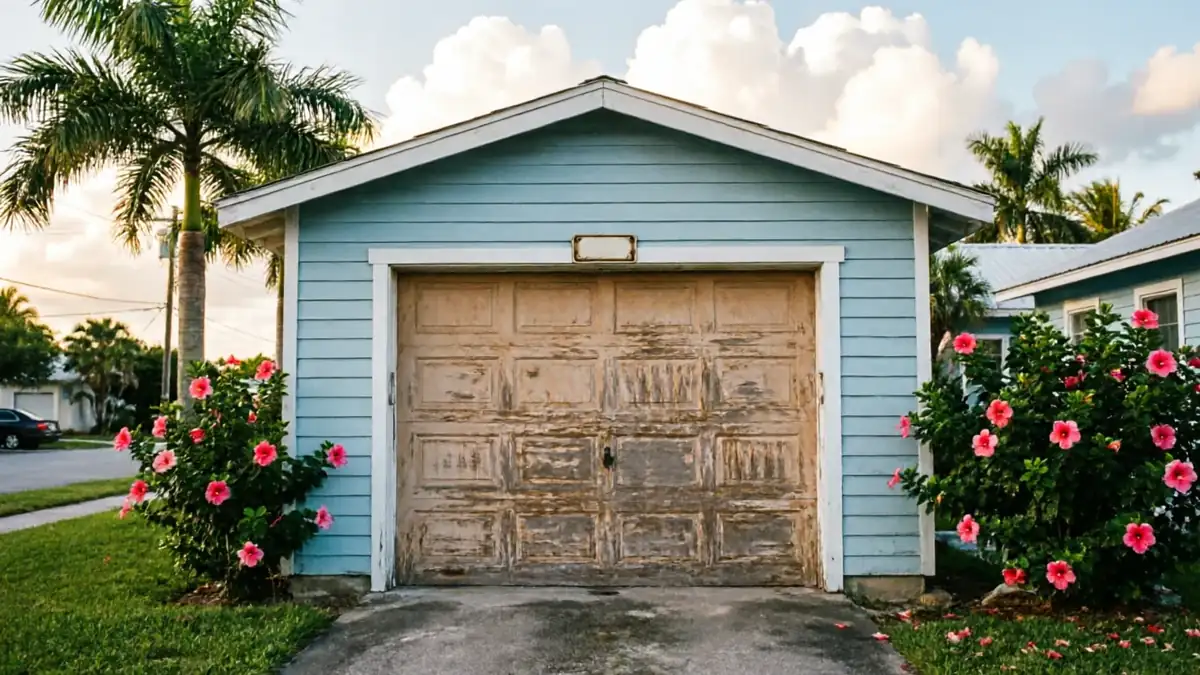
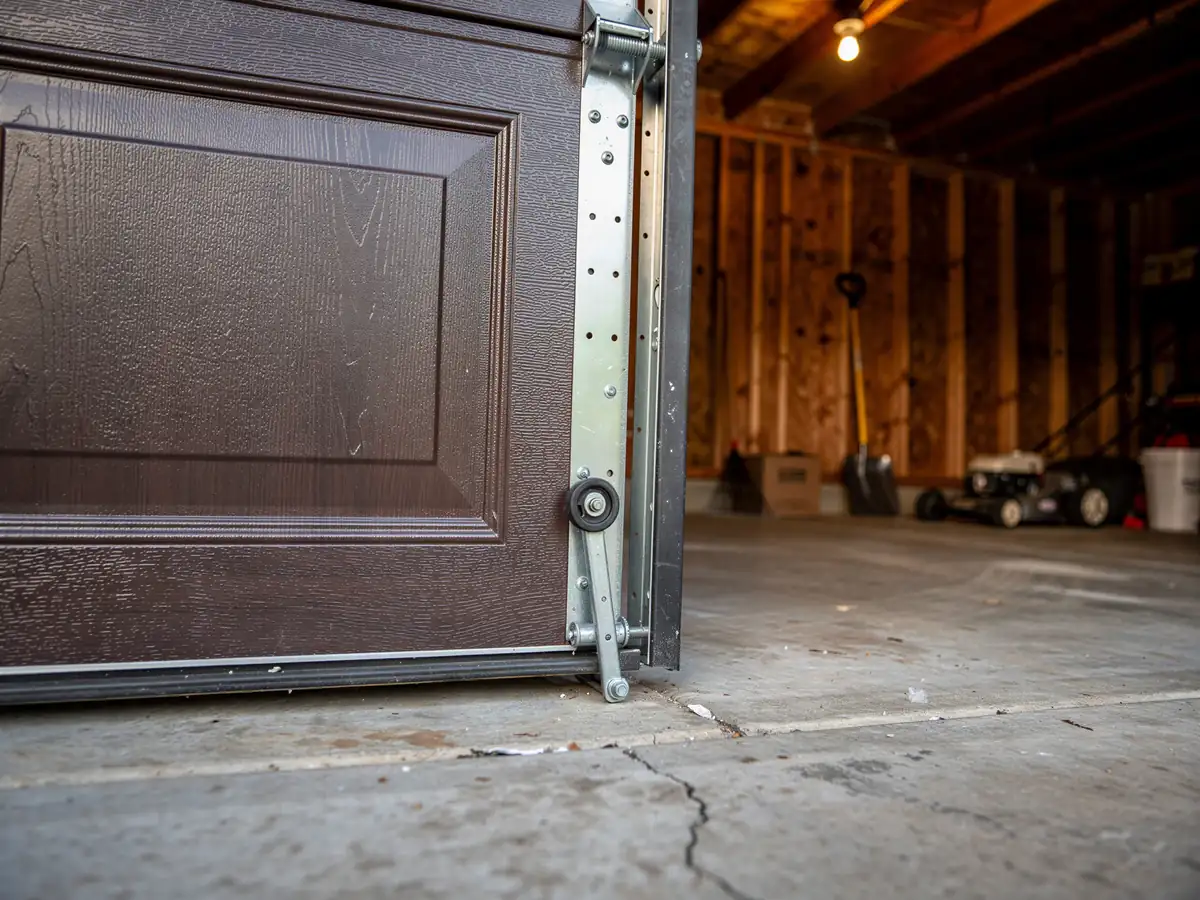
Housing in the Niceville service area mostly went up between 1973 and 2013, with the typical build year sitting around 1979. That matters more than most homeowners think, because a door is rarely the thing that gets replaced first. Siding gets repainted, roofs get redone, but the garage door and its hardware often just sit there from the day the house was framed. If your house falls on the older end of that range, there's a real chance you're still looking at an original torsion spring, original rollers, maybe even the original steel panels with no insulation layer behind them. None of that means the door is bad. Steel holds up. But springs are rated for a number of cycles, not years, and a door that's opened twice a day for four decades has put a lot of wear on hardware that was never meant to be serviced forever. The honest answer on whether to fix or replace comes down to what's actually failing - a spring or a cable is almost always worth repairing on a door that's otherwise sound. A warped panel or a track that's been bent and re-bent is a different conversation.
Checking It Yourself
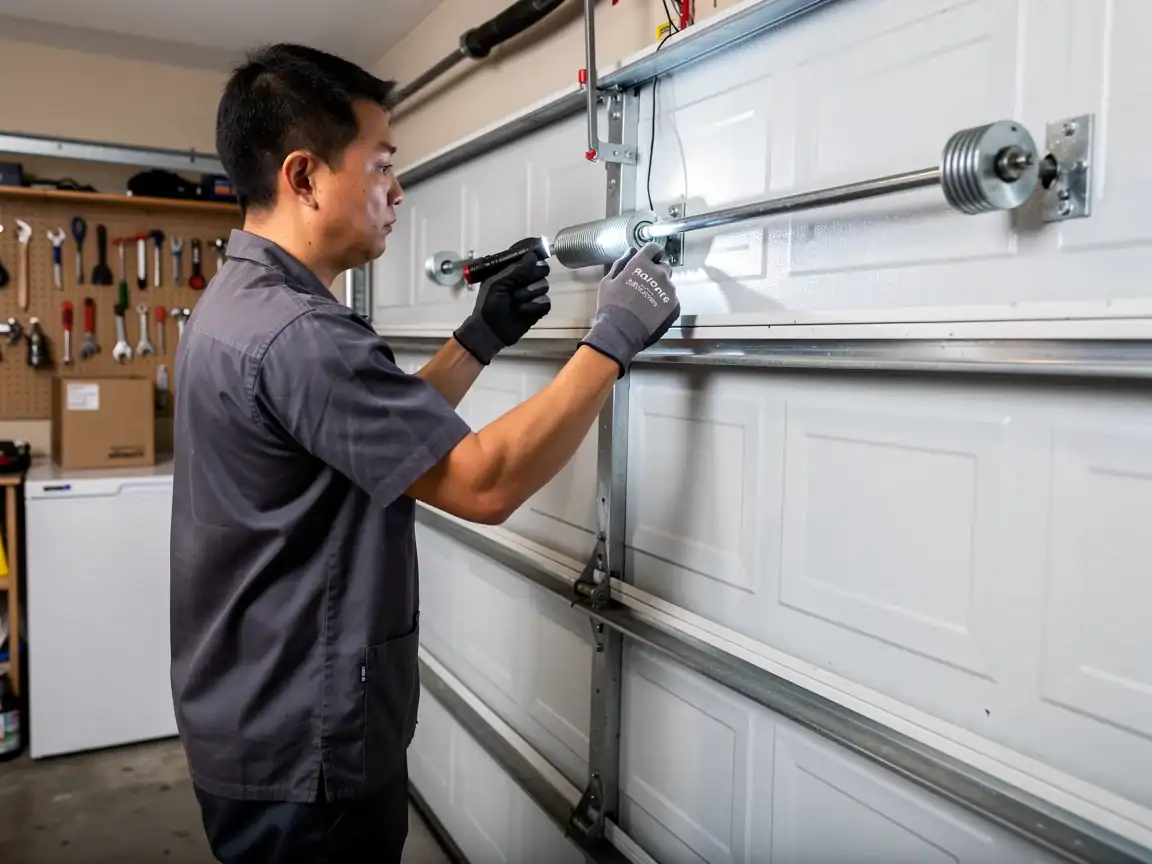
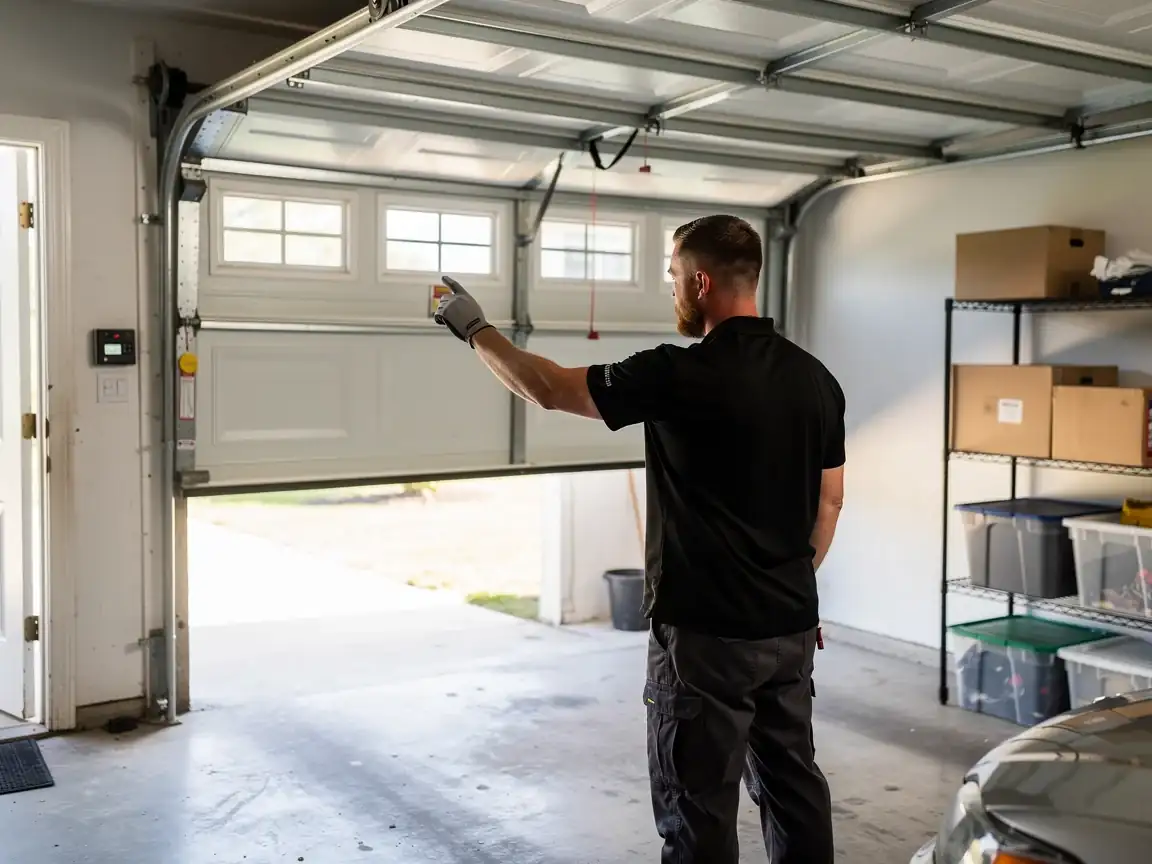
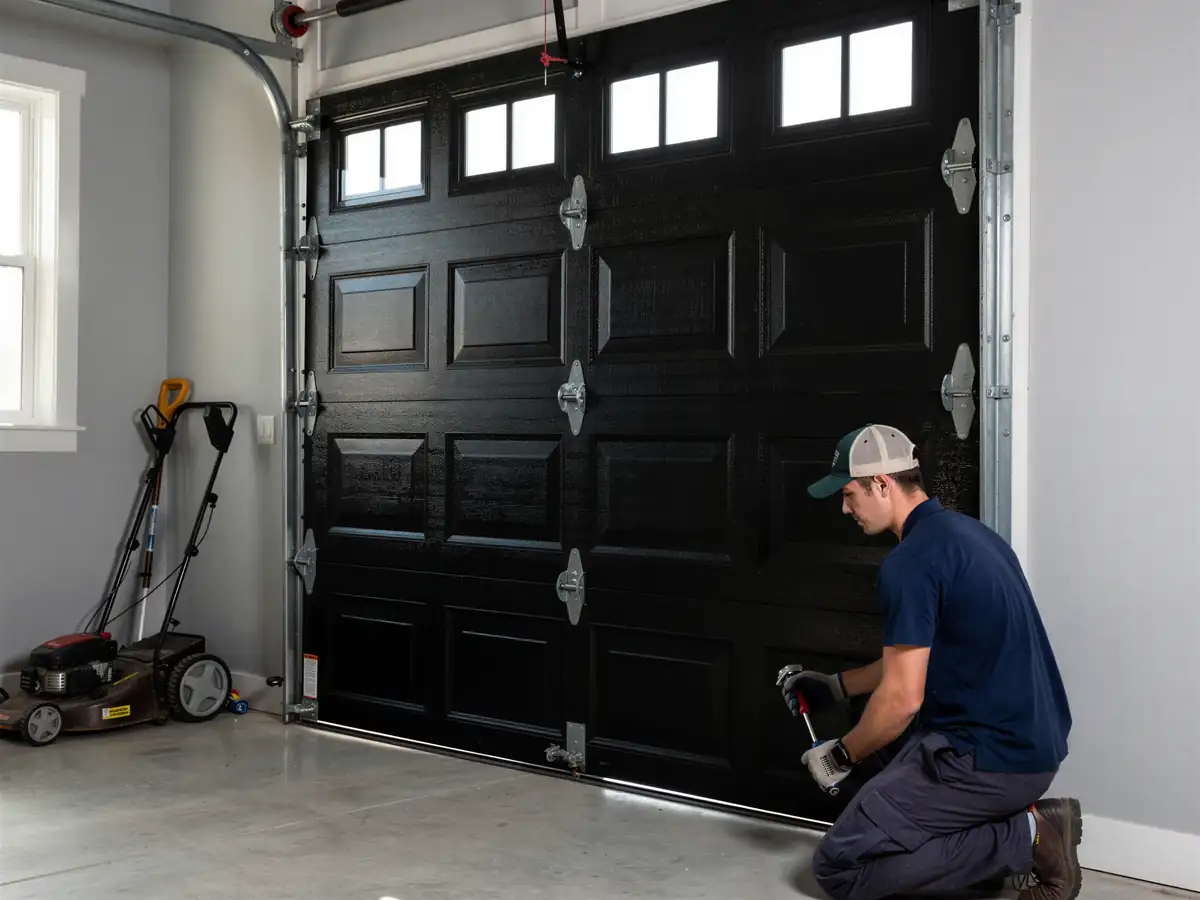
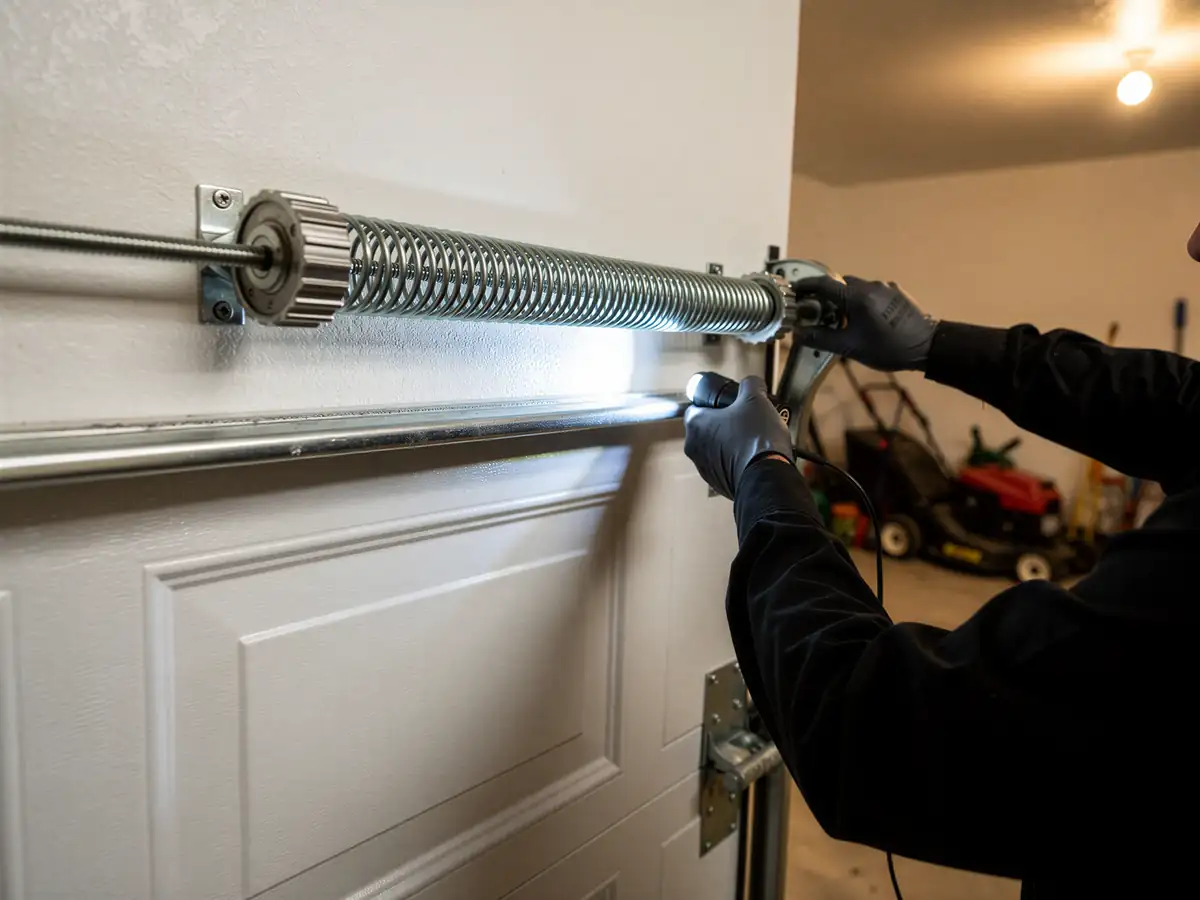
Start with the springs. If you've got the older torsion style mounted above the door, look for a visible gap in the coil - that's a broken spring, and it means the door shouldn't be opened by the opener until it's fixed. Next, pull the release cord and lift the door by hand. It should move evenly and stay roughly where you let go. If it drops fast or feels heavier on one side, the spring tension is off or one spring has already given out. Check the rollers next - on a door built in the 1970s or 80s, steel rollers are common, and after enough cycles they wear a flat spot that shows up as a thump every time that roller hits the track. Look at the bottom panel too, since that's the one that takes the most moisture and ground contact over the years. Surface rust on a steel door isn't automatically a problem, but rust that's bubbled or eaten through the metal means that panel's structural integrity is compromised, not just its paint job.
How Local Conditions Play In
Niceville sits in a mild climate band with only occasional freezes, which actually works in an older door's favor compared to places that see hard winters every year. You don't get the deep freeze-thaw cycles that crack springs and split wood trim on a seasonal basis. That's part of why doors from the 1970s and 80s stock common to this area have lasted as long as they have - the metal and hardware aren't fighting extreme temperature swings most of the year. But mild doesn't mean no stress at all. Humidity stays present through most seasons here, and on a door with 40-plus years of exposure, that steady moisture is usually what ages hardware faster than temperature does - rust creeping in at hinge points and the bottom seal track, lubricant washing out of bearings faster than in a drier climate. If your house falls in the 1973-2013 build range, the door's biggest enemy probably hasn't been a dramatic weather event. It's been decades of ordinary humidity doing slow work on the parts nobody looks at.
The Seasonal Bit
With a mild climate and only occasional freezes, Niceville doesn't really have a single garage door season the way colder regions do. The springs don't go through the dramatic contraction that breaks them on the first hard freeze of November. What you do get, a handful of mornings a year when temperatures dip, is stiffened lubricant on older hardware - a door that's been smooth all year suddenly groans or hesitates on a cold morning, then loosens up by afternoon. That's usually not a sign of failure, it's a sign the grease on 30 or 40-year-old rollers and hinges is past its working life and needs replacing, not just the door. Where this becomes a bigger decision is a door built early in the 1973-2013 range that's already had one spring replacement and is now showing wear somewhere else. At that point you're not weighing one repair against another, you're weighing a second or third repair against a door built with better materials than what was standard when the original went in.
How it works
From “it’s stuck” to “it’s fixed”
01
Tell us what’s wrong
Describe the symptom - won’t open, loud bang, opener runs but the door won’t move.
02
On-site diagnosis
A technician tests the door under power and by hand and finds what actually failed.
03
Clear, up-front plan
You get the fix that’s needed and what drives the cost - before any work starts.
04
Repaired & tested
The repair is done, the door is set true and tested, and the work area left clean.
Not sure which repair your door needs in Niceville, FL? Describe what it’s doing - every job starts with a diagnosis.
My garage door is from when the house was built in the late 1970s. Is it too old to repair?
Age alone doesn't decide it. If the panels are solid and it's a spring, cable, or roller problem, repair almost always makes sense on a door that old. It only tips toward replacement when the steel itself has rusted through or warped, or when you're facing a second major hardware failure in a short span.
Why does my older door stick on cold mornings even though winters here are mild?
Niceville only sees occasional freezes, not sustained cold, but even a short dip stiffens old grease on rollers and hinges that have been in service for decades. It usually loosens up by afternoon. That's a lubrication issue on aging hardware, not a sign the door is failing.
Is rust on my garage door panel a real problem or just cosmetic?
Surface rust on steel is common after years of humidity exposure and isn't urgent by itself. The concern is rust that's bubbled the paint or eaten through the metal - that weakens the panel structurally, especially near the bottom where moisture sits longest, and that's worth having looked at.
Ready to get your garage door sorted?
Tell us what it’s doing and where you are in Niceville - we’ll take it from there.