Opener trouble in a Niceville house built between 1973 and 2013? See why the failure happens here, what drives the cost, and how long you're stuck without the door.
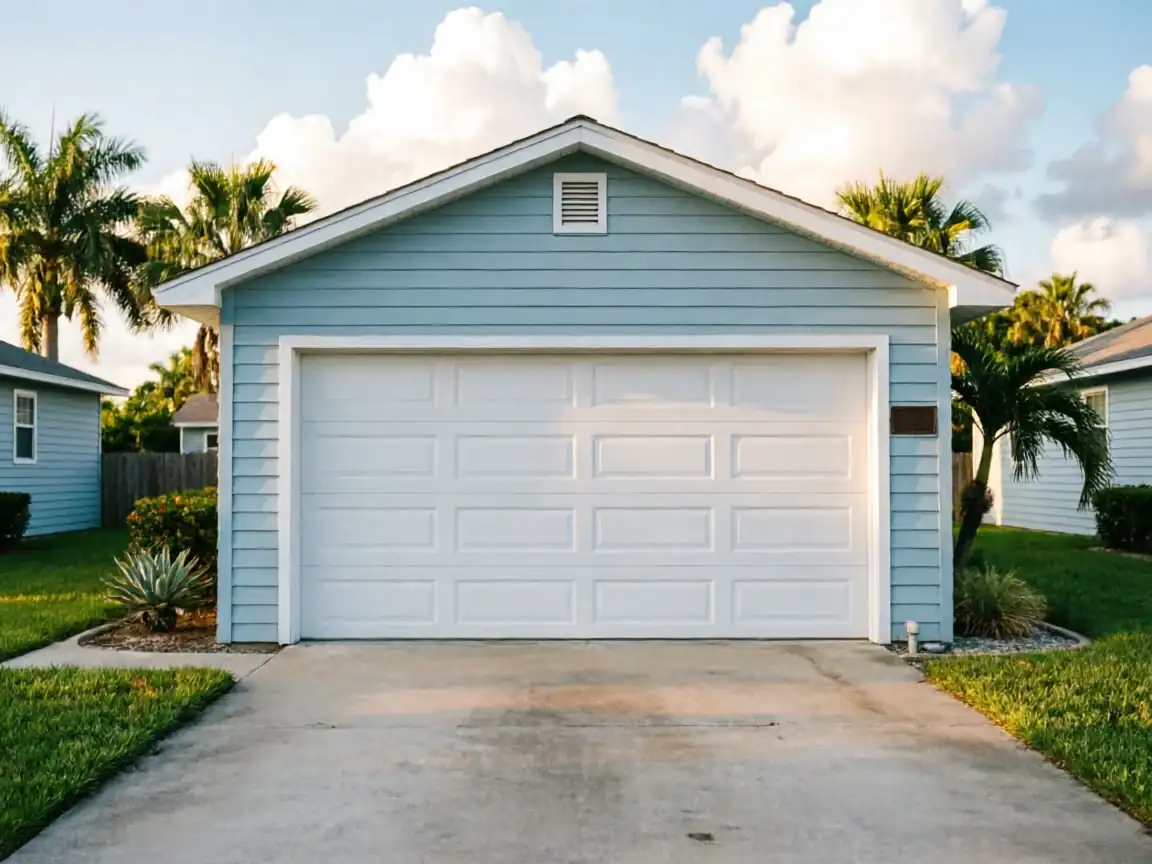
Most houses in this part of the Panhandle went up between 1973 and 2013, with the median build year sitting around 1979, and the stock across the seven areas we work tends to cluster in 1960s and 70s construction. That matters for openers because a unit installed with a house from that era is either the original chain-drive, long since replaced once or twice, or a mid-2000s model that's now aging out of its own parts cycle. The climate here is mild with occasional freeze nights, which sounds easy on equipment, but it isn't. Humidity swings corrode the chain and sprocket on older drives, and the circuit boards in openers from the late 1990s through early 2000s weren't built for coastal moisture. You get a board that works fine for years and then starts skipping signals the first cold, damp snap of the season. Garage doors on these houses also tend to sit in detached or side-load garages that don't get much airflow, so condensation sits on the motor housing longer than it would in a drier inland town. None of this means your opener is doomed. It means the failure pattern here leans toward corrosion and board fatigue more than pure mechanical wear, and that changes what we check first.
What You Pay
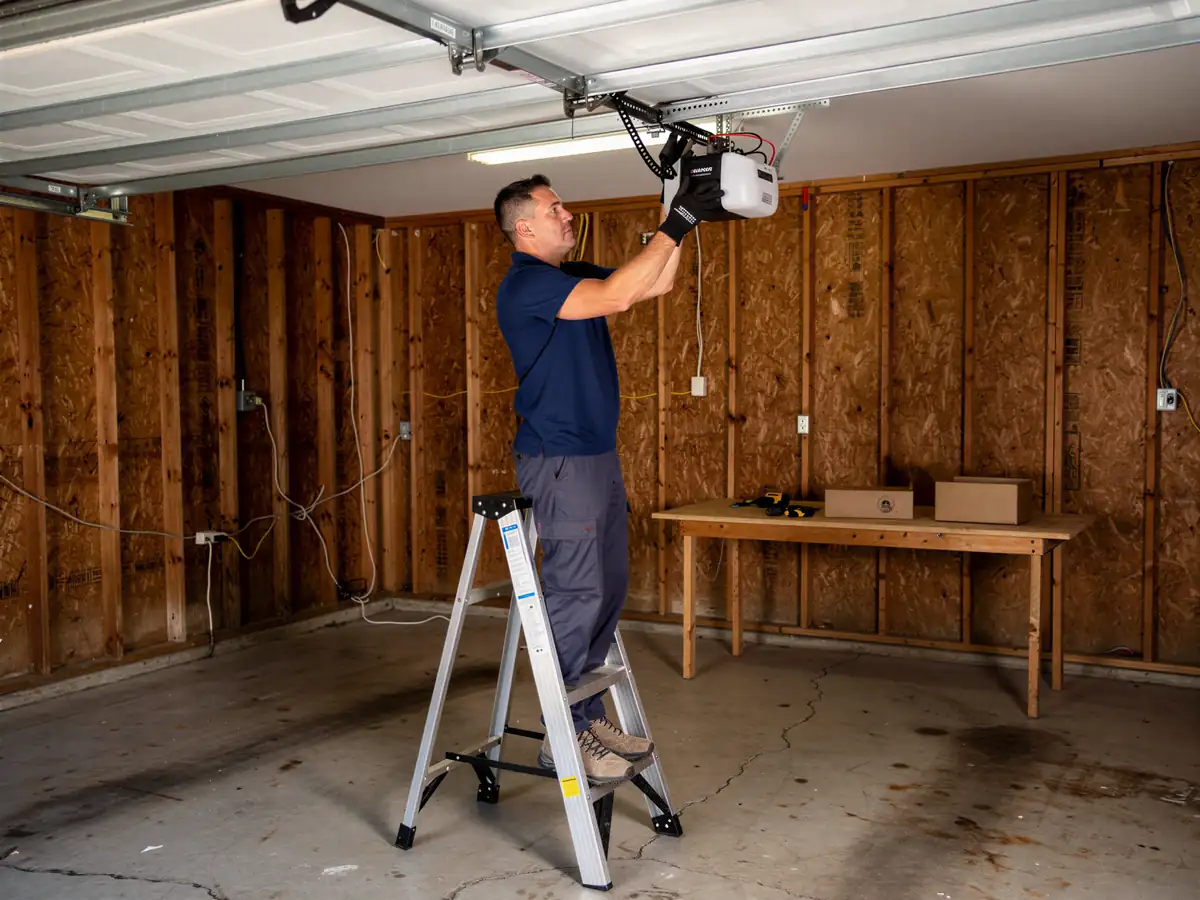
We don't post a flat number here because opener repair cost depends on what's actually broken - a logic board, a gear set, a capacitor, or a full unit swap are four different jobs with four different parts costs. What we can tell you is how the decision usually breaks down for owners in this area. With a median household income of about $81,938 and roughly 8,743 owner-occupied houses across the service area, we see a wide mix: some owners want the cheapest fix that gets them another five years, others want a new unit with battery backup once the old board starts acting up for the second time in a year. If your opener is original to a house built in the 1960s or 70s, we'll usually tell you straight that a new unit costs less over time than chasing parts for a drive that's been discontinued. That's not us pushing a sale - it's the honest math once you've replaced the same board twice. We quote after we look at the unit, not over the phone, because guessing on an opener repair almost always guesses wrong in one direction or the other.
How It Shows Up
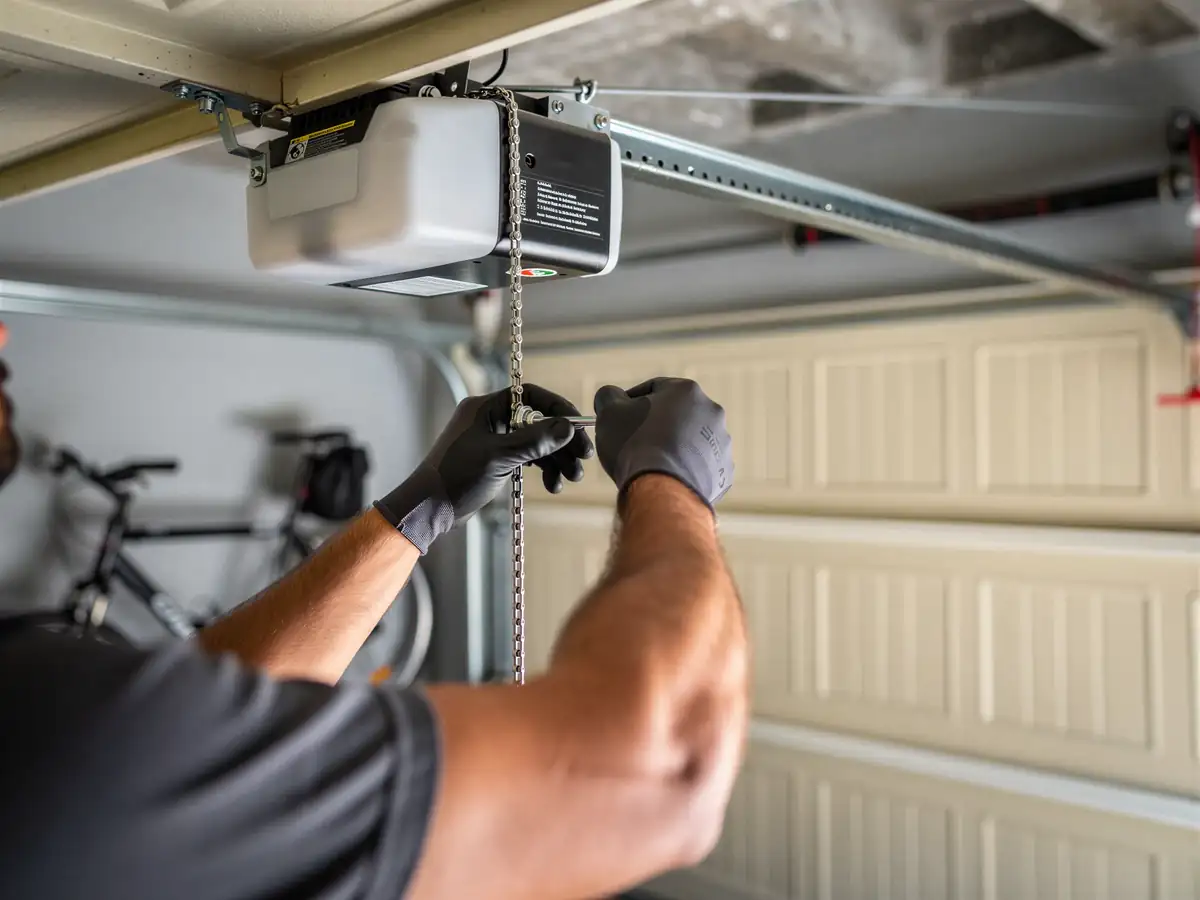
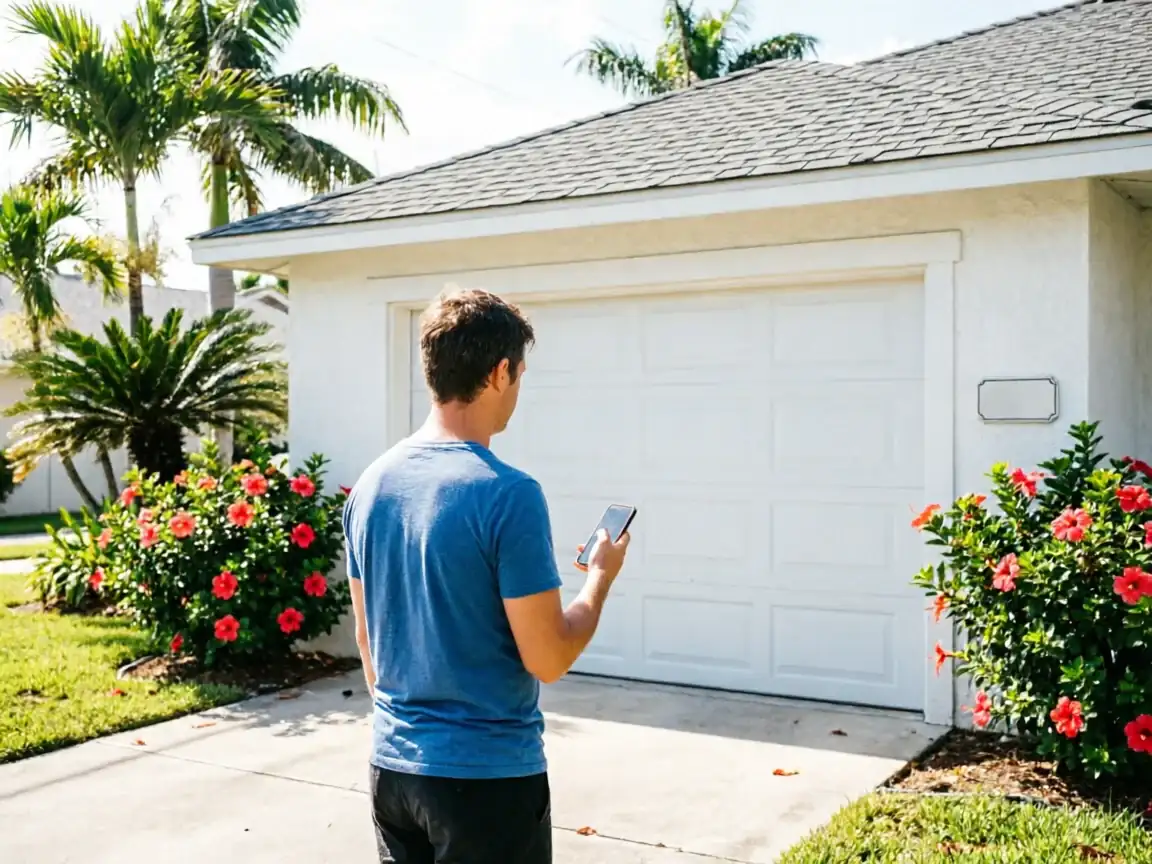
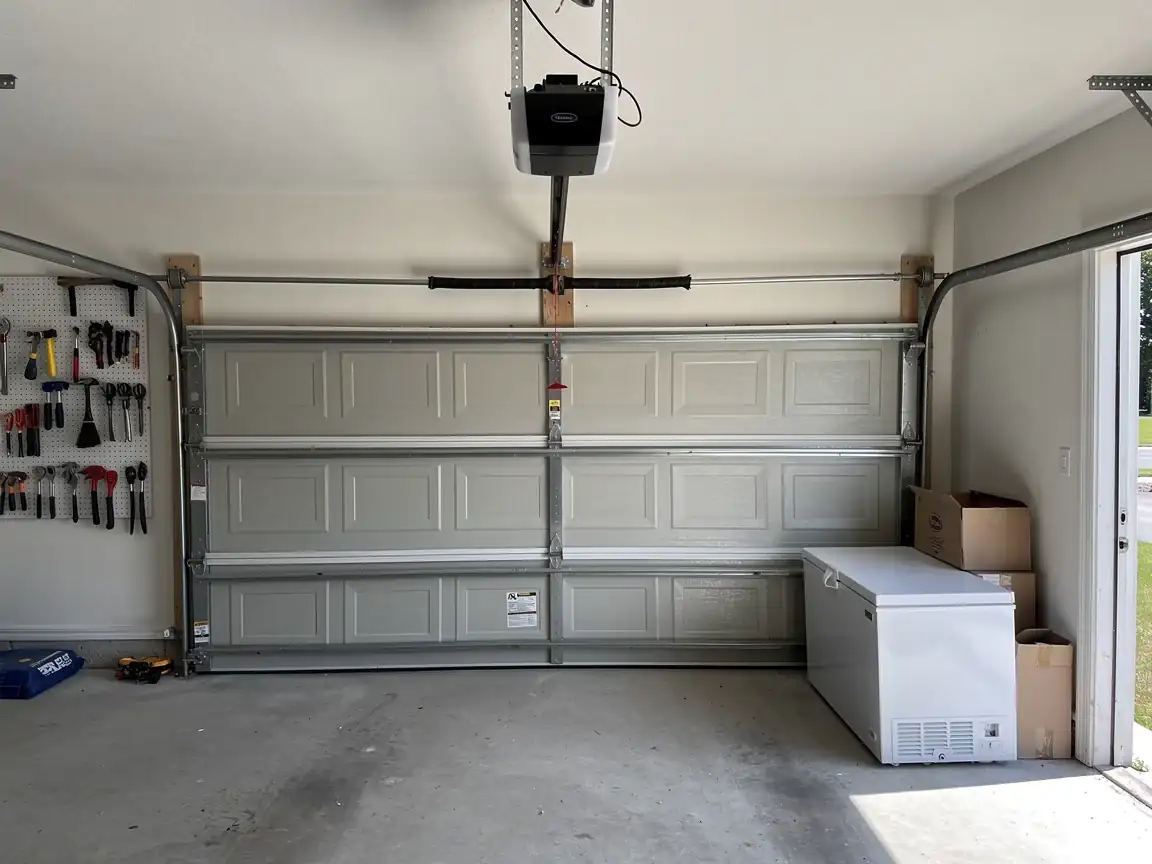
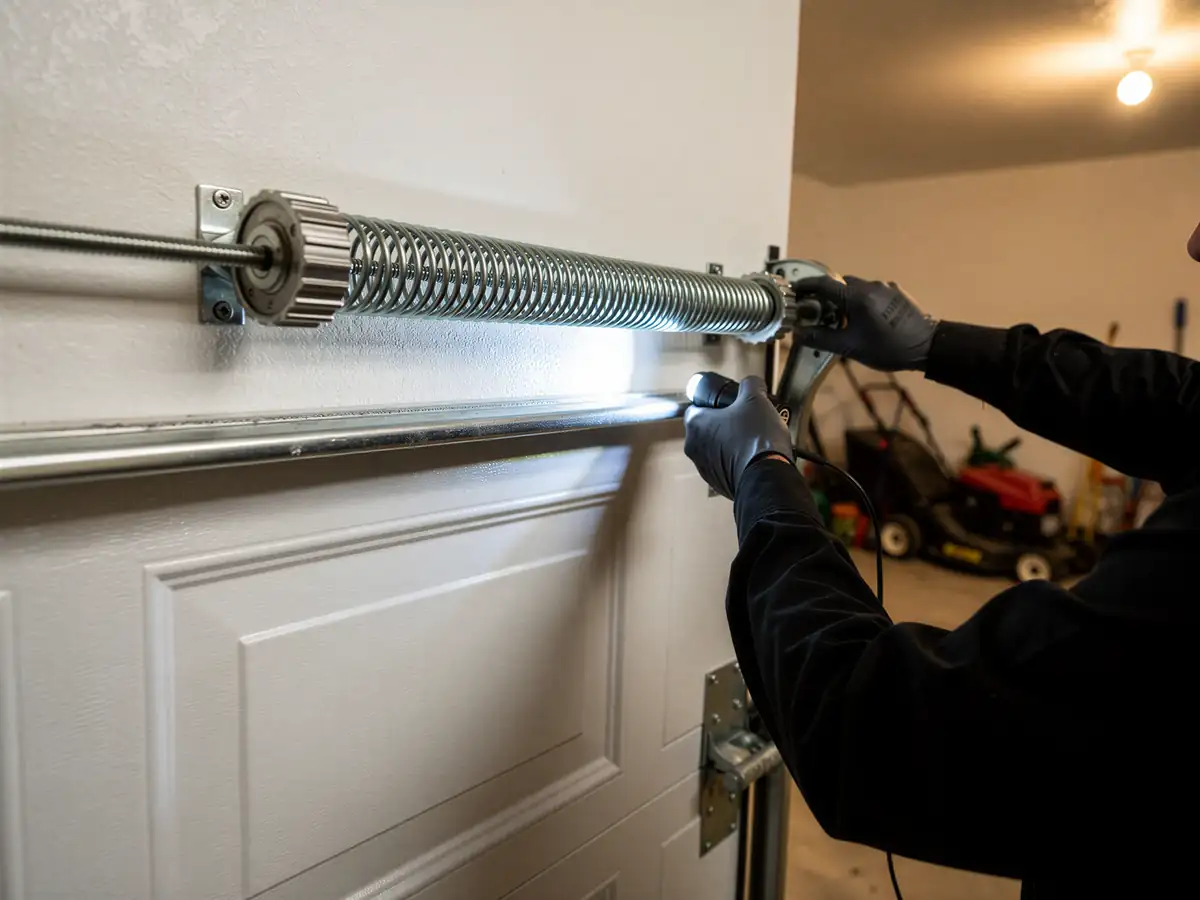
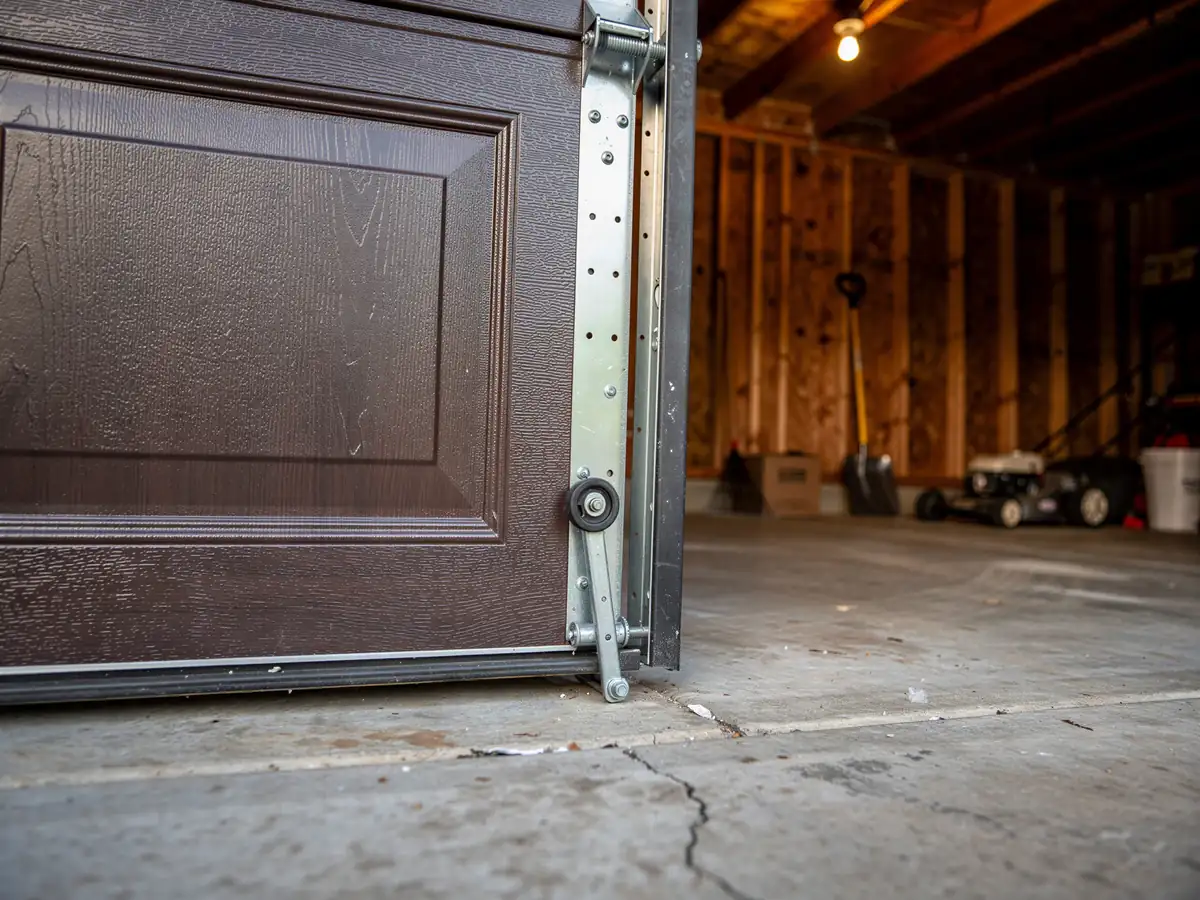
The most common complaint we hear is the opener running - you hear the motor - but the door doesn't move, or moves and then stops partway. That's usually a stripped gear, common in units that have been cycling through humid Panhandle summers for a decade or more. Second most common: the remote works sometimes, inconsistently, especially right after a cold snap or a heavy rain. That points to a board or antenna issue, not the remote battery, and it's the pattern we trace back to the moisture problem specific to this climate band. Lights on the opener blinking a set number of times is the unit's own way of telling you which safety sensor or circuit it thinks failed - worth noting before you call, since it saves diagnostic time. Some owners also notice the door reversing right before it touches the floor, which is a travel-limit or sensor alignment issue, not usually the motor itself. We've also seen openers that work fine on their own circuit but fail during storms when the whole house loses power and the battery backup, if there is one, doesn't kick in - that's a backup battery problem, not an opener problem, and it's worth knowing the difference before paying for the wrong fix.
How Long You Are Without the Door
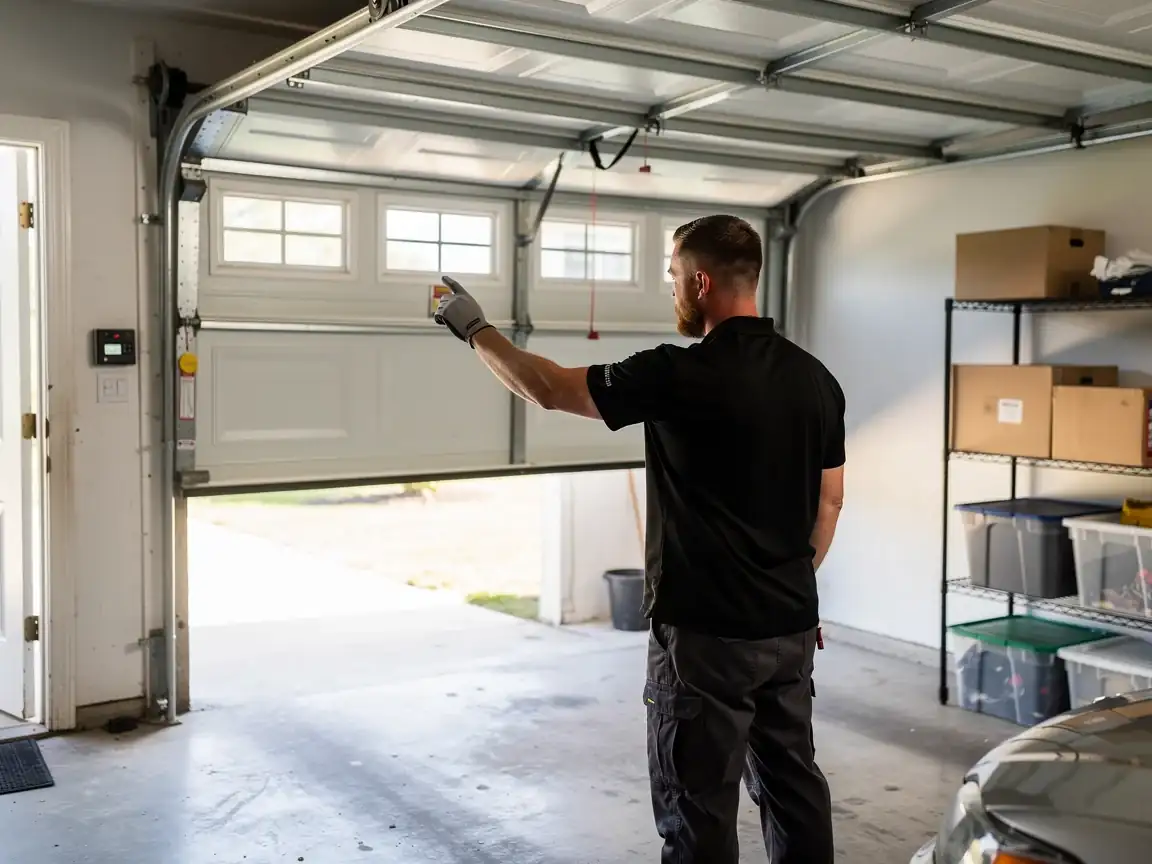
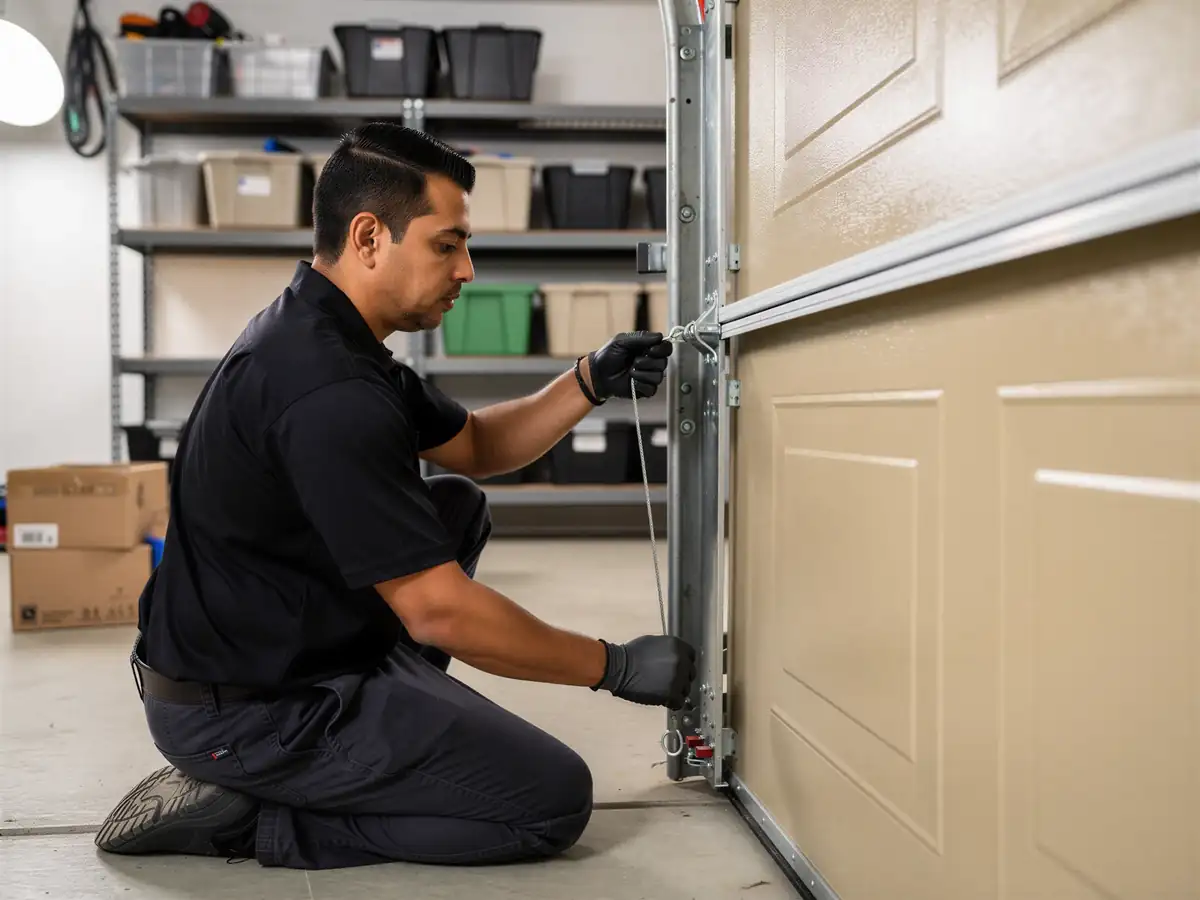
Here's the honest limitation: if your opener needs a specific control board for a discontinued unit, that part isn't always on the truck, and ordering it can take longer than the repair itself. We'll tell you up front if that's the situation rather than quote a timeline we can't hit. In the meantime, every opener has a manual release cord - we'll show you how to use it so you can open and close the door by hand while you wait, which matters if you've only got the one garage and need the car out in the morning. For common failures - a bad sensor, a worn gear, a dead capacitor - we carry the parts that fit most units installed in houses built in this area's main construction window, so those repairs typically finish same visit. Full unit replacements usually also finish in one visit once we've got the model confirmed, since battery-backup units suited to houses that lose power during storms are stock items. The cases that stretch out are the older, decommissioned drive systems from houses on the earlier end of the 1973-2013 build range - those are the ones worth just replacing rather than waiting on a part that may not come.
How it works
From “it’s stuck” to “it’s fixed”
01
Tell us what’s wrong
Describe the symptom - won’t open, loud bang, opener runs but the door won’t move.
02
On-site diagnosis
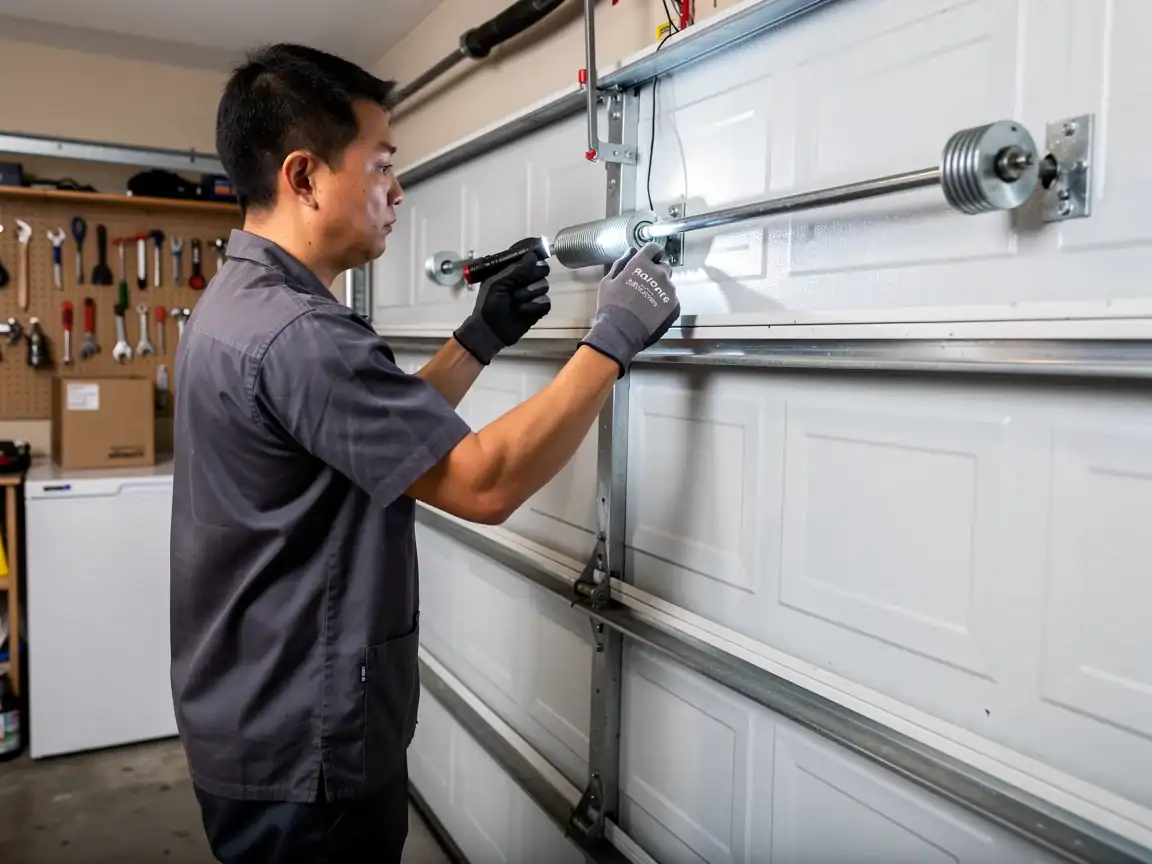
A technician tests the door under power and by hand and finds what actually failed.
03
Clear, up-front plan
You get the fix that’s needed and what drives the cost - before any work starts.
04
Repaired & tested
The repair is done, the door is set true and tested, and the work area left clean.
Not sure which repair your door needs in Niceville, FL? Describe what it’s doing - every job starts with a diagnosis.
Circuit boards and chain drives in older openers corrode faster with Panhandle humidity than they do in drier climates. Combined with occasional freeze nights, that swing between damp and cold stresses the board's solder joints and the chain's lubrication, which is why intermittent remote failures spike seasonally rather than staying constant year-round.
Should I repair or replace my opener?
If your opener is original to a house built in the 1960s or 70s, or you've already replaced the board once, replacement usually costs less over time than chasing parts for a discontinued unit. We'll tell you honestly which way the math points once we've looked at the specific model and what's failed.
My opener runs but the door won't move - what is that?
That's almost always a stripped internal gear, a common failure in units that have cycled for a decade or more in this climate. The motor spins but can't engage the drive, so you hear it running with no door movement. It's a parts-and-labor fix, not a sign the whole opener is dead.
Can I still open my garage door if the opener is broken?
Yes. Every opener has a manual release cord that disconnects the door from the motor so you can lift it by hand. We'll show you how to use it safely if you're waiting on a part, which can matter if a specific control board needs to be ordered rather than pulled from stock.
Ready to get your garage door sorted?
Tell us what it’s doing and where you are in Niceville - we’ll take it from there.