Checking It Yourself
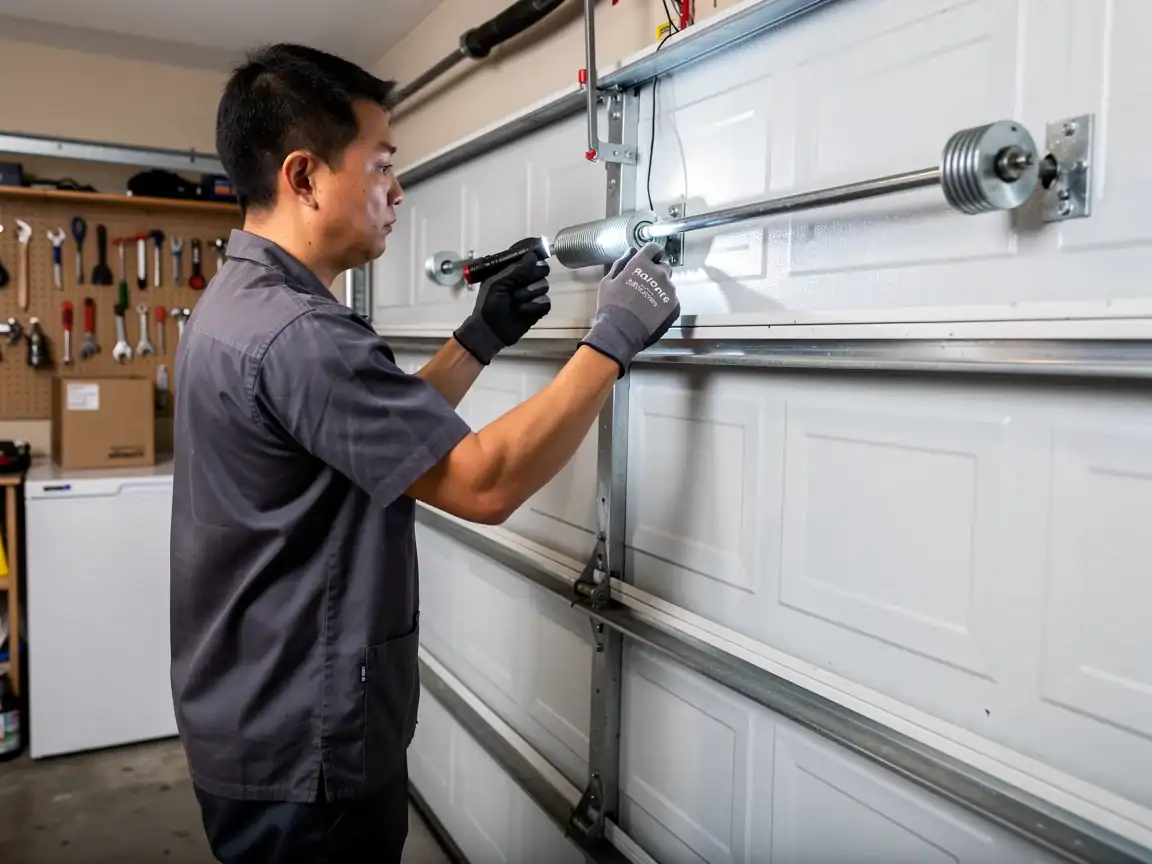
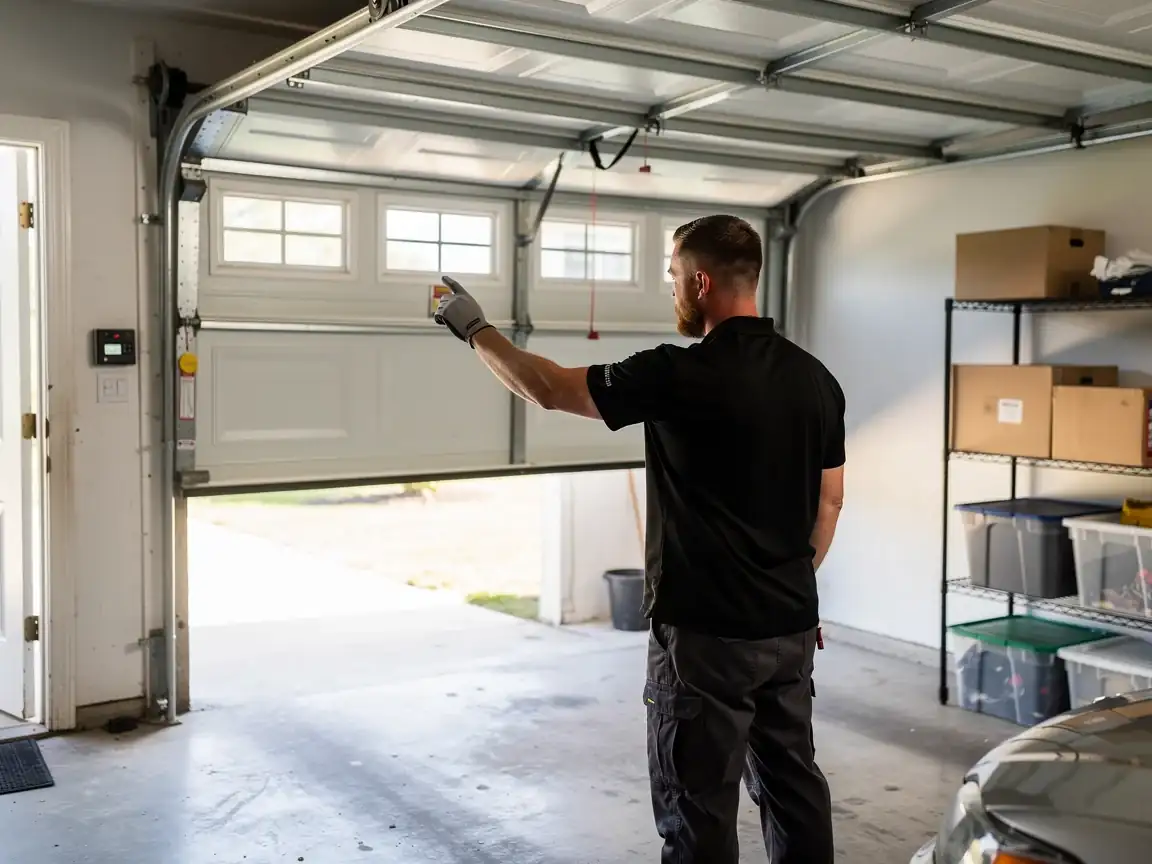
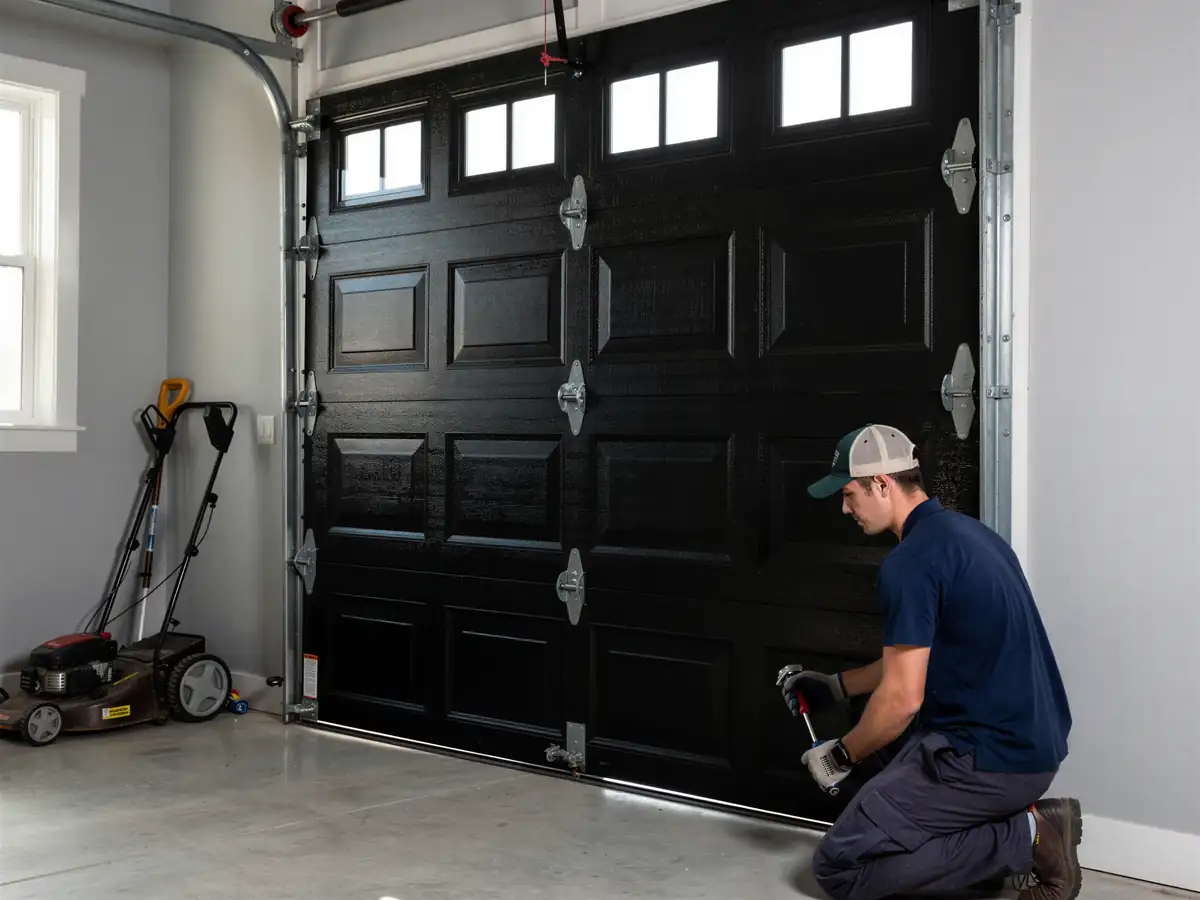
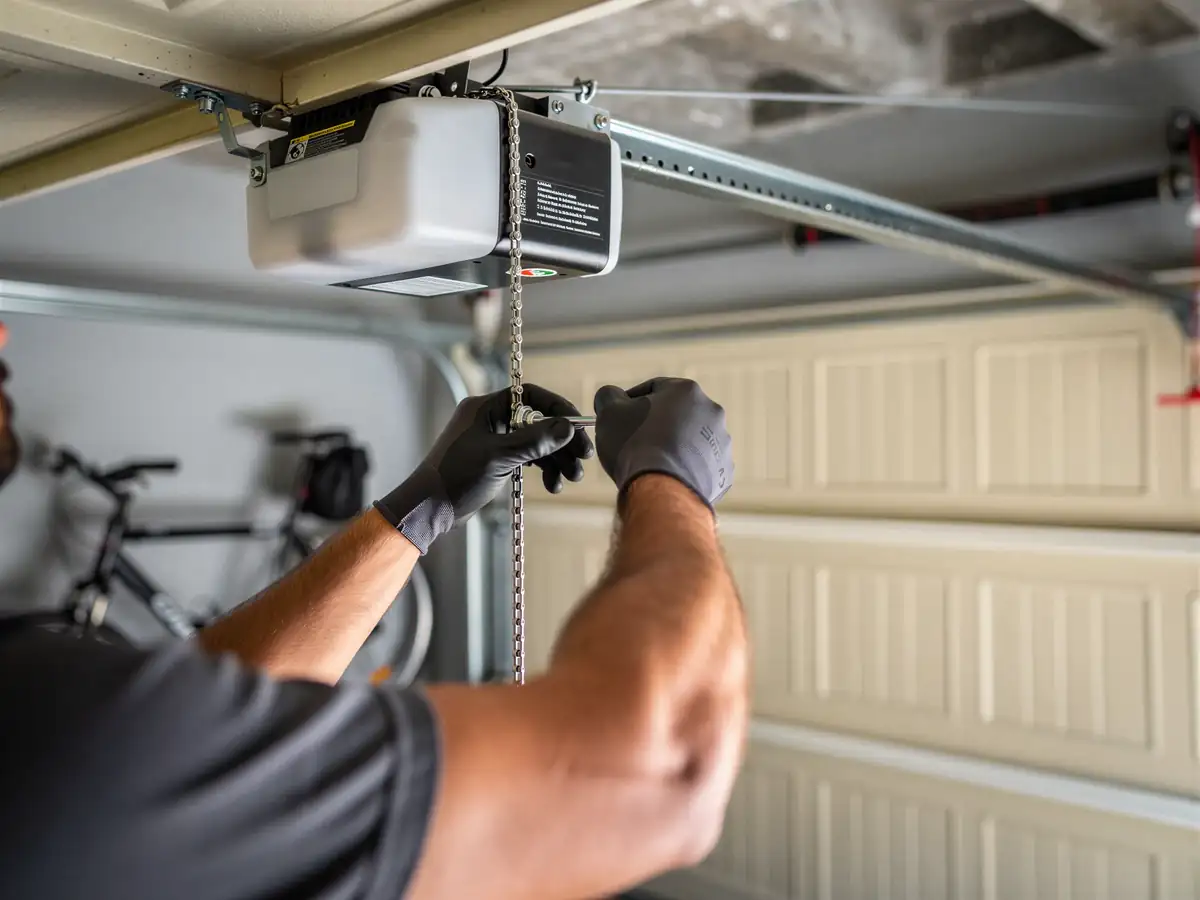
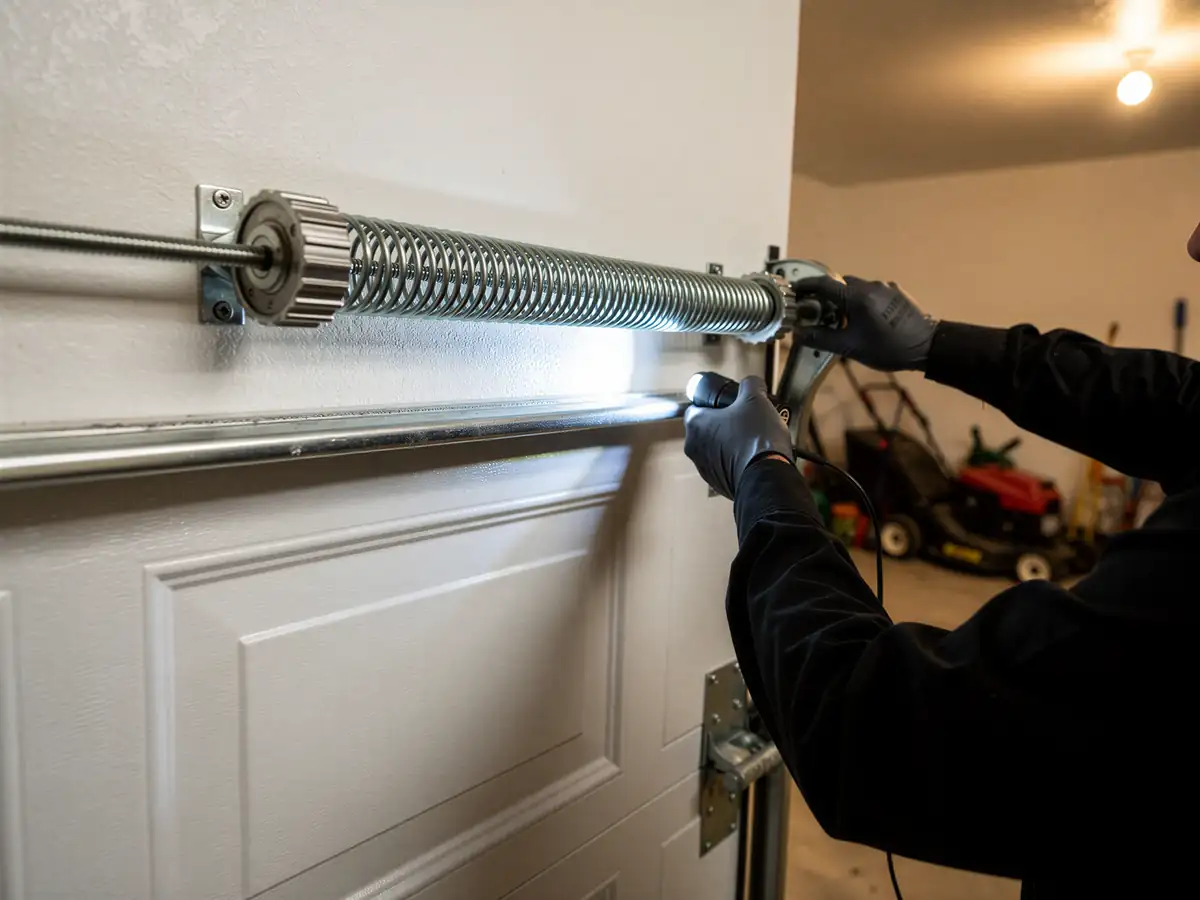
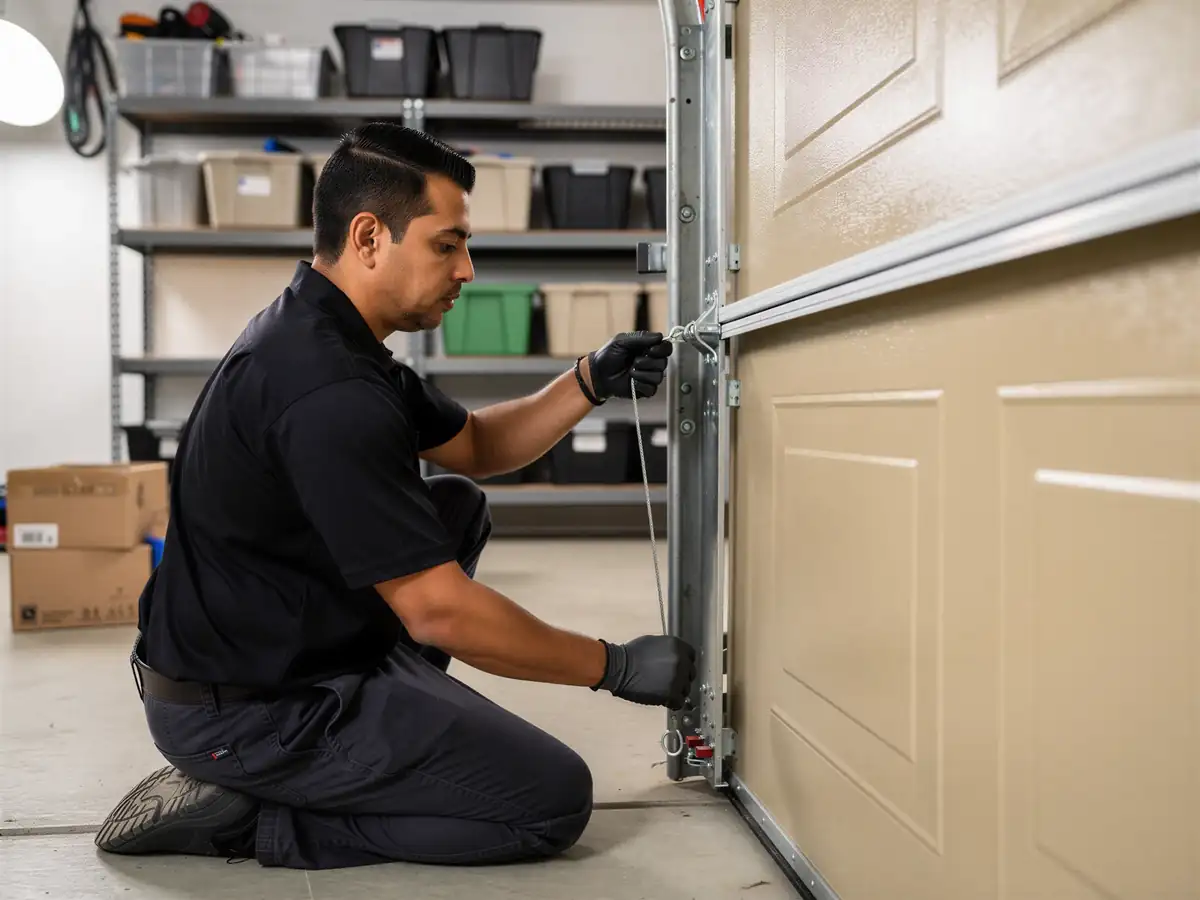
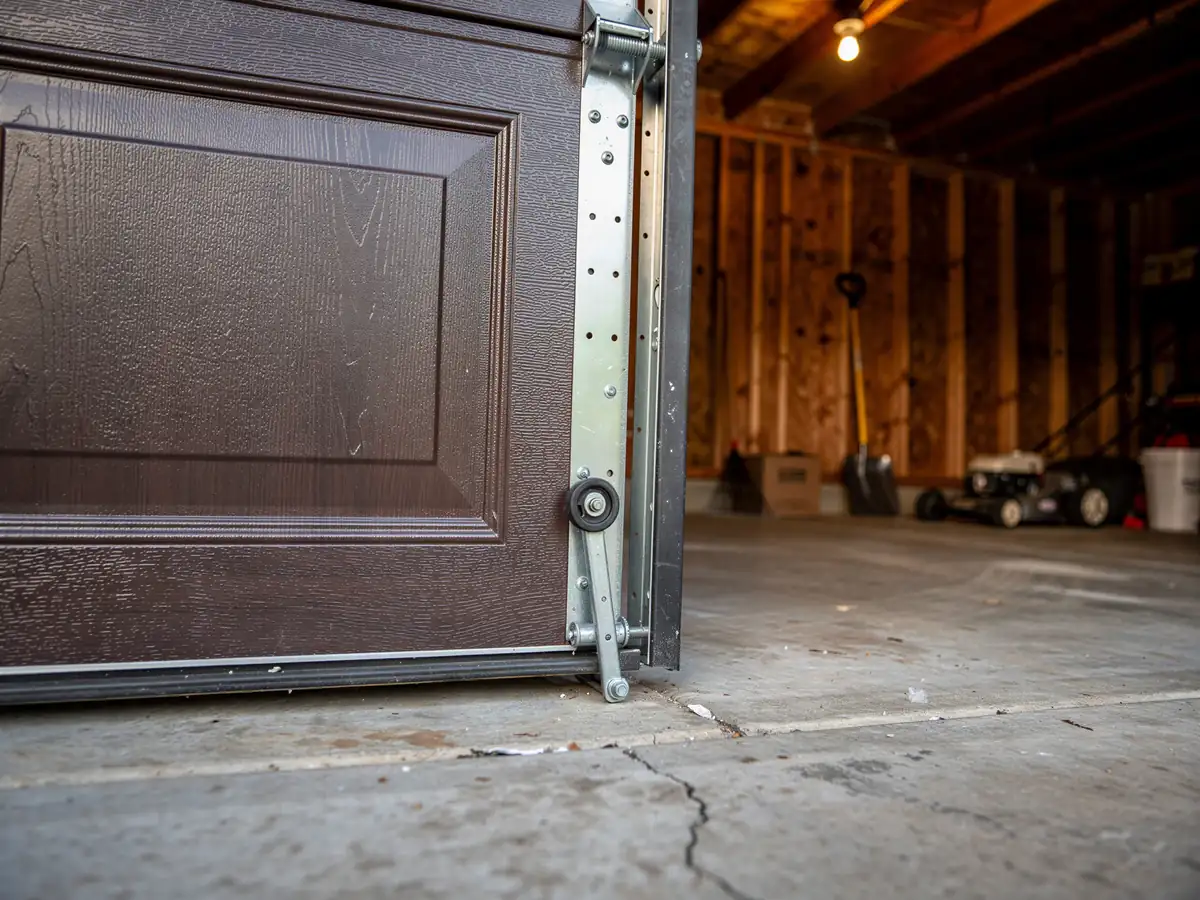
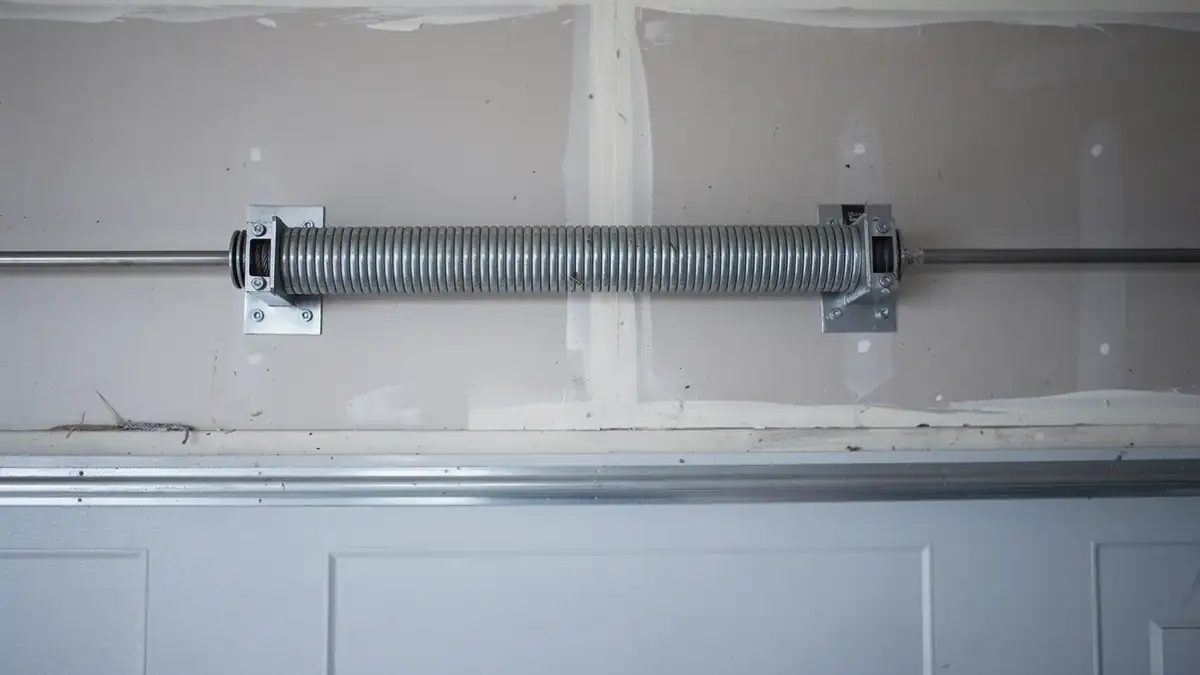
You can tell a lot without touching anything dangerous. Stand under the closed door and look at the spring above the door - torsion springs sit on a shaft right over the opening, usually one long spring or two shorter ones. A clean separation, a visible gap in the coil, is a broken spring, full stop. You'll also see slack in the cables on either side of the door, where before they were pulled taut. Try lifting the door by hand with the opener disconnected - a working spring makes a door that weighs well over 100 pounds lift with one hand and stay where you put it. If it drops like dead weight, the spring isn't doing its job anymore. Here's the limitation: do not touch the spring itself, the winding cones, or try to re-tension anything. That's the one part of this job that puts people in the emergency room, torsion bars included, and it's not a DIY repair regardless of how handy you are. Checking is fine. Fixing a torsion spring yourself isn't.
How Local Conditions Play In
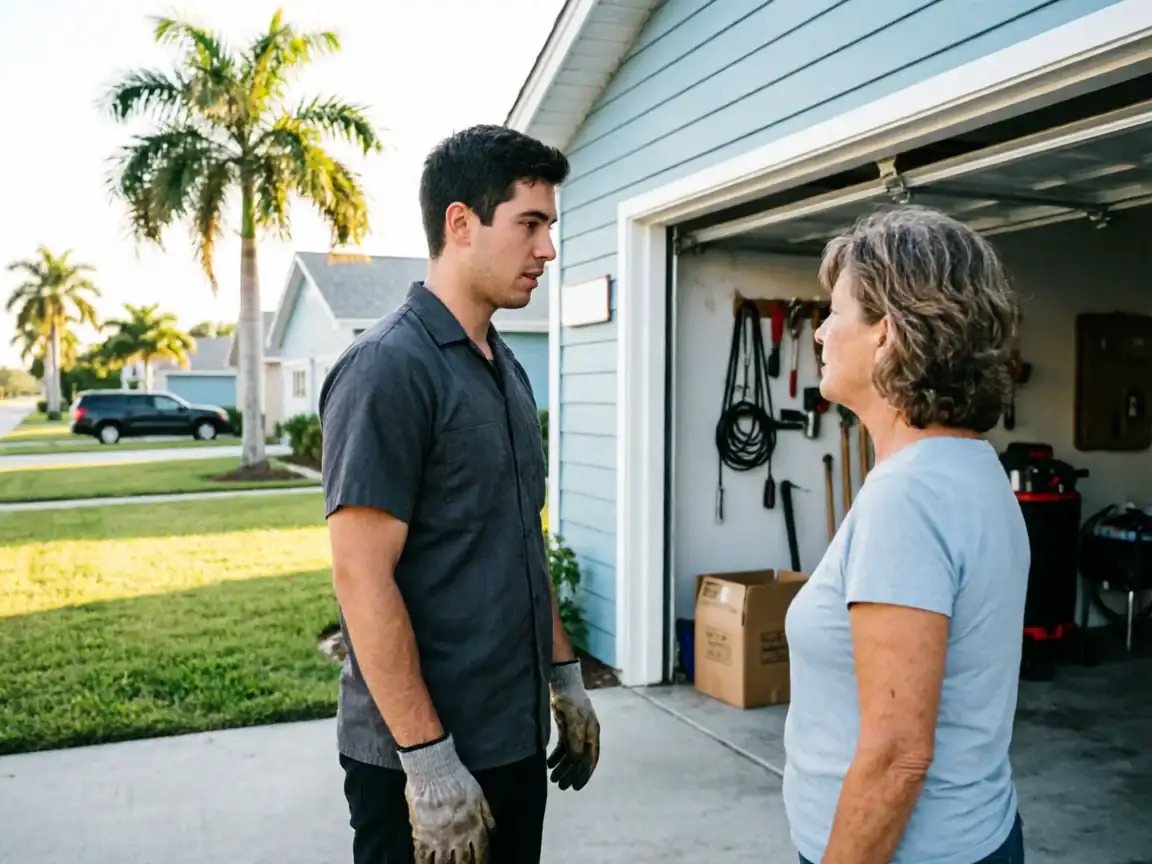
Niceville sits in a mild climate band that still gets the occasional hard freeze, and that combination is exactly what catches people off guard - a spring that's spent years in weather that never demands much of it suddenly has to work in conditions it wasn't flexing for. Valparaiso is four miles up the road sits five miles southeast, and neither changes the underlying fact that this stretch of housing skews toward torsion hardware installed well after 1973, with some pockets closer to the 1960s and 70s. A house in that older pocket is more likely to still have the original extension-spring setup along the horizontal tracks, which behaves differently under cold stress than a torsion system - it tends to stretch and fatigue rather than snap clean, though it can still fail outright. Either way, the age of the spring relative to the age of the house matters more here than people assume, since nobody's replaced hardware on a schedule in a climate that rarely forces the issue.