How That Shows Up in the Door
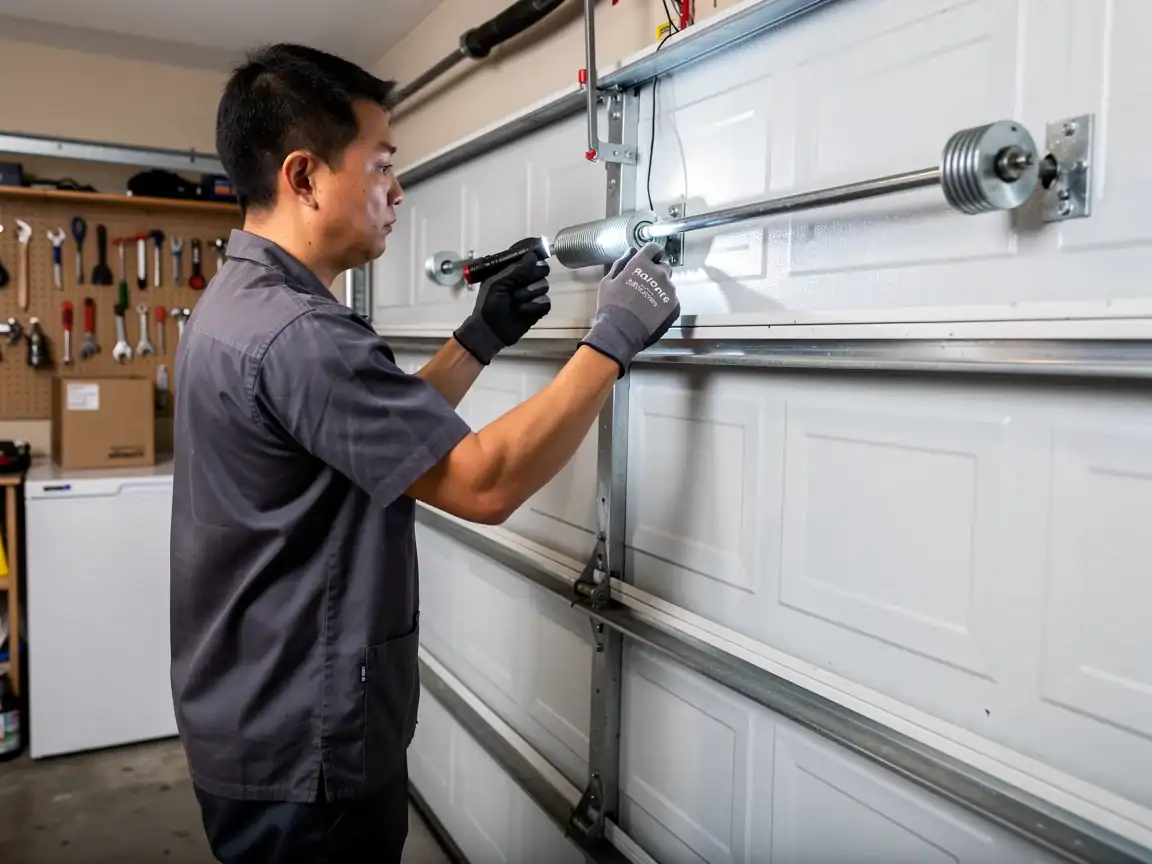
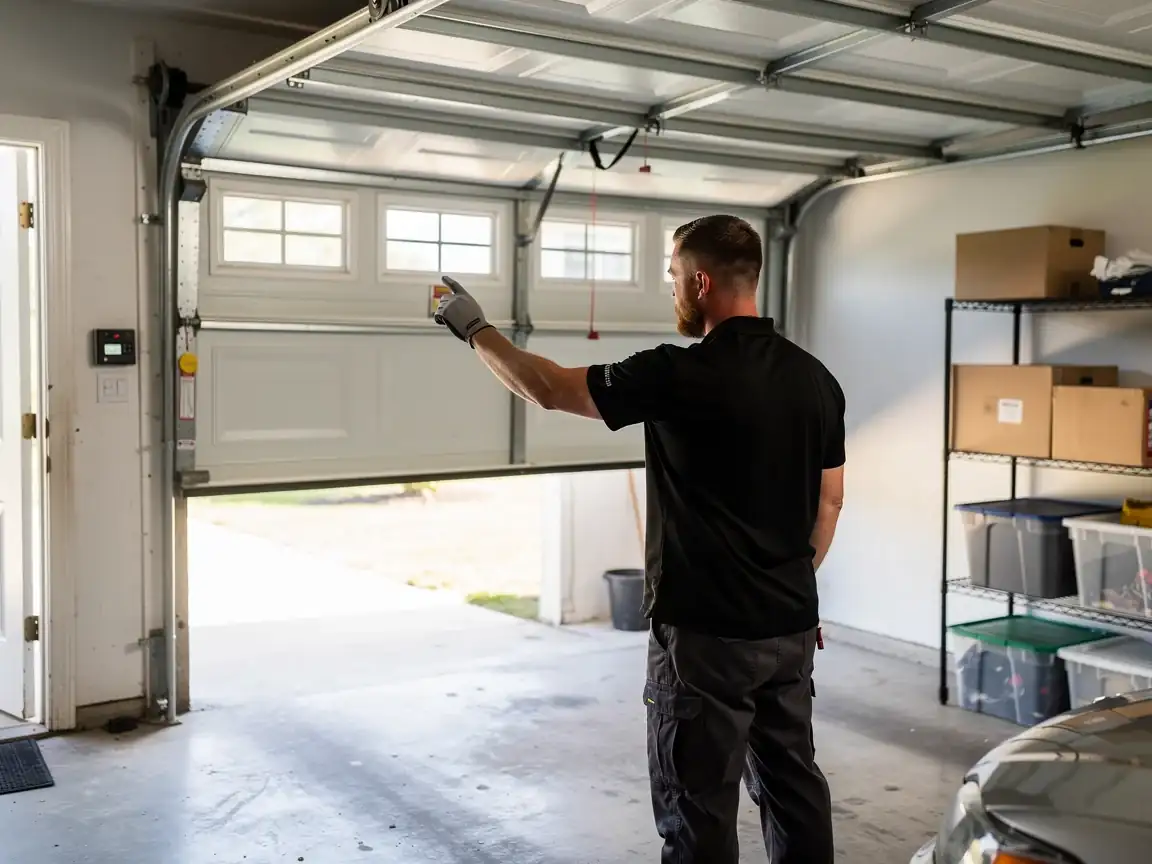
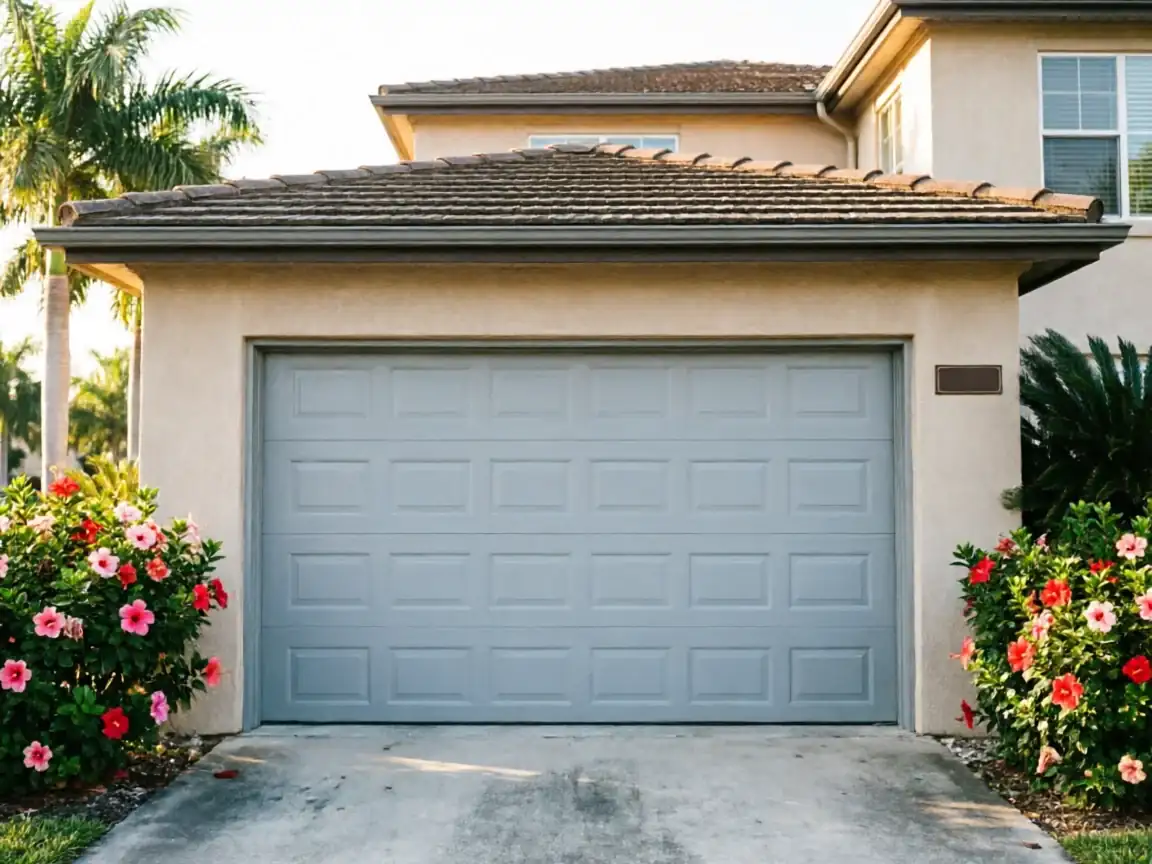
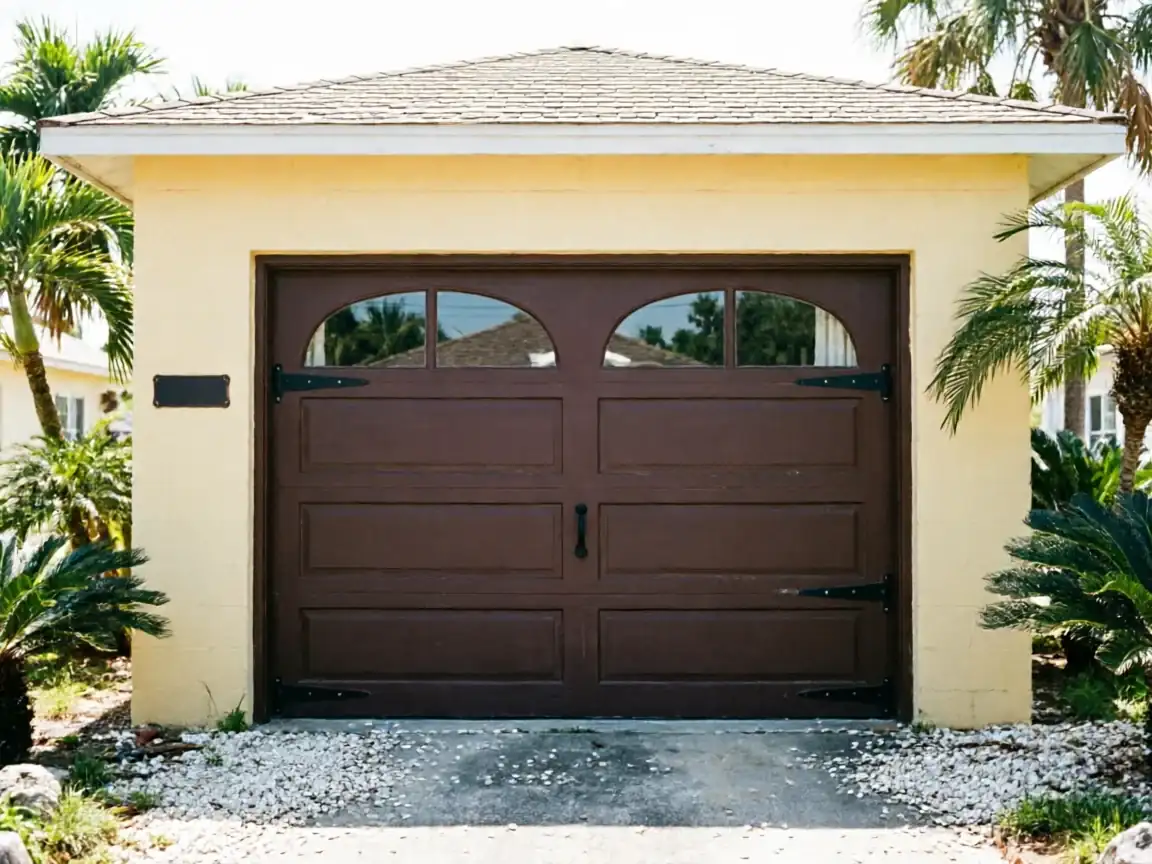
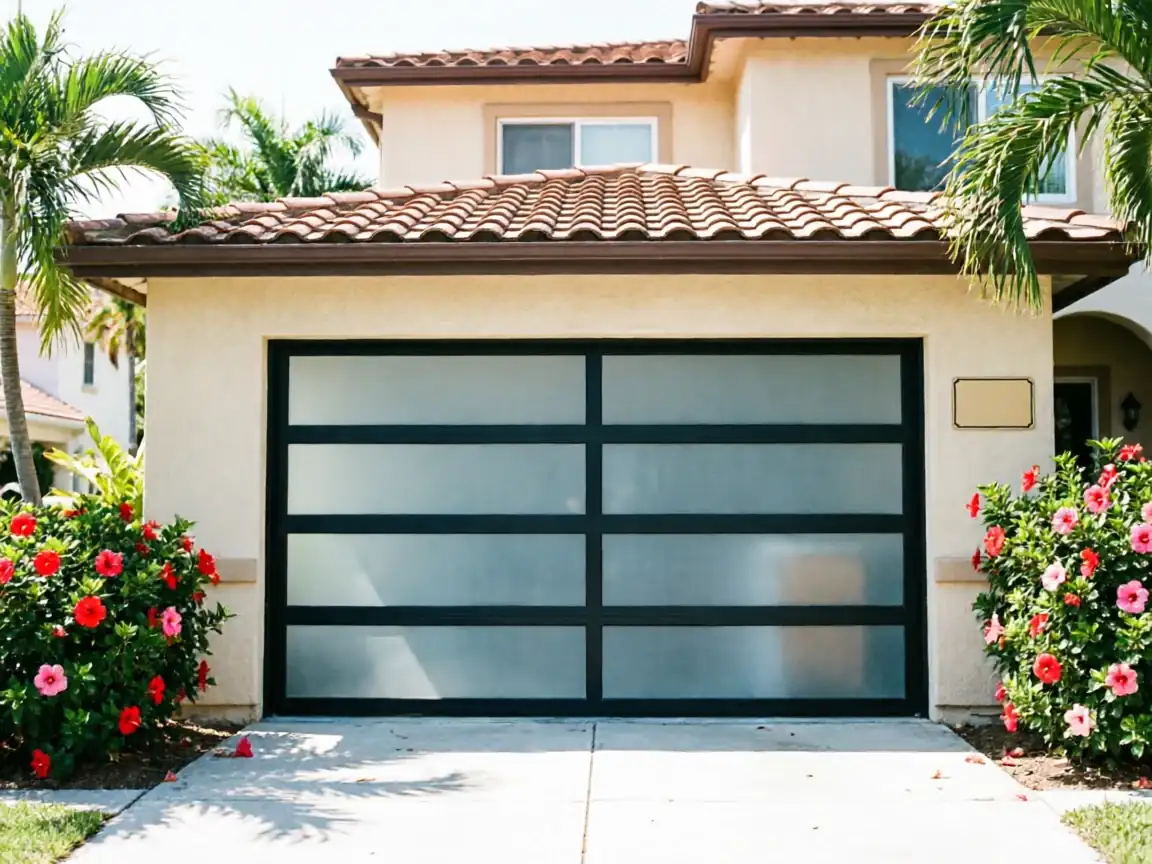
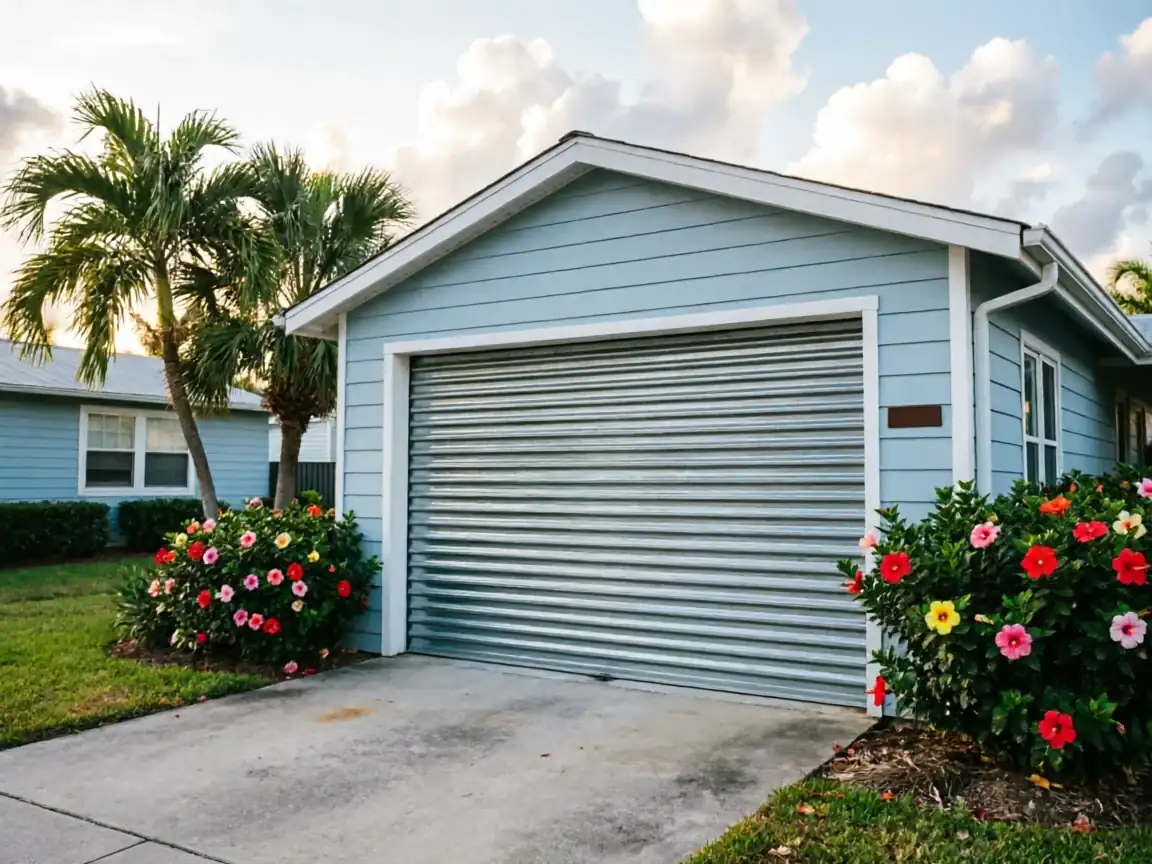
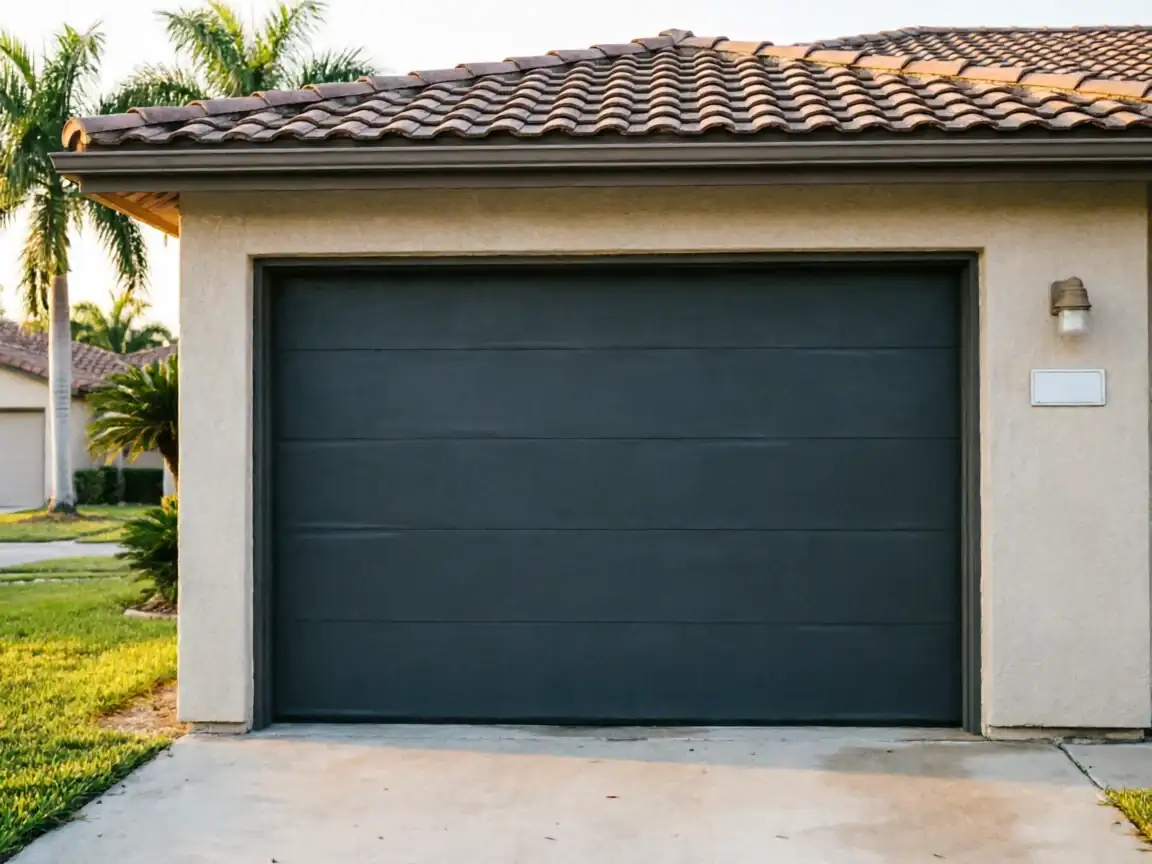
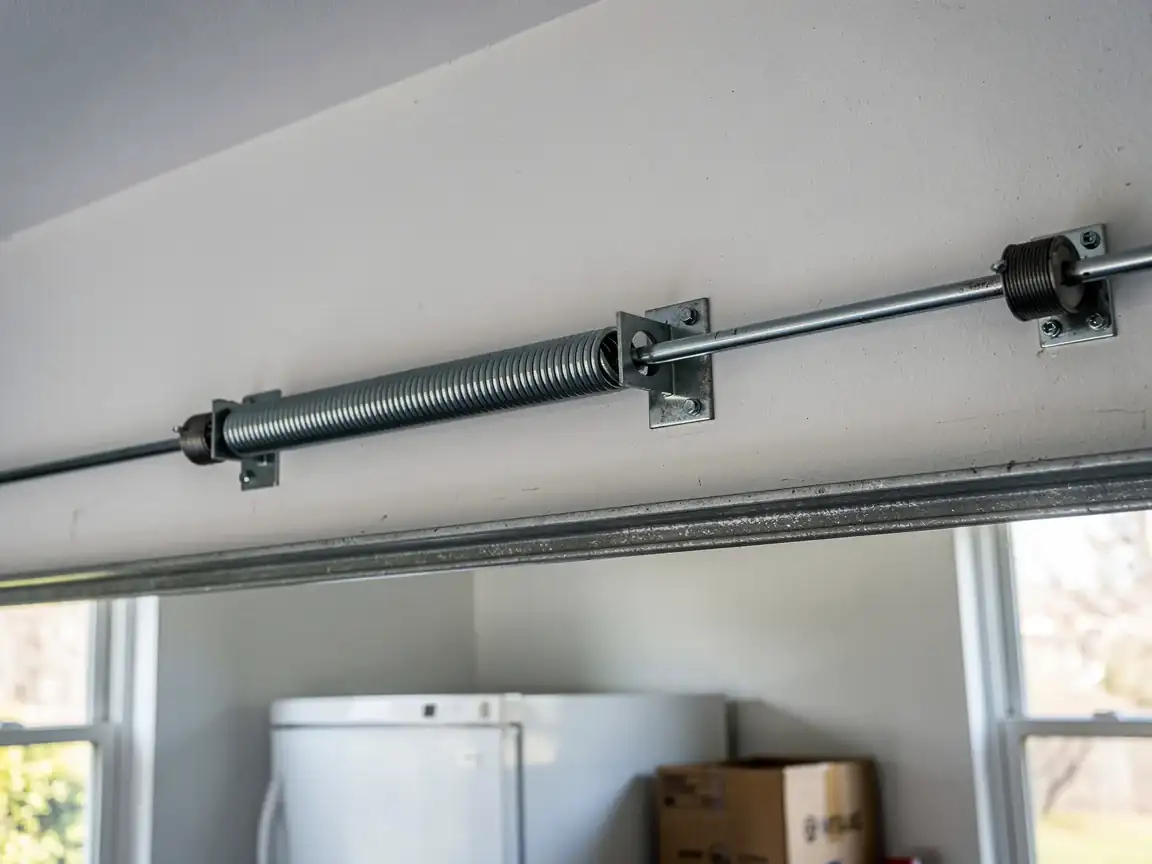
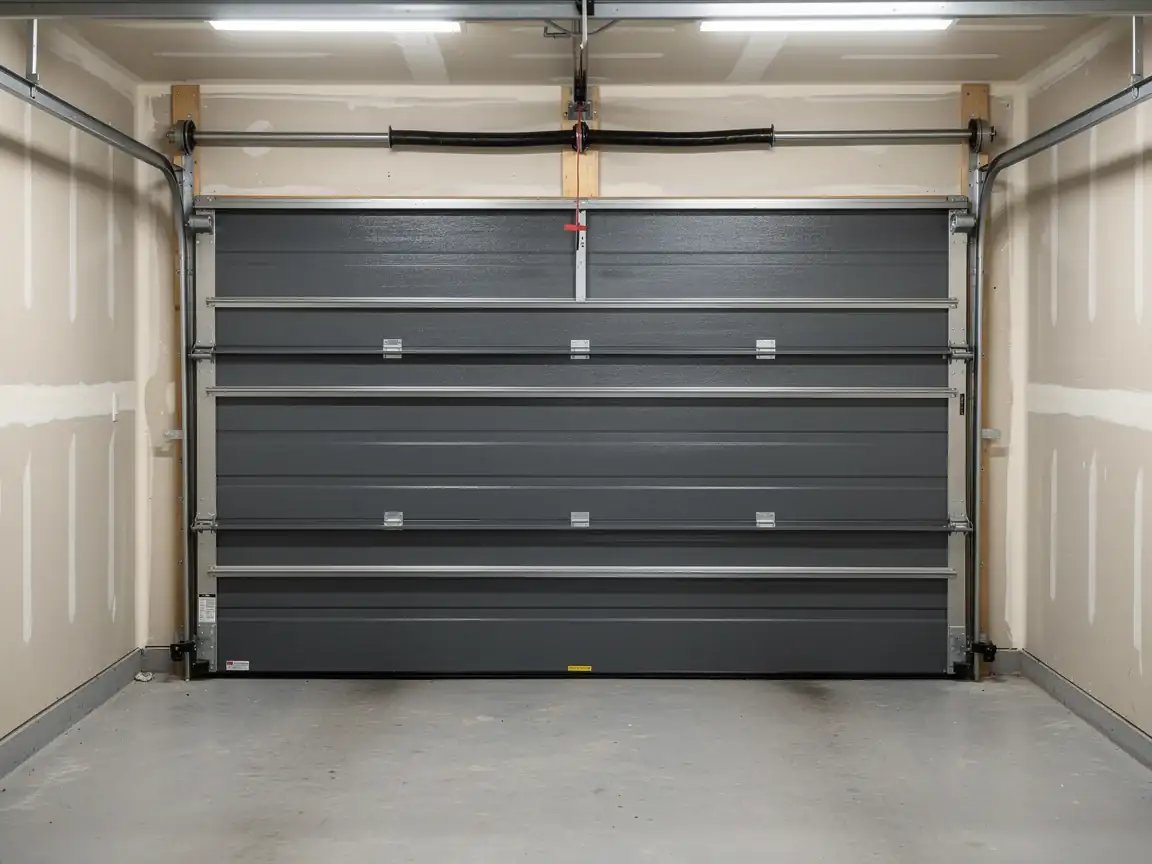
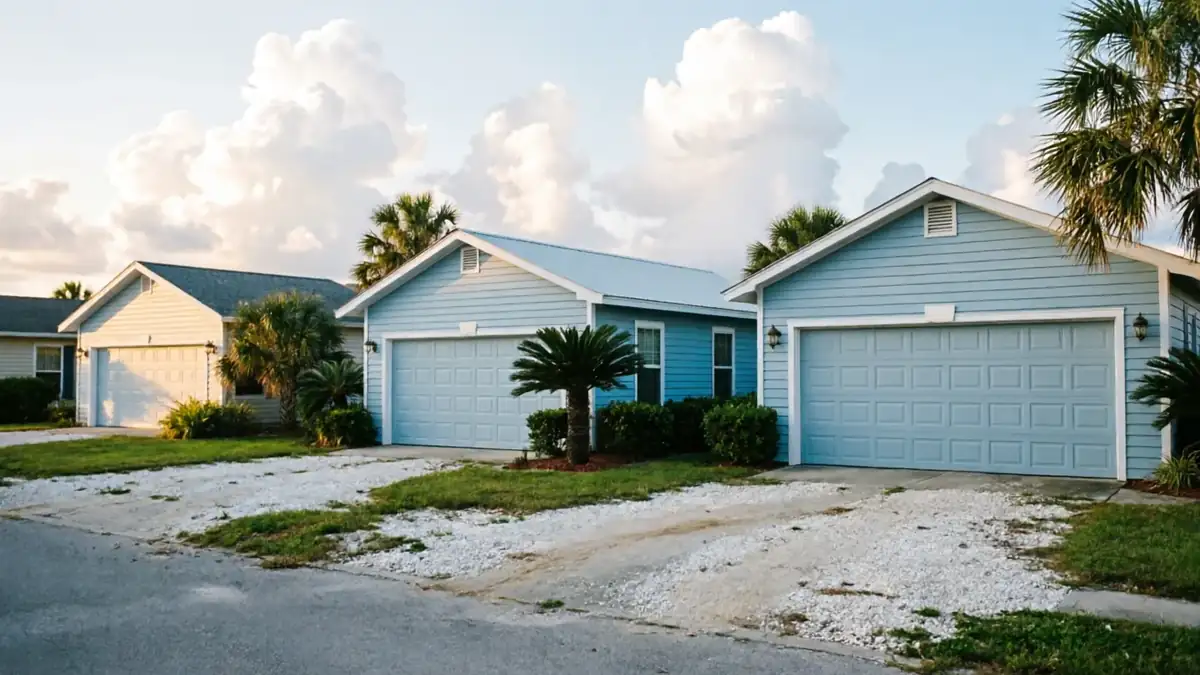
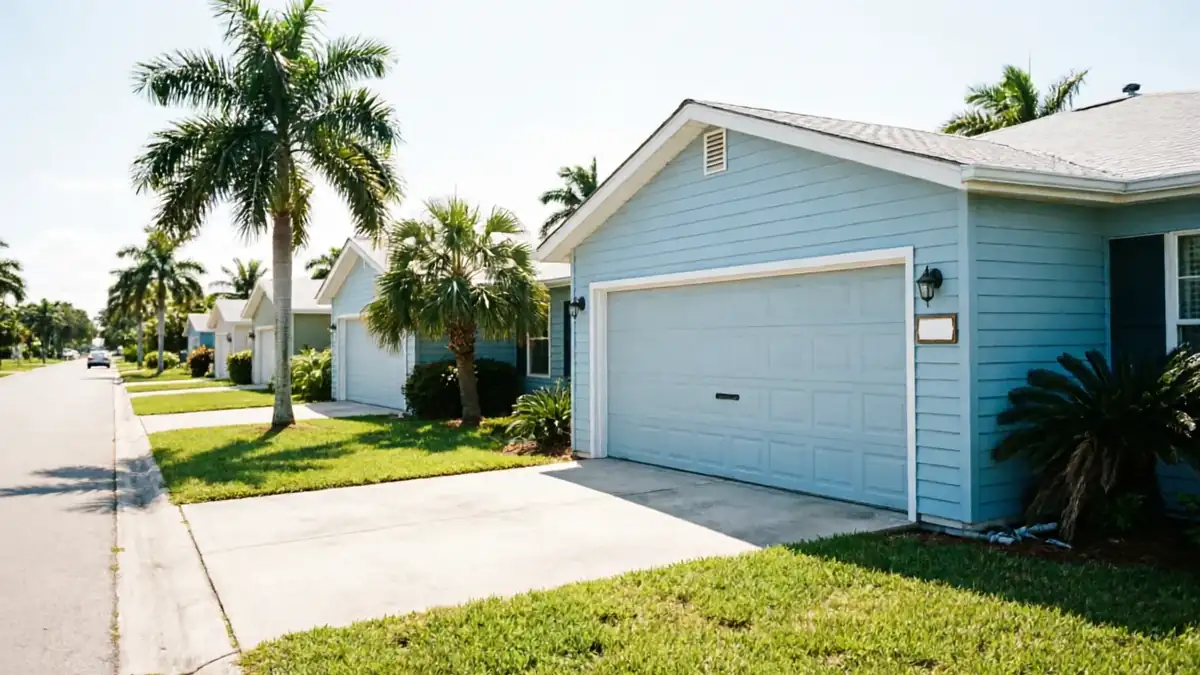
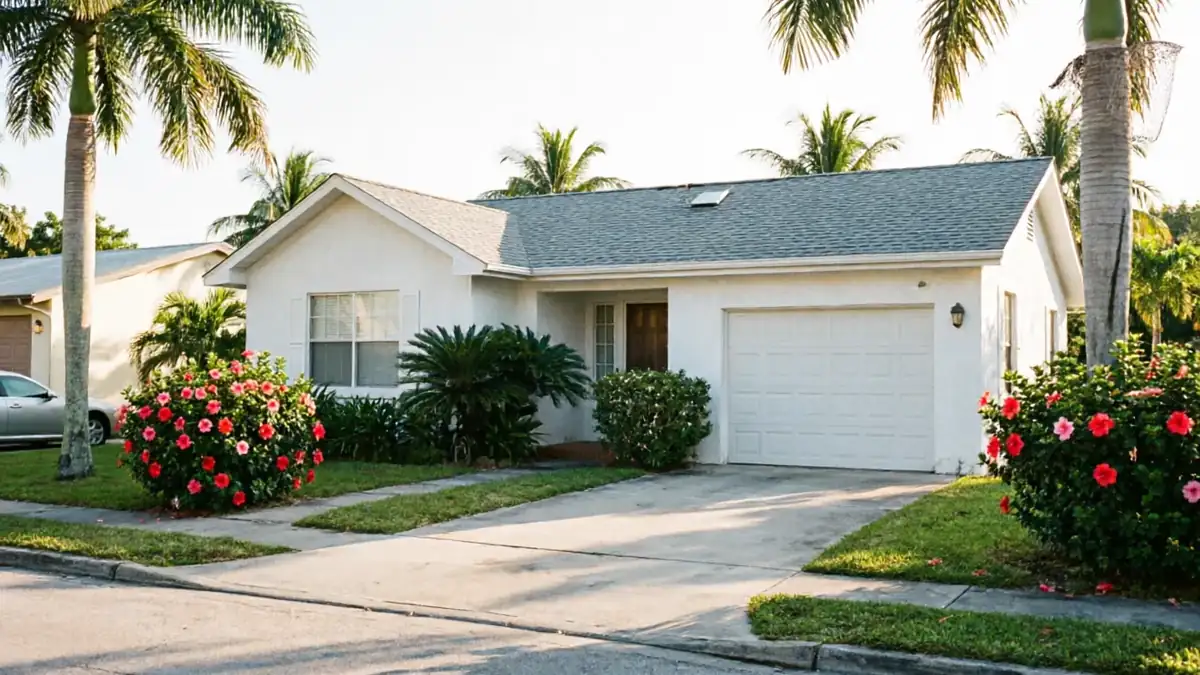
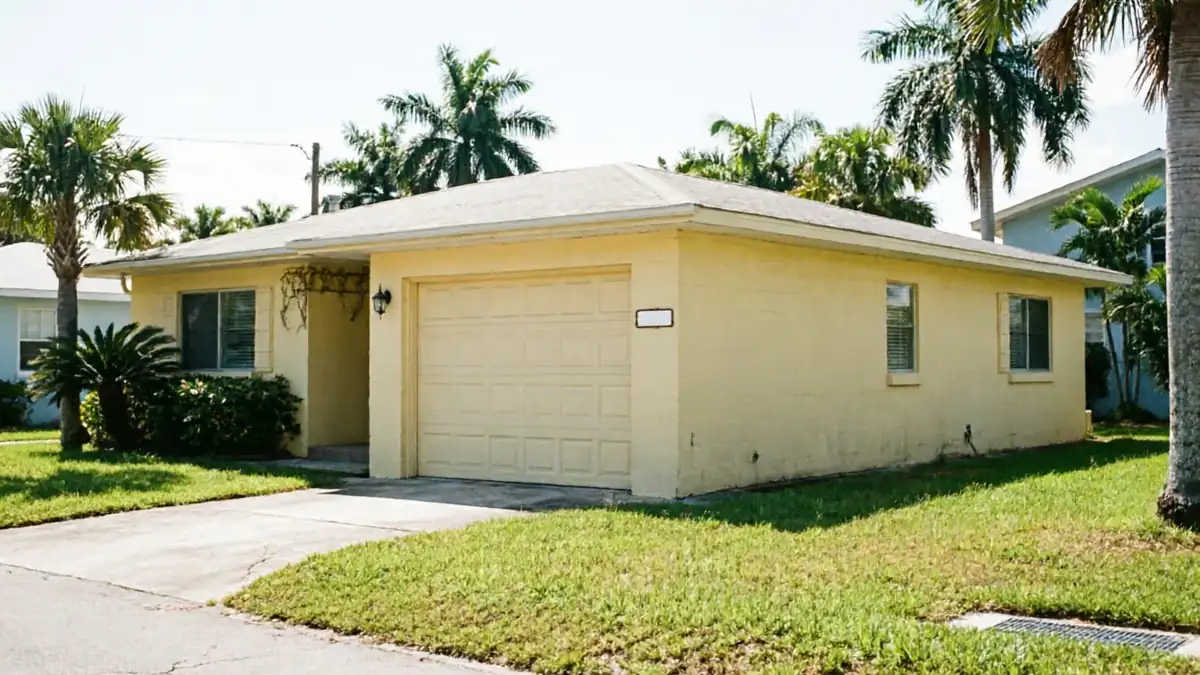
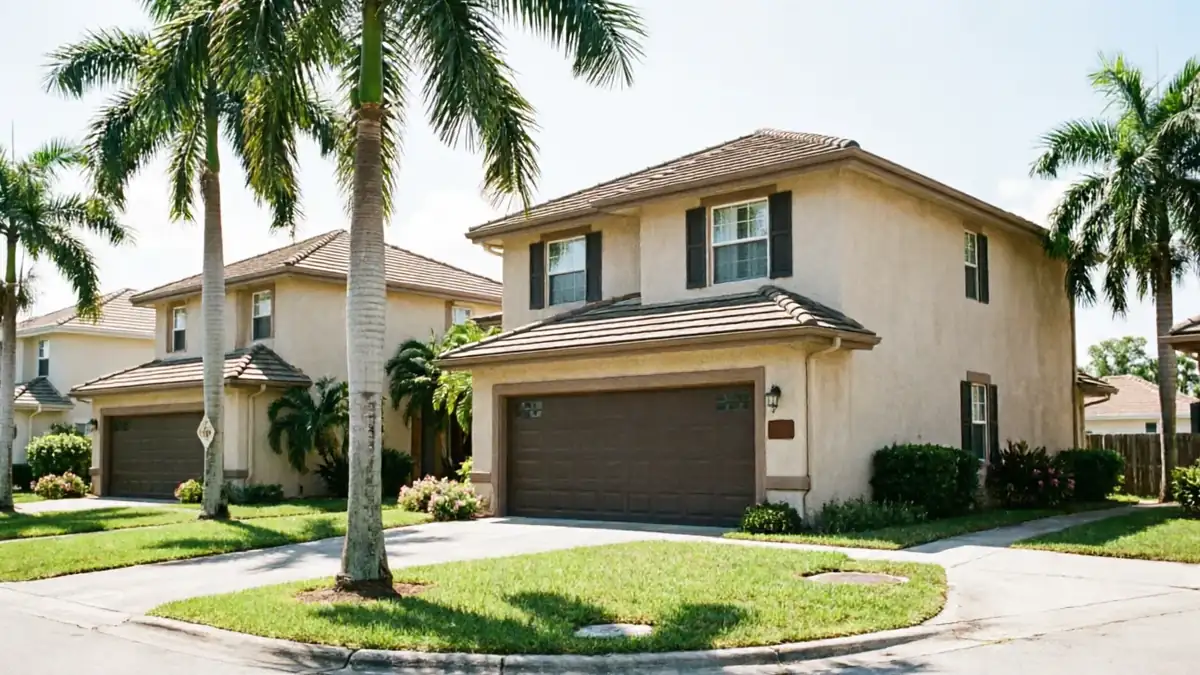
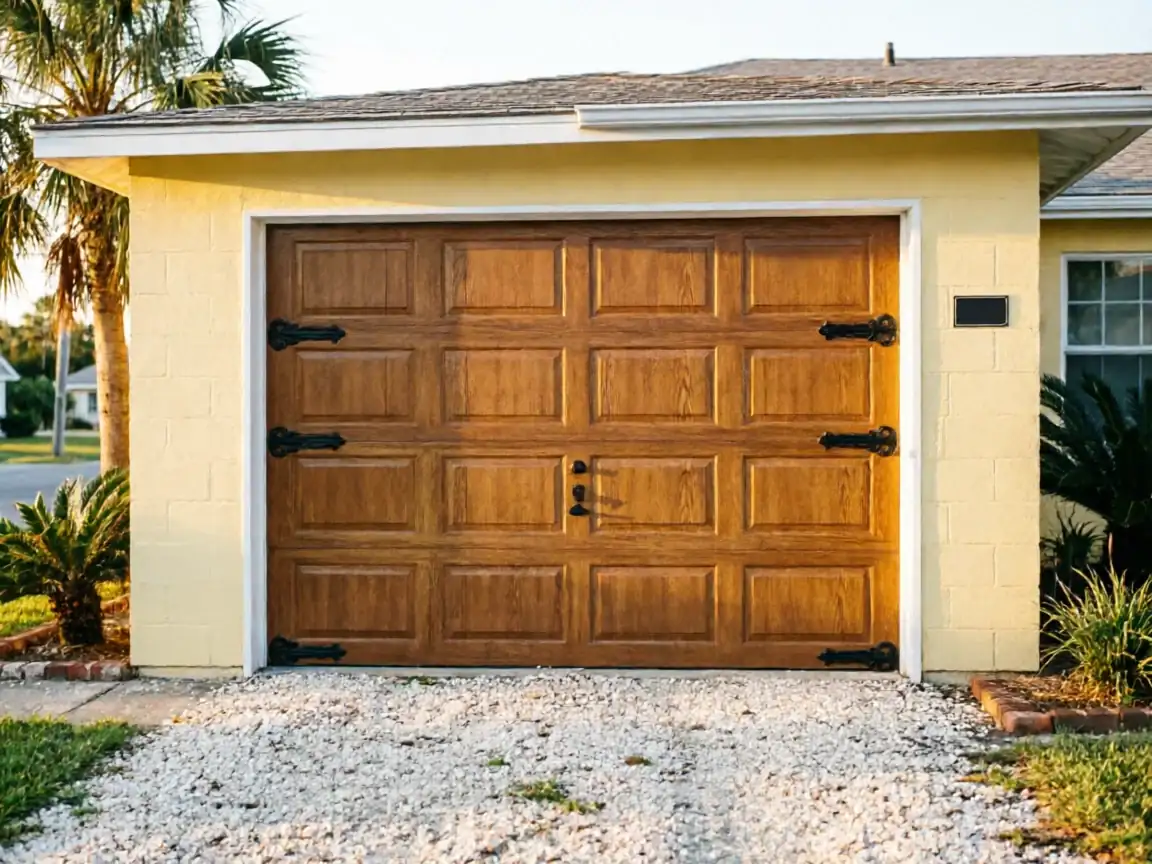
Houses from this era almost always got factory steel sectional doors rather than the older wood or fiberglass panel doors you still see on the 1960s side of the territory. That means torsion springs mounted on a shaft over the opening, not the side-mounted extension springs common on older builds. The failure points are different too: by now the original torsion spring on a 1991 door has had three decades of cycles, so spring fatigue and worn end bearing plates are the common calls, not the rotted panel bottoms you'd expect on an older wood door. Openers from this period are usually chain-drive with a worn-out logic board or a dead travel limit switch rather than anything mechanical on the door itself. The climate here runs mild with occasional freezes, so we're not chasing ice-jammed tracks - cold mostly just stiffens old grease and makes a tired spring feel worse than it is.
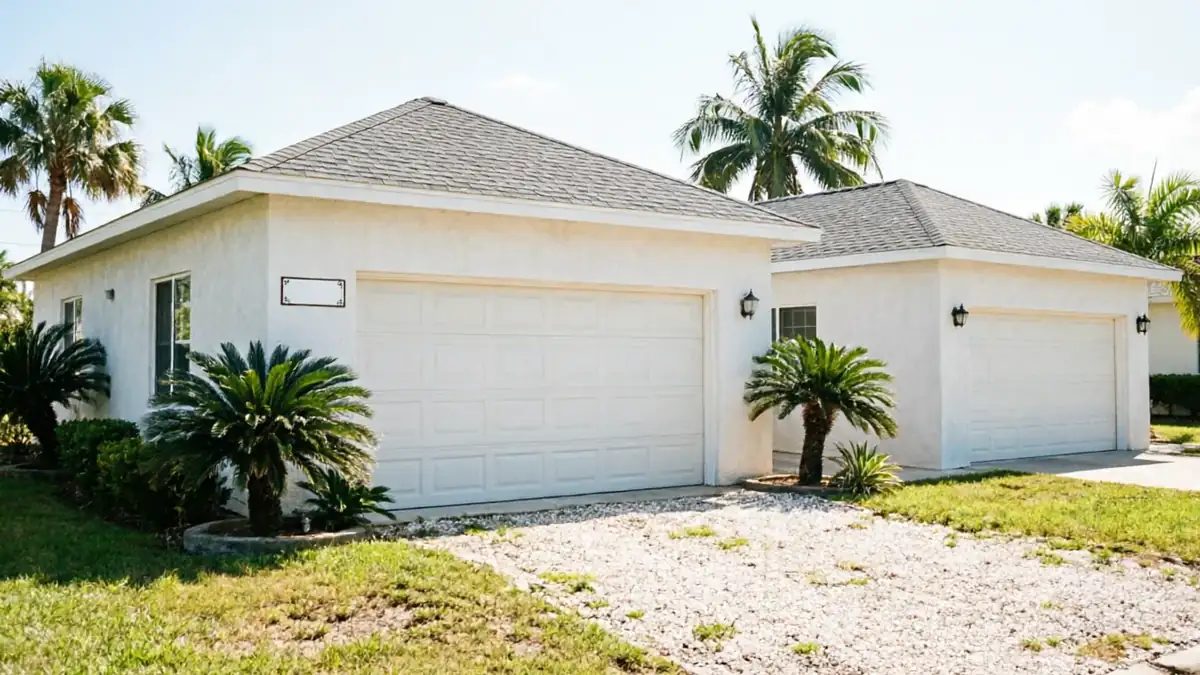
What Was Built Here
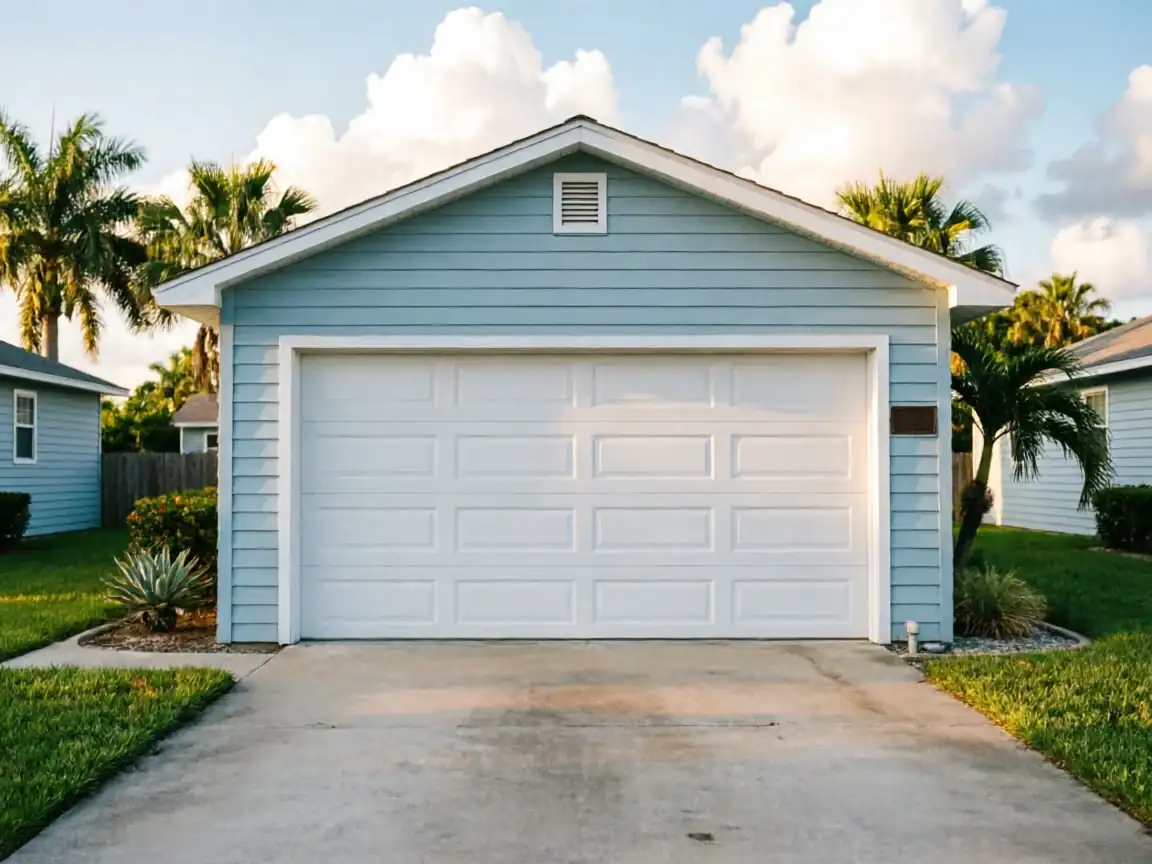
A 1991 median build year puts most of Shalimar's garages into the late-80s-to-mid-90s construction window - a narrower band than the rest of the service area, which spans 1973 to 2013 with an overall median closer to 1979. That narrower window is useful: it means the hardware across most of this area's garages is similar enough that a tech can usually guess the spring size and track type before pulling up to the curb. Household income here runs higher than the broader area average, and in practice that tends to mean more owners replacing a tired door outright instead of nursing a 30-year-old torsion spring along with another patch repair. We still see the occasional original opener from this build era still running - usually on borrowed time, but running.