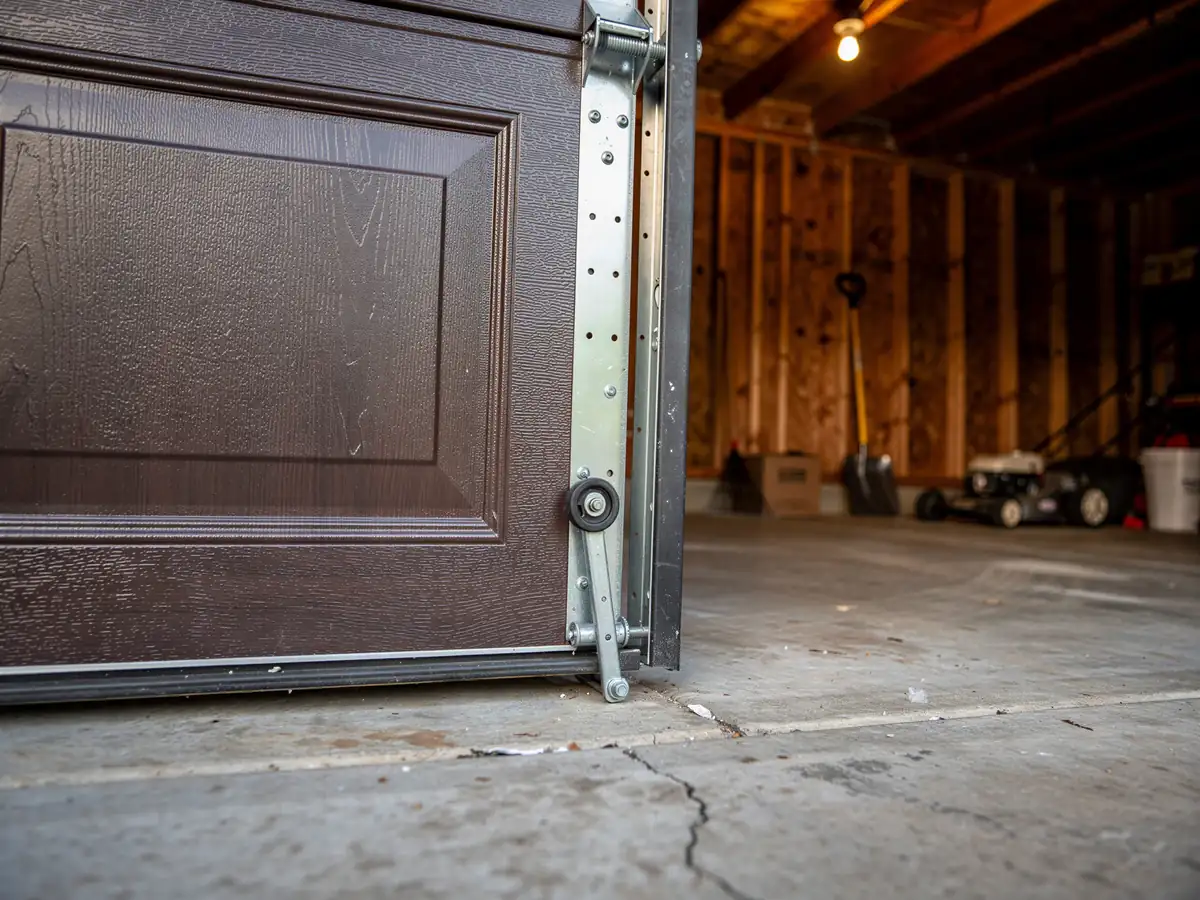
How That Shows Up in the Door
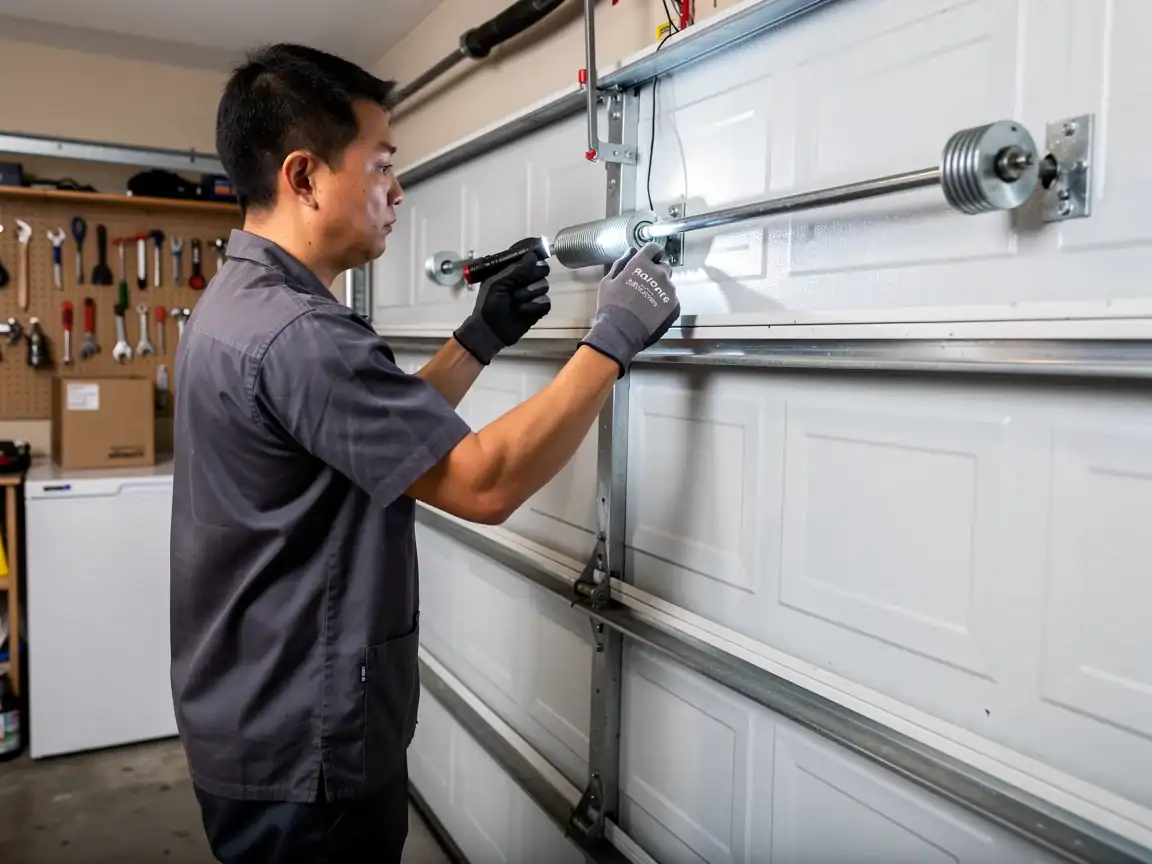
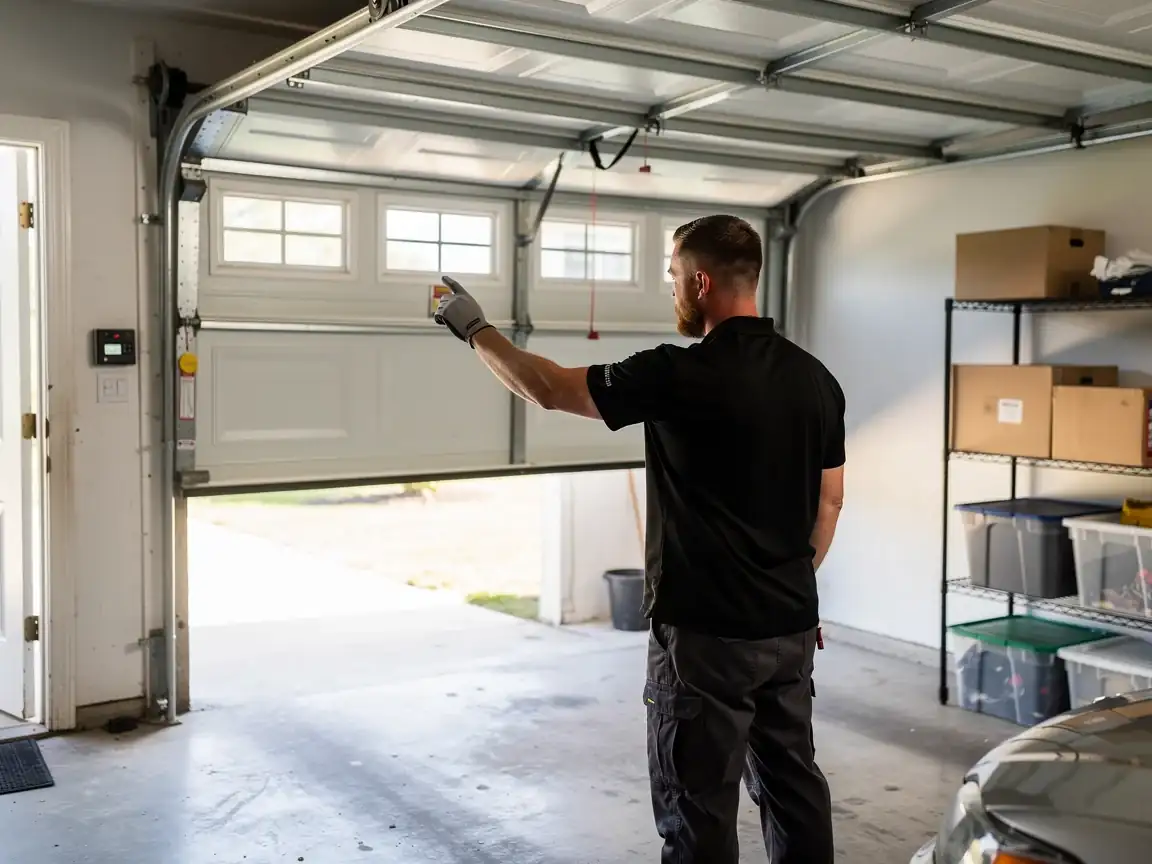
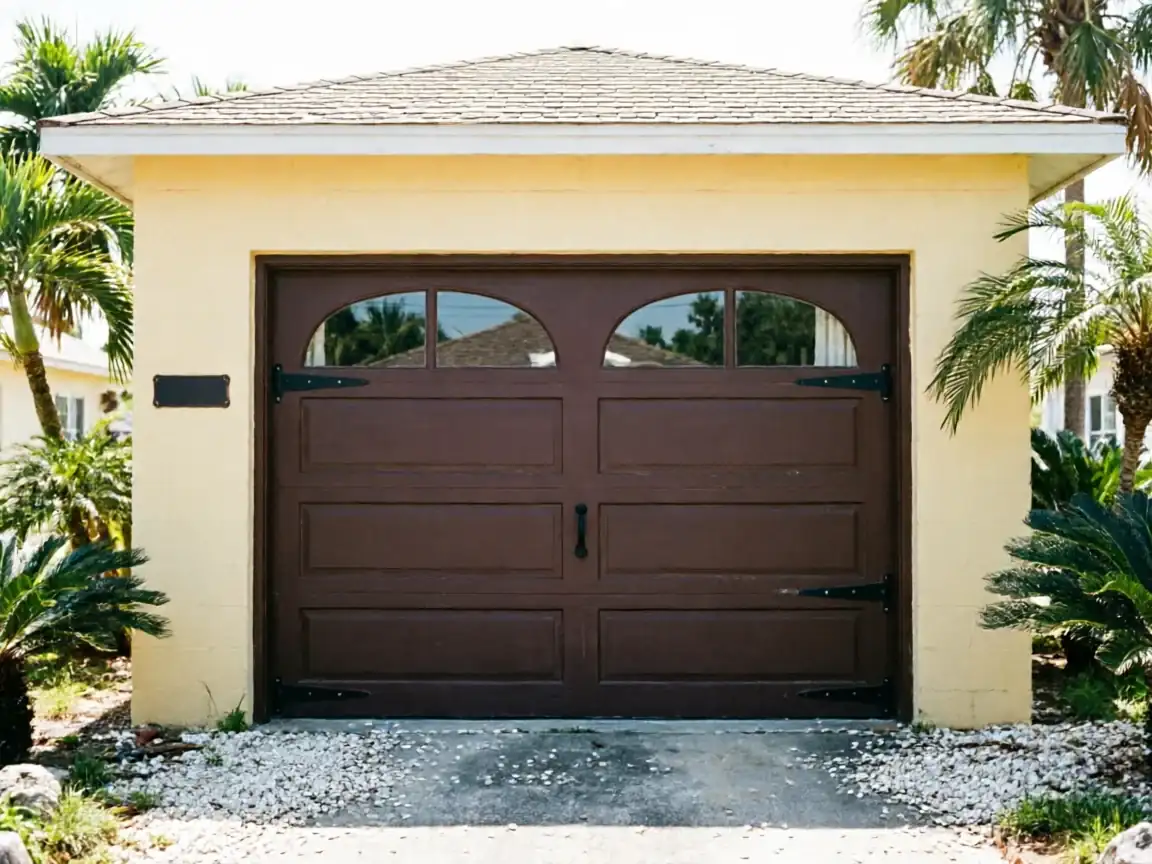
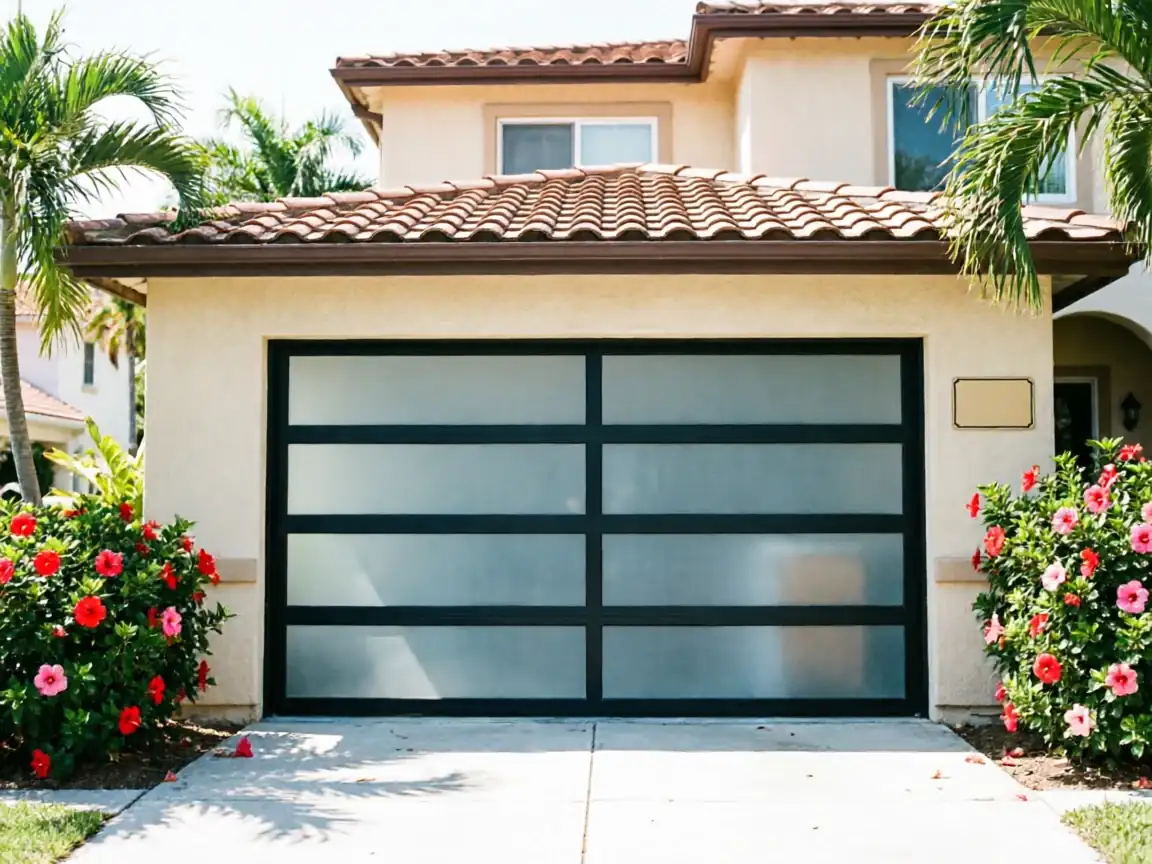
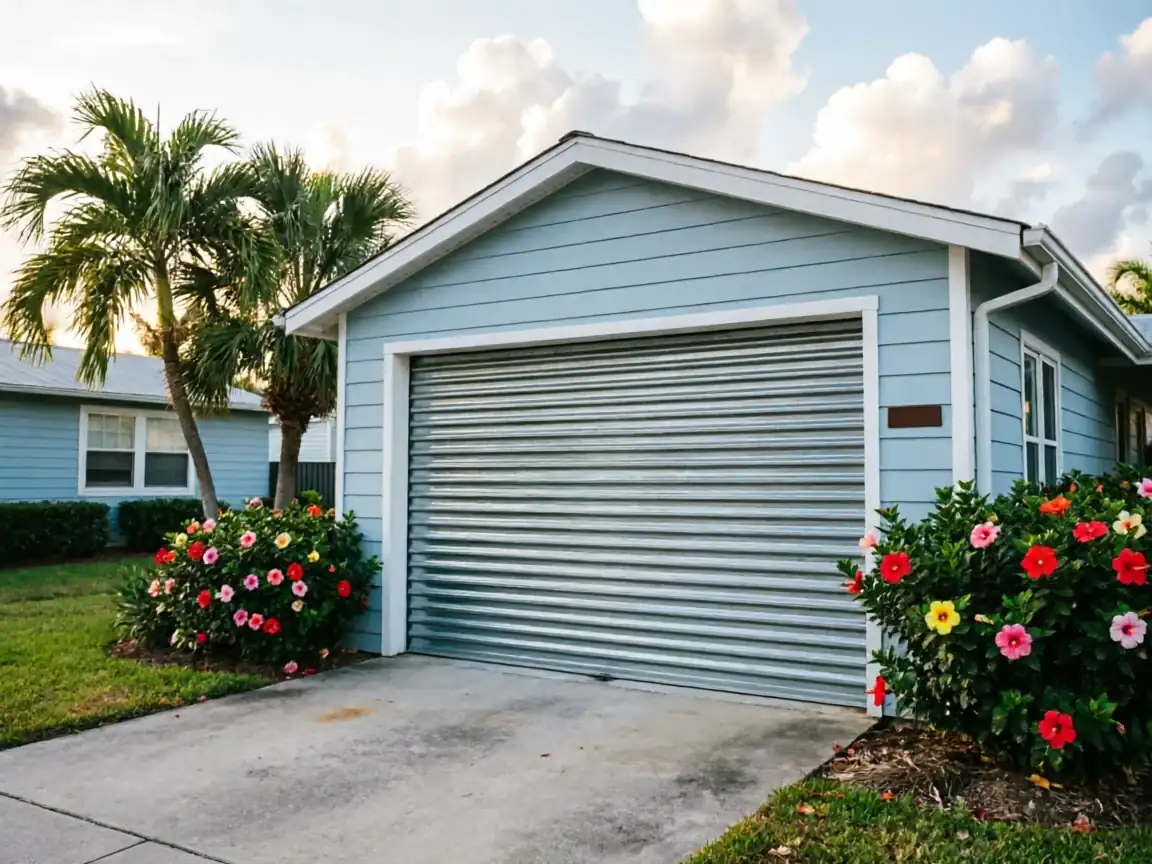
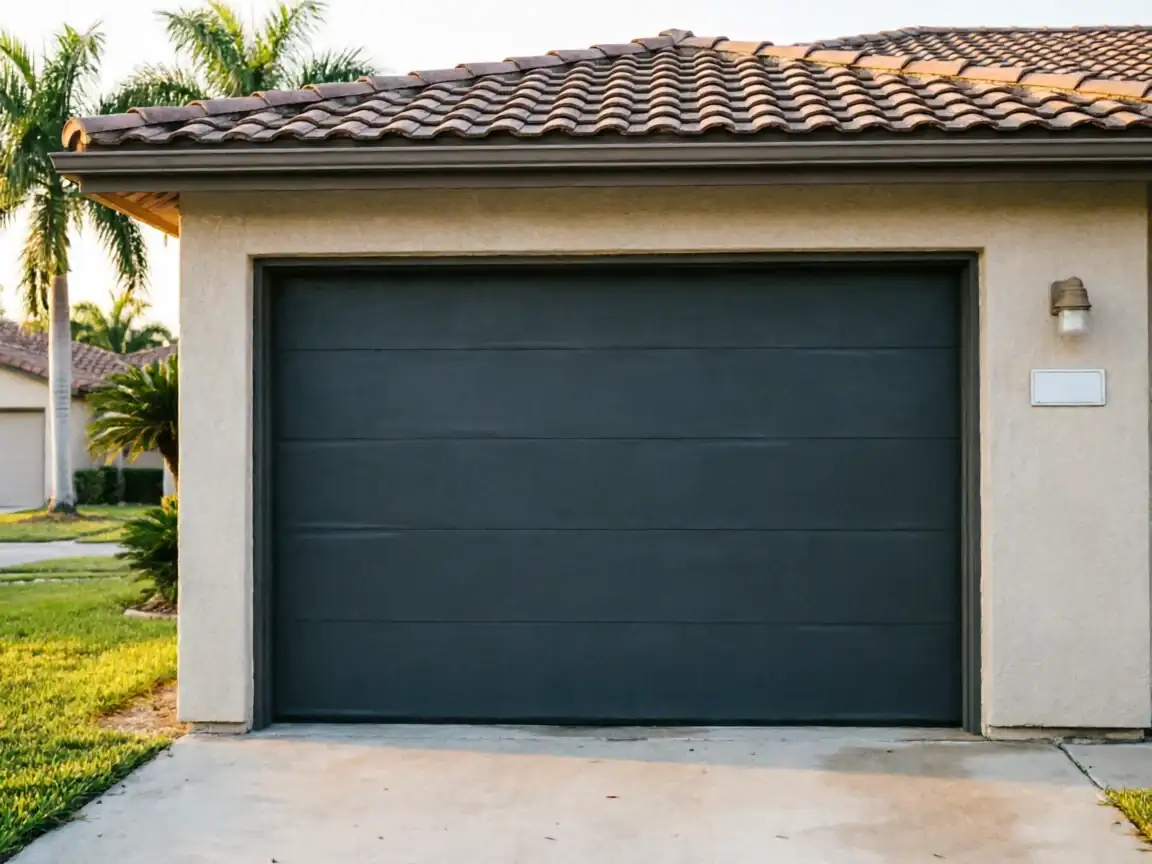
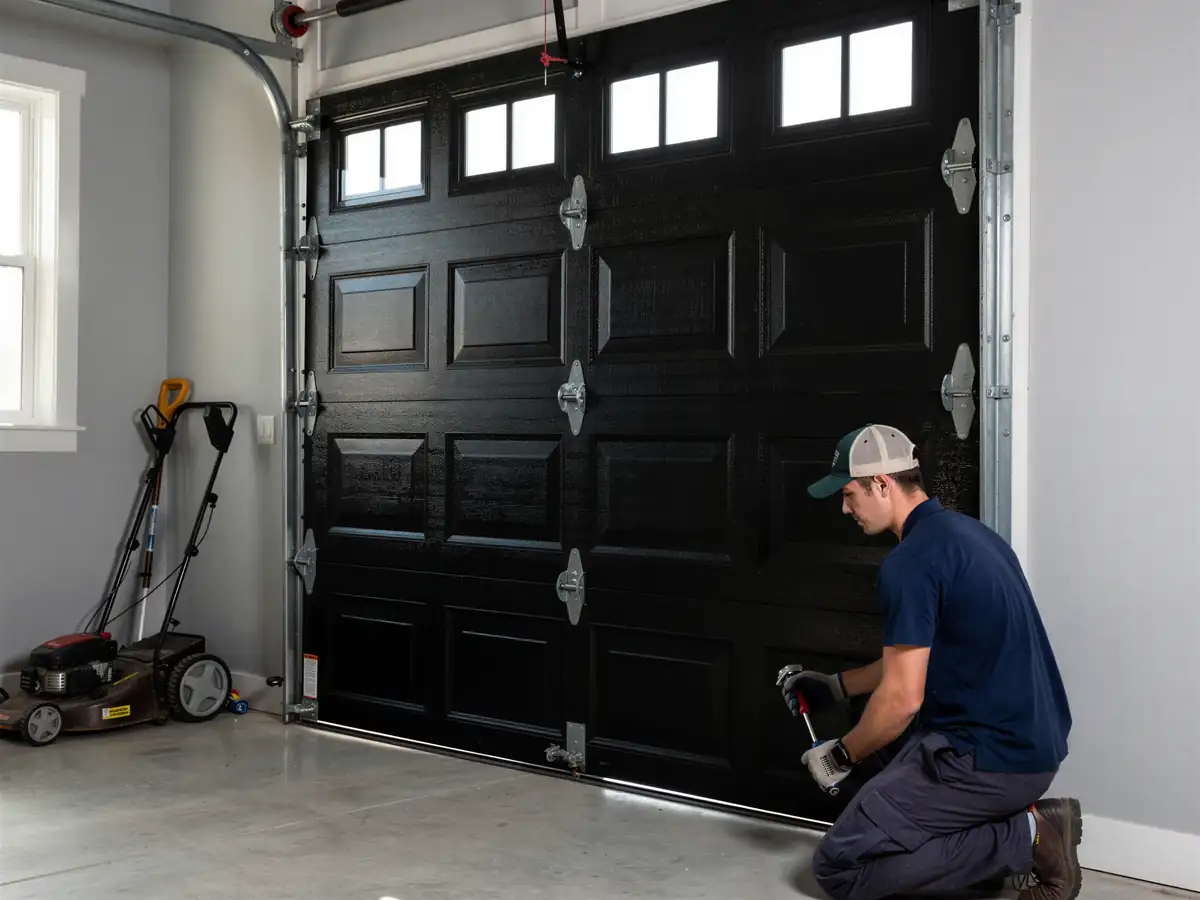
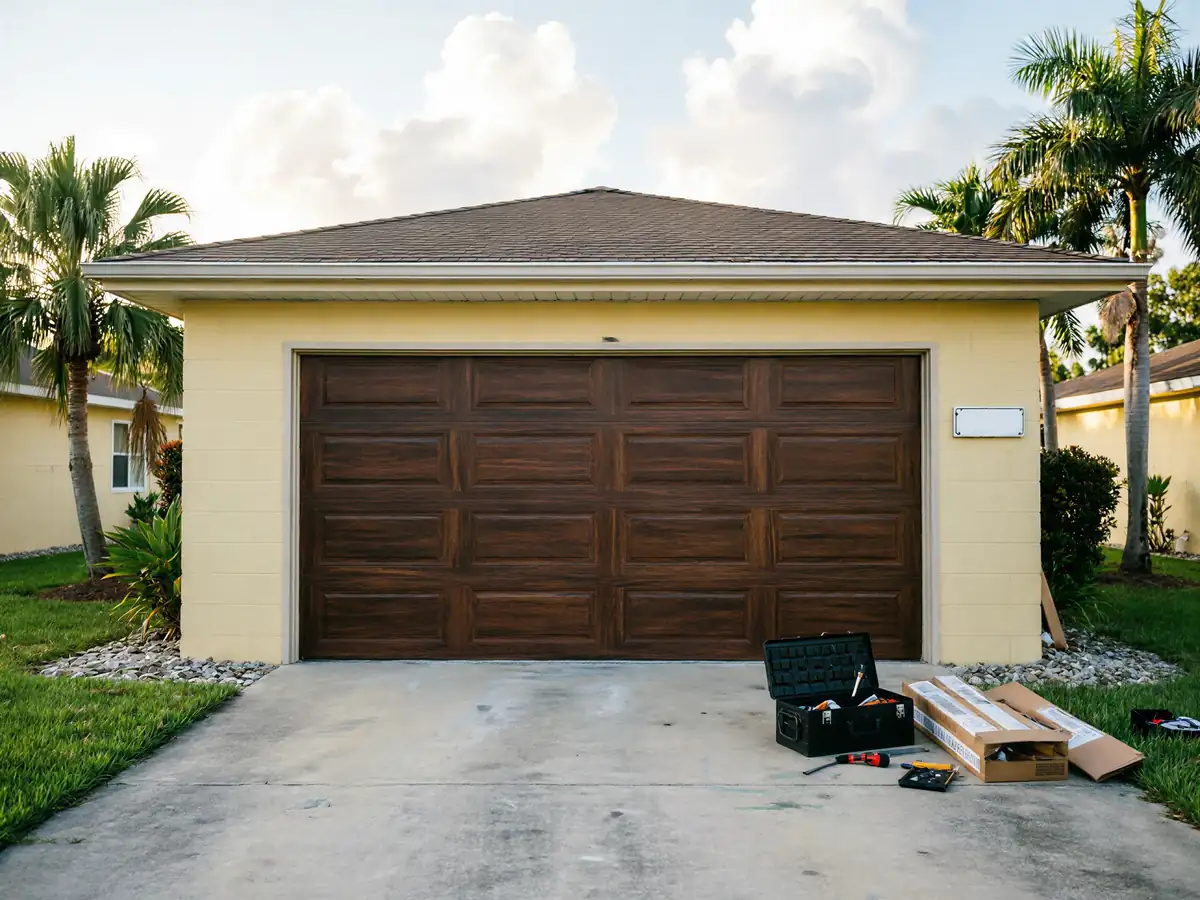
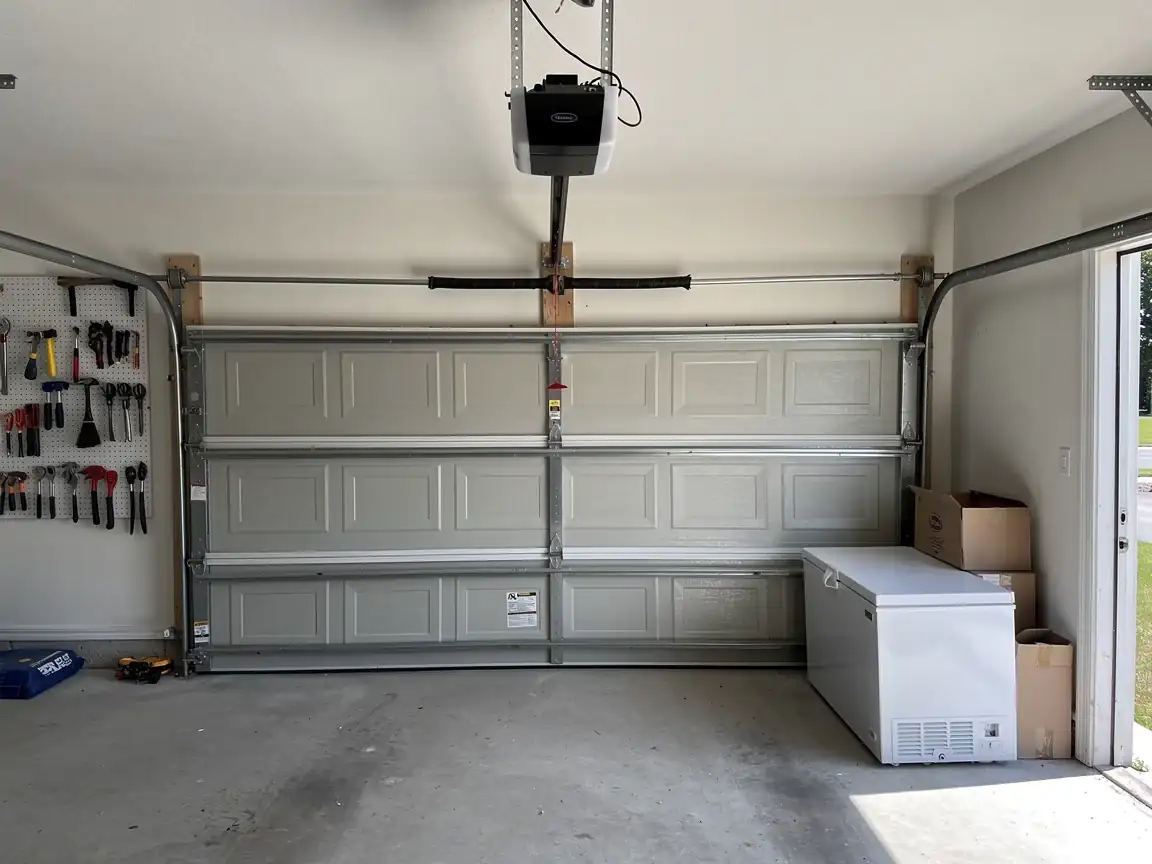
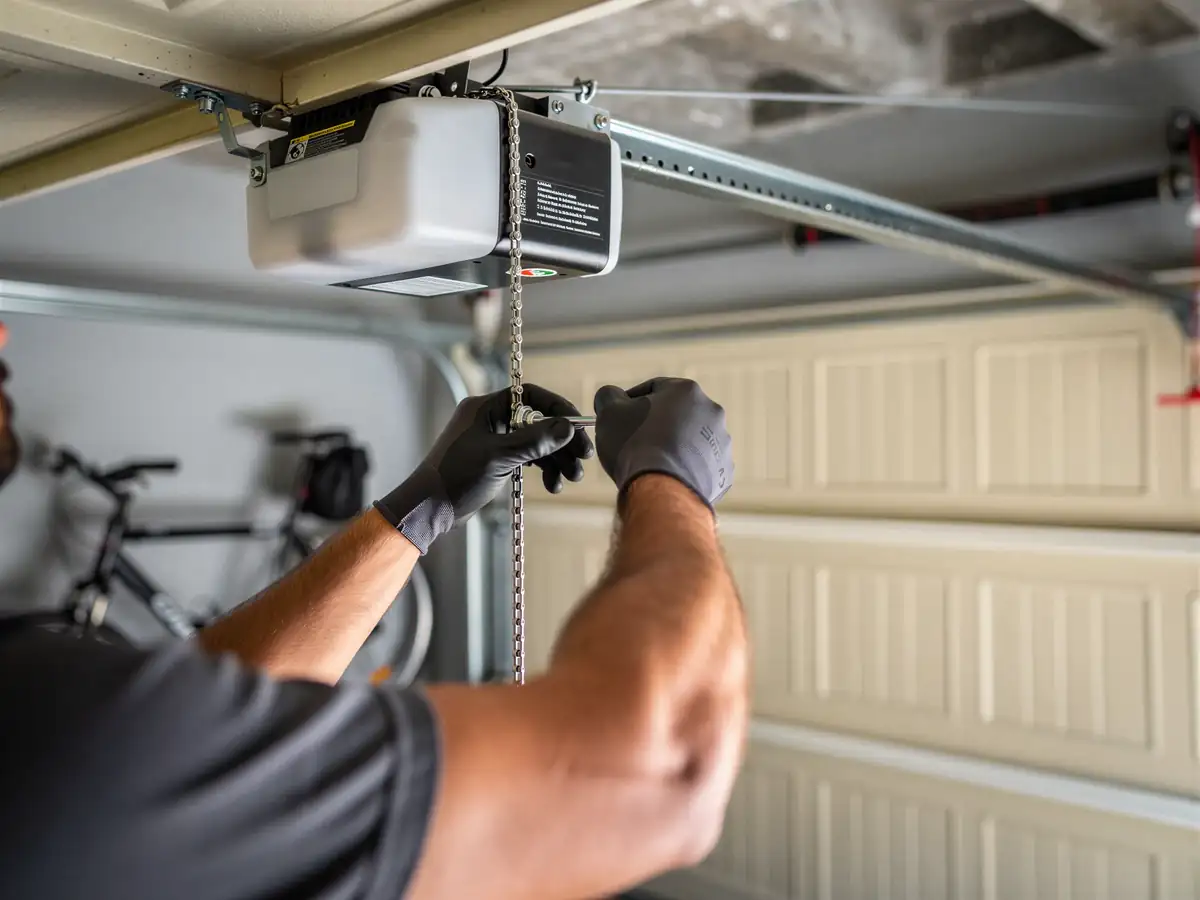
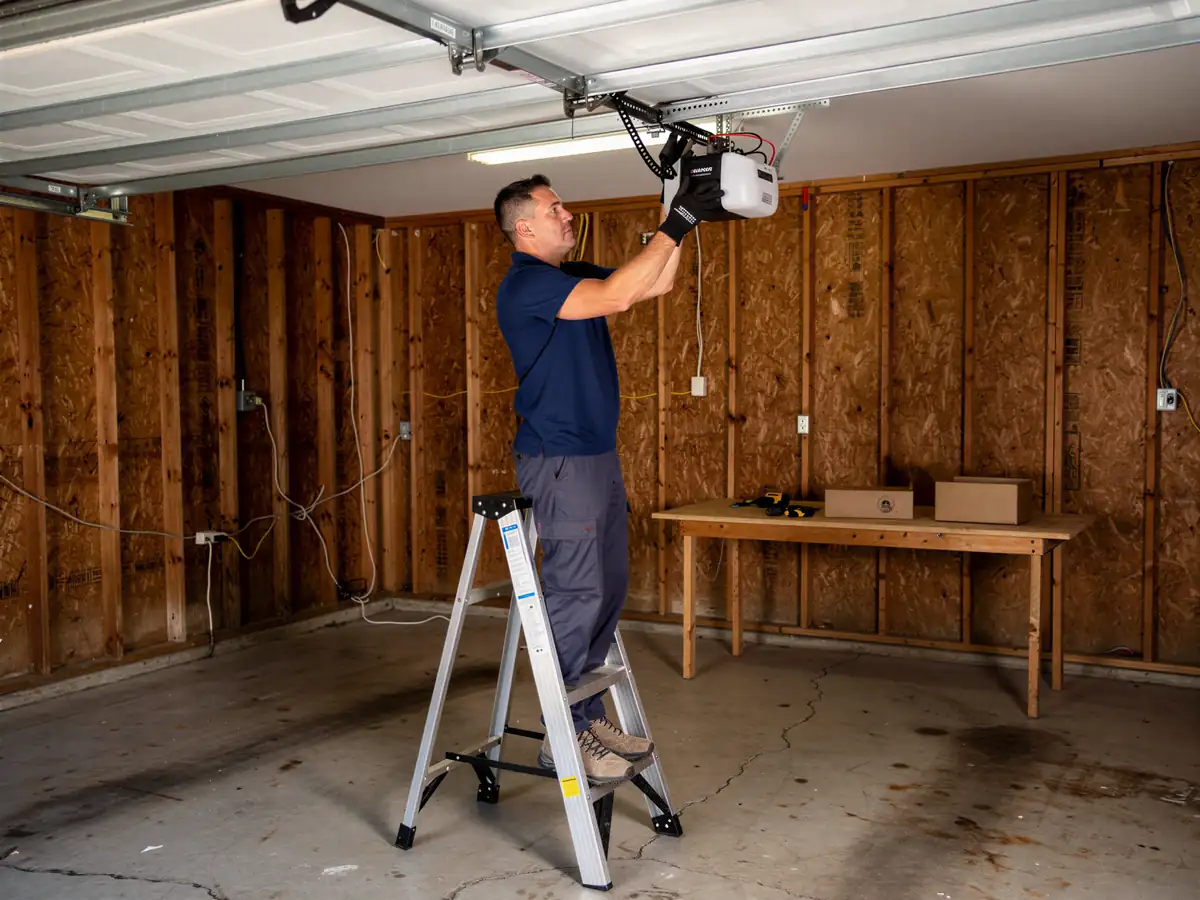
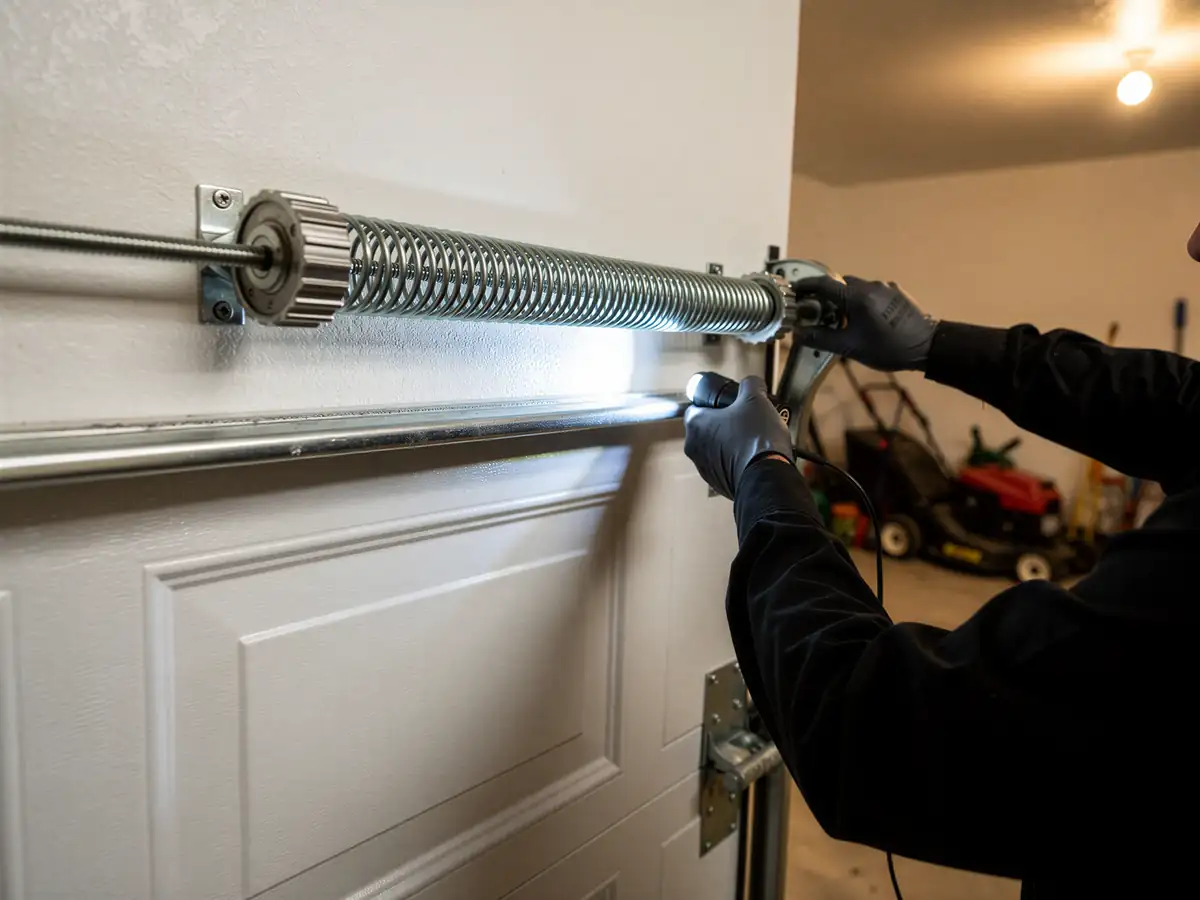
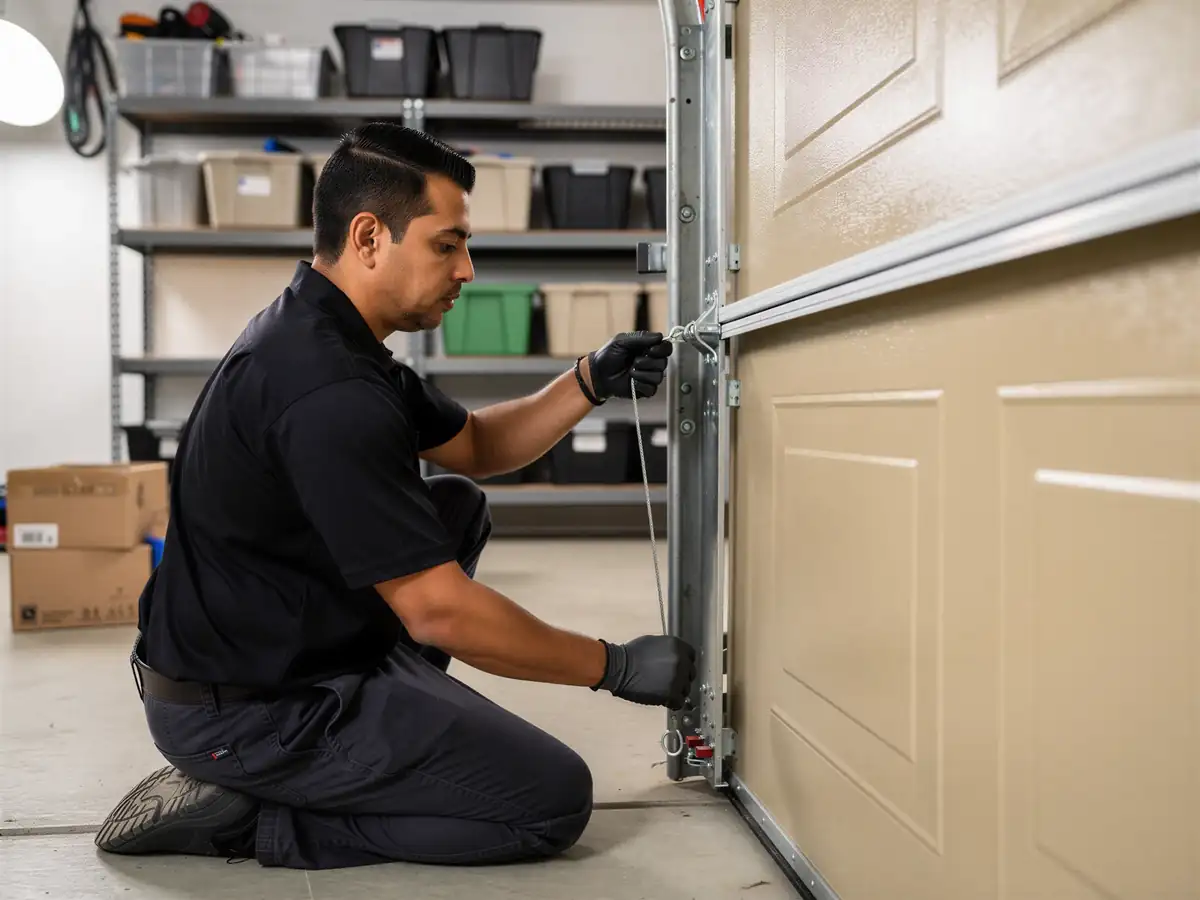
Doors installed around 1975 tend to run heavier steel sections, narrower track, and spring setups sized for that weight rather than for today's lighter insulated panels. We see more galvanized torsion springs on these jobs that have simply outlived their wind count, more worn rollers riding in track that's never been swapped since the house was built, and openers that were retrofitted later onto hardware that predates them - which means the travel limits and force settings are often a compromise, not a match. None of that is a Valparaiso-specific defect; it's just what 1975-era construction does to a garage door after four and a half decades of Gulf Coast humidity and the occasional freeze. The fixes are ordinary. The parts just skew older than what a tech pulls off the truck for a house built in the 2000s.
What Was Built Here
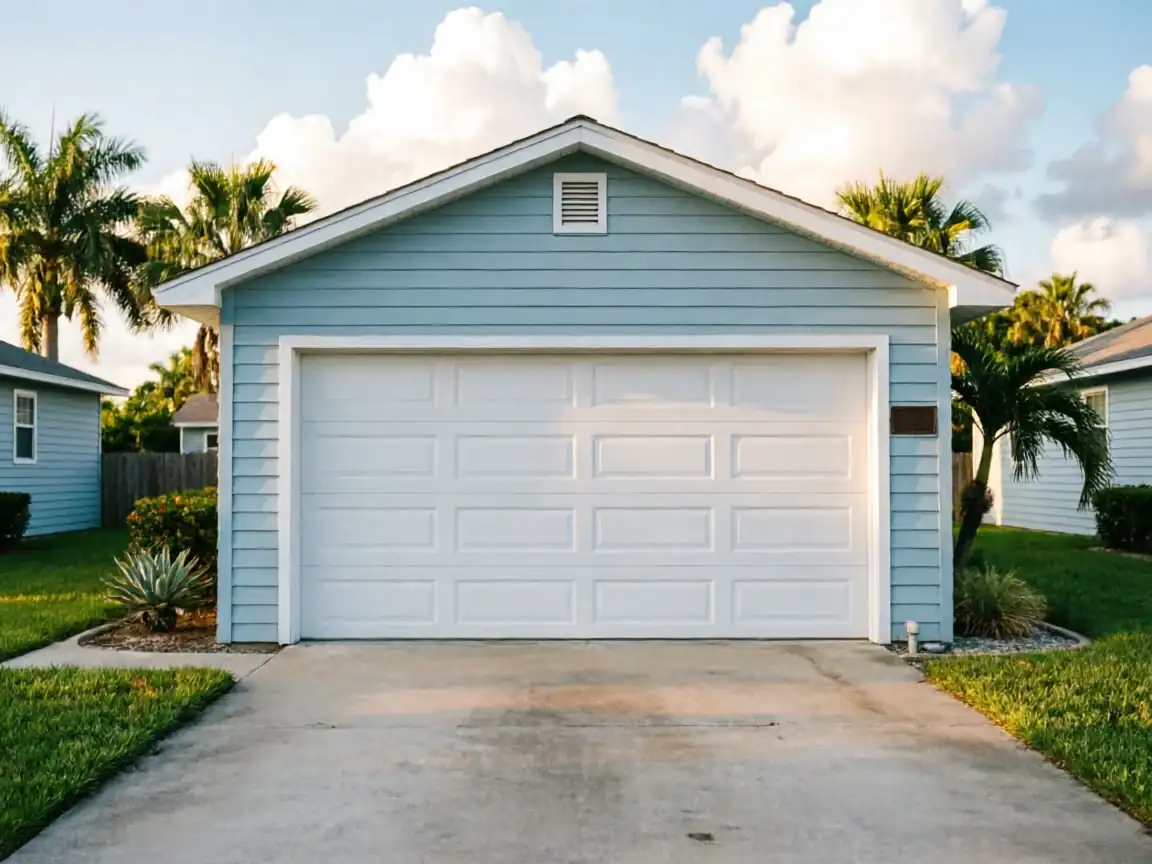
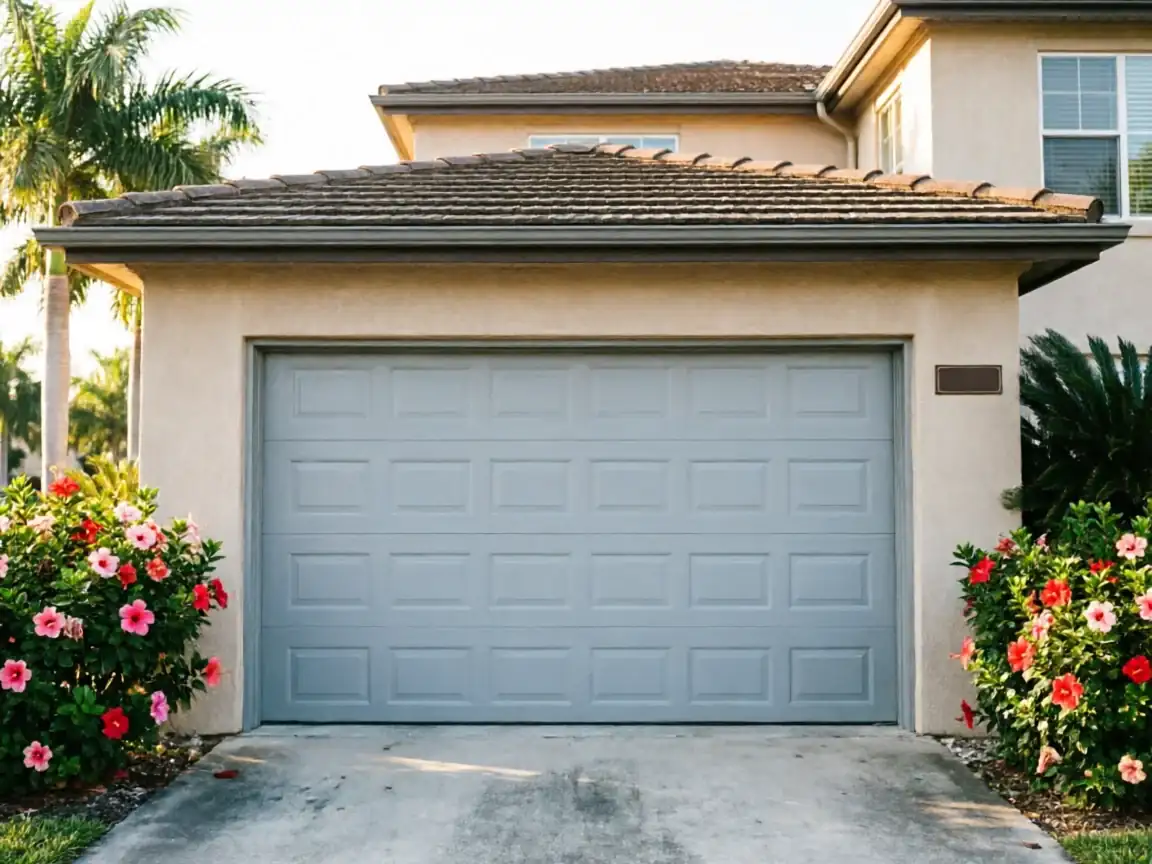
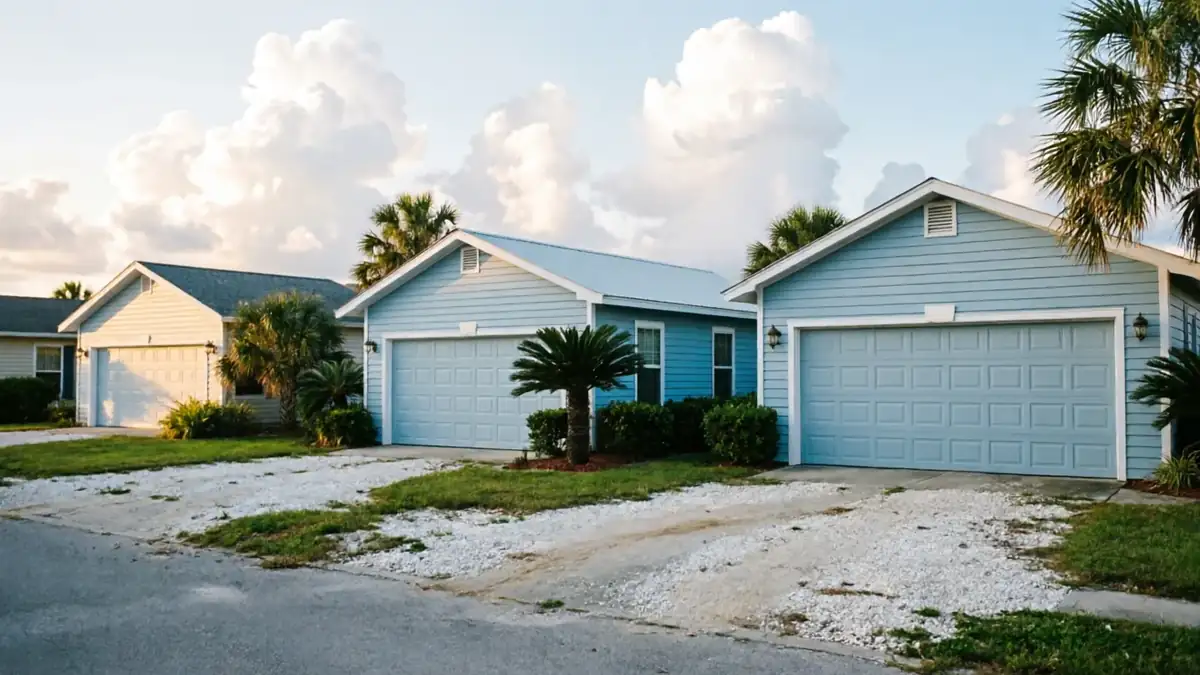
Valparaiso has 1,761 households, smaller than the roughly 14,374 across the full service area, and most of that housing clusters in the mid-1970s band rather than spread evenly across the 1973-2013 window the wider area covers. Median household income here runs $81,938, in line with the broader area, which usually means homeowners are repairing rather than replacing when a spring or opener board goes - a straightforward fix rather than treating the whole door as disposable. The climate band for this stretch is mild with occasional freeze, which is gentler on hardware than a true freeze-thaw region but still enough over 45-plus years to dry out lubrication, pit older bearings, and loosen the lag screws holding track brackets to a header that's shifted slightly with age.