Why It Happens Here
Most of the housing in this service area went up between 1973 and 2013
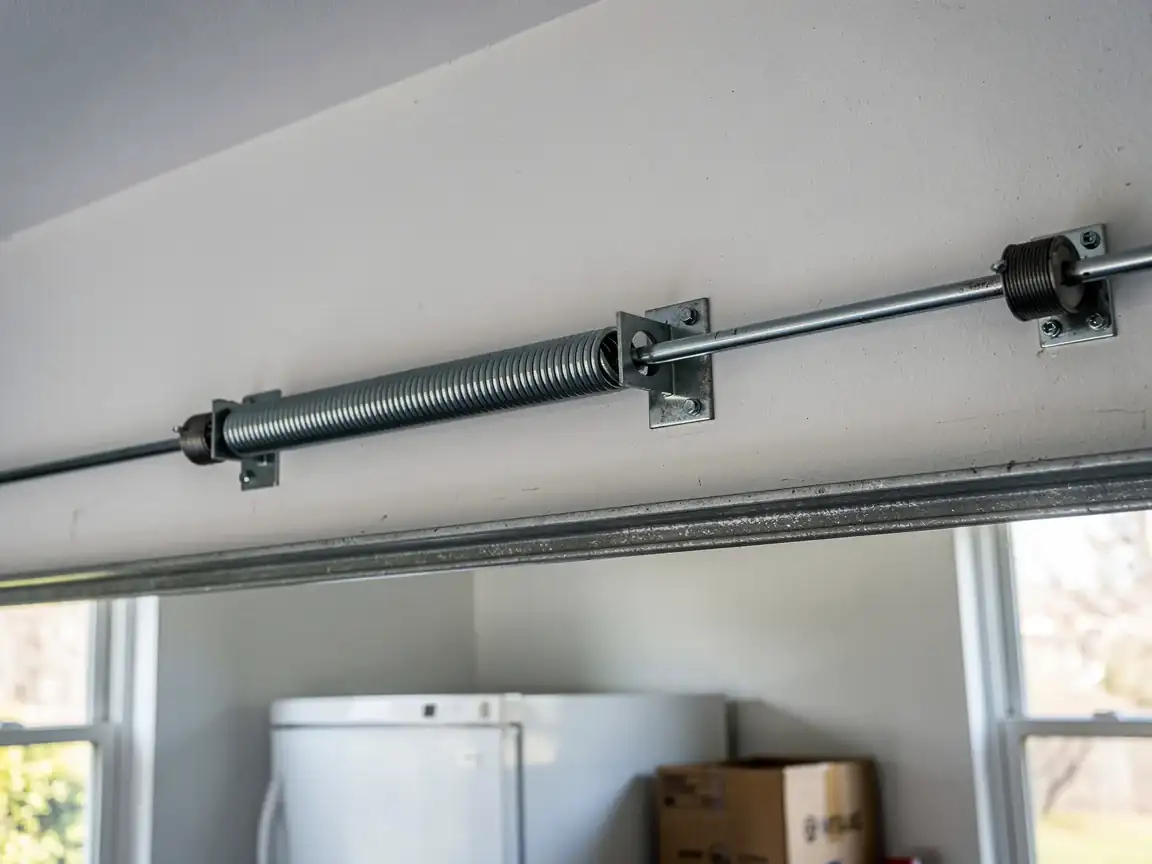
With the typical build year sitting around 1979, and a good share of the stock across the seven neighborhoods we cover dates back further, to the 1960s and 70s. That matters for cables because the lift cables on a torsion system wear out on a clock that runs independent of how often the door gets used. A cable rated for a certain number of cycles also degrades from the inside out as the galvanized coating ages, and on houses this old, a lot of that original hardware has never been swapped.
Climate plays its part too
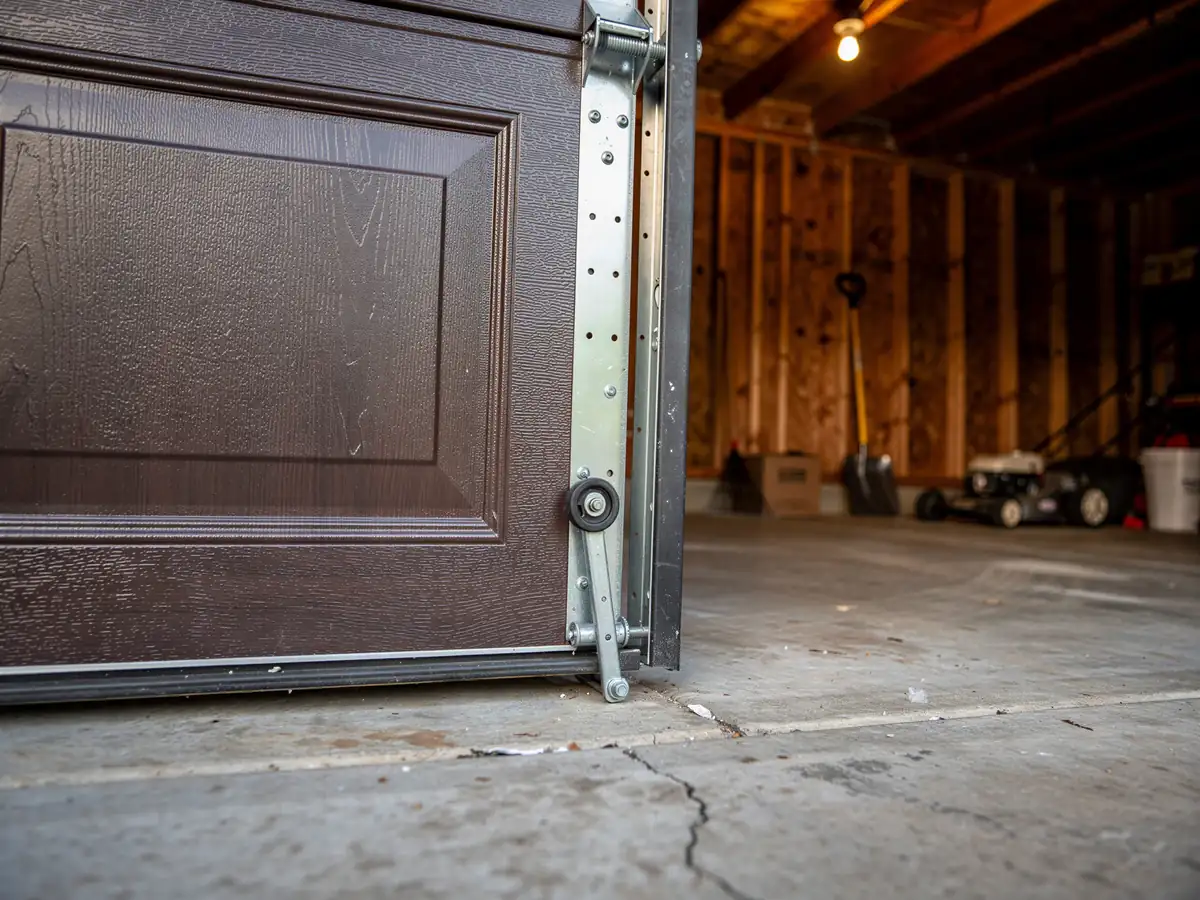
Niceville sits in a mild band with only occasional freeze, so we don't get the hard winter cycles that snap cables from cold contraction the way colder regions do. What we get instead is slow corrosion at the bottom bracket where cable meets the floor, plus sun and humidity drying out the factory lubricant on the drum side. A cable that's lost its coating frays one strand at a time, usually at the drum or the bottom fitting, until it finally lets go - often under full spring tension, which is the part that makes this a repair you call in rather than one you finish yourself.
What You Pay
We don't publish a flat number for cable repair because what you're actually paying for depends on what broke with it. A clean cable snap on a door that's otherwise in good shape is a straightforward swap of both cables as a pair - you never replace just the one that broke, since the other side is on the same clock. If the drum is grooved, the bottom bracket is bent, or a spring let go at the same time the cable did, that changes the job.
The honest answer is that we price it after we look at the door, not before. What we can tell you is that cable-only work on a standard residential door is one of the smaller repair tickets we run, well under a full spring or opener replacement, and we'll always tell you plainly if something else needs attention before we quote it rather than add it on after.
How It Shows Up
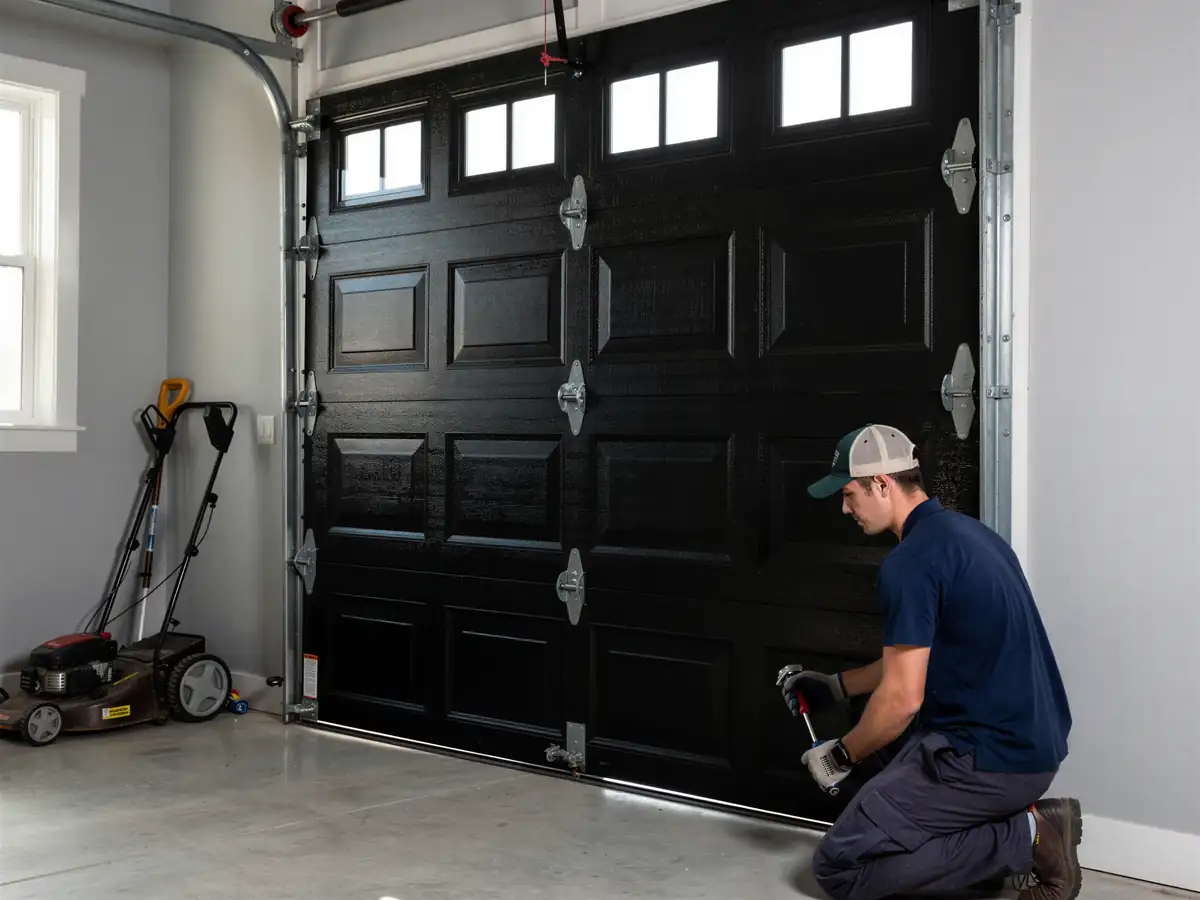
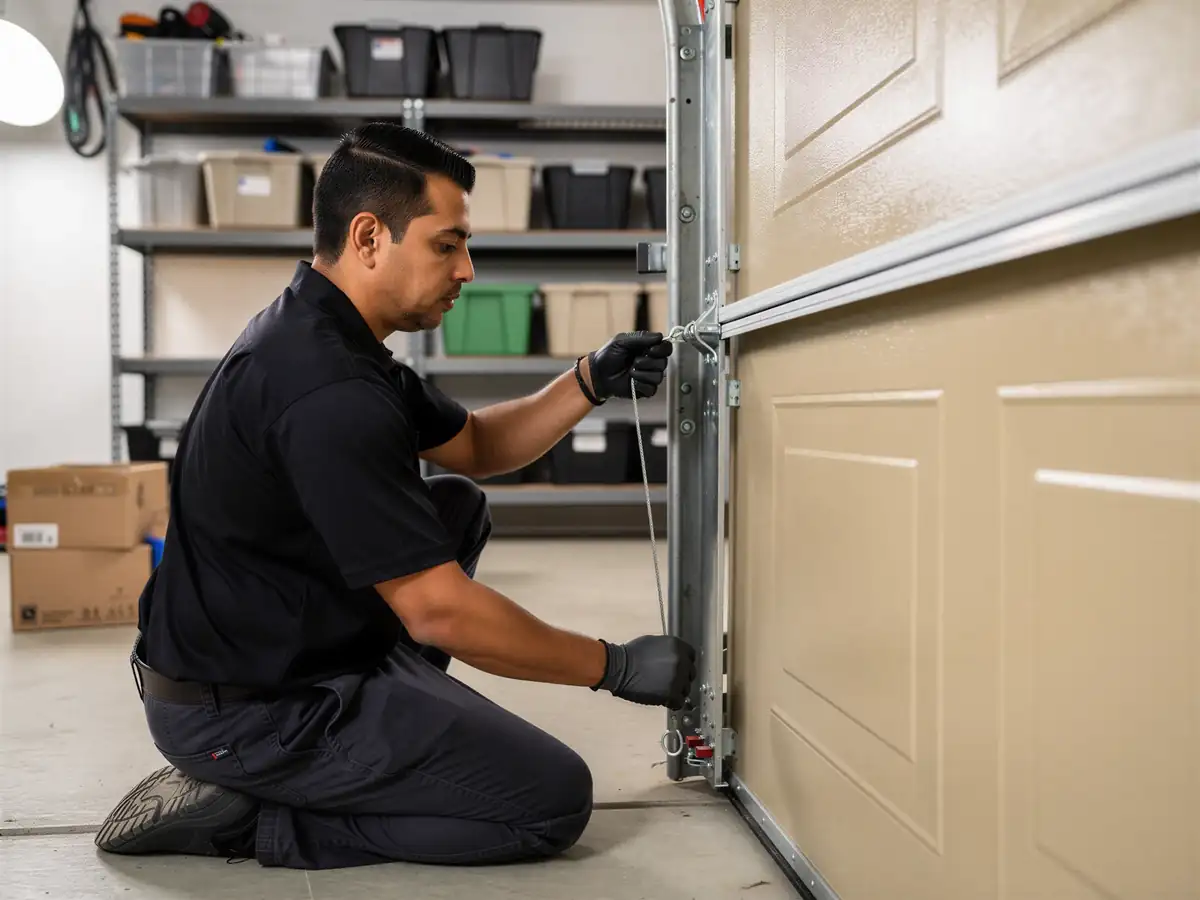
The most common sign is a door that sits crooked in the opening - one side higher than the other - because one cable has stretched, slipped off the drum, or started to fray while the other side is still holding. You might hear a snapping or popping sound right before the door refuses to move, or notice loose cable hanging slack near the bottom roller bracket.
Sometimes it's more gradual: the door gets harder to open by hand, or an opener starts straining and reversing partway through a cycle because it's fighting uneven tension. If you can see individual wire strands sticking out from the cable like a frayed shoelace, that cable is close to failing completely and shouldn't be run again until it's replaced. A door that's come fully off one cable will often jam at an angle in the track - at that point, stop opening it and call rather than forcing it, since a jammed door under spring tension can shift further and damage the track or panel.
How Long You Are Without the Door
A straight cable replacement
Where the rest of the hardware is sound, is usually a same-visit fix - we're not waiting on a special-order part for standard residential cable. What stretches the timeline is everything around it: if the drum needs replacing, if the door has come off track and bent a section of rail, or if the cable failure took a panel with it on the way down.
We'll be straight with you about scope before we start
One limitation worth knowing: if your opener and drum assembly are an older or less common model, matching parts can take longer to source than the cable itself, and we'll tell you that up front rather than guess. Most Niceville jobs don't hit that wall, but it happens often enough on the oldest houses in the service area that we don't promise a same-day finish until we've actually seen the hardware.