Timing on This Area
Ocean City sits about 10 miles from our Niceville shop
And the houses here carry their own timeline. The median home in this area was built in 1976, which puts it earlier than a lot of the broader service territory, where construction runs anywhere from 1973 to 2013 with a median closer to 1979. That gap matters. A door and opener installed in the mid-70s is a different animal than one put in during a 1990s build or a 2000s subdivision. If your house here still has its original garage hardware, it's pushing fifty years old, and that changes what we expect to find when we open the panel.
- 10 miles
We don't have a crew stationed in Ocean City
We run out of Niceville and drive the 10 miles out. That's worth knowing up front: we're not a local depot, we're a truck that comes to you.
- 10 miles
With roughly 2,815 households in this area
Most of them anchored to that mid-70s build era, the repair calls we get tend to cluster around a few specific, predictable failures rather than the wider mix you'd see in a newer part of town.
- 2,815 households
How That Shows Up in the Door
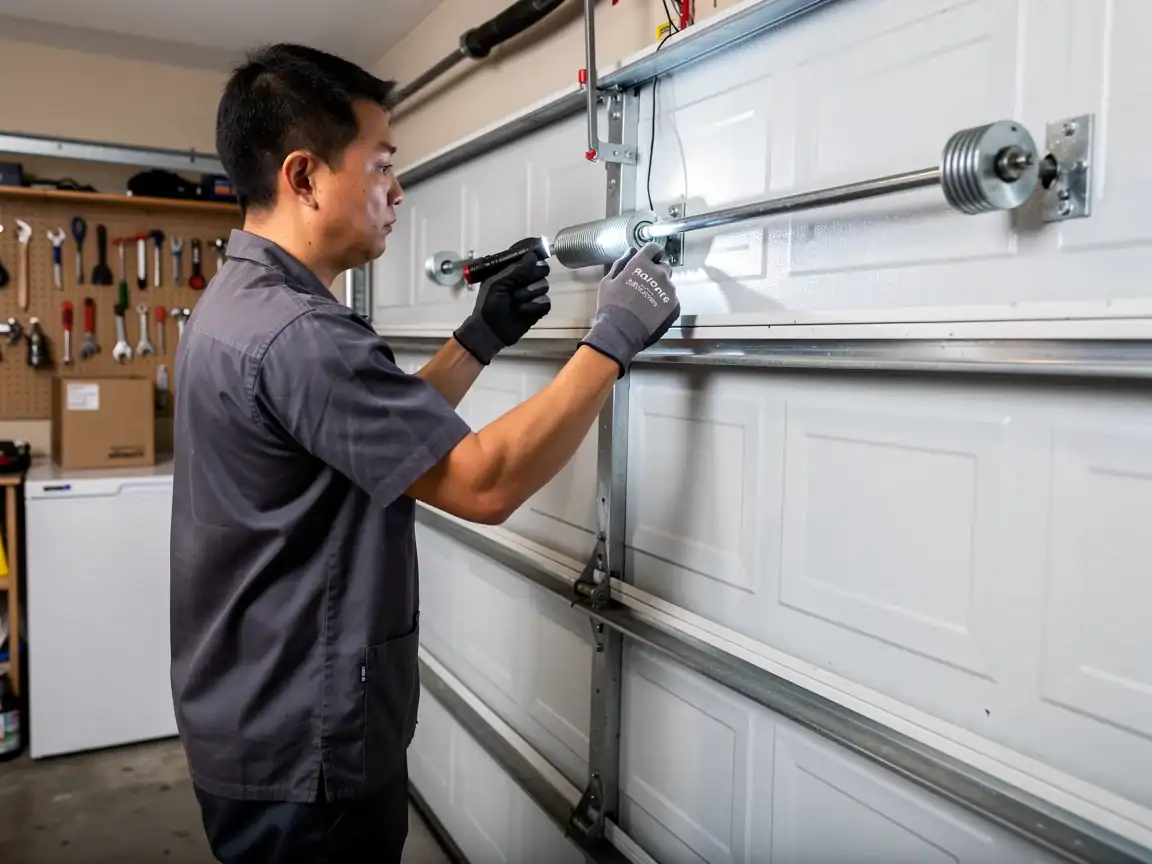
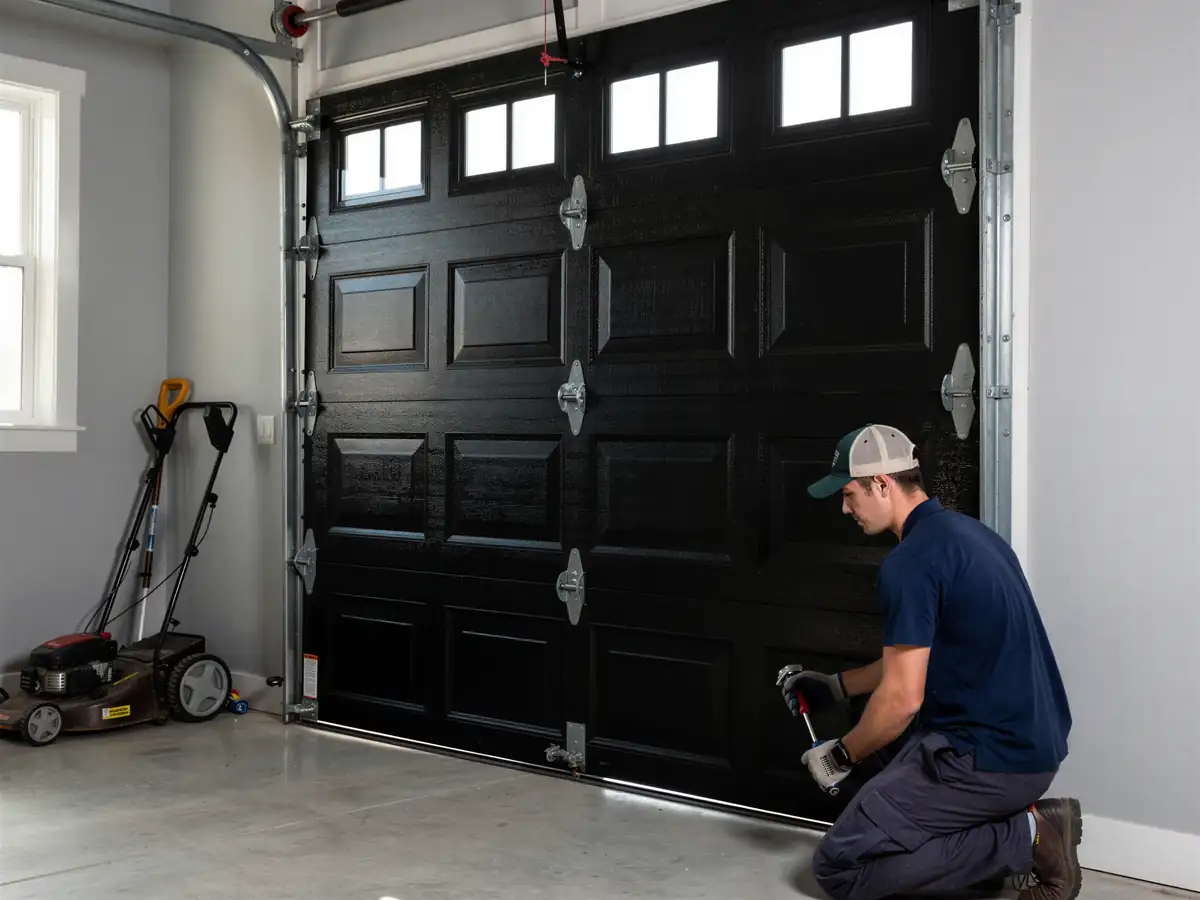
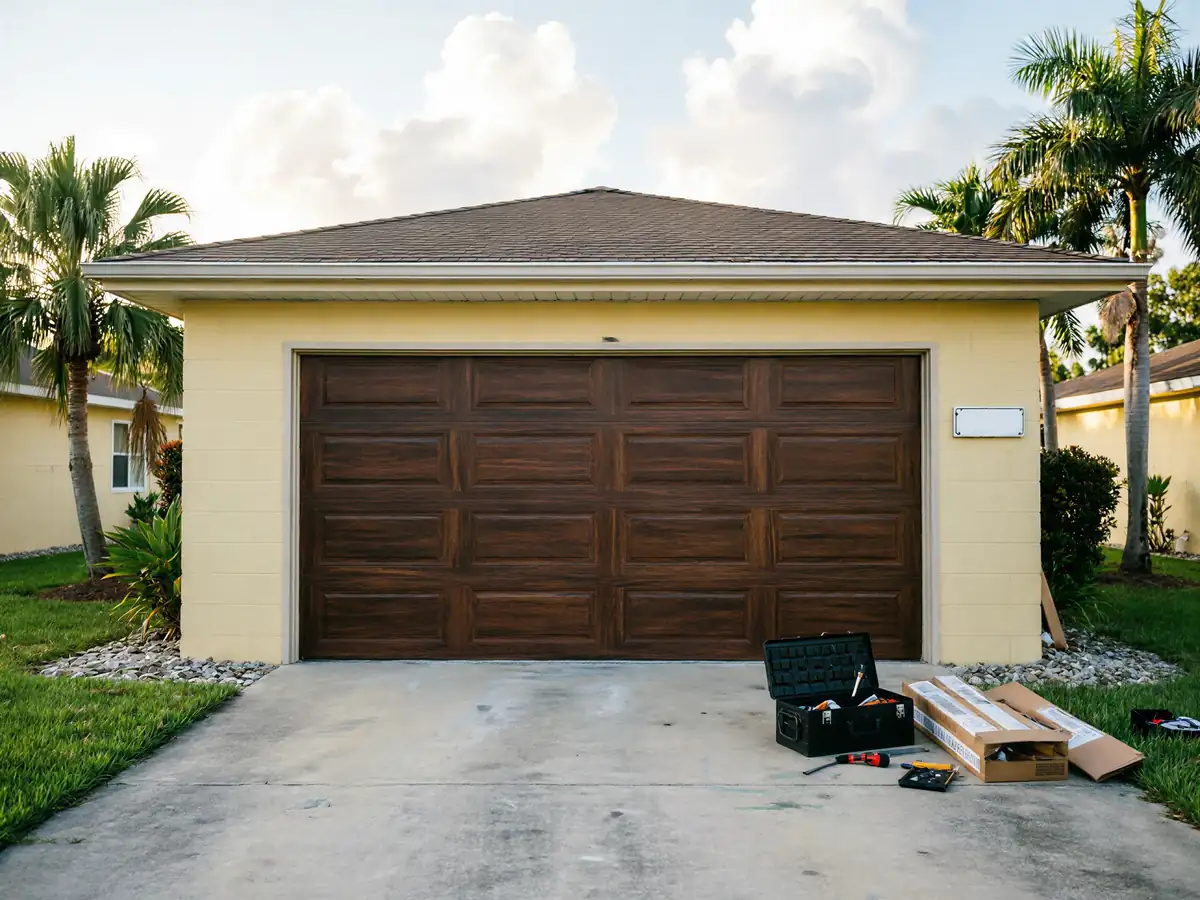
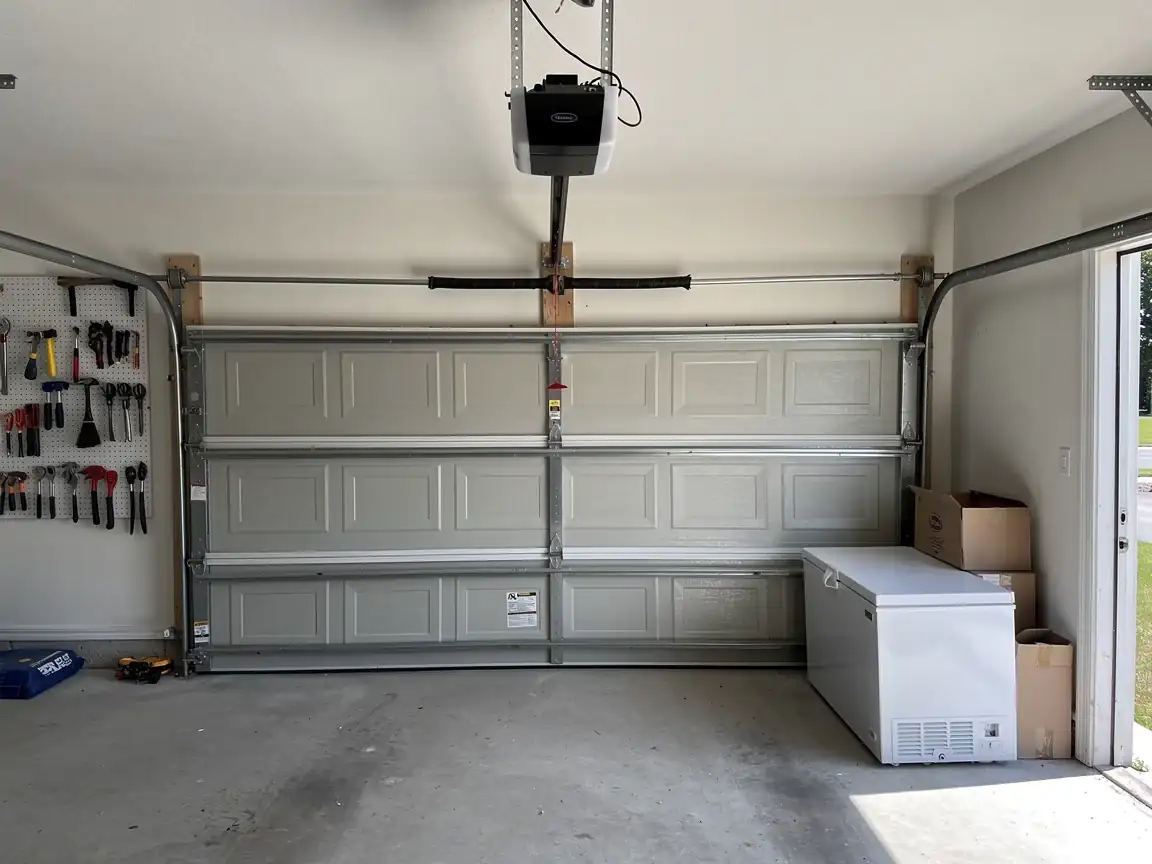
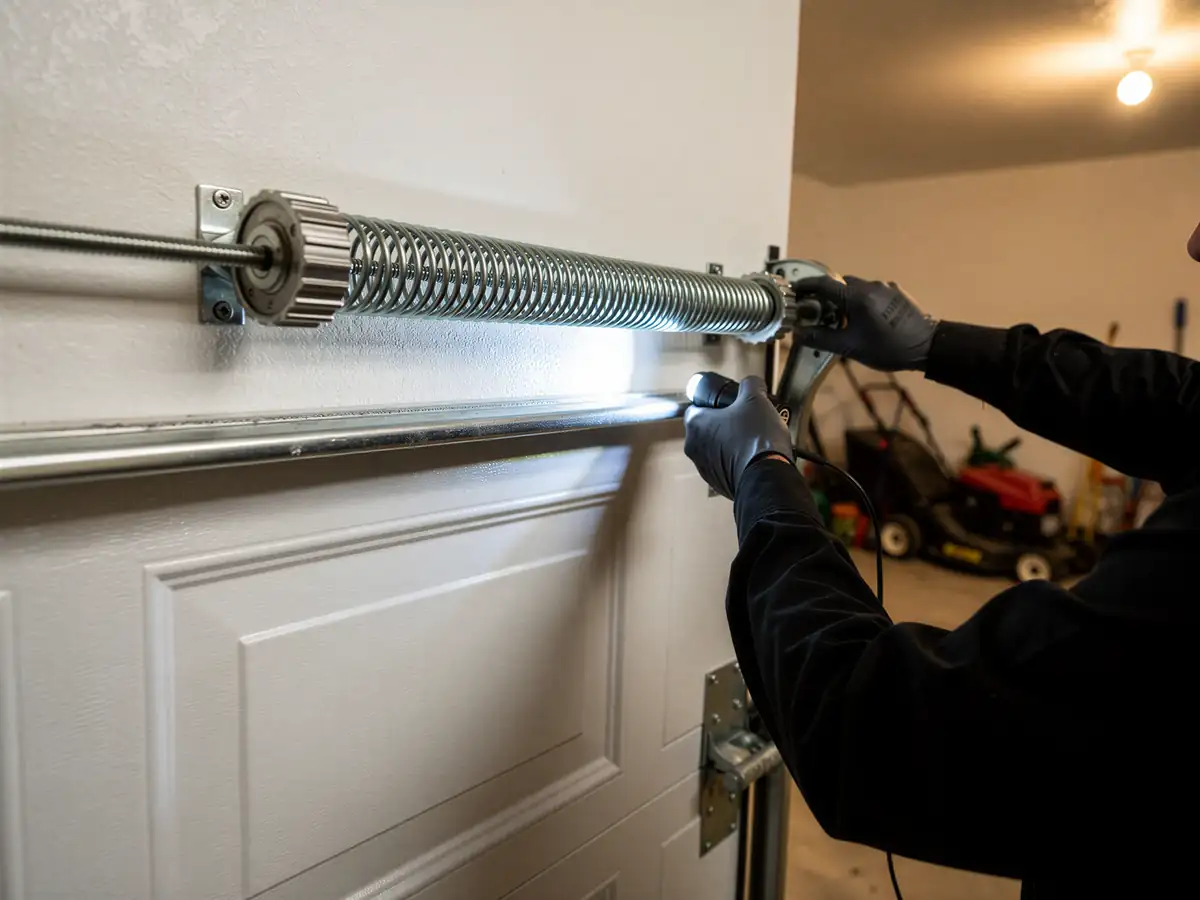
A door from 1976 almost never has the opener it was born with - those motors don't last five decades. What usually does survive, or survives until it finally lets go, is the track and spring setup bolted to the original frame. On houses this old we commonly find extension springs mounted along the horizontal track rather than the torsion-and-tube setup that became standard on later builds. Extension springs wear differently, and the safety cables that are supposed to contain a broken one are often missing or added after the fact.
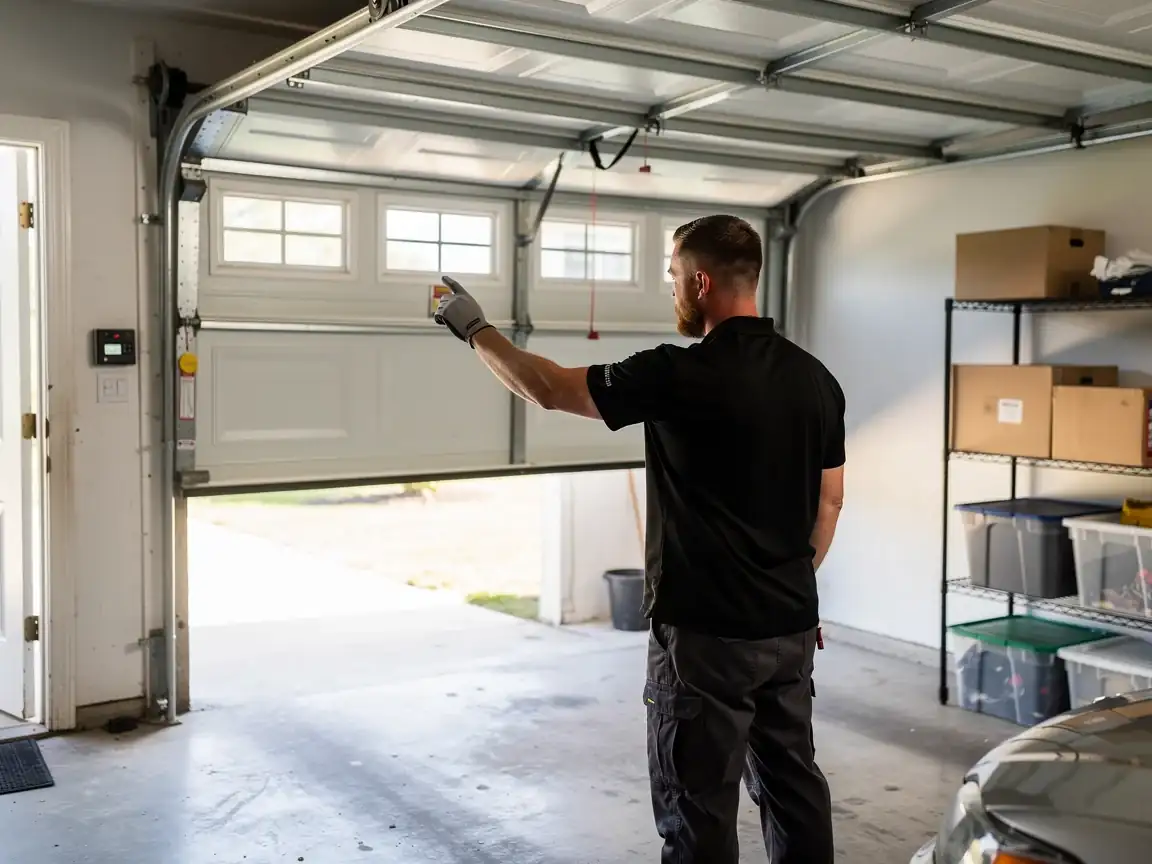
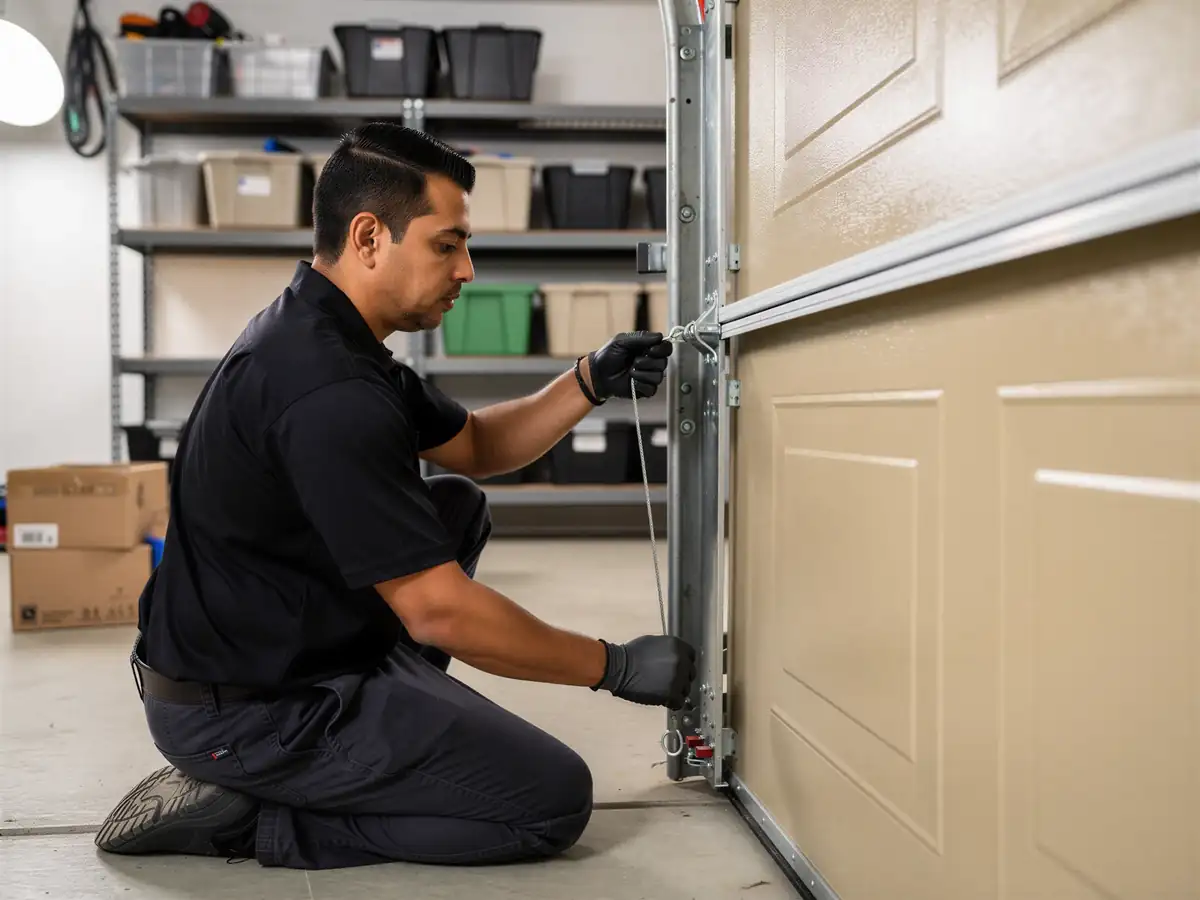
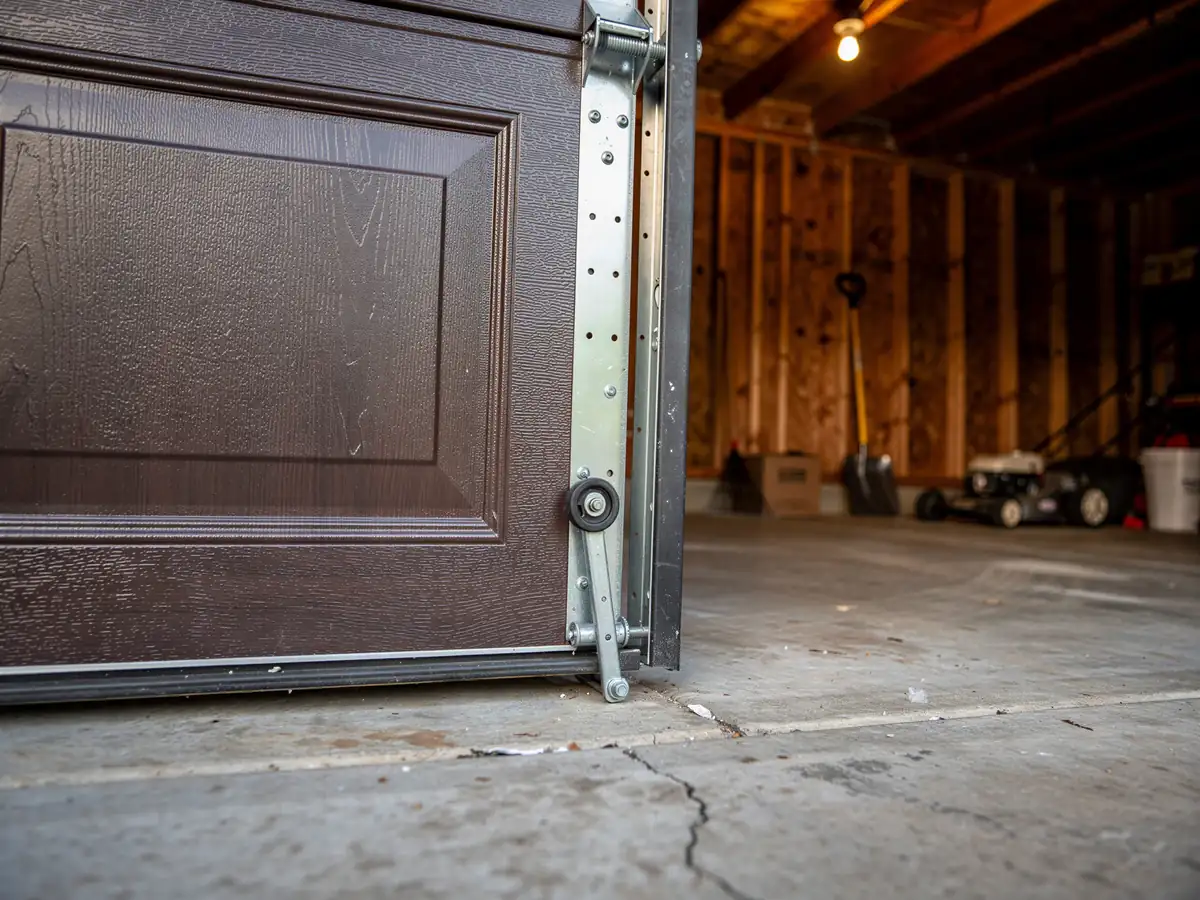
We also see steel panels that have been repainted more than once, with hardware - hinges, rollers, the end stiles - that's outlived two or three openers already. None of that means a 1976-era door is a lost cause. Plenty of them still run fine with routine lubrication and a hinge swap. But when something breaks, it's rarely a part you can grab off a shelf without checking the dimensions first, because the track spacing and spring sizing from that era don't always match today's standard kits.
What Was Built Here
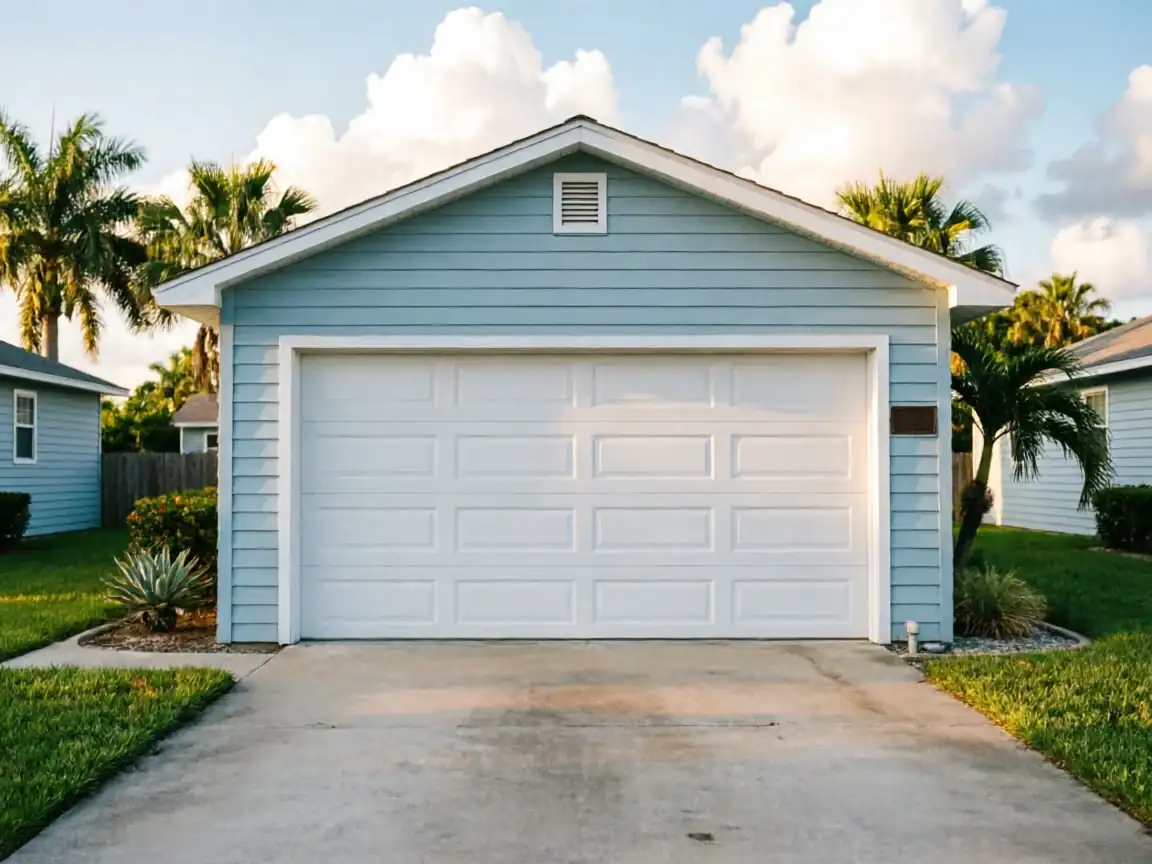
The area's median household income is $56,160, noticeably below the $81,938 figure for the wider service territory. That's not a judgment on the houses, it's a fact that shapes the decisions homeowners here actually make, and we try to price repair options with that in mind rather than pushing a full replacement as the default answer. With about 2,815 households concentrated in this stretch, built mostly in that mid-1970s window, the housing here is older and more uniform than the newer pockets closer to Niceville's other named areas.
Climate-wise, this corner of the coast falls in the mild band with occasional freeze risk rather than hard winters, which is kinder to steel panels and weatherstripping than a true freeze-thaw climate would be. It doesn't eliminate rust and seal wear, but it slows it down compared to places that see repeated hard freezes every season.