Why It Happens Here
Most of the housing stock in and around Niceville went up between 1973 and 2013
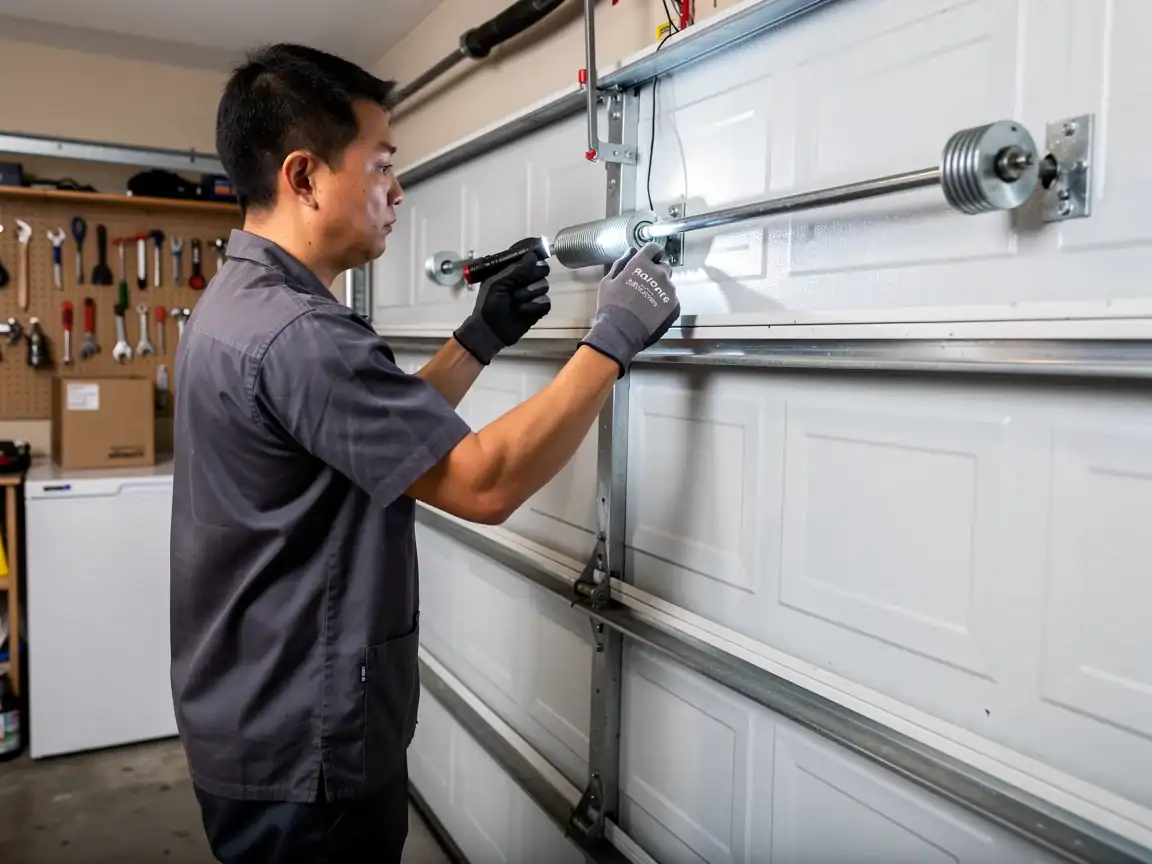
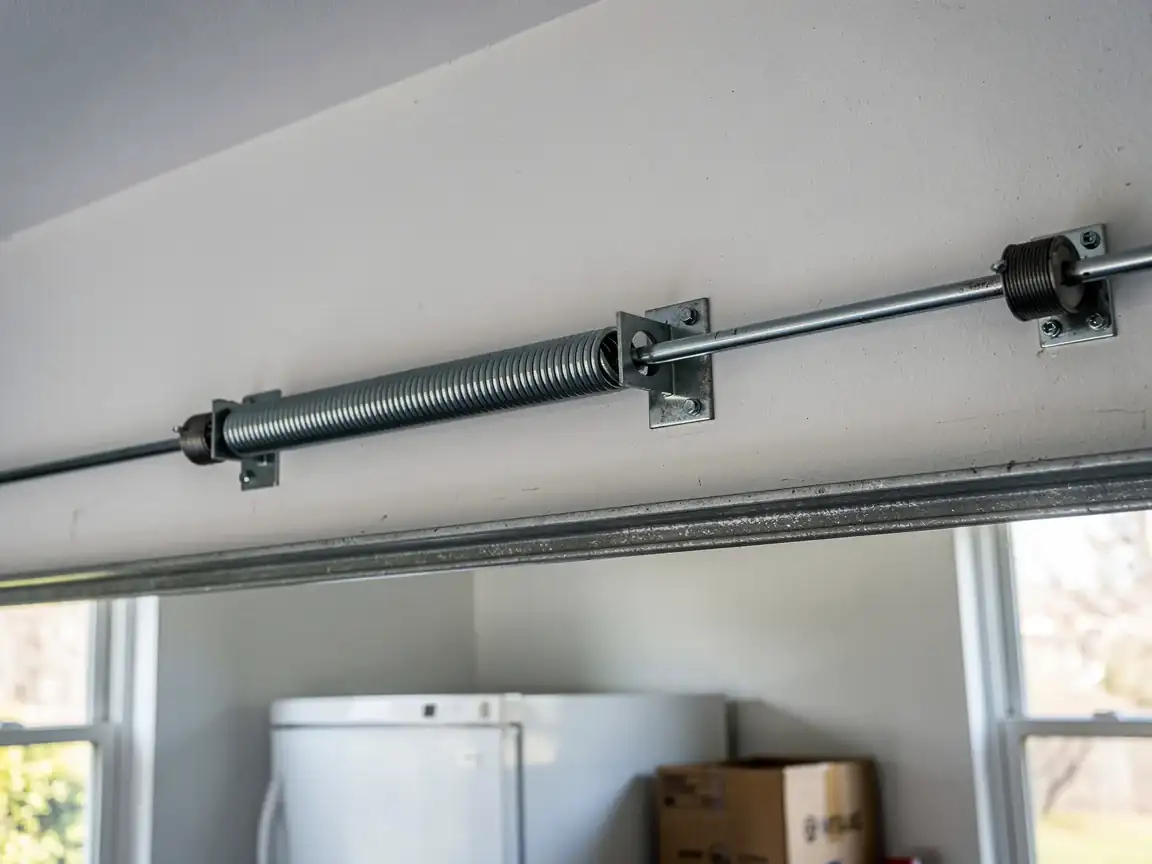
With the median build year landing around 1979. That puts a lot of garages at the age where torsion springs, nylon rollers, and galvanized track start giving out from plain cycle fatigue - not from one bad storm, just thousands of open-close cycles on original hardware. Across the seven older pockets of the service area the stock leans even further back, into the 1960s and 70s, so you've got doors out there running on hardware nobody has made in decades.
The climate plays its part too, but not the way people from further north expect
Niceville sits in a mild band with only occasional freeze, so you're not dealing with ice splitting a track or a frozen slab locking the door shut. What you get instead is slow rust creep on springs and hinges from humidity, plus the expansion-and-contraction cycling that comes with a freeze-thaw swing a few times a winter. It's quieter wear, but it adds up the same way - a spring that's rusted at the coil fails sooner than one that's just tired.
Put those two things together
Older original hardware plus a corrosion-friendly climate - and you get a predictable pattern of calls, mostly springs, cables, and rollers rather than full panel replacement.
What You Pay
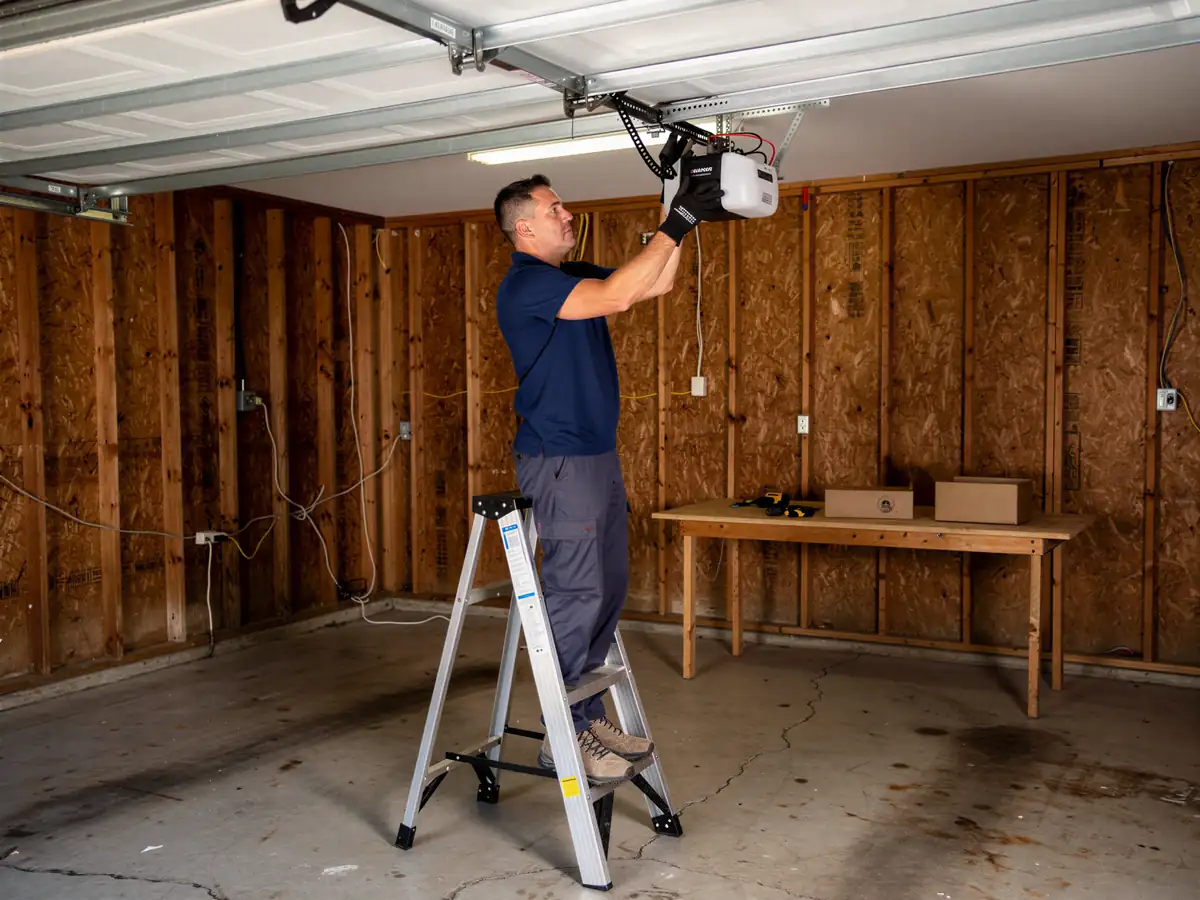
I'm not going to put a number here that isn't backed by something real, and the honest answer is that a torsion spring job on a standard double door costs differently than a cable snap on a single, and I haven't got a flat rate that covers both fairly. What I can tell you is what drives the number: whether it's one spring or a matched pair, whether the drums or bearing plates got damaged on the way down, and whether the opener took any load it shouldn't have.
Household income across the service area runs a median of about $81,938, and most of the calls I get at that income level are repair calls, not replacement calls - people want the door working again, not a new door, unless the panels are actually rotted or the track is bent beyond pulling straight. That's a fair instinct. A repair on a sound door almost always costs less than a new install, and there's no reason to replace a door that just needs a spring.
The one thing I won't do is quote a repair blind over the phone before I've looked at the spring size, the drum, and the opener. Too many jobs that sound like "just a spring" turn out to need a bearing plate too, and I'd rather tell you that at the door than pad a number to cover myself.
How It Shows Up
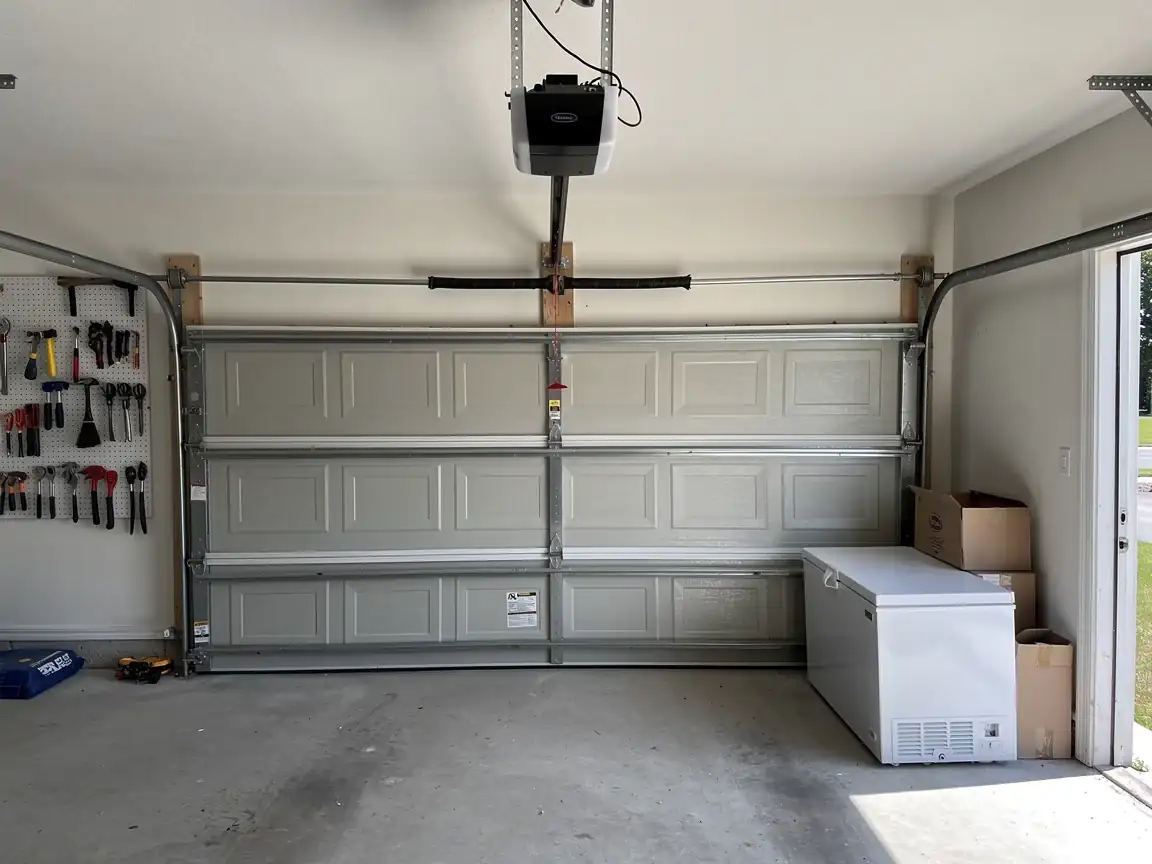
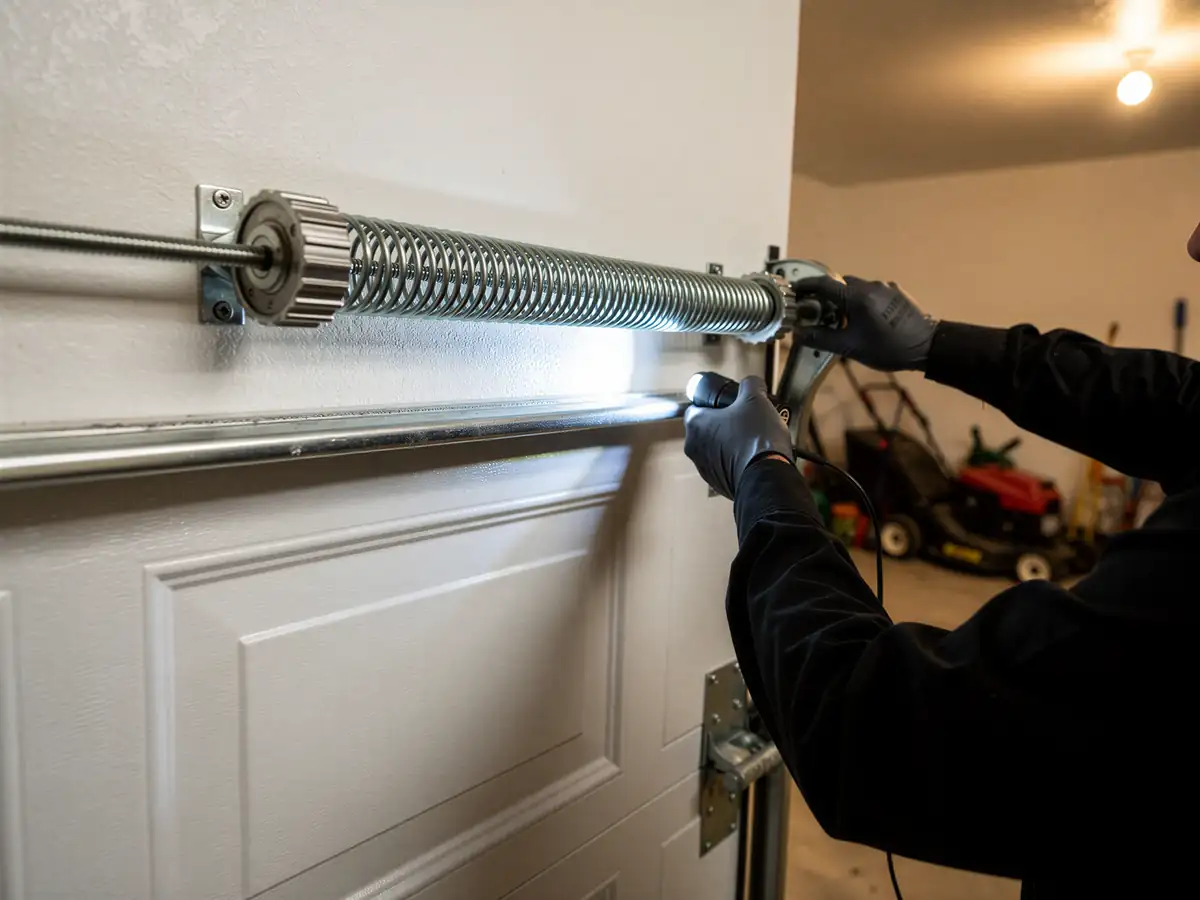
On a torsion spring, the early sign is usually a door that feels heavier than it used to - the opener strains, or you notice you're lifting more of the weight by hand than you were last year. That's the spring losing tension before it actually snaps. Once it does go, you'll hear it - a loud bang from the garage, and then the door won't stay up on its own or won't move at all.
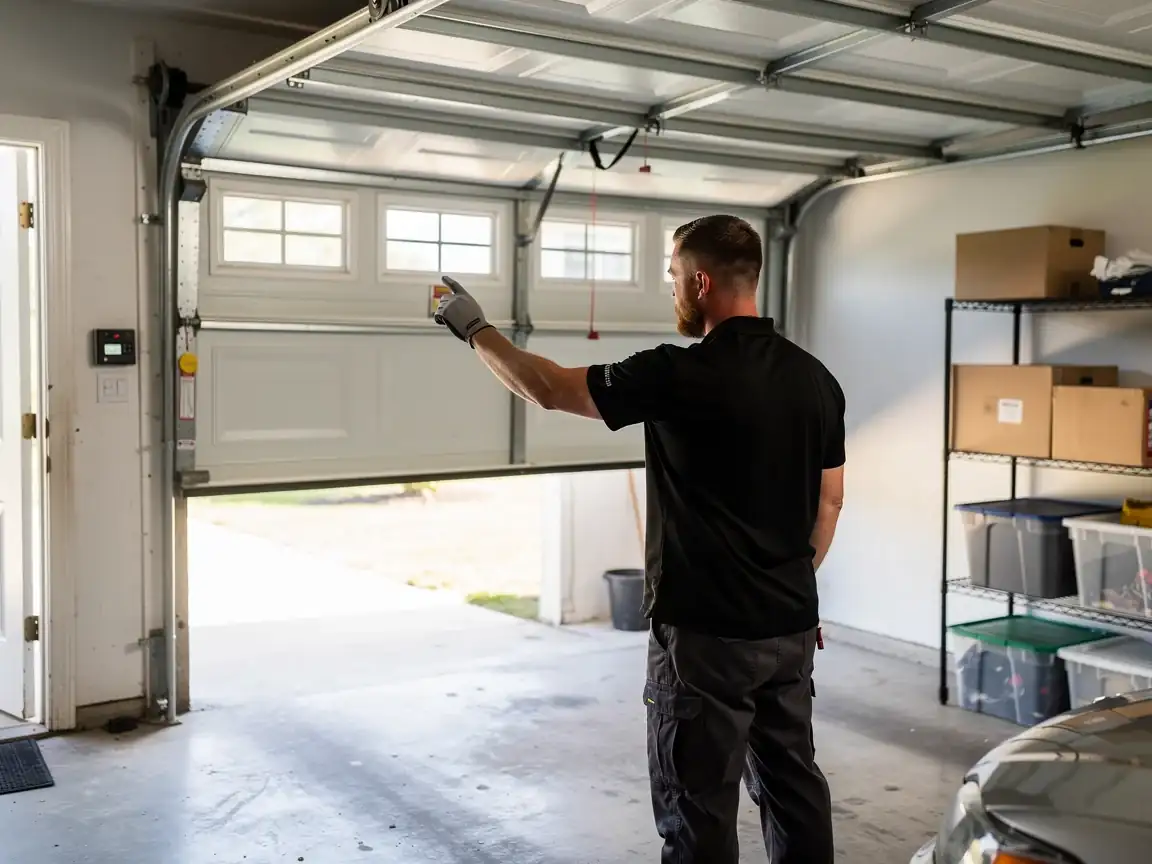
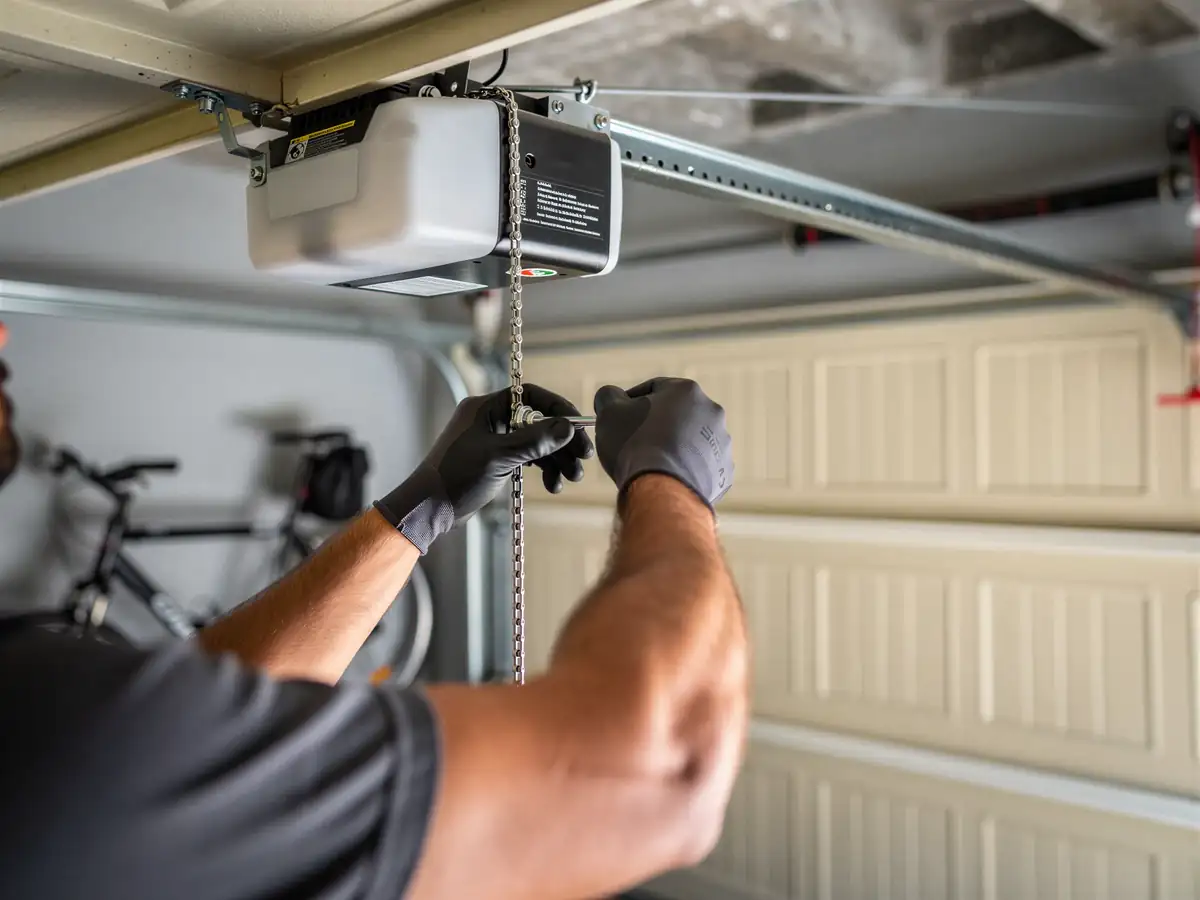
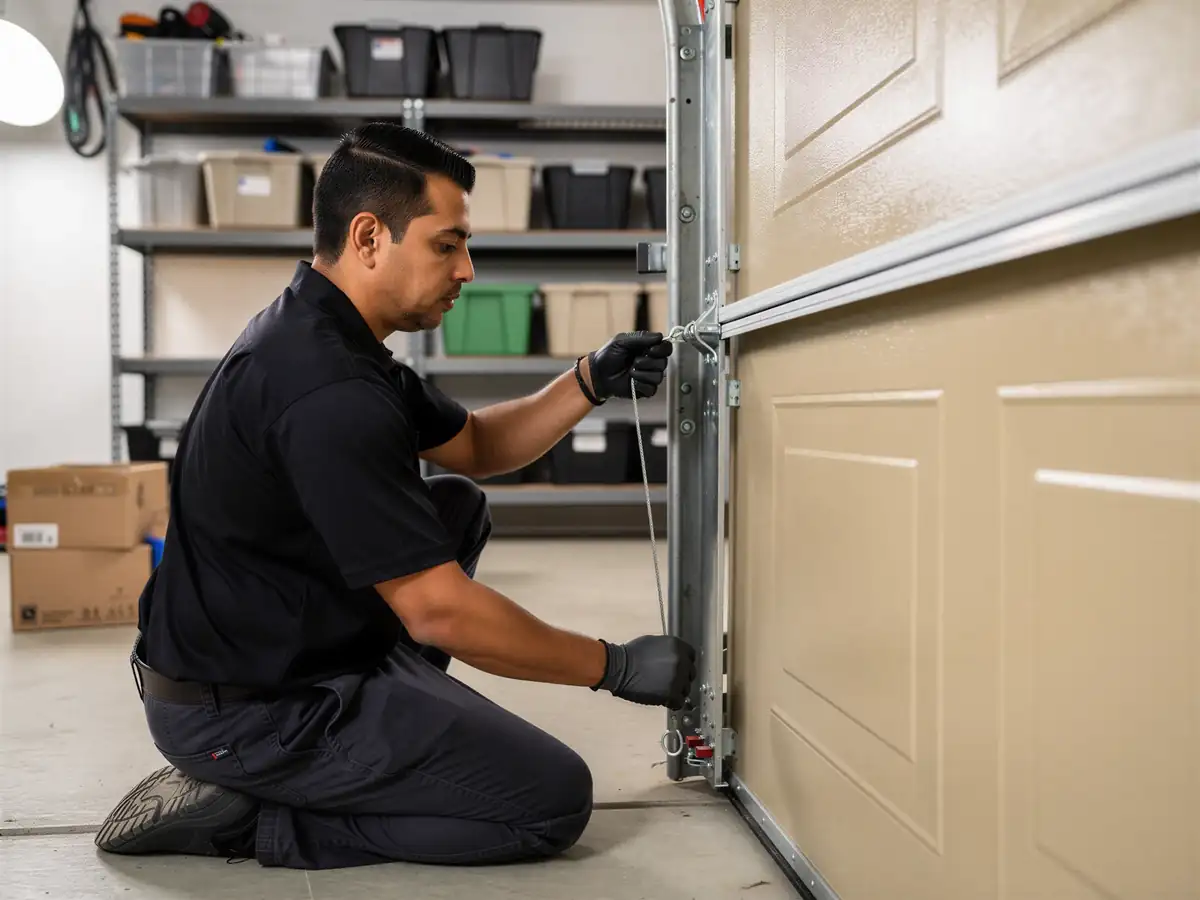
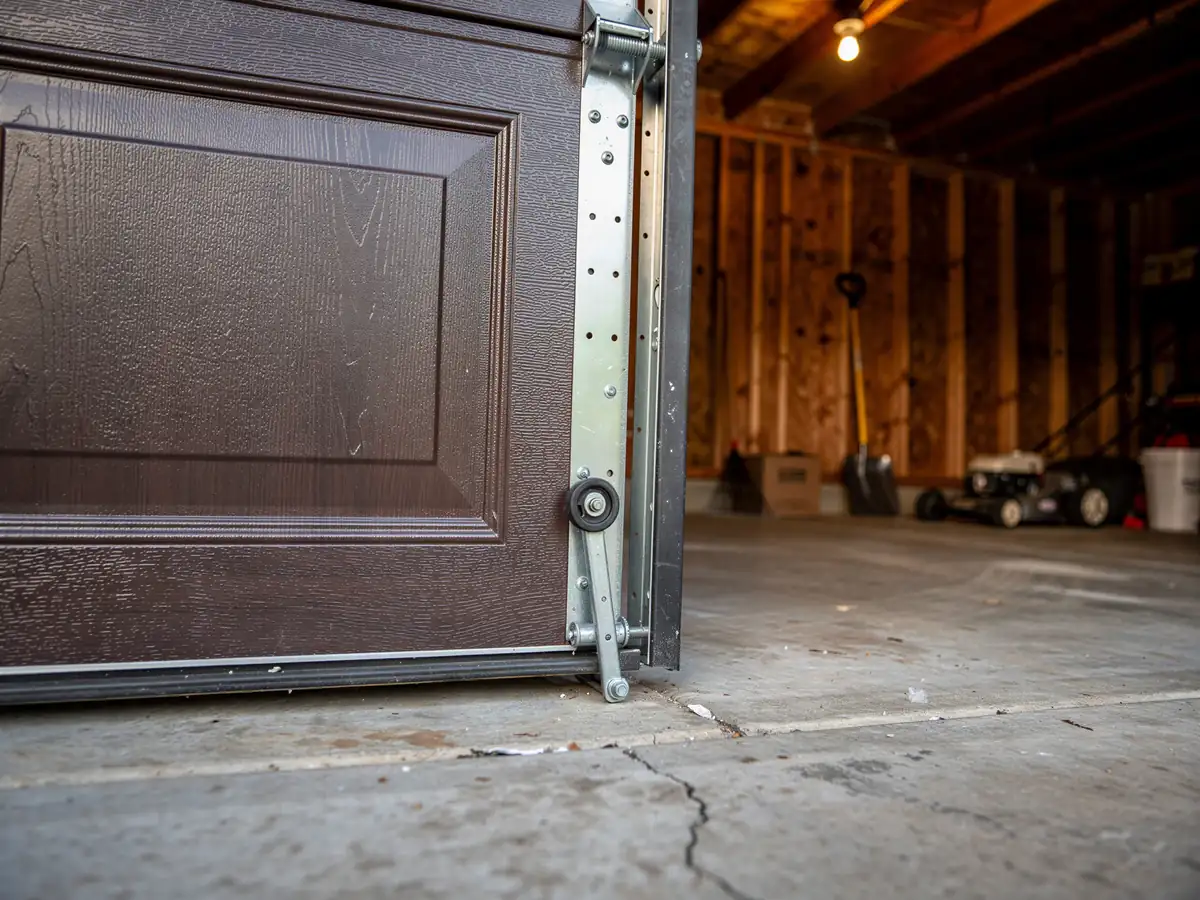
On the older hardware common in the 1960s-70s pockets of town, the failure often starts at the rollers instead. Nylon rollers that have been in a track for decades start to crack or flat-spot, and the door starts to shudder or jump partway through its travel instead of running smooth. Give it long enough and a cracked roller can walk out of the track entirely, which is a different and more urgent call than a spring that's just worn down.
Rust is the quieter tell. On a door that's been exposed to Niceville's humidity for years, you'll see it first at the spring coils and the bottom of the tracks - surface rust that looks cosmetic but is actually eating into the metal's fatigue life. A door that looks fine but sounds gritty on the way up is usually further along than it looks.
How Long You Are Without the Door
This depends almost entirely on what broke and how old the door is
A standard torsion spring, a cable, or a set of rollers on a door built in that 1973-2013 window is still a commonly stocked part - most of that era's hardware is still made in the same sizes, so a repair on one of those doors is usually a matter of having the right spring on hand, not tracking one down.
It's the older end of the stock
The 1960s and 70s doors still running in the older pockets of the service area - where you run into longer waits. Non-standard spring lengths, odd drum sizes, or a track profile that isn't made anymore can mean a special order, and that's the honest limitation here: I can't make a part exist faster than the supplier can ship it. If your door is one of those older originals, it's worth knowing going in that a repair might take a bit longer than a same-era house would.
In either case, a broken spring on its own doesn't mean you're locked out of the garage
The door just won't open or close safely under power, so plan around that rather than around a fixed timeline I don't have.