Why It Happens Here
Most of the houses we get called to in Niceville went up somewhere between 1973 and 2013
With the median build year sitting around 1979. That one number explains a lot of the repair calls we run. A door and opener installed when a house was built in the late 70s or early 80s is now past its working life - the springs have cycled tens of thousands of times, and the opener, if it's original, is older than most of the people driving past it.
Across the seven named areas that make up this part of the county, the housing stock skews 1960s-70s
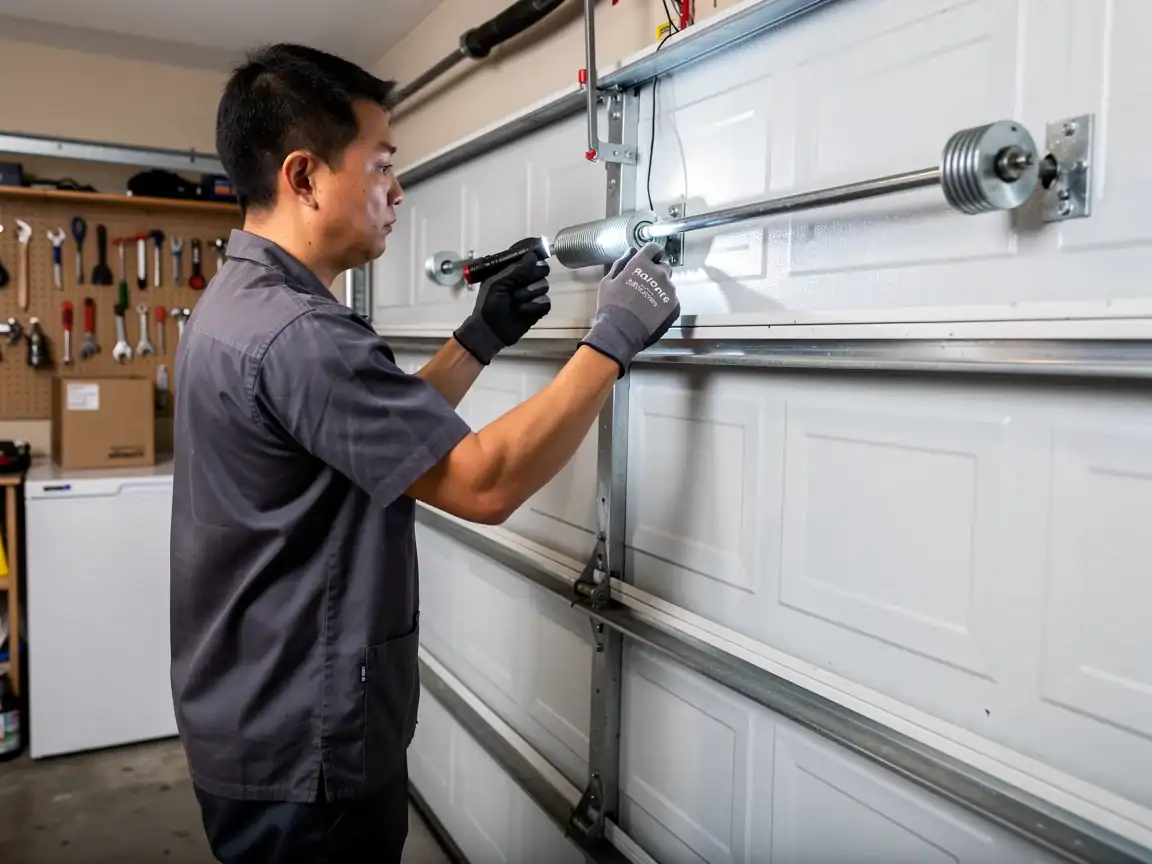
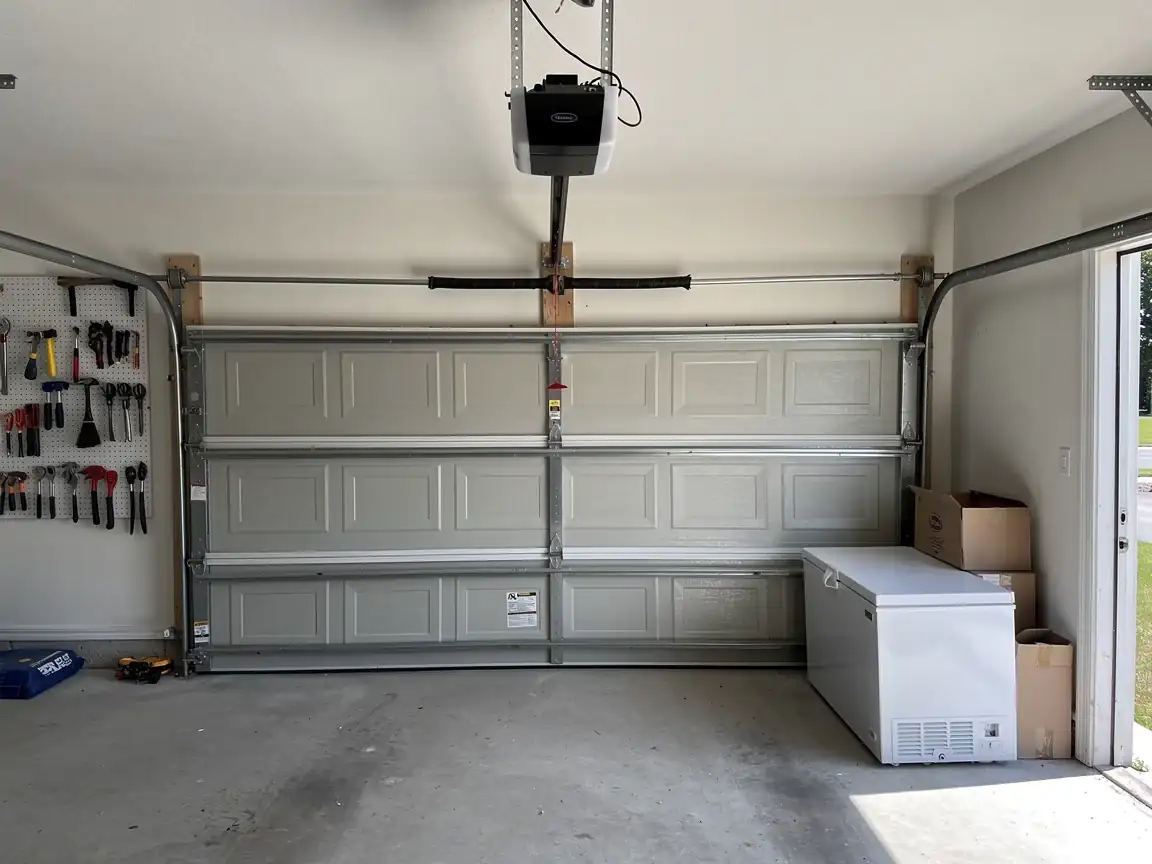
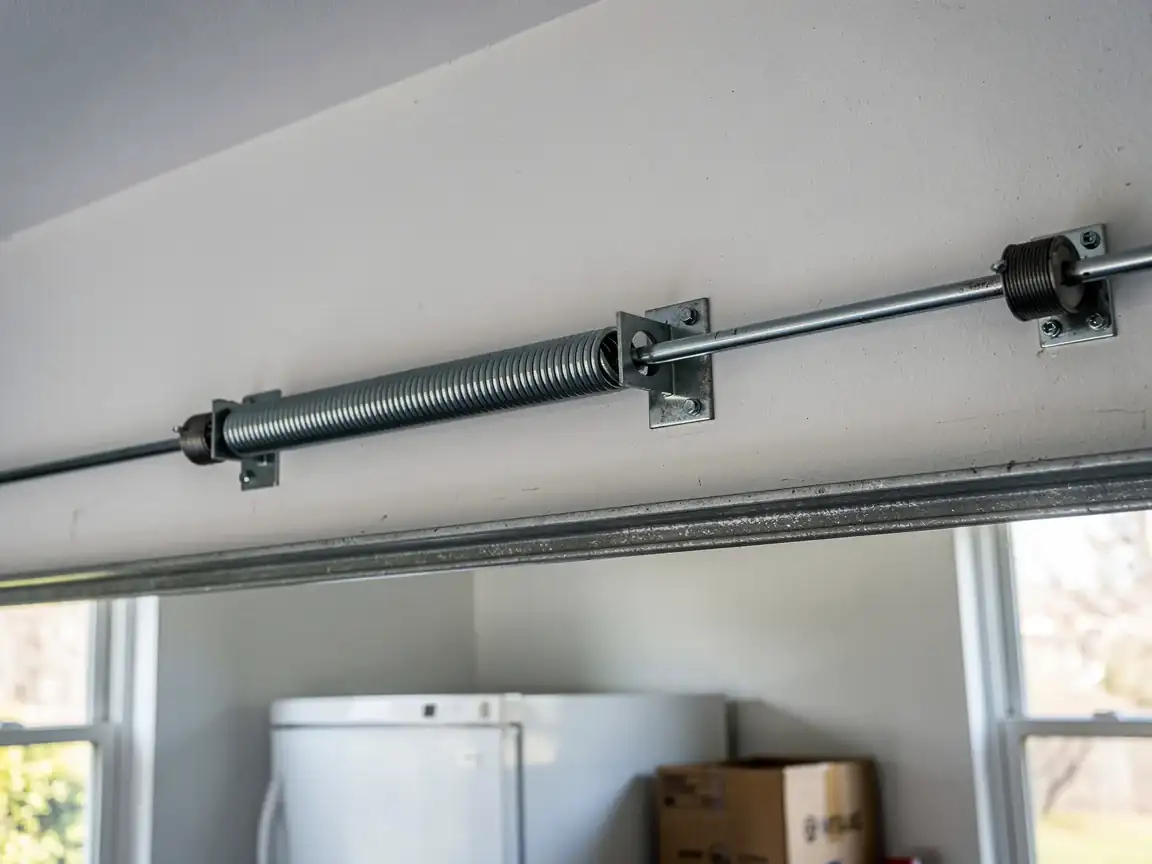
Which means a lot of extension-spring setups rather than the torsion systems that became standard later. Extension springs wear differently - they stretch, they corrode at the coils, and they fail without much warning.
The climate here is mild with the occasional freeze
Not the brutal swing you'd get farther north. That's good news for the door panels themselves, but it's not nothing: a cold snap after weeks of humidity is exactly when an already-weak spring or a rusted roller gives out. We see a small bump in calls right after those cold mornings, every year, in houses built in that same 1970s-80s window.
What You Pay
We don't post a flat number here because the honest answer is that it depends on what's actually broken - a snapped torsion spring on a double door, a worn extension spring on a single, a opener logic board, a bent track. Those are different jobs with different parts.
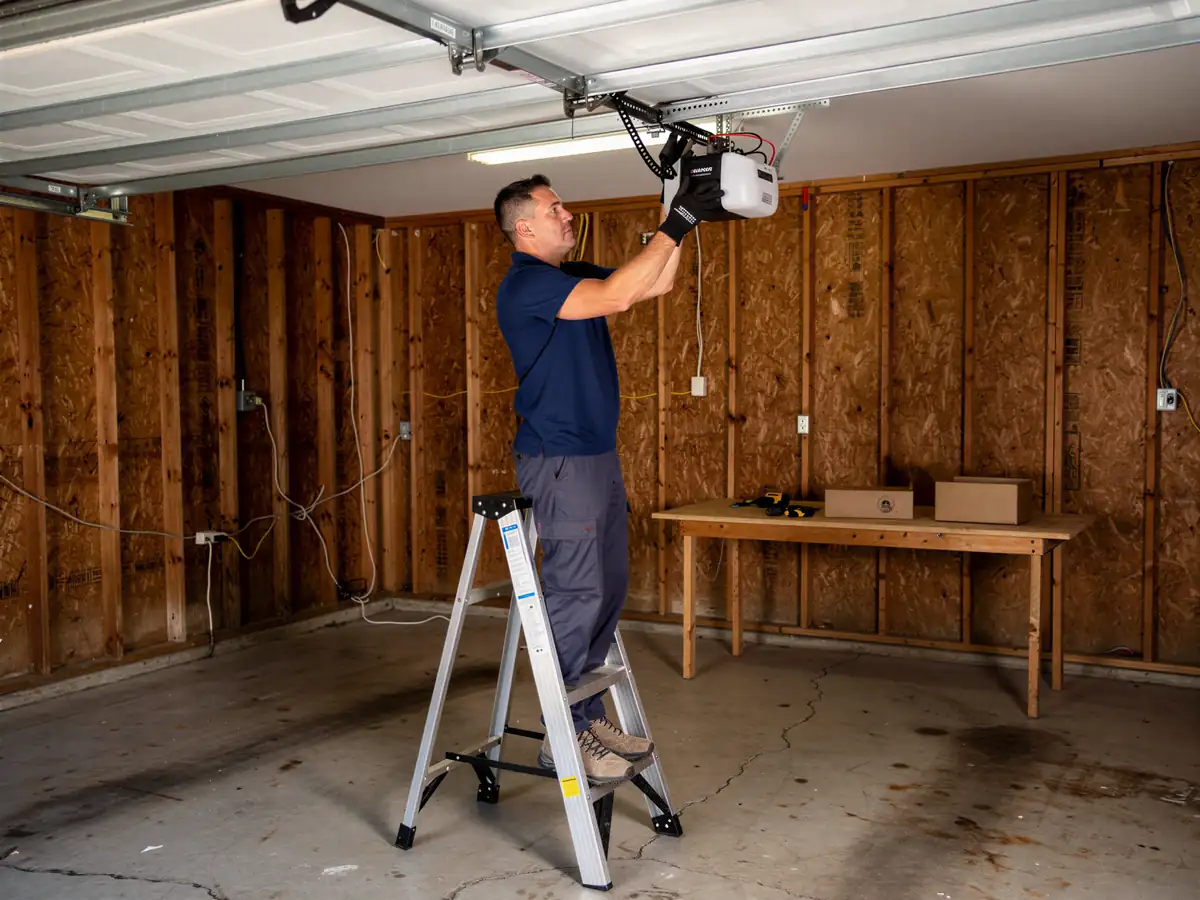
What we can tell you is what drives the cost up or down: whether the door is a single or double, whether it's torsion or extension spring, how old the opener is and whether the part is still made, and whether the track or hinges took damage along with the spring. On a lot of the older Niceville houses we work in, the opener is the bigger expense than the spring, simply because a 30-plus-year-old unit often can't be matched - the whole opener gets replaced rather than patched.
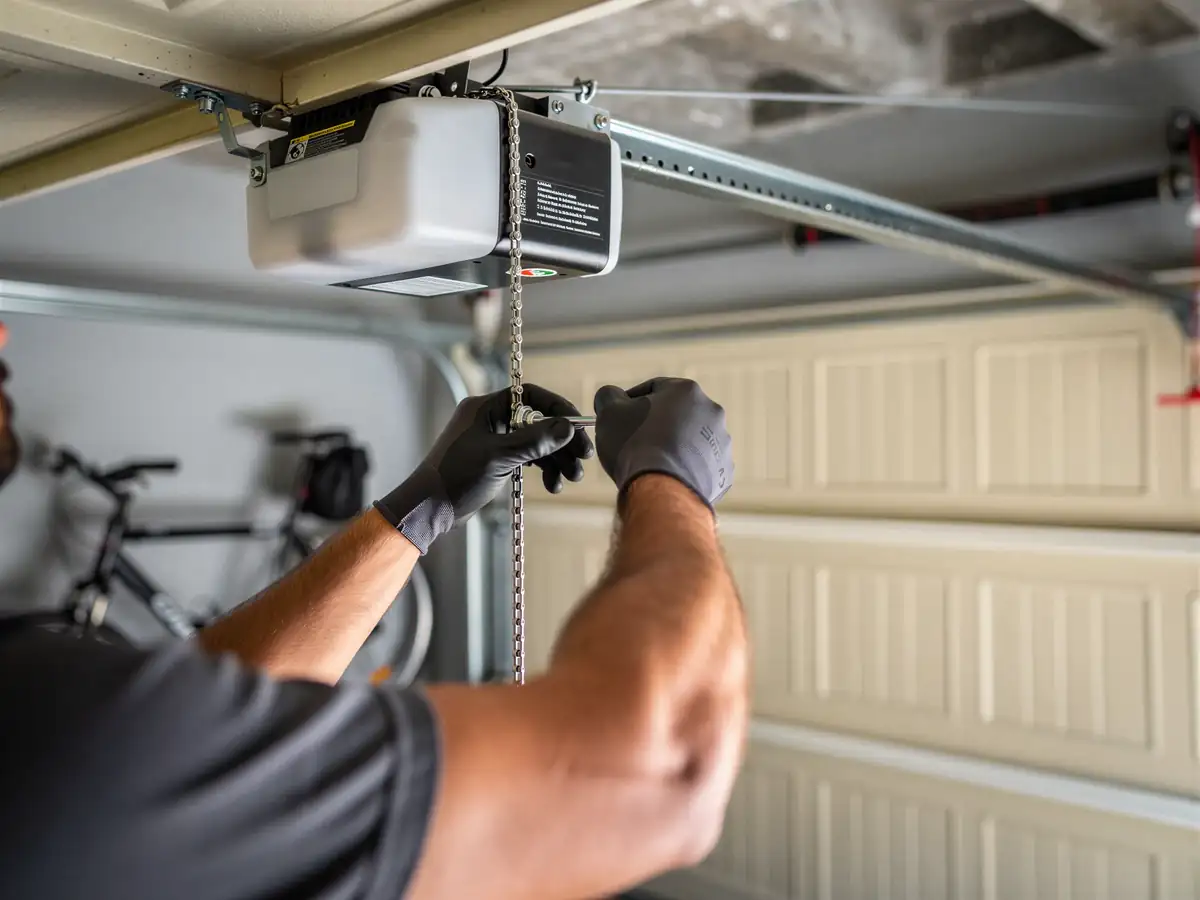
One honest limitation: if your opener is original to a house built in the 1970s or early 80s, we may not be able to find a direct replacement part. In that case fixing the spring or cable is cheap, but keeping the old opener running long-term usually isn't worth it, and we'll tell you that straight instead of billing you for a patch job that won't hold.
How It Shows Up
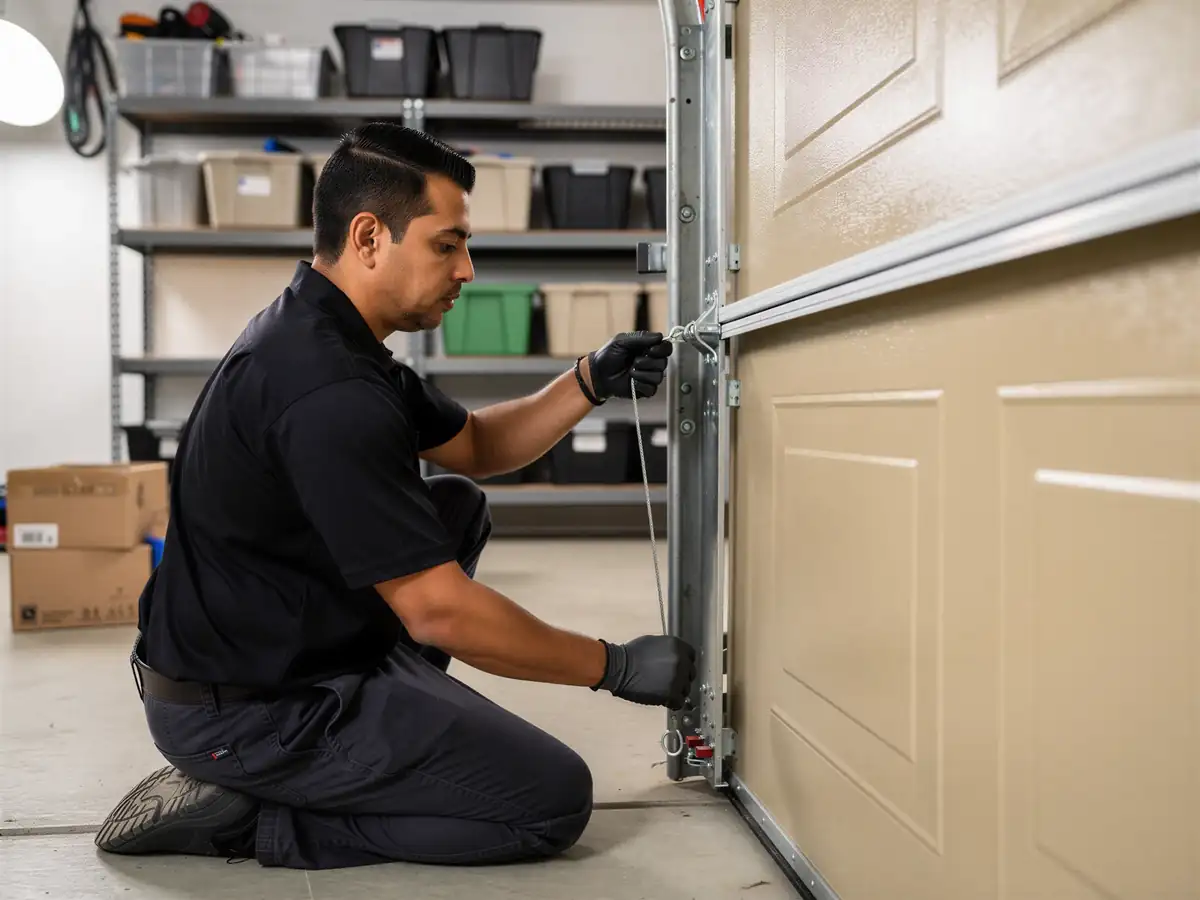
On the older extension-spring doors common in this area, failure usually looks like one side of the door hanging lower than the other, or the door slamming down the last foot of travel instead of settling. That's a spring that's stretched past spec or snapped on one side.
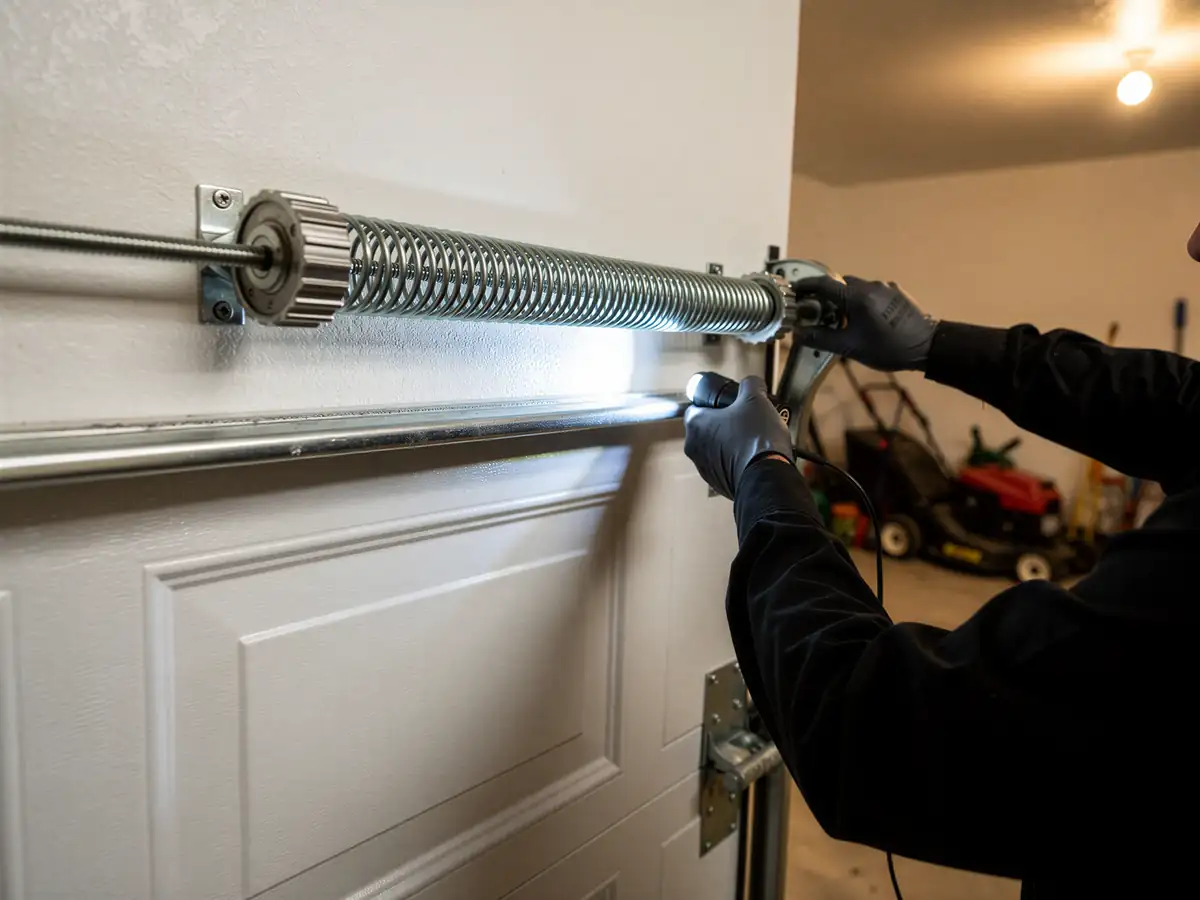
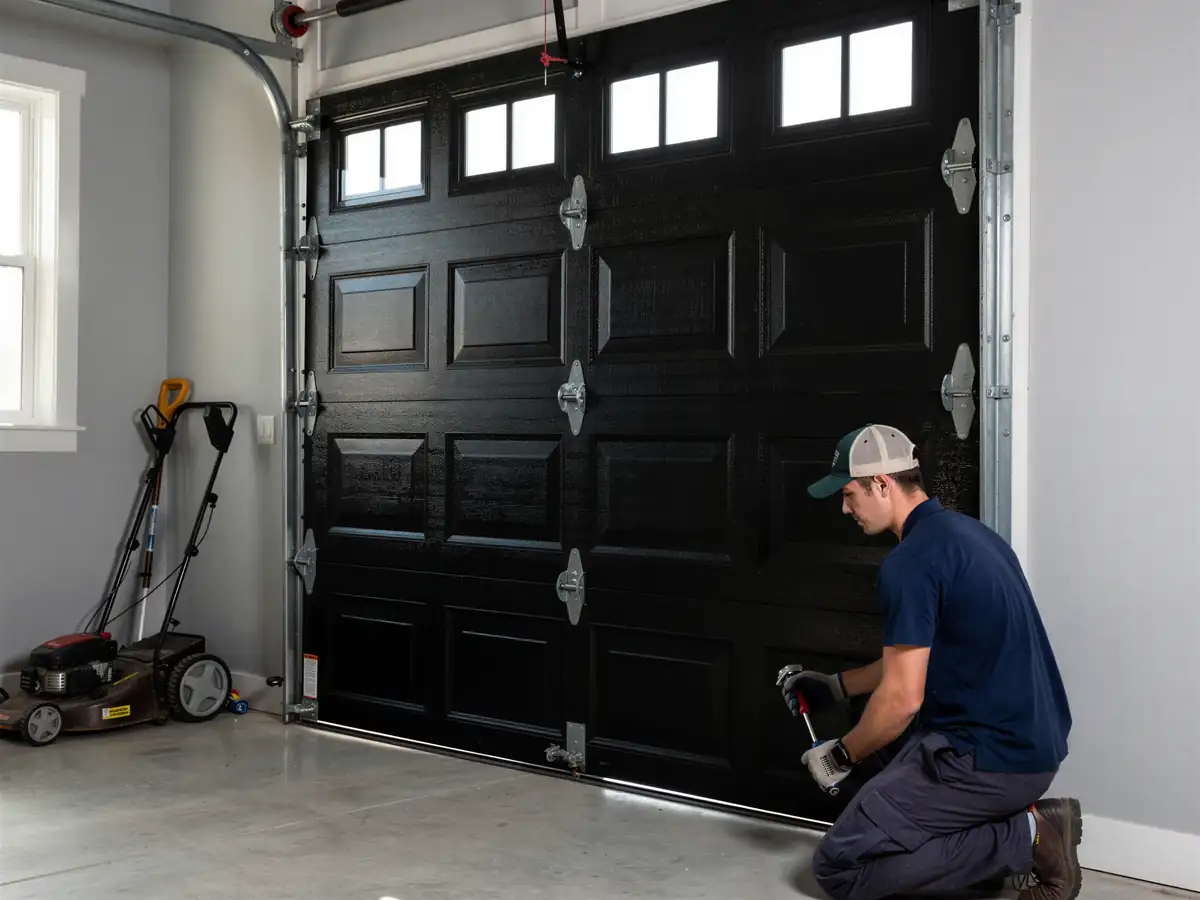
On torsion systems, which you'll find more in the houses built later in that 1973-2013 range, it's usually sudden - the door won't budge, or it drops hard and stops. A torsion spring under tension doesn't ease out; it goes.
Opener trouble shows up differently: grinding instead of smooth operation, the door reversing partway up, or the remote working some days and not others. In houses with original 70s or 80s openers, this is often the first sign the whole unit, not just a part, is on its way out.
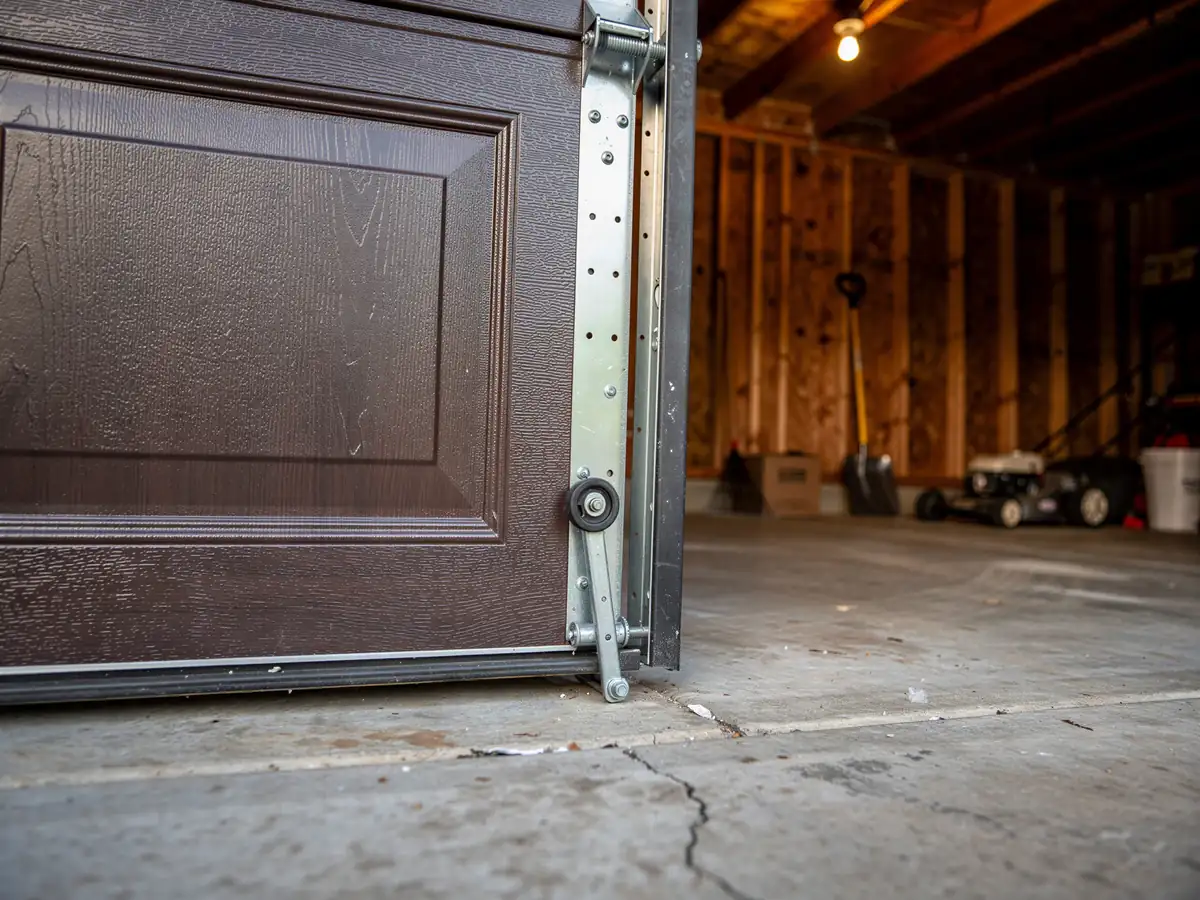
Rust at the bottom of the tracks or on roller stems is more about the mild, humid stretch of weather we get most of the year than any one freeze. It eats at hardware slowly, and it's usually worse on the side of the house that gets less sun.
How Long You Are Without the Door
A broken spring or a stuck opener on a single garage usually isn't a safety problem for the house
Just an inconvenience - you park outside and use a side door or the manual release for a day or two. A broken spring on a double door is a bigger deal; without both springs doing their job, the door is too heavy to lift by hand safely, and it should stay down until it's fixed.
Parts availability matters more than labor time
A common torsion spring or a current-production opener part, we typically have on the truck or can get same day. An opener board or a part for a unit from the 1970s or 80s is a different story - sourcing can take longer, and on some of the oldest units in this area, the part simply isn't made anymore, which pushes you toward replacement instead of repair.
We serve the Niceville area out to Valparaiso, Shalimar, Lake Lorraine, Ocean City, Miramar Beach, Mary Esther, and Hurlburt Field, and we're upfront on the call about whether your part is a same-day fix or a longer-lead job before we show up