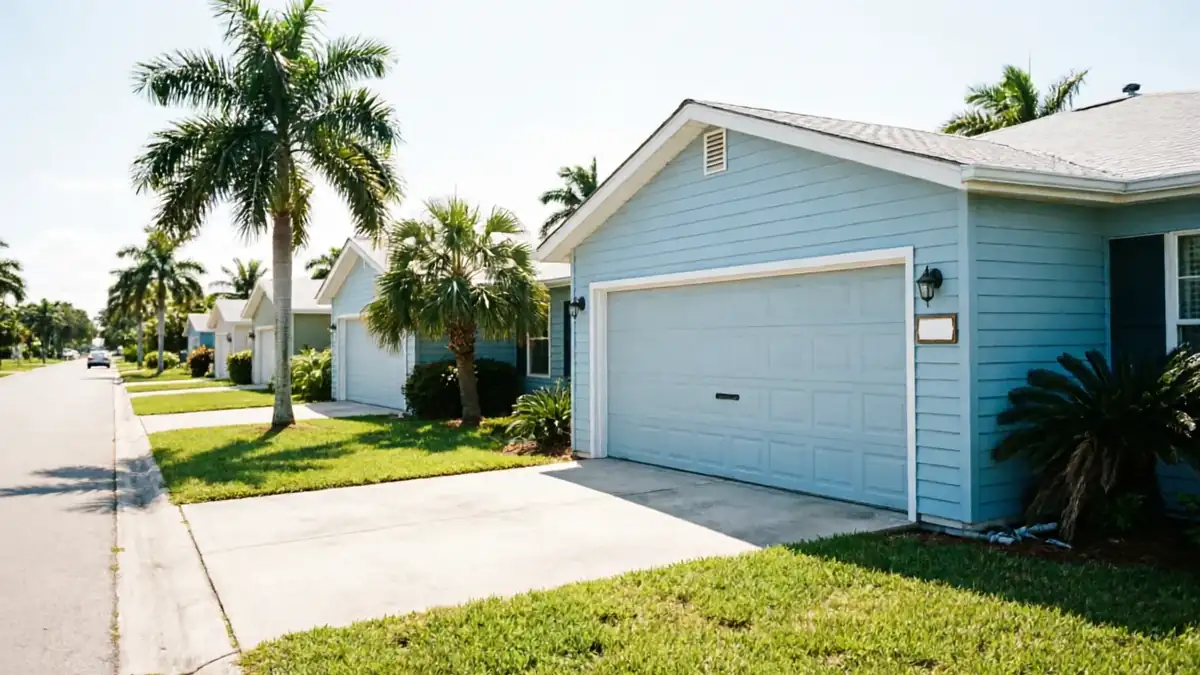
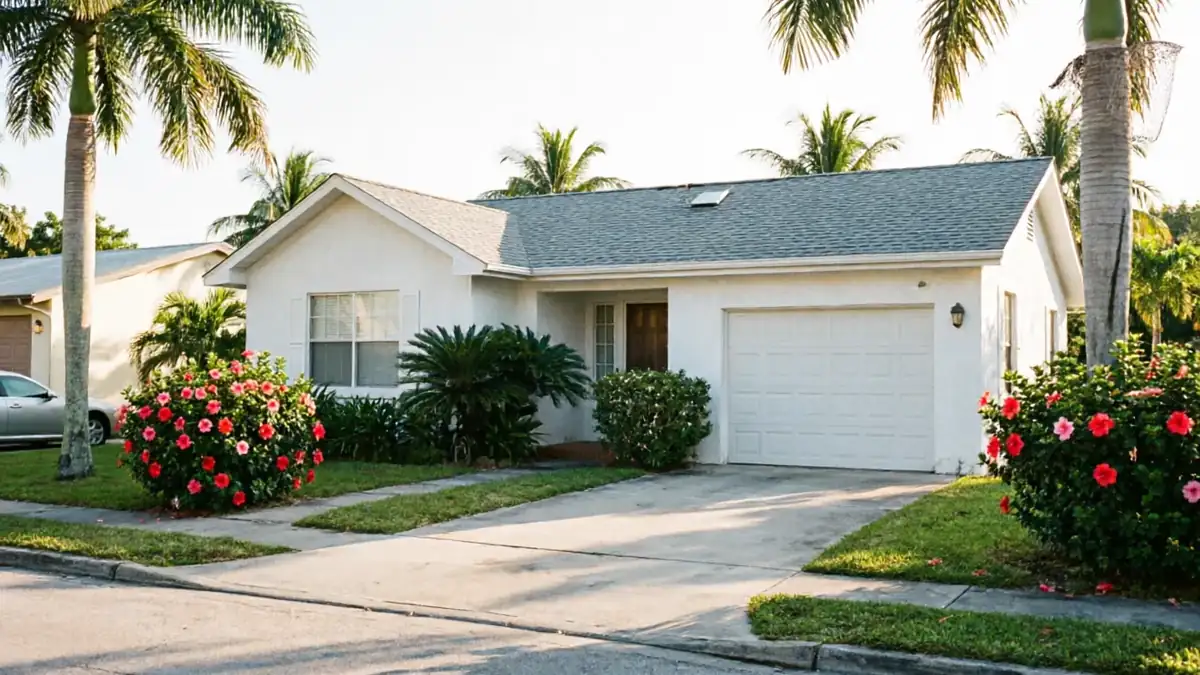
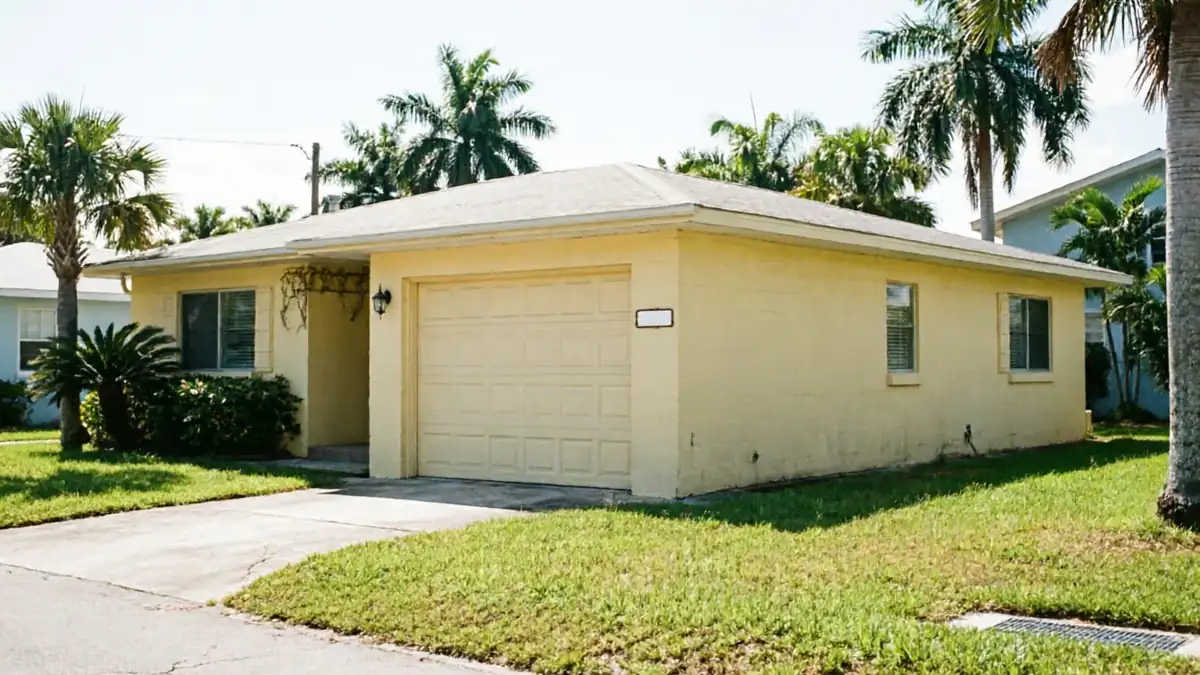
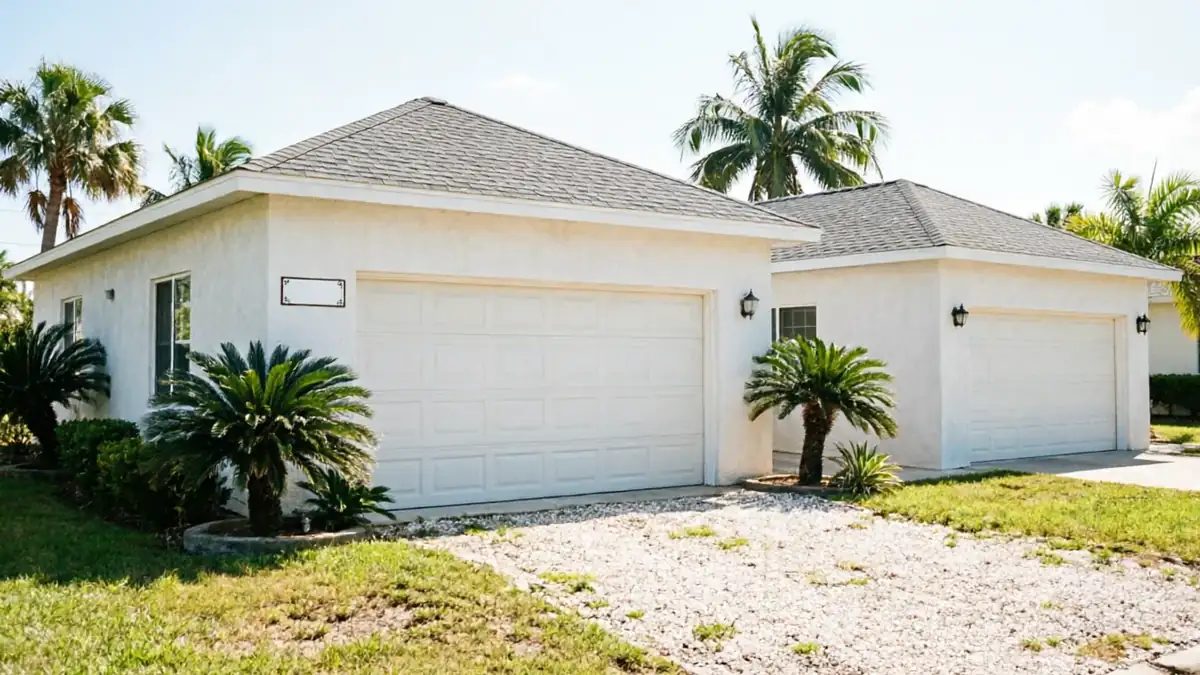
How That Shows Up in the Door
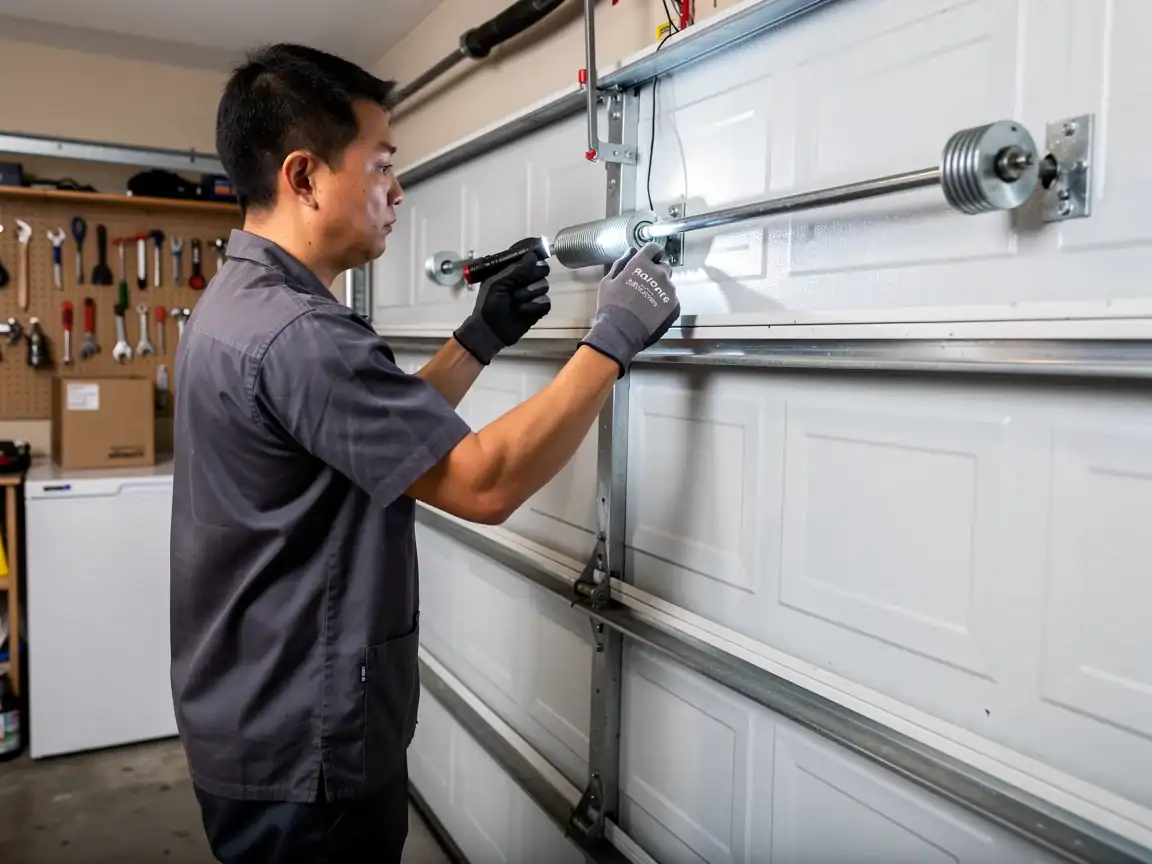
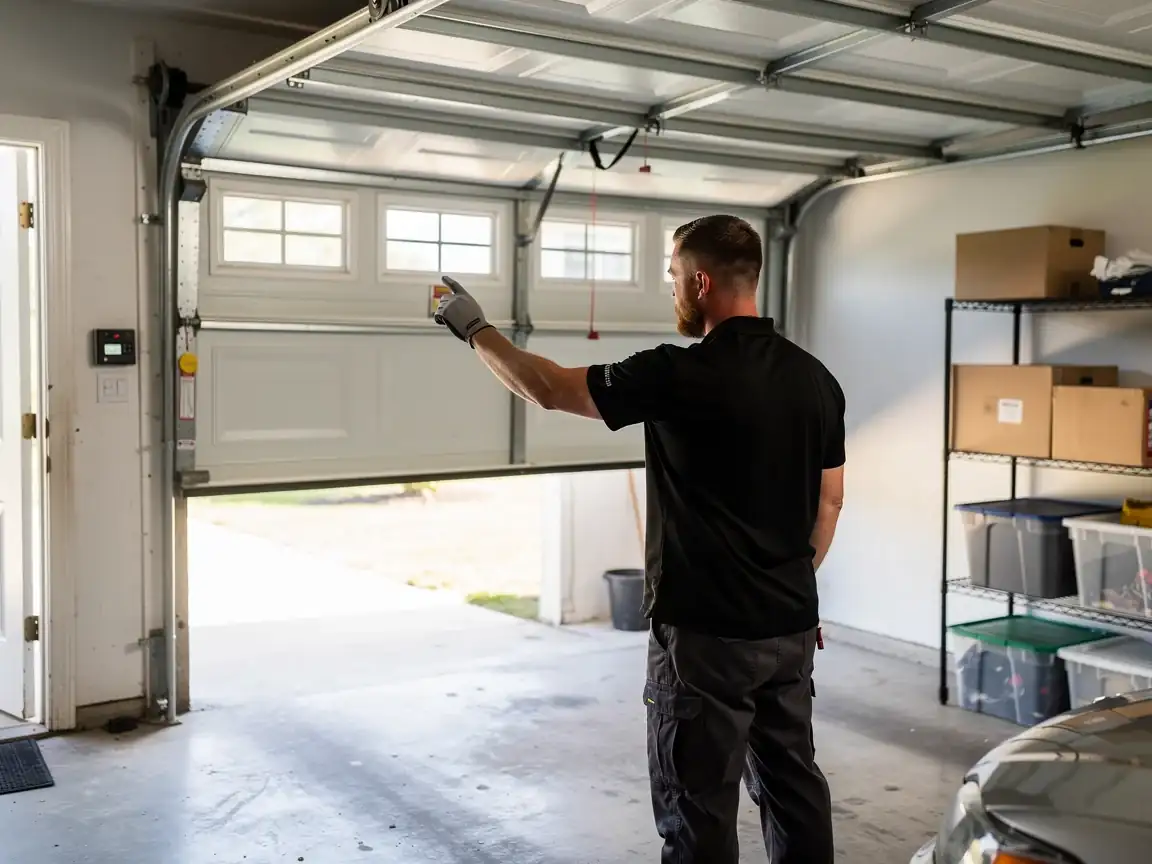
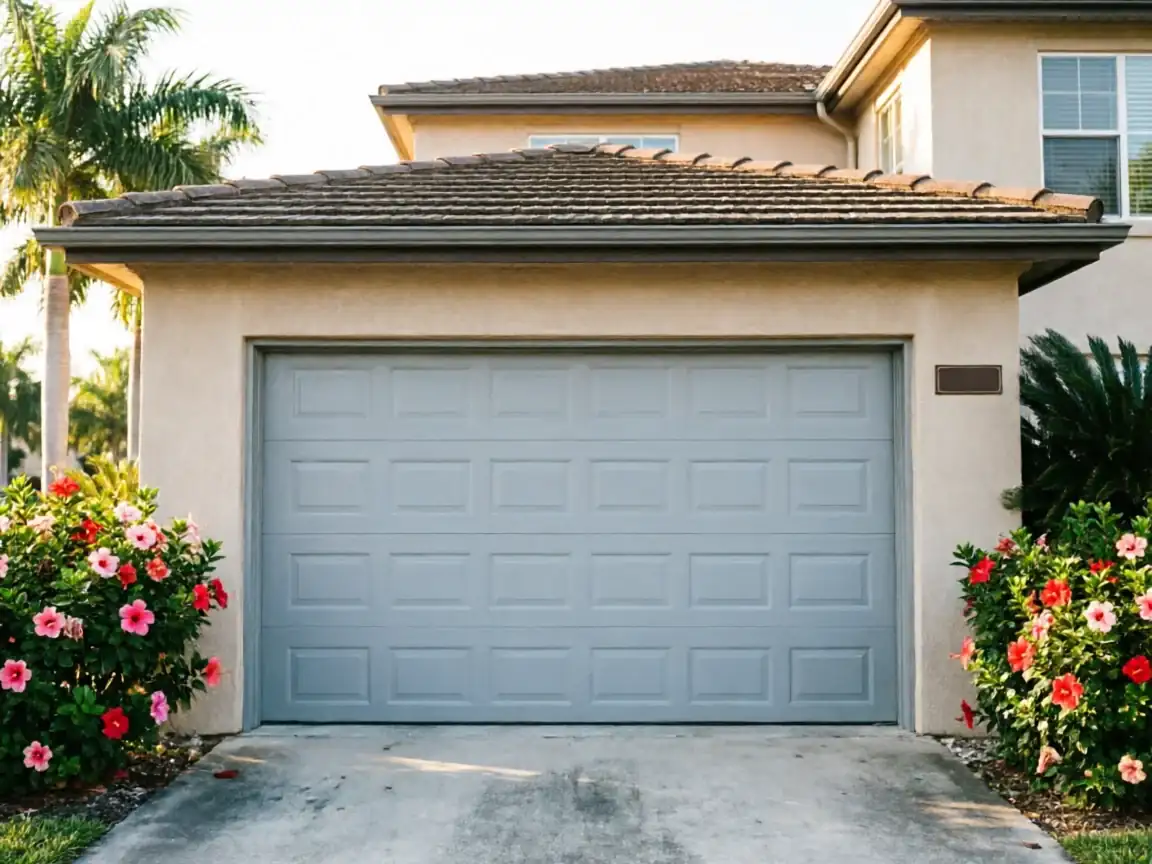
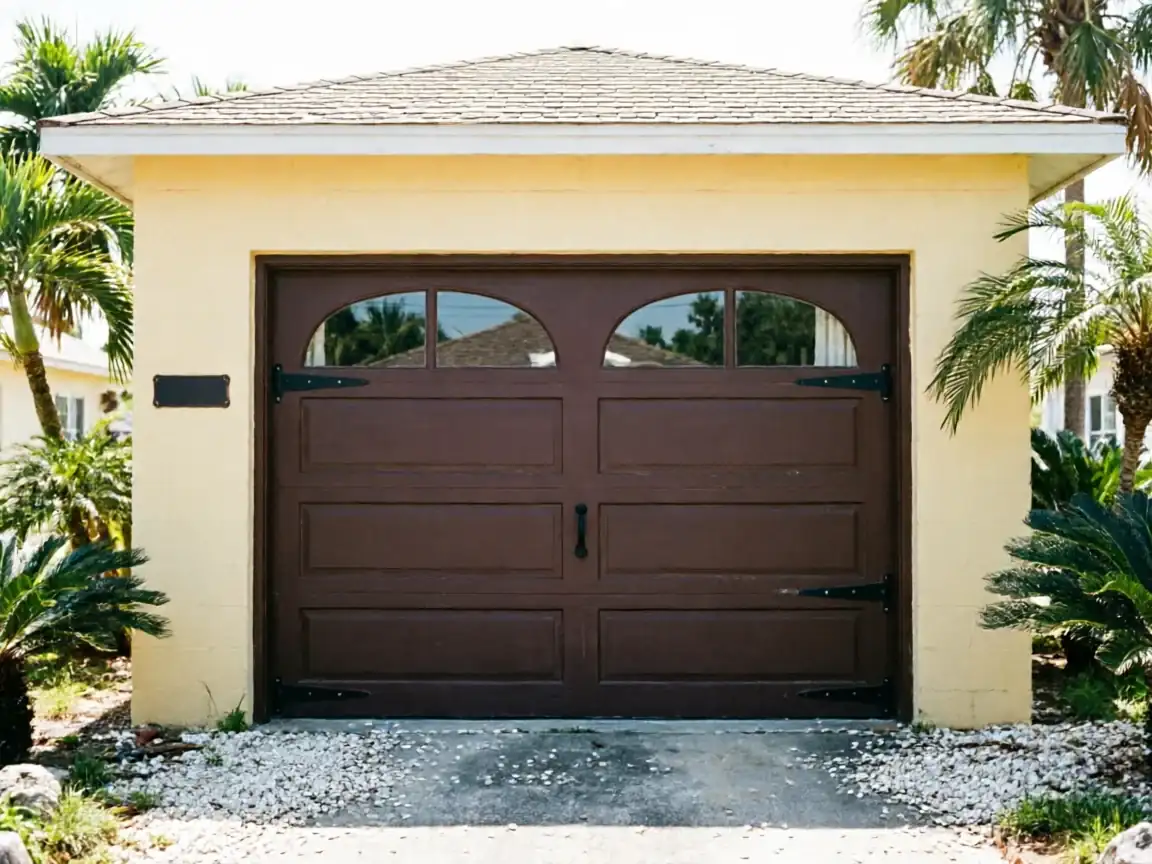
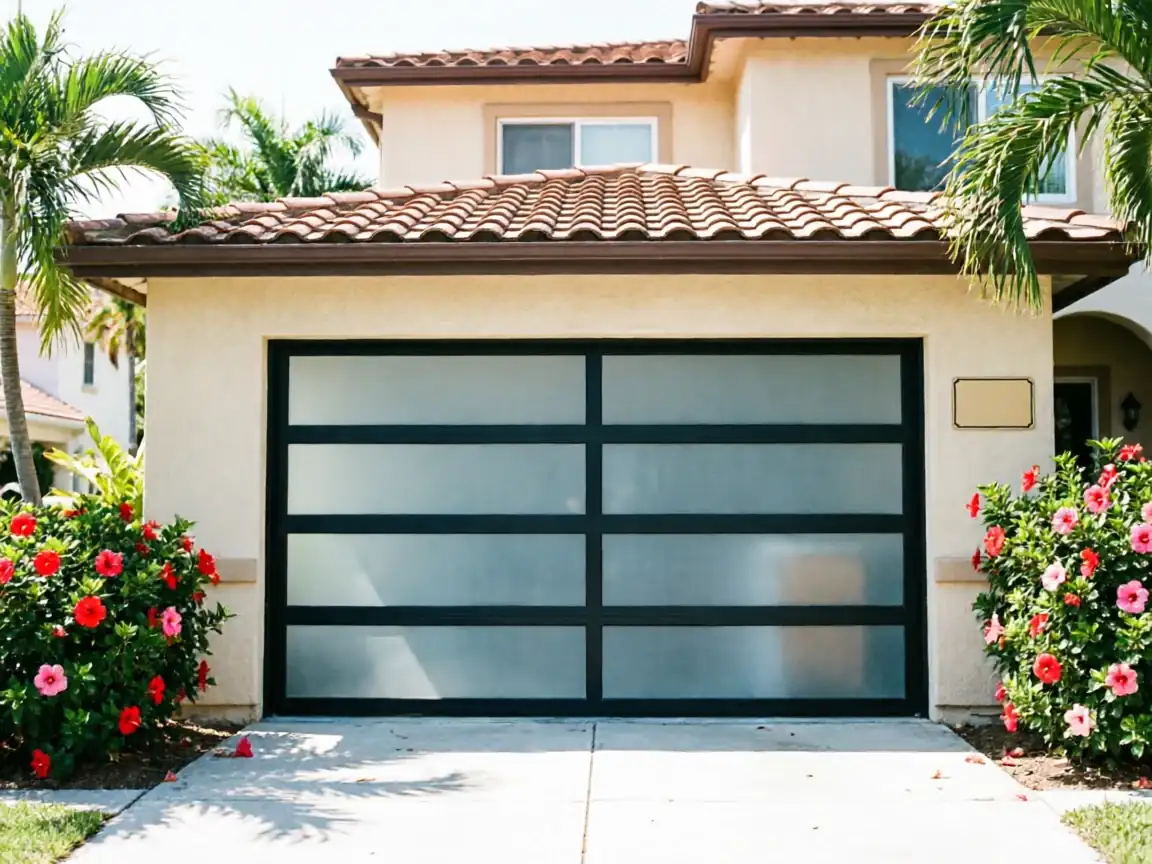
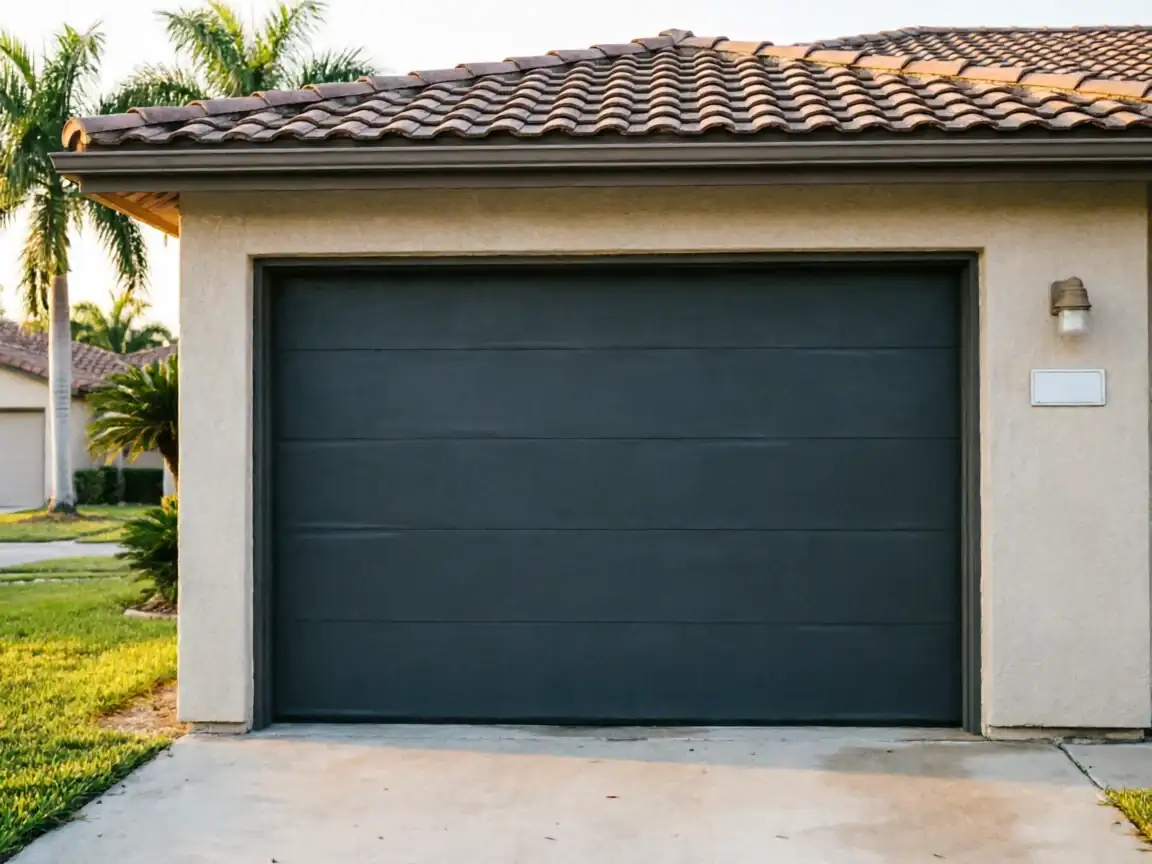
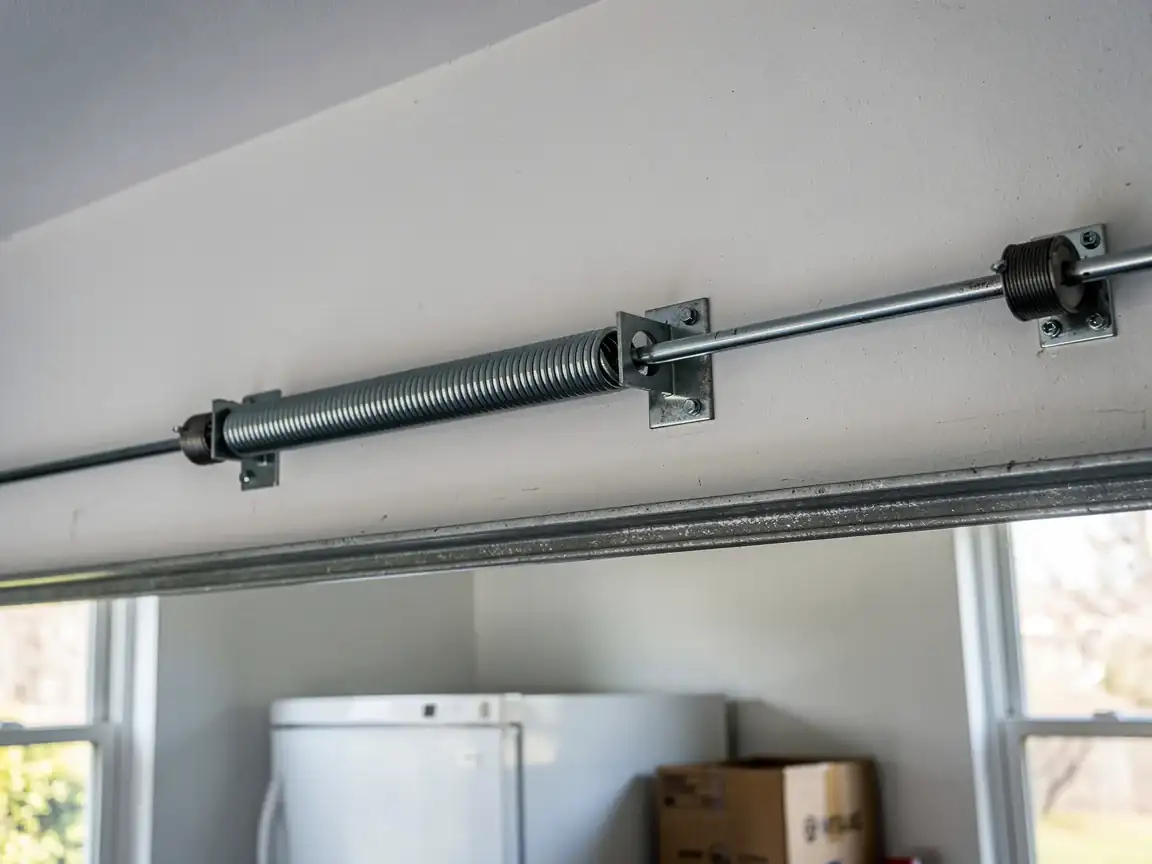
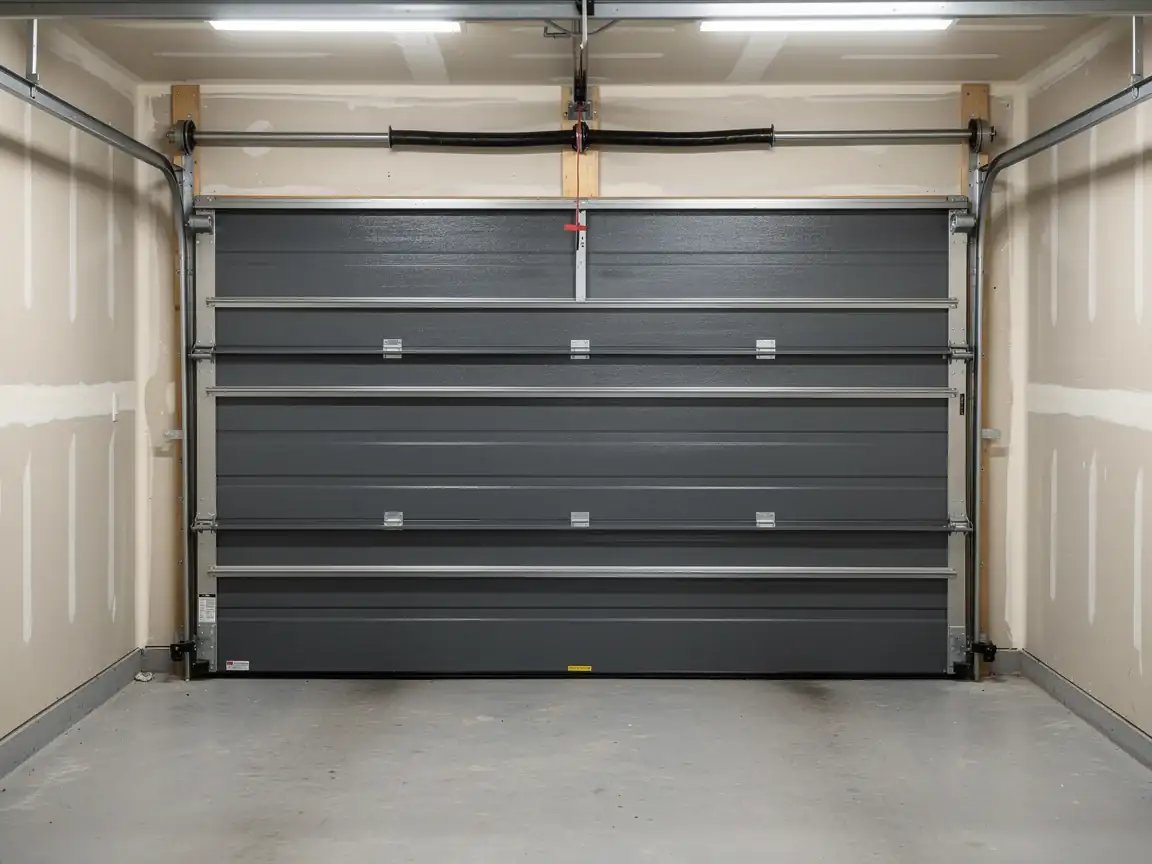
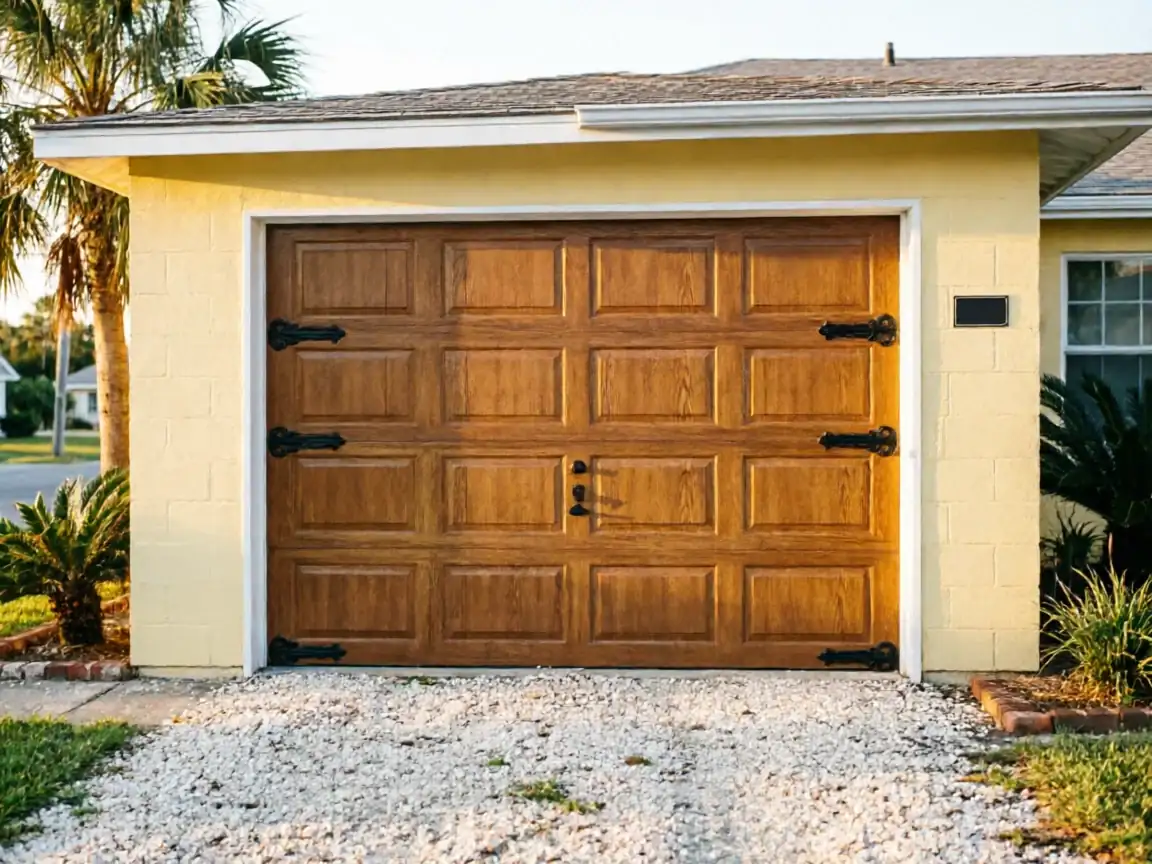
A door built around 1979 almost always means a torsion spring system mounted on a header above the opening, often with steel track that's been repainted at least once and rollers that were never upgraded from the original stamped-steel style. On a lot of these doors the cable drums are the older two-piece design, which wears differently than the one-piece drums you'd see on a door from the 2000s. We also see a fair number of openers that have been replaced independently of the door itself - homeowner swapped a dead chain-drive unit for a quieter belt-drive one, but the travel limits and force settings were never tuned to the original spring weight. That mismatch is one of the more common service calls out this way: the door looks fine, the opener is new, but the balance is wrong because nobody rebalanced the spring side after the swap.
What Was Built Here
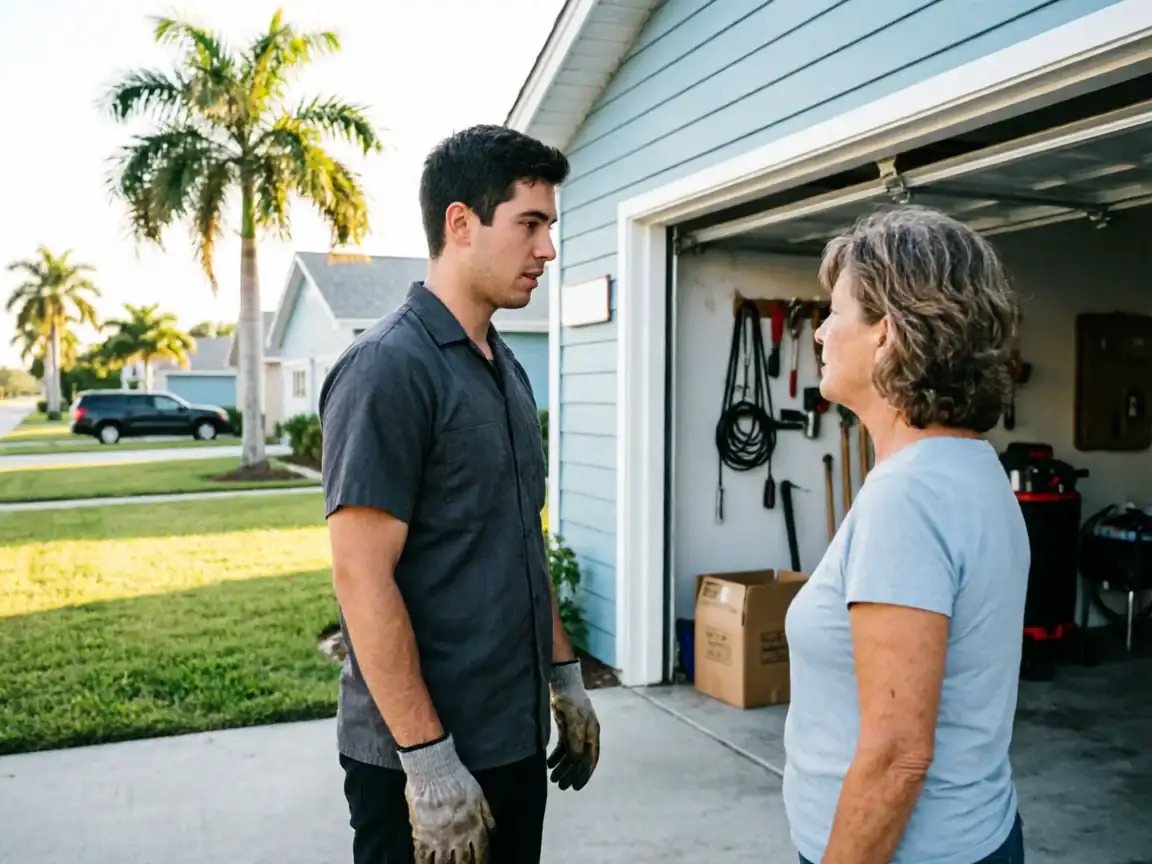
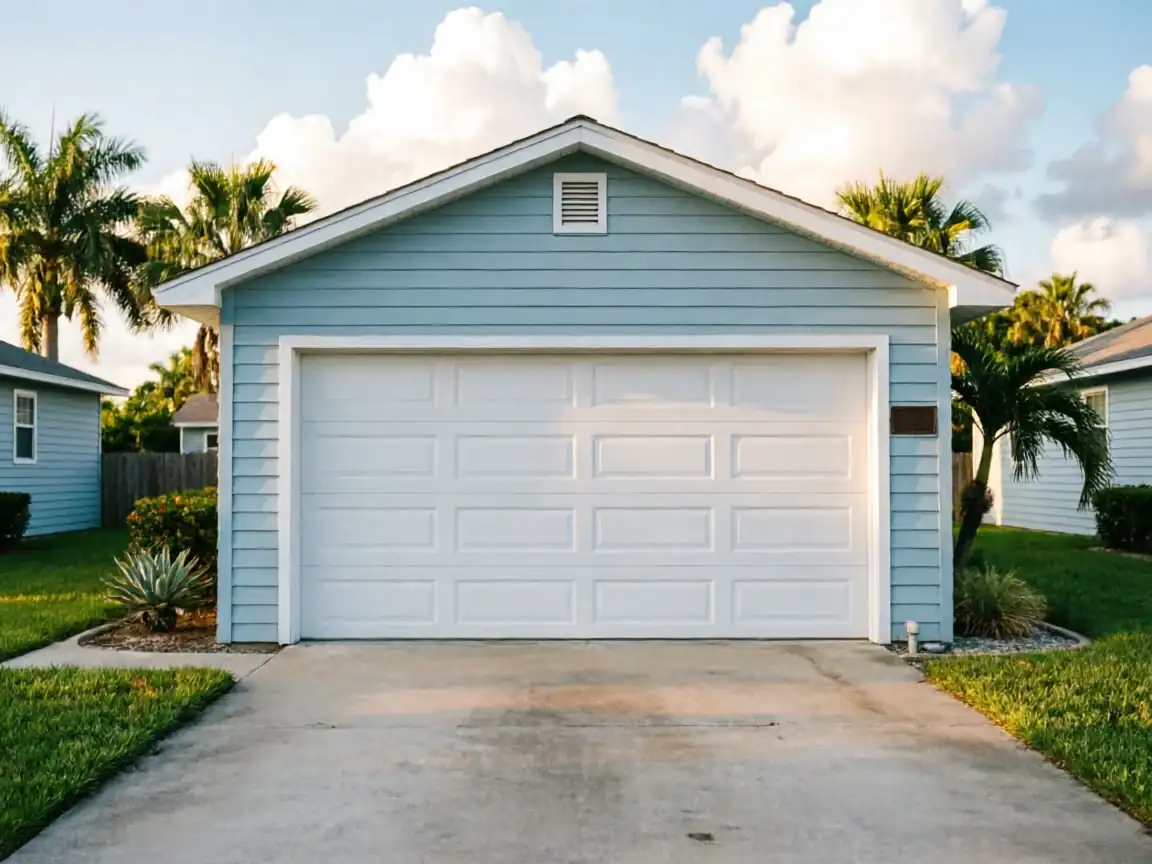
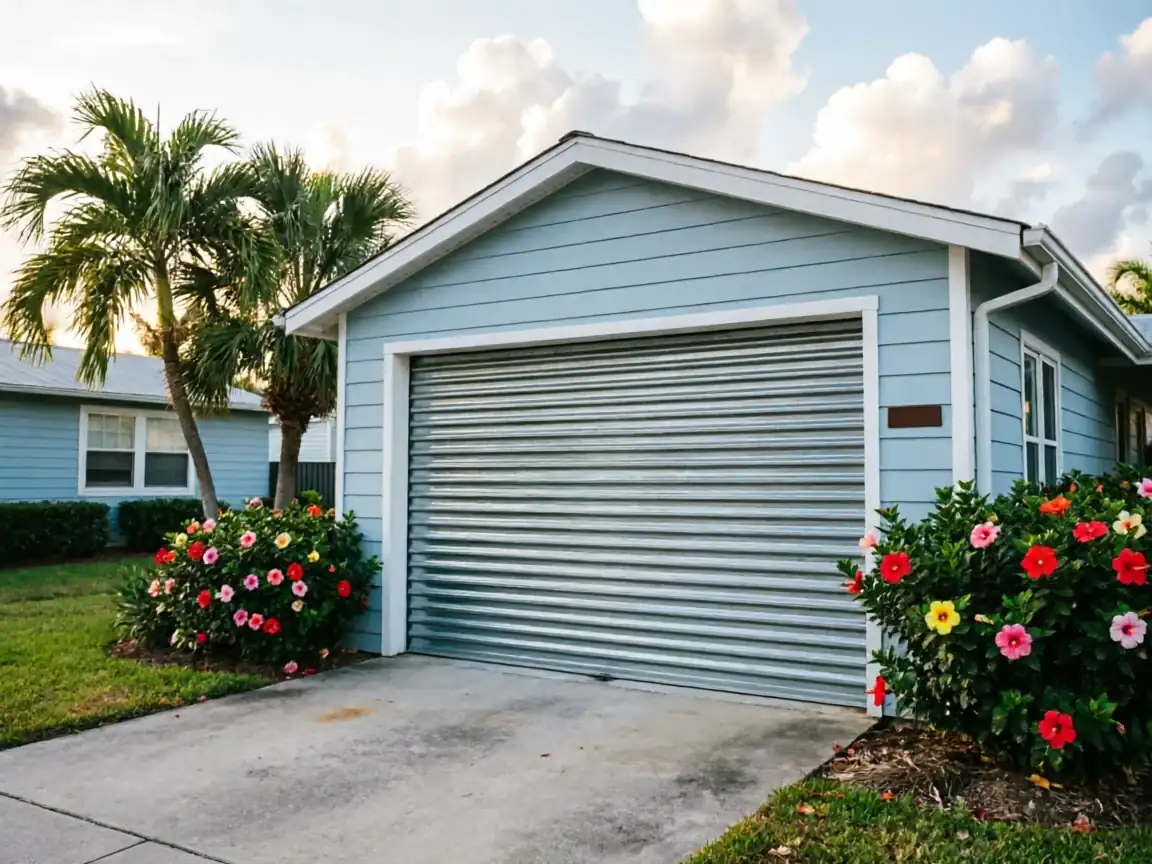
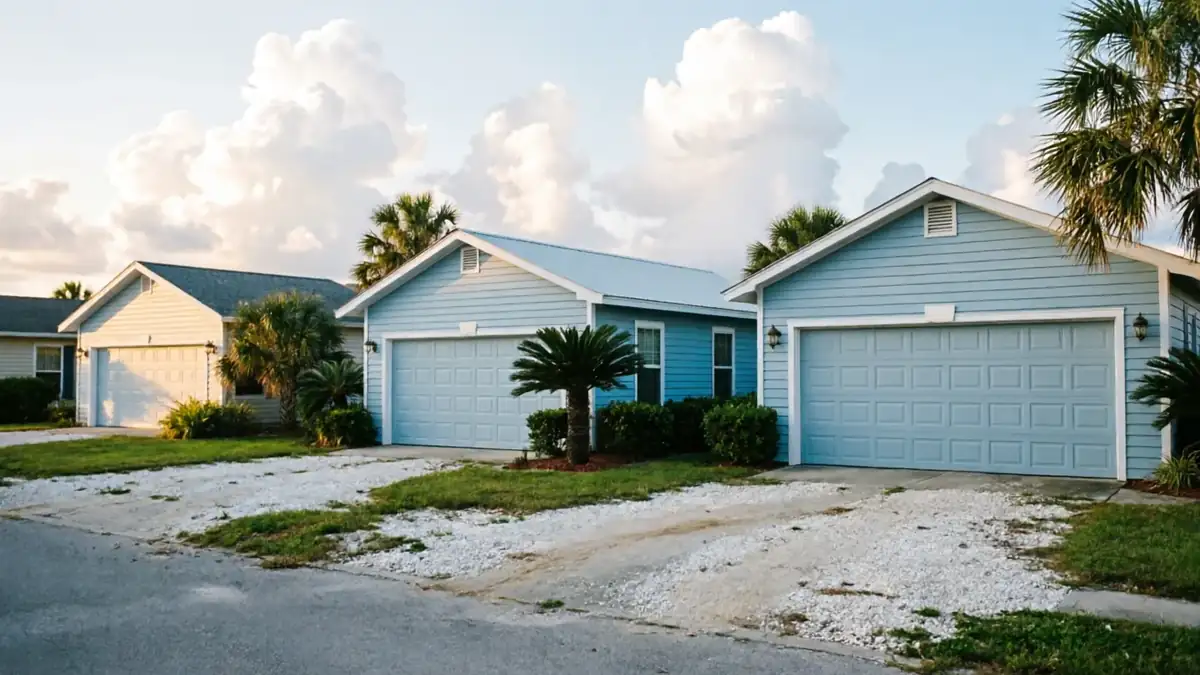
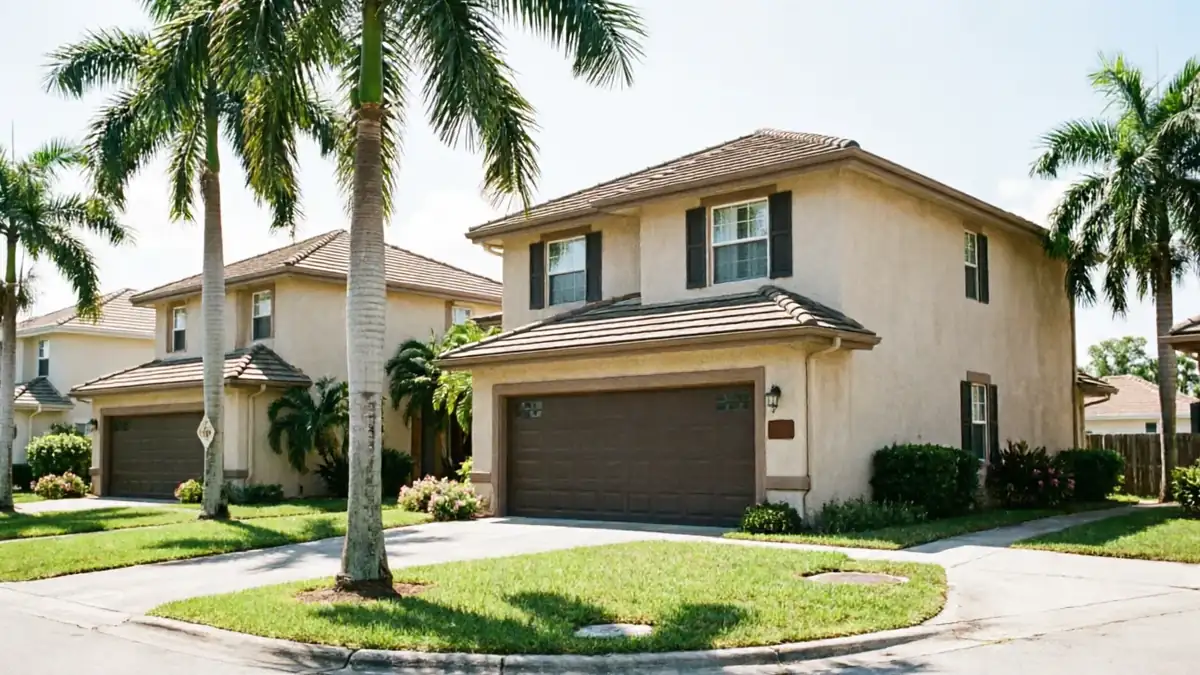
Lake Lorraine's housing lines up closely with the broader 1973-2013 build window we see across this part of the county, with the median landing right at 1979 - not drifting toward the newer end like some of the other areas we cover. That puts a meaningful share of the doors here into the age range where springs are on their second or third cycle and the steel sections have taken decades of Gulf Coast humidity even without the harder freezes you'd get farther north. Our service area sits in a mild climate band with occasional freeze risk, which is gentler on hardware than a true winter market but still enough moisture exposure over 40-plus years to pit cable and corrode drum bearings that were never lubricated. None of that means the door needs replacing - a lot of 1979 doors are structurally fine - but the hardware attached to them is usually the first thing worth inspecting.