The DIY Question
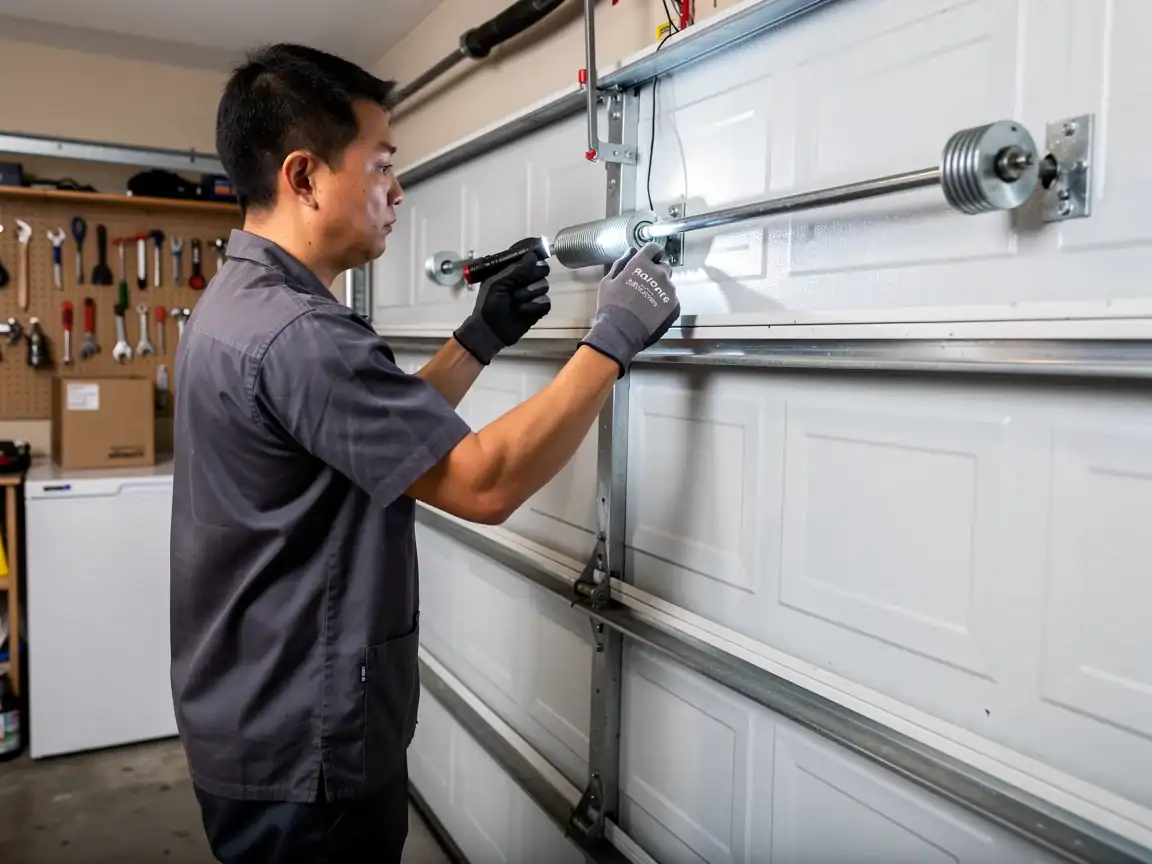
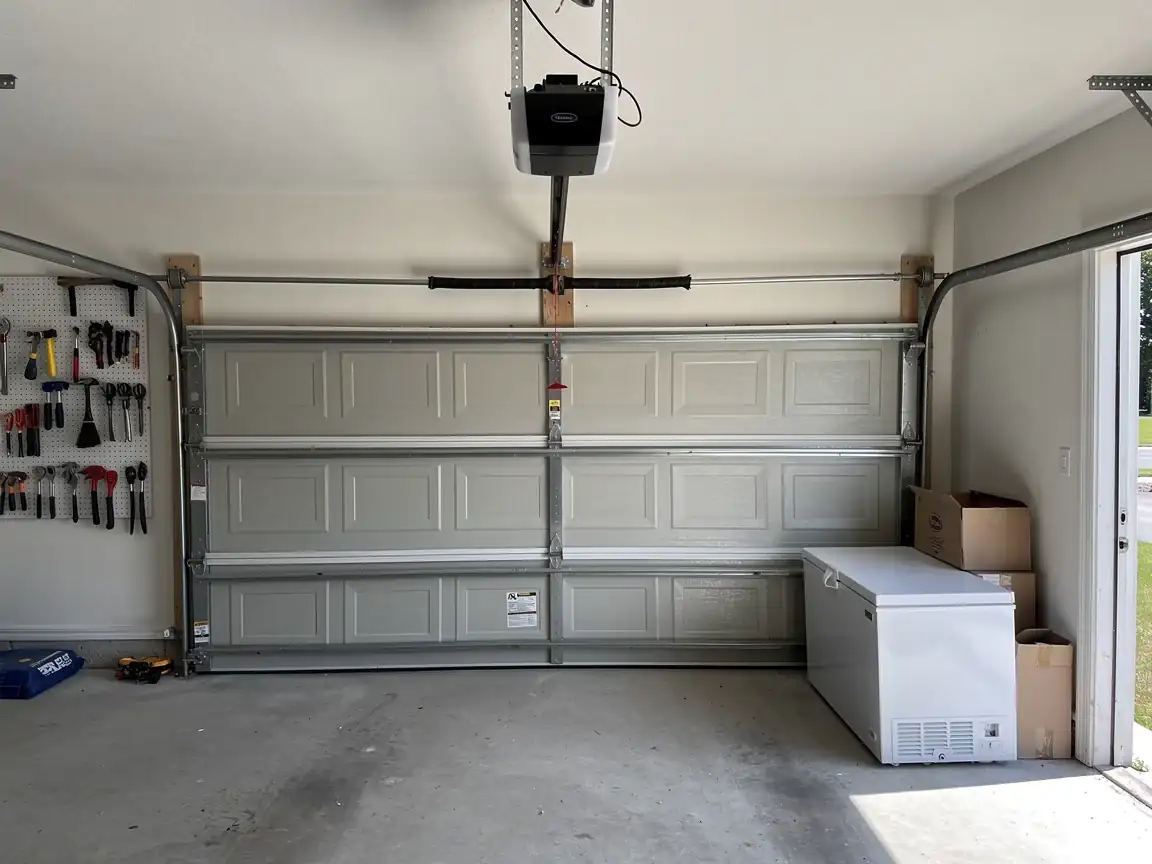
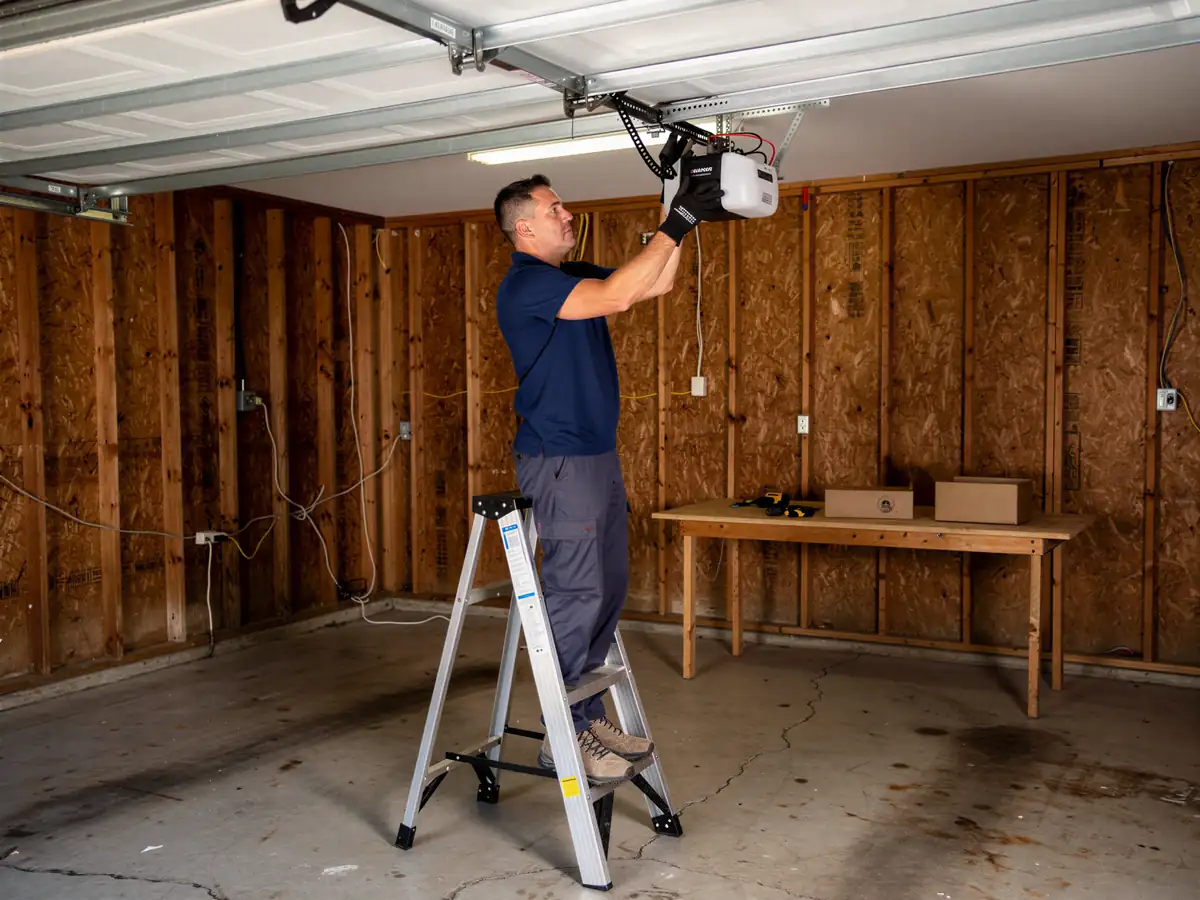
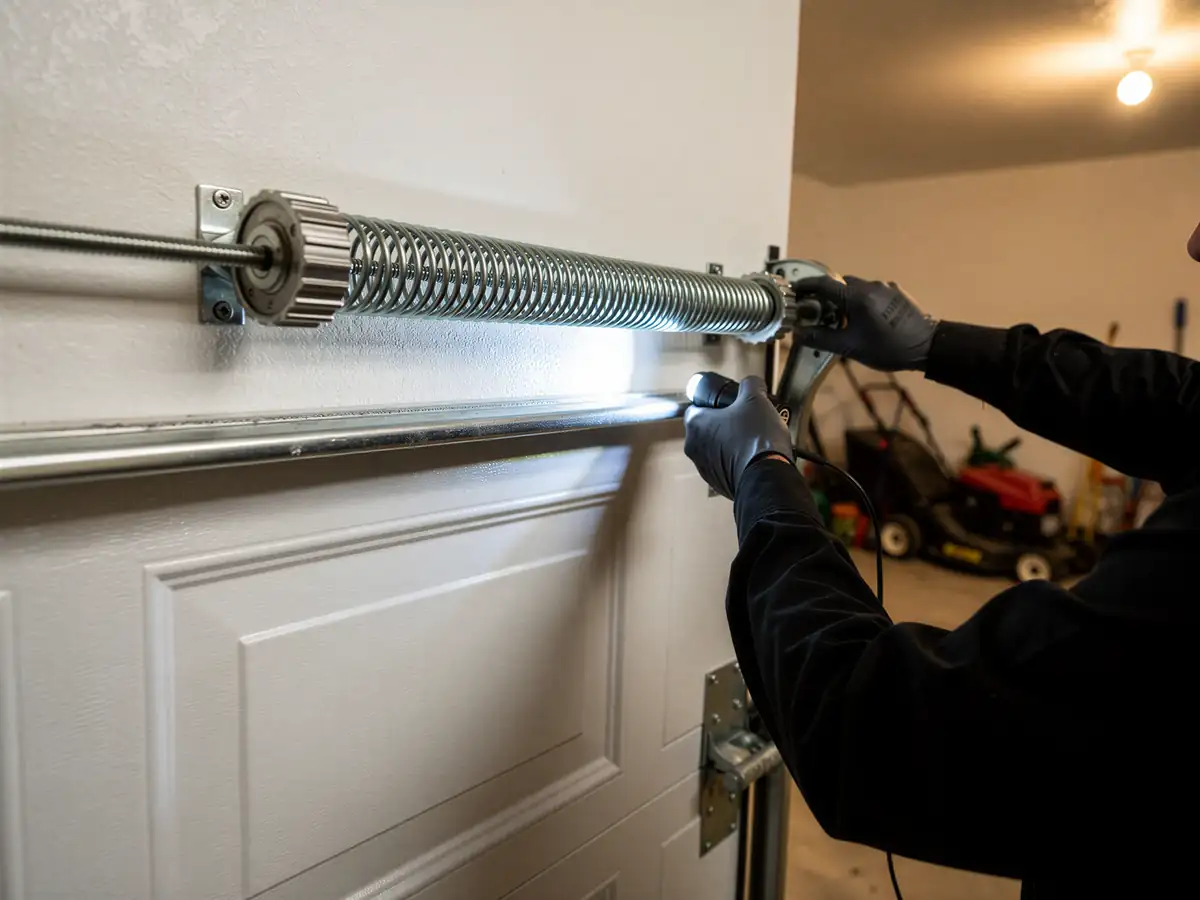
A new install on a 1976-era opening is not a weekend kit project, mainly because the opening itself is the variable. Stock doors are sized for modern framing; older Ocean City houses often have openings that are close but not exact, and torsion systems that were sized for a lighter, single-layer door than what's sold today. Get the spring tension wrong on a heavier insulated door and you've got a door that either won't stay down or slams on the way up. We'll say plainly: if you're comfortable with framing and you've set torsion springs before, the mechanical part of a new install isn't exotic. What trips people up is matching new opener logic to an old header, or discovering the jamb isn't plumb once the old unit's out. If you want a second opinion before you commit to doing it yourself, that's a fair ask and one we're glad to walk through over the phone.
What You Pay
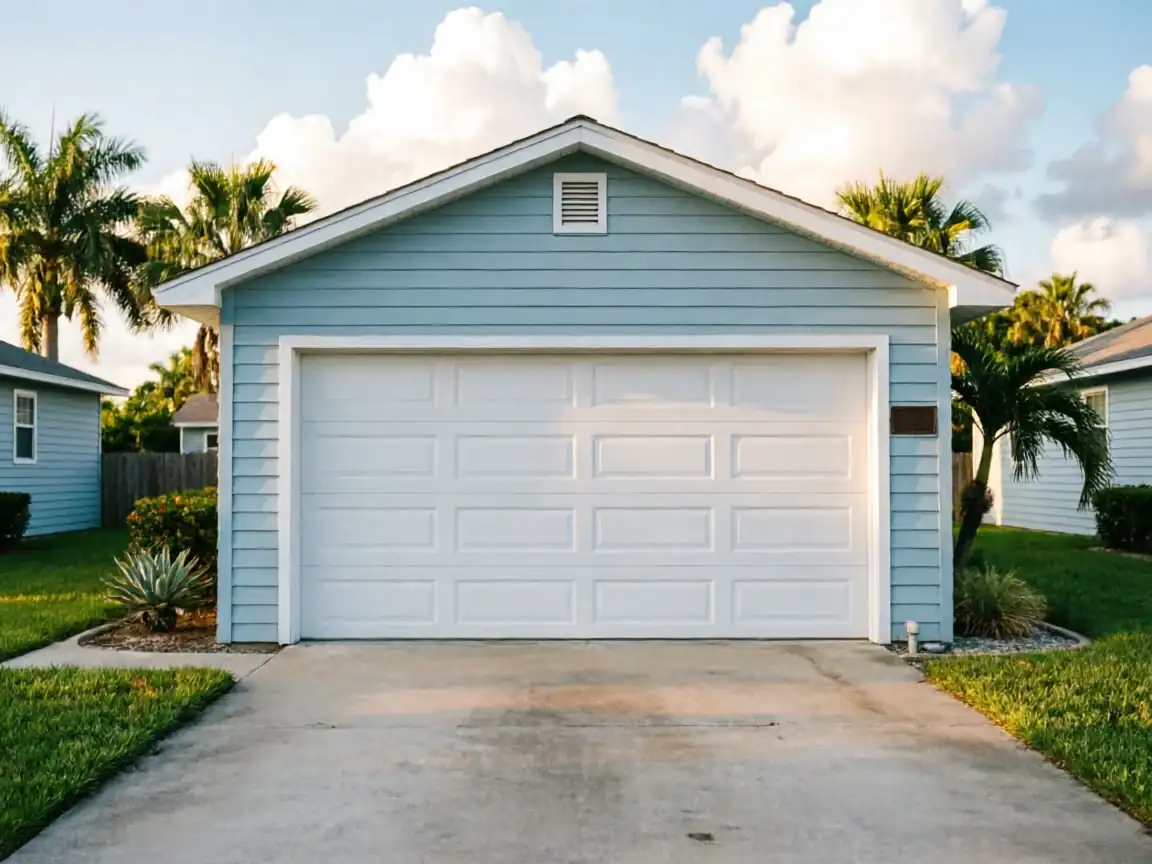
We don't post prices here because the opening dictates the job more than the town does - a clean swap on a 1976 single-car opening costs less than a double door with reframing. What we can tell you is that the area's median household income runs lower than some of the other towns we cover from Niceville, and we factor that into how we talk through options: full replacement versus a repair that buys a few more years, insulated versus uninsulated, steel versus a lighter composite. We're not going to steer you toward the biggest door on the lot. If the existing opening and track are sound and it's really the spring or the opener that failed, replacement may not be the right call at all - that's a different page and a cheaper visit. Ask us for a number against your actual opening, not a town-wide average, because on houses this age the real cost driver is usually what's behind the old door, not the door itself.
How to Book
We run installs out of Niceville and cover Ocean City as part of a wider area that includes close to 15,000 households across several towns, so we schedule by route and by opening size rather than by whoever calls first. Call ahead with your door's rough measurements and the year the house was built if you know it - for a 1976-era opening that's useful information before we even load the truck, since it tells us what kind of track and header we're likely dealing with. We'll give you a window for the visit, not an exact minute, since the 10-mile drive from Niceville is predictable but what we find once we're on site isn't always. If it's a straightforward swap we can often quote over the phone; if the opening needs a look first, we'll say so rather than guess.
Where This Job Goes Sideways
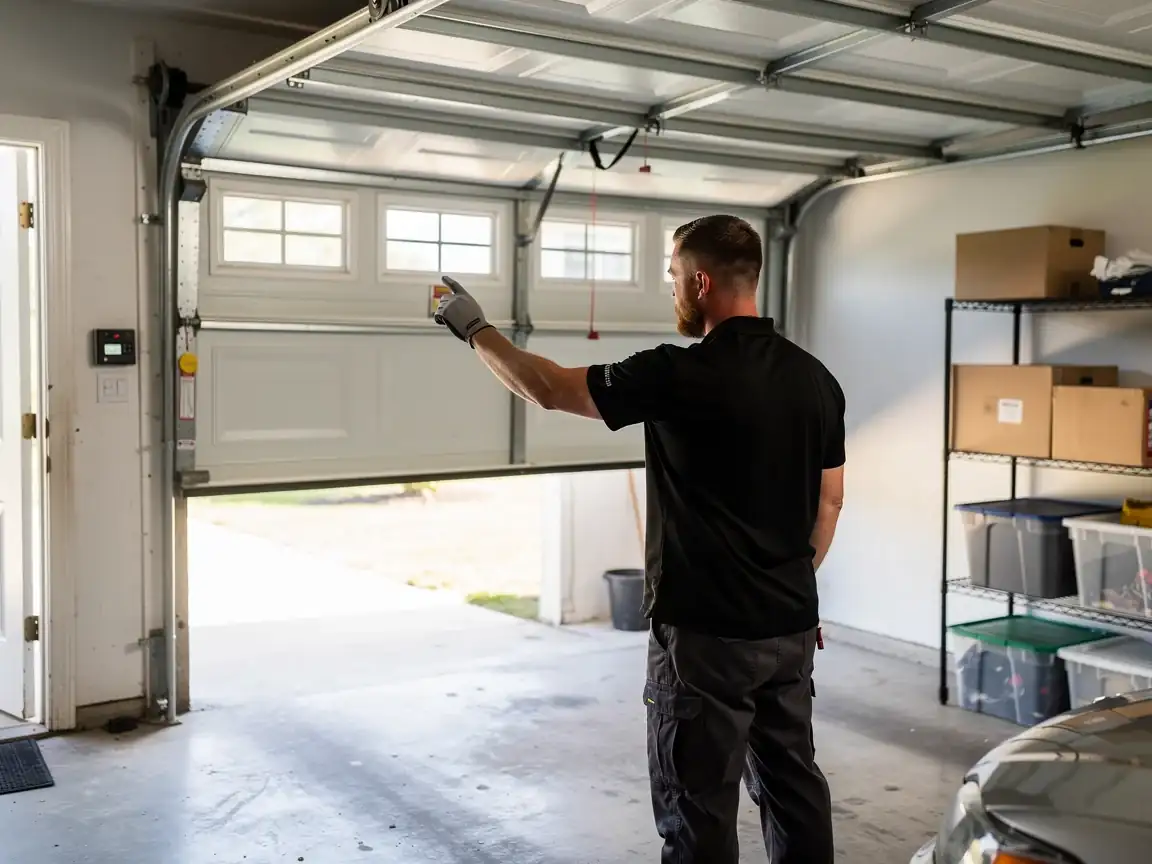
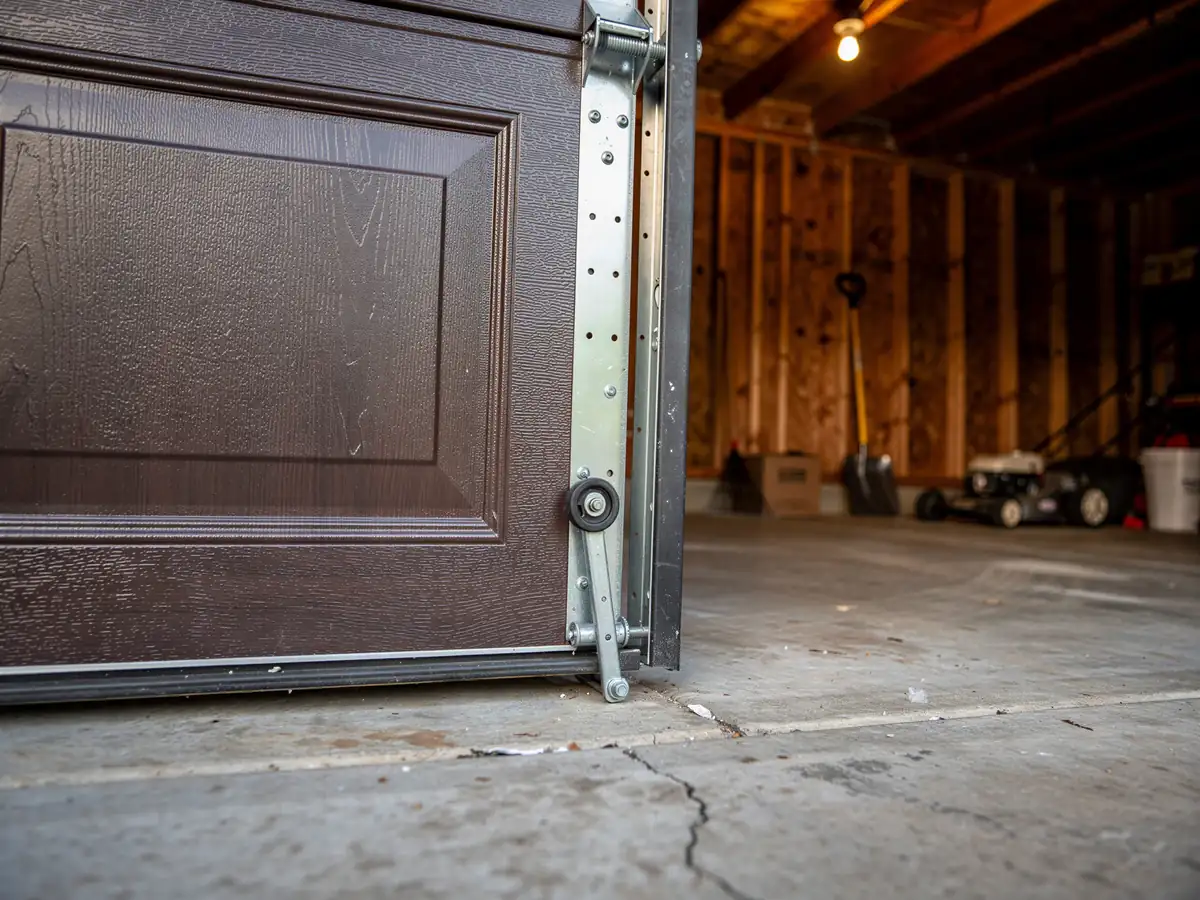
The place this goes wrong is when someone orders a door sized off the old one without checking the actual rough opening. On a house built in 1976, 45-plus years of settling can take an opening that was square at construction and leave it a half-inch out on one side - enough that a new door binds on the track or won't seal at the bottom corner. The other way it goes sideways is assuming the opener from the old door will run the new one; heavier insulated doors often need a stronger unit, and mismatching the two is how you end up with an opener that burns out in a year. We'd rather tell you upfront that we're checking the opening and the opener before we quote, than quote fast and come back for a second visit from Niceville to fix what we should have caught the first time.