The DIY Question
Miramar Beach sits about 13 miles from our shop in Niceville
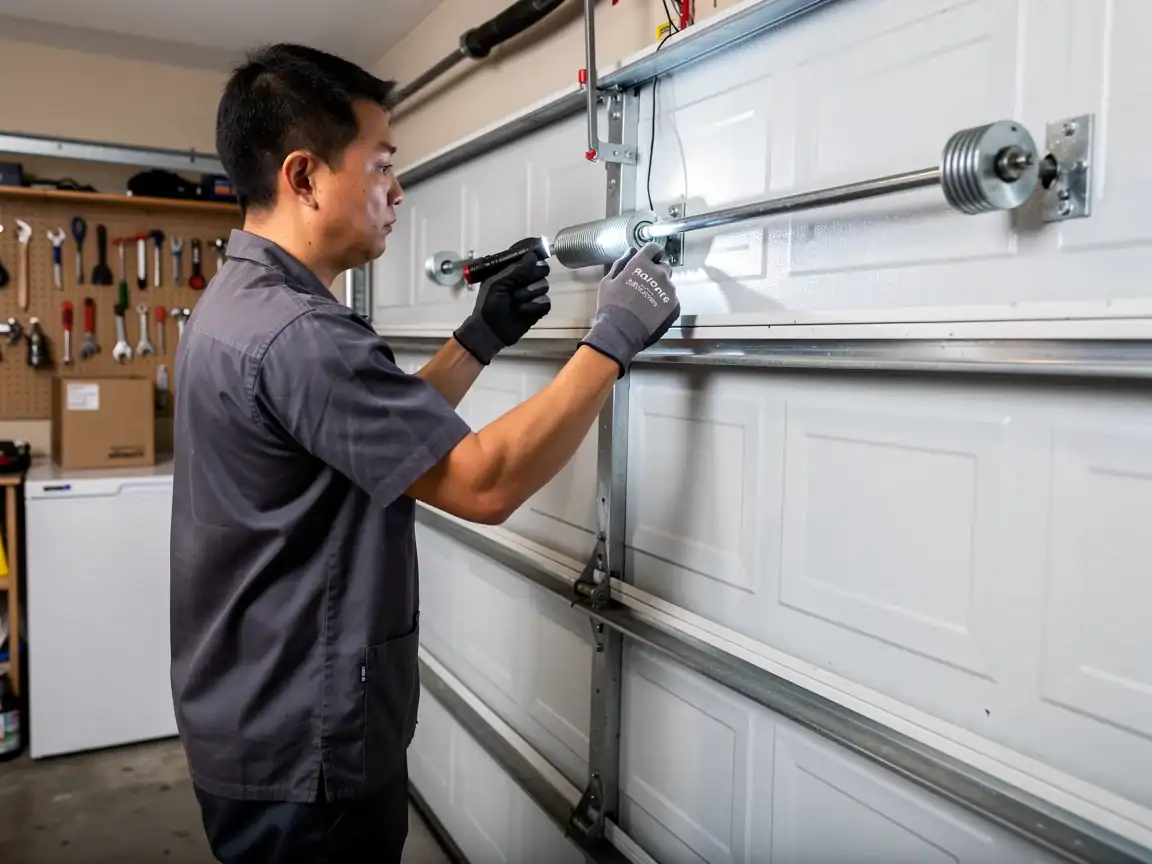
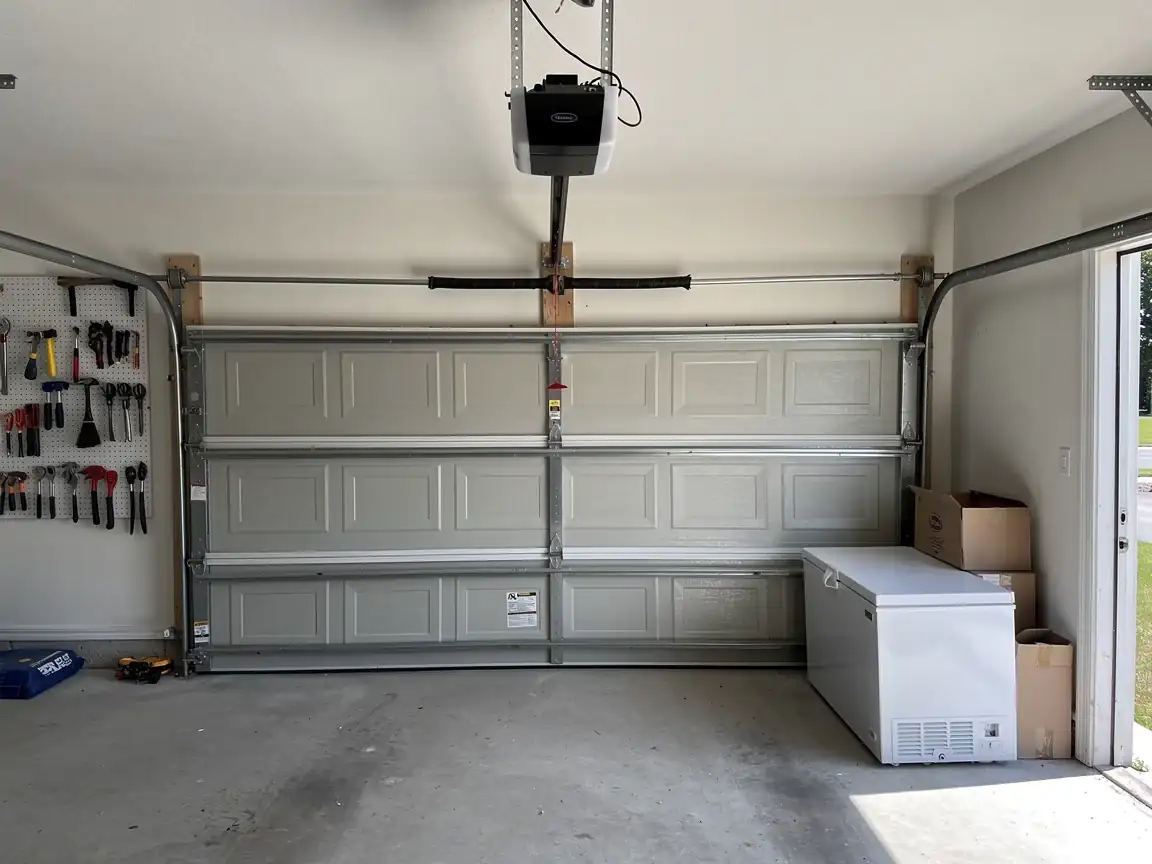
Which changes the math on whether you fix something yourself before calling. A loose track bracket or a misaligned sensor eye is worth five minutes with a screwdriver. A broken spring or a cable off the drum is not - not because the repair is exotic, but because getting it wrong on a door with the spring still under tension can put you in the ER, and then you're paying for both the ambulance and the eventual service call anyway.
- 13 miles
We'll be straight about a limitation here
If a part needs to be special-ordered for your opener or door model, that adds days, not because we're stalling but because nobody keeps every manufacturer's part on a shelf. For the common stuff - springs, rollers, cables - we carry it on the truck. For an obscure opener logic board, we tell you honestly if it's a wait.
If your issue is the door won't open, won't close, or makes a grinding noise on the way up
That's worth a call before you start pulling things apart. If it's cosmetic - a dent, a scuff, a panel that's faded - that can wait for a scheduled visit instead of an emergency one.
How Long You Are Without the Door
Because we run out of Niceville, a service call to Miramar Beach means a crew driving that 13-mile stretch rather than working out of a depot around the corner. That doesn't mean a slow job once we're there - it means the scheduling conversation on the phone matters more. Tell us up front if the car is trapped inside or if the opener is just acting up; those are different urgency levels and we sort the truck accordingly.
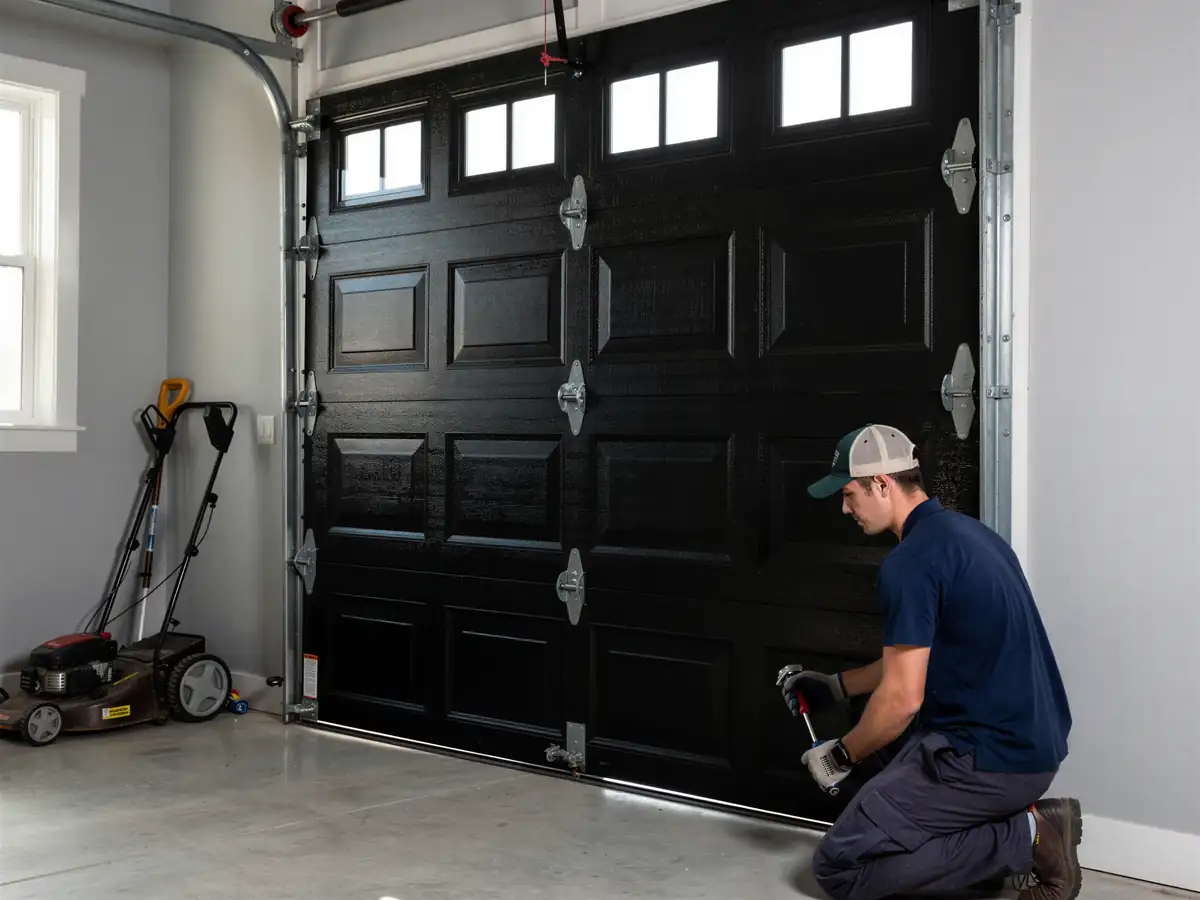
A single spring replacement or roller swap is typically a one-visit job once we're on site - an hour or two of hands-on work. What stretches the timeline isn't the drive, it's parts. If your door is a less common size or your opener is an older model no longer in production, we may need to source a part before we can finish, and we'll tell you that on the first visit rather than let you assume we're still looking for a parking spot.
Why It Happens Here
Most of the broader service area we cover out of Niceville is older housing stock, with a median build year around 1979. Miramar Beach is a different animal - the median year built here is 1997, roughly two decades newer. That matters because the failure pattern is different. These aren't doors with 50-year-old wood panels and original hardware; they're doors built during the home-building boom of the late '90s and 2000s, often with builder-grade torsion springs sized for cost rather than cycle life.
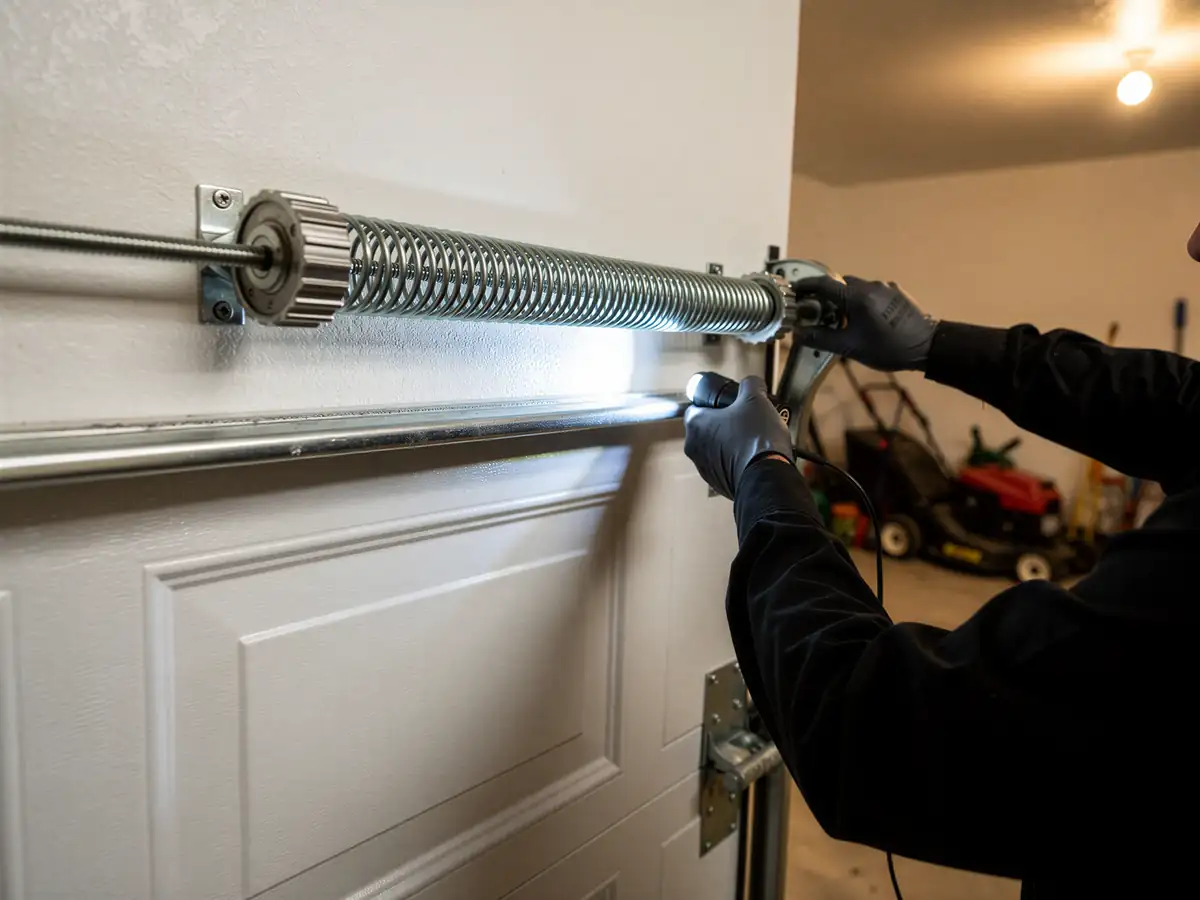
A spring rated for a modest number of open-close cycles, installed in 1997 or later, is now well past the point where metal fatigue sets in - that's often what you're hearing as a sudden bang or a door that won't lift. The climate here runs mild with occasional freeze nights, which isn't brutal on hardware the way a true freeze-thaw region is, but temperature swings still stiffen lubricant and tighten tolerances on rollers and hinges that haven't been serviced since installation.
Household income in this area runs higher than the $81,938 median across our wider coverage area, which tends to mean owners replace rather than patch once a door starts showing its age - worth knowing if you're deciding between a repair and a new door.
Stocked Parts
For doors from the late 1990s and 2000s
The bulk of what's in Miramar Beach - we carry the common torsion springs, nylon and steel rollers, and standard-gauge cable on the truck, so a straightforward spring or roller job doesn't need a second trip. Openers from that era are usually chain or belt drive with a logic board that's either still in production or close enough that a comparable replacement board works.
Where we run into a wait is less common door widths, older opener models that have been discontinued
Or a panel that needs to be color-matched to a specific builder run from that period. In those cases we order the part and schedule the install once it's in, rather than quote you a timeline we can't back up.
If you're not sure what you have, a photo of the spring setup or the opener's model sticker, sent ahead of the visit, usually tells us whether we're carrying the part already or need to order it first