The DIY Question
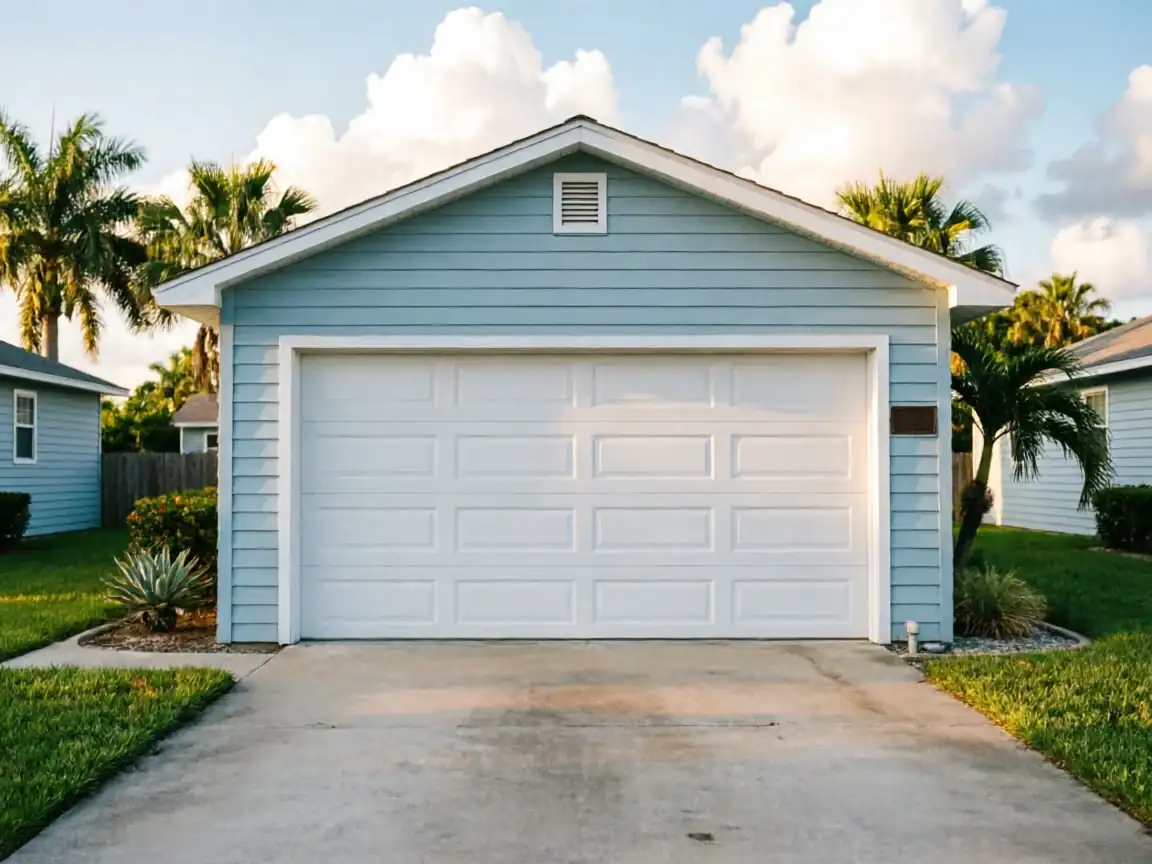
Most of the garages we work on in Miramar Beach went up around 1997
Which puts them a generation ahead of the 1960s and 70s stock that fills a lot of our other calls. That matters here because a door built in that era is almost always a wider double-car opening, insulated steel or a steel-and-vinyl composite, and noticeably heavier than the single-layer doors common on older houses. Heavier door, heavier spring, more stored force in that coil when it lets go.
That's the honest reason we tell people not to try this one themselves
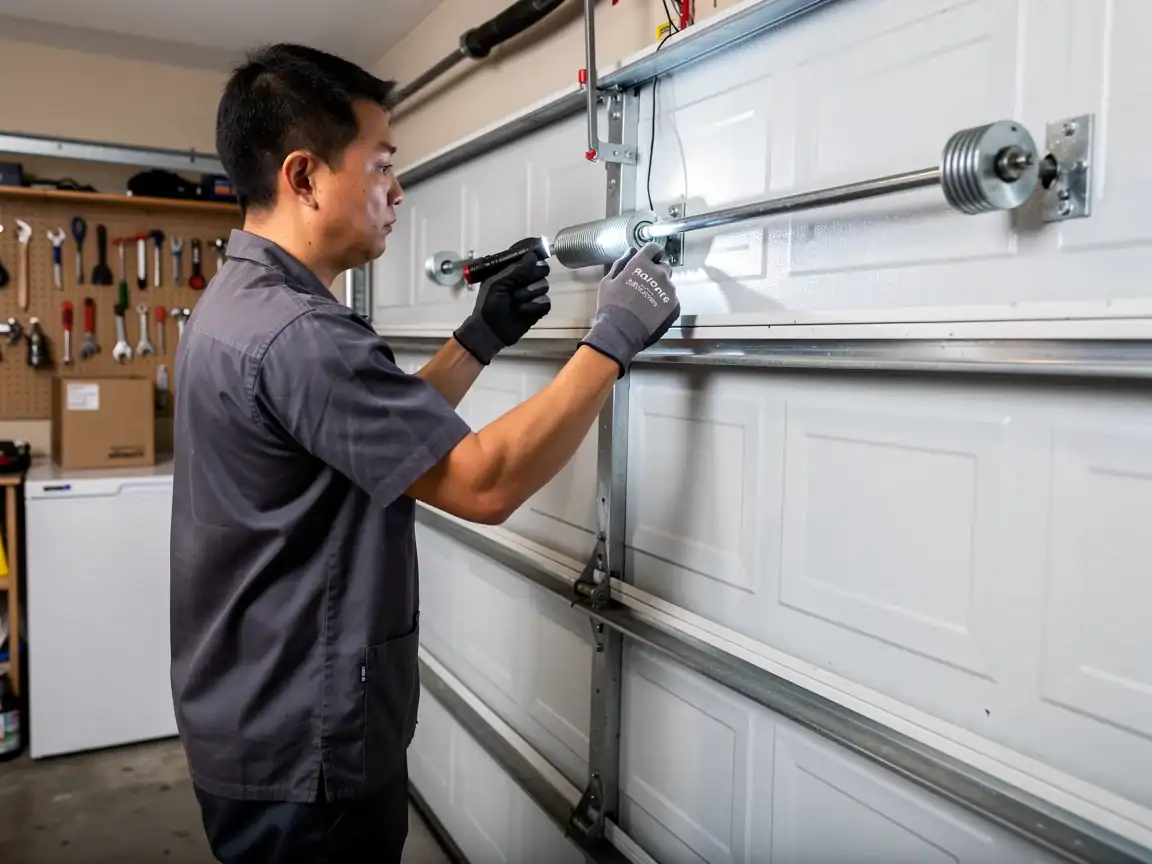
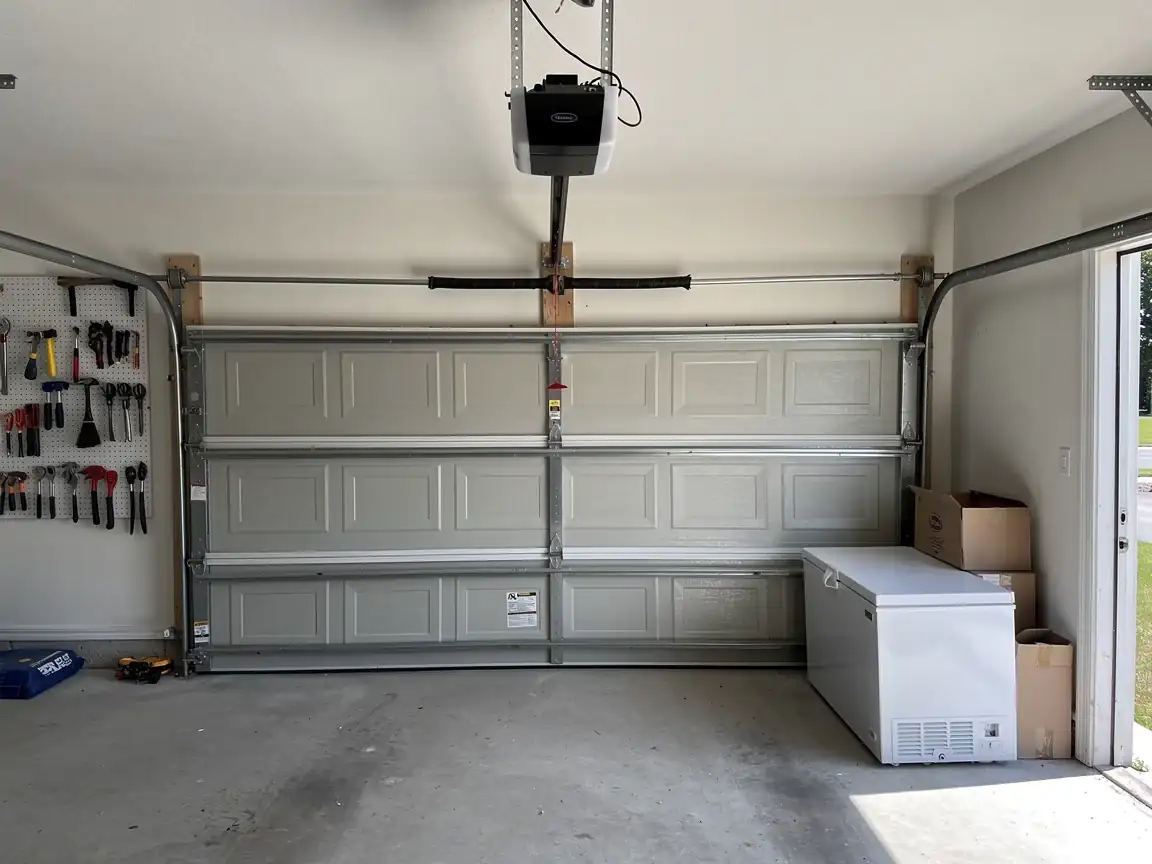
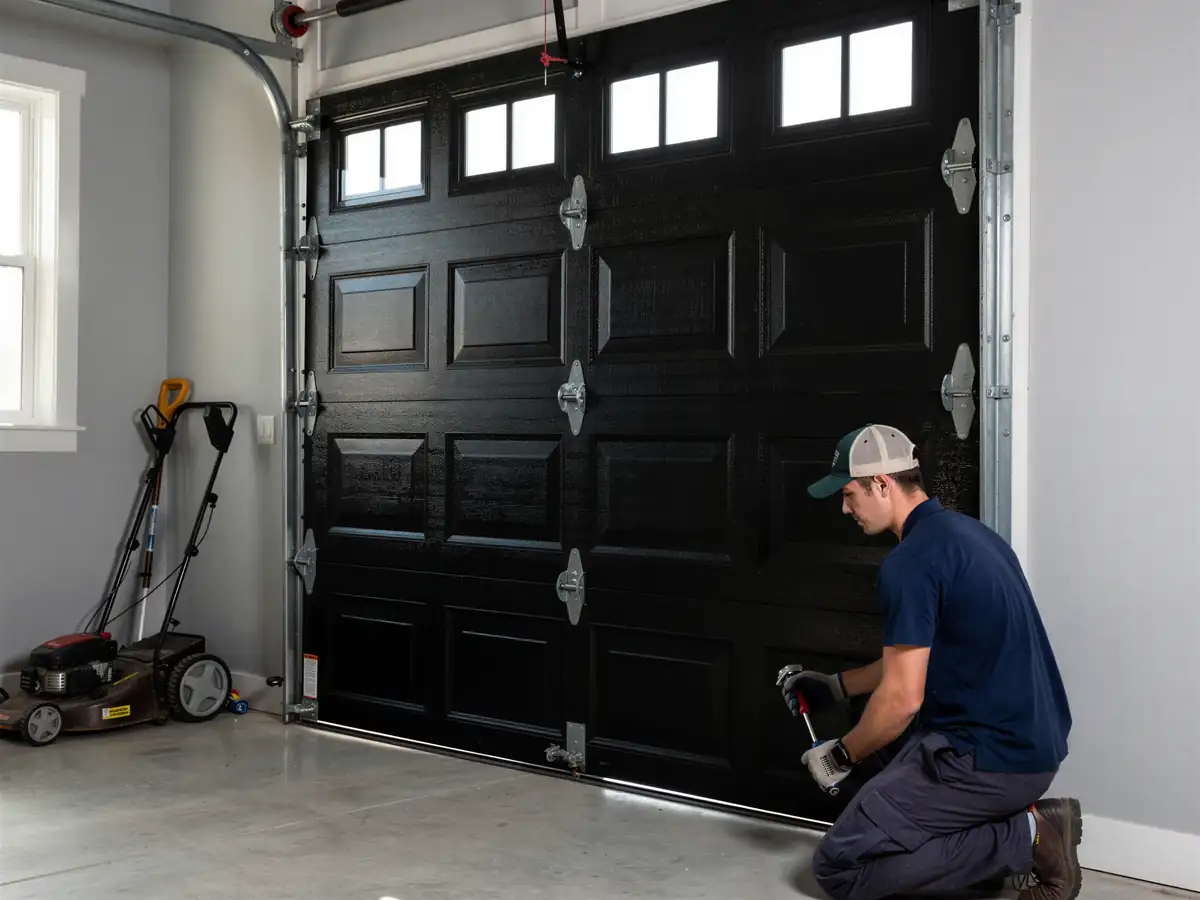
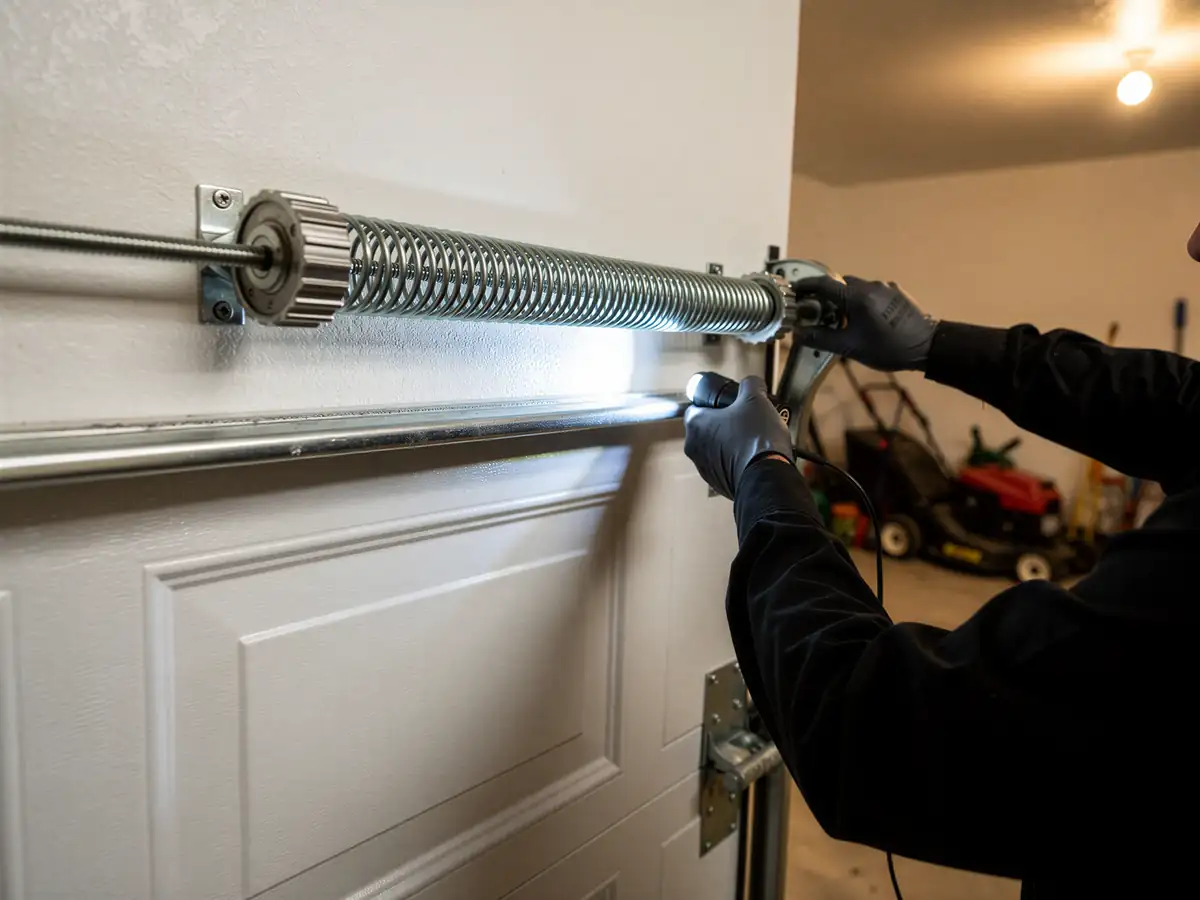
A torsion spring sized for a 16-foot insulated door holds enough tension to put someone in the hospital if the winding bar slips or the wrong size cone goes on. We're not saying this to upsell a visit - a confident, well-equipped DIYer can swap a bottom bracket or a roller. Springs under that kind of load are a different category of job, and on a door this size the margin for error is smaller than on an older, lighter door.
If you're set on doing your own troubleshooting
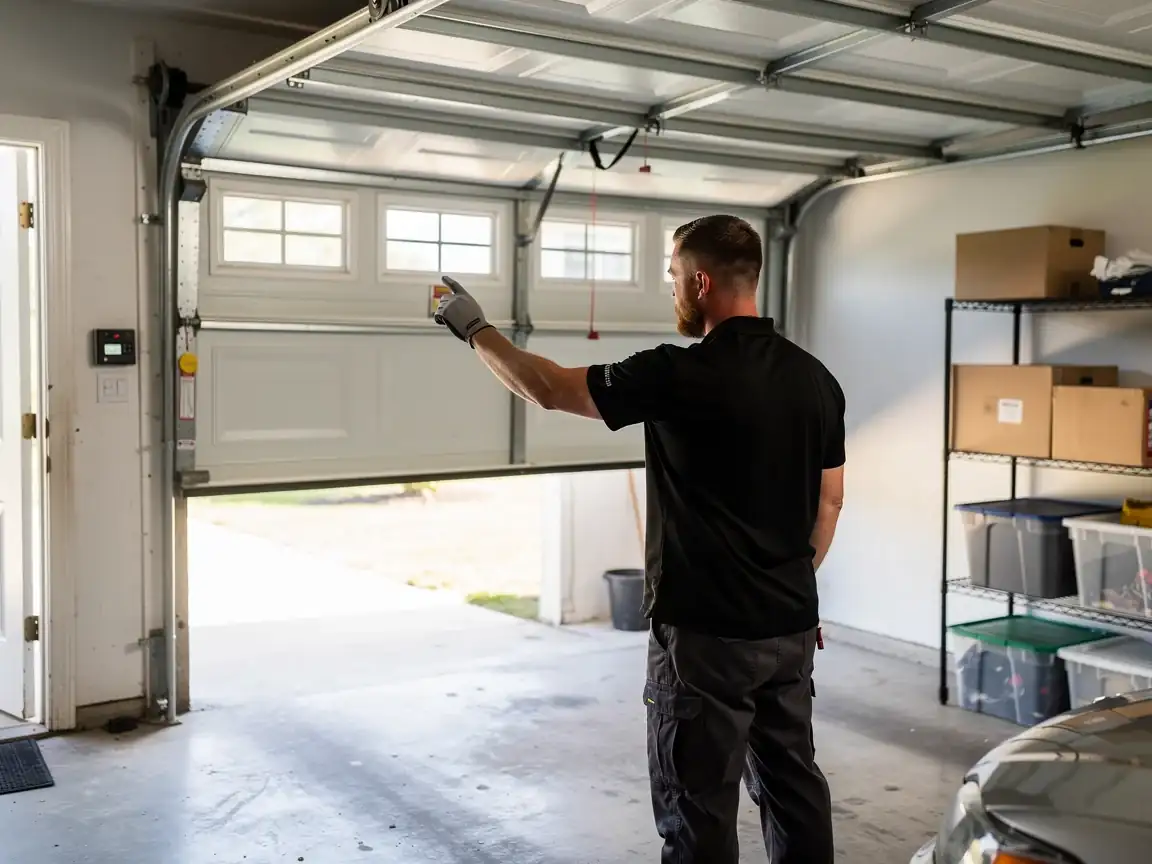
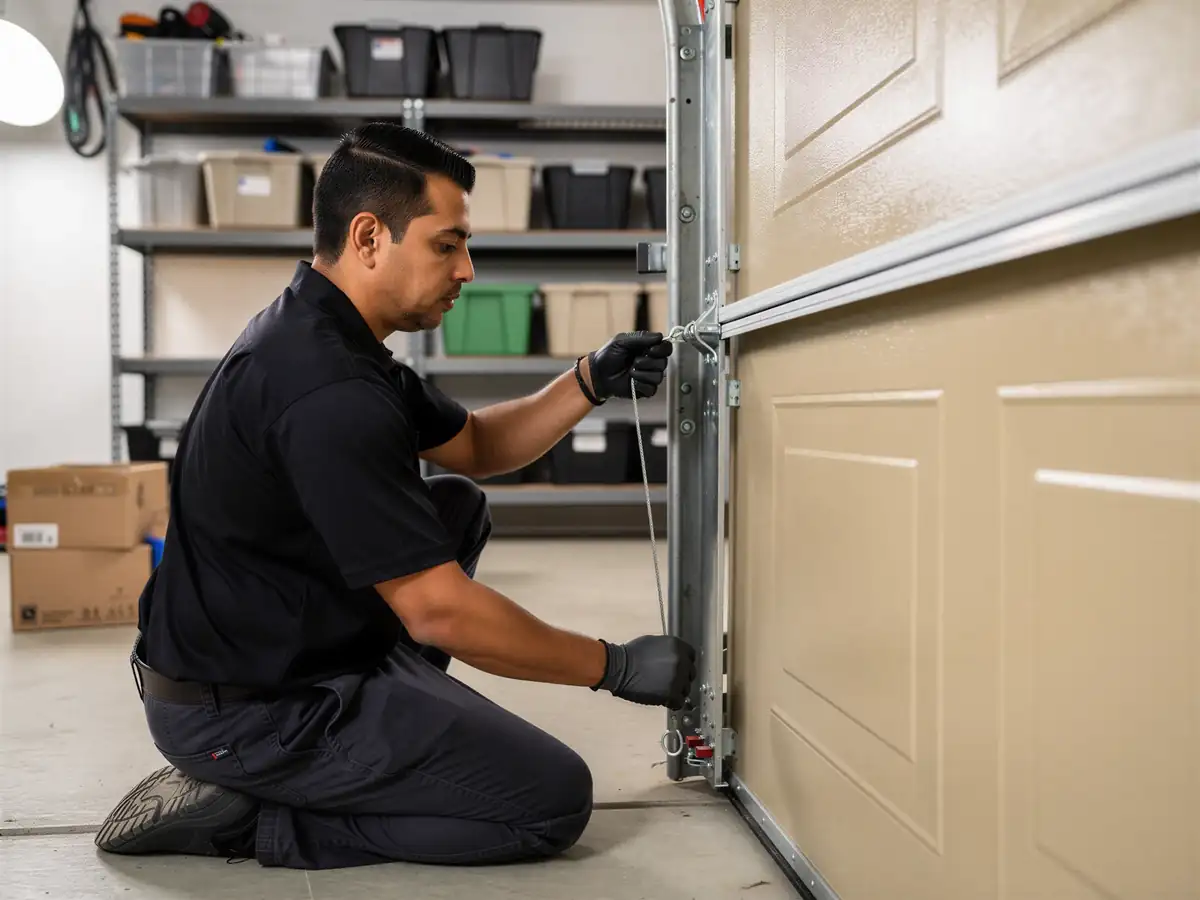
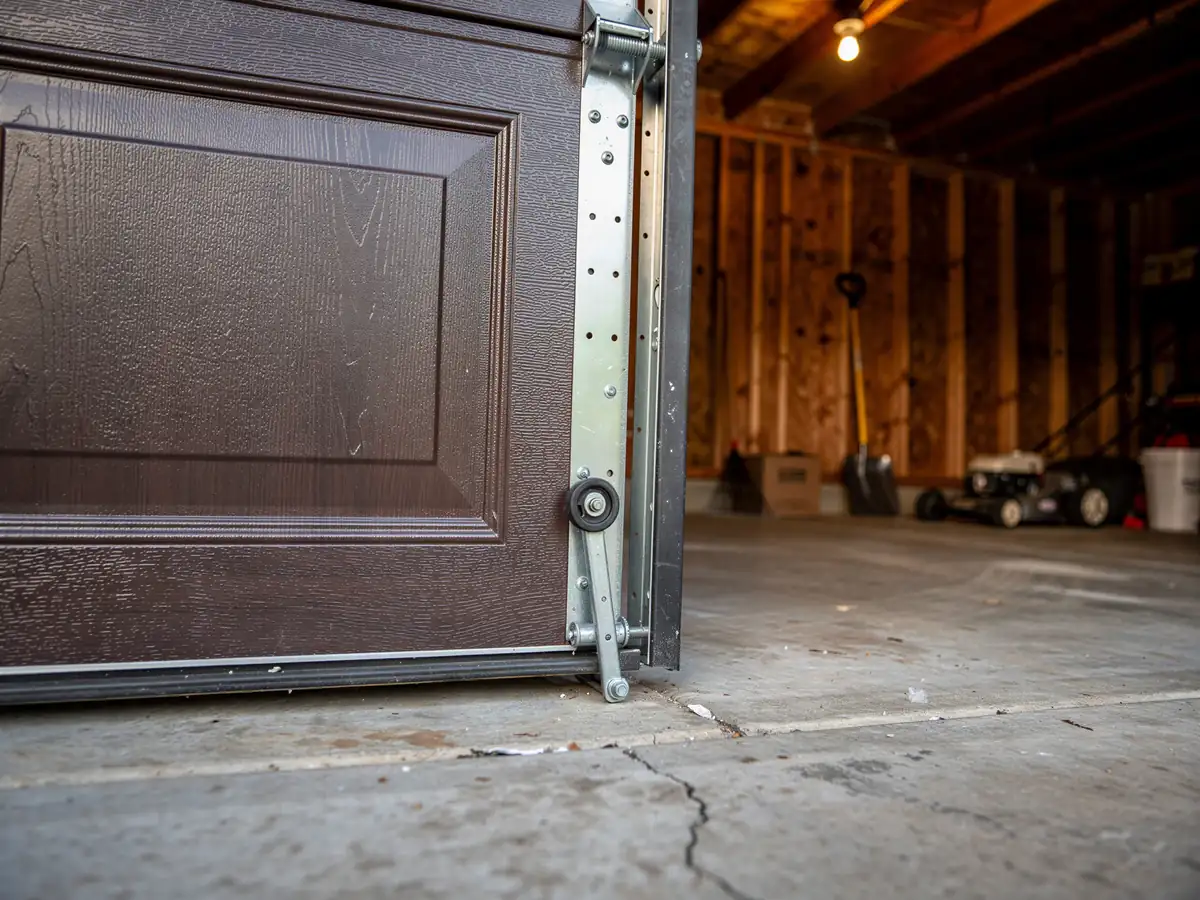
Checking the cables for fraying and the bottom brackets for rust costs you nothing and tells you whether it's really the spring. Past that point, call it in.
How Long You Are Without the Door
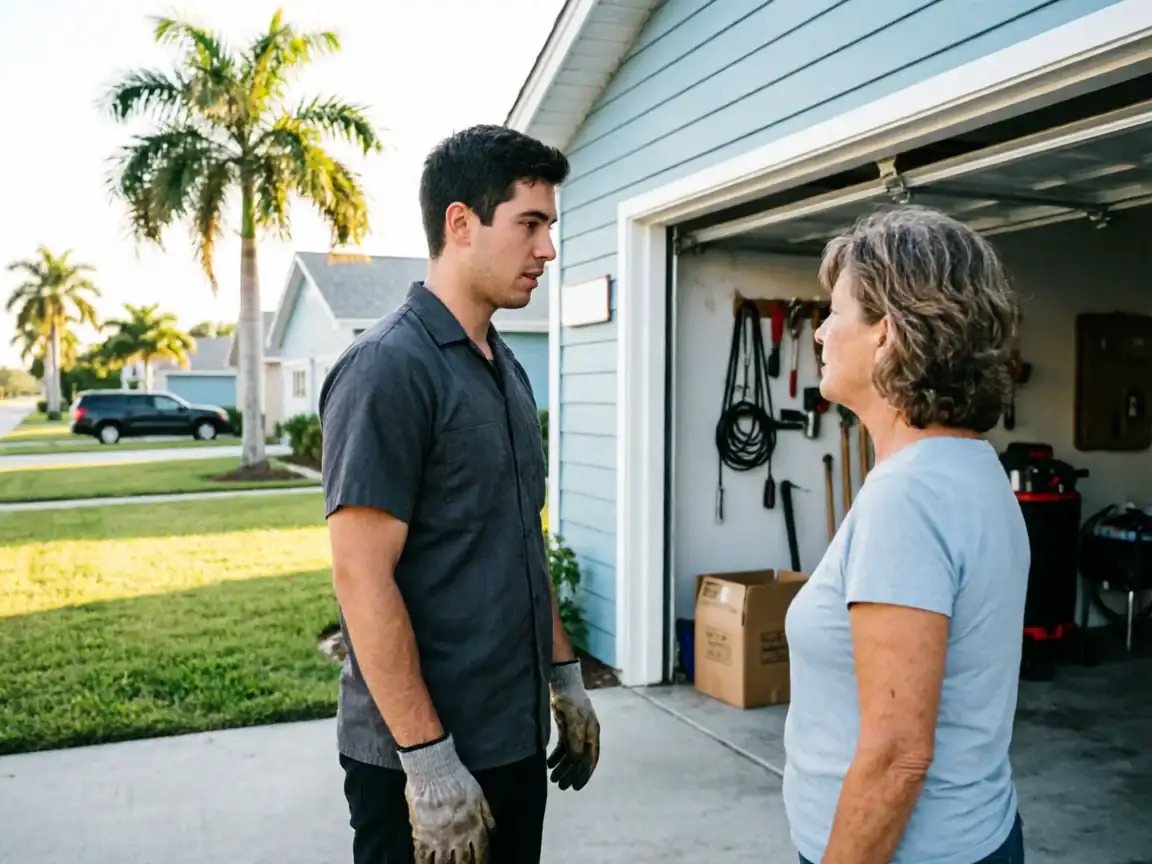
We run this call from Niceville, about 13 miles out, so there's no depot sitting in Miramar Beach and we're not going to pretend there is. That drive time is part of planning the visit, not a reason to delay it - a broken spring doesn't get safer by waiting, and a door stuck down (or worse, stuck up) is a security problem the same day it happens.
What actually extends the time you're without the door is parts, not distance. A standard torsion spring for a common door size rides on the truck. A spring sized for the wider doors typical of this area's newer construction, or a less common wind and wire gauge, sometimes has to be special-ordered, and that's a lead time we don't control. We'll tell you straight on the call whether your door's hardware is a stock size or not before we promise a timeline.
Why It Happens Here
The region sits in a mild climate band with only occasional freeze risk, so you're not dealing with the hard freeze-thaw cycling that snaps springs further north. What you are dealing with, on a house built in the late 1990s, is springs that are now a couple of decades into a rated life measured in cycles, not years - and a bigger, heavier door means more load on every one of those cycles.
Springs don't usually fail because of one bad day. They fail because the metal fatigues after tens of thousands of up-and-down cycles, and a 16-foot insulated door working that cycle count wears its spring faster than a lighter single door would. On a house this age, if the spring hasn't been replaced since the door went in, it's due - or overdue - regardless of whether anything looks visibly wrong yet.
Stocked Parts
Our truck carries the torsion spring sizes that cover most of what we see on standard single and double doors, along with the matching cable, drums, and end bearings
On a lot of Miramar Beach's newer, wider doors, that stock size is often the right match, which keeps the job to a single visit.
Where we come up short is the less common wind patterns and higher-cycle-rated springs that some higher-end insulated doors use
If your door was a custom order when it went in, there's a real chance we're ordering the exact match rather than installing it off the truck. We'd rather tell you that up front than install the wrong spring and have it fail again in a year.