The DIY Question
The opener itself looks like a weekend project
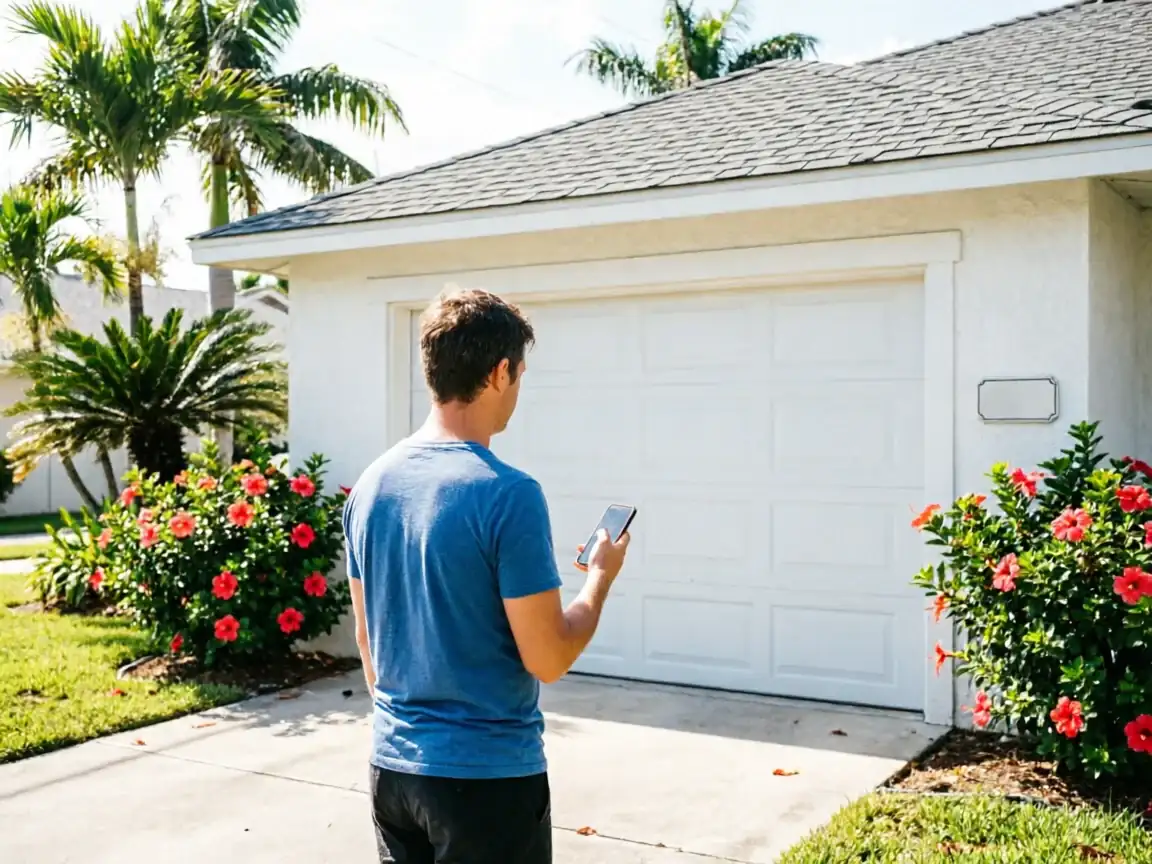
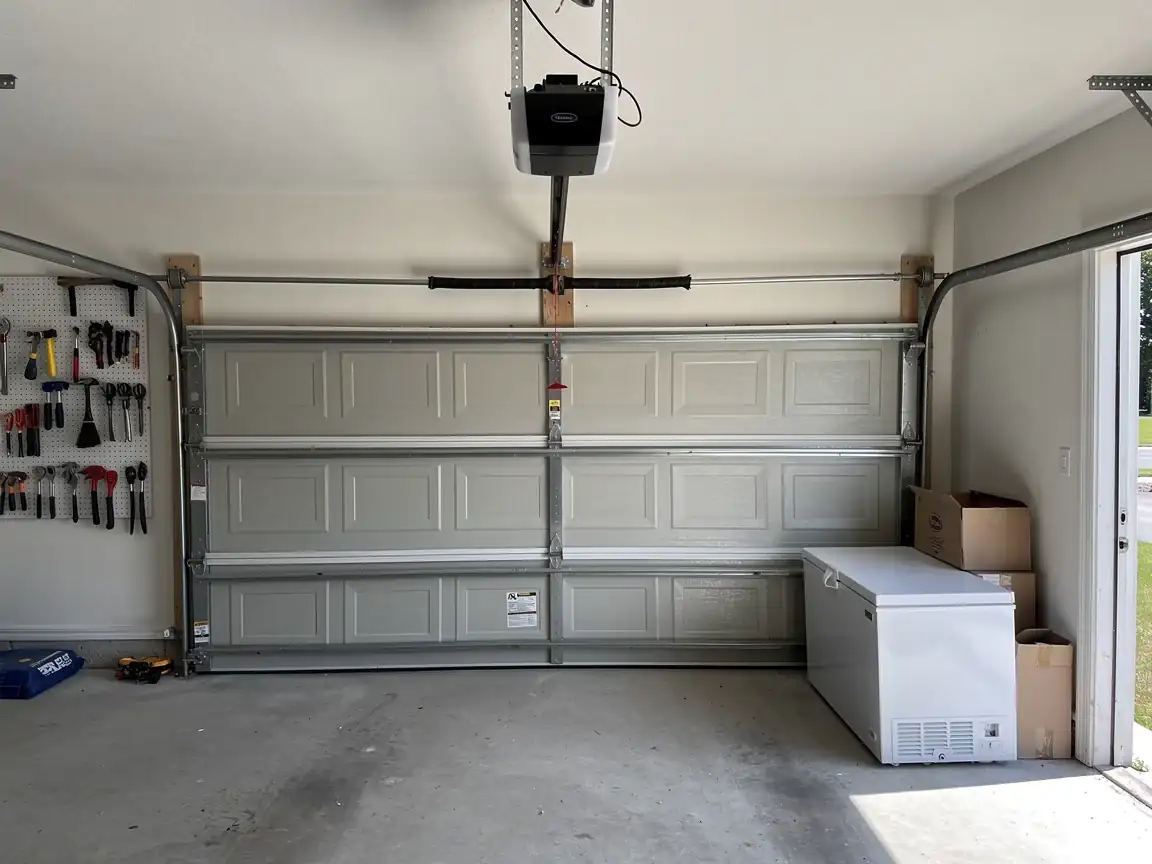
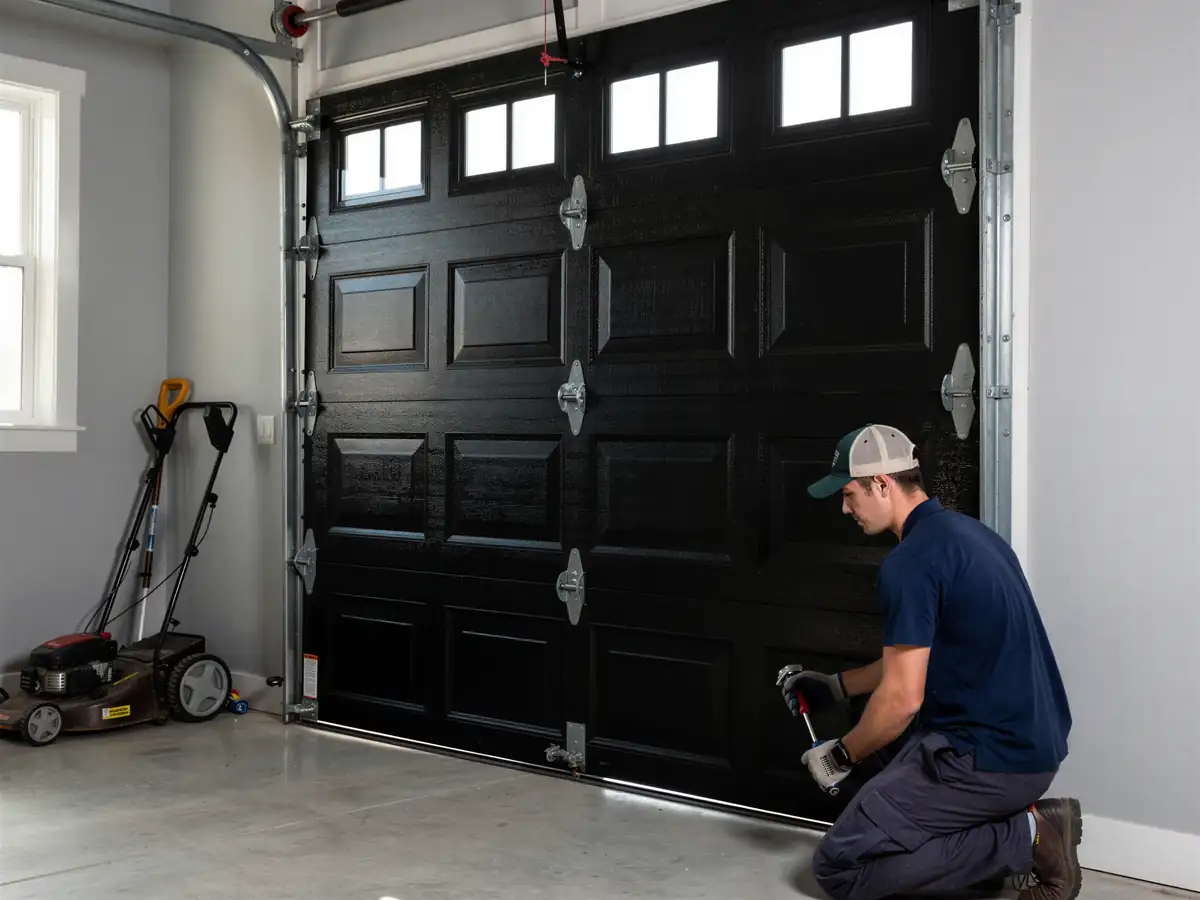
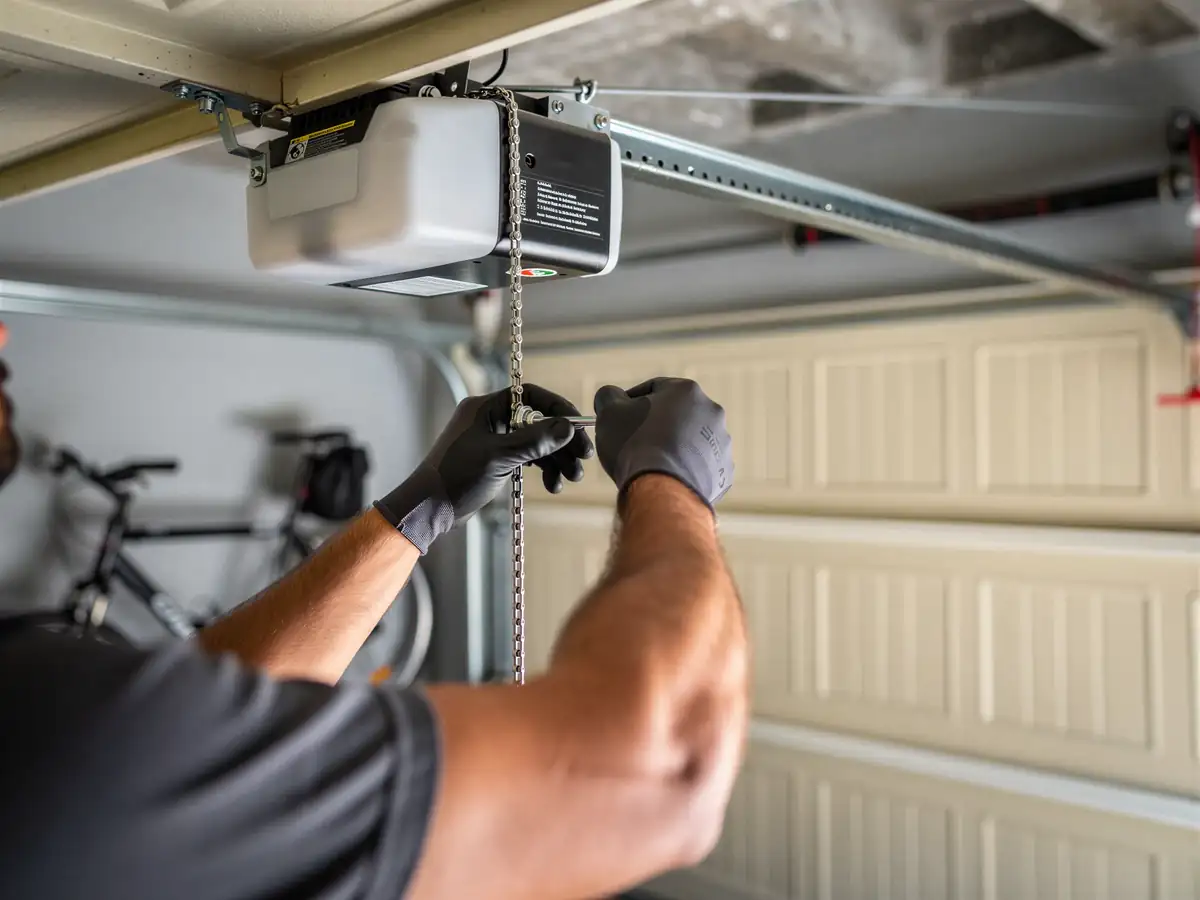
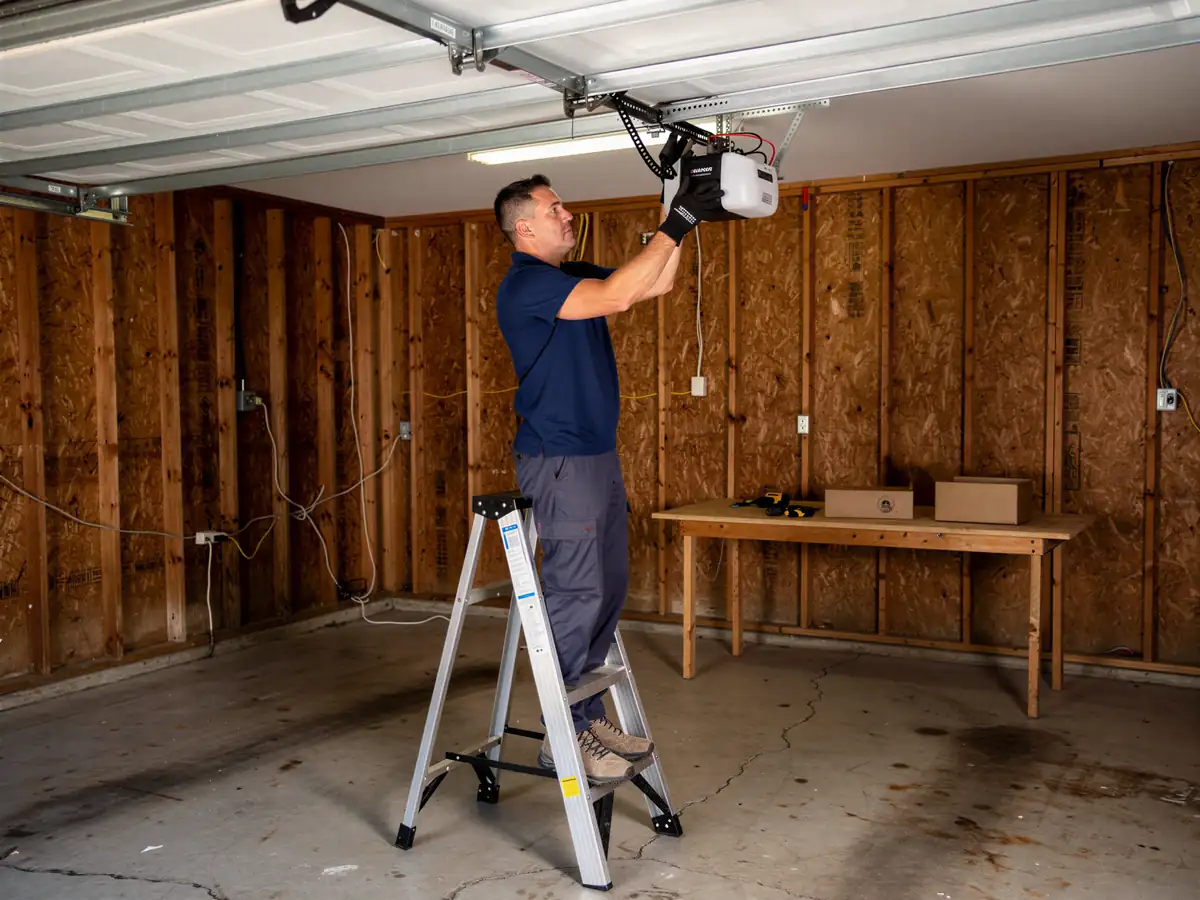
Bolt the rail together, hang the head unit, plug it in. What trips people up is everything around it: setting travel limits so the door doesn't slam the floor or crush the top of the frame, wiring the wall control correctly, and aiming the two photo-eye sensors so they actually see each other across the opening. Get the sensor alignment wrong and the door reverses for no reason you can find, or worse, doesn't reverse when it should.
Miramar Beach's housing stock centers on 1997, which matters here
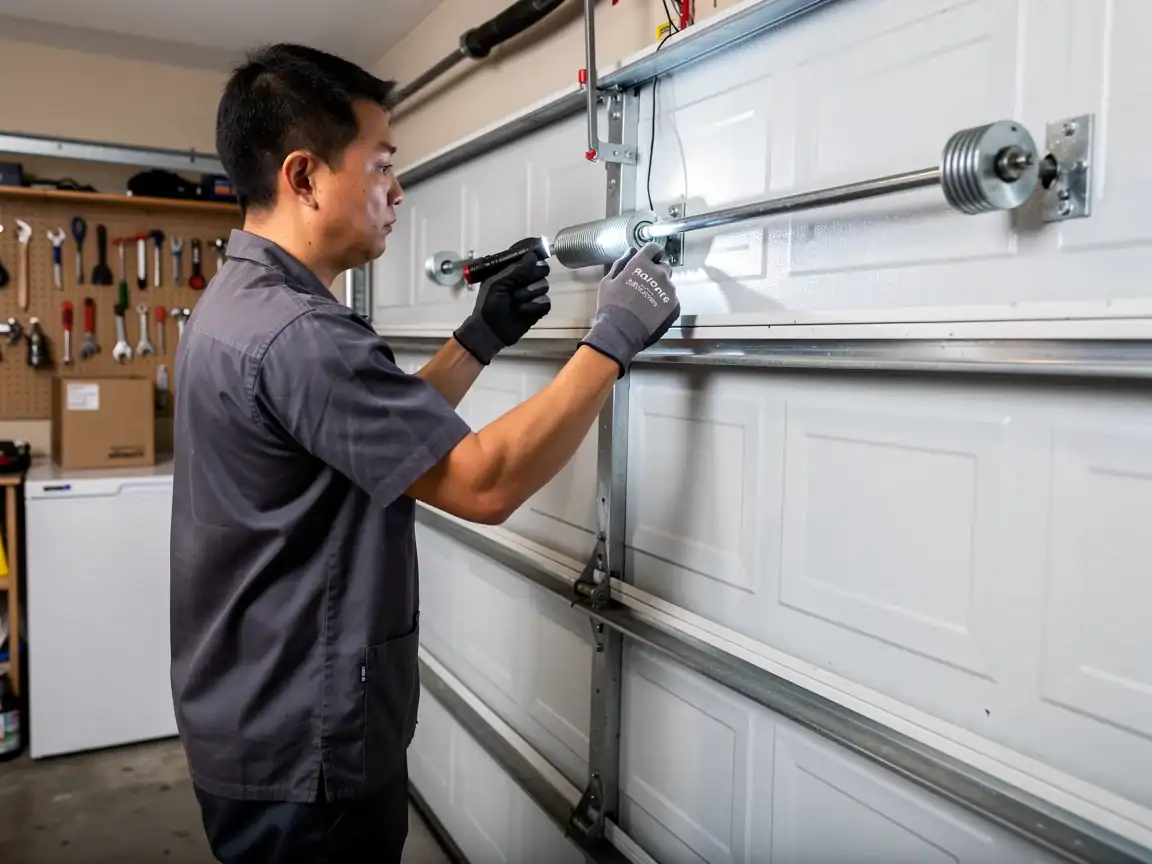
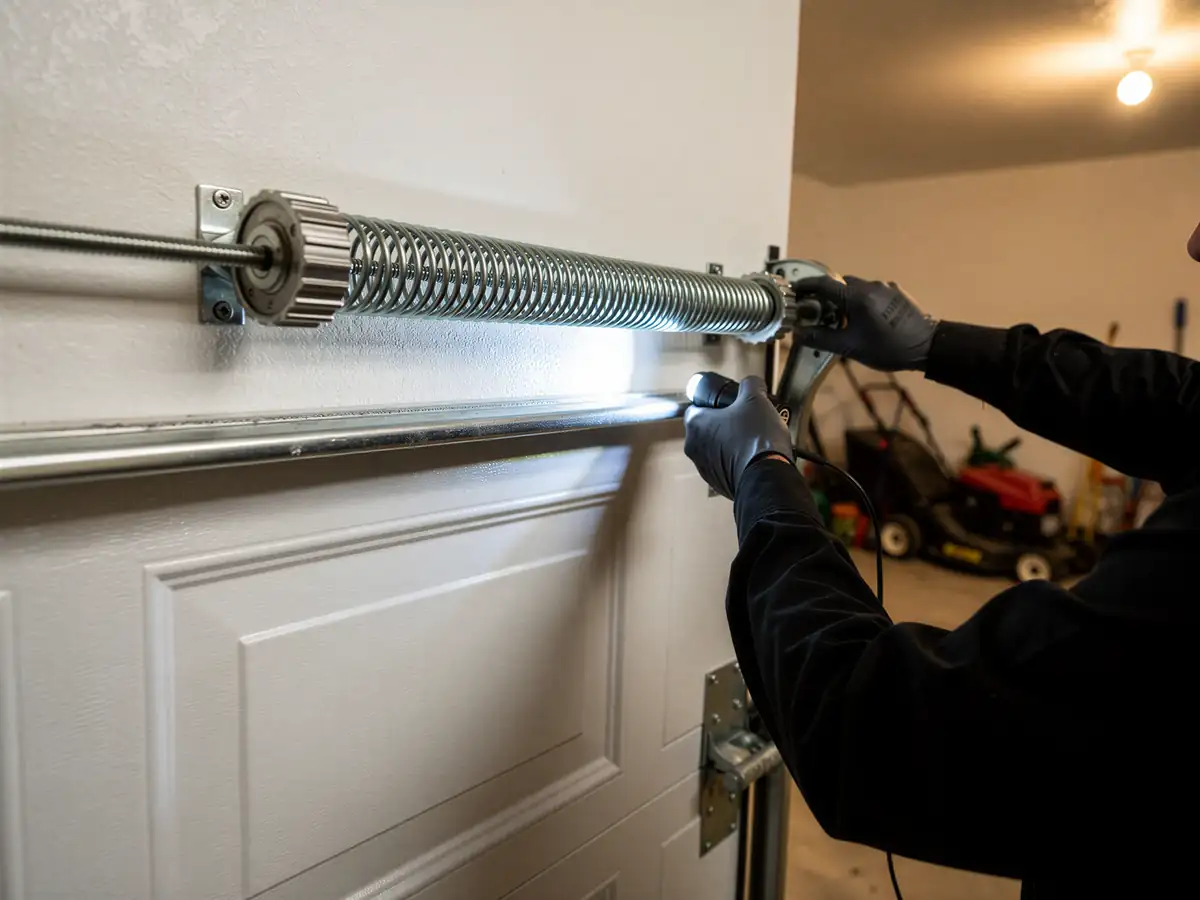
A home from that era usually still has its original header bracket and the original wiring run to the opener location - sometimes undersized for a modern unit's amp draw, sometimes just brittle after almost three decades. Swapping the opener head is the easy part. Checking whether the bracket, the wiring, and the door's own spring balance are still sound enough to carry a new motor is the part that gets skipped on a DIY job and shows up as a callback six months later.
We're honest that a straightforward swap
Same mount, same door, no bracket work - is within reach for someone comfortable with basic tools. Where we draw the line is reusing old wiring on a higher-horsepower unit without checking the gauge first.
How Long You Are Without the Door
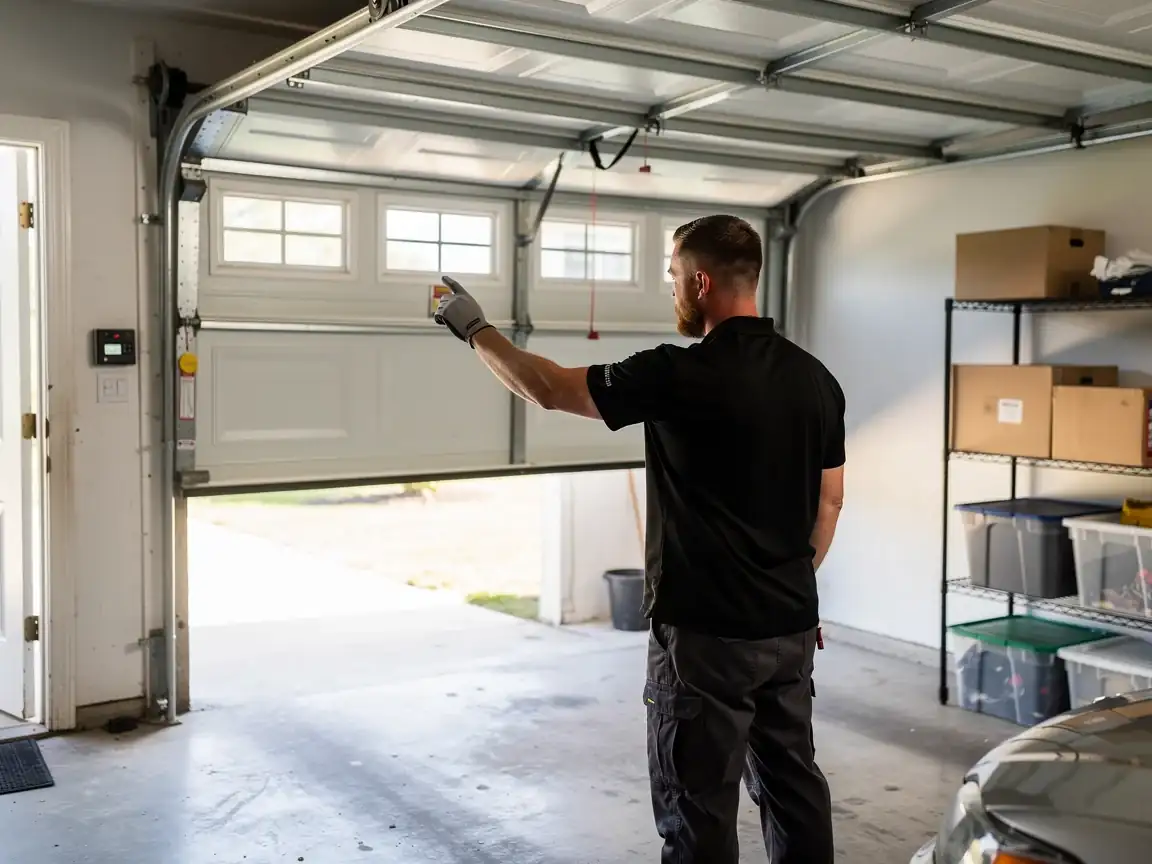
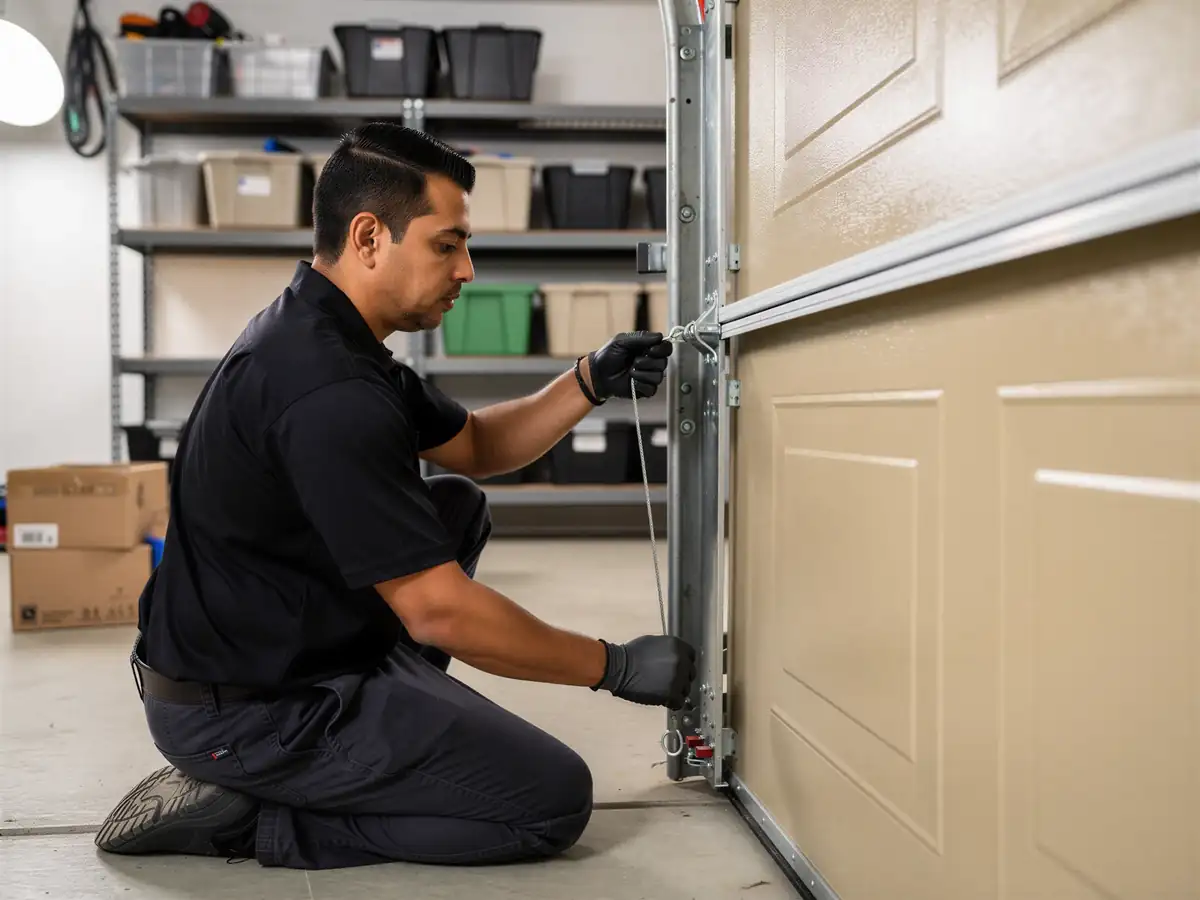
An opener failure doesn't usually mean the door is stuck. Every opener has a manual release cord, and once you pull it, the door operates by hand like it did before openers existed - heavier to lift, but functional, provided the springs are doing their job. That's the thing to know if the motor dies on a Friday night: you're not locked out, you're just back to lifting it yourself until the new unit goes in.
What does take longer is tracking down the right replacement for an opener installed when the house was newer construction. A 1997-era unit might be a model that's long discontinued, and matching the rail length or remote frequency to a direct-drive or belt-drive replacement takes a quick look at the existing hardware before we load the truck. We travel from Niceville, about 13 miles up the road, so we plan what we're bringing based on what the opener and door actually need rather than guessing on site and making a second trip.
Why It Happens Here
Most of the openers we see out this way were installed around the time the house was built - median year 1997 for this part of the service area, newer than much of the 1960s-70s stock closer to Niceville itself. That puts a lot of original units at 25 to 30 years old right now, which is past the normal service life for the gears, the capacitor, and the circuit board on a chain-drive opener, even if the door itself still swings fine.
The climate here runs mild with occasional freeze, so we're not dealing with the thermal extremes that crack plastic housings outright. The failure mode is quieter: logic boards that degrade from decades of humidity cycling, drive gears that strip after thousands of cycles, and safety sensors whose wiring has gone brittle at the connectors. None of that announces itself until the opener just stops responding to the remote one day.
Household income in this part of the service area runs higher than the service-area median - $97,159 against $81,938 - and in practice that shows up as more homeowners choosing a belt-drive replacement over another chain-drive when the original finally gives out.
Stocked Parts
We carry logic boards, drive gears, belts, and photo-eye sensor pairs that fit the opener models most common on homes built in the mid-to-late 1990s
Since that's the bulk of what we're pulling out in this part of the service area. Standard remotes and wall controls are stock items too.
Where we don't carry inventory is specialty or proprietary boards for less common brands
If your opener is an uncommon model, we may need to order the exact board or drive kit rather than swap it same-visit. We'll tell you that up front rather than promise a part we don't have on the truck. For most installs, though, the common opener types match what we're already carrying out from Niceville.