Stocked Parts
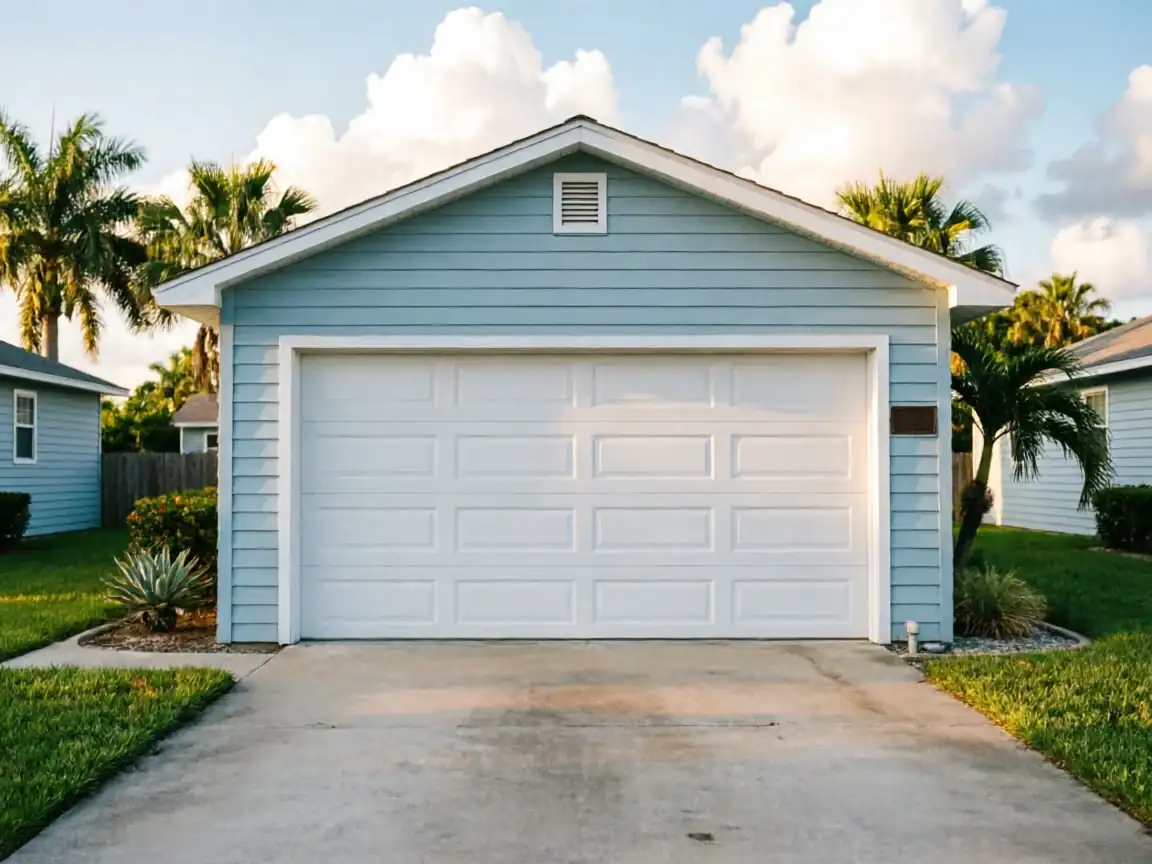
Most houses in Lake Lorraine were built around 1979
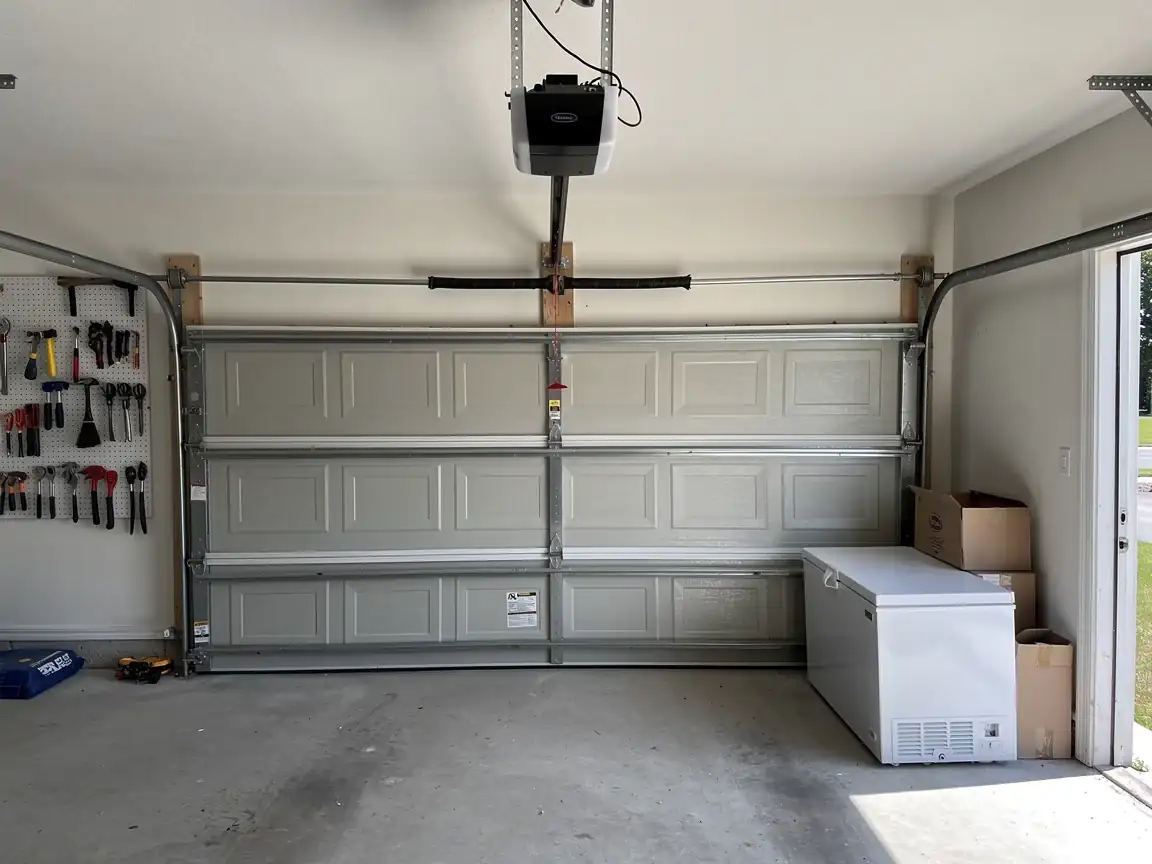
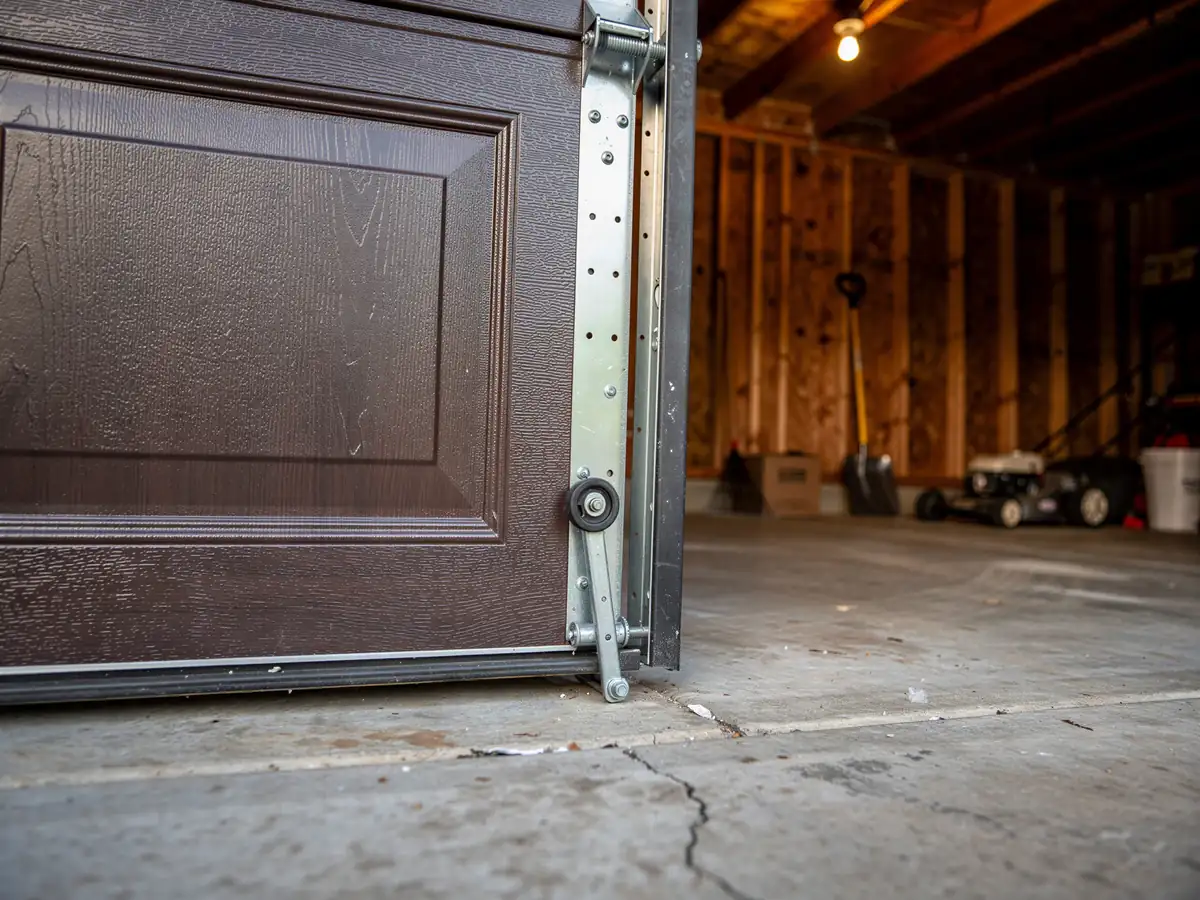
Which means the track brackets, roller carriers, and bottom fixtures bolted to the door are very likely the same ones that went up with the house. Nobody replaces track hardware on a schedule - it gets replaced when it fails, and a lot of these homes have gone 45 years without that happening. That's not a compliment to the hardware. It's aged steel that's been flexing every time the door runs, and when it finally lets go, it usually takes a roller or a cable guide with it.
- 45 years
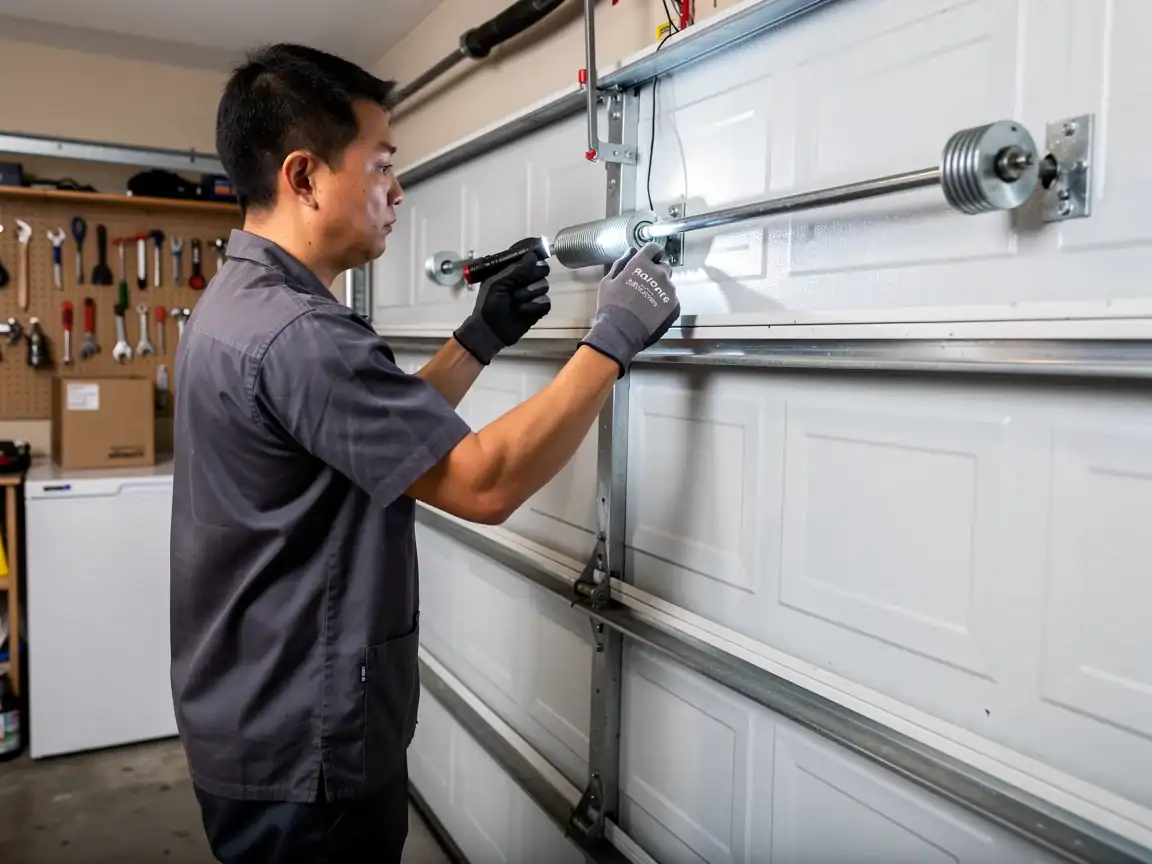
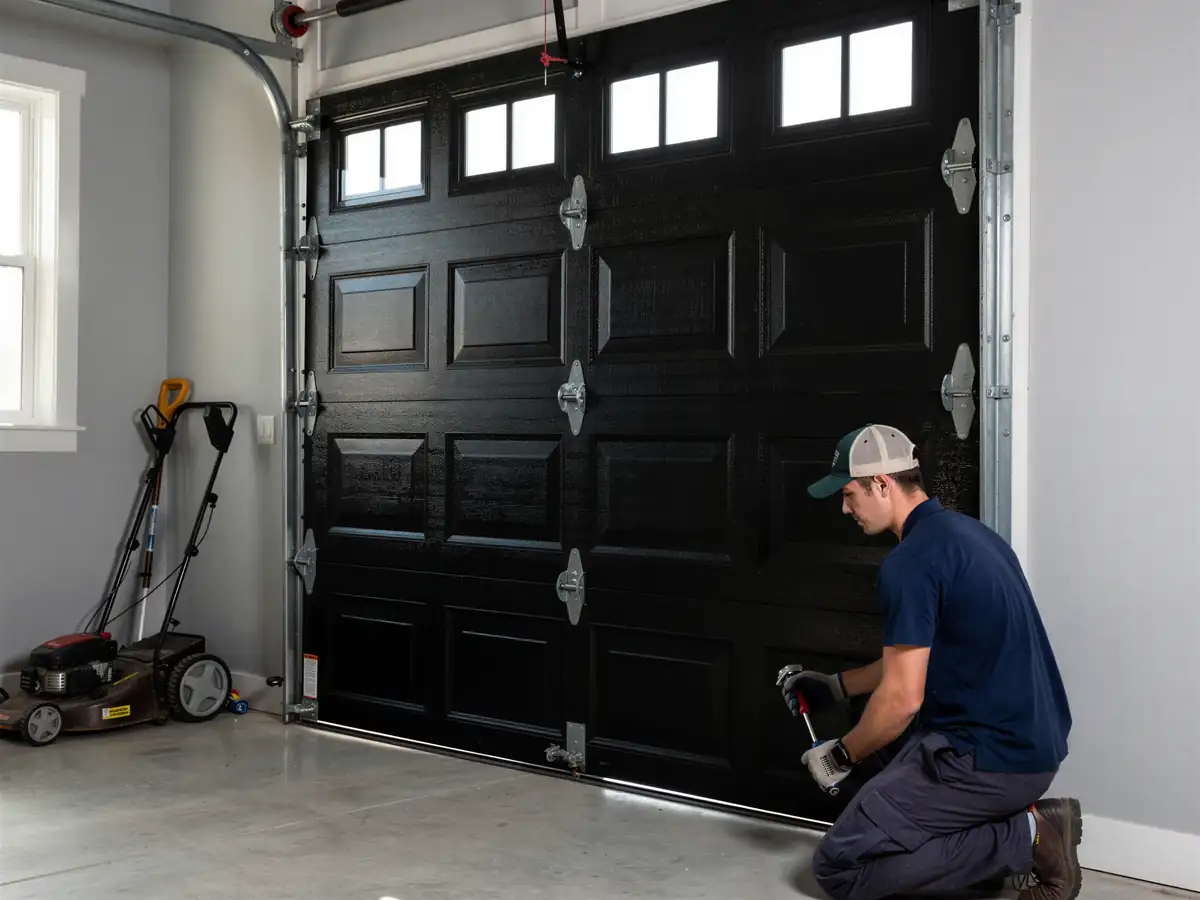
We carry standard track sections, roller brackets, and jamb brackets on the truck because they fit the vertical and horizontal track geometry common to houses from that era
What we don't always have on hand is a match for an odd-width track or a bent radius section from a nonstandard header height - those get special-ordered, and that's the one real delay in this kind of job. For a straightforward off-track repair on a 1970s-80s door, we're usually working with parts already on the truck.
What You Pay
An off-track repair runs from a simple re-seat - the door jumped the track but nothing's bent or broken - up to a full track and bracket swap if the rail itself is bowed or the bracket pulled loose from the jamb. The age of the hardware in Lake Lorraine pushes more jobs toward the second category than the first. A track that's flexed for four decades doesn't always snap back true once a roller forces it off the rail; sometimes the metal's taken a permanent set and re-seating it just means it'll jump again in a few months.
We don't quote a number here because the real cost split is between re-seat and replace, and you can't know which one you've got until someone's hands are on the door. What we can tell you is that in this part of our service area, with houses mostly dating to the late '70s through the '80s, we replace track more often than we re-seat it - more than on newer builds closer to town.
How We Fix It
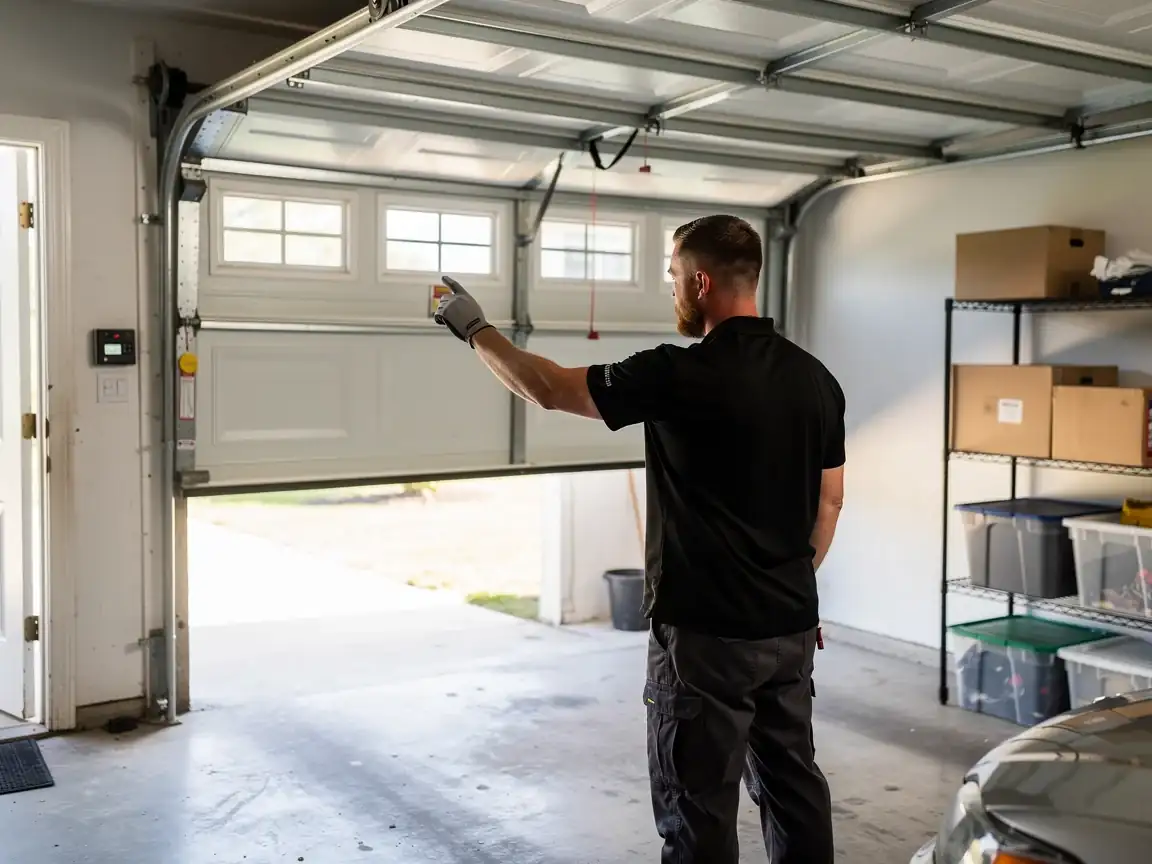
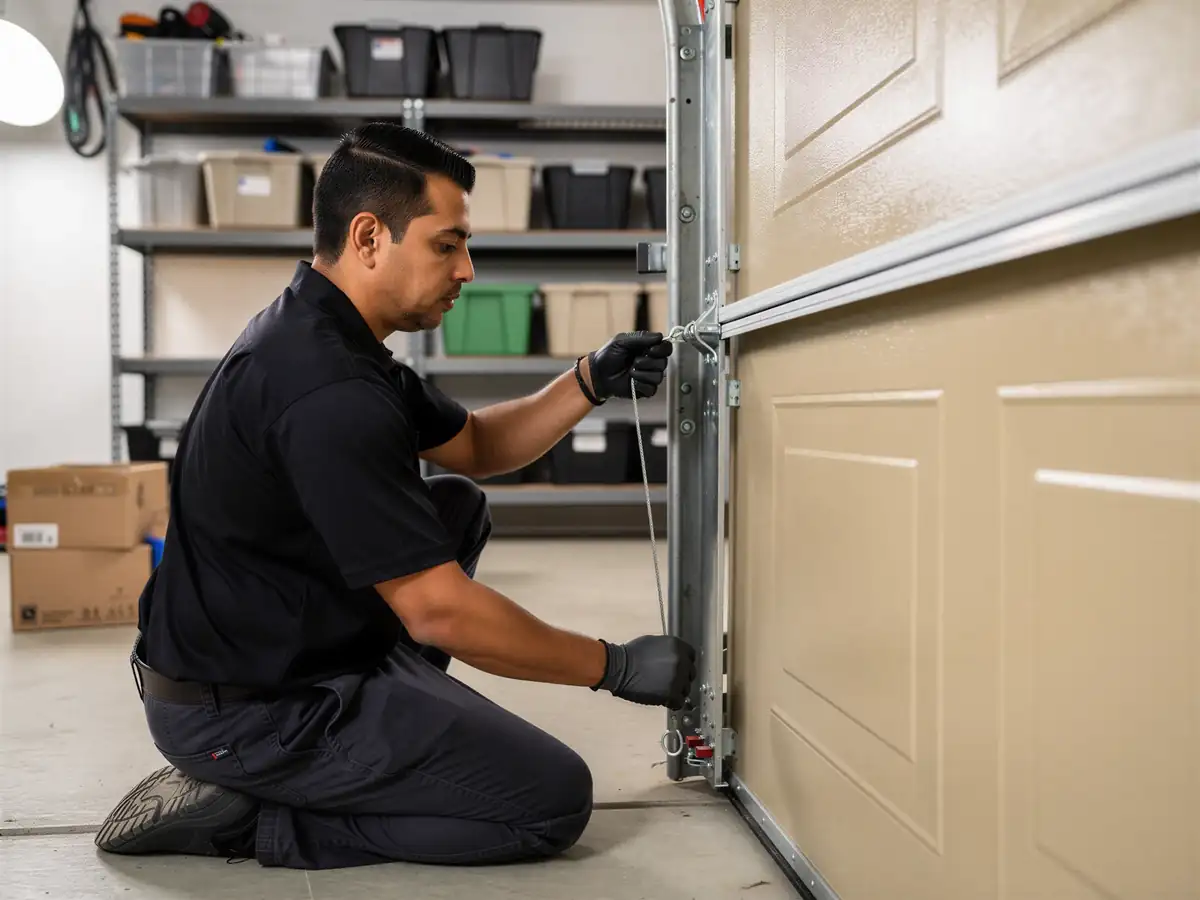
First step is figuring out why the door came off track at all, because re-seating it without finding the cause just buys you a repeat call. Common causes on original 1970s-80s hardware: a roller that's worn oval instead of round, a bracket with elongated bolt holes from decades of vibration, or a track section that's bowed outward at the bottom where it takes the most lateral load.
Once we know the cause, the fix is either a re-seat with a bracket tightened or shimmed back to square, or a section-by-section track swap if the rail's deformed. We also check the opener's travel limits after any off-track repair, since a door that's been riding crooked for a while often has the opener compensating for it, and that compensation doesn't fix itself once the door's back on true rail.
The DIY Question
Re-seating a door that's barely off track
Just the bottom roller slipped out at the end of a run - is something a lot of owners can do with the door disconnected from the opener and the right leverage. Where it stops being a DIY job is anywhere torsion springs are involved, or where the track itself needs to come off the wall. On a door this old, we'd rather you call before you start pulling bolts, because a bracket that looks fine can still be worn enough at the mounting hole that it lets go under load the moment you're standing under the door.
One honest limit: if the track is bowed in more than one section
We're not going to spend an hour trying to straighten it back to spec. Bent track that's been bent a while doesn't hold alignment - it's a swap, not a repair, and we'll tell you that up front instead of billing for a fix that won't last.