Stocked Parts
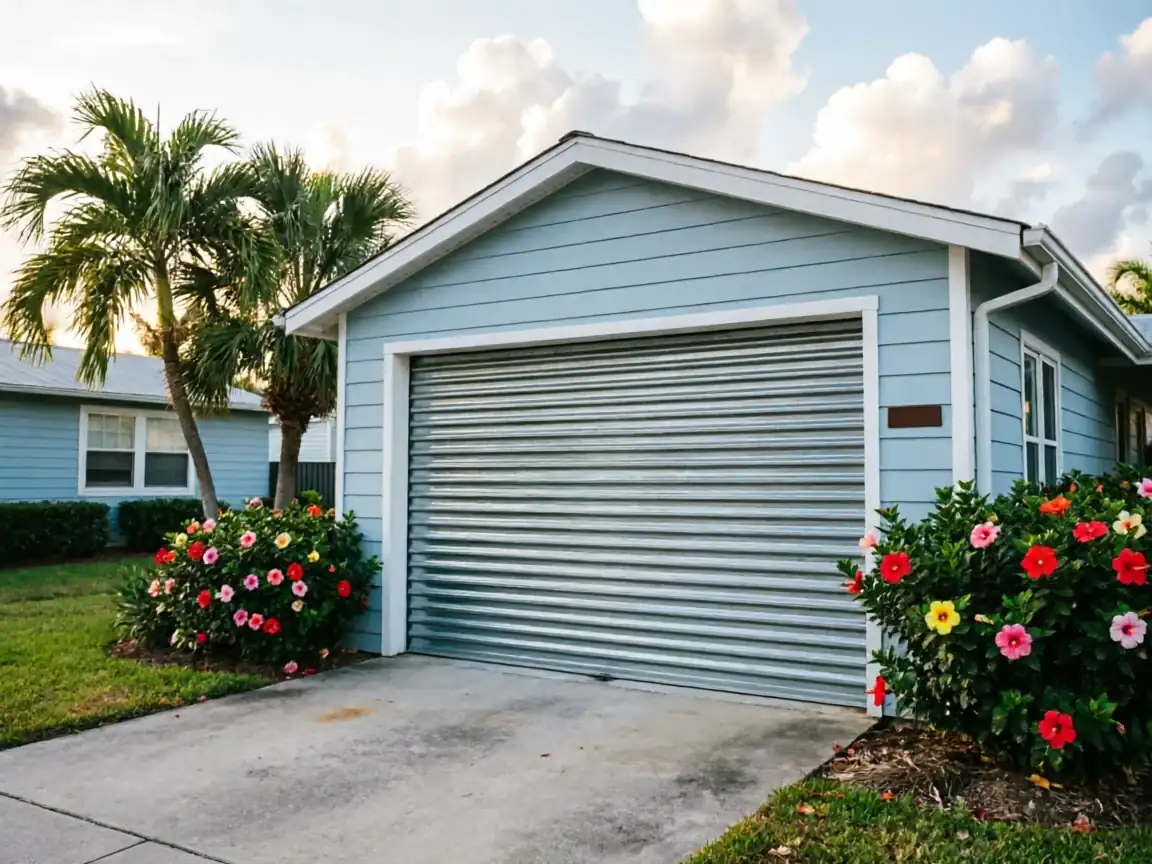
Most houses in Lake Lorraine went up around 1979
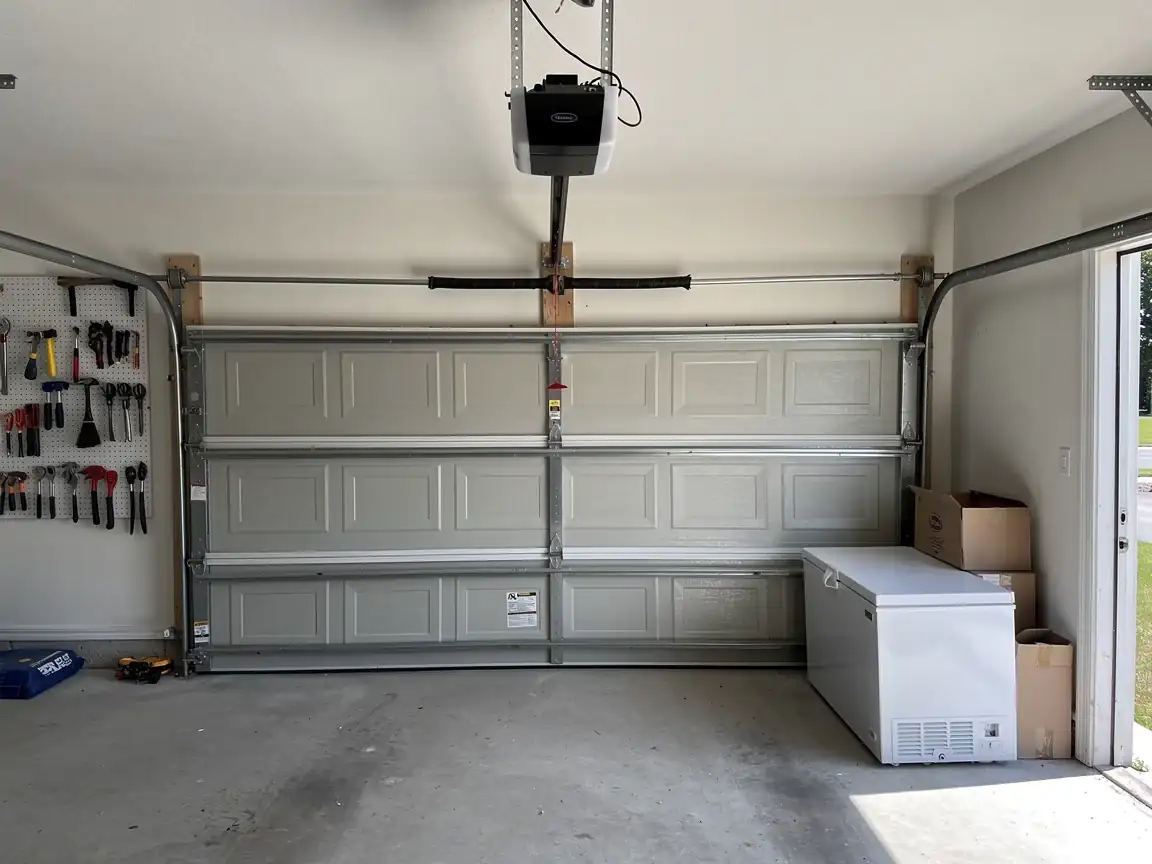
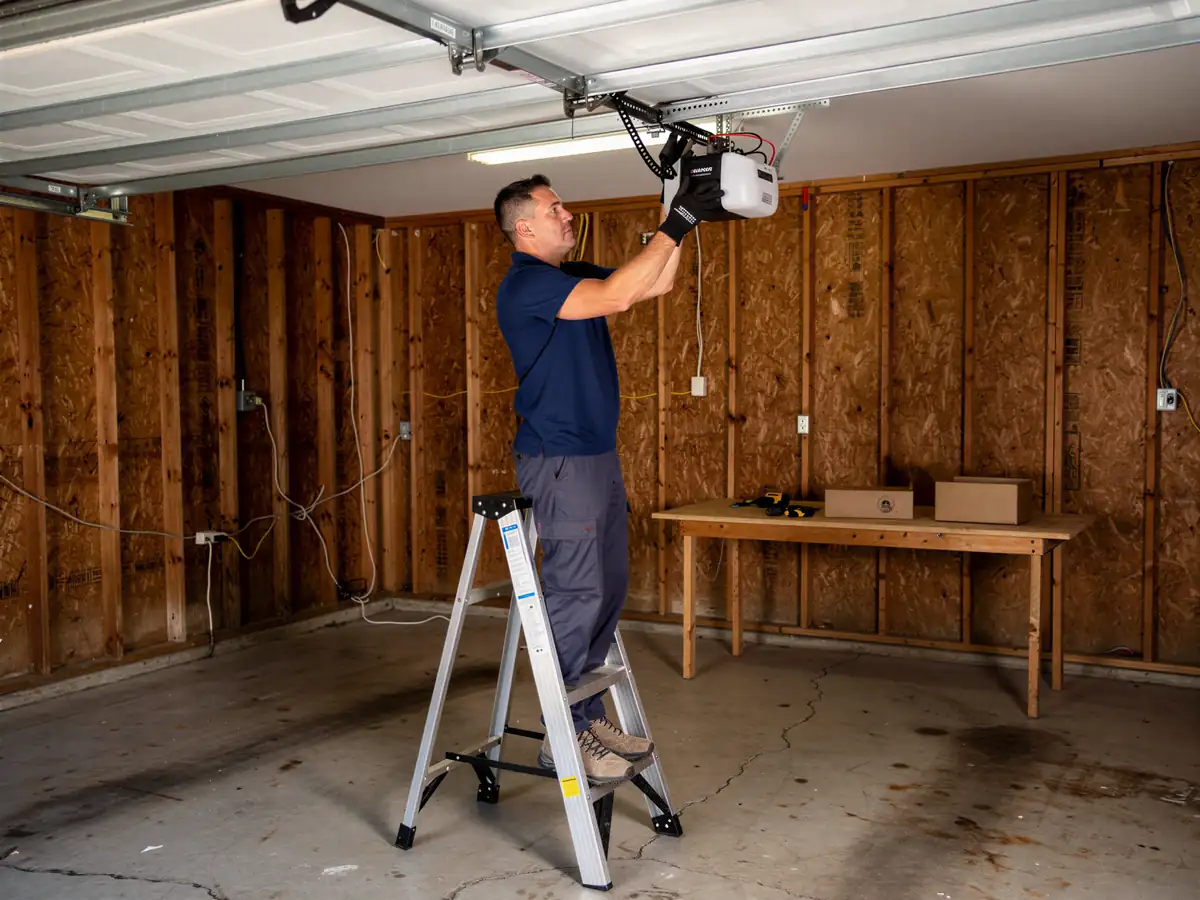
Back when a garage door opener meant a chain-drive unit bolted to a 1/3-horsepower motor and a light-duty logic board wired for a single bay. A lot of those original doors got widened or doubled over the years, but the opener hardware underneath often stayed close to what the builder put in. That means the parts we see failing here are predictable: worn sprockets, cracked drive gears, tired capacitors, and logic boards that can't hold a signal once humidity gets into the housing.
We carry replacement sprockets, drive gears, safety-sensor eyes, and standard logic boards on the truck because they're the parts that go first on openers this age
What we don't keep on hand is the exact circuit board for every obsolete model - some of those went out of production decades ago, and if yours is one of them, we'll tell you straight that a new opener costs less than hunting down a discontinued board. That's not us upselling; it's the honest math on a part nobody manufactures anymore.
Newer belt-drive conversions are common in Lake Lorraine too
Especially where the opener's already been swapped once. Those use different rail hardware entirely, and we stock that line separately.
What You Pay
We don't quote opener repair costs over the phone sight unseen, because a bad capacitor and a dead logic board look identical from the driveway - one's a short visit, the other means a part has to come off the truck or get ordered. What we can tell you is what drives the number: whether it's a sensor or wiring fix versus a motor or board swap, whether your unit is a 1979-era chain-drive or a newer belt-drive, and whether the part is something we stock or something that has to be sourced for an older model.
Lake Lorraine's median household income runs higher than the wider Niceville service area, and we see that reflected in the calls - more homeowners here opt to replace an aging opener outright rather than keep nursing along light-duty hardware from the original build, once a repair starts looking like the second or third one on the same unit. Neither path is wrong. A $40 sensor fix on a sound motor is worth doing. Patching a dying logic board on a 45-year-old chain-drive unit for the third time usually isn't, and we'll say so before we take your money for a repair that won't hold.
How We Fix It
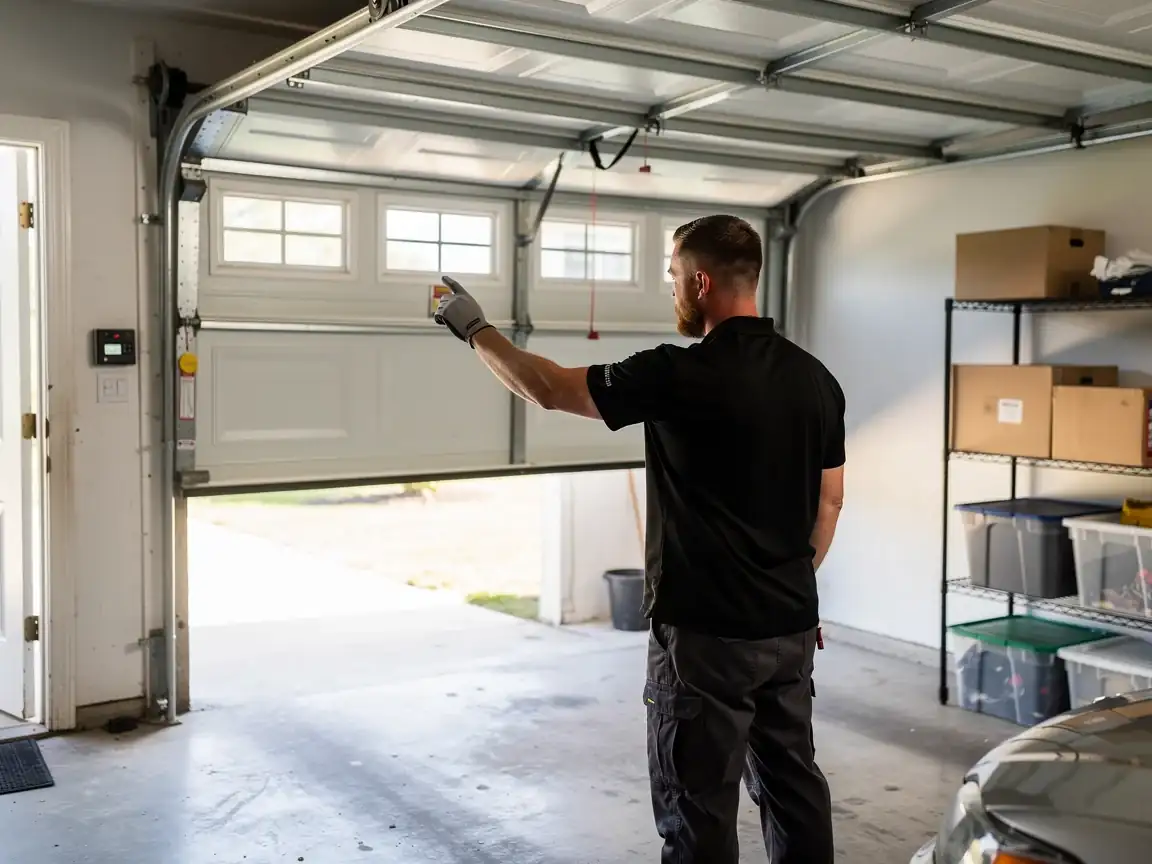
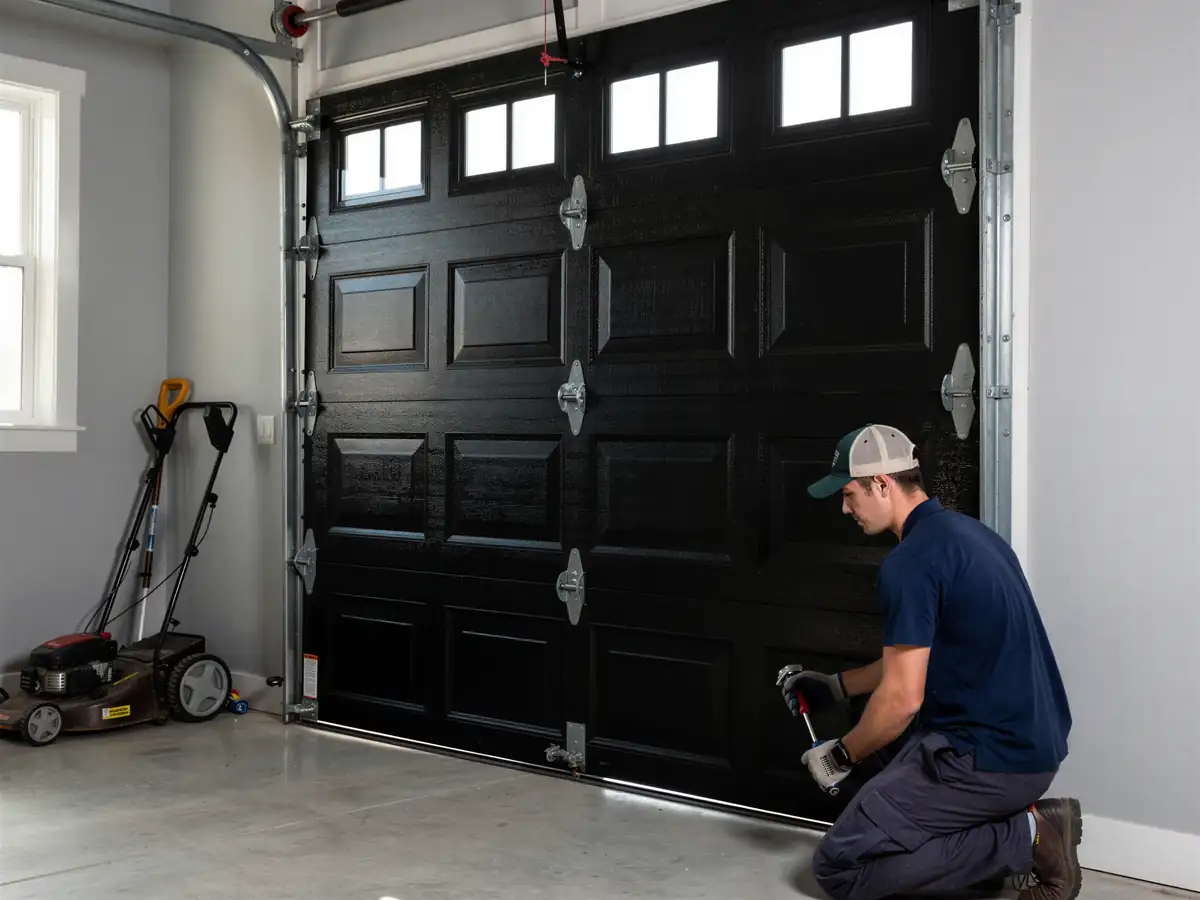
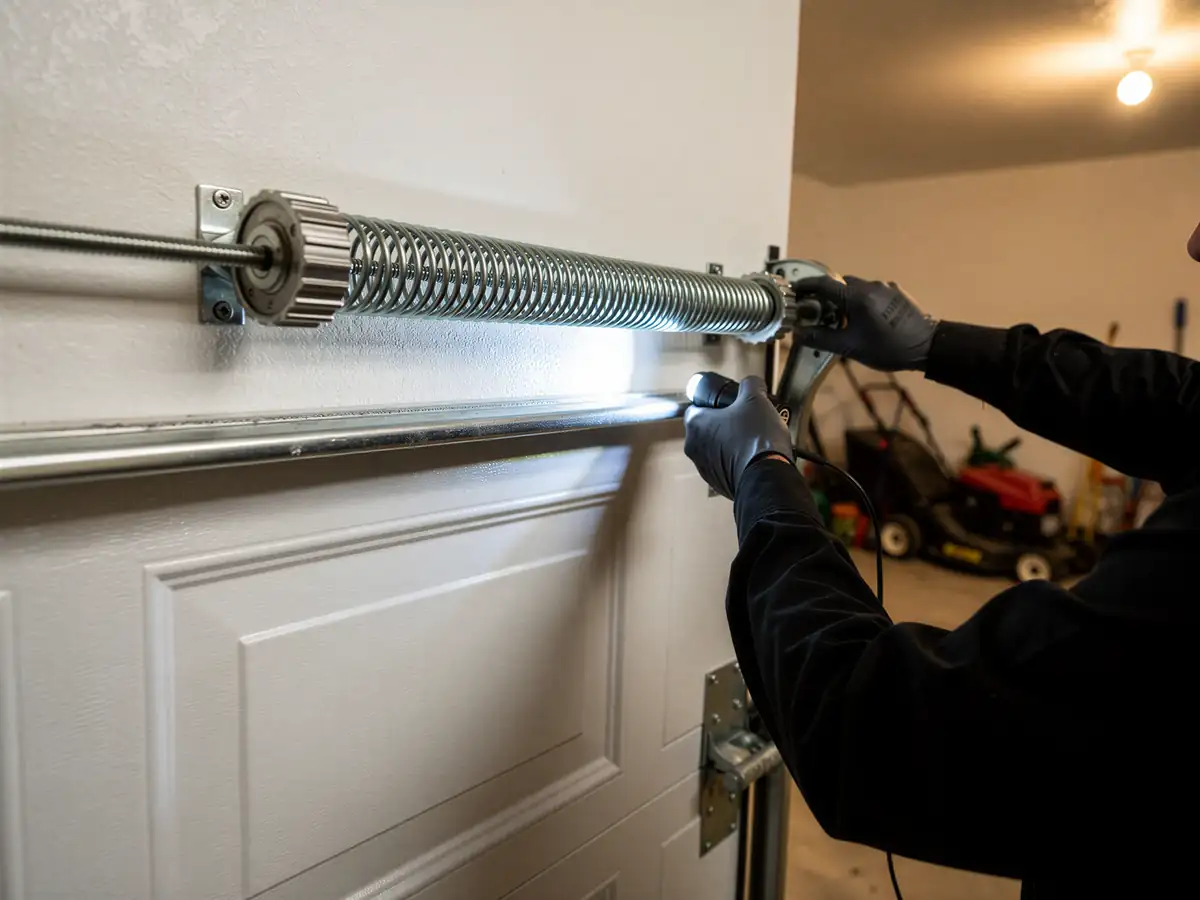
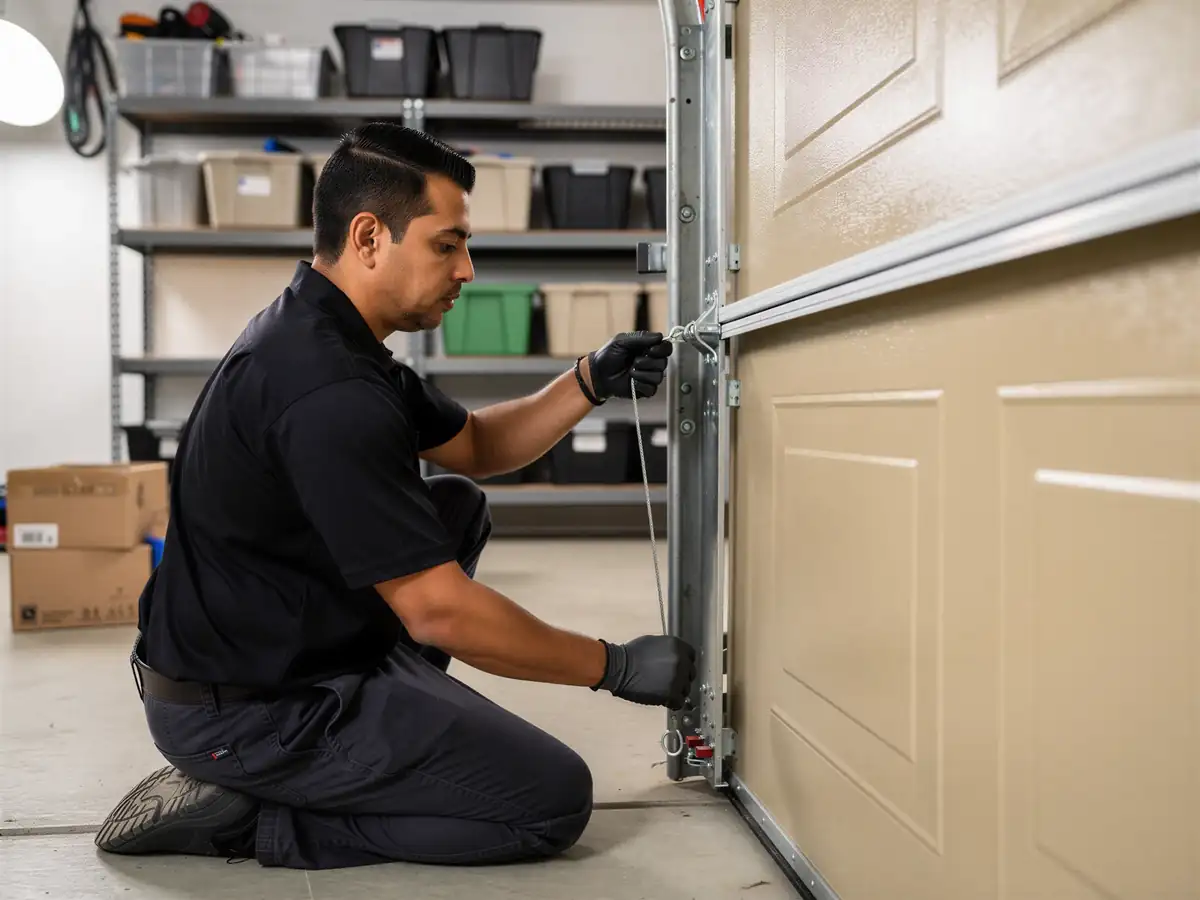
We come out from Niceville, about 8 miles up the road, so the first thing we do on site is cycle the door by hand and by opener to separate a door problem from an opener problem - a dragging track or a spring that's lost tension will make an opener strain and trip out even when the opener itself is fine. Once we've isolated it to the opener, we check the obvious failure points first: safety sensor alignment, wiring at the wall switch, the capacitor, and the drive mechanism itself.
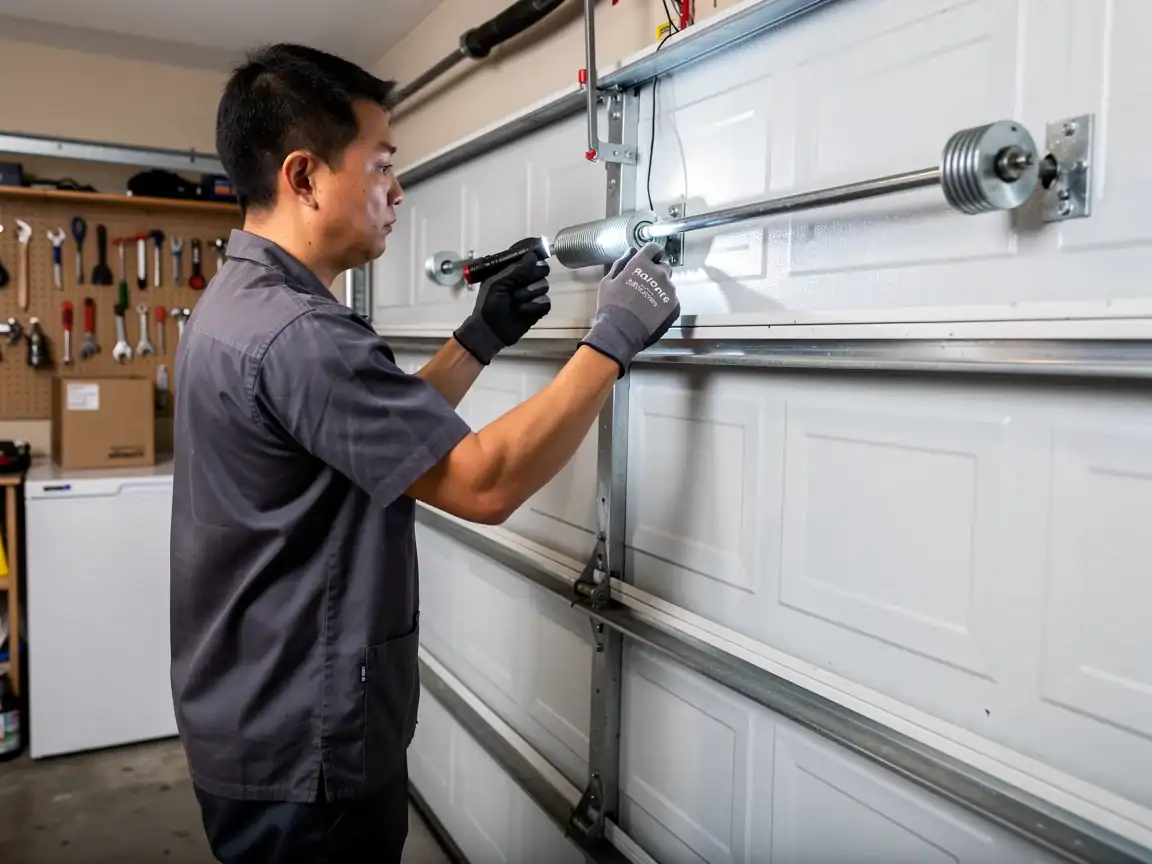
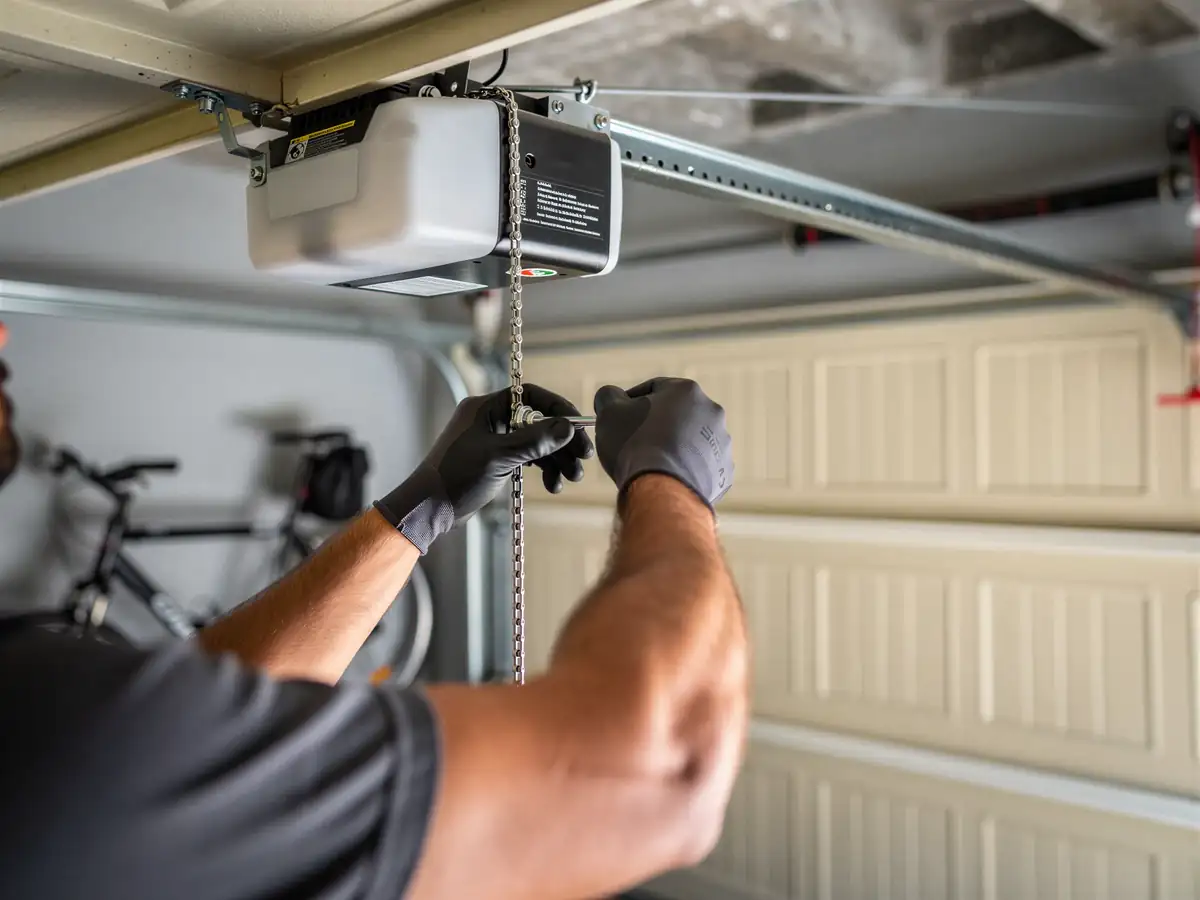
For the chain-drive units common in Lake Lorraine's 1979-era housing, that often means pulling the cover to inspect the sprocket and the drive gear, since both wear down from decades of the chain riding on the same teeth. If the logic board's the problem, we test it against a known-good board before condemning it, because a board that looks dead is sometimes a wiring or sensor fault pretending to be one. We don't guess at parts and replace them on spec; we confirm first, quote second, and only then pull the trigger on the fix.
The DIY Question
Some of this is fair game to do yourself
Reprogramming a remote, replacing a worn weatherstrip, or re-aiming a safety sensor that's gotten knocked out of line - those are five-minute jobs with no real risk. If your opener's working but noisy, lubricating the chain or checking the rail for binding is worth trying before you call anyone.
Where we'd tell you to stop is the motor housing and the logic board
Those circuit boards, especially on the older chain-drive units that are common in this part of the service area, carry line voltage and don't take kindly to being opened up by someone without the right meter and the patience to test before swapping. In the Panhandle's mild climate with occasional freeze nights, it's humidity more than cold that kills these boards, and a board that's already compromised can fail in ways that aren't obvious until the door drops unexpectedly. If you've gotten past the sensor and the remote and you're still stuck, that's the point to stop troubleshooting and make the call.