Stocked Parts
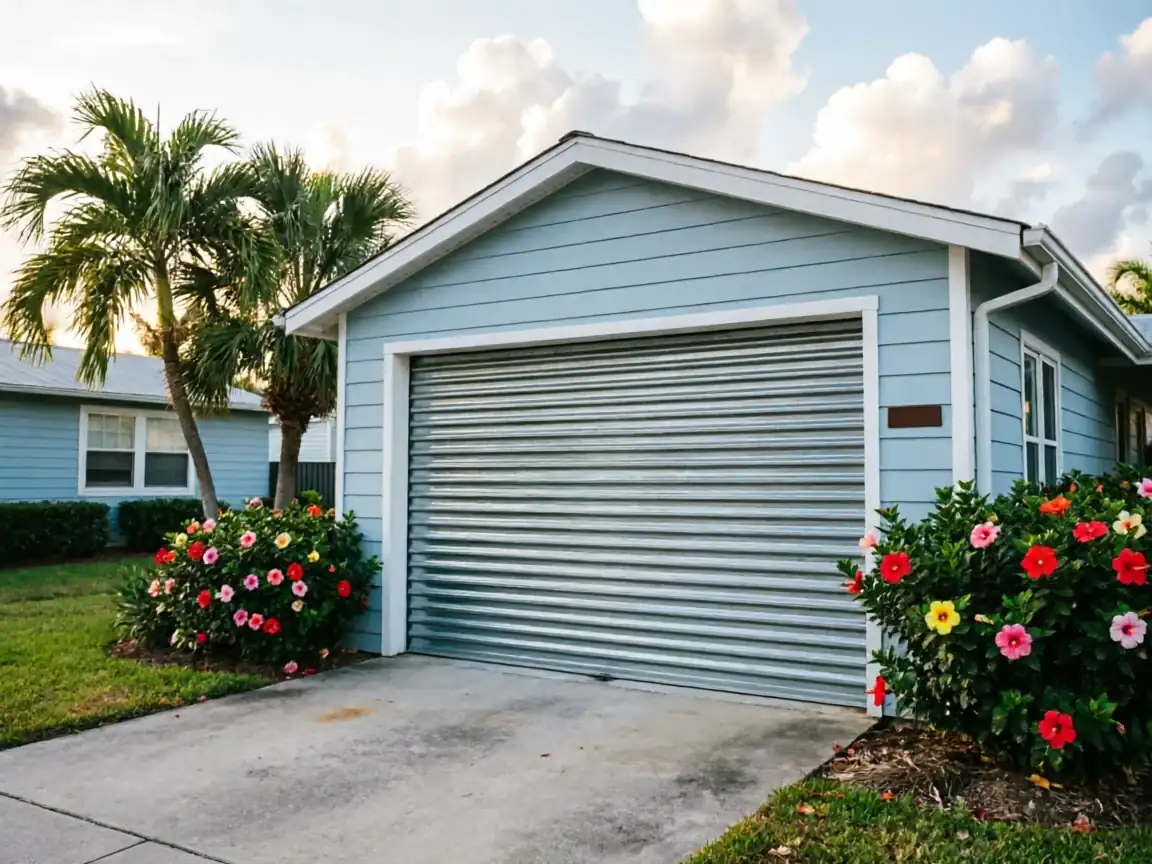
Most garages in Lake Lorraine went up around 1979
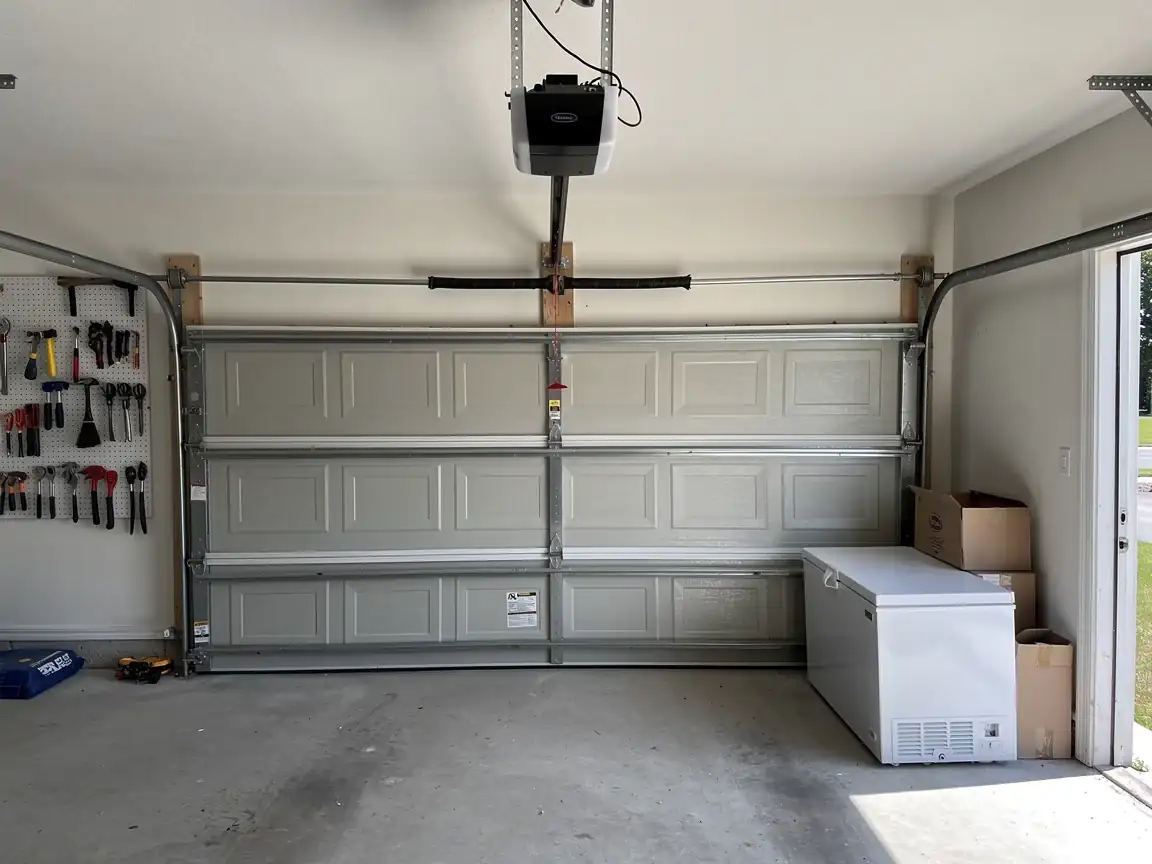
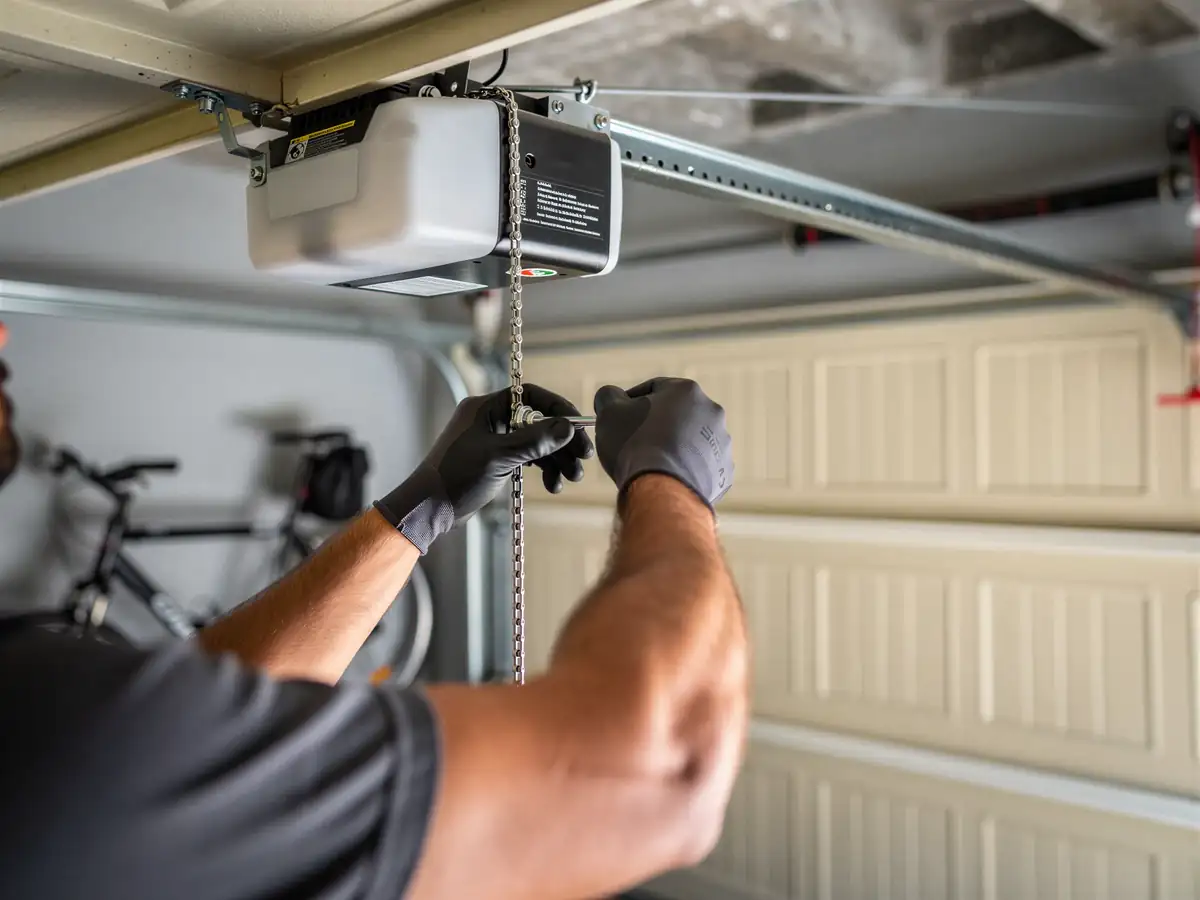
And the door on that garage is usually a single-layer steel panel on a standard-lift track, light enough that the builder's original opener only needed a third-horsepower motor to move it. That's the baseline we size against. If your door is still the original weight, a chain-drive opener in that range is often all the track and header can take without adding reinforcement. Where a homeowner has since swapped in a heavier insulated door, we move up to a half-horsepower belt or screw drive and check the header bracket before we commit to it.
We carry logic boards, drive belts, chains, and trolleys for the handful of opener brands that show up most in this part of the county
Along with wall controls and safety sensor pairs. What we don't keep on the truck is anything built for a commercial or oversized residential door - those parts get ordered ahead once we've seen the opening. With 2,945 households in Lake Lorraine, most garages here are sized the same way, so stocking for that range covers the large majority of calls without a special order.
- 2,945 households
What You Pay
We don't quote a number here because the job price depends on what's already in your garage - the door weight, whether the wiring is already run to the right spot, and whether you want battery backup or a smart wall control added. What we can tell you is what drives the cost up or down on a typical Lake Lorraine install: doors still at their original 1979-era weight cost less to motorize than a door that's been replaced with a heavier insulated panel, because the lighter door lets us use a smaller, cheaper opener and skip reinforcing the header.
Median household income in this part of the service area runs higher than the county average, and we see more owners here choosing the belt-drive upgrade for the quieter motor rather than sticking with the base chain unit - that's a preference call, not a requirement. Ask us for a number once we've looked at your door in person; we're not going to give you one blind over the phone.
How We Fix It
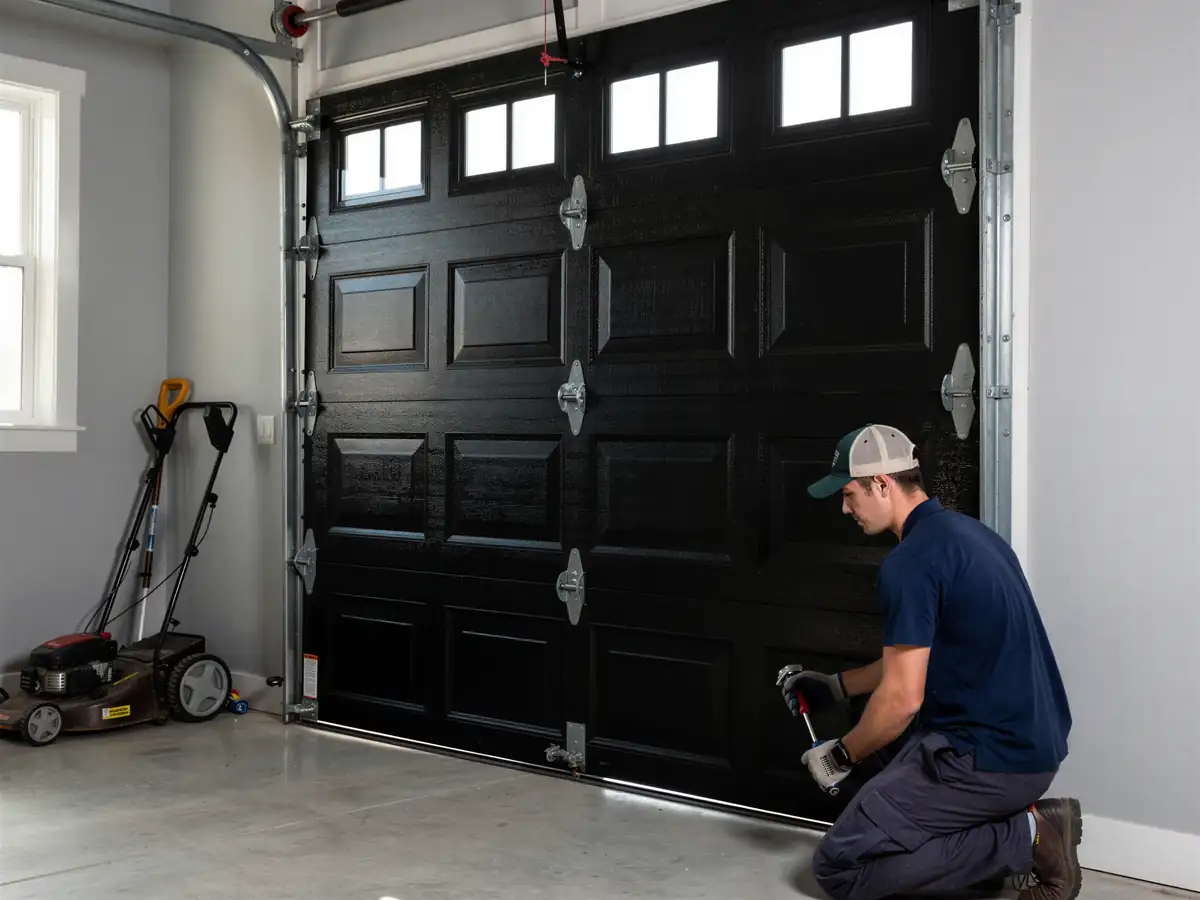
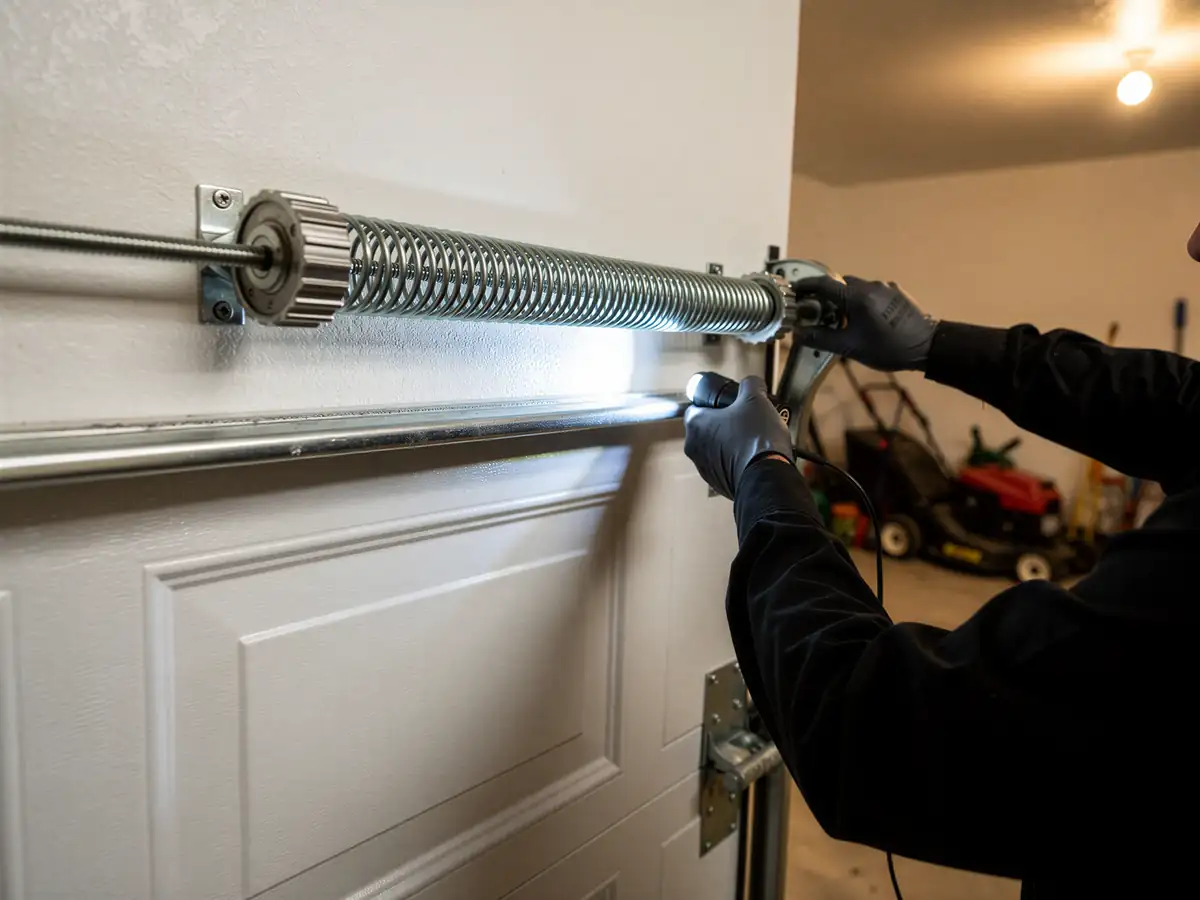
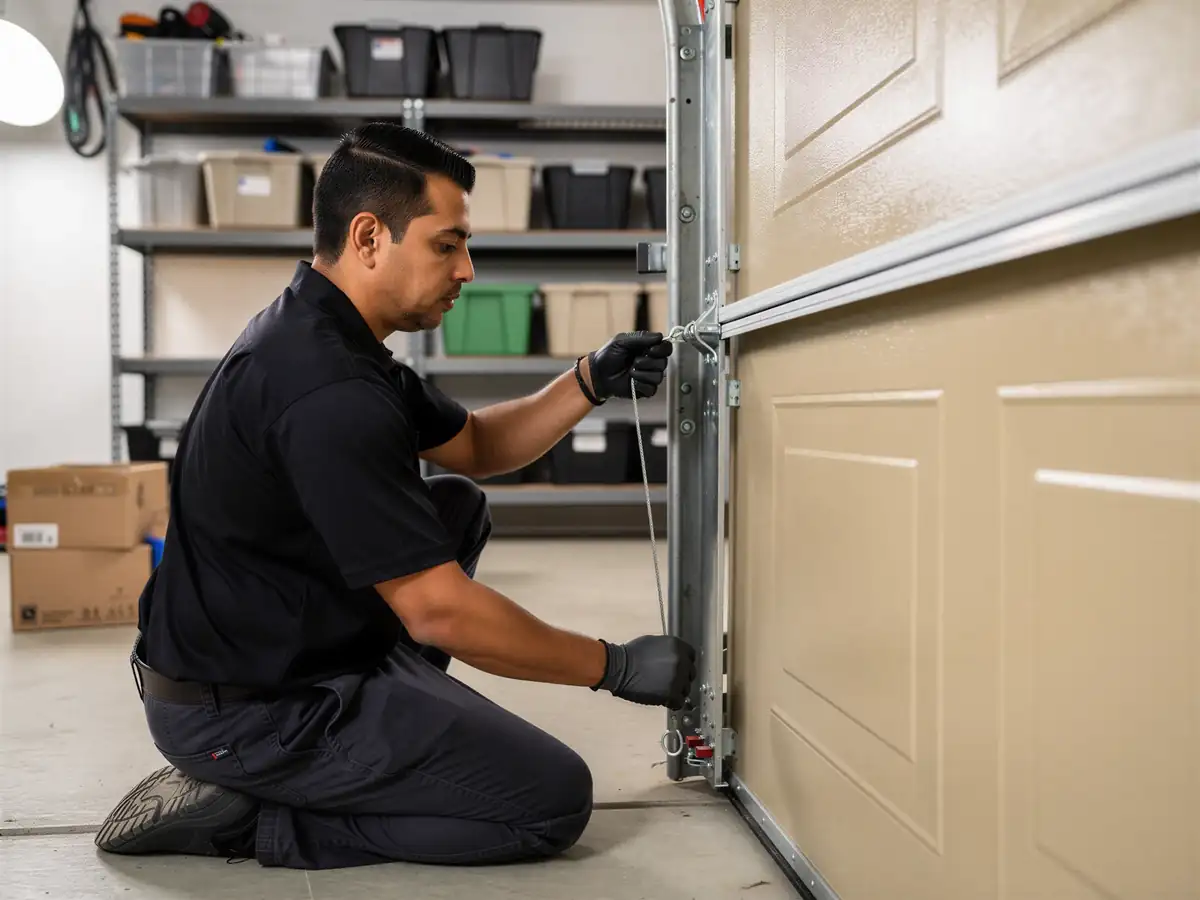
We run the 8 miles out from Niceville with the opener, rail, and the sensor and wiring kit already matched to what we expect to find on a house this age - that saves a second trip in most cases. On arrival we check the door's actual weight and balance before we bolt anything to the header, because a door that's drifted out of spring balance over 40-some years will overwork a brand-new opener and burn it out early regardless of how good the motor is.
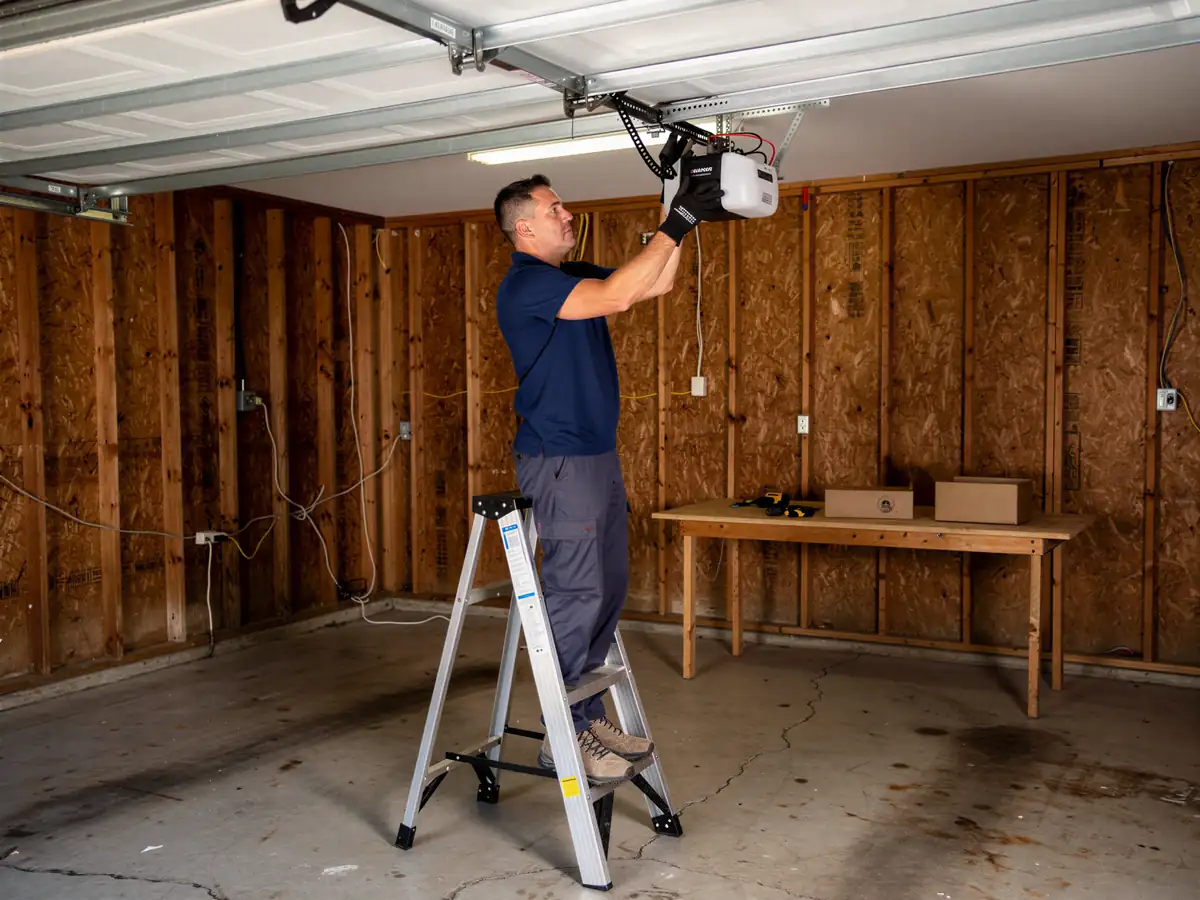
Once the door is balanced, we mount the rail, set the travel limits, pair the sensors, and program the remotes and keypad. Lake Lorraine sits in the mild end of the Gulf Coast climate band, with occasional freeze nights rather than sustained cold, so we don't spec anything beyond standard weatherproofing on the drive unit - no heated housings, no special lubricant swap. We test the auto-reverse safety function before we leave every time, not as an upsell, as a non-negotiable step.
The DIY Question
Mounting an opener bracket and running a remote program yourself isn't hard
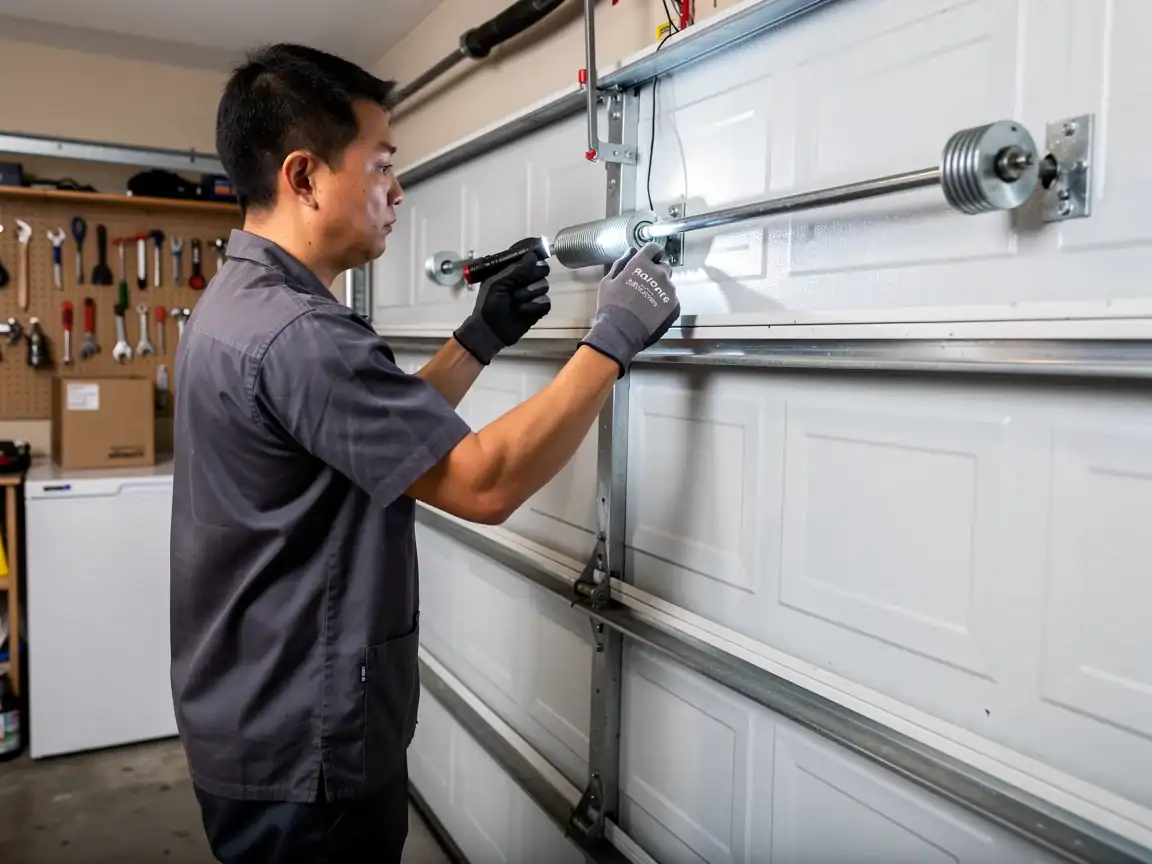
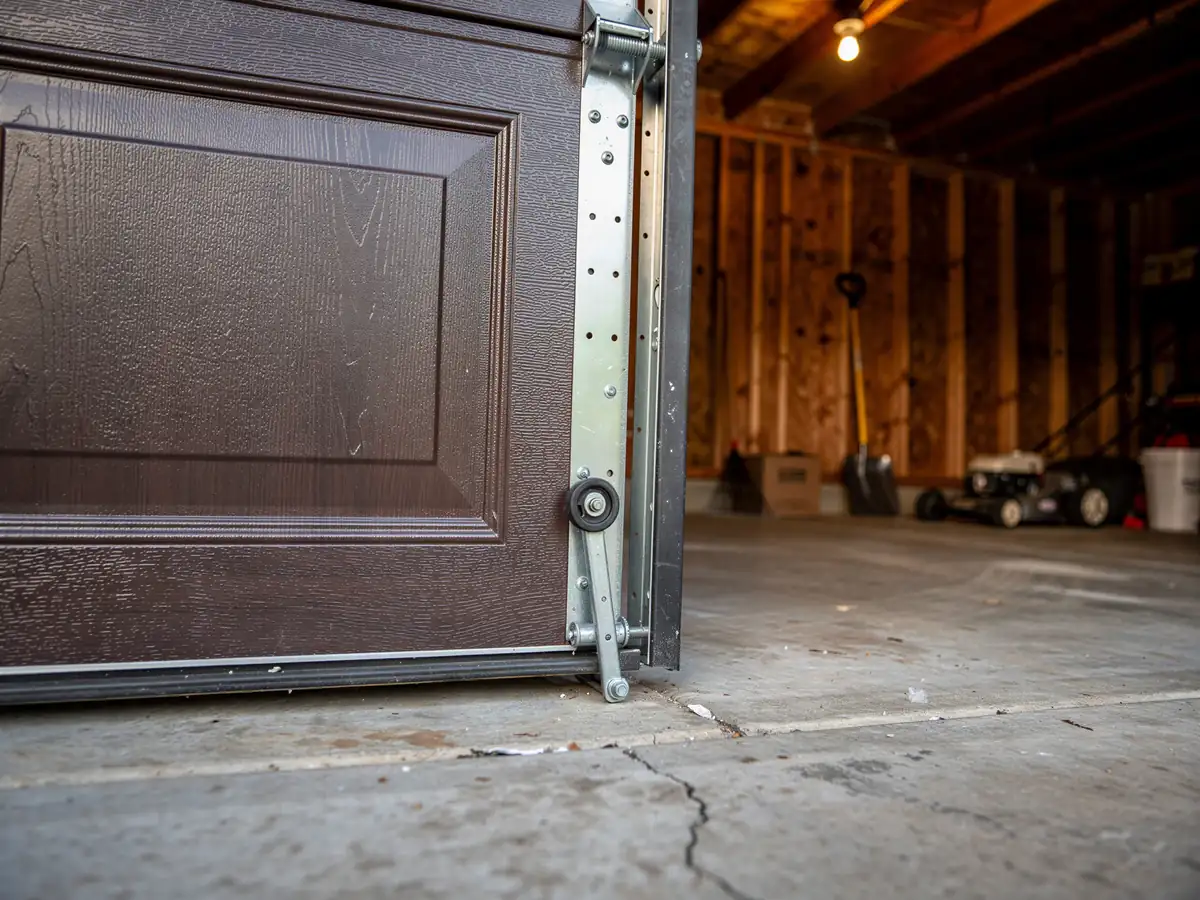
And plenty of handy owners do that part fine. Where we tell people to stop is the spring and cable work that has to happen first on an older door - if your door hasn't been rebalanced in years, bolting a new opener to an unbalanced door just transfers the strain to the new motor, and that's the single most common reason we get called back out to a brand-new install that's already grinding.
Our honest limitation
We don't install openers on doors we haven't inspected first, even if you already own the unit. We've seen too many good openers burn out in six months because nobody checked the door itself. If you've already bought a unit and just want it hung, bring us in for the balance check at minimum - it's a short visit and it protects the motor you just paid for.