The DIY Question
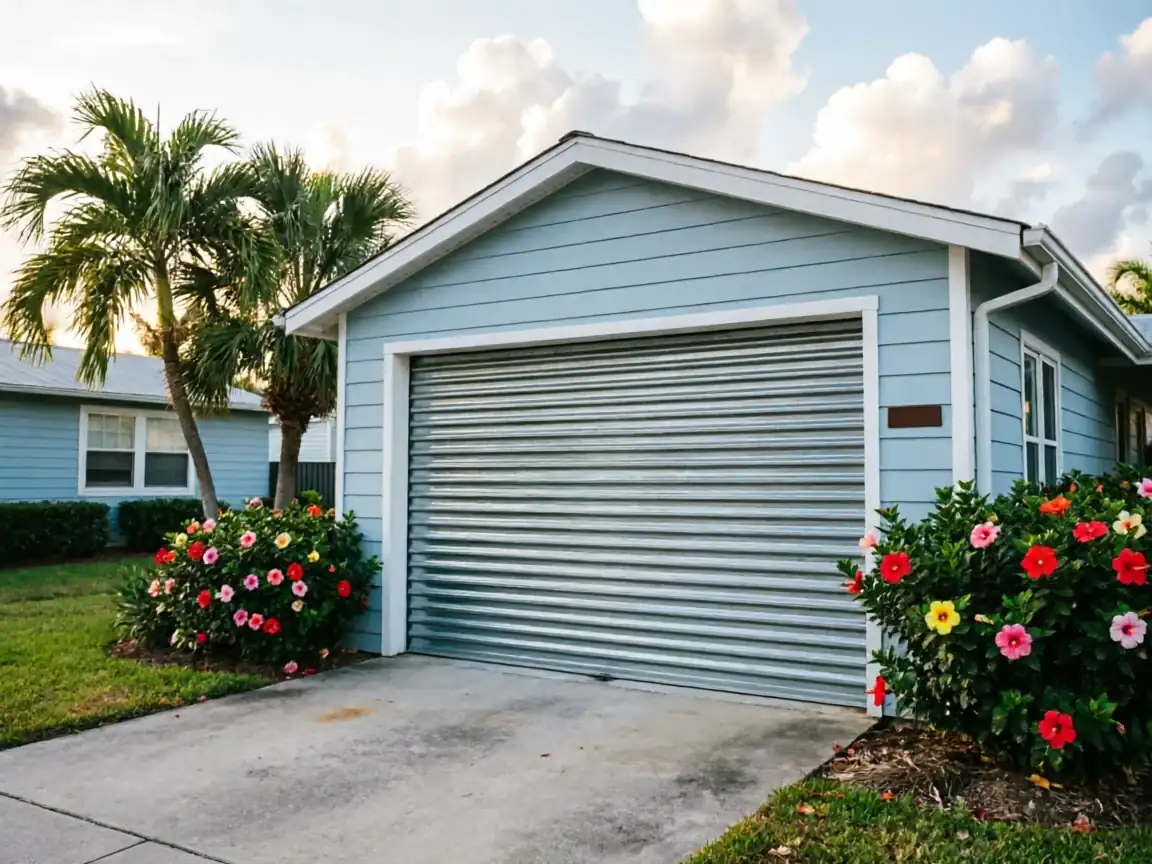
Most garages in Mary Esther went up around 1973
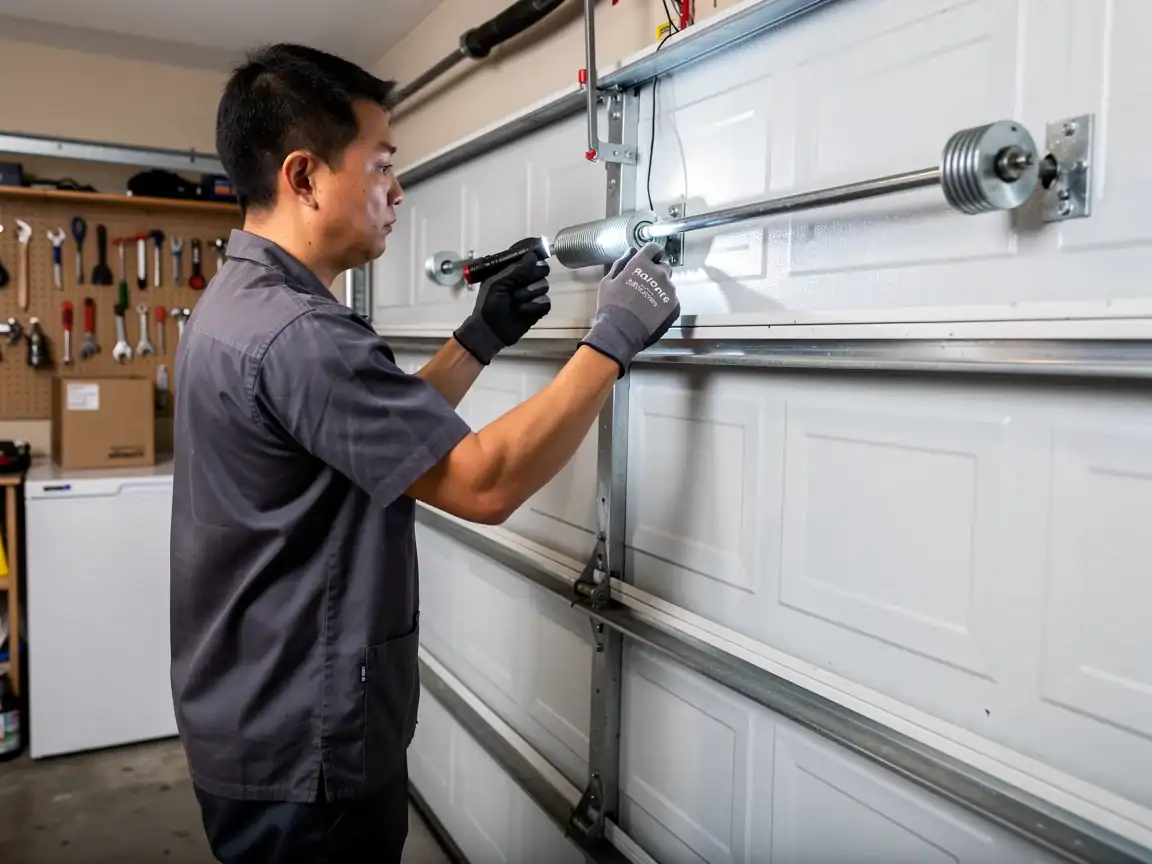
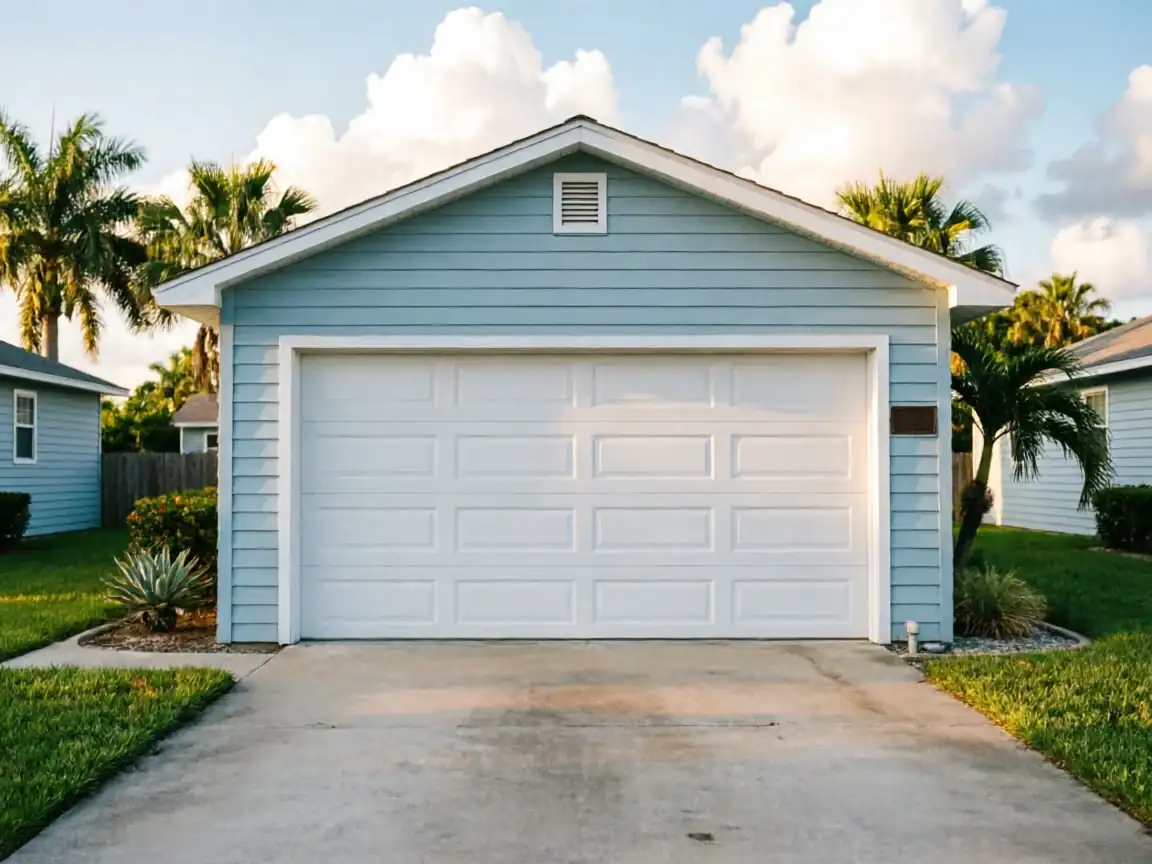
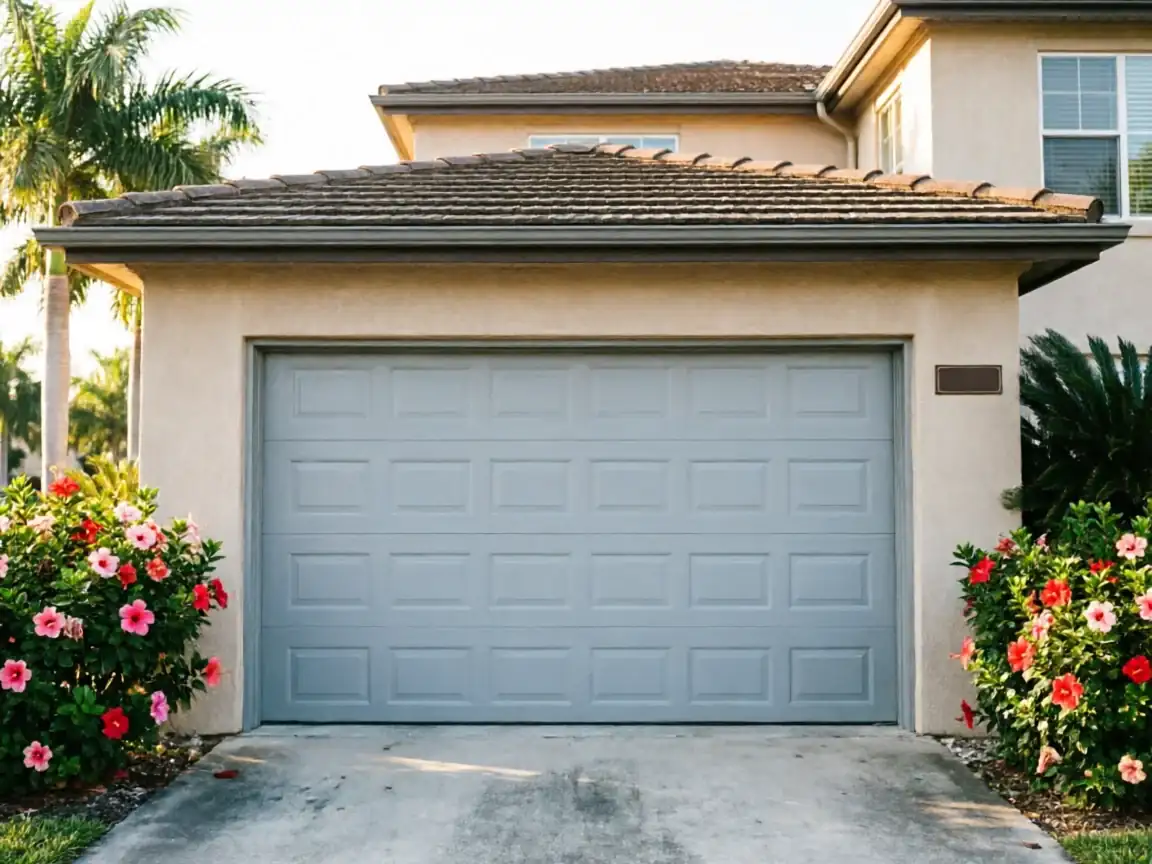
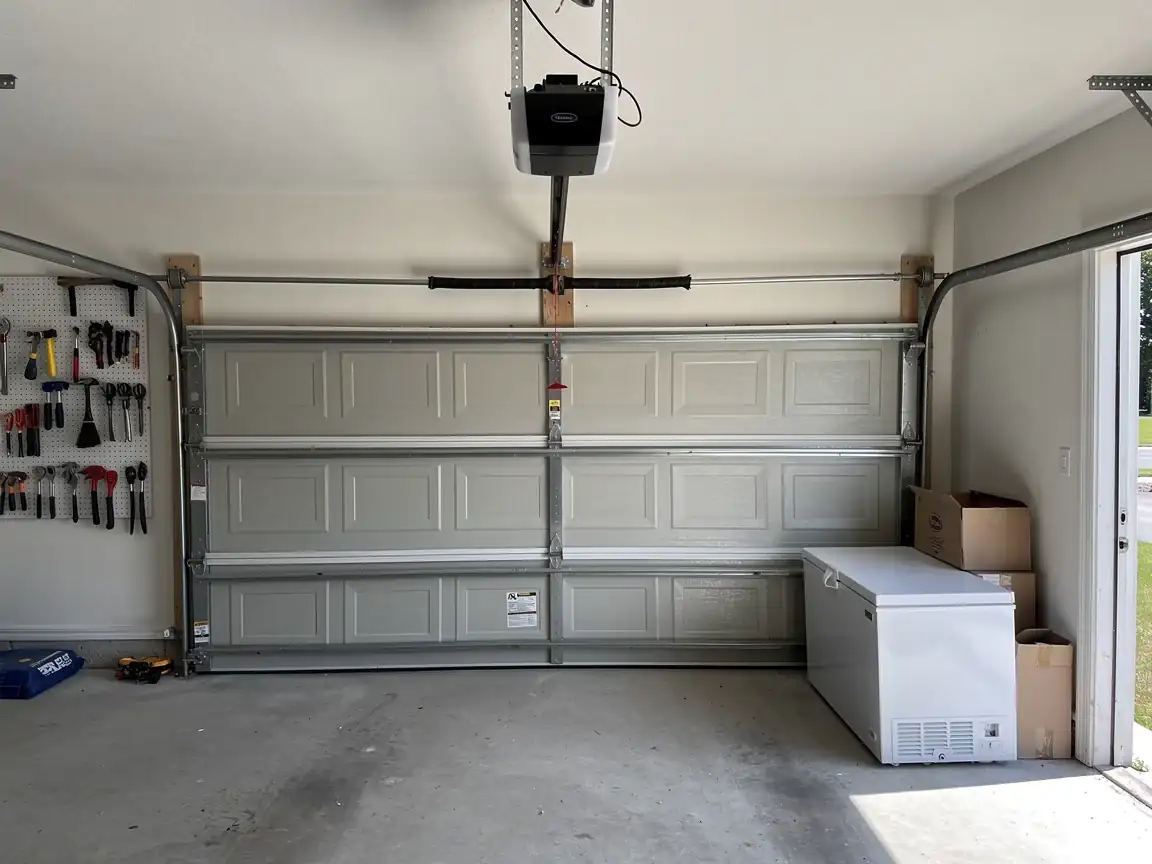
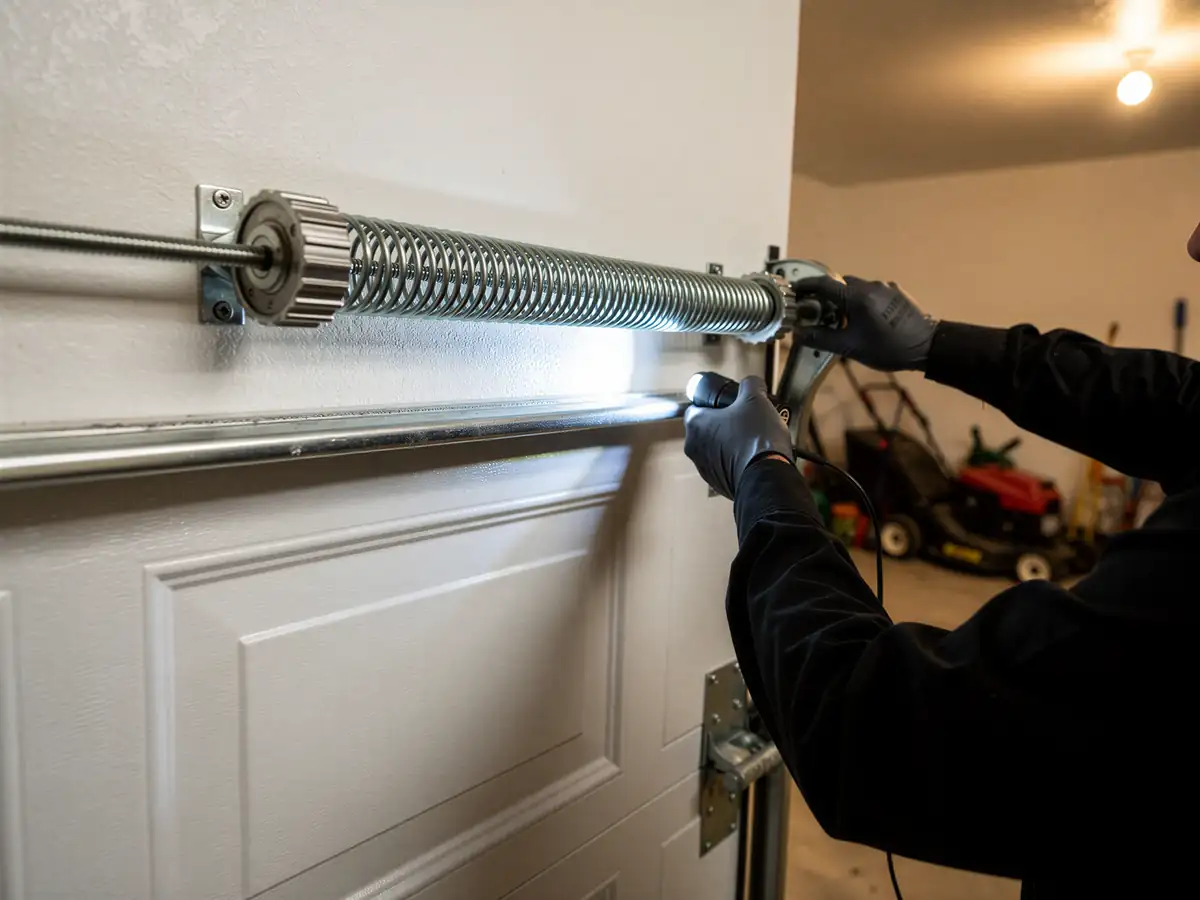
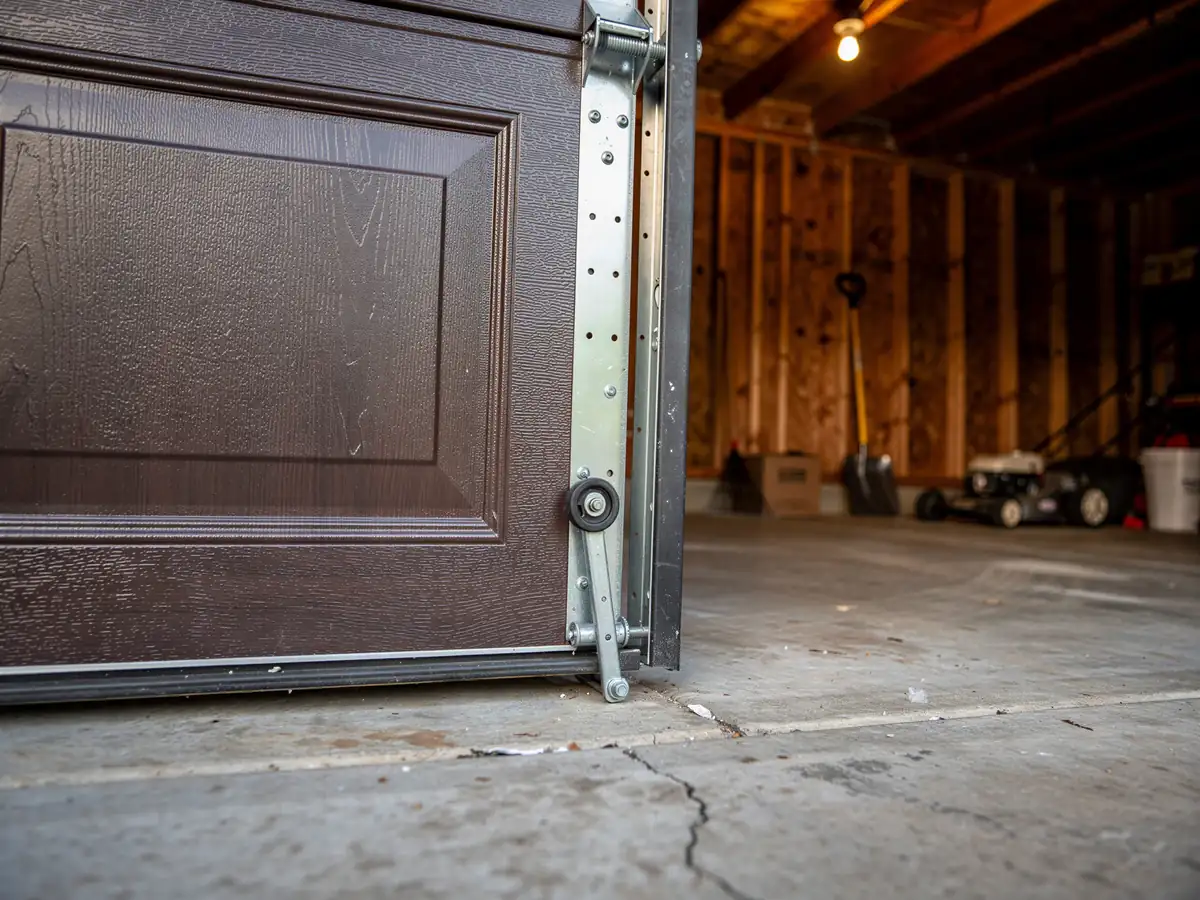
Which means the door hanging in front of you is probably a steel sectional, two-car width, running on galvanized aircraft cable wound around a drum at each end of the torsion shaft. That's the standard setup from that build era - nothing fancy, nothing custom, but also nothing that was built to last fifty years without the cable fraying or the drum groove wearing thin.
Here's why that matters for the DIY question
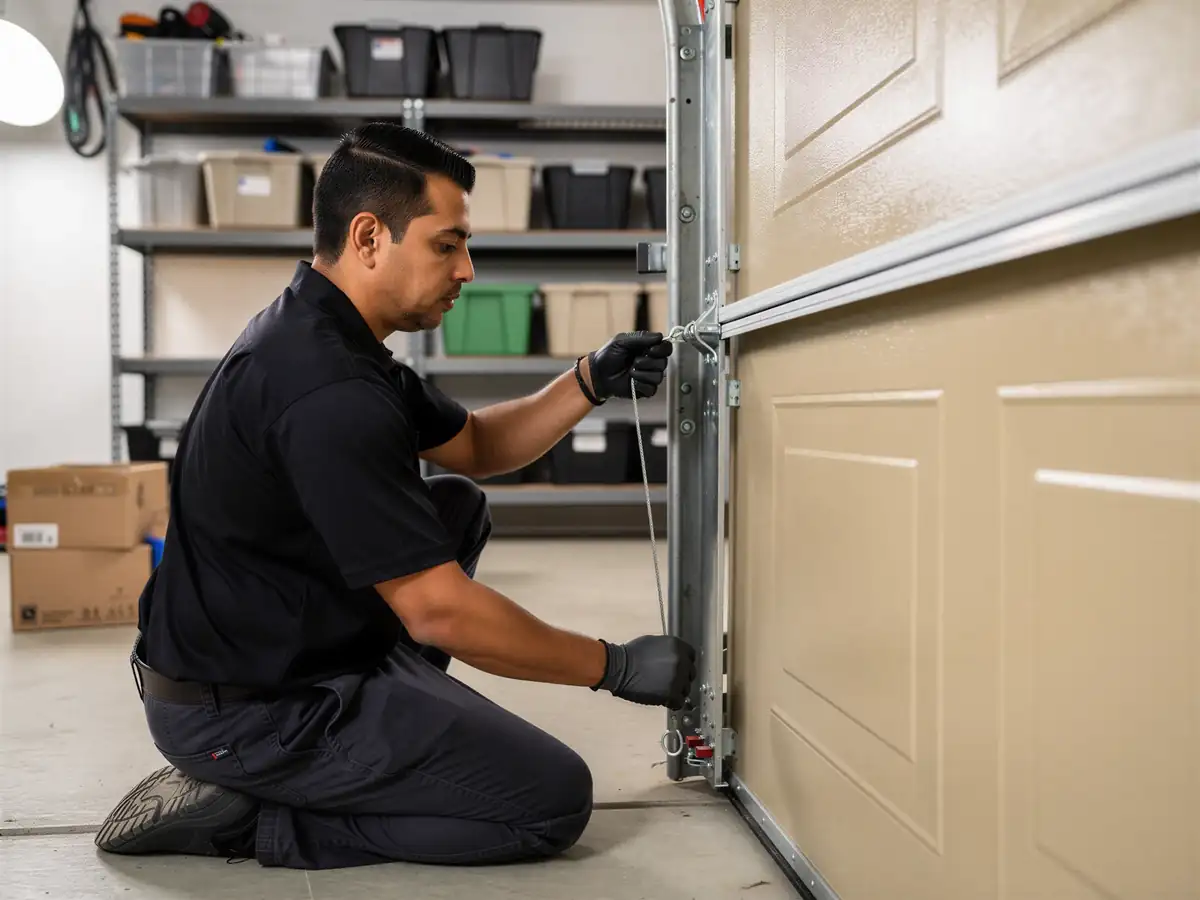
A broken or frayed cable on a door this size means the spring side is still under full tension even though the door looks dead. People get hurt trying to free a stuck panel or rewind a drum by hand, because the stored energy in that torsion spring doesn't go away just because the cable snapped. If one cable is frayed, the other one on an original door this age is close behind it - they wear at close to the same rate.
We'll say the honest part plainly
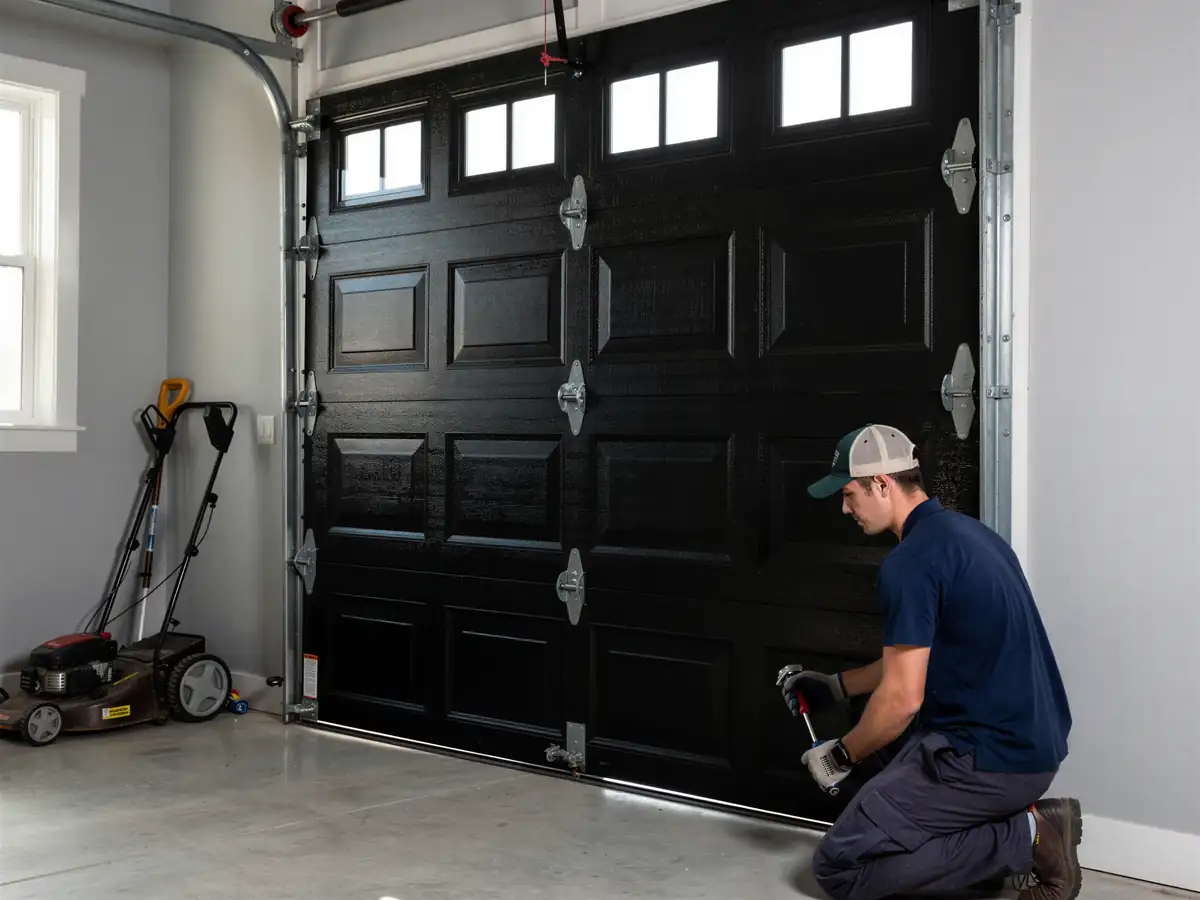
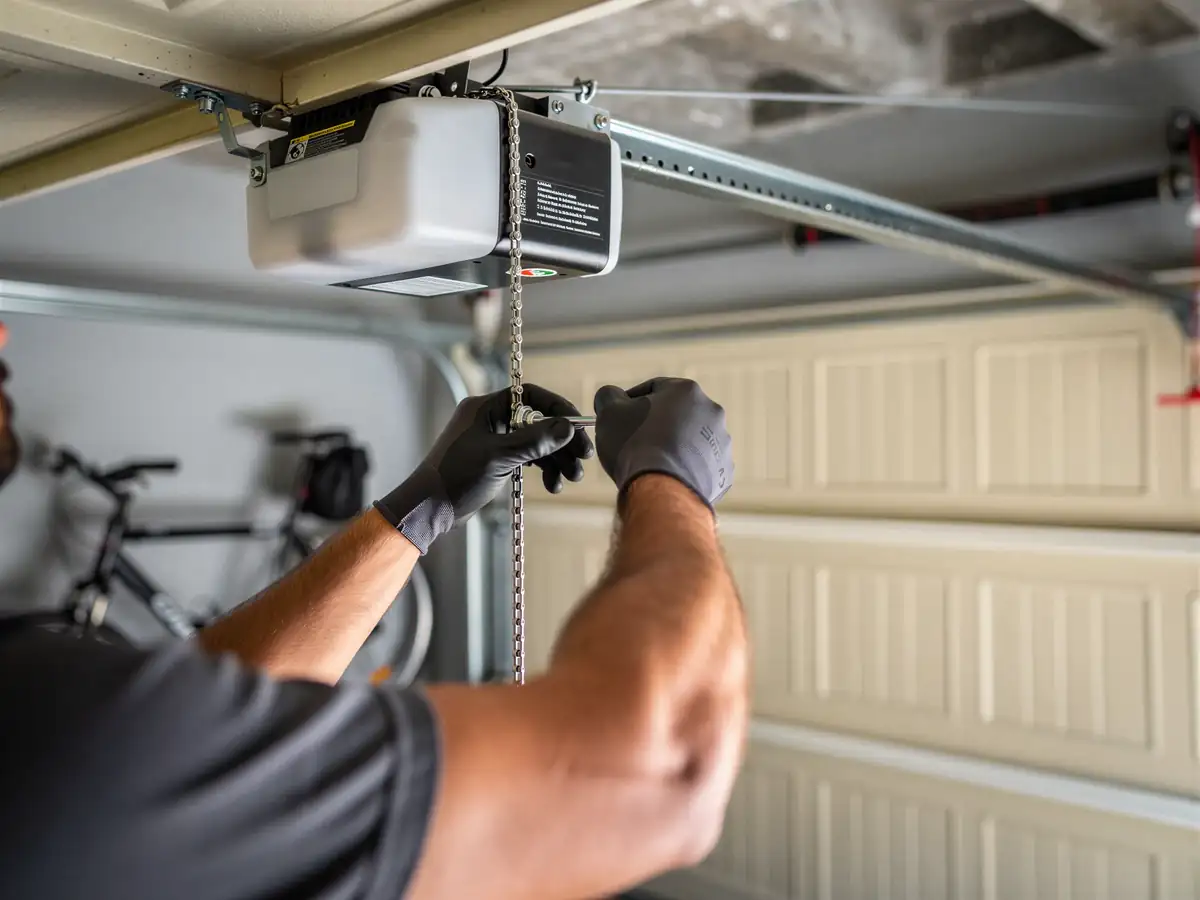
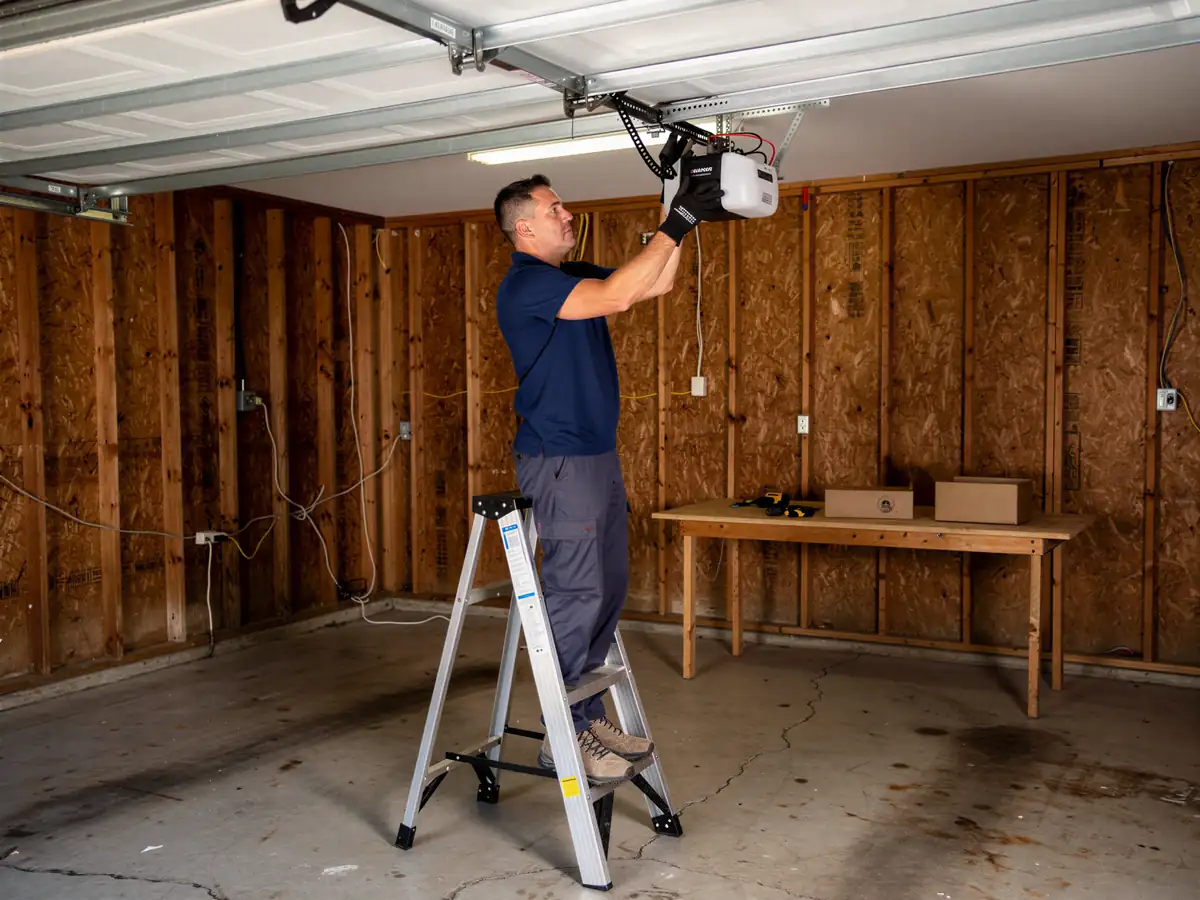
If you're comfortable with a ladder and a wrench, you can replace an opener's light bulb or tighten a loose track bracket. Cable work on a wound torsion spring is a different category of job, and it's the one place on these doors where guessing wrong costs a finger, not just a return trip.
Where This Job Goes Sideways
With roughly 1,622 households in Mary Esther, the stock of original 1970s torsion hardware still on these doors is a known quantity, not a guess - we see the same drum style and the same cable gauge on call after call out this way. The mild climate here still cycles through enough freeze snaps to crack brittle vinyl cable coating that was fine in the summer heat, and once that coating splits, the strands underneath start corroding from the inside where you can't see it until it lets go.
The other place this goes wrong is the drum itself. On a door this age, the cable groove wears unevenly, and a replacement cable installed on a worn drum will just fray again in a season or two. If we're out there for a cable, we check the drum before we call the job done, because swapping one part and leaving the other to fail isn't a repair, it's a delay.
We don't replace parts that don't need it. If the drum and shaft are sound, we leave them - no sense selling a hardware kit onto a door that just needs two cables and a spring check.
How to Book
We run out of Niceville, and Mary Esther sits about 14 miles down the road, so we book these as scheduled appointments rather than same-hour drop-ins. That's not a knock on the job - it's just the honest shape of covering a service area this size from one base.
Start on the Mary Esther garage door repair page if you want the broader rundown of what we handle in this part of the area, or head straight to the cable repair page for Niceville if you want the full detail on how we approach a cable job before the truck even leaves the yard. Either way, tell us the door's age and whether it's a single or double - that's usually enough for us to guess the hardware before we arrive.
What You Pay
We don't post a flat number for cable repair here
Because the job splits two ways on a door this age: a straight cable swap on sound drums is one quote, and a cable-plus-drum job on worn hardware is another. At a median household income of $76,510, Mary Esther homeowners are not the group who buys a new door over fixing a cable, so our default is to repair the original hardware when it's still sound rather than push a full replacement.
- $76,510 median household income
What we can tell you without seeing the door
If both cables are original and one just broke, expect the other to be close behind it, and we'll flag that rather than let you pay for a second truck trip next year. We'll give you the actual number once we've looked at the drum and the spring, not before - guessing a price over the phone on hardware we haven't seen gets it wrong as often as it gets it right.