The DIY Question
The fault we see most in Mary Esther isn't a bent track or a dead remote
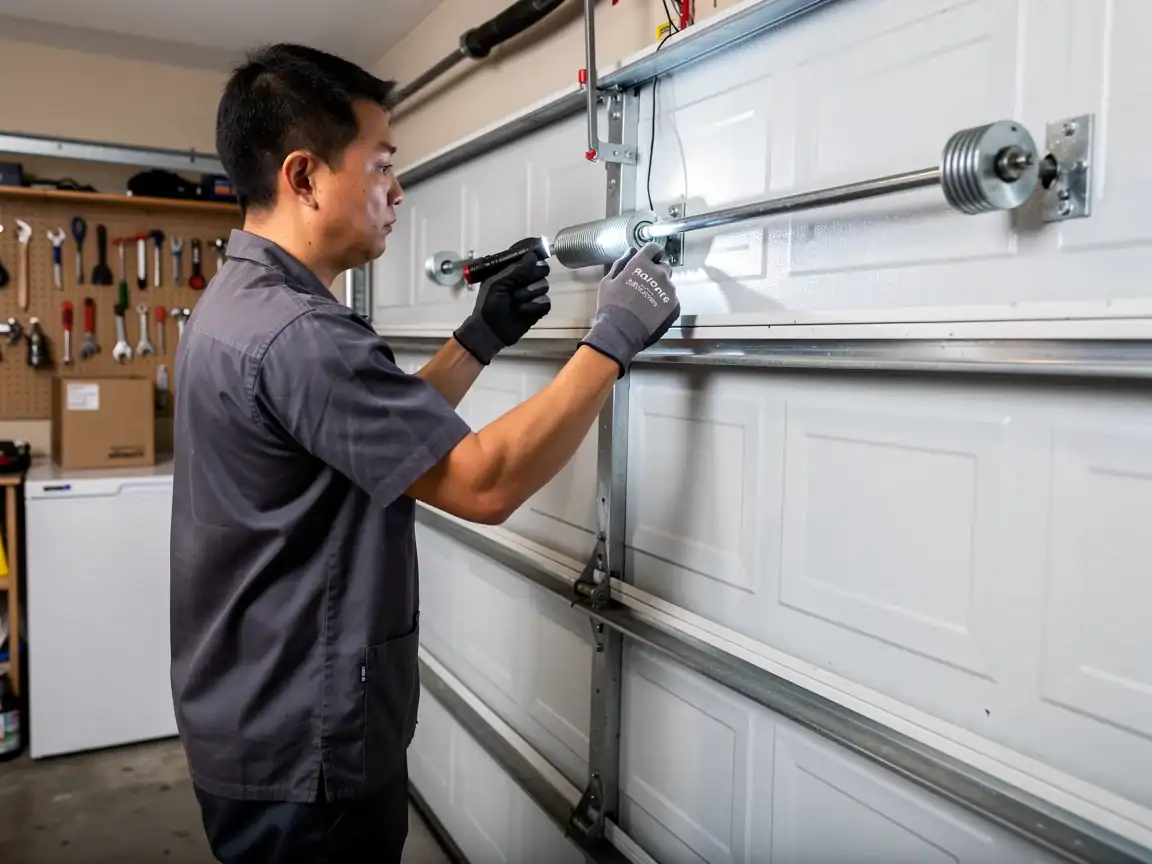
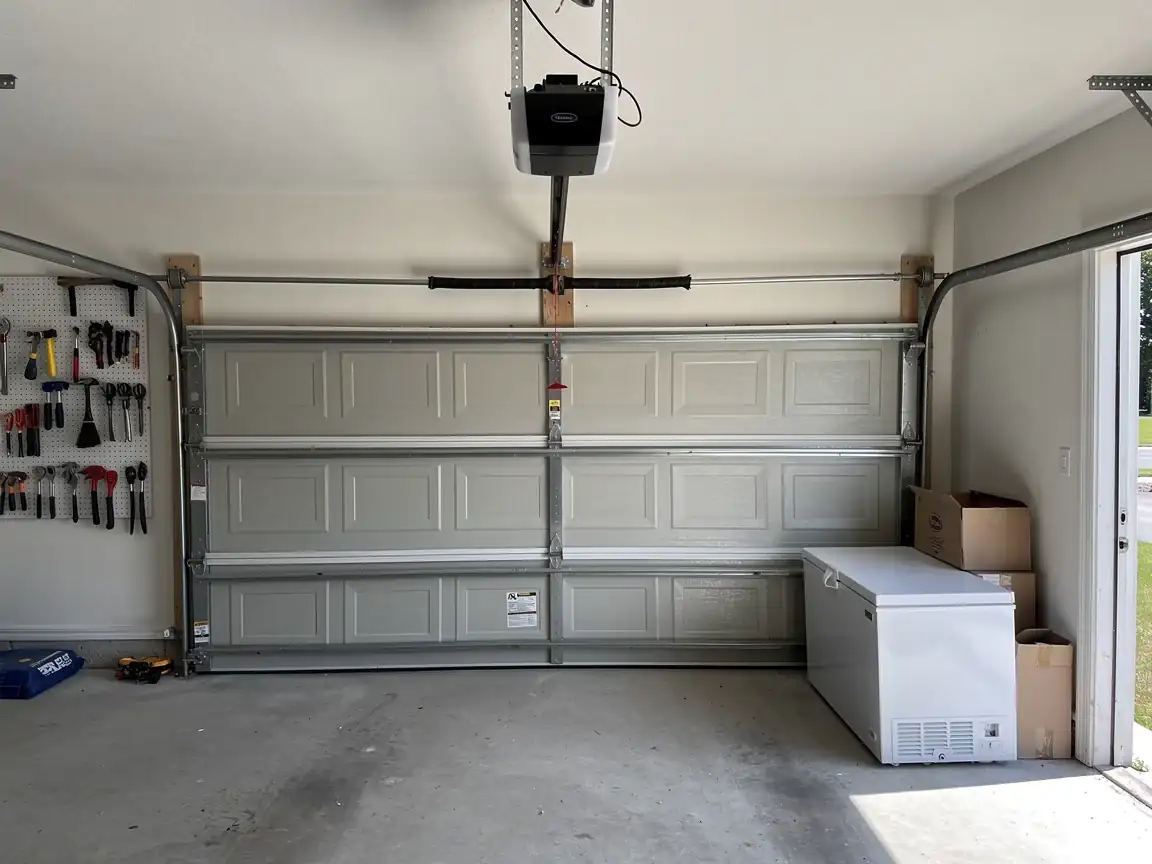
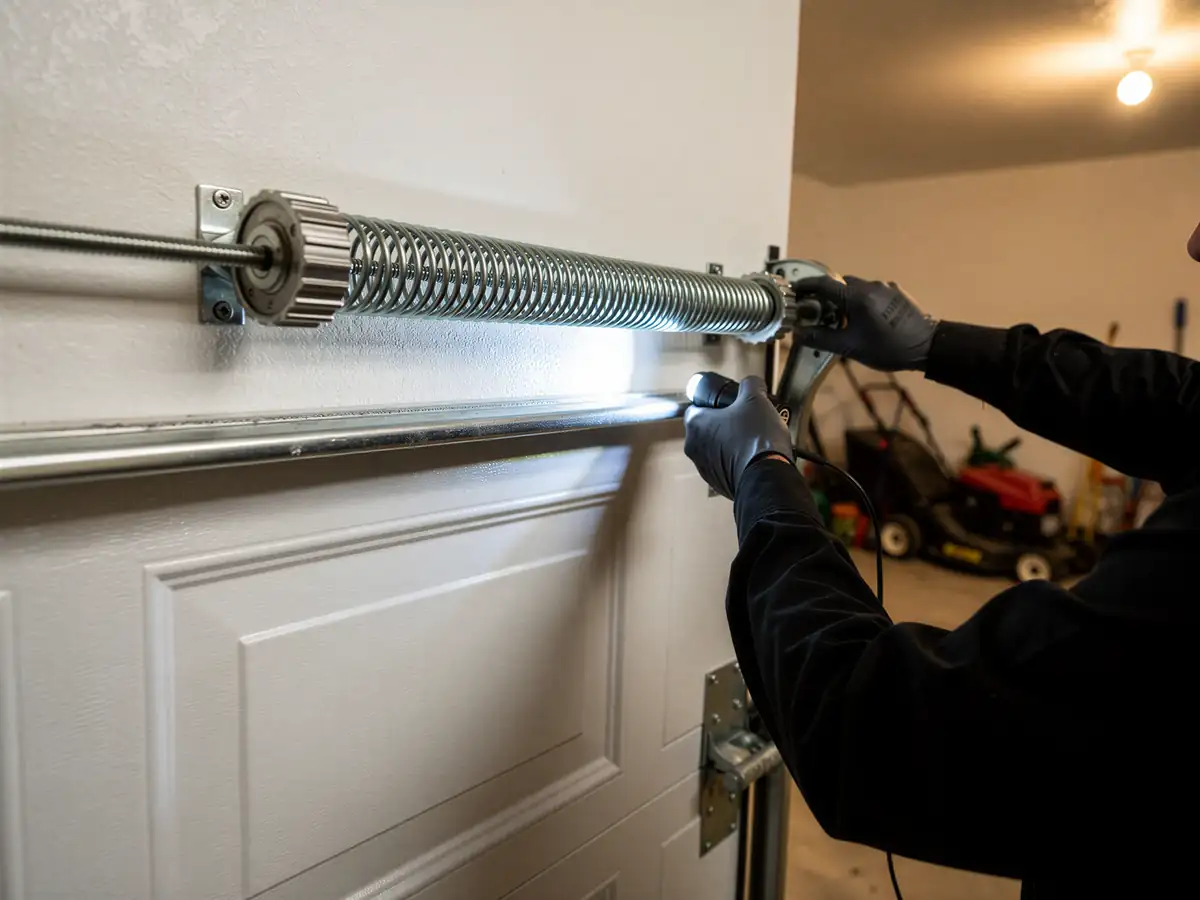
It's a torsion spring that's been doing the same job since the house was built. Most homes here went up around 1973, a full six years ahead of the service area's overall median build year of 1979, which means a lot of these doors are running on original or first-replacement hardware that's closing in on fifty years of cycles.
That age matters for the DIY question
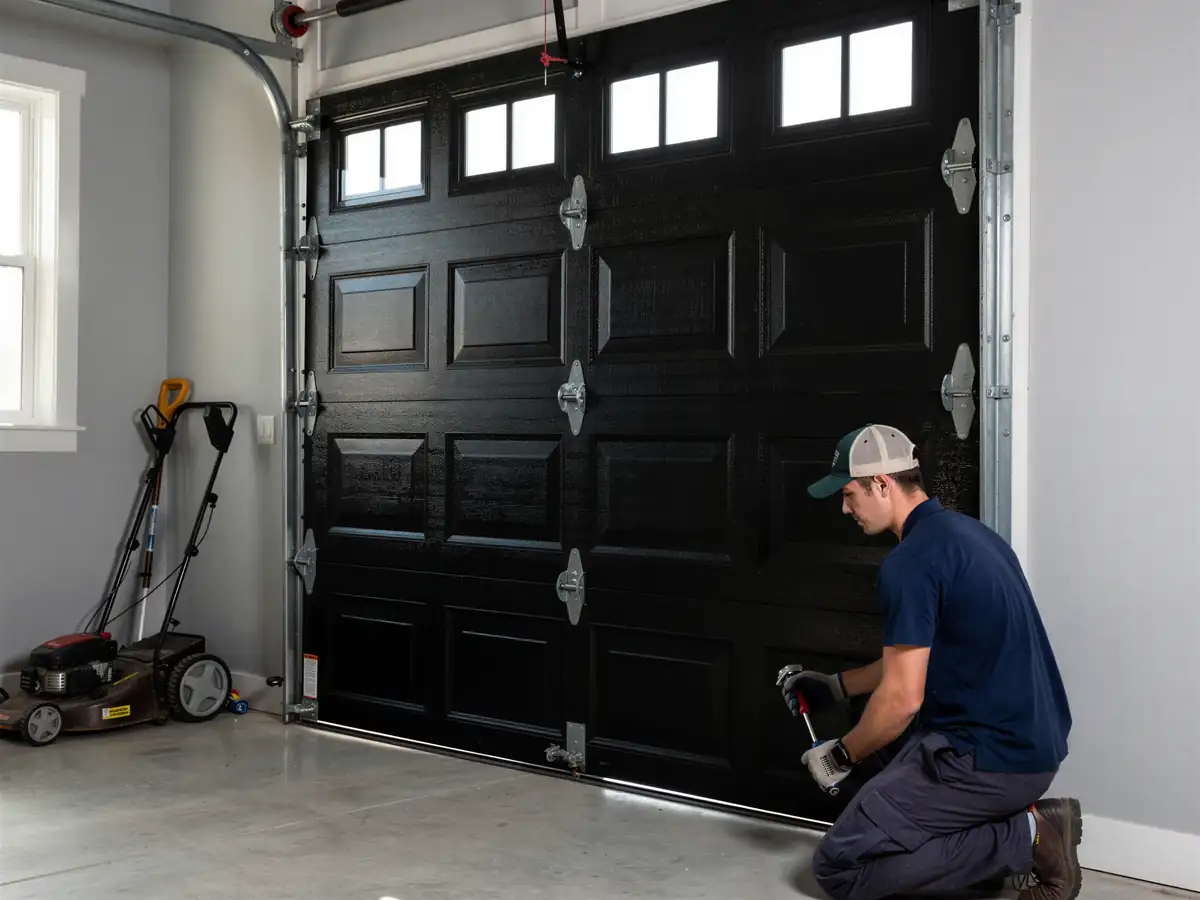
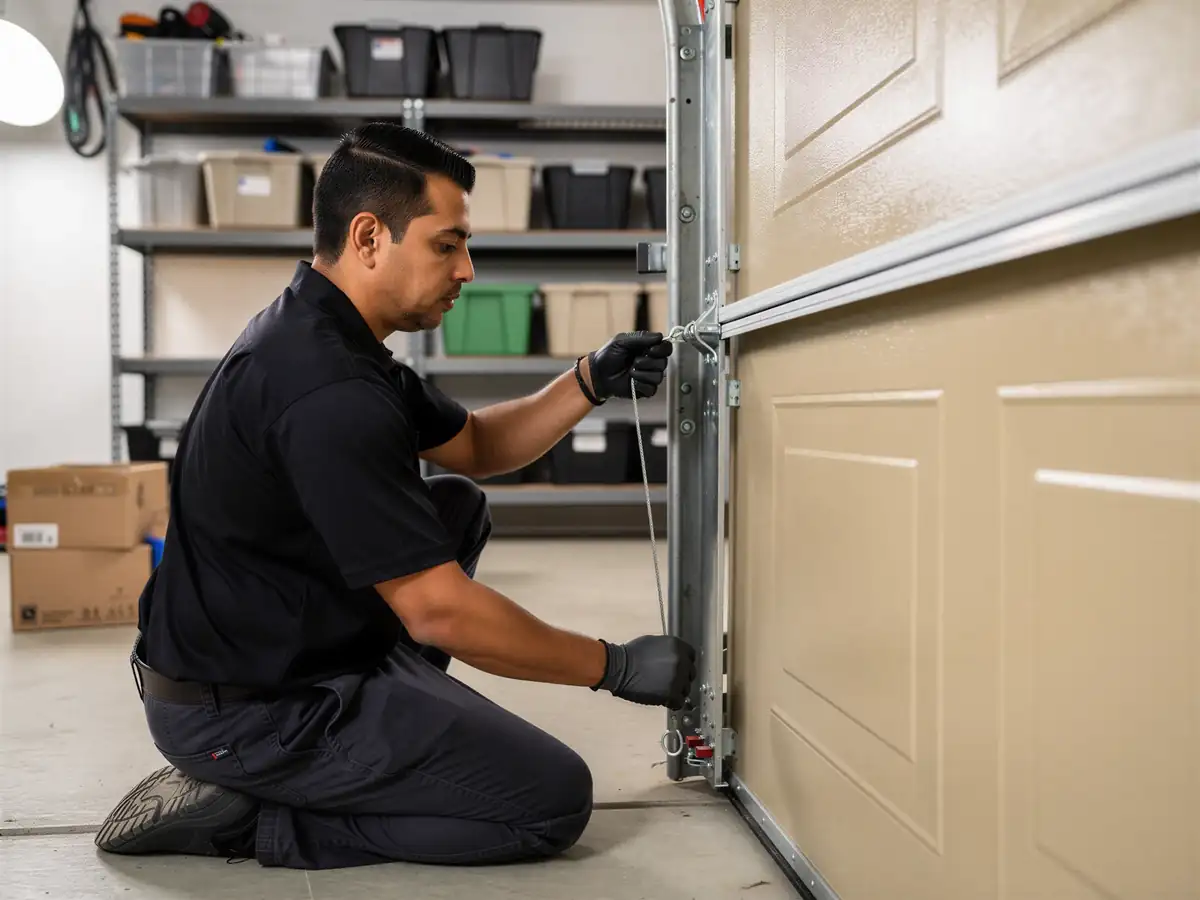
A spring that old has usually stretched past its rated cycle count, and the winding cones on units from that era aren't always sized the way newer kits expect. Swapping a cable or a roller is reasonable weekend work. Touching a wound torsion spring on a door this old, without knowing its exact wind and bar size, is how people lose fingers. If you're not sure what you're looking at, that's the line where we'd tell you to stop and call rather than guess.
Openers are a separate story
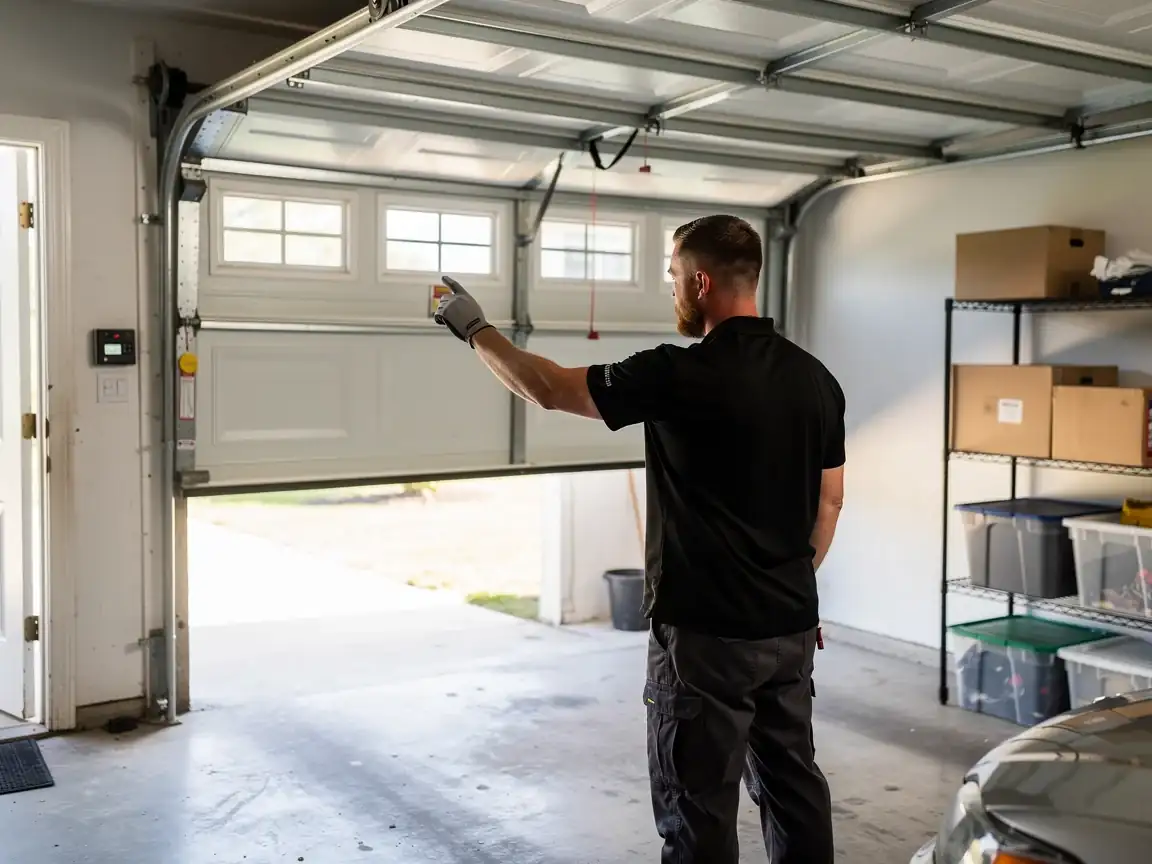
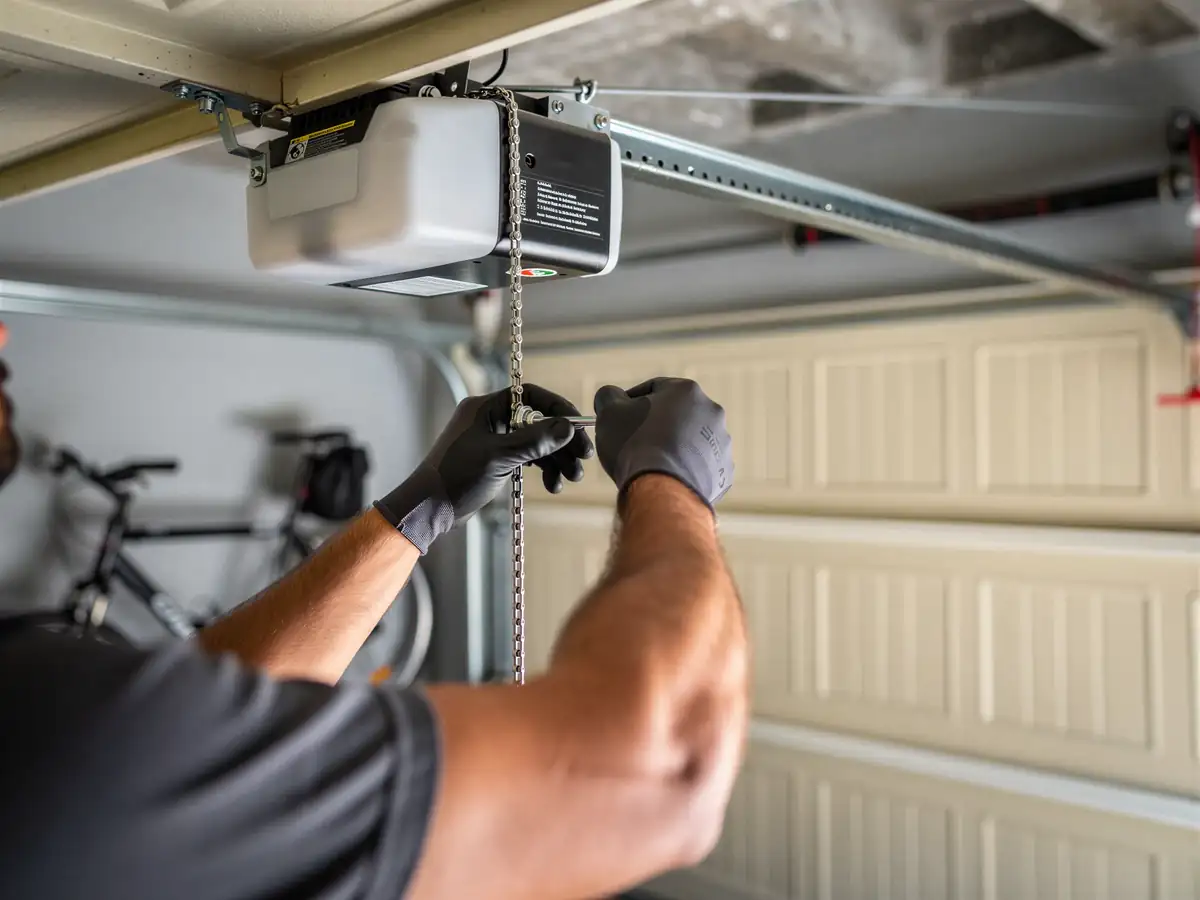
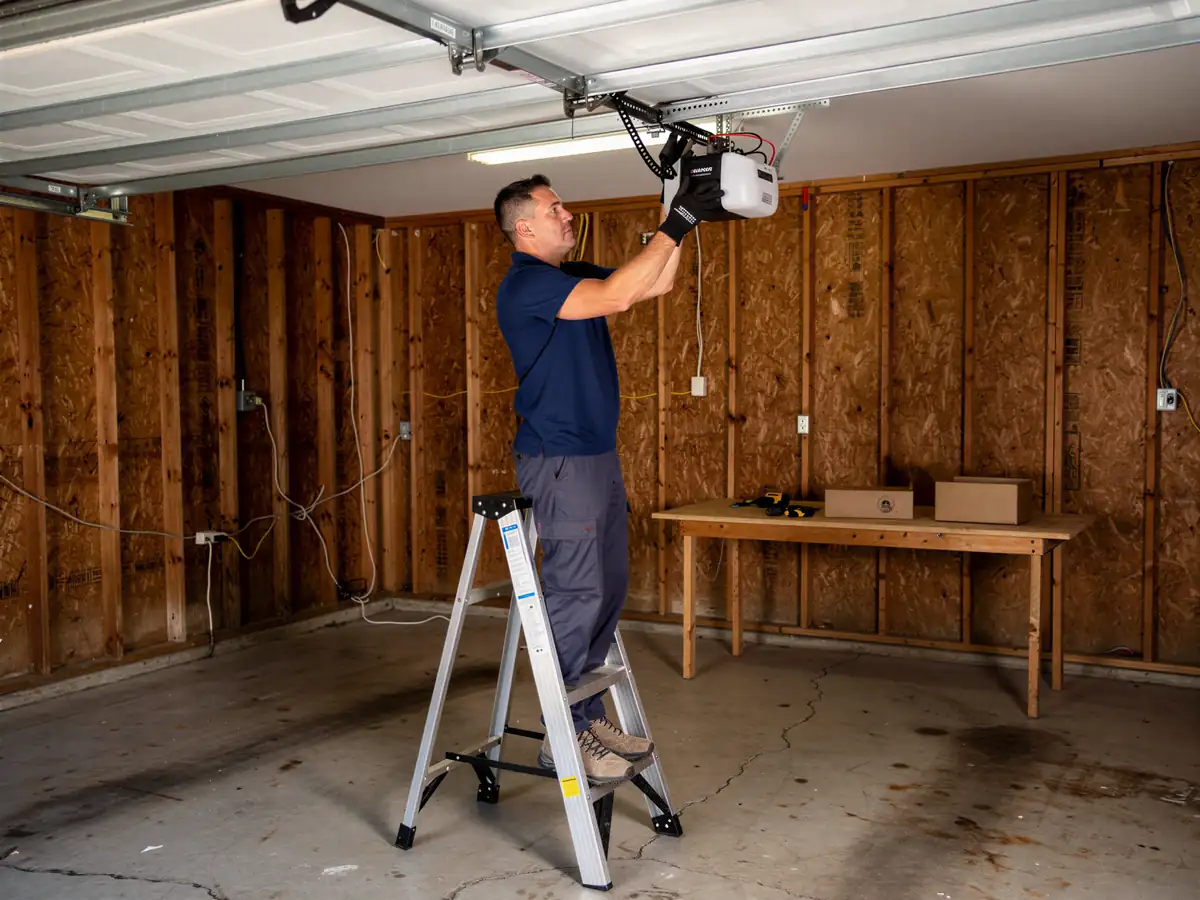
If the house still has its original chain-drive unit, replacing it outright is usually smarter than chasing parts for a motor that's been discontinued for two decades.
Where This Job Goes Sideways
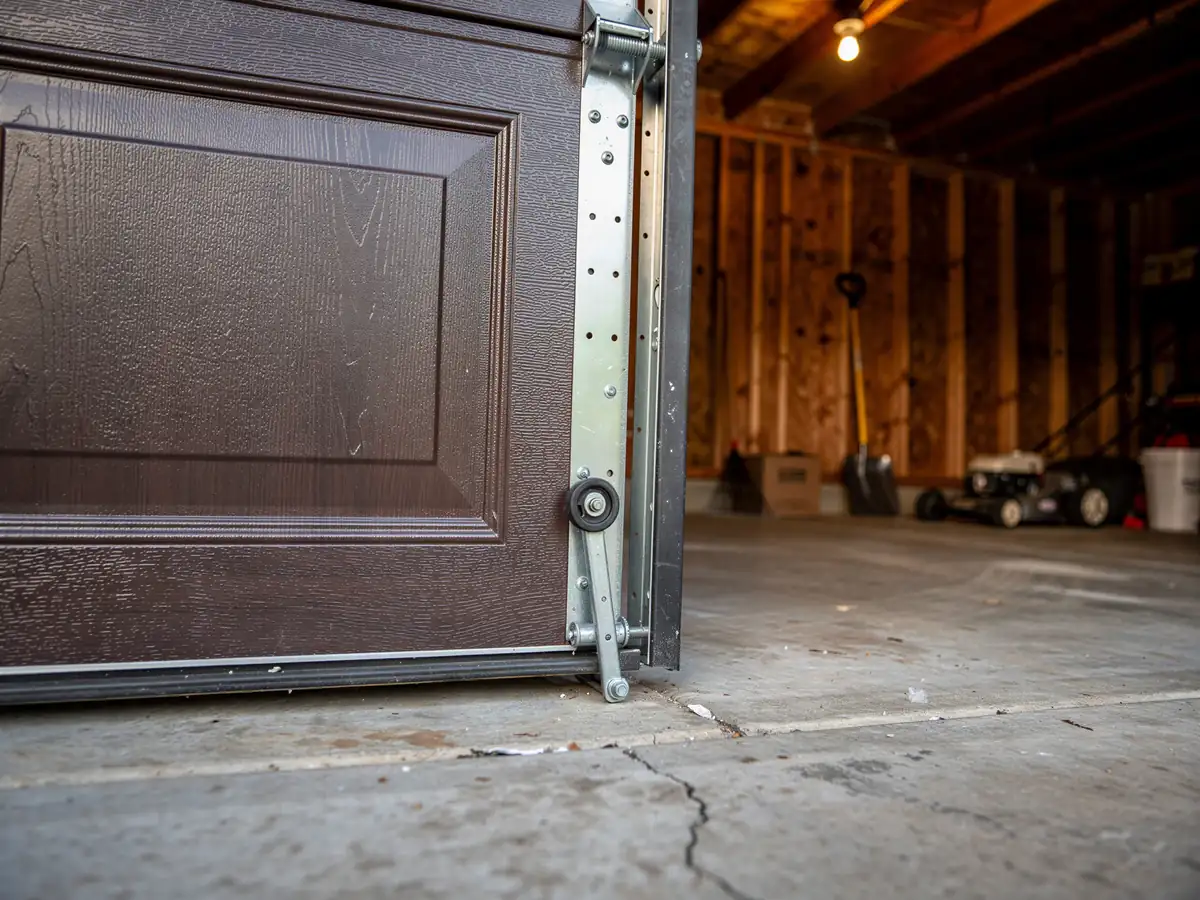
The trouble in Mary Esther shows up when a repair that should be routine turns into a hardware mismatch. A door from 1973 doesn't always take the drop-in parts a newer door does - track width, hinge gauge, and spring mounting brackets from that era can differ enough that a part bought off a shelf doesn't fit without adjustment. We've seen owners here order the wrong spring size because the label on the door doesn't match what's actually installed, usually because someone replaced it once already, years back, without re-labeling it.
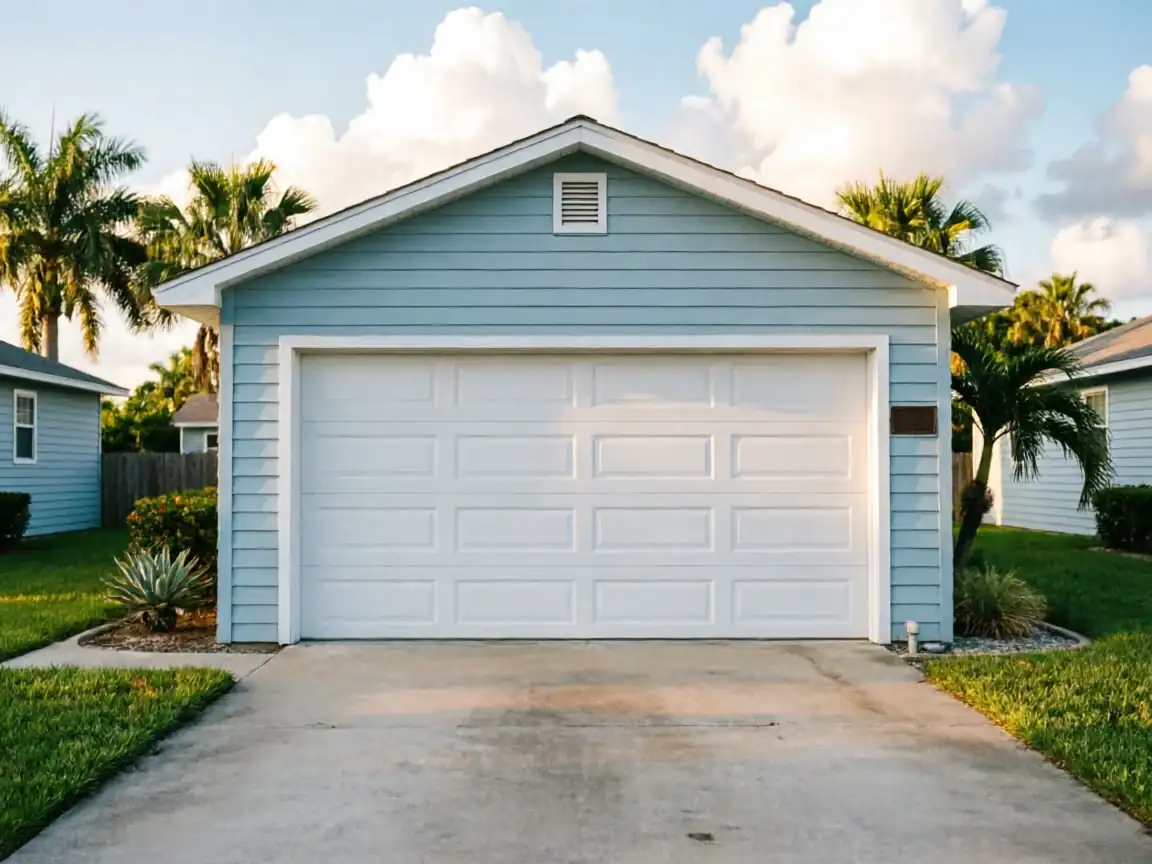
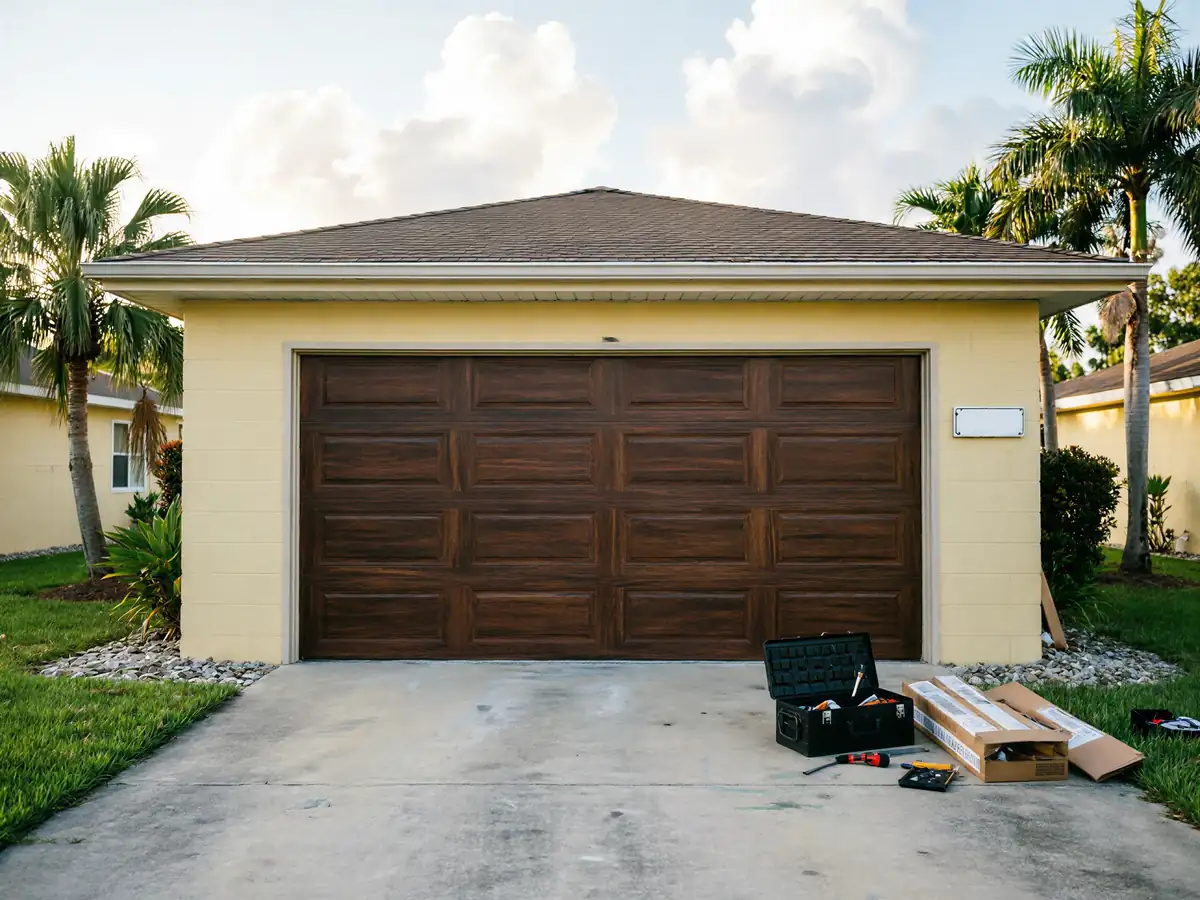
The other place it goes sideways is panels. With houses built in the early-to-mid 1970s, a lot of the original steel sectional doors are still in service, and matching a single damaged panel to a 50-year-old design usually isn't possible - the manufacturer either doesn't exist anymore or stopped making that line decades ago. At that point the honest call is full replacement, not a patch, and we'll say so rather than quote a panel-match repair we know won't hold up.
How to Book
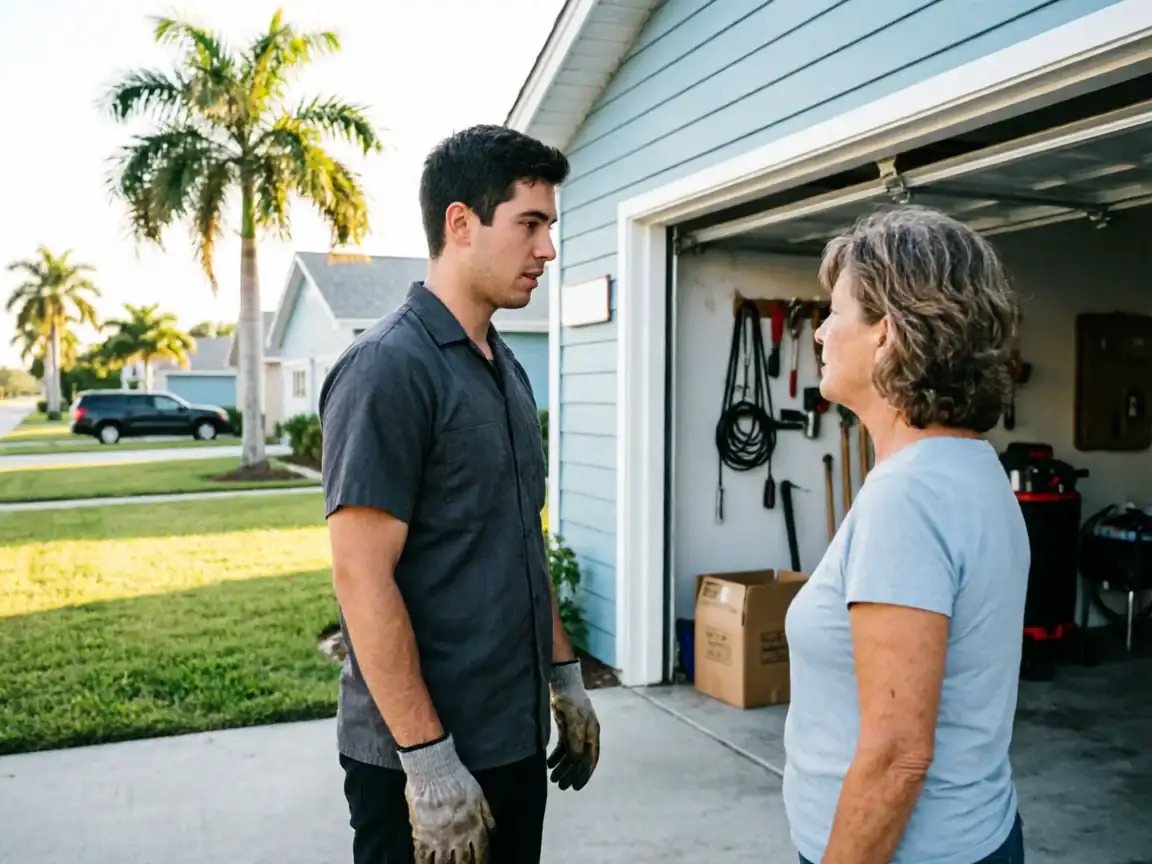
We run out of Niceville, which is about 14 miles from Mary Esther - farther than our drive to Valparaiso or so give us a call rather than expecting a same-day drop-in. Book through the Mary Esther garage door repair page or call to get on the schedule; tell us the door's approximate age and whether it's the original opener, since that helps us bring the right spring stock and save a second trip.
With around 1,622 households in Mary Esther, this is a smaller slice of our overall service area, and we don't keep a depot or crew stationed here - everything comes from the Niceville truck. That's worth knowing if you're expecting an emergency same-hour response; we'll get there, but it's a drive, not a dispatch from around the corner.
What You Pay
We don't have a published price list for Mary Esther specifically
And we're not going to guess at a number here just to fill the section. What we can tell you is that median household income in Mary Esther runs $76,510, about $5,400 below the broader service area's $81,938, and that's relevant mainly because it shapes the repair-versus-replace conversation - we'd rather fix a spring or a cable on an older door than push a full replacement when the existing hardware still has life in it.
Where replacement makes more sense than repair is usually the panel situation described above
Or an opener old enough that parts no longer exist. For anything we quote, if you'd rather see our full range of service work first, the Niceville garage door service page covers what we do across the area.