The DIY Question
Mary Esther's median home was built in 1973
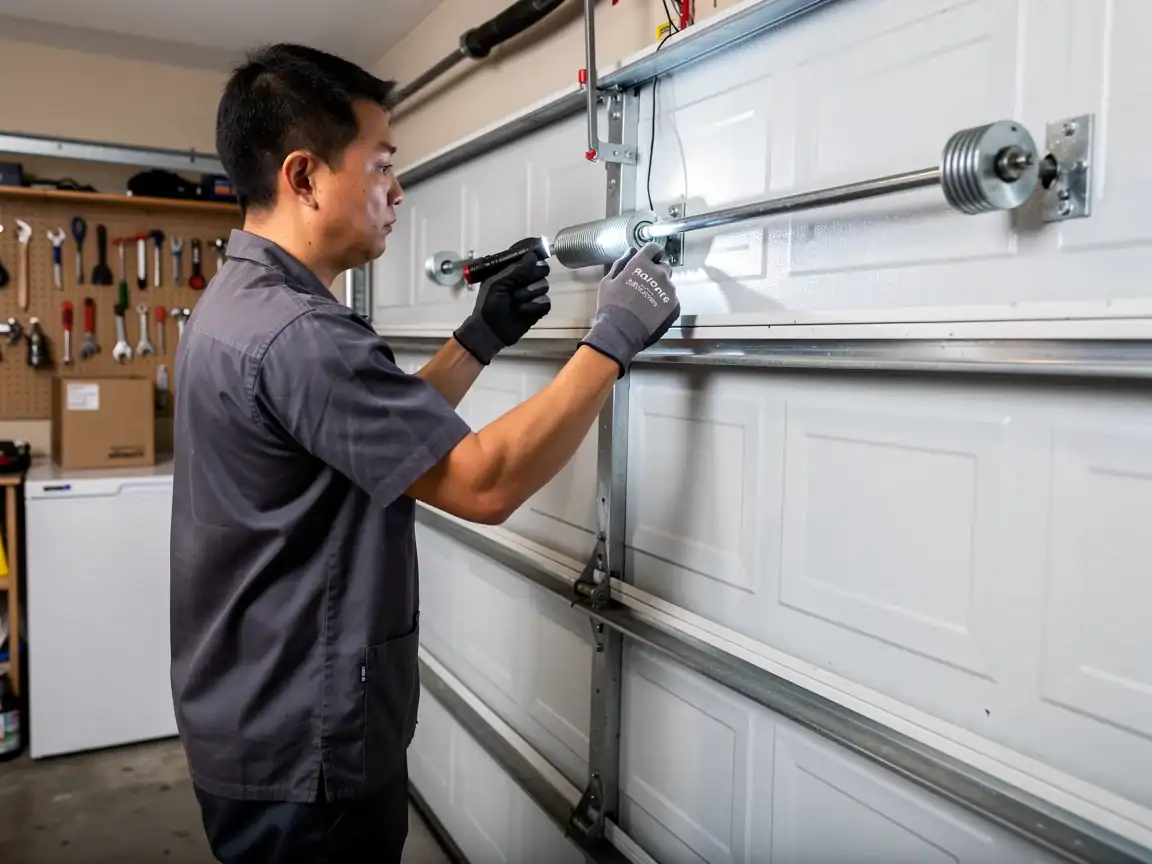
That number matters more than it looks, because it means a big share of the doors and openers on this side of the county have never been swapped out. The track, the hinges, the drum on the end of the torsion shaft - a lot of it is original to a house now pushing fifty years old.
That's the piece people miss when they're pricing a kit from a home center
A 1973-era door opening wasn't built to today's standard section sizes or spring specs, and the header above it has had five decades to settle a little. Swapping a door yourself on a house that age isn't just hanging a new panel - it's often rebuilding the jamb framing underneath the old trim first, because the old studs have shifted enough that a new door won't sit square without it.
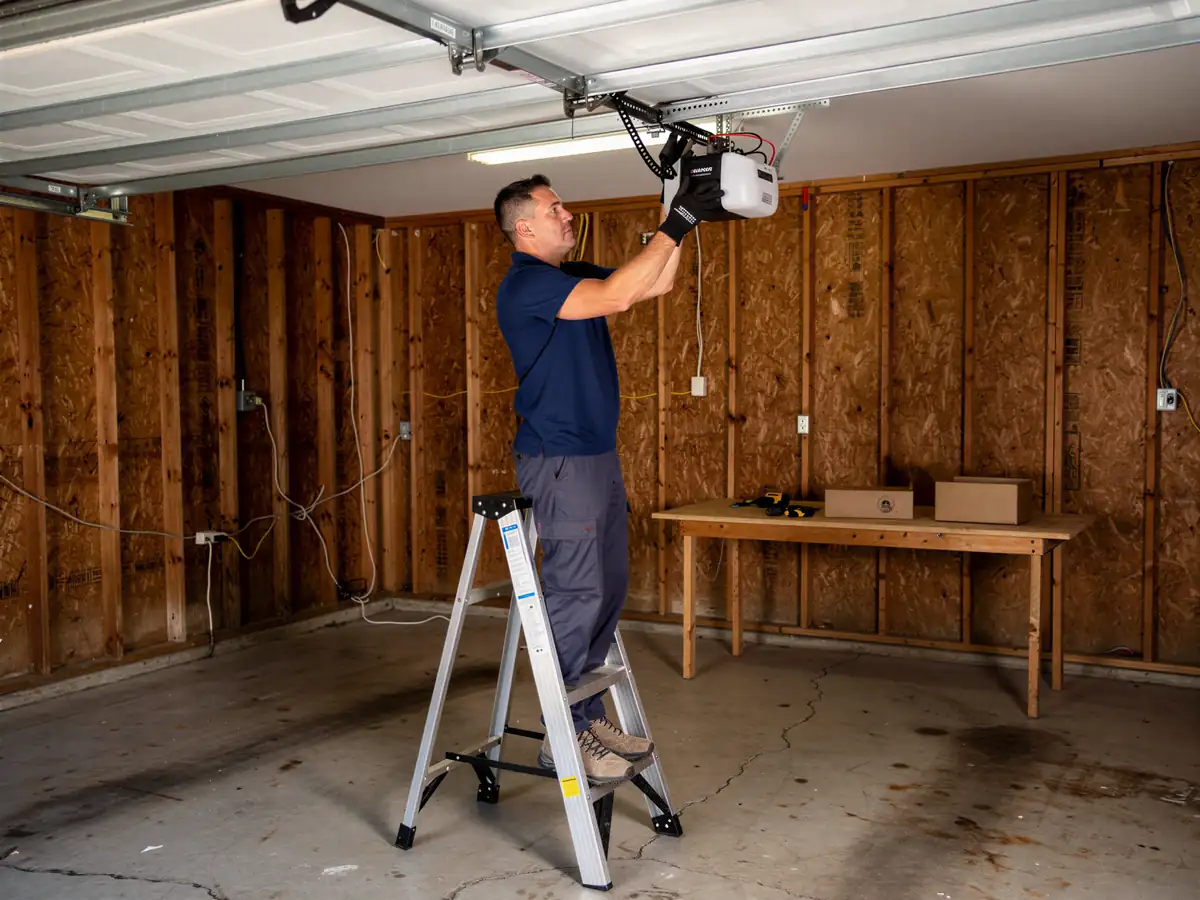
If your opener is original too, don't assume the new door will just bolt onto it
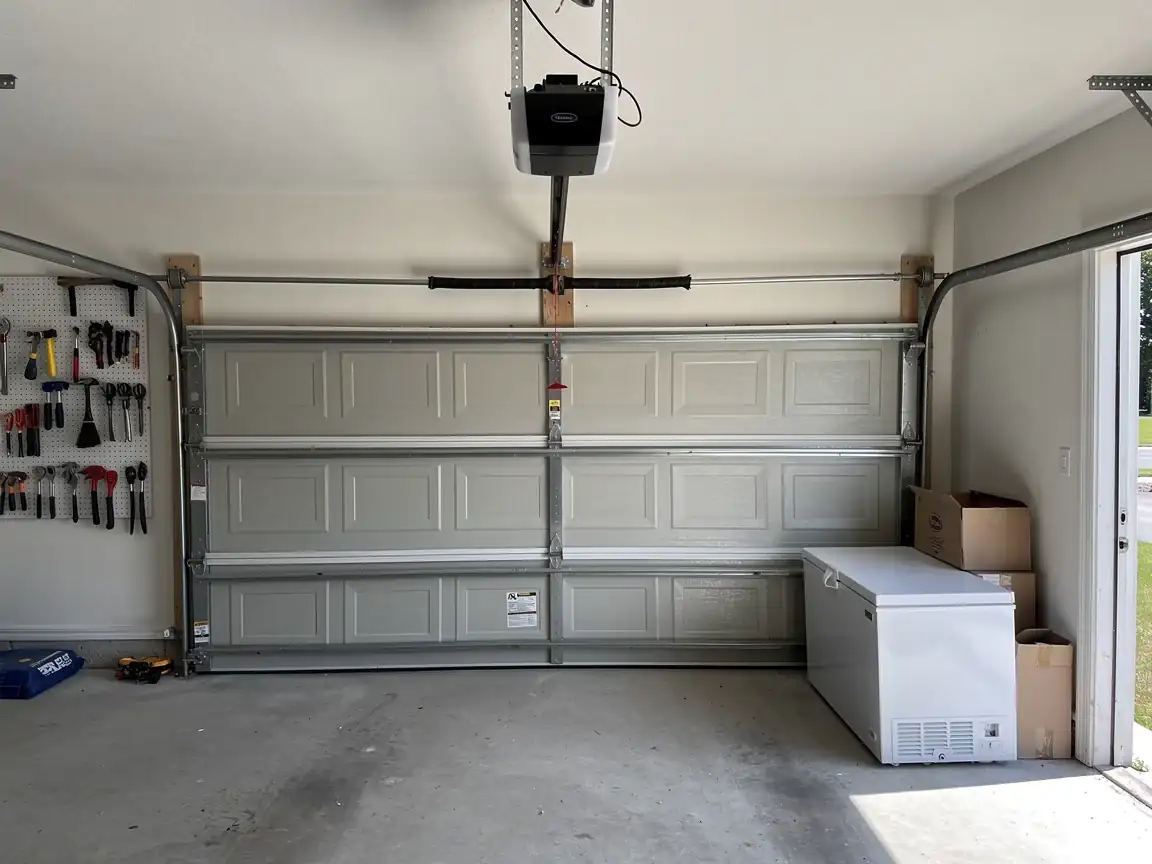
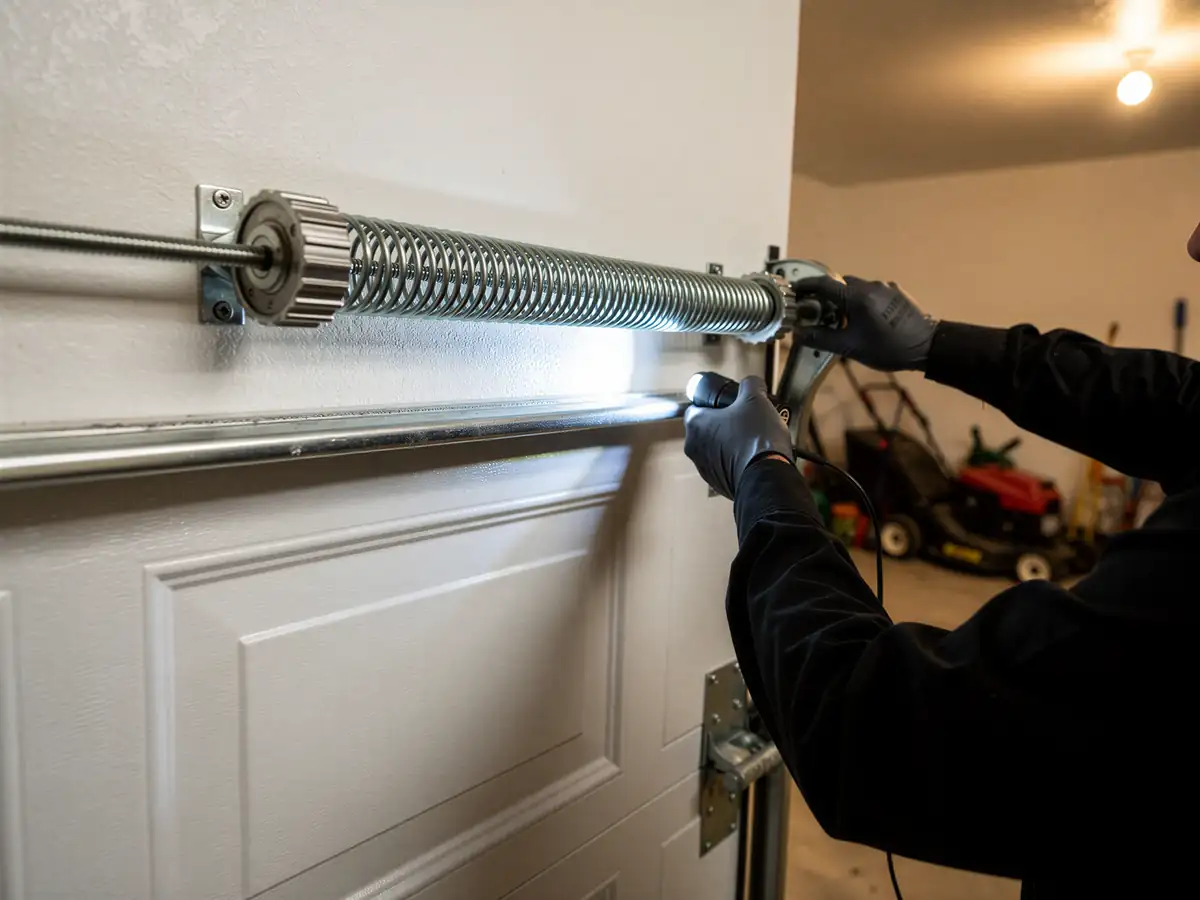
Spring weight, drum size and cable length all have to match the door you're installing, not the one that was there in 1973. That's where a lot of DIY installs go wrong before the door is even up - the hardware underneath doesn't match anymore, and nobody notices until the door won't open evenly.
Where This Job Goes Sideways
The failure point on a Mary Esther install is almost always the framing, not the door itself. Houses from the 1970s commonly have headers sized for the lighter steel doors sold at the time - thinner skin, no insulation layer, often a single torsion spring instead of a dual setup. Drop in a modern insulated door without checking that header first, and you've got a door that's heavier than the opening was built to carry.
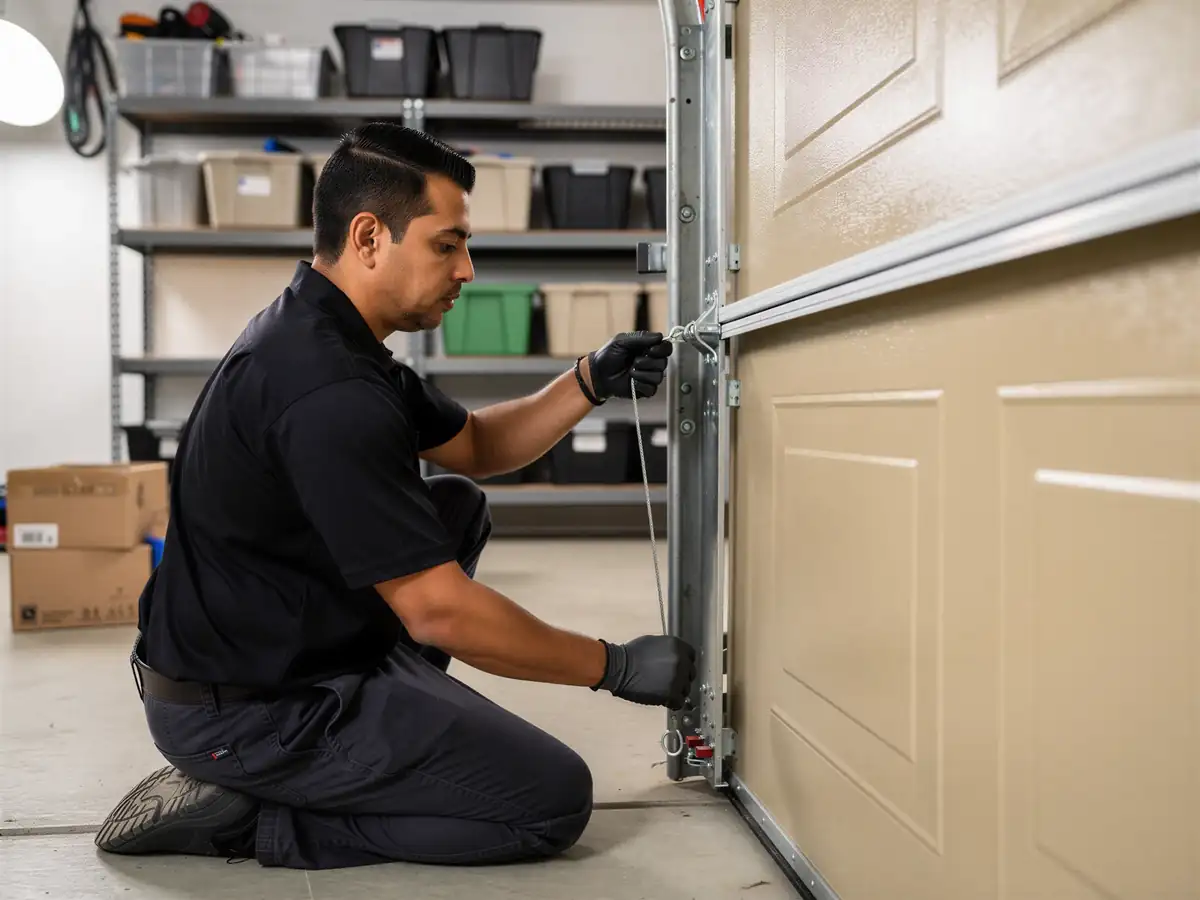
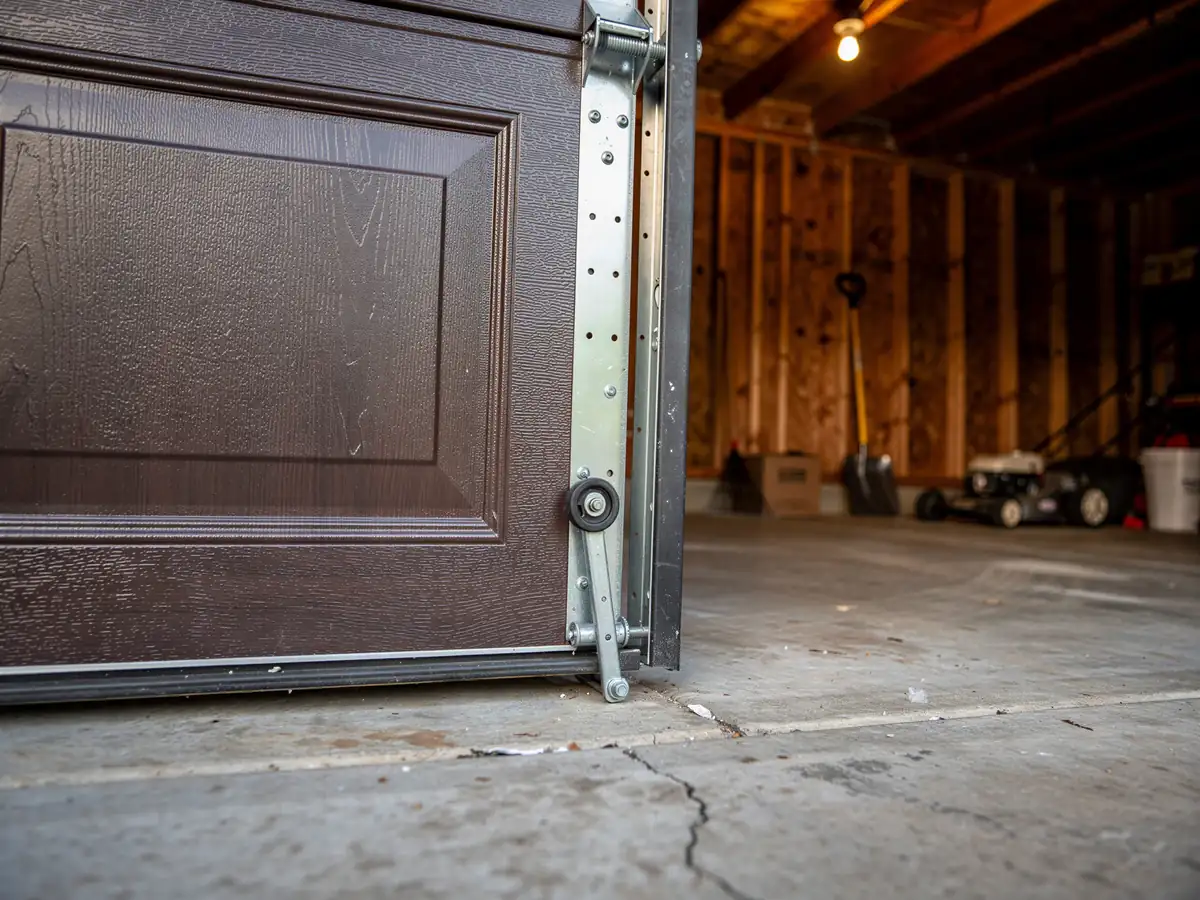
The other spot: track alignment. Fifty years of a house settling means the opening is rarely still perfectly square, even if it looks fine from the driveway. A new door framed to factory tolerances will bind on an out-of-square jamb unless someone shims and re-levels the track during the install, not after.
We don't do remote estimates sight-unseen on anything built before the 1980s - not because we're being cautious for the sake of it, but because header condition and squareness genuinely change the quote, and guessing at it over the phone does nobody any favors. We'll tell you straight if a job needs header work before the door goes in, and we'll tell you if it doesn't.
How to Book
We run installs out to Mary Esther from our shop in Niceville, about 14 miles up the road. There's no satellite branch or local depot here - it's one crew, one truck, scheduled out to your address for the day of the job. That keeps our overhead down and the quote honest, but it also means installs here get scheduled, not walked in on.
For new installs specifically, we need a look at the opening before we can price it - photos to start, then a measure if the header or framing looks original. If you're dealing with a door that's broken rather than one you're replacing by choice, our repair page for this area covers that side of things separately.
What You Pay
Mary Esther runs about 1,622 households with a median income of $76,510
A smaller, tighter market than some of the areas we cover, and it shows in the kind of jobs we get called for here: fewer full custom builds, more straightforward replacements on homes that have had one door their whole life.
- 1,622 households
- $76,510 median household income
We can't quote a number in writing without seeing the opening
Especially on a house from the early 1970s where header work might be part of the job. What we can tell you is that the price difference between a straightforward swap and one that needs jamb or header repair is real, and it's the first thing our estimate will call out, not something that shows up as a surprise on the invoice.