The DIY Question
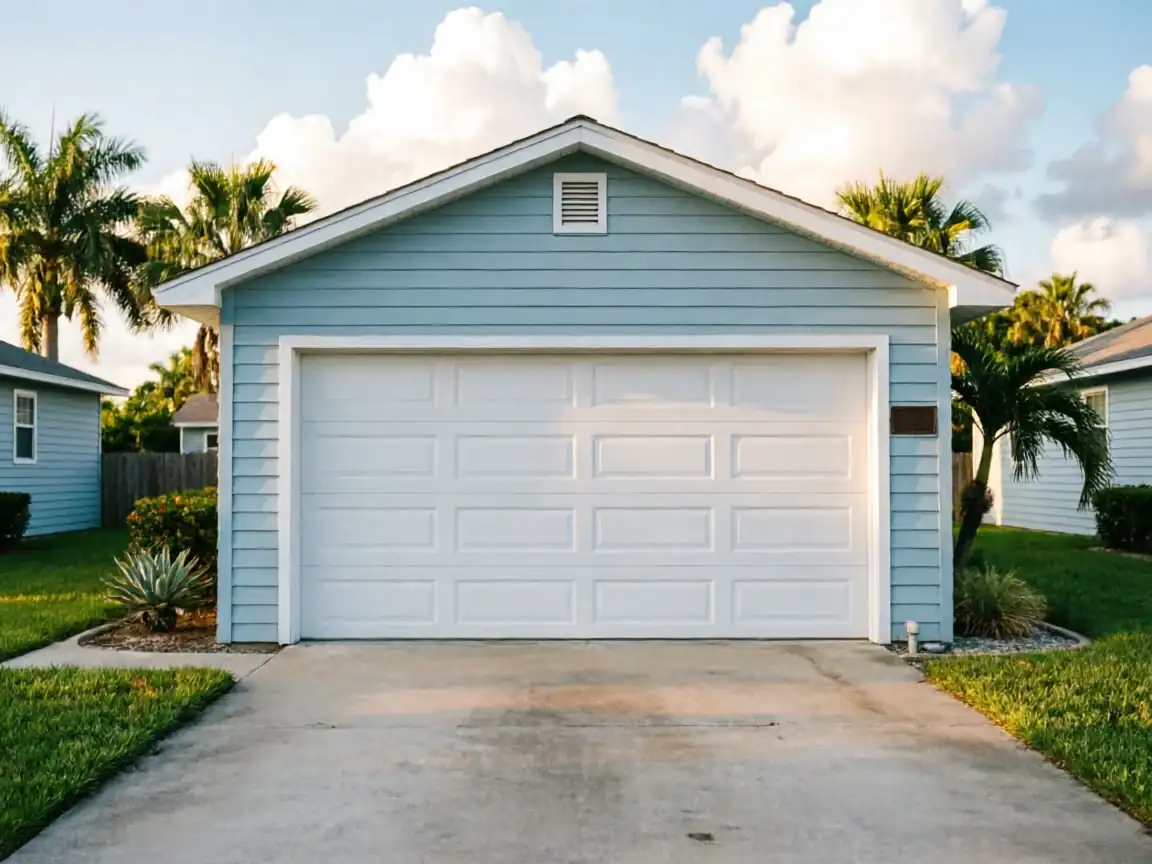
Mary Esther's housing stock centers on 1973
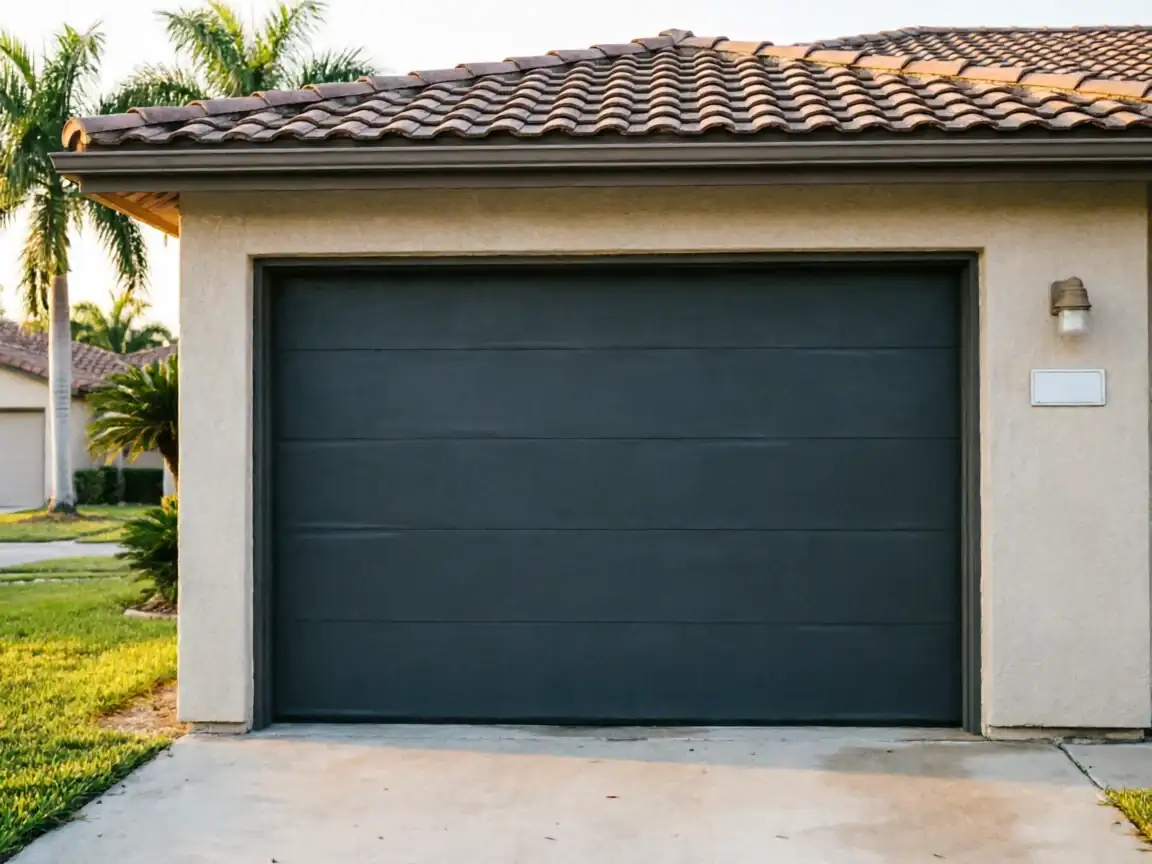
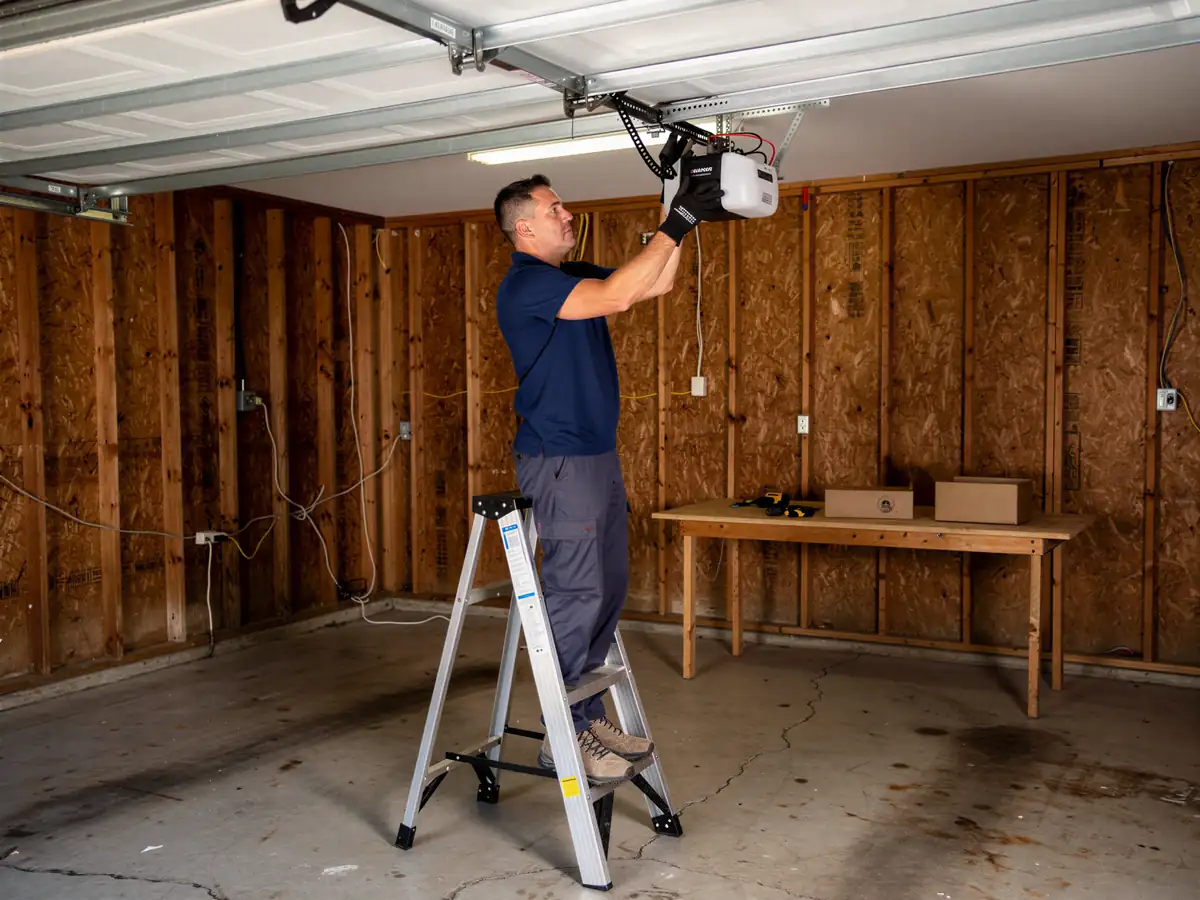
Which puts it ahead of the broader service area's median build year of 1979. That six-year gap matters more than it sounds like. A door and opener installed in the early 1970s is a different animal from one installed in the late 70s or 80s - different spring wind, different bracket spacing, sometimes a different opener mounting pattern entirely. If you're looking at a job on a house from this era, the first question isn't "can I do this myself," it's "do I know what's actually on the other side of that panel."
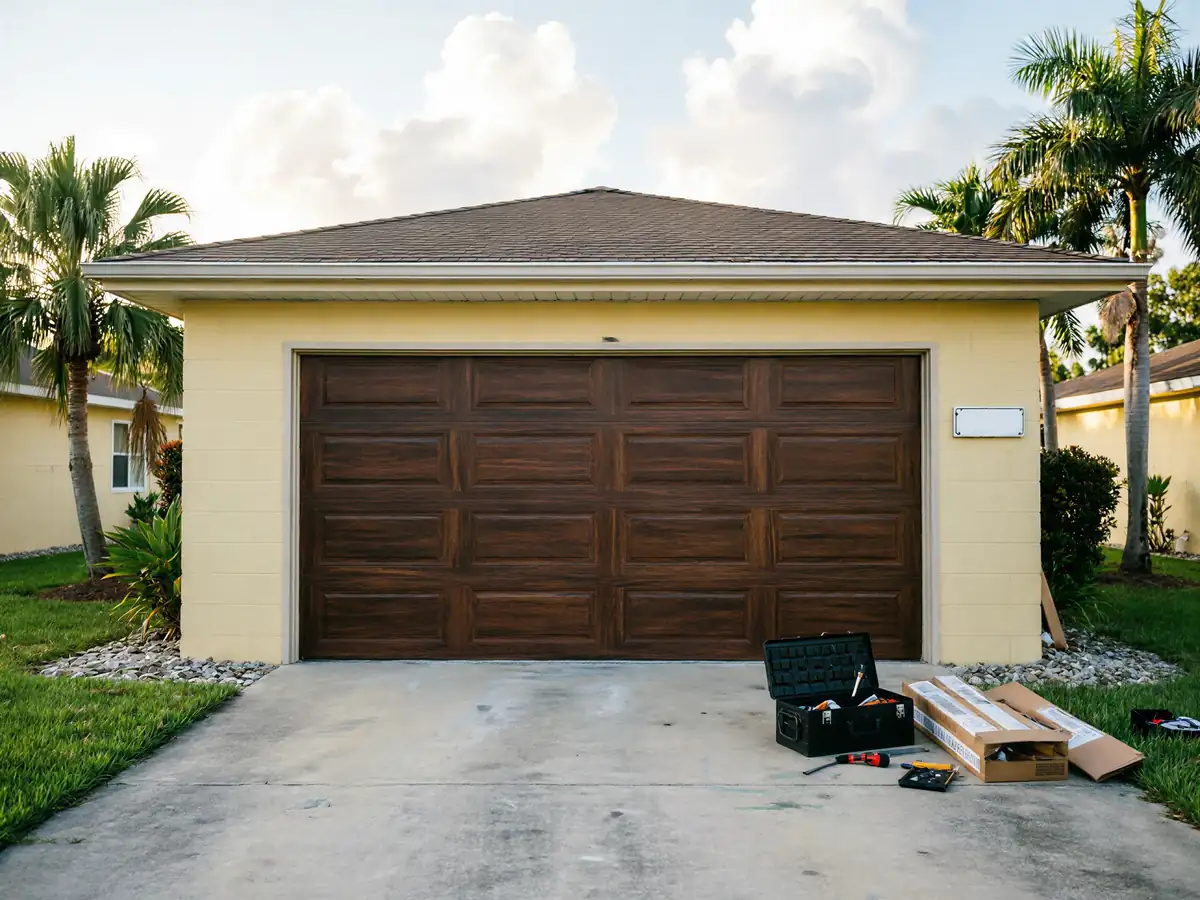
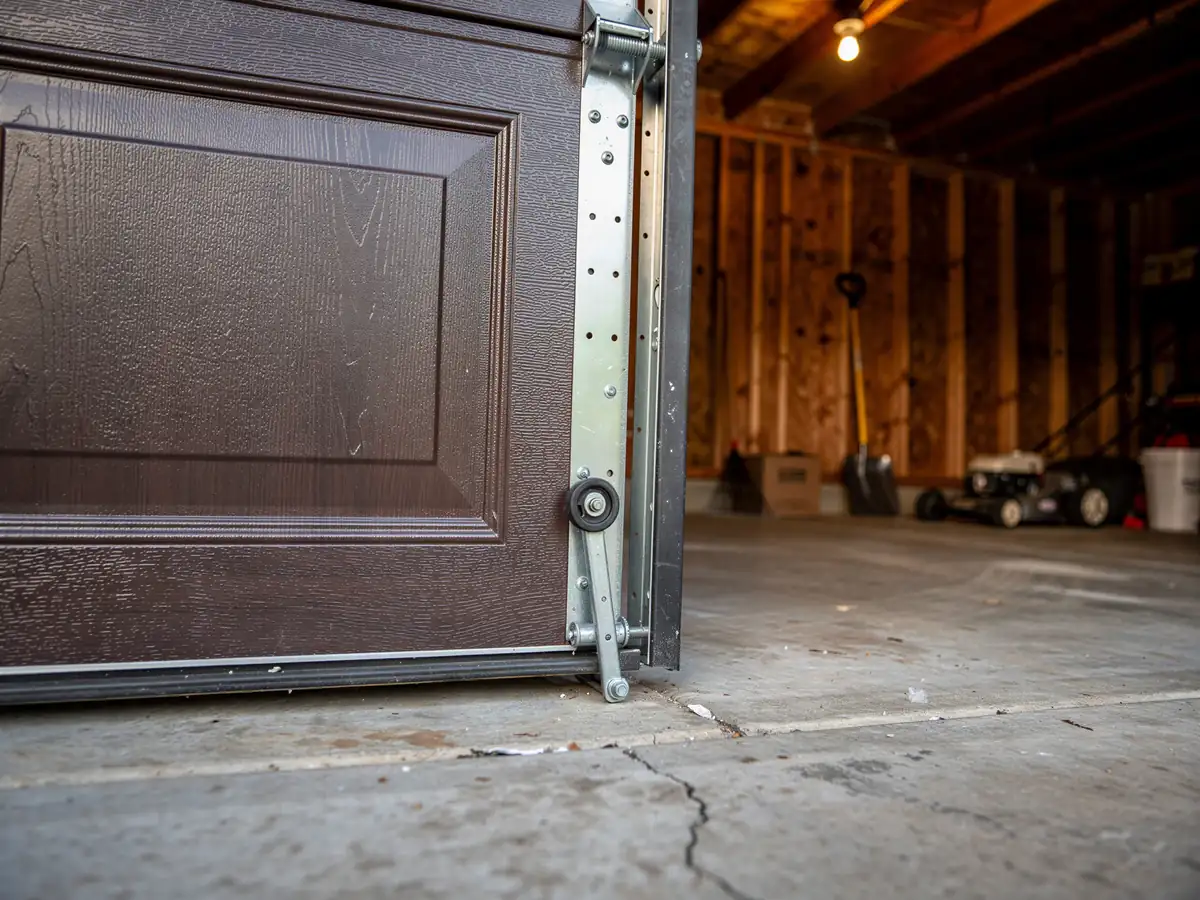
Swapping a roller or tightening a loose track bolt is fair DIY territory on any door, any age
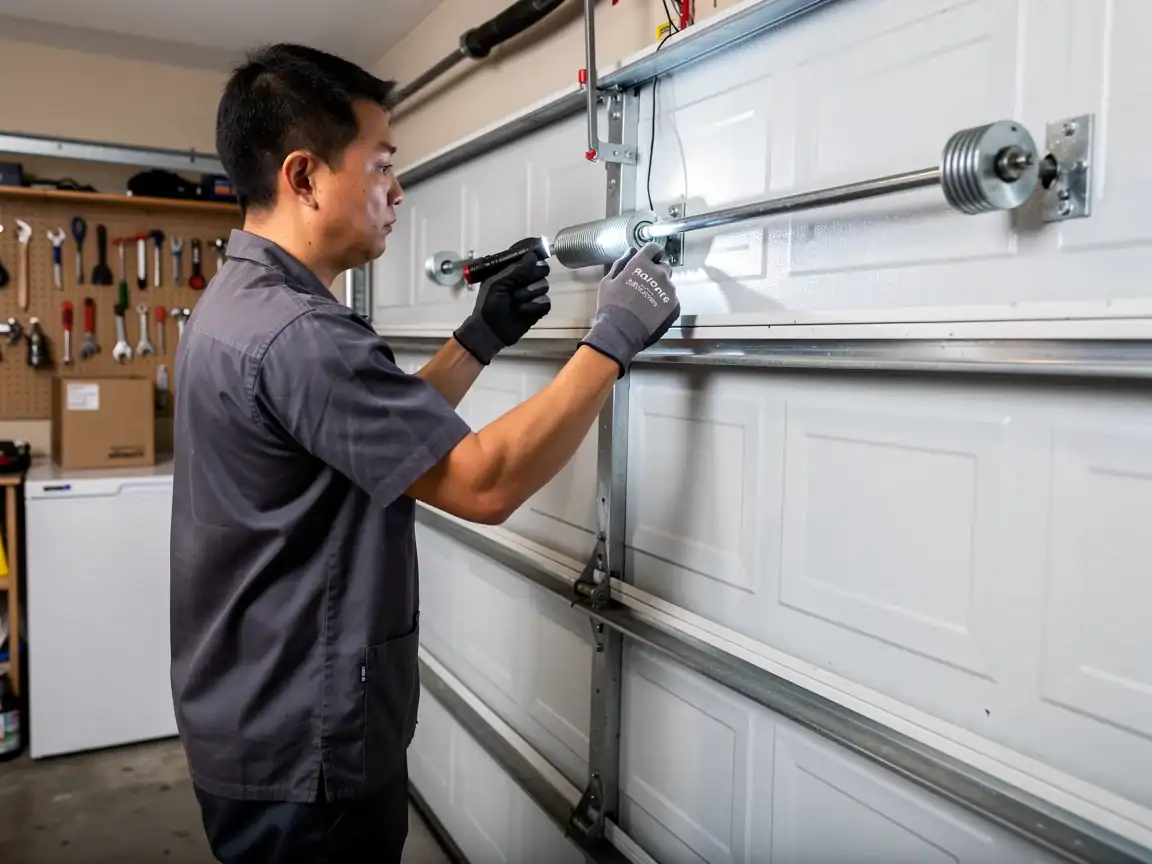
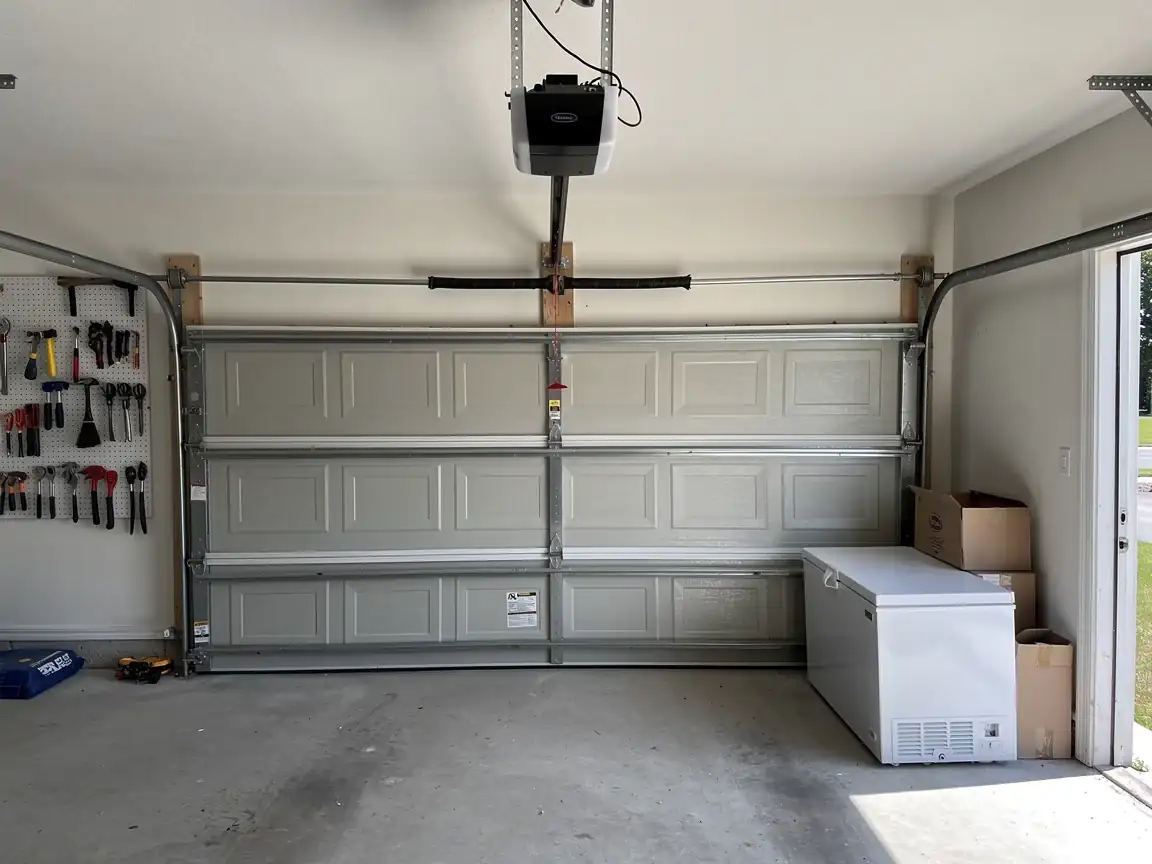
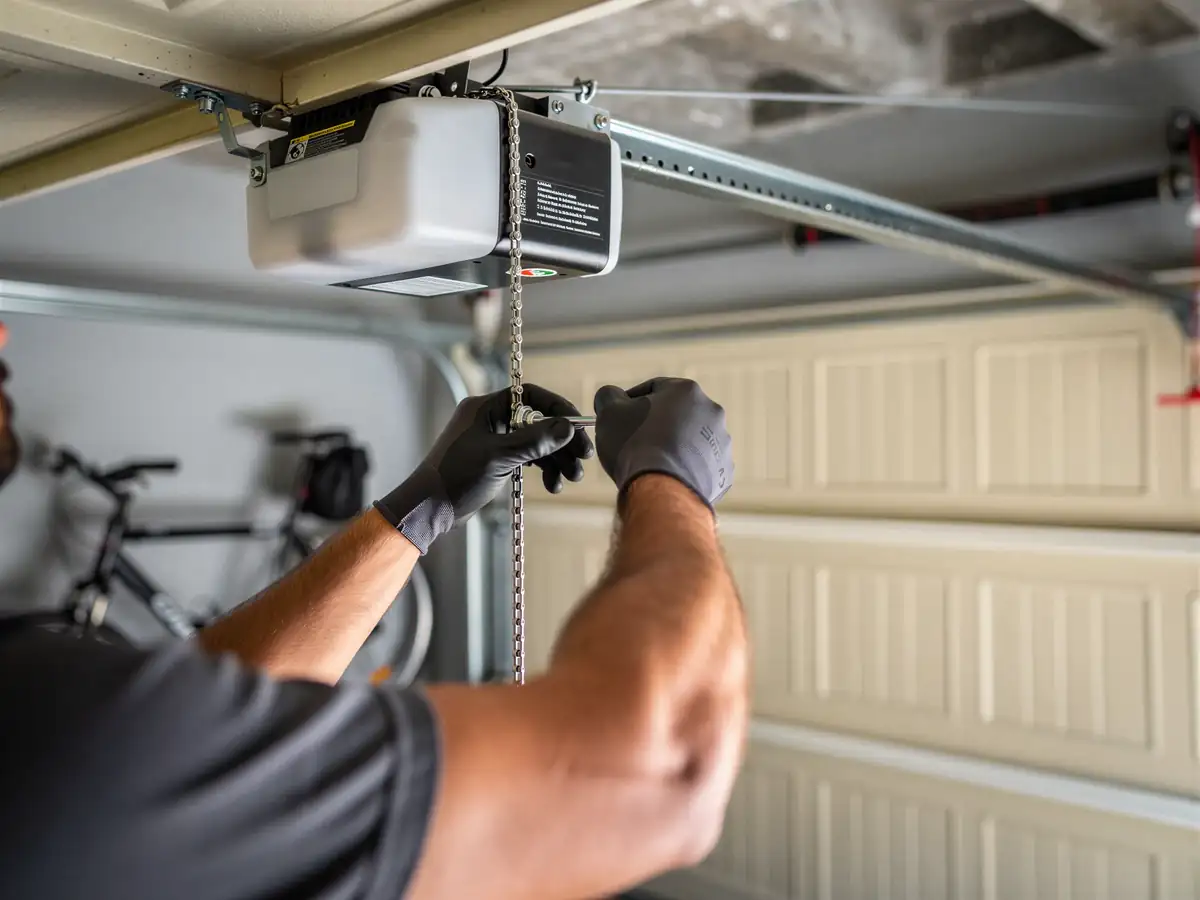
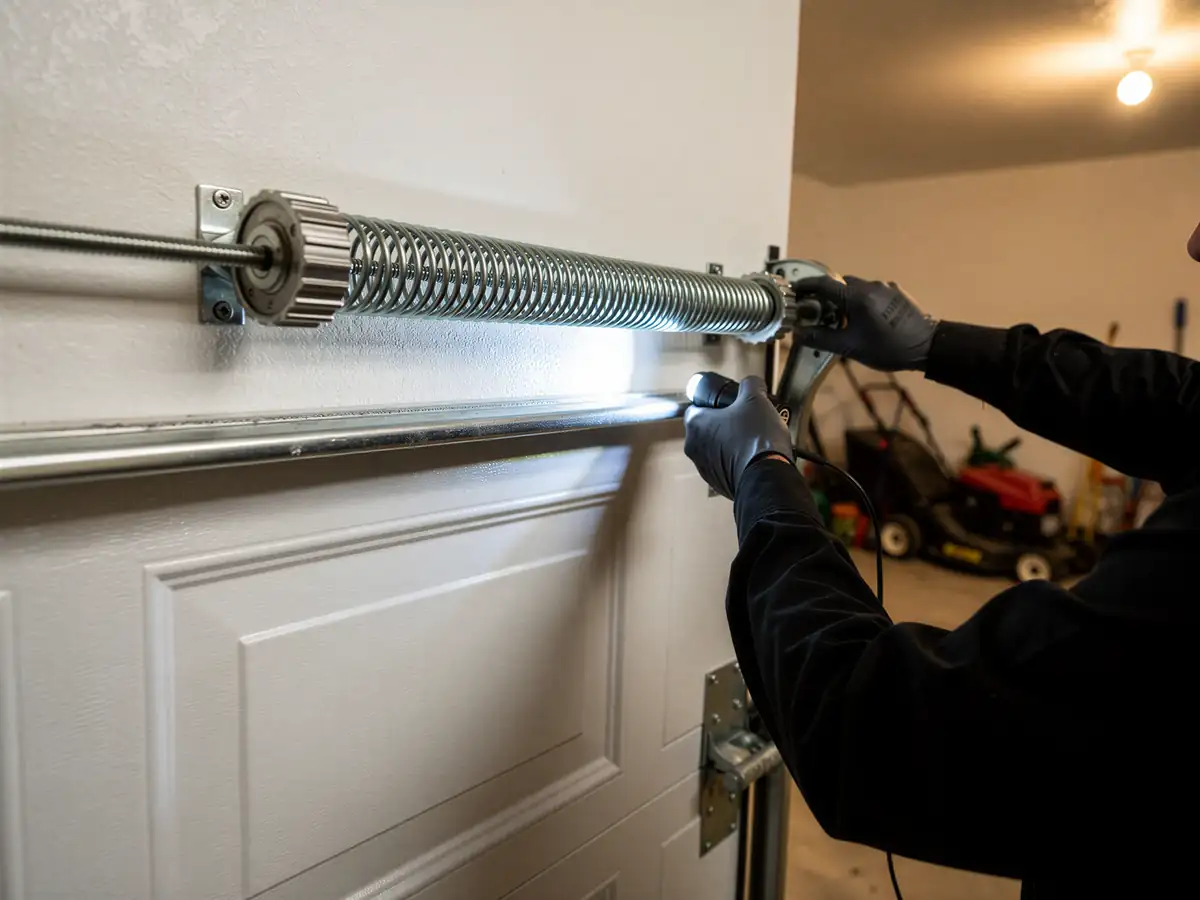
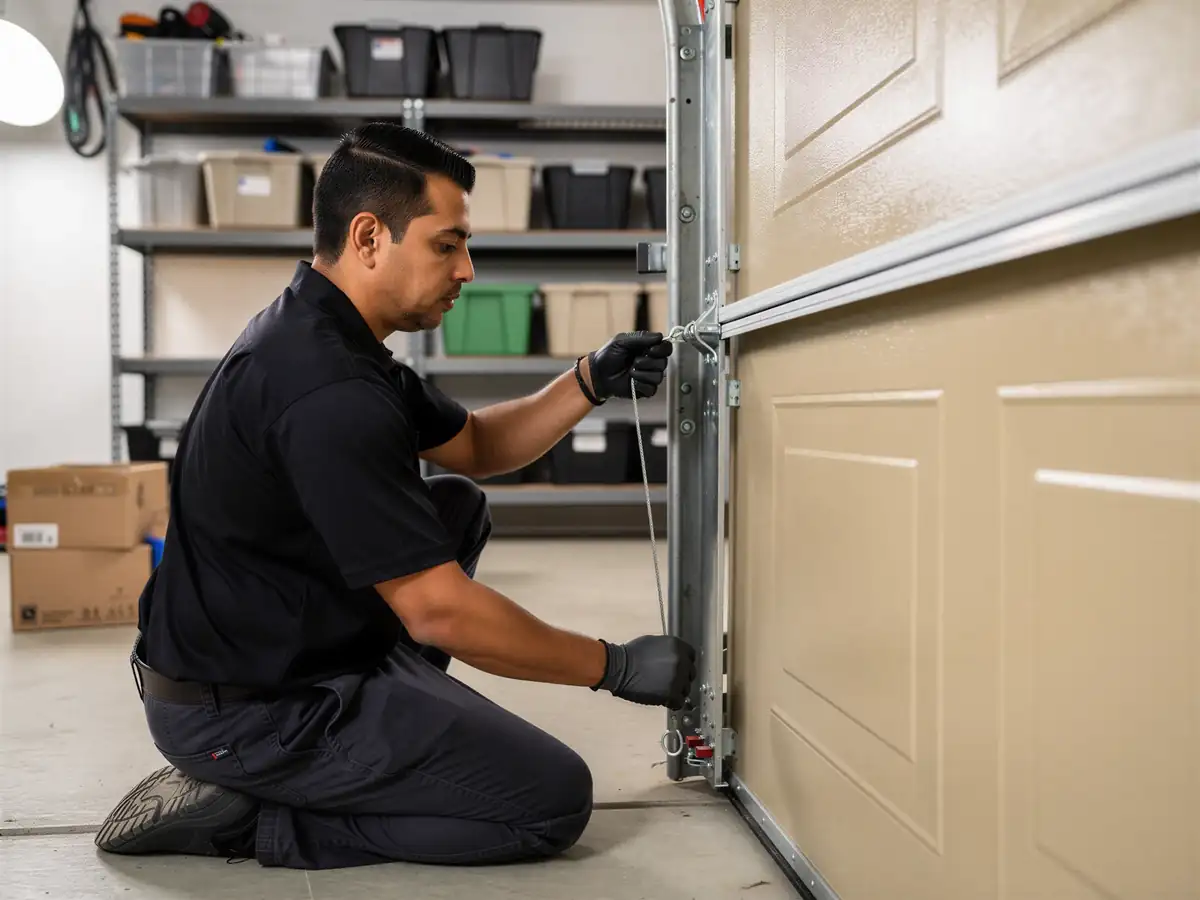
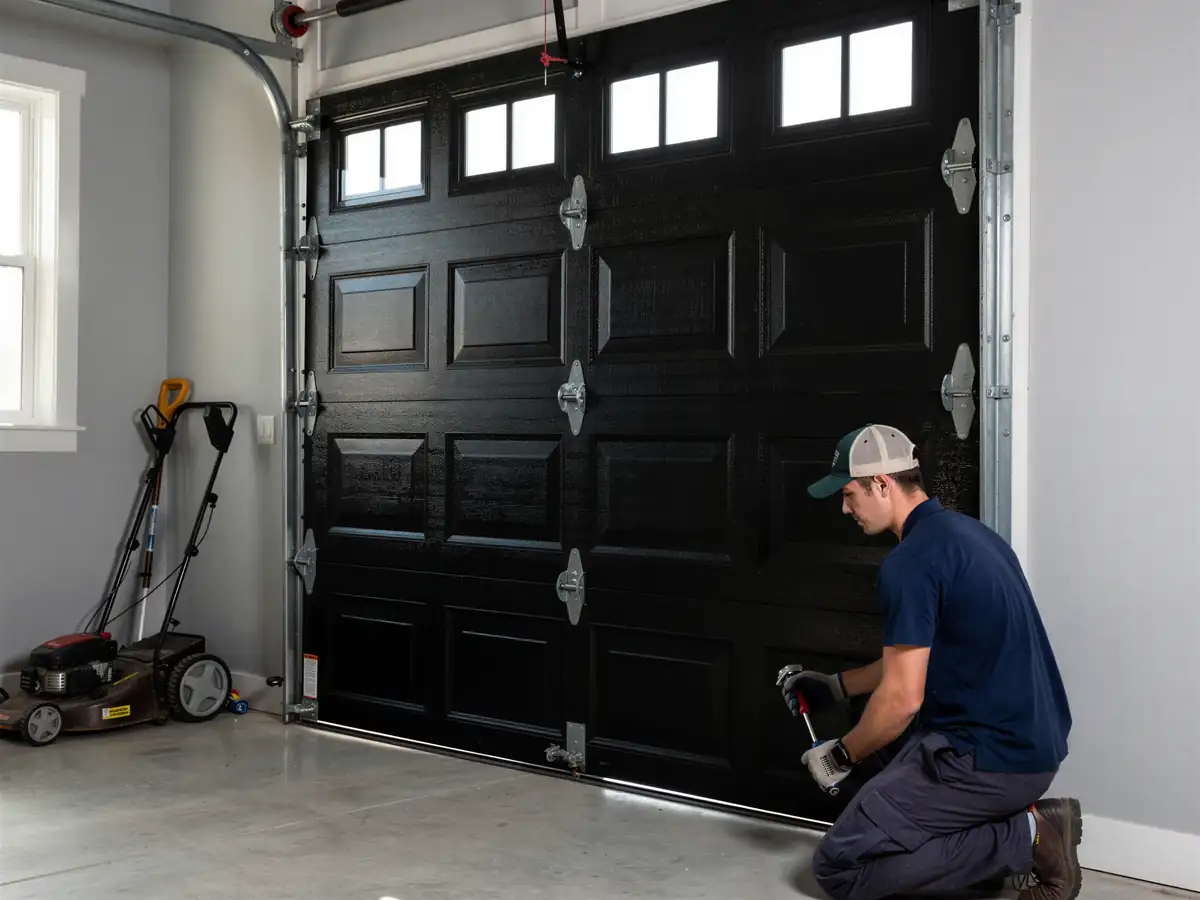
Torsion spring replacement is not, regardless of how confident the YouTube video makes you feel - the spring is wound under enough tension to break bones, and on a door this old the drum and cable it's paired with may not match what a hardware store sells today. If the opener has stopped responding and the door won't budge by hand either, that's two separate problems stacked on each other, not one.
We're honest that some of what we see in Mary Esther is straightforward
A worn roller, a sagging cable. Other calls turn into a full hardware swap because the original parts are long past serviceable. You won't know which one you've got until someone who's seen a lot of 1970s doors looks at it.
Where This Job Goes Sideways
The trouble spot on a Mary Esther door usually isn't the part that's visibly broken - it's the part that's about to be. A door built close to 1973 has often had one or two spring replacements already, sometimes with hardware that doesn't quite match the original drum size. That mismatch puts uneven tension on the cable, which wears the cable faster, which eventually lets the door drop crooked instead of all at once. By the time someone calls about a stuck door, the spring, the cable, and the drum alignment are usually all a little bit wrong, not just one.
The area sits in a mild climate band with occasional freeze, so the failure here tends to be fatigue from decades of daily cycling rather than a hard freeze snapping a spring outright. That's a slower kind of wear, and it's easy to miss until the door is most of the way through its spring's lifespan.
We don't try to patch around a mismatched spring-and-drum setup with a quick fix. Doing that buys you a few weeks before the same imbalance comes back, usually worse. On a door this age, replacing the spring and checking the drum and cable together is the job, not an upsell.
How to Book
Mary Esther sits about 14 miles from our shop in Niceville, and we route a truck out on scheduled jobs rather than keeping a branch in town. That means we can't promise a walk-in or a same-hour fix the way a business with a local depot could - book ahead and we'll give you a window, and we'll call if the drive time shifts that window.
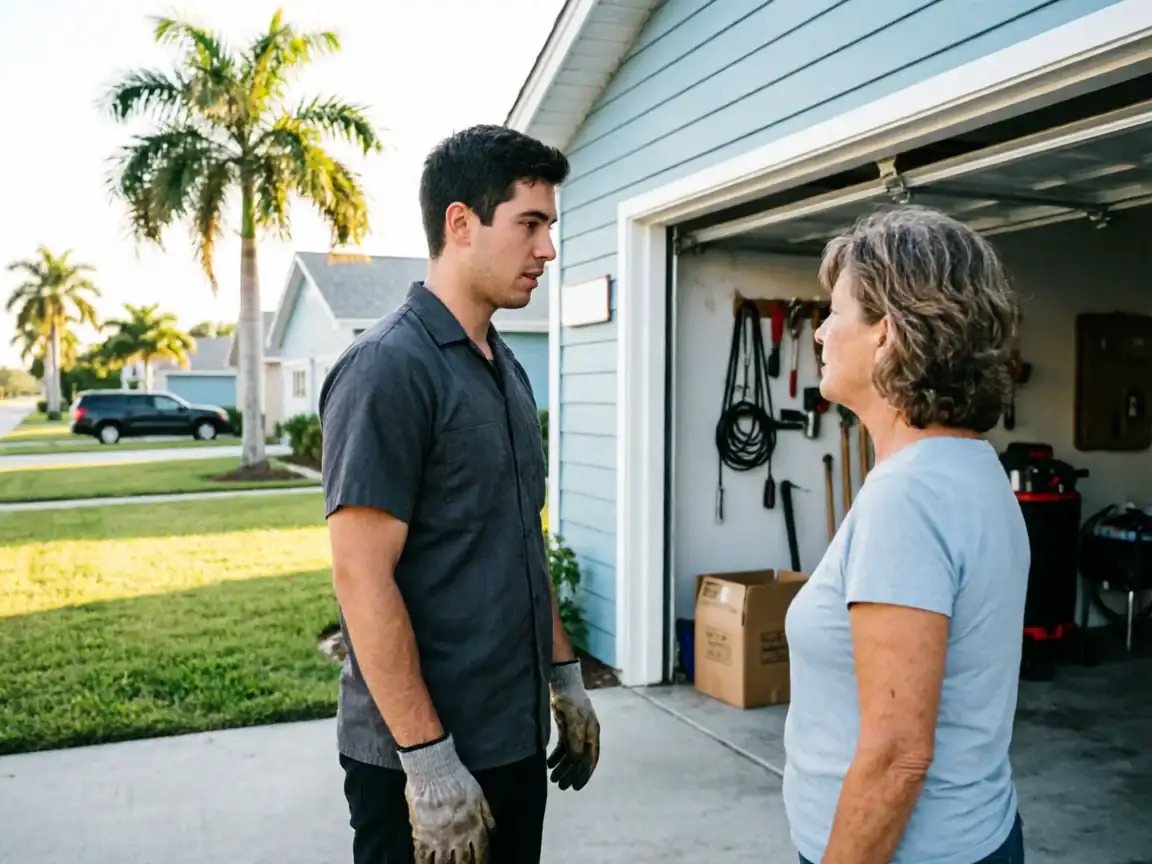
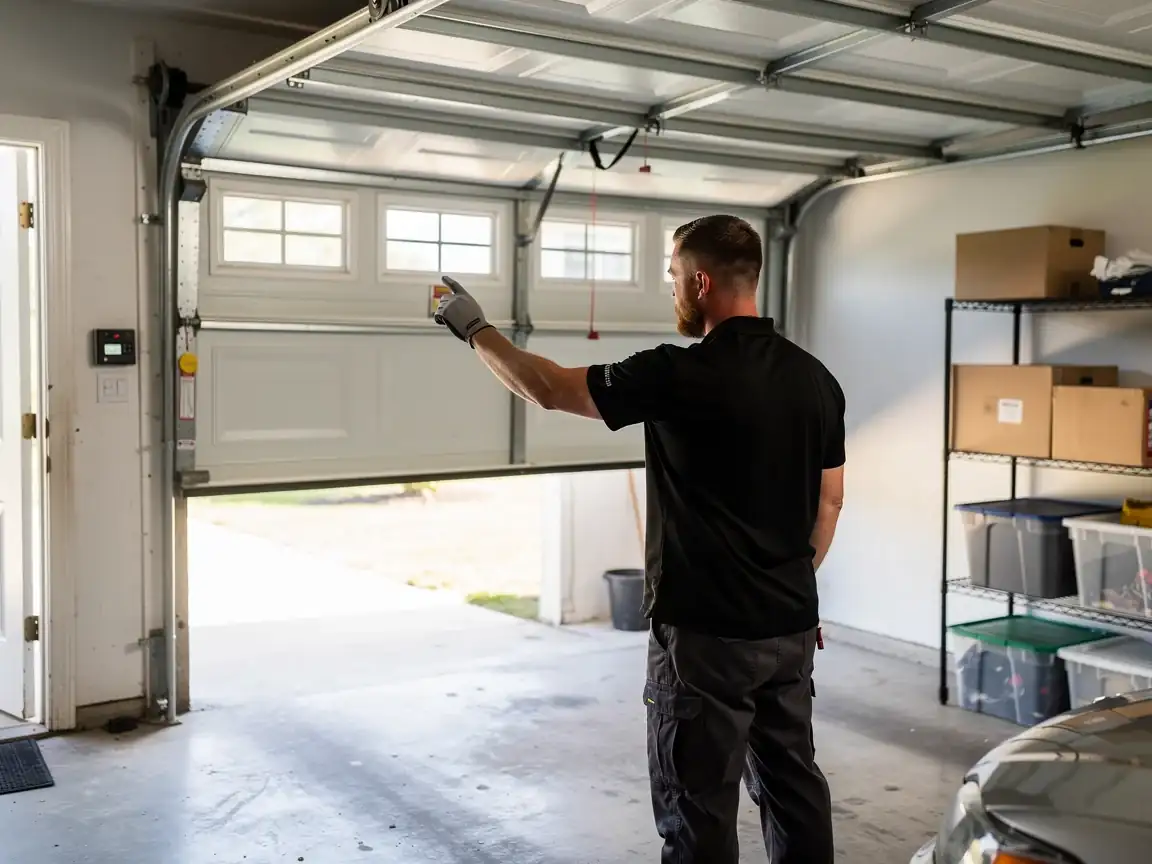
When you call, it helps to know roughly how old the door is and whether the opener is dead, the door is physically stuck, or both. That's usually enough for us to bring the right spring size and hardware on the first trip instead of a second one.
You can see the Mary Esther service page here: Mary Esther Garage Door Repair. For the full range of what we handle out of Niceville, that's covered on our main repair page.
What You Pay
We don't have a published price list for this page
And we're not going to guess at a number just to fill the space - what a torsion spring job costs depends on drum size, spring count, and whether the cable and rollers need replacing alongside it, and that's different on nearly every 1973-era door we open up.
Mary Esther's median household income runs $76,510, a bit below the $81,938 median across the wider service area
And we mention that only because it's part of why we quote the job before we start it rather than after. Nobody wants a surprise number on a repair that started as "the door won't open."
What we can say: a straightforward spring swap costs less than letting a mismatched spring and drum keep grinding against each other until the cable goes too
The honest answer on price is that it comes after we've looked at what's actually installed, not before.