How It Shows Up
The fault we see most in Valparaiso starts with the door itself, not the opener
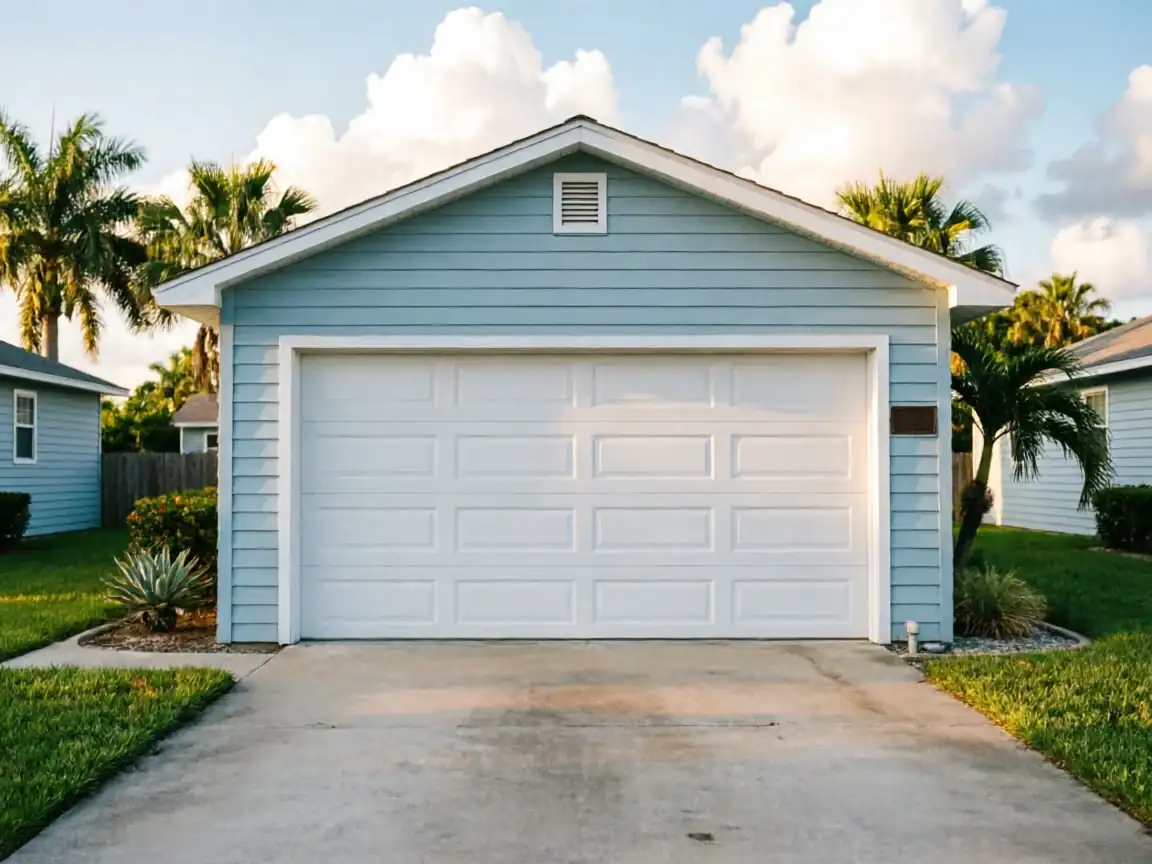
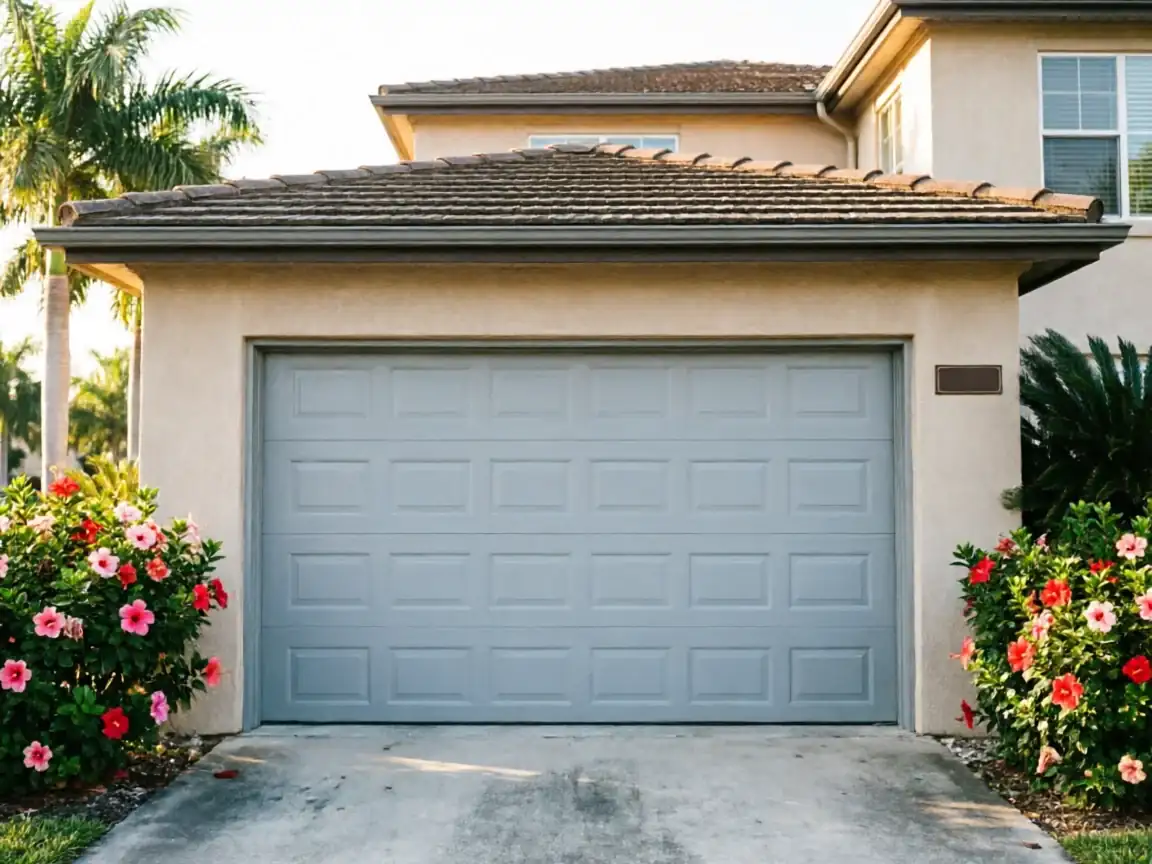
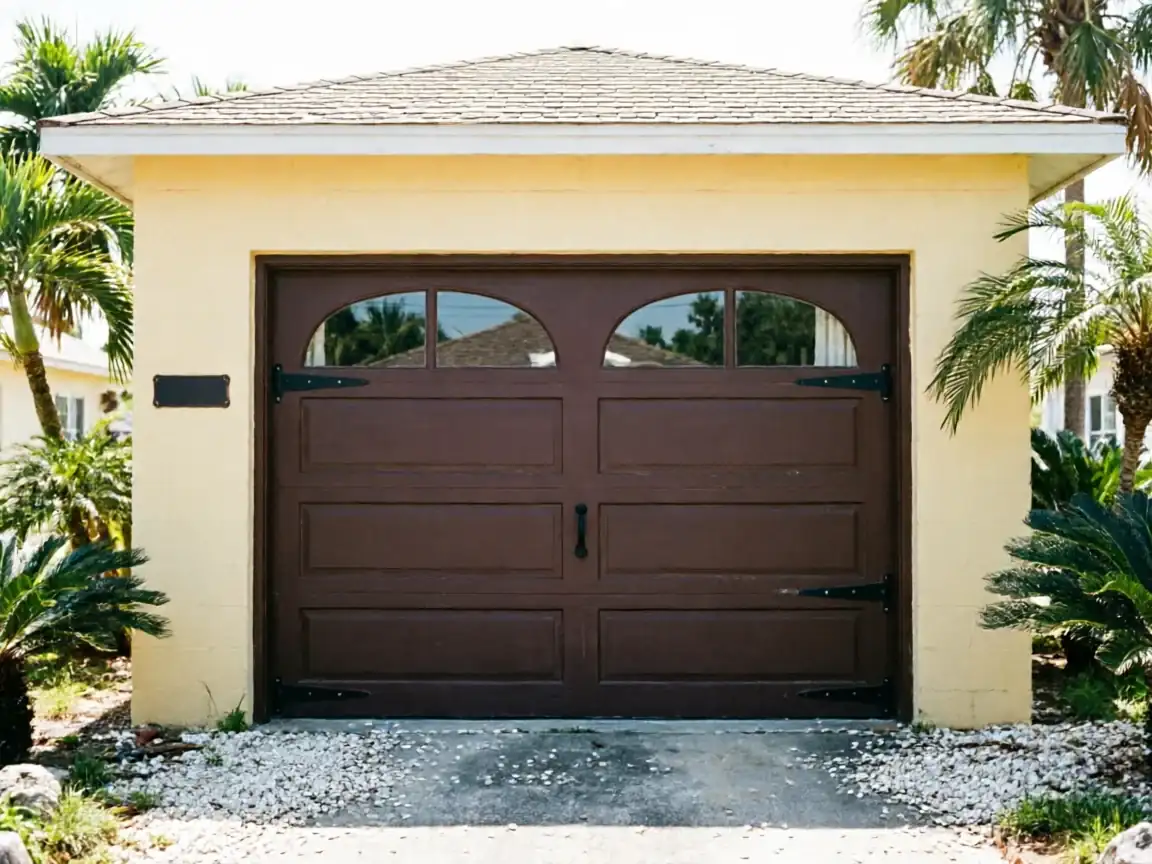
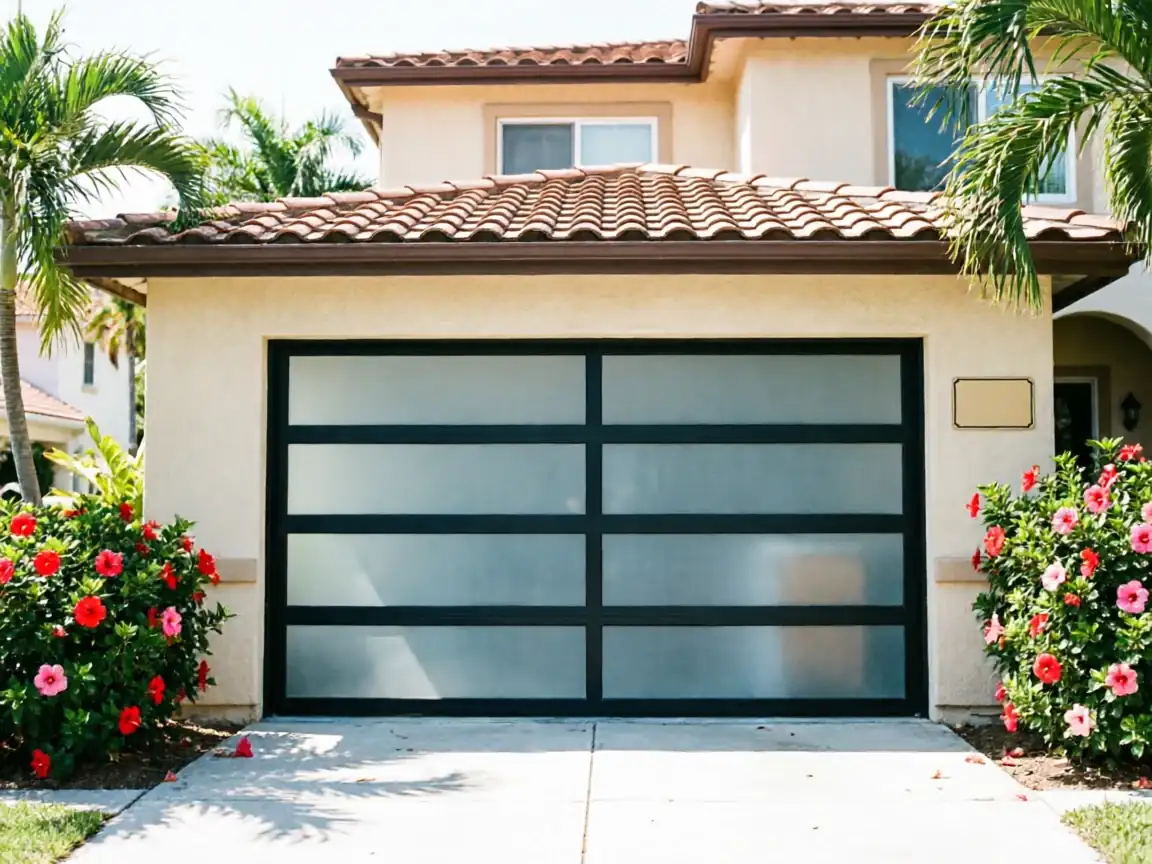
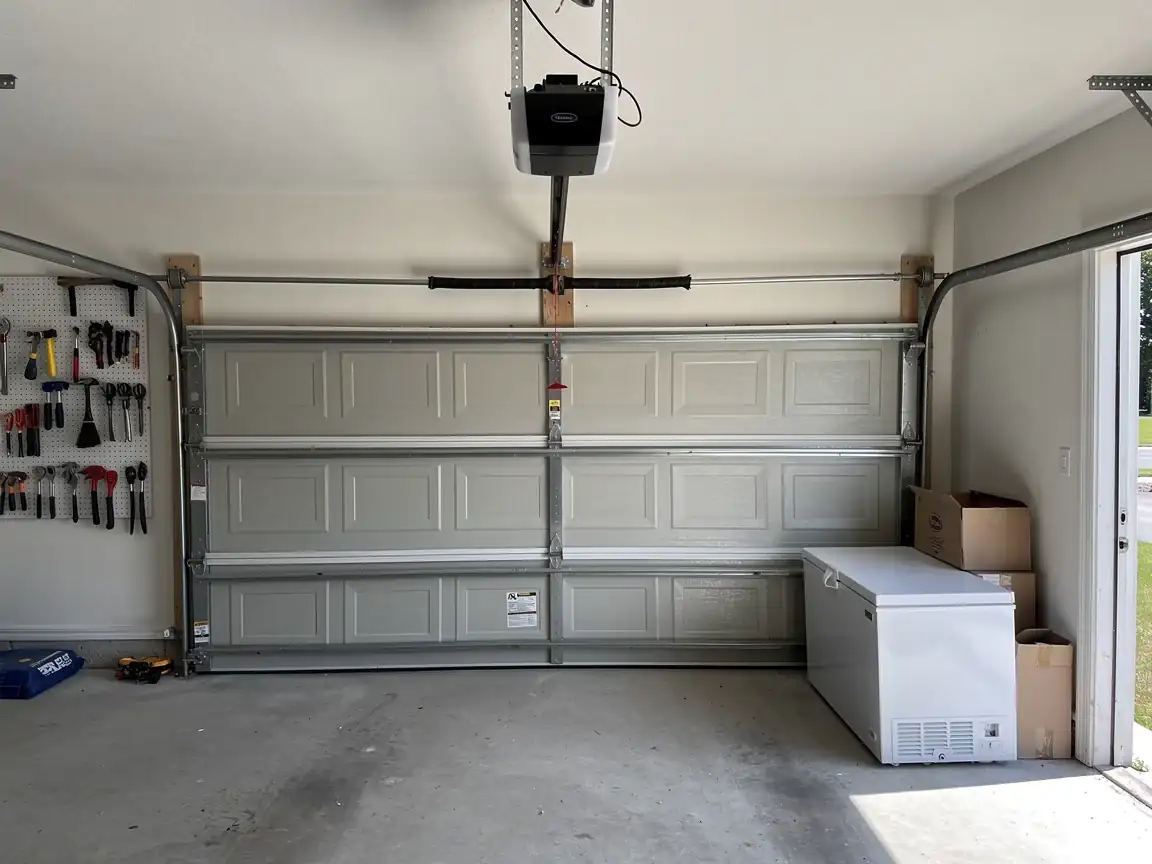
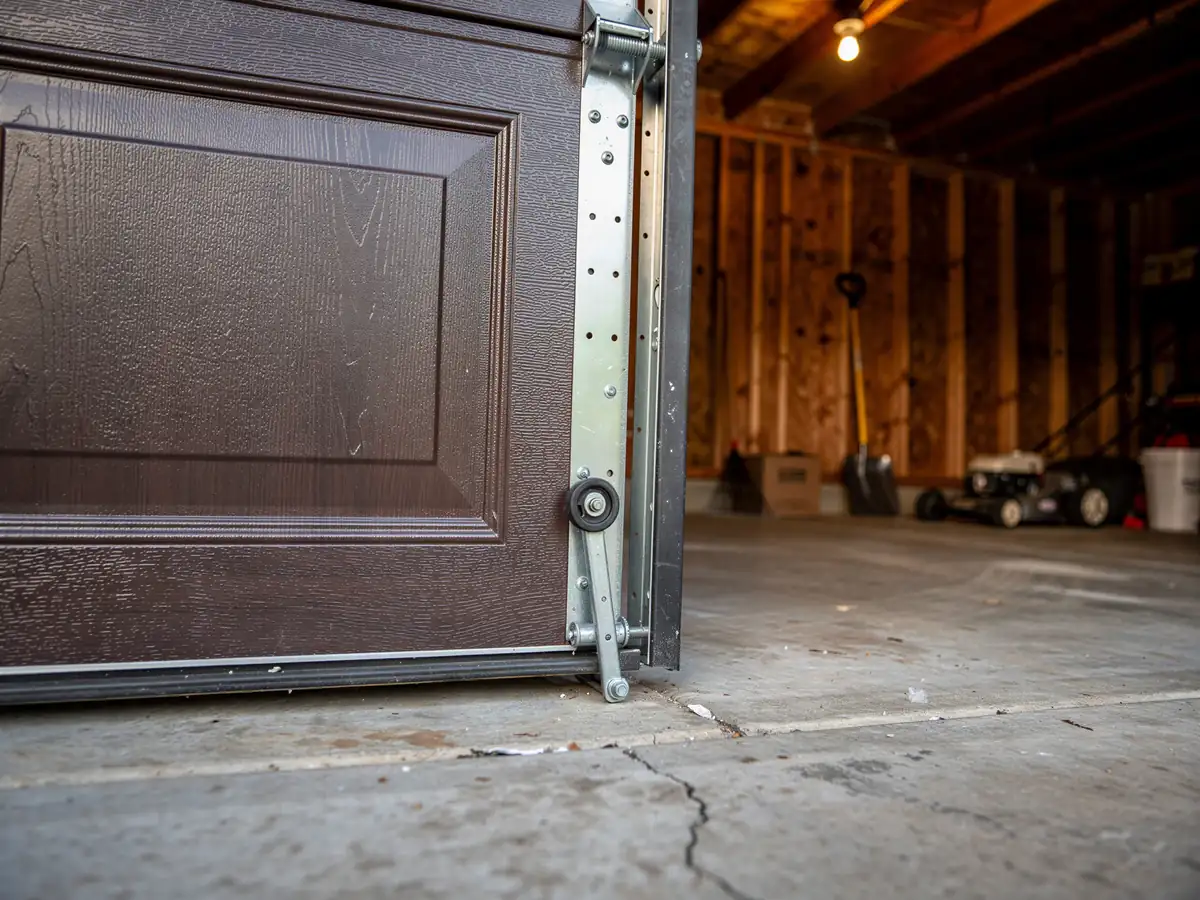
A lot of these houses were built when steel garage doors were single-layer, no insulation sandwiched in, hung on hardware that was standard for the era but hasn't been made the same way since. The springs wear out, the tracks bend from age, and when a panel finally gives out, it's not always a simple swap because the sizing and mounting don't always match what's on the shelf today.
Valparaiso's housing mostly dates from the 1973 to 2013 window across this service area
But here the median sits around 1975 - noticeably earlier than some of the newer pockets nearby. That earlier median means more original torsion or extension spring setups still in service, more doors that have never been replaced, and more calls where the fix depends on what's actually behind the door rather than a universal part. A cable frayed on a 1975 door isn't the same job as a cable frayed on a 2005 door, even if the symptom looks identical from the driveway.
The DIY Question
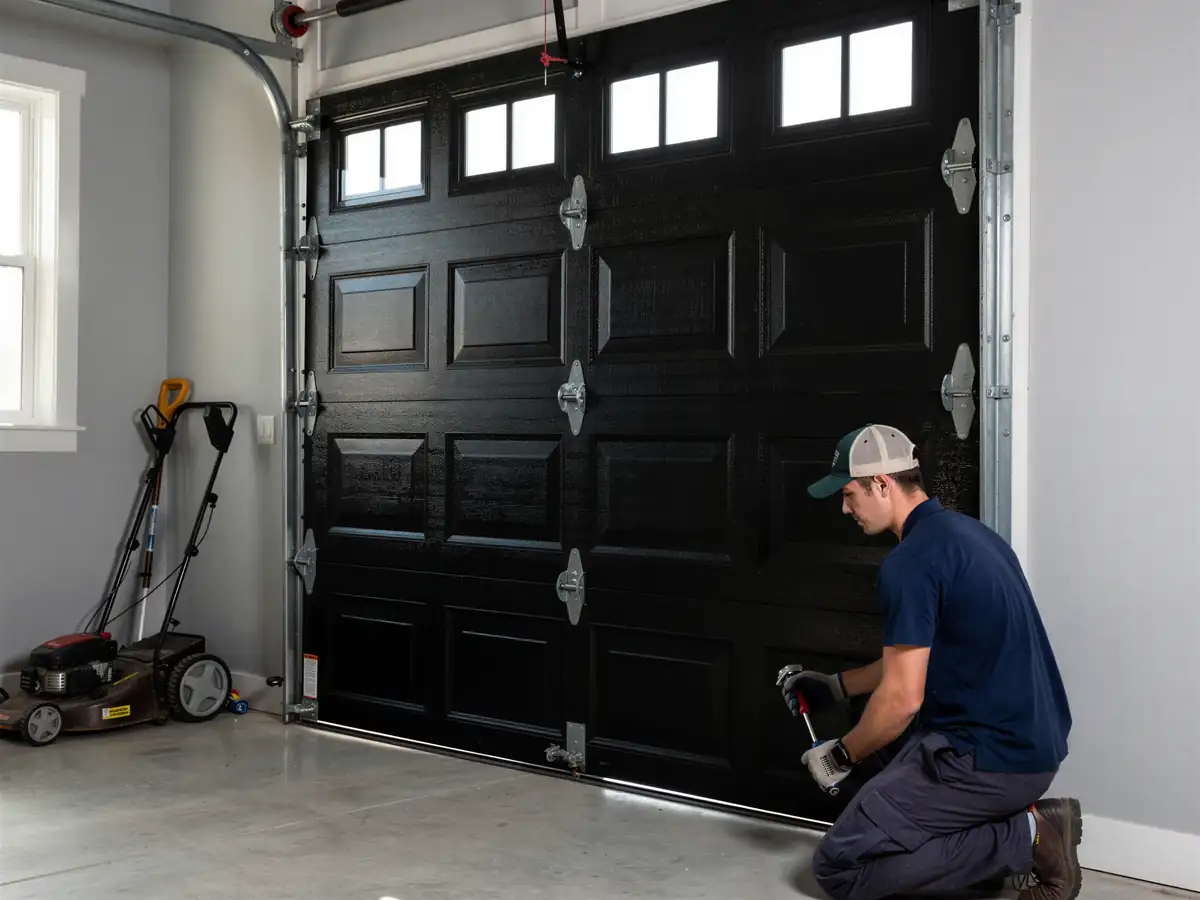
Some of this is fair to tackle yourself - tightening loose hardware, lubricating hinges and rollers, clearing the track of debris. None of that requires a call.
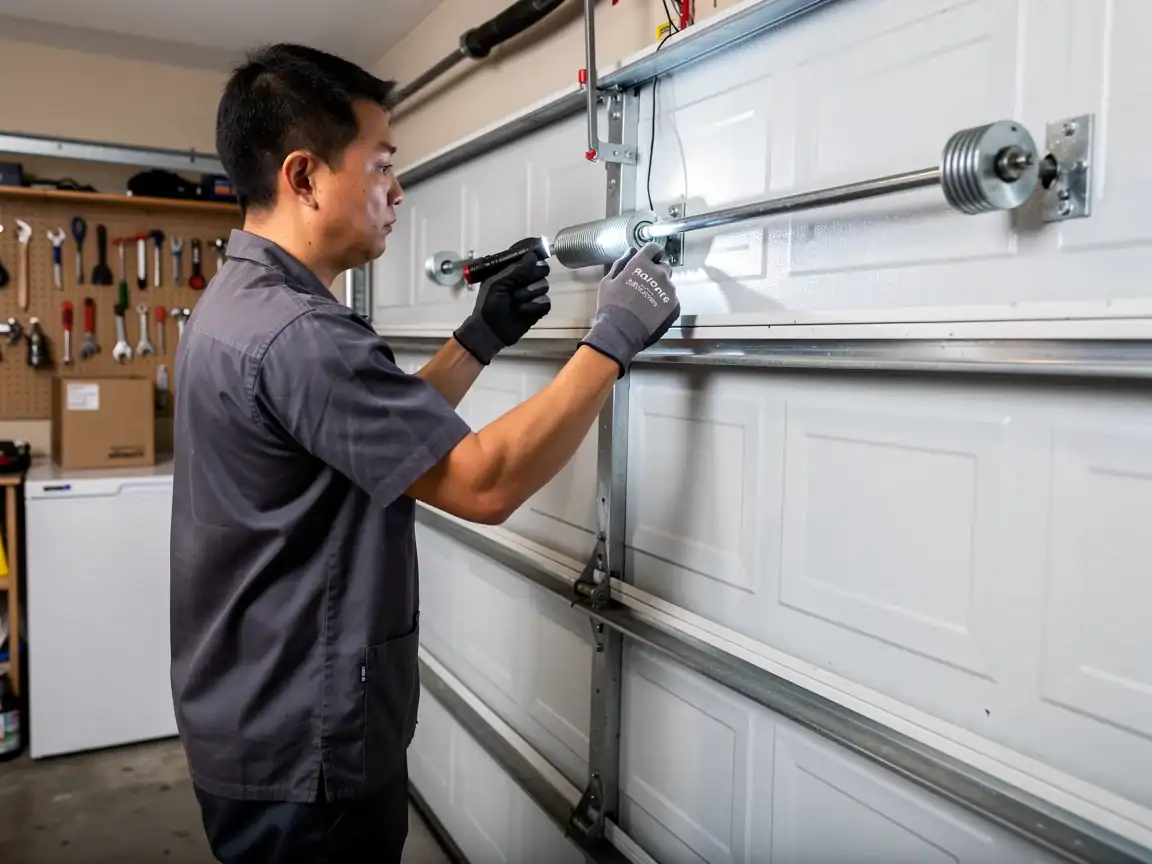
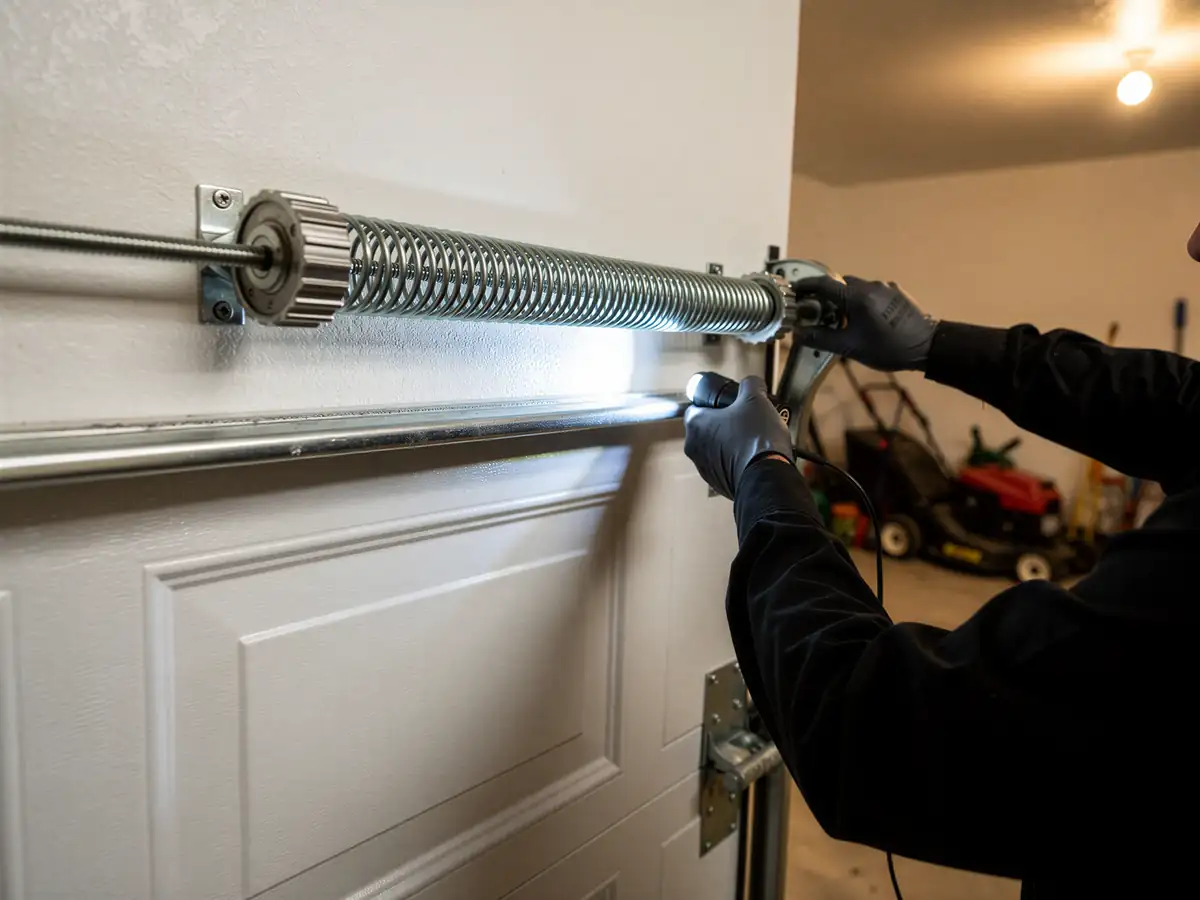
What isn't worth doing yourself: torsion springs. They're wound under real tension, and on an older door the mounting hardware may not be rated the way a newer kit is. We've also seen owners try to force a door back onto bent track, which usually turns one bent section into a full track replacement.
Here's the honest limit on our end: if the door is old enough that the specific panel or spring size isn't something we can source quickly, we'll tell you that up front rather than stringing out a repair that should be a replacement. Sometimes the age of the door means fixing it costs more, over time, than putting in a new one. We'd rather say that on the phone than after we've opened up your garage.
How to Book
We don't keep a separate branch in Valparaiso - the truck comes out of Niceville, about four miles away, so a service call here doesn't mean a long wait to get someone looking at the door. Call and describe what's happening: door won't close, spring snapped, opener grinding but door not moving. That tells us what to bring before we're on-site, which matters more on an older door where the part isn't a guaranteed stock item.
You can also start from our Valparaiso garage door repair page if you want more on what we cover in this specific area, or check our main Niceville repair page if you're looking at the broader service area.
What You Pay
We're not going to list prices here that don't hold up once we actually see the door
A spring job on a standard door and a spring job on an older door with nonstandard hardware aren't priced the same, and quoting a number without seeing it would be a guess dressed up as a fact. What we can tell you is what drives the cost: whether the part is common or has to be matched to older hardware, whether it's a spring, cable, panel, or opener issue, and whether the track or frame took damage too.
Valparaiso's household income runs close to $81,938, in line with the rest of the service area
And most owners here are weighing repair against replacement on a door that's been in service a long time. We'll give you both numbers before we start, not after.
- $81,938 household income
Why It Happens Here
Two things explain most of what we see in Valparaiso. First, the age of the housing - a median build year around 1975 means a lot of these doors and their hardware are original or close to it, and original hardware fails differently than something installed in the last decade. Second, the climate: this area sits in a mild band with only occasional freezes, so the wear here isn't from ice cracking seals the way it would further north. It's humidity, salt air off the coast, and plain age working on steel and springs that have been doing the same job since the Ford administration.
With around 1,761 households in Valparaiso, that's a fair number of garages built in the same stretch of years, which is part of why we see the same handful of failure patterns on repeat calls out here rather than a wide spread of unrelated problems.