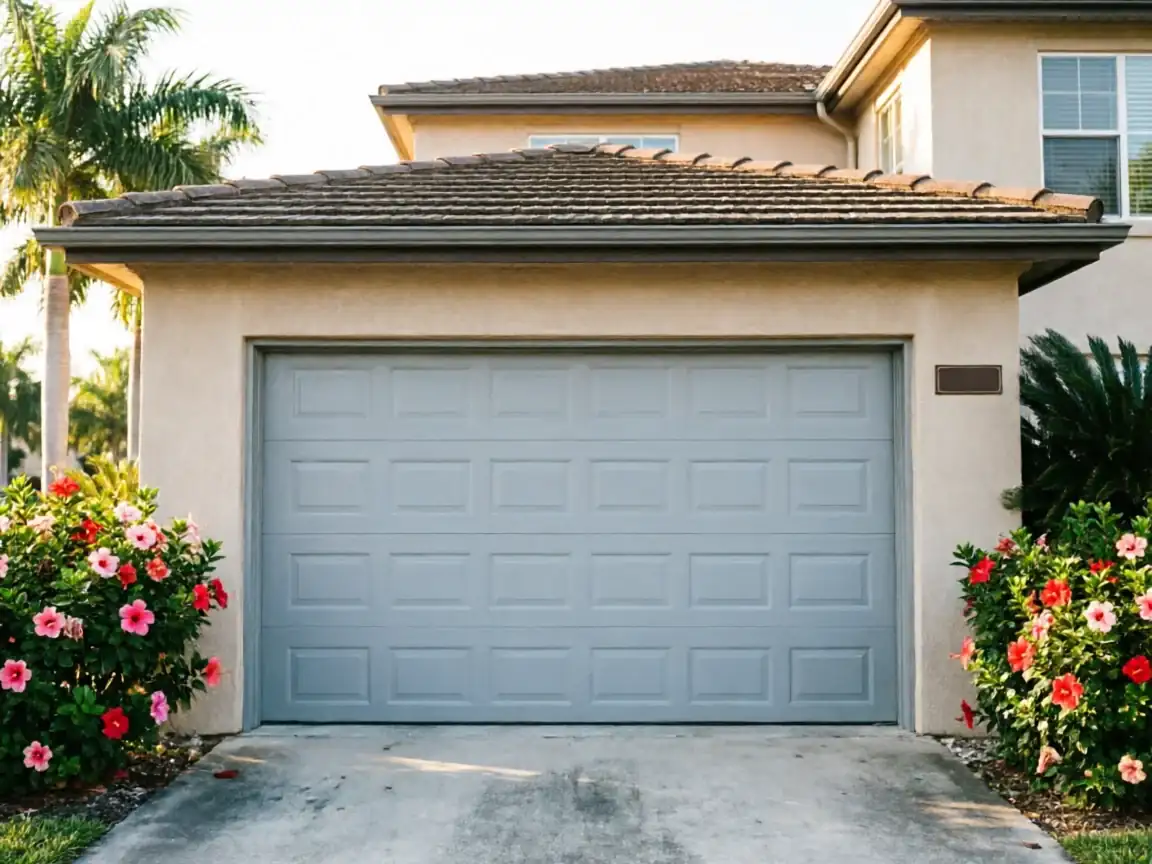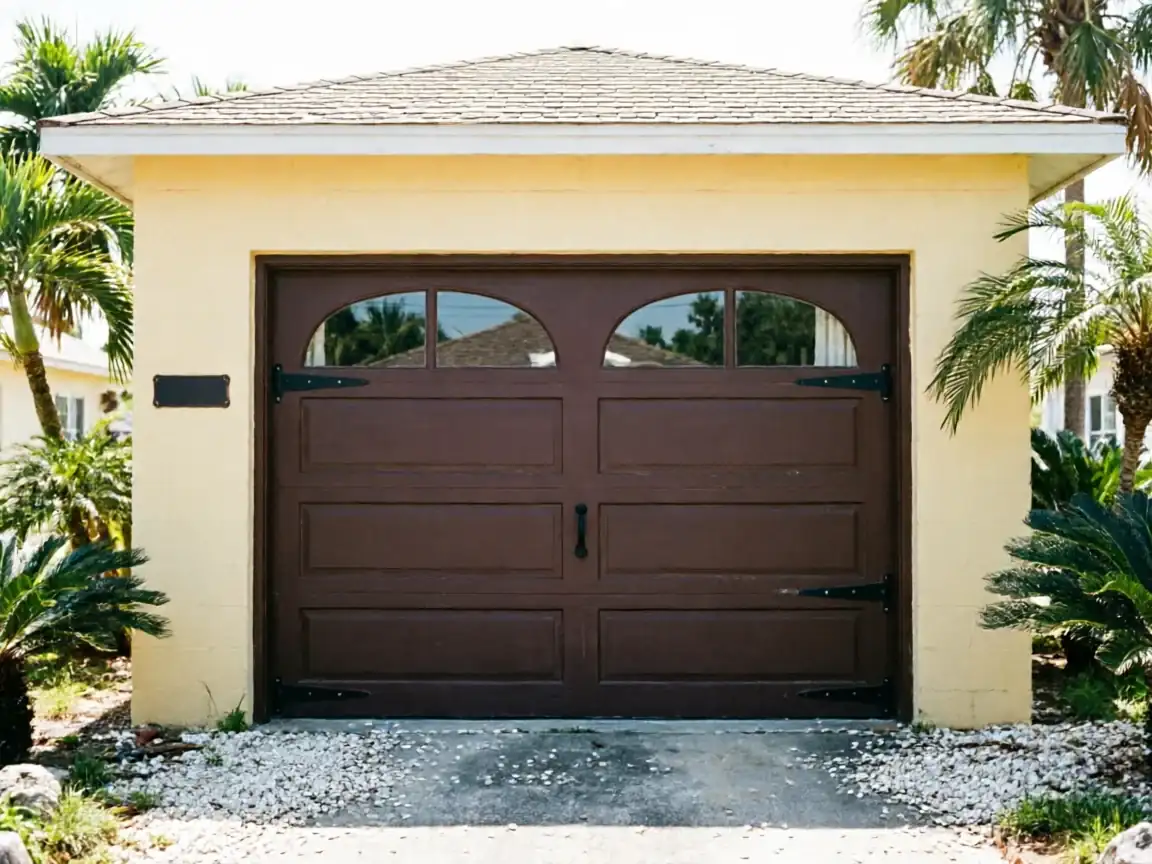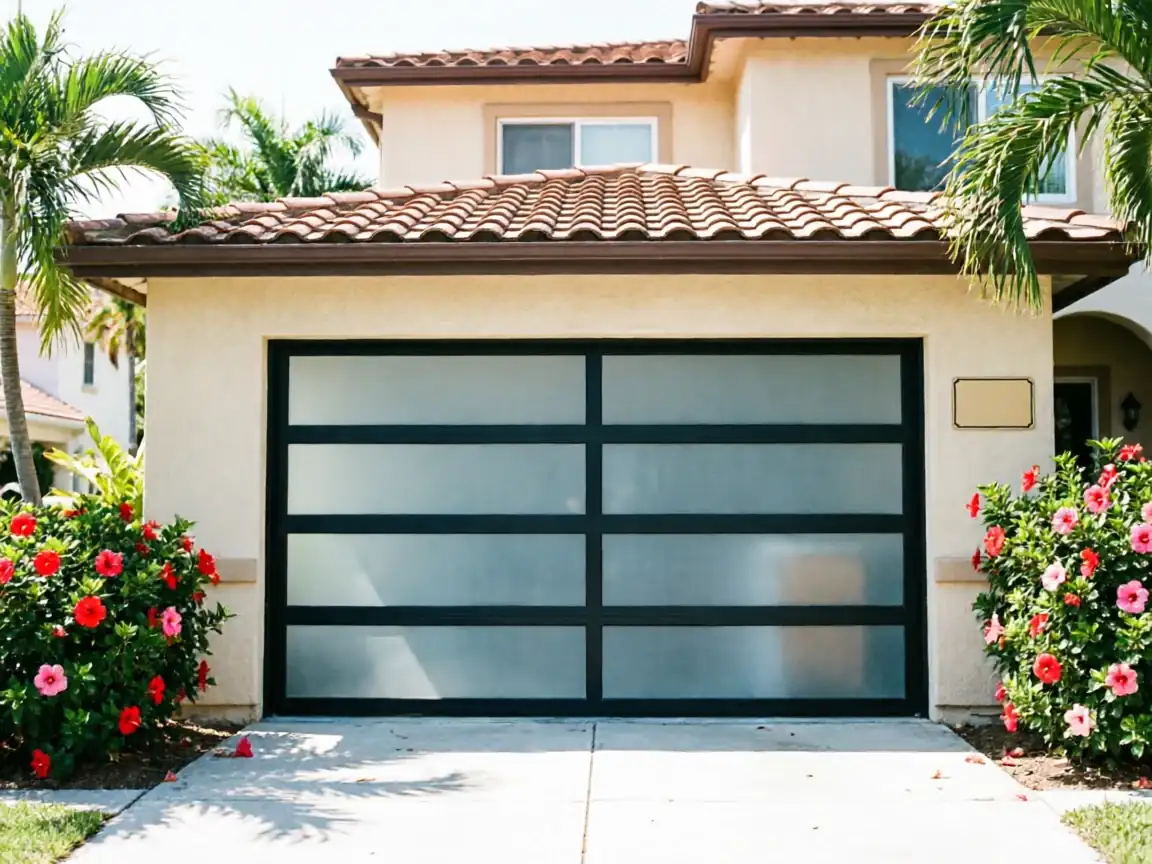
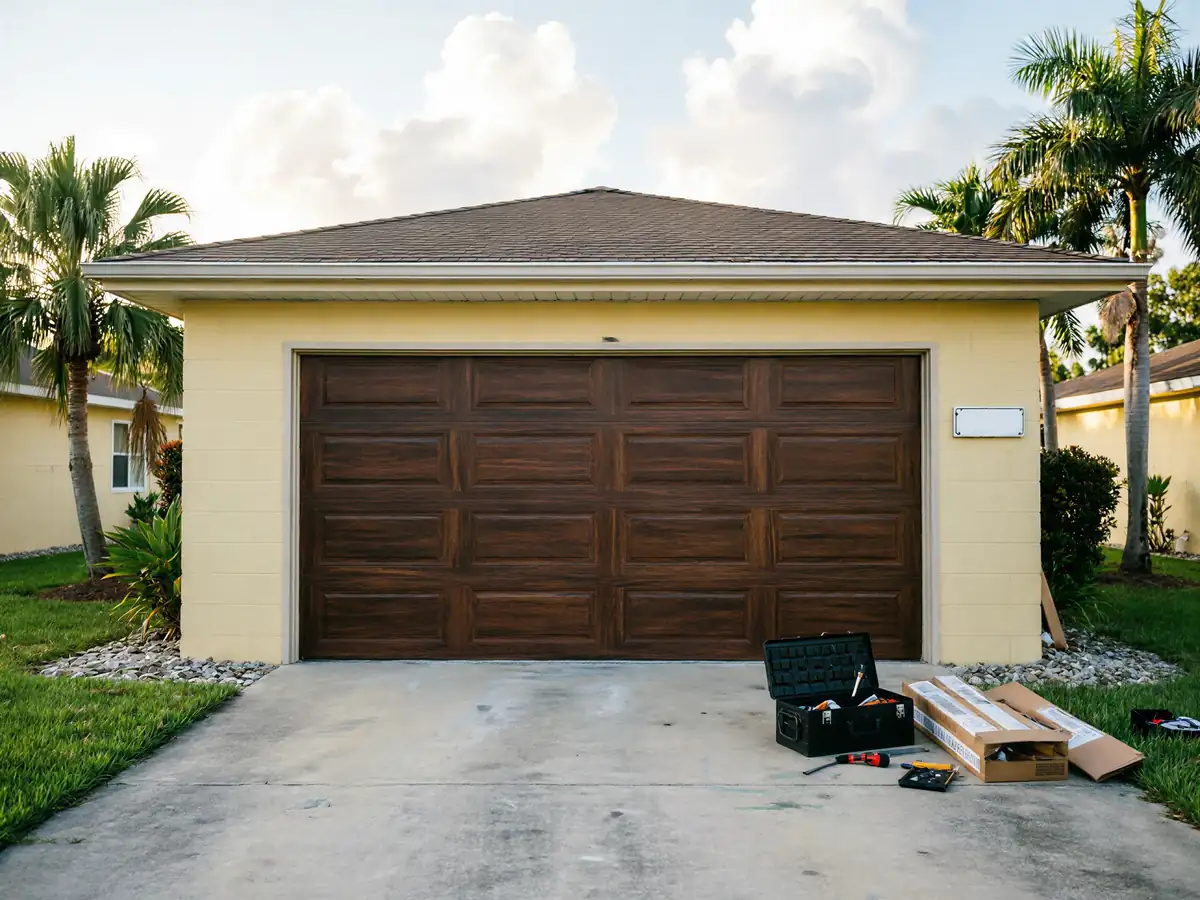
How It Shows Up
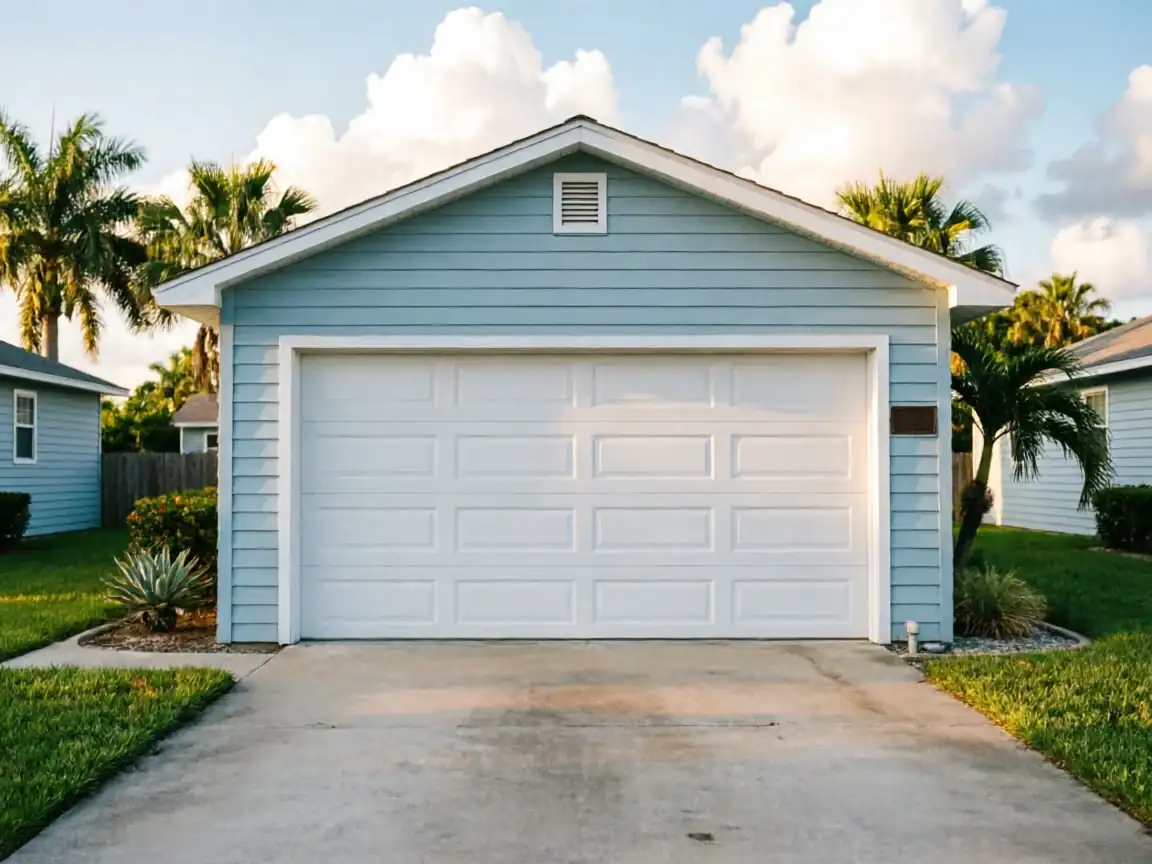
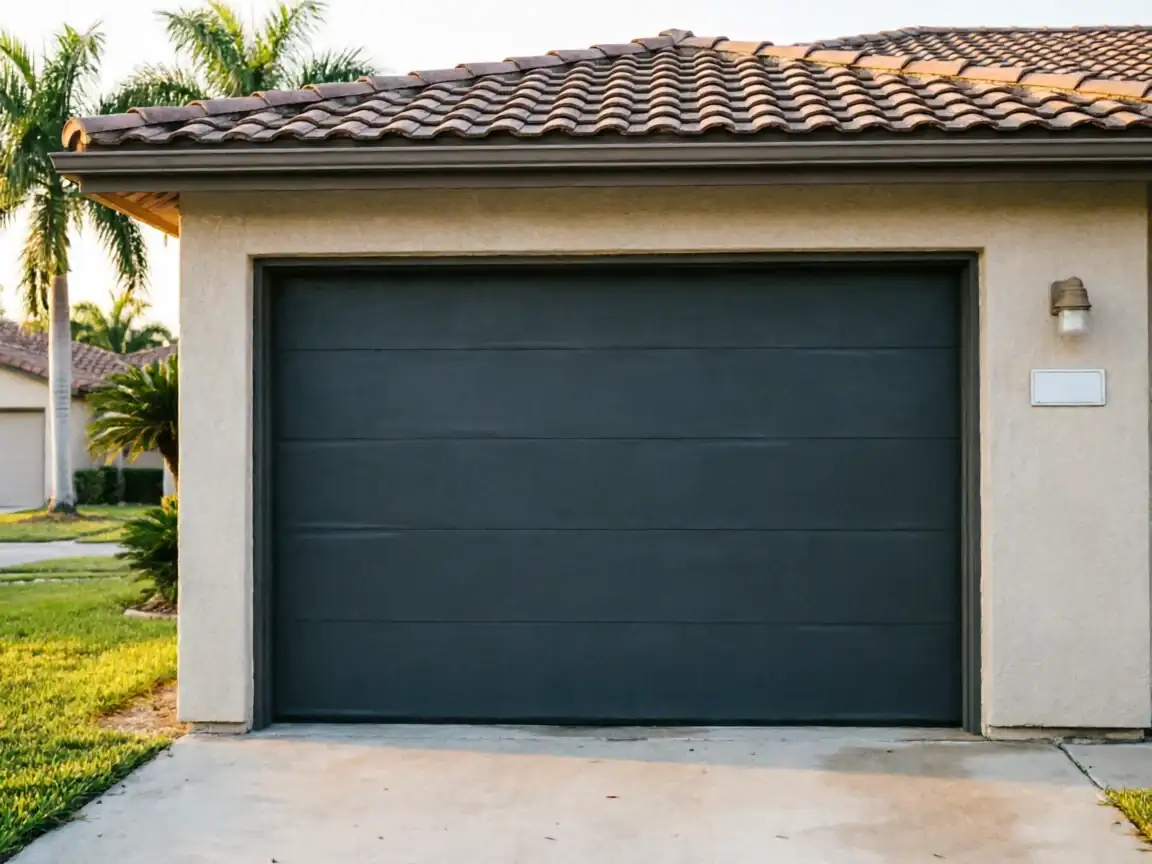
Walk up to most garage doors in Valparaiso and you're looking at a door that's close to fifty years old
Because the median home here was built around 1975. That means a single-layer steel door, flat or lightly ribbed panels, no foam core, hung on a torsion spring sized for a door that weighs a lot less than what's on the market now. These doors were built to a 1970s standard, not a modern one.
What that looks like in practice
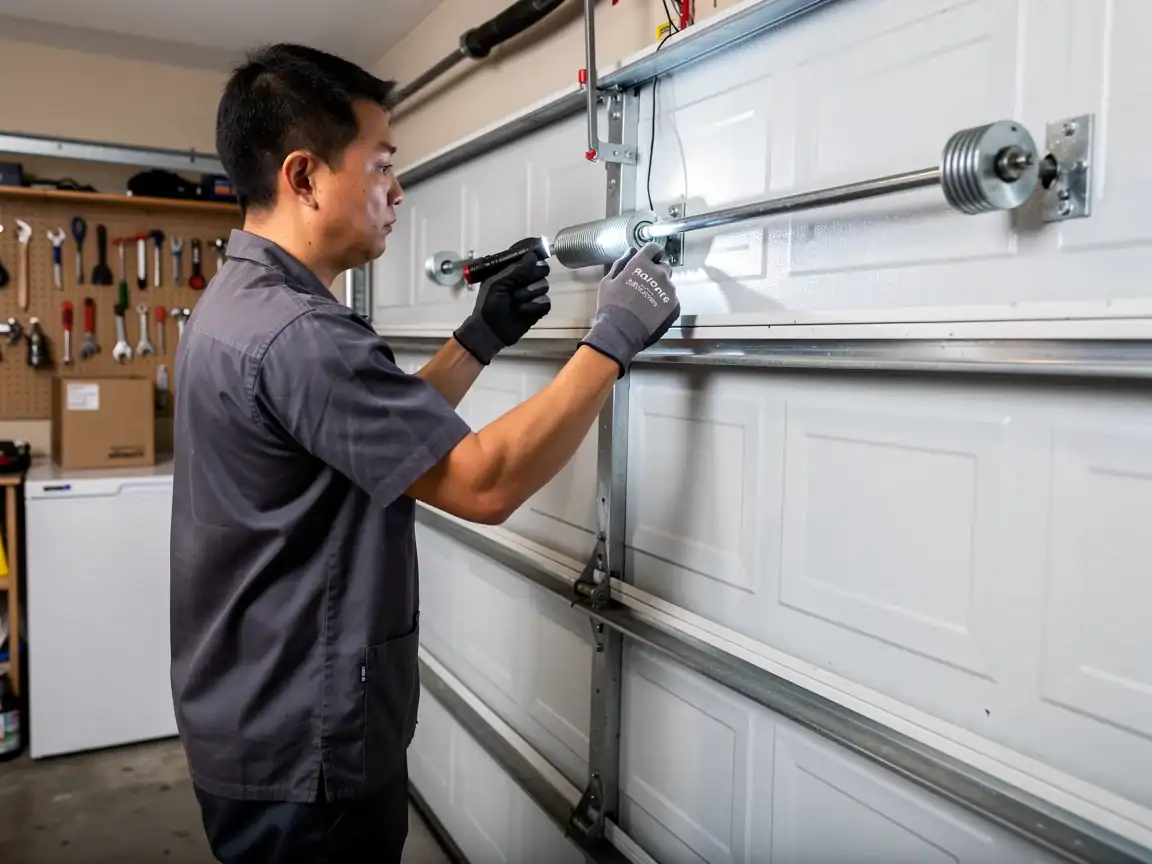
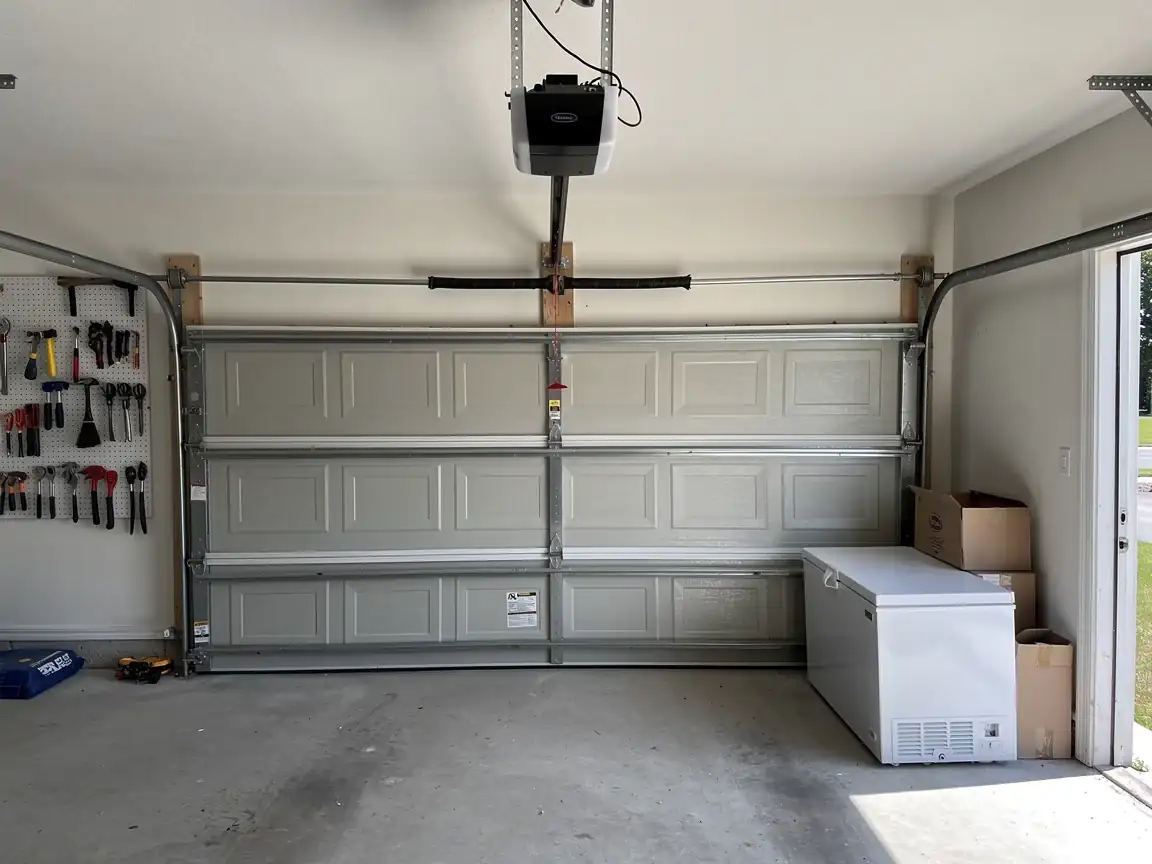
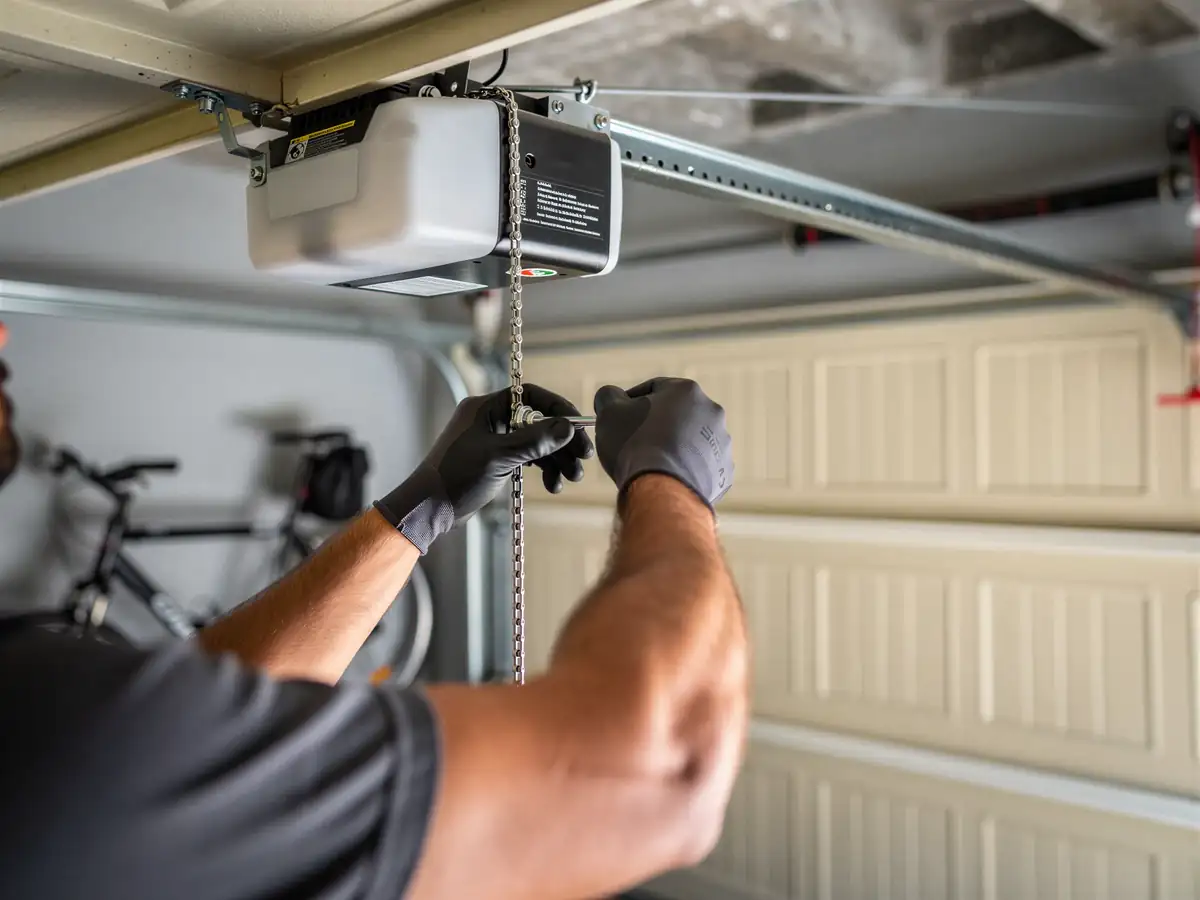
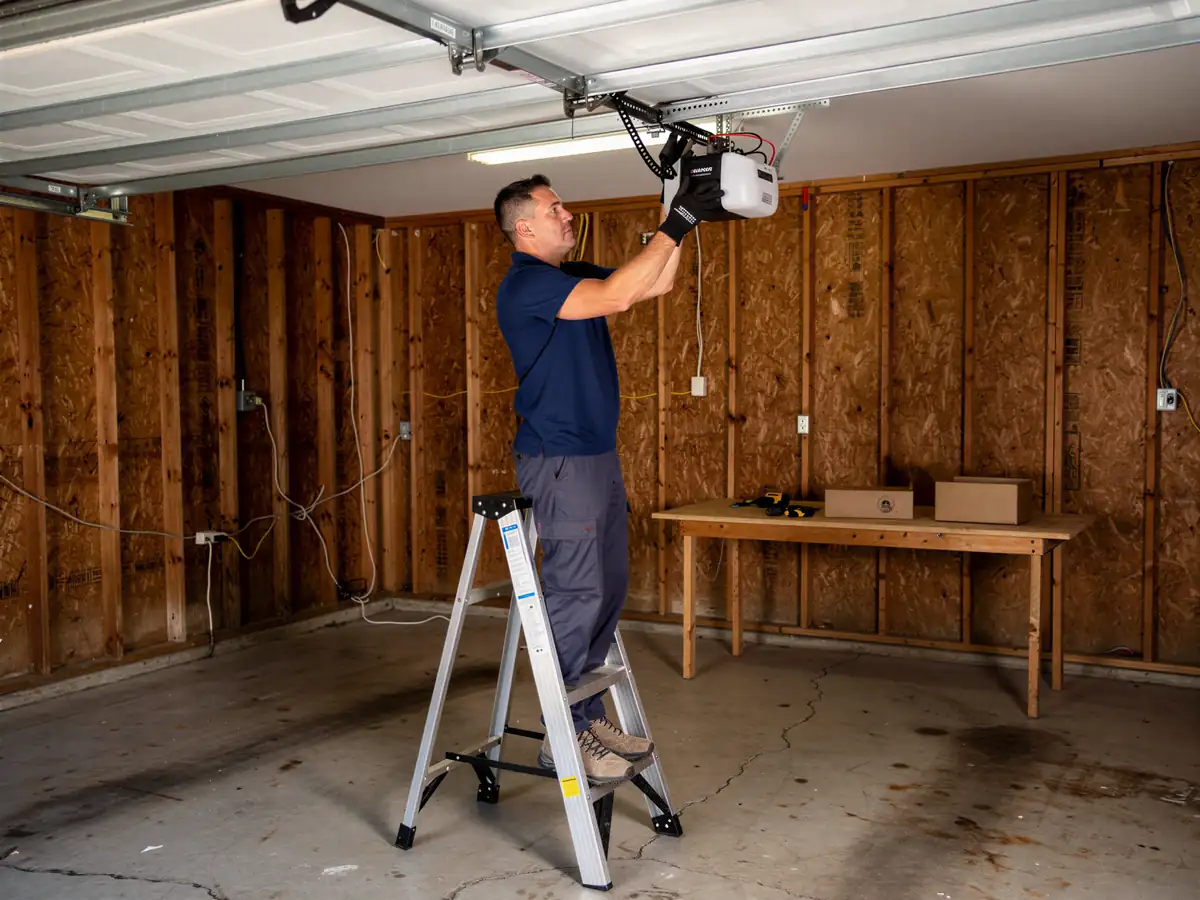
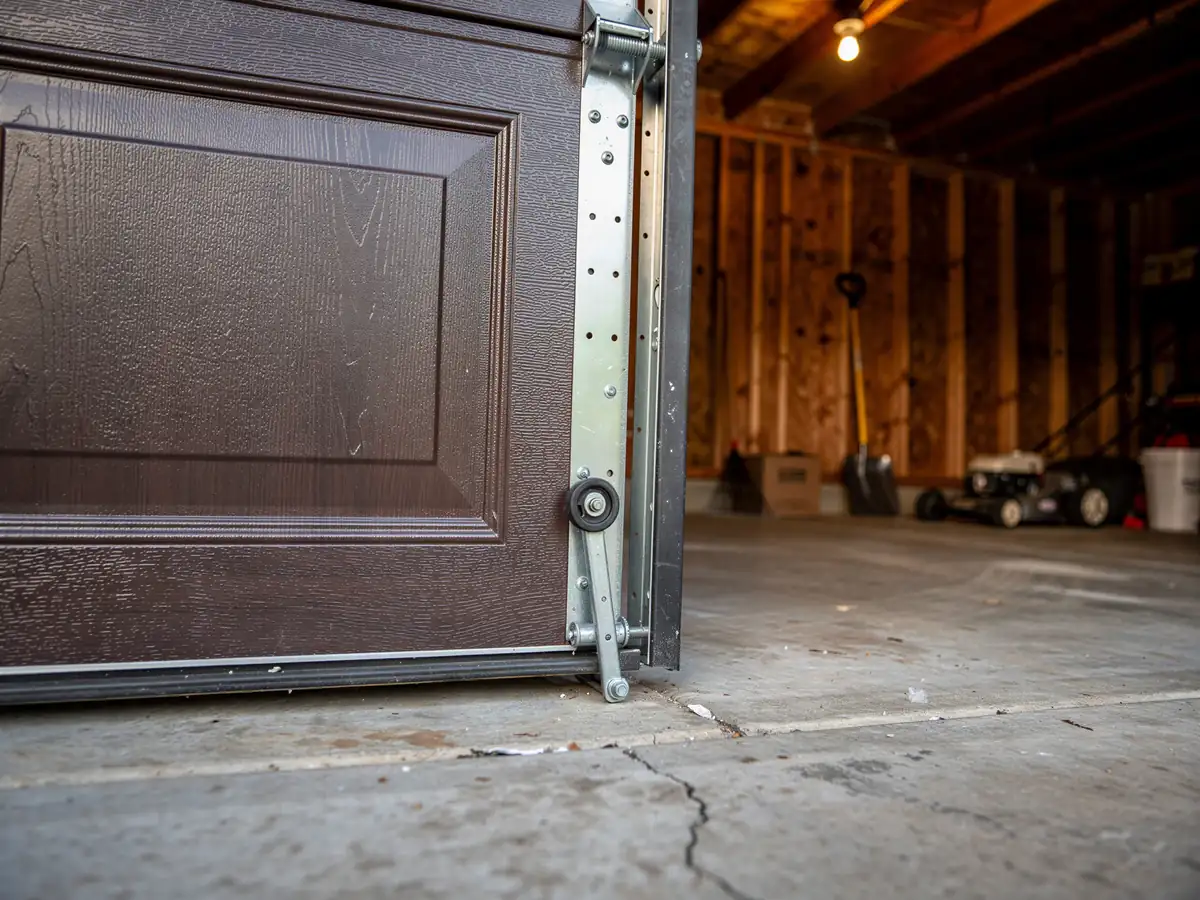
Panels that flex when the wind catches them because there's no insulation layer stiffening the steel, hinges worn oval from decades of cycles, and openers that were never rated for anything heavier than the light door they came with. If a homeowner swaps in a heavier insulated door but keeps the old springs and opener, the new door won't balance right and the opener will strain on every cycle. The fix isn't just a door - it's matching spring weight, drum size, and opener horsepower to what you're actually hanging. On the mild Panhandle climate here, with only occasional freeze nights, the bigger threat to original hardware is UV and humidity cycling on old lubricant, not ice.
The DIY Question
Replacing a garage door yourself is possible if all you're doing is bolting on a lightweight single-panel replica of what's already there. That's not most jobs in Valparaiso, because most of these 1975-era doors are being upgraded to insulated steel or composite, which changes the weight the spring system has to carry.
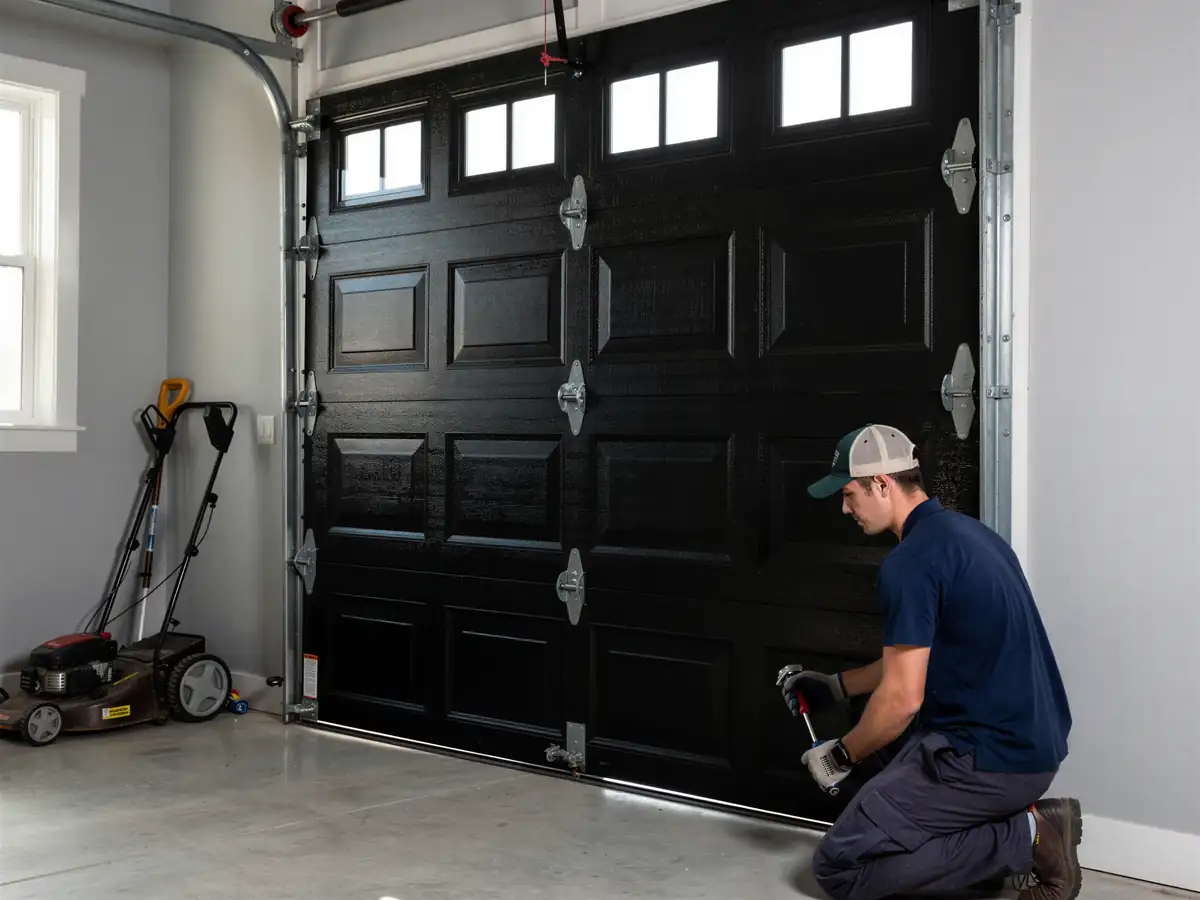
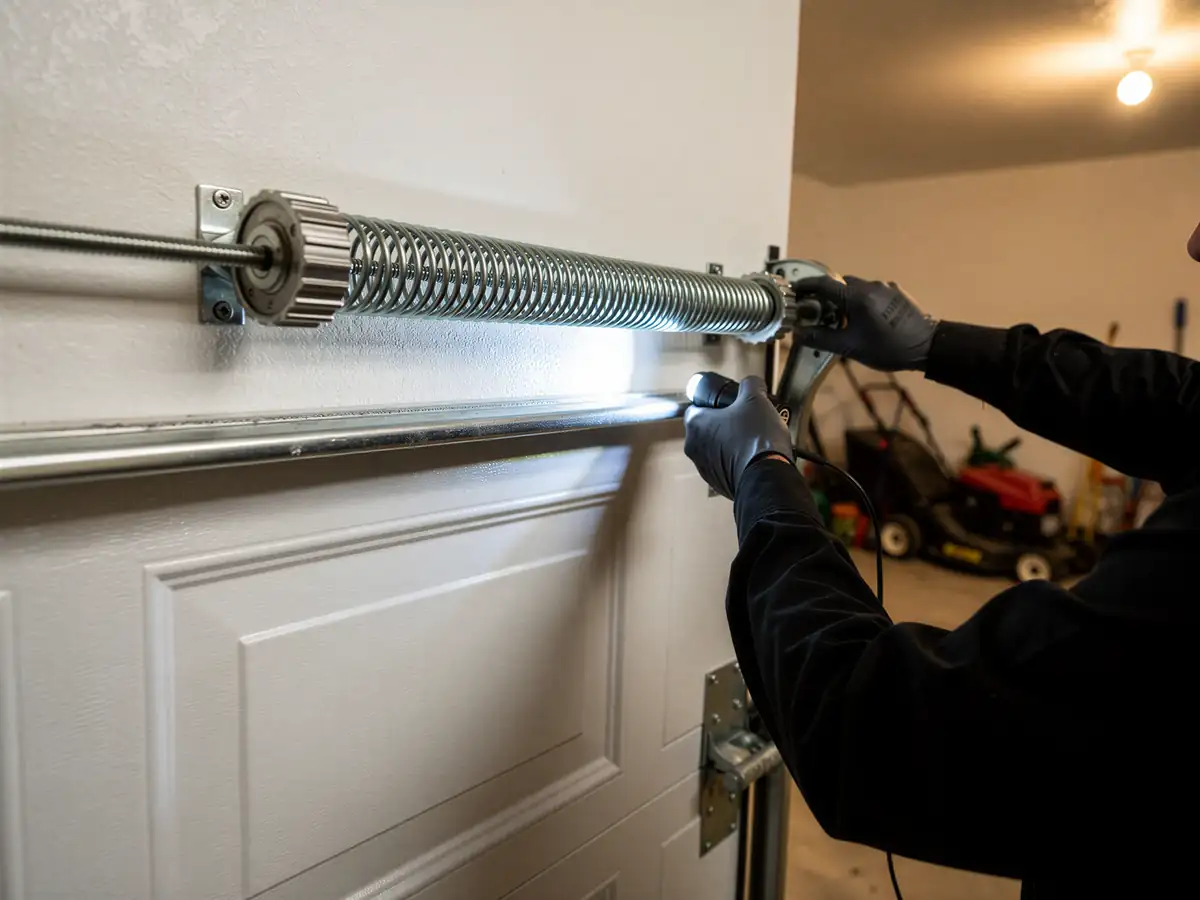
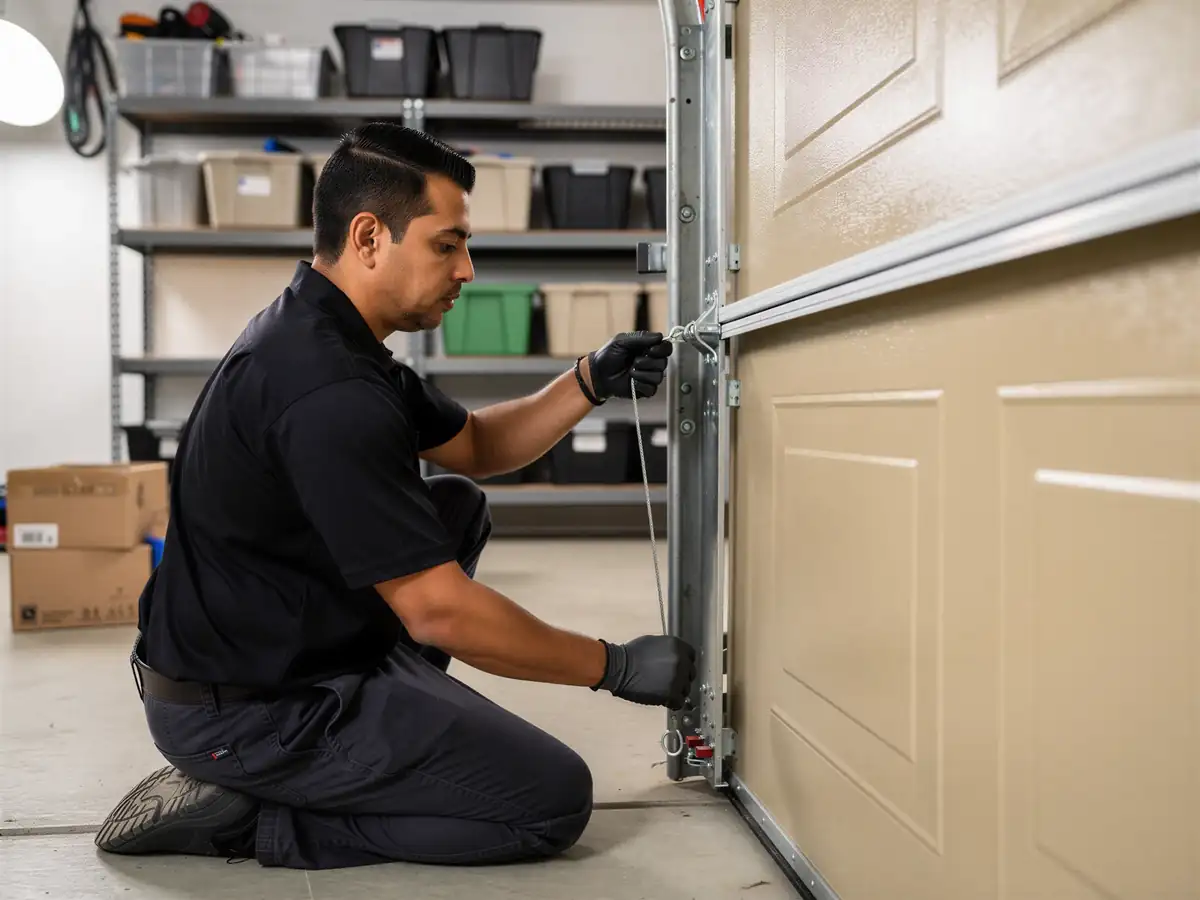
Here's the honest limit: we don't recommend DIY torsion spring work on any install, old door or new. A torsion spring under tension can put someone in the hospital, and getting the wind count wrong on a new door's spring is one of the most common ways a fresh install ends up sagging or slamming within a year. If you're just replacing weatherstripping or a roller, fine, that's a Saturday job. Swapping the door itself, the track width, or anything load-bearing - call for that one.
How to Book
We run new installs in Valparaiso out of our Niceville base, four miles up the road. There's no branch office sitting in Valparaiso itself, so when you call, you're booking a truck that drives in for the job rather than one already parked around the corner. That's worth knowing because it means we schedule the visit rather than showing up unannounced.
If what you actually need is a repair rather than a full replacement - a spring, a cable, a panel - that's a separate page and a separate call: valparaiso-garage-door-repair. For the full rundown of install options and how we handle new doors across the wider service area, see garage-door-installation-niceville-fl.
What You Pay
We don't post a flat price here because the number depends on the door
Steel versus composite, insulated versus not, single versus double, and whether the old track and spring system get reused or replaced. What we can say is that median household income across this service area sits around $81,938, which is the kind of number that tends to put a mid-range insulated steel door within normal budget range for most homeowners here, rather than it being a stretch purchase.
The real cost swing in Valparaiso specifically comes from hardware age
A 1975-built house often needs new springs, a new opener, or wider track to fit a modern insulated door, on top of the door itself. We quote that as part of the job, not as a surprise add-on after the fact.
Why It Happens Here
Valparaiso has roughly 1,761 households, a small piece of the wider service area we cover, and most of its housing stock traces back to that 1975 median build year - squarely in the 1960s-to-70s window that defines a lot of this part of the Panhandle. That's the thing that actually separates an install job here from one in a newer subdivision: the door you're taking out is almost never the door the house was designed for today's standards, and the opening itself may be a slightly different width than what current manufacturers consider standard.
We see this pattern across the broader service area too, where original garages built in that same 1960s-70s stretch show up with narrower or shorter rough openings than modern 16x7 doors assume. Sizing the new door correctly, and checking the opening before ordering, matters more here than it does in a house built in the last ten years.