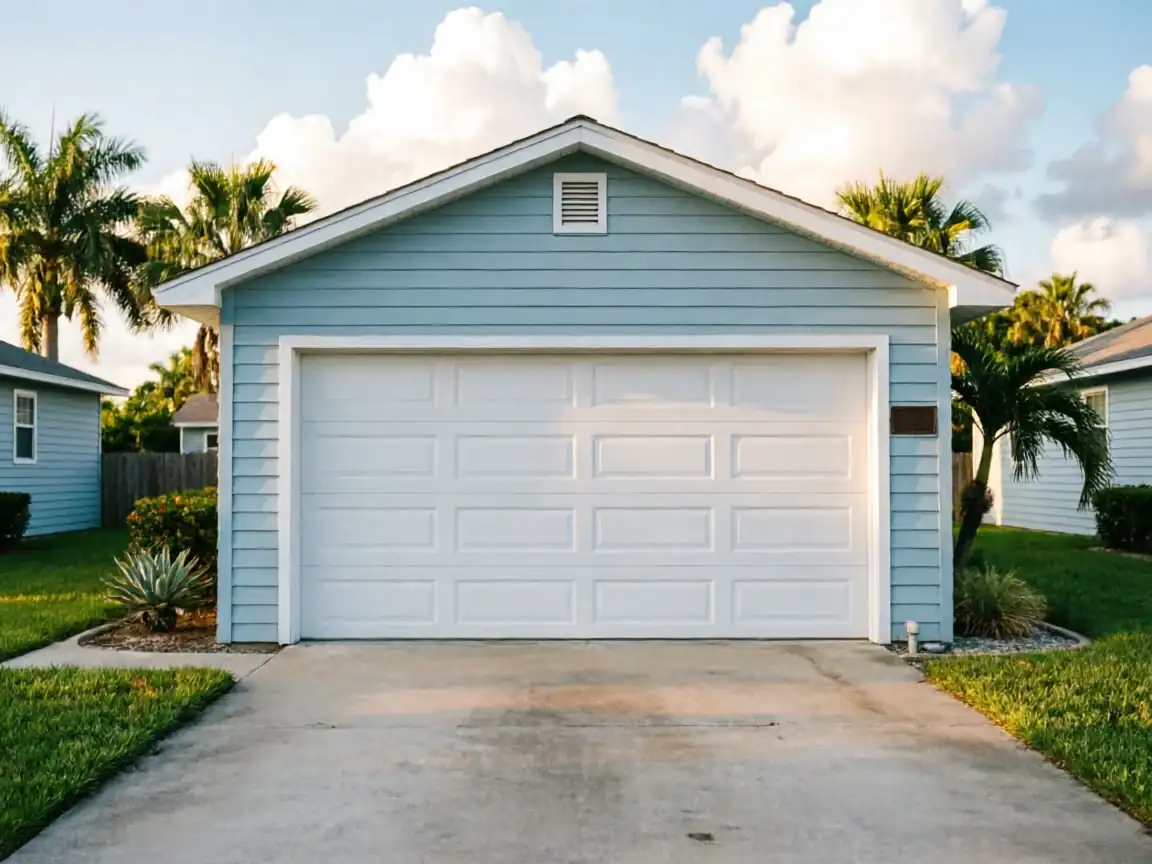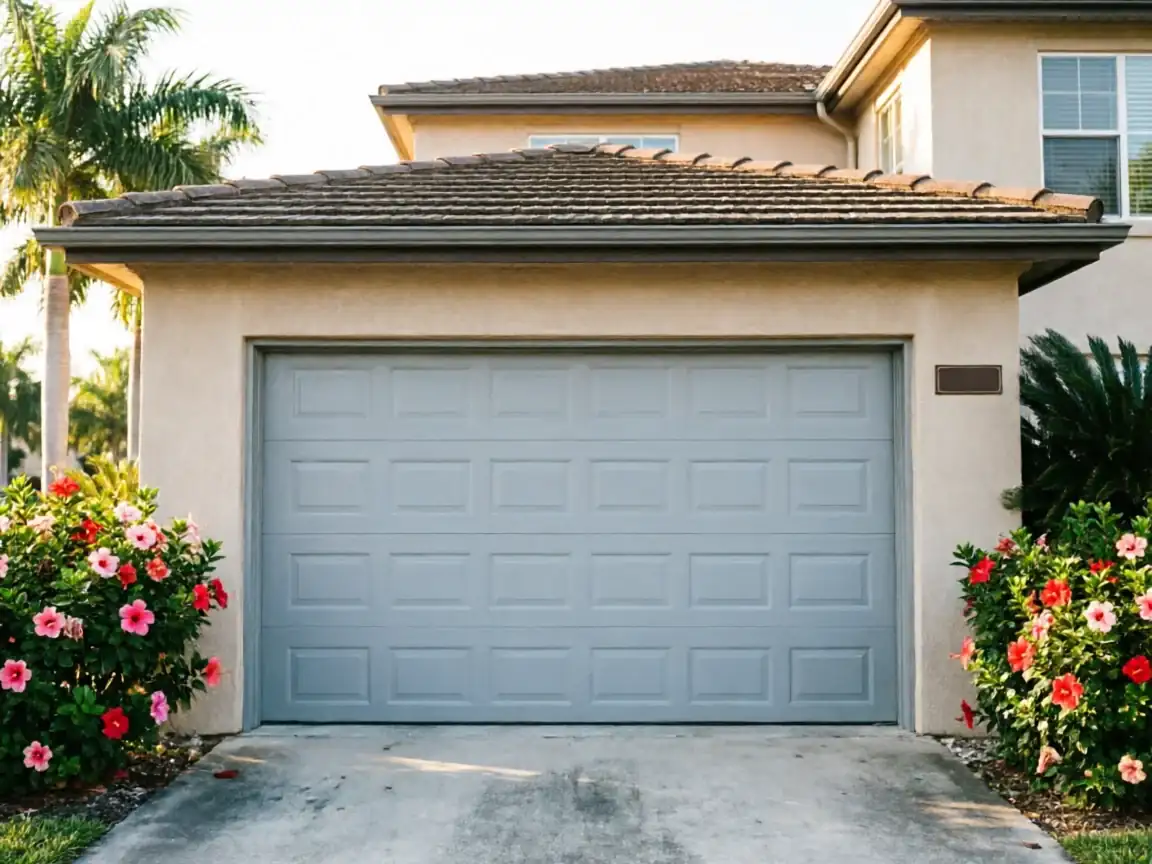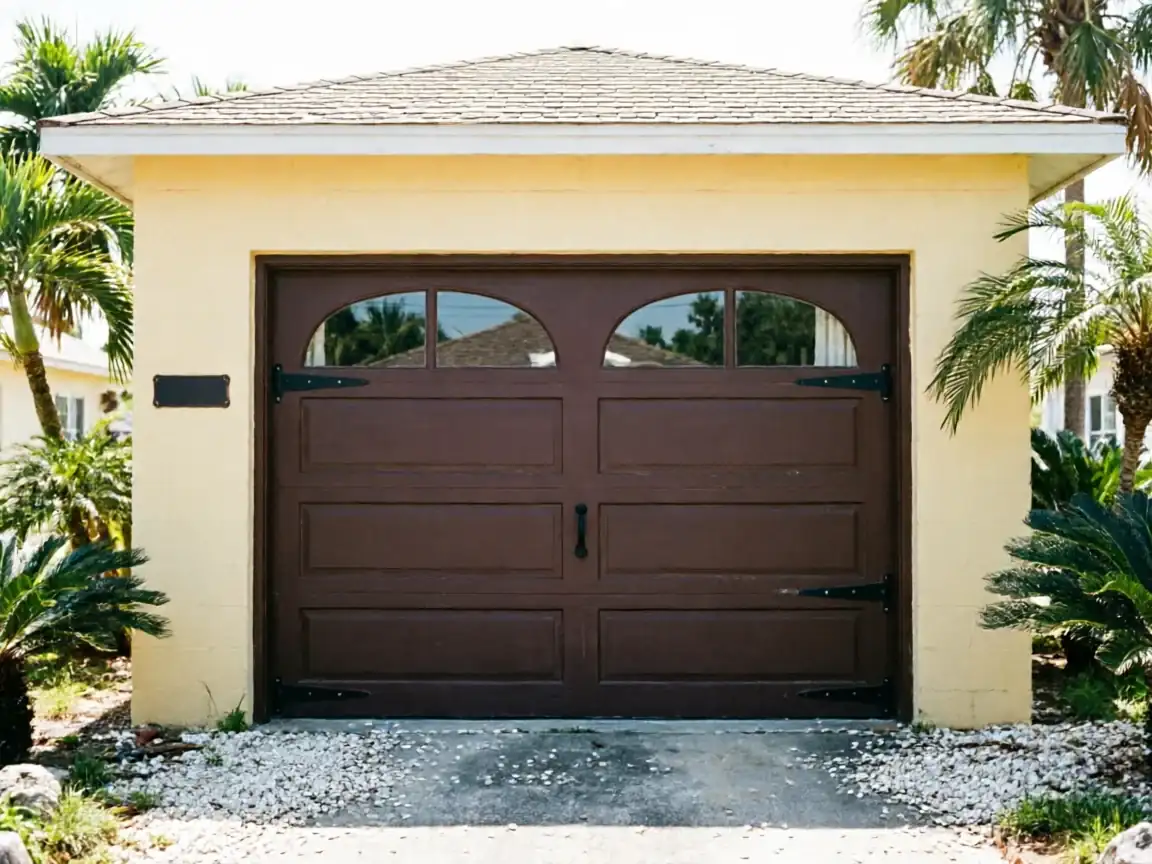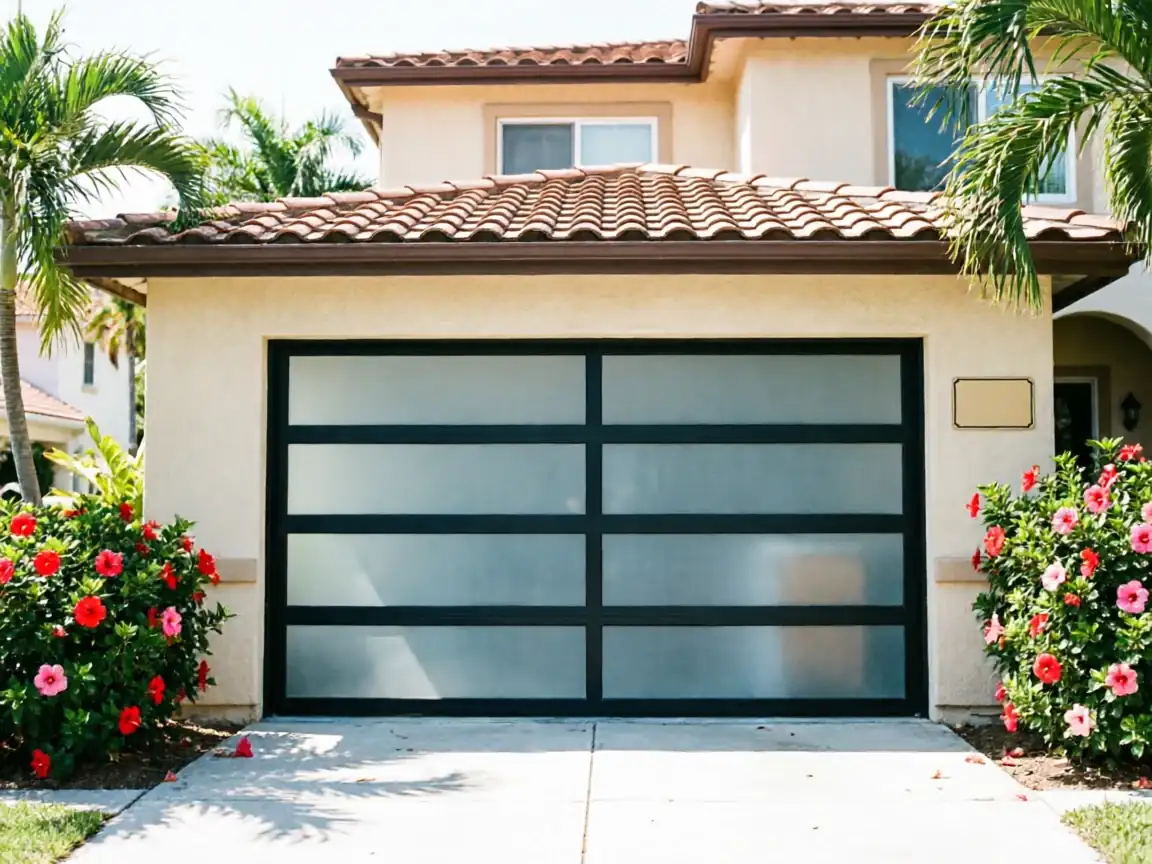
How It Shows Up
Valparaiso sits about 4 miles from our shop in Niceville
And the houses here skew a bit older than the service area as a whole. Where the wider area's housing stretches from 1973 up into 2013 with a median around 1979, Valparaiso's own median build year lands closer to 1975. That four-year gap doesn't sound like much until you're standing in front of a torsion spring that's a few extra seasons past its wind-cycle rating.
- 4 miles
On a door from this era, the failure usually announces itself the same way
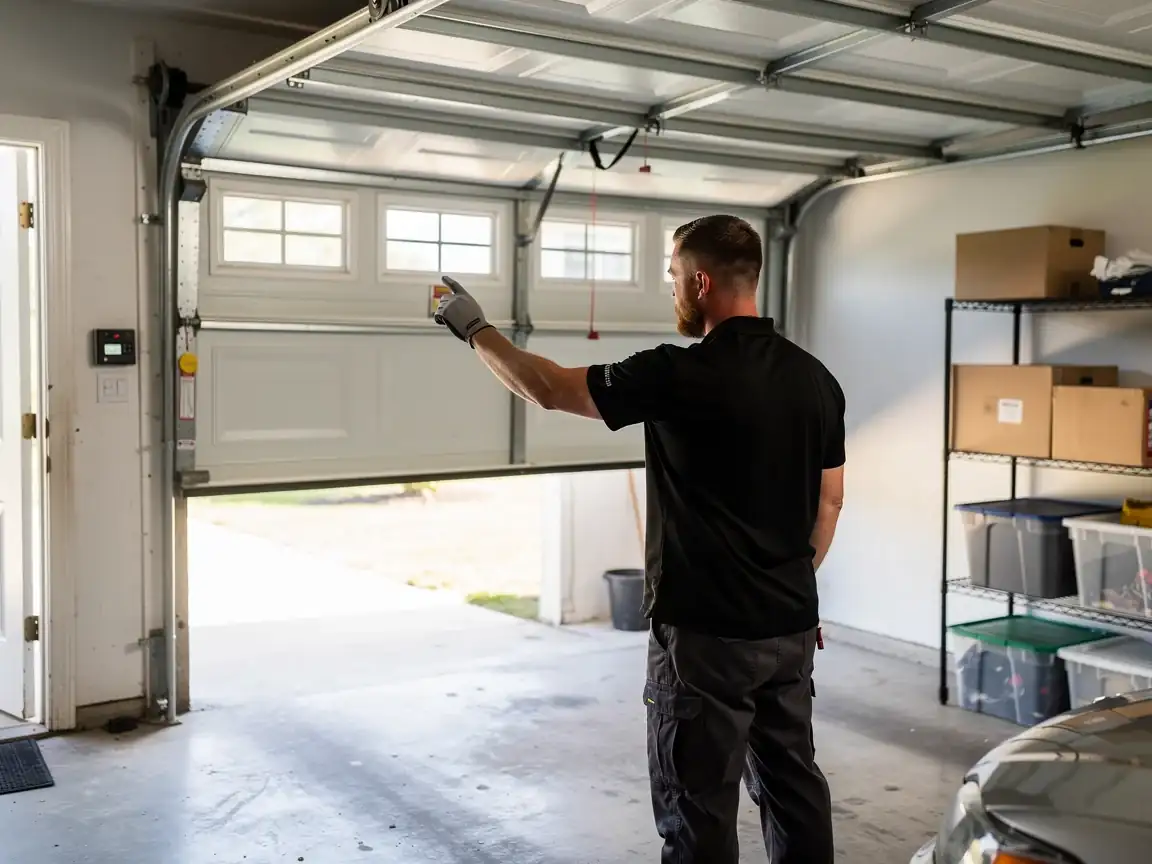
The opener strains and reverses, or the door won't lift past a foot before stalling. Sometimes you get the loud bang of a spring letting go, which on these older torsion setups is more startling than dangerous if the cable and drum are still holding. Extension springs on the older two-spring setups common to this build era tend to stretch and sag before they snap outright, which is actually the easier failure to catch if you're watching for it.
We don't guess at this from the truck
Once we're on-site we check the wind count, the wire gauge, and whether the drum and cable are original or already replaced, because a house built in 1975 has often had one prior repair by now.
The DIY Question
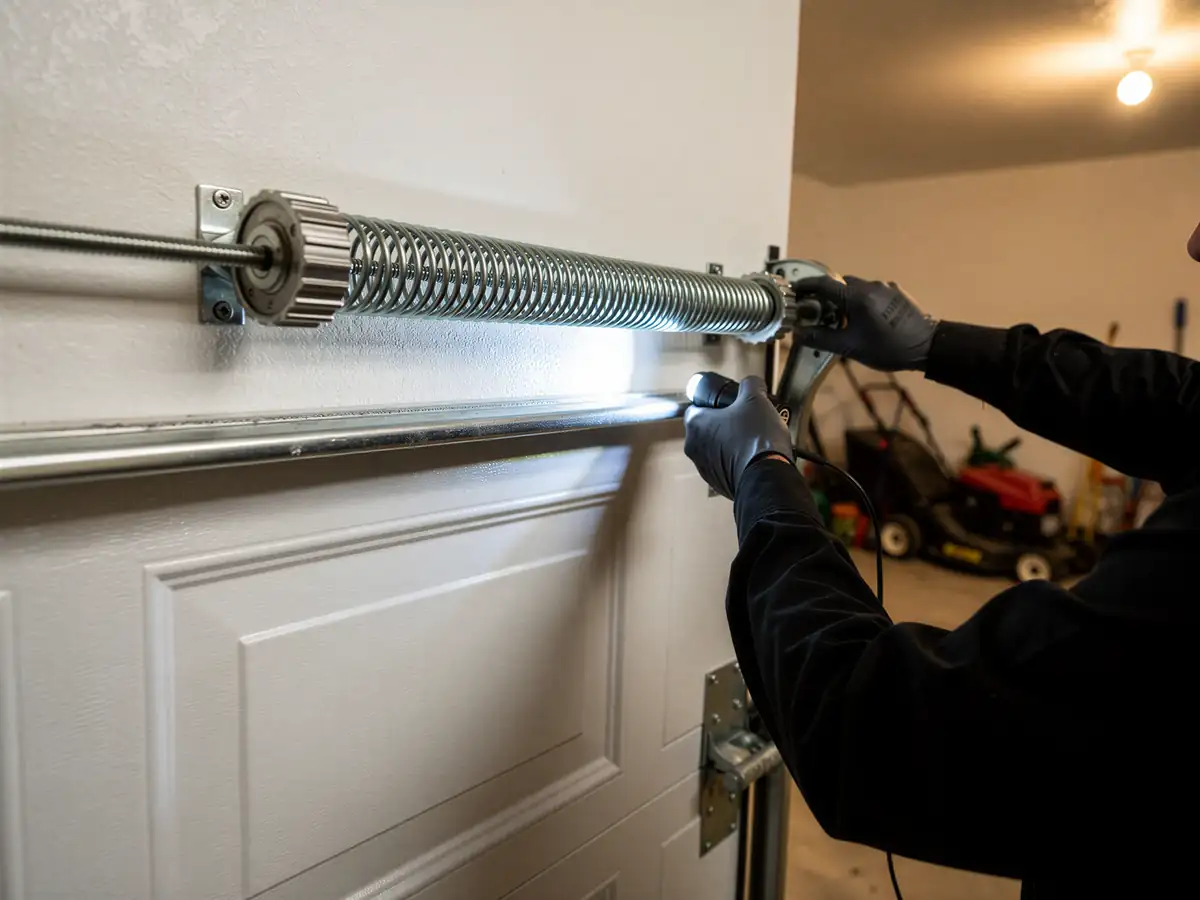
A torsion spring holds a lot of stored tension, and winding or unwinding one without the right bars is how people end up in the ER, not just how they end up with a worse-broken door. We won't talk anyone through doing that themselves, and we don't think a reputable shop should.
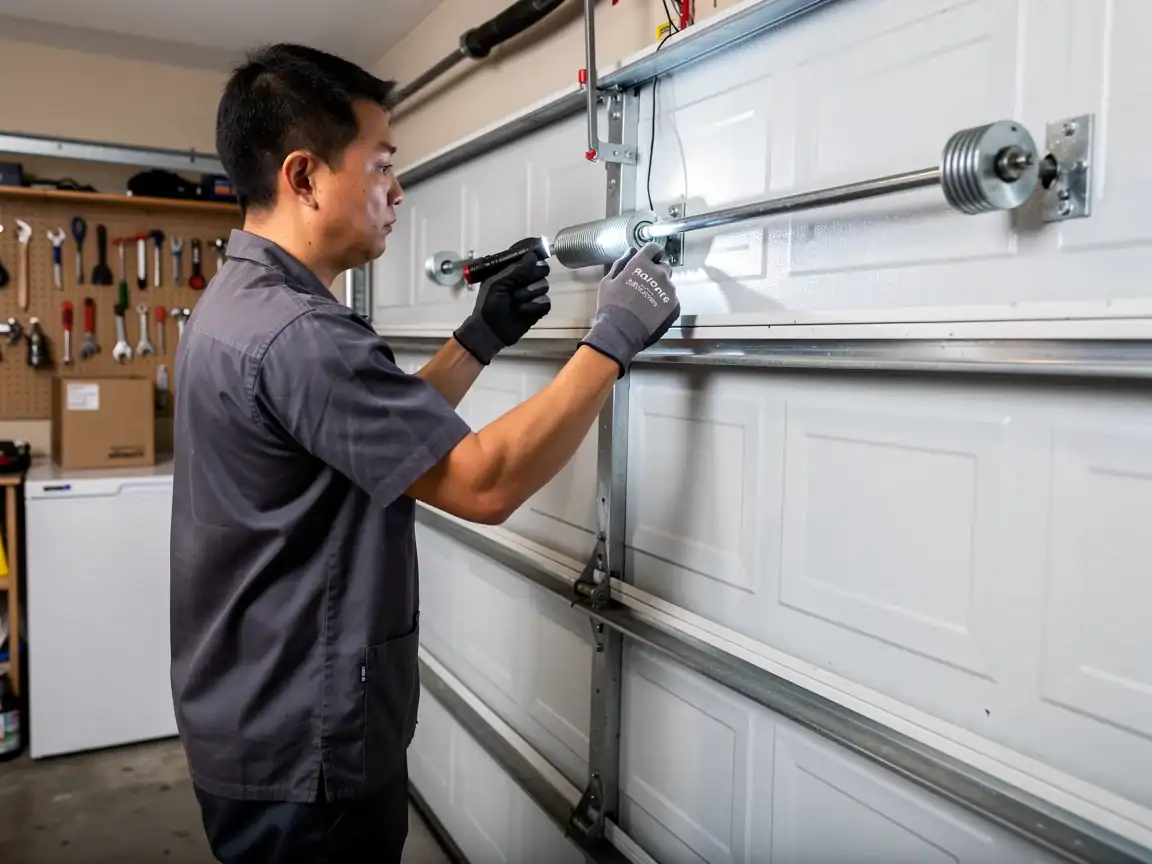
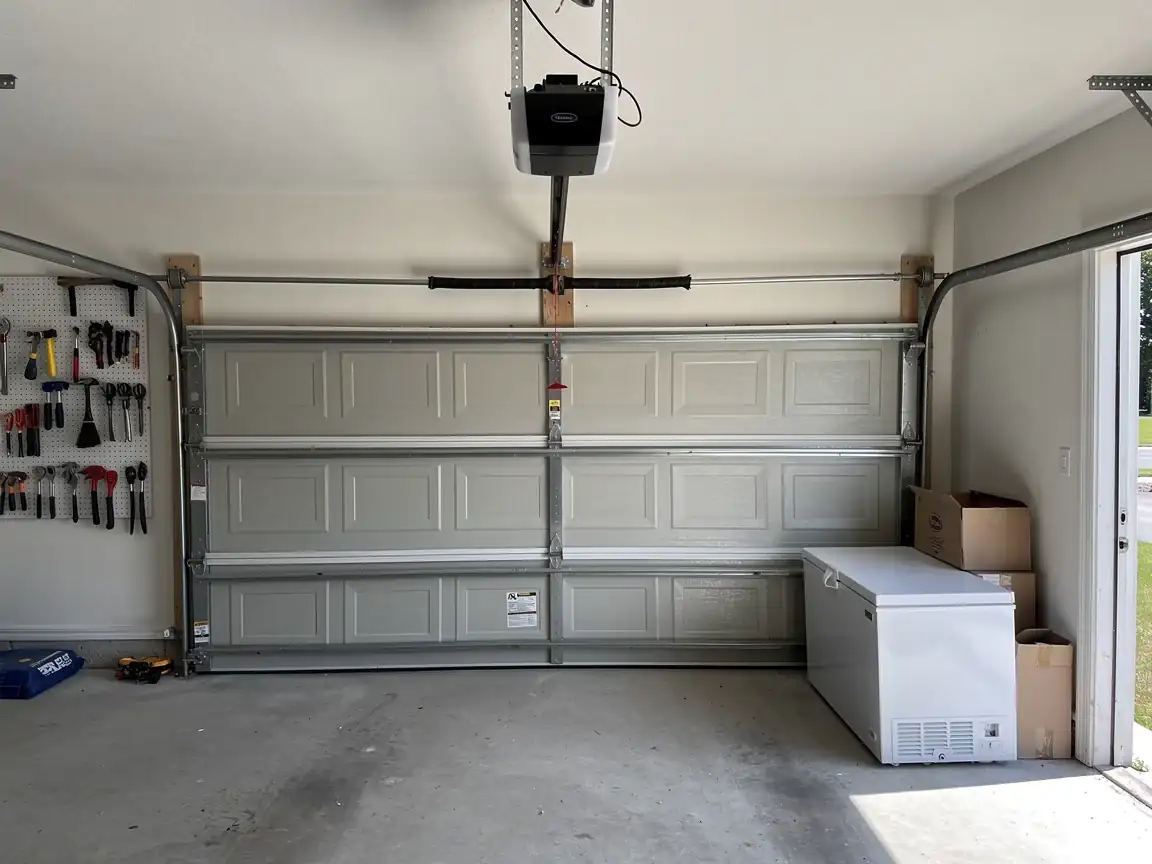
What you can safely check yourself: whether the spring is torsion (a single spring above the door, on a bar) or extension (springs running along the horizontal tracks on each side). That tells us what we're bringing before we leave Niceville, since the two jobs need different hardware and different cones.
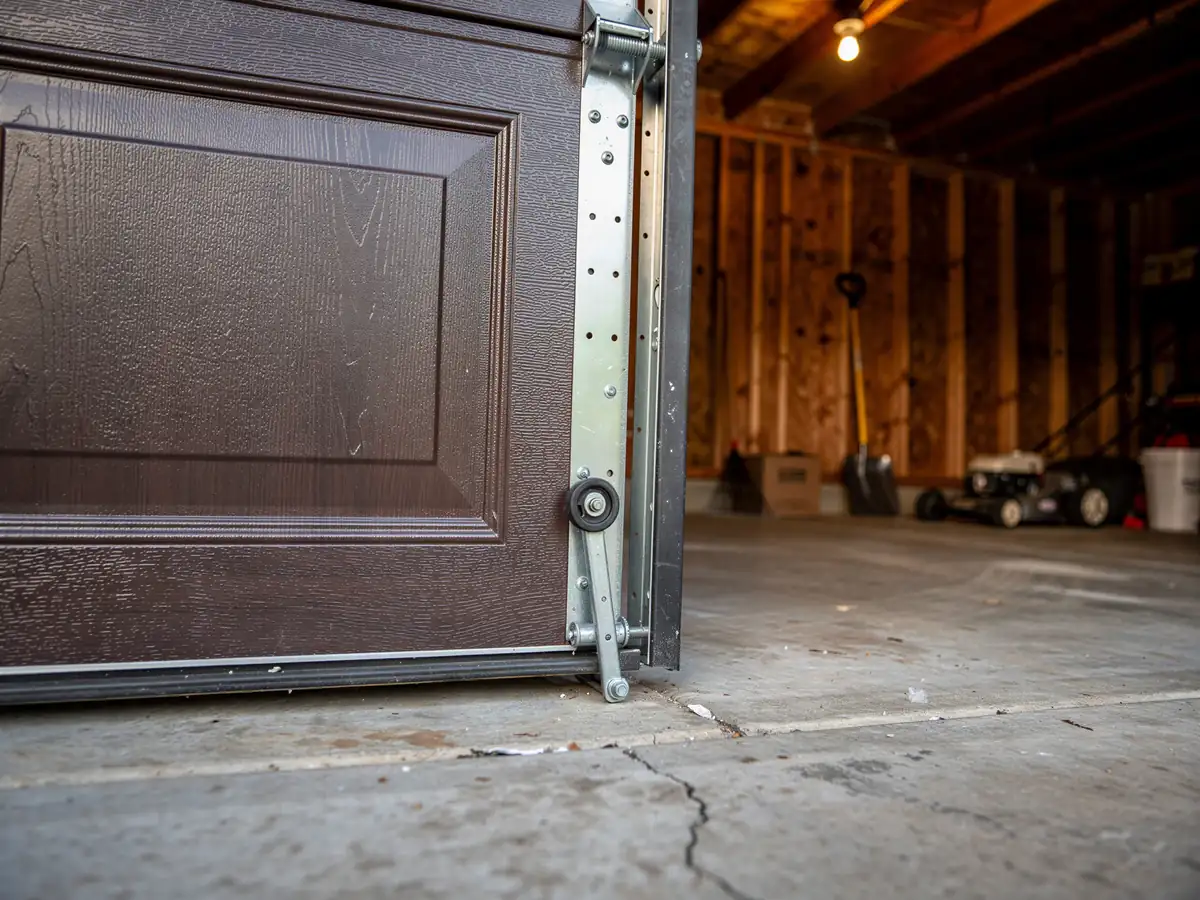
The honest limit here: if your door is original to a 1970s build and the spring has never been swapped, we may find the drums or bearing plates worn enough that a spring-only fix doesn't hold for long. We'll tell you straight if that's the case rather than sell you a spring that's going to strand the door again in a year.
How to Book
Call it in and describe what the door's doing - whether it's refusing to lift, dropping fast, or made a bang and now sits dead. Since we're coming from Niceville, having that detail ready means we load the right spring size and cone before the 4-mile drive out, instead of guessing on-site.
If you know the door's age or roughly when the house was built, mention it. For Valparaiso that's often useful information, since the local stock runs a bit older than the service area median and that shifts which spring style we expect to find.
You can also start from our Valparaiso garage door repair page if spring trouble is one symptom among others you're seeing, like a noisy opener or a track that's come loose.
What You Pay
We don't post a flat number here because spring jobs vary by door weight, spring count, and whether the drums or cables need replacing alongside the spring itself
All of which we confirm in person, not over the phone.
What we can tell you is what drives the cost on a typical Valparaiso job
Single-spring torsion setups are usually the simpler repair; two-spring torsion or older extension-spring doors cost more in parts and time. Houses built nearer the 1975 local median are more likely to be carrying original hardware by now, which sometimes means replacing a worn drum or bearing plate in the same visit rather than just the spring.
Ask for the breakdown before we start the work, not after
That's how you know what's spring, what's incidental, and what you're actually paying for.
Why It Happens Here
The region sits in a mild climate band with occasional freeze risk, not the hard freeze-thaw cycling that cracks hardware up north. That's a point in Valparaiso's favor - it's not frost working on the metal. What wears these springs out here is mostly cycle count and age: a spring rated for a set number of open-close cycles doesn't know what year it is, it just counts.
Given Valparaiso's median build year sits around 1975, a fair number of doors in town are on their second or third spring already, especially the two-spring torsion setups that were common hardware through the 1970s. Humidity plays a secondary role - it's not the dramatic failure driver that cold-climate rust is, but it does shorten the life of unprotected cable ends and galvanized coils over decades.
Across the wider service area, household income runs a median of $81,938, and we mention that only because it tends to track with how many owners replace a worn spring proactively versus waiting for a full failure. Either way, the underlying cause here is the same: age and cycles on original hardware, not a single dramatic event.