The DIY Question
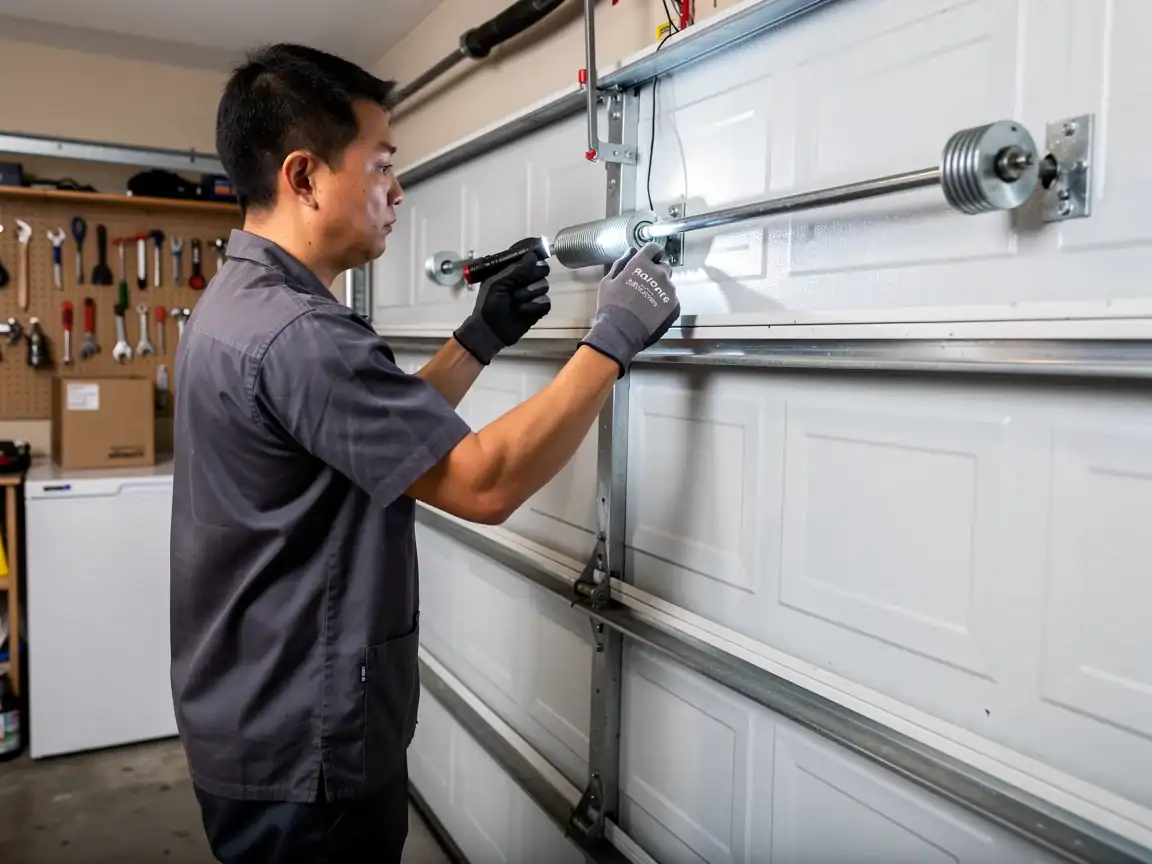
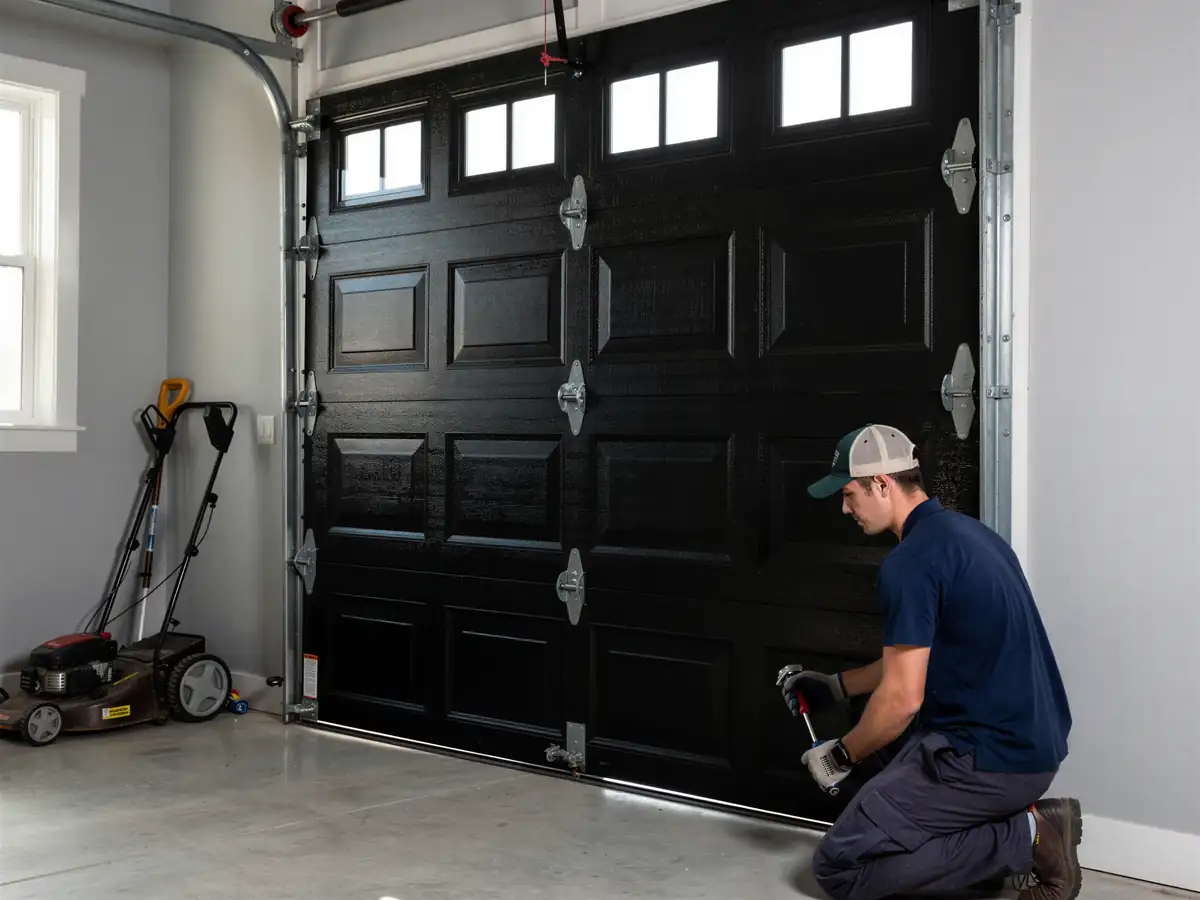
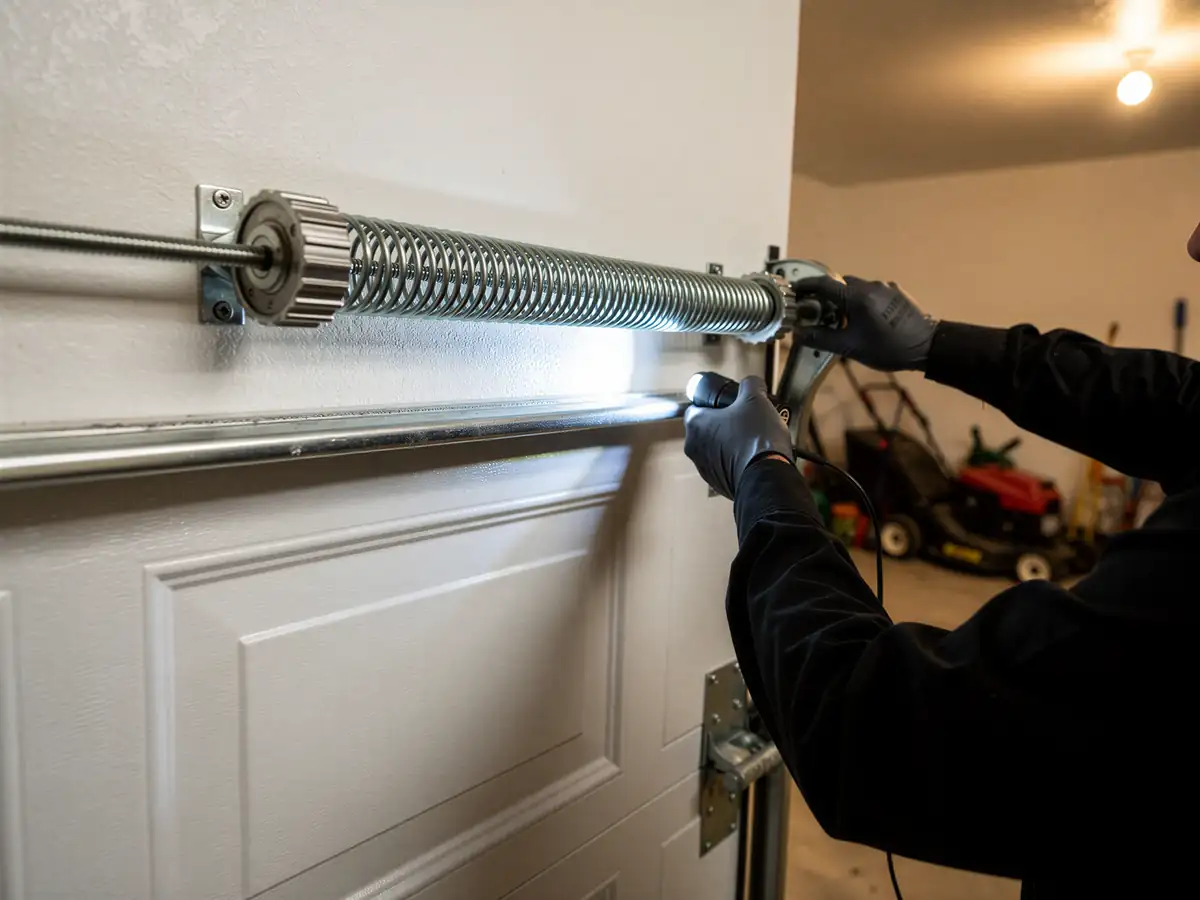
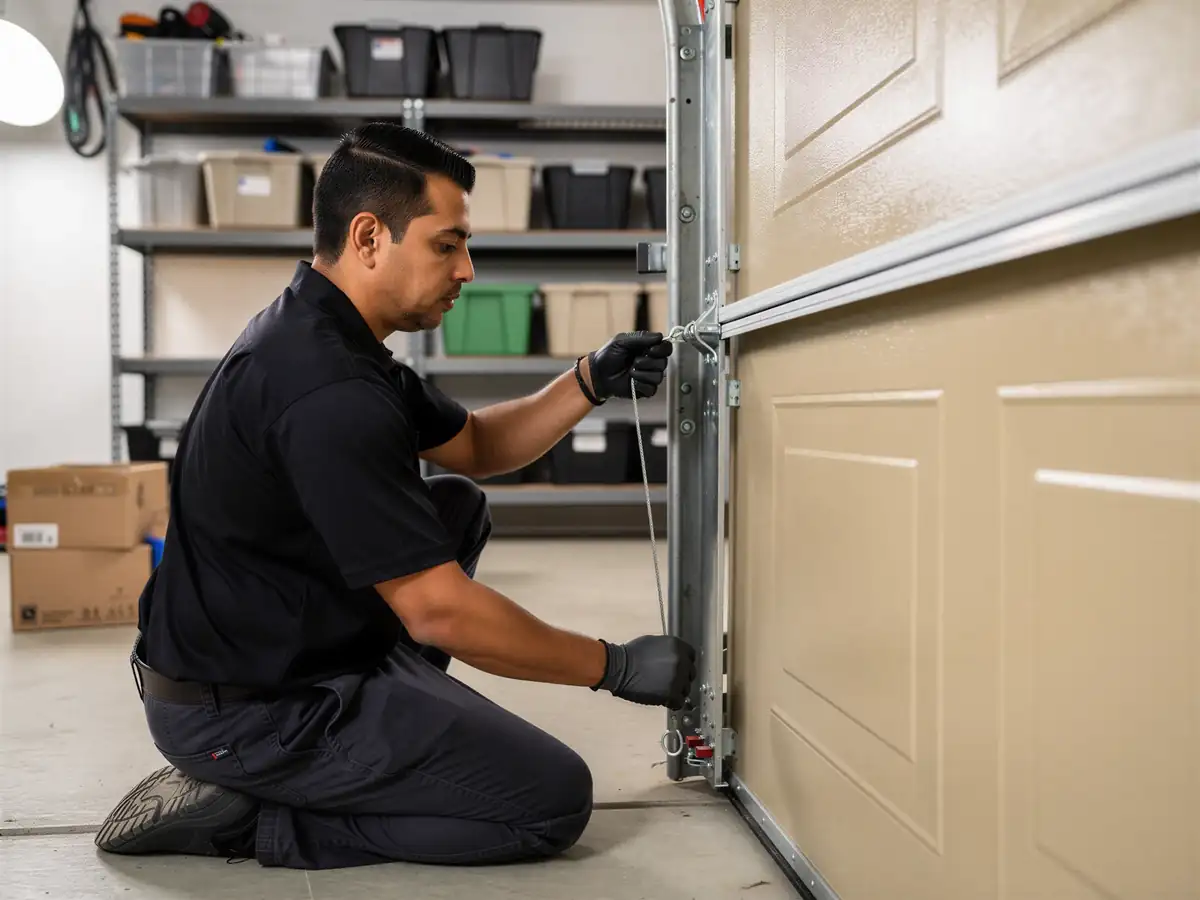
A broken garage door cable is a spring-under-tension problem wearing a different name, and that's true whether the house is from 1979 or 2013. The cable doesn't fail on its own - it fails because the torsion spring is still loaded and the drum, track, or cable drum flange takes the load somewhere it shouldn't. On a door this age, the hardware is usually still true and square, which almost tempts people into thinking it's a simple swap. It isn't. Winding bars, a locked spring, and knowing which drum side to pull from aren't optional here just because the house is newer. Where the DIY question actually makes sense is afterward: lubricating hinges and rollers, checking the track for visible gaps, tightening loose lag screws you can see without taking anything apart. Leave the cable and the drum to someone with winding bars and a clamp. This is the one limitation we'll put flat on the page - we're not going to walk you through a cable swap over the phone, because the failure mode that puts people in the ER is exactly this job done without the right tools.
How It Shows Up
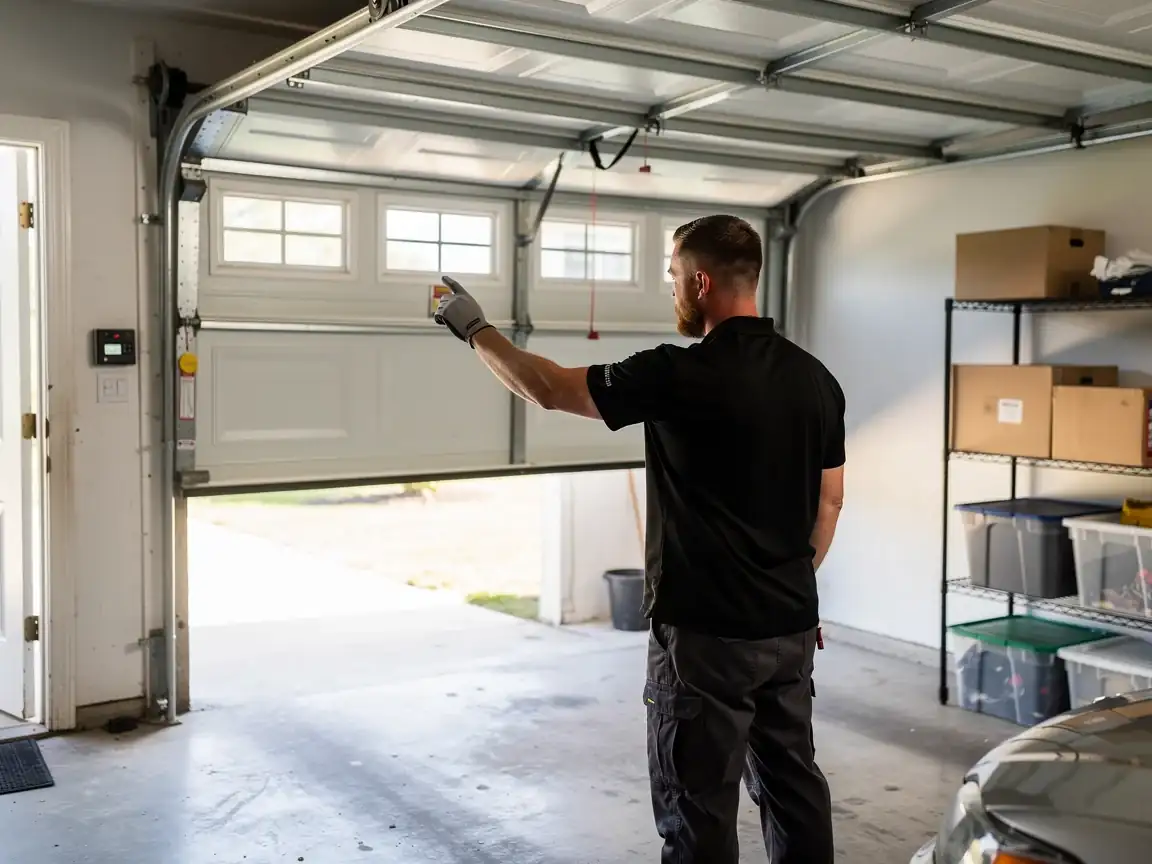
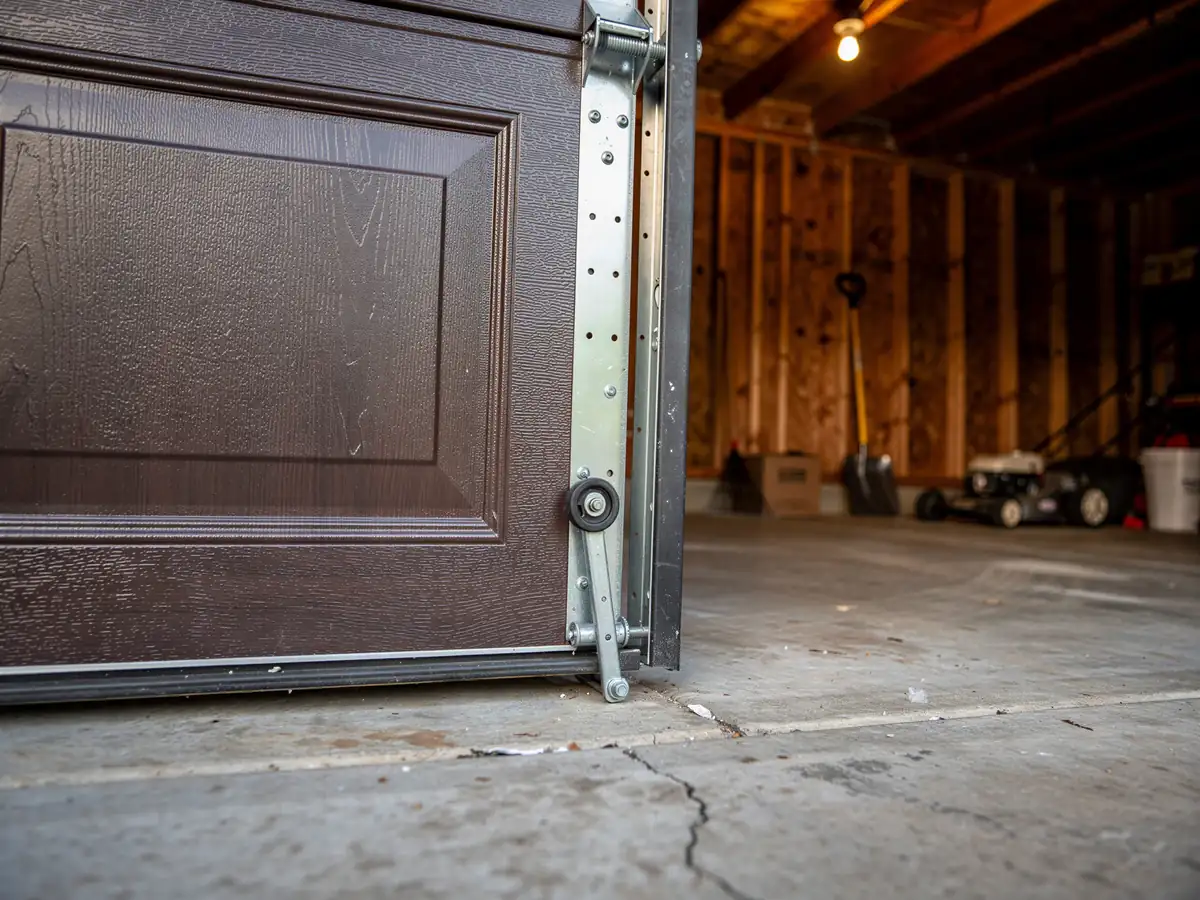
On a 2013-era build, cable failure usually shows up differently than it does on an older Niceville-area house. You're less likely to see slow fraying wires poking out of the drum - builder-grade cable here hasn't had decades to work-harden and shred. More often it's a clean snap at the bottom bracket, often during a cold snap morning when the door's first cycle of the day puts a jolt through hardware that's been sitting still overnight. You'll hear a bang, the door will drop unevenly on one side, or it'll stop a foot off the floor and refuse to go further because the opener senses the imbalance and cuts out. Sometimes it's quieter than that: the door just starts riding crooked in the track over a week or two, and by the time you call, one cable is already partly unspooled. Either way, don't keep hitting the remote. Every extra cycle on a half-detached cable risks the drum chewing through what's left, or the door coming off the track entirely.
Where This Job Goes Sideways
The job goes sideways when a cable snap isn't actually a cable problem. On newer construction, we sometimes find the real issue is a drum that was never seated quite right at install, or a track bracket that's a few degrees off true - small enough that it didn't matter for a decade, until a cable finally catches on it and shears. Replacing the cable alone just sets up the next failure in a year. It also goes sideways when someone's tried to re-thread a snapped cable themselves to get the door moving again - we've seen cable looped onto a drum backward, which looks fine until the door comes down hard and fast on the next cycle. And because this is a 16-mile trip from Niceville, it goes sideways when a repair gets scheduled on a guess instead of a description - tell us if the door dropped crooked, came off the track, or just stopped, so we're not driving out with the wrong spool size.