How Long You Are Without the Door
We run this call out of Niceville
And Hurlburt Field sits about 16 miles out - the longest drive of any area we cover. That's worth saying plainly before anything else: there's no branch here, no truck parked closer than Niceville, so the clock on getting to you includes that drive every time.
- 16 miles
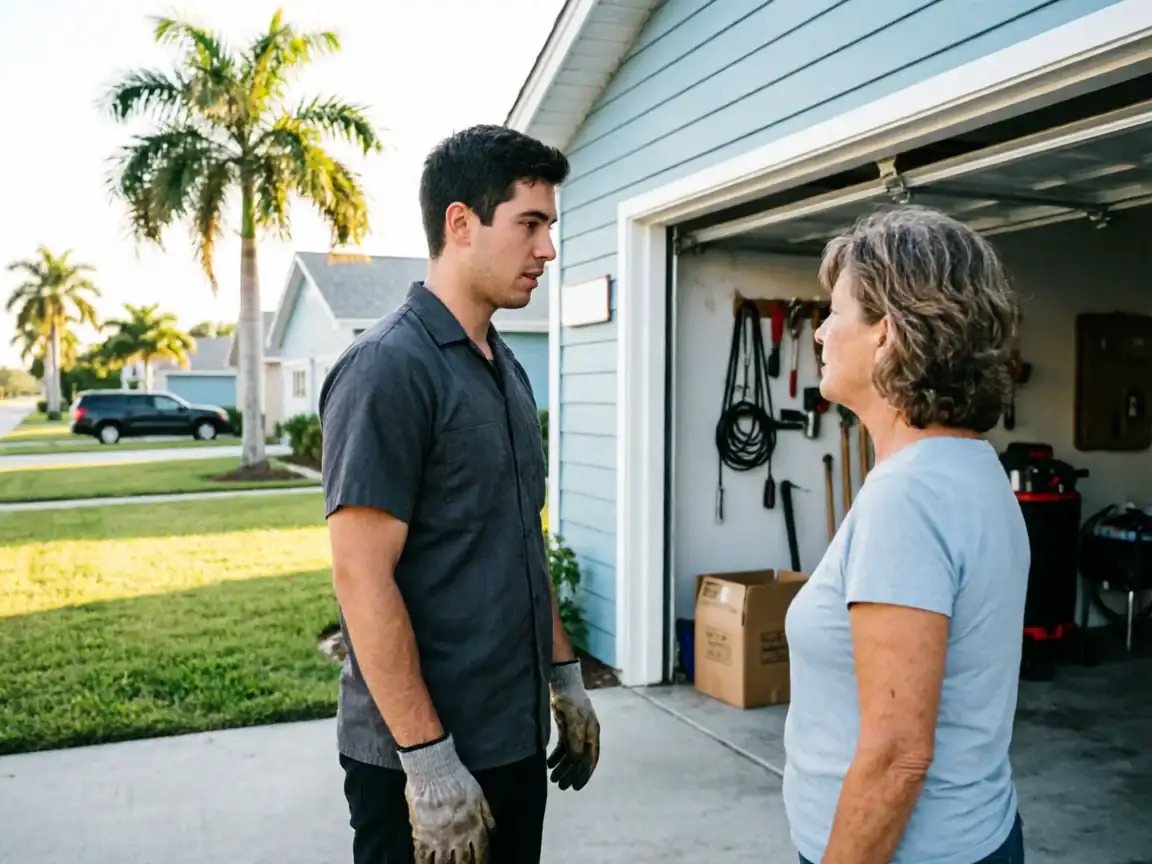
What that means in practice is you want to be specific when you call
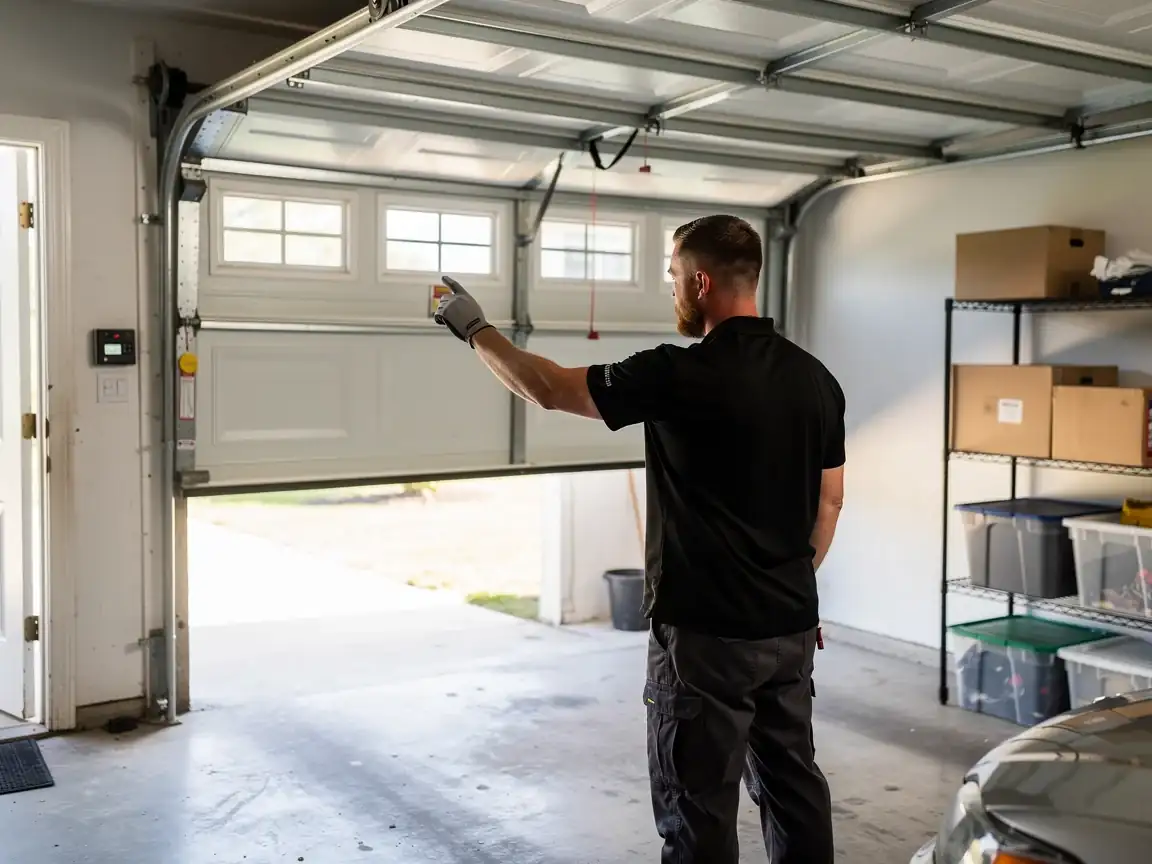
A door stuck open is a security problem, not just an inconvenience, and a door stuck shut with a car trapped inside is a different kind of urgent than a noisy opener that still works. Tell us which one it is. We load the truck based on what you describe, and with houses here mostly built since 2013, the parts that fit your door are a narrower, more predictable set than what we'd pull for an older house elsewhere in the service area - which actually works in your favor once we're on the road.
The DIY Question
At a median household income of $46,683 in this pocket - well under the $81,938 median across the rest of the area we serve - the math on repair versus replace matters more here, not less. A full door-and-opener swap that's an easy call for a higher-income household is a real decision at this income level, and it's the first thing worth sorting out before any wrench touches the door.
The rule of thumb: if the opener, springs, and panel are failing one at a time on a door that's still inside its expected working life, you're almost always better off repairing. If you're looking at a bent track, a cracked panel, and a dead opener all at once, replacement starts winning on cost per year even though the upfront number is bigger. We'll tell you straight which side of that line your door is on - we don't pad a repair ticket to avoid saying "replace it," and we don't push a new door on something that's got years left in it.
How It Shows Up
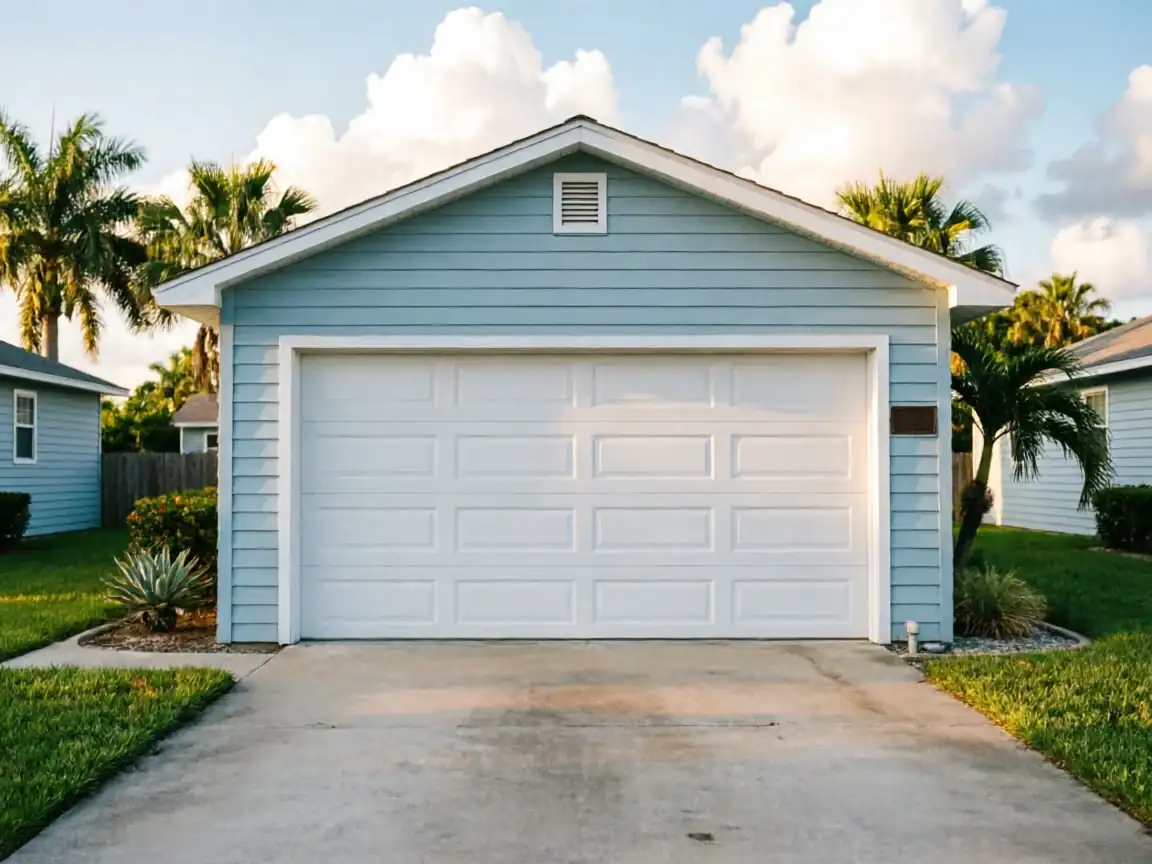
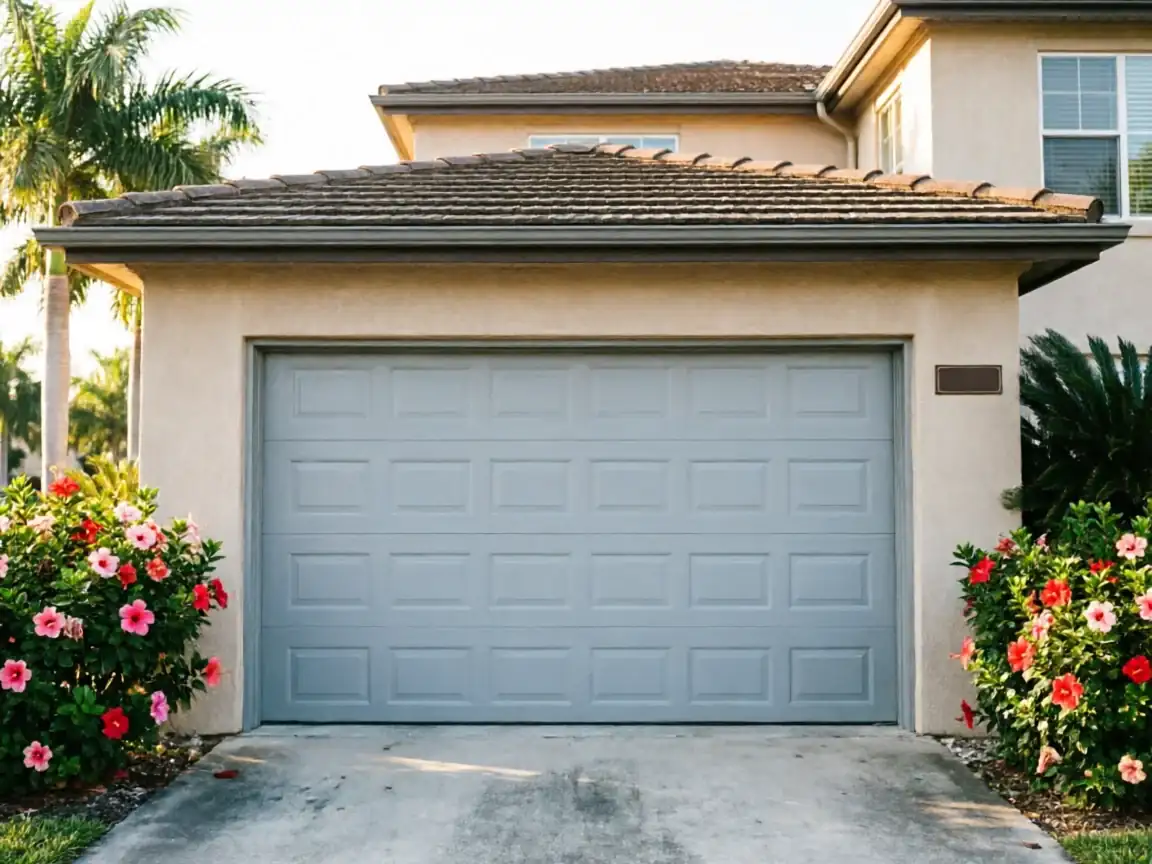
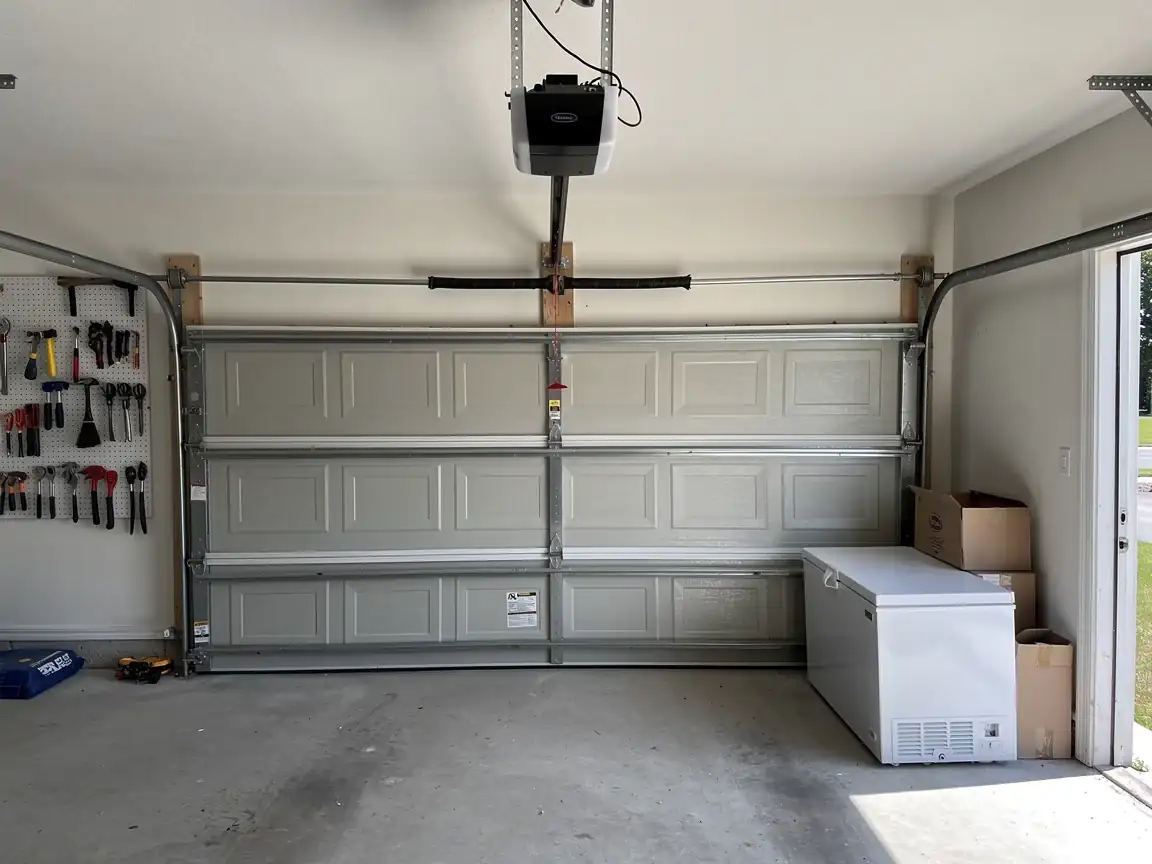
Houses around Hurlburt Field are newer than most of what we see elsewhere in the service area - the median build year here runs around 2013, against a median of 1979 across the broader area. That changes what breaks first. You're less likely to be dealing with a 1960s one-piece slab on side-mounted hardware and more likely looking at a factory steel door on a standard torsion system that's maybe ten to fifteen years into its life.
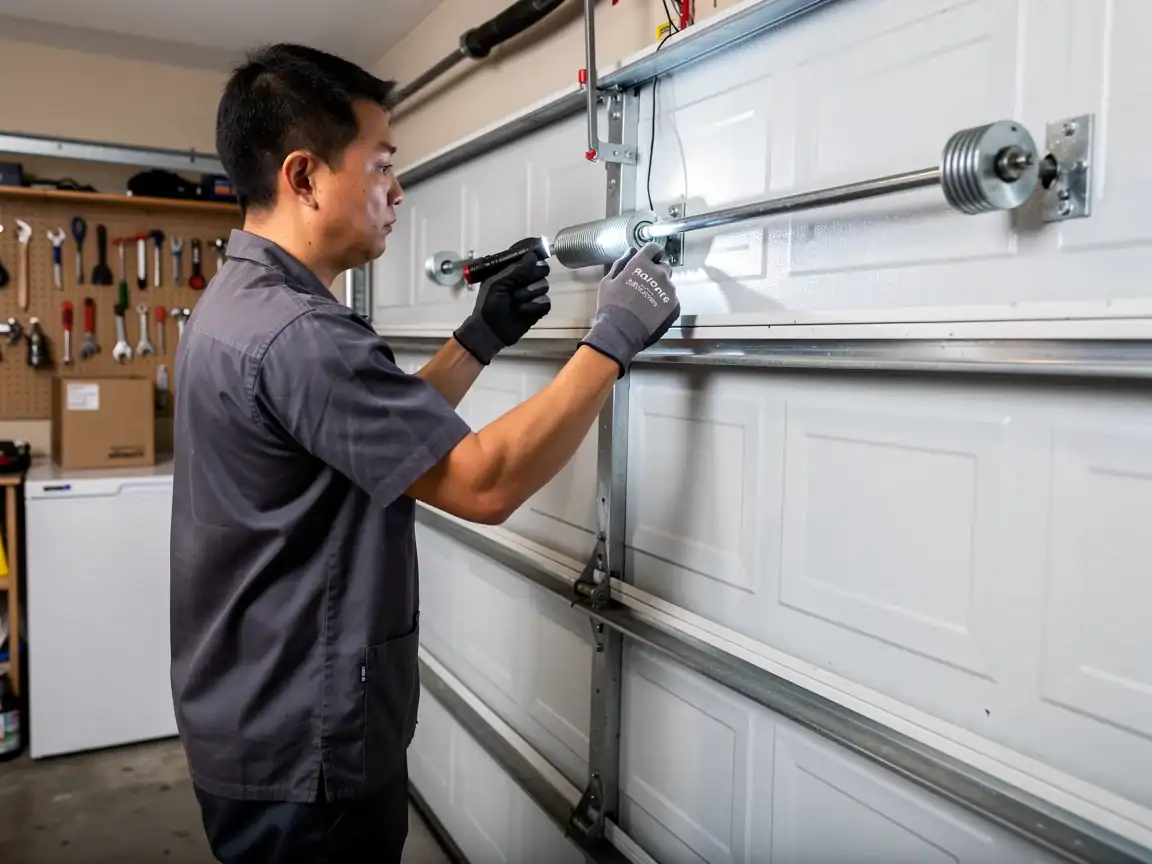
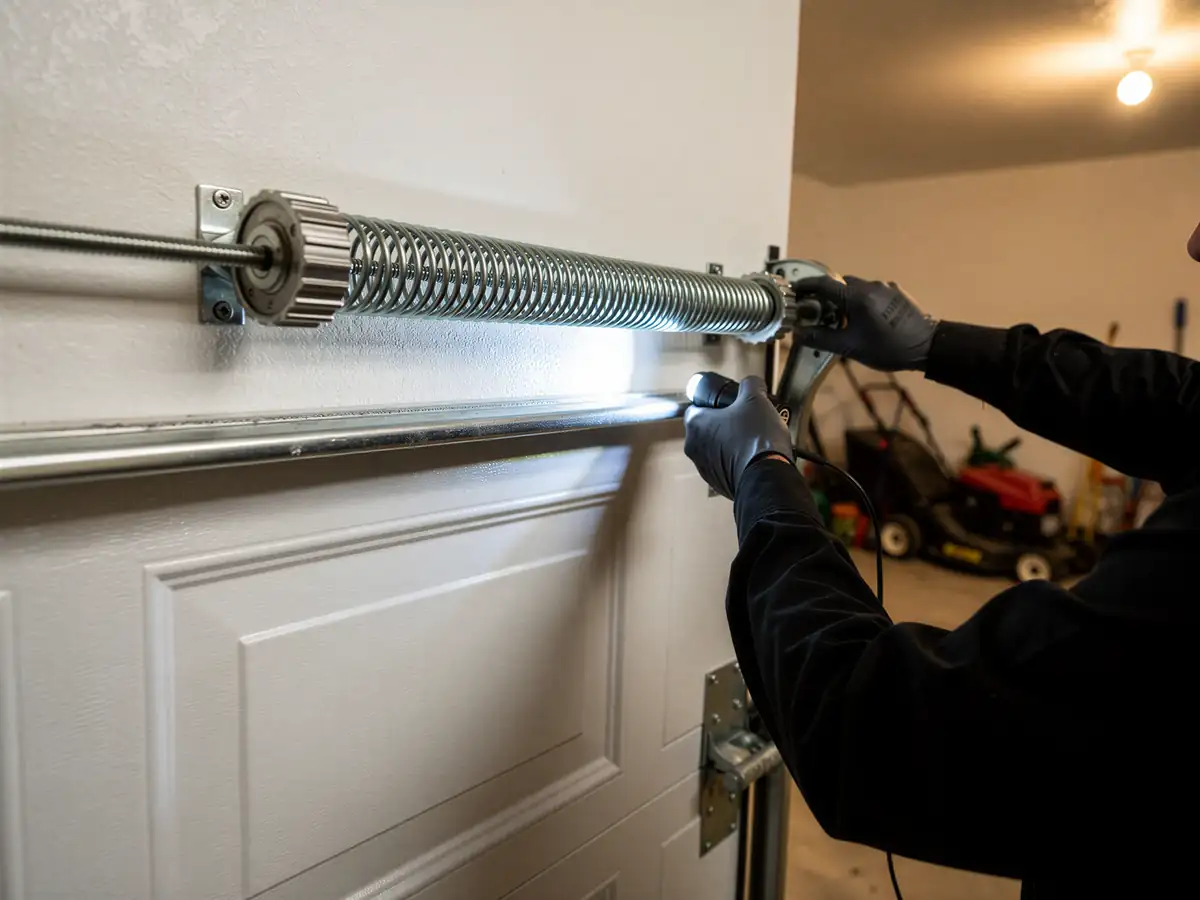
At that age, the usual failure is wear, not obsolescence: a torsion spring nearing the end of its cycle count, a cable starting to fray at the drum, nylon rollers going loud before they go bad. The climate here runs mild with the occasional freeze, so you're not fighting the rust and weatherstrip failure you'd see in a harsher climate, but humidity still takes a toll on unlubricated hardware over a decade of use. None of this is dramatic - it's maintenance-stage trouble, which is good news, because maintenance-stage trouble is cheap to fix if you catch it before the spring lets go under load.
Stocked Parts
Because the housing stock here clusters tightly around a single era
Built out mostly after 2013 - the parts that fit your door are a fairly standard, current set: common torsion spring wire sizes, standard-width steel panels, modern opener logic boards. That's the upside of newer construction - we're not hunting down a part for a door nobody's made in forty years.
The honest limitation
With only 715 households in this immediate area, there's no local stock point and no reason for one. Everything comes from the truck out of Niceville, loaded for what you tell us on the call. A common torsion spring or roller set, we're carrying already. A less common opener board or a panel in a discontinued color is a special order, same as it would be anywhere - we're not going to pretend otherwise just to sound local.
- 715 households
Where This Job Goes Sideways
The job goes sideways here the same way it does on any newer door: someone tries to save the service call by adjusting the spring tension themselves, and a torsion spring under load is not a forgiving thing to get wrong. On a door this age, the spring is usually still the original, wound to a tension nobody's touched - that's exactly the spring that lets go hardest when it finally fails.
The other way it goes wrong is waiting. A door that's a few years from the end of a 2013-era build cycle starts showing small symptoms - a slow close, a opener that strains, a faint grinding - months before it fails outright. Ignoring those because the house is "too new" for garage door trouble is how a $150 adjustment turns into a cable snapping with the door half up. We'd rather get the call on the small noise.