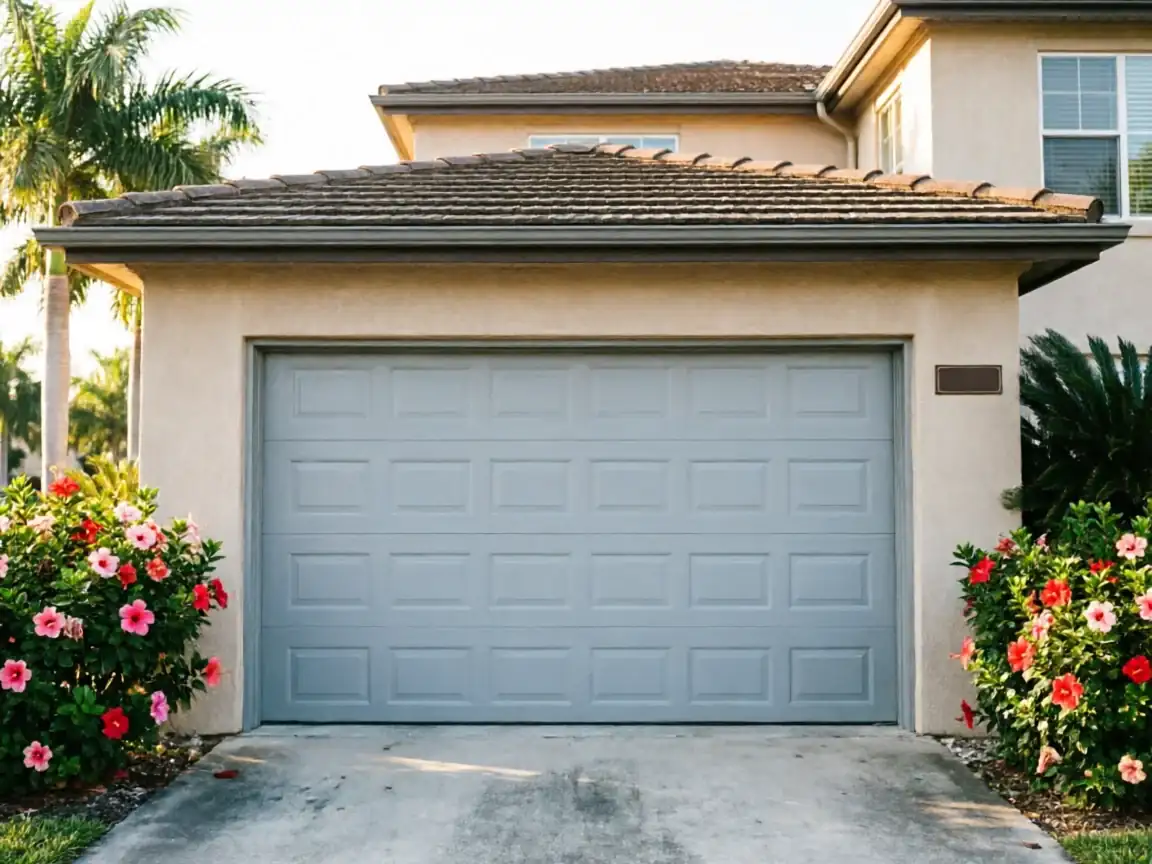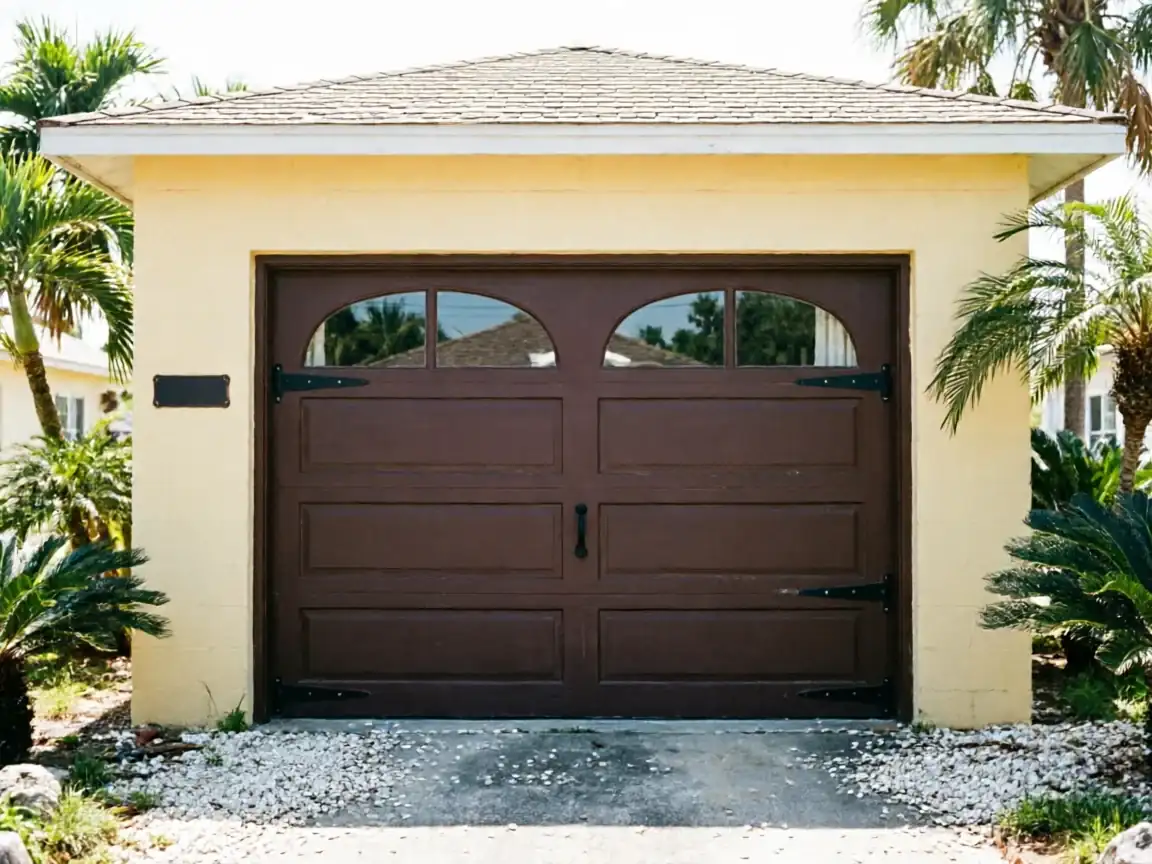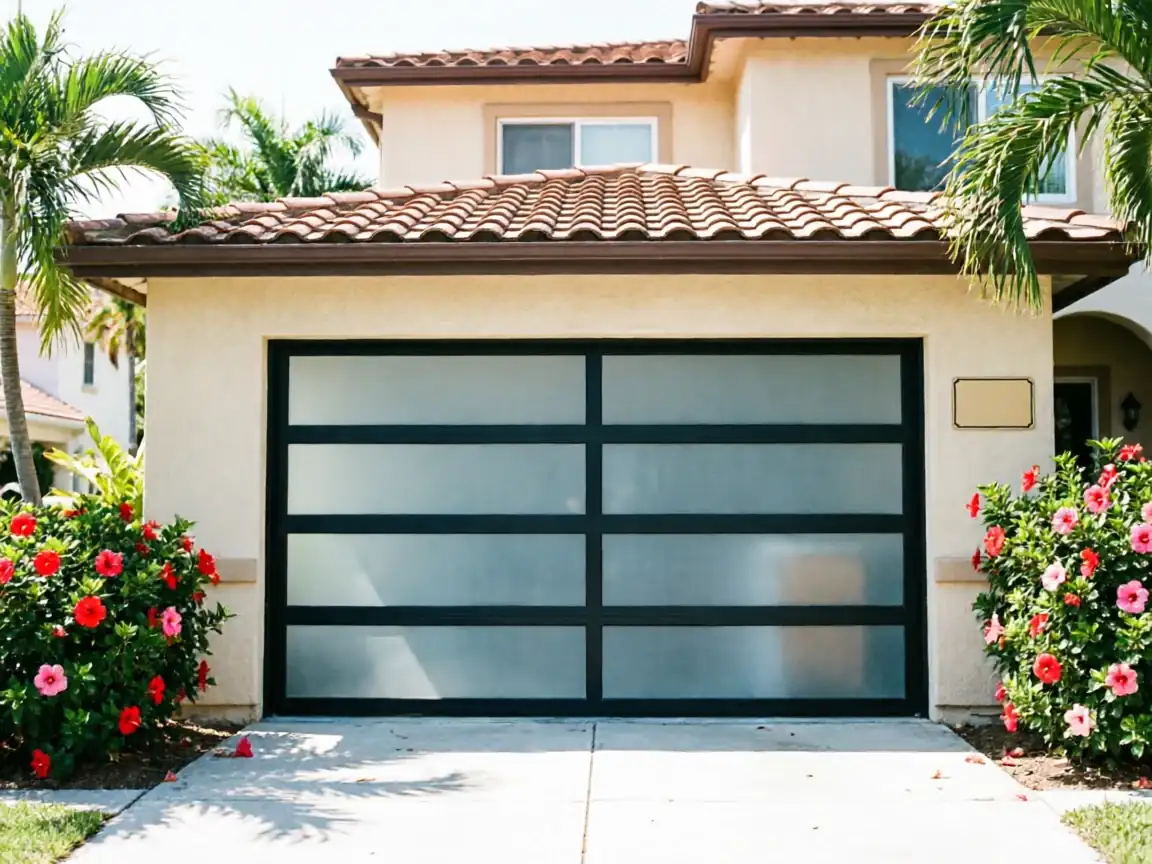
The DIY Question
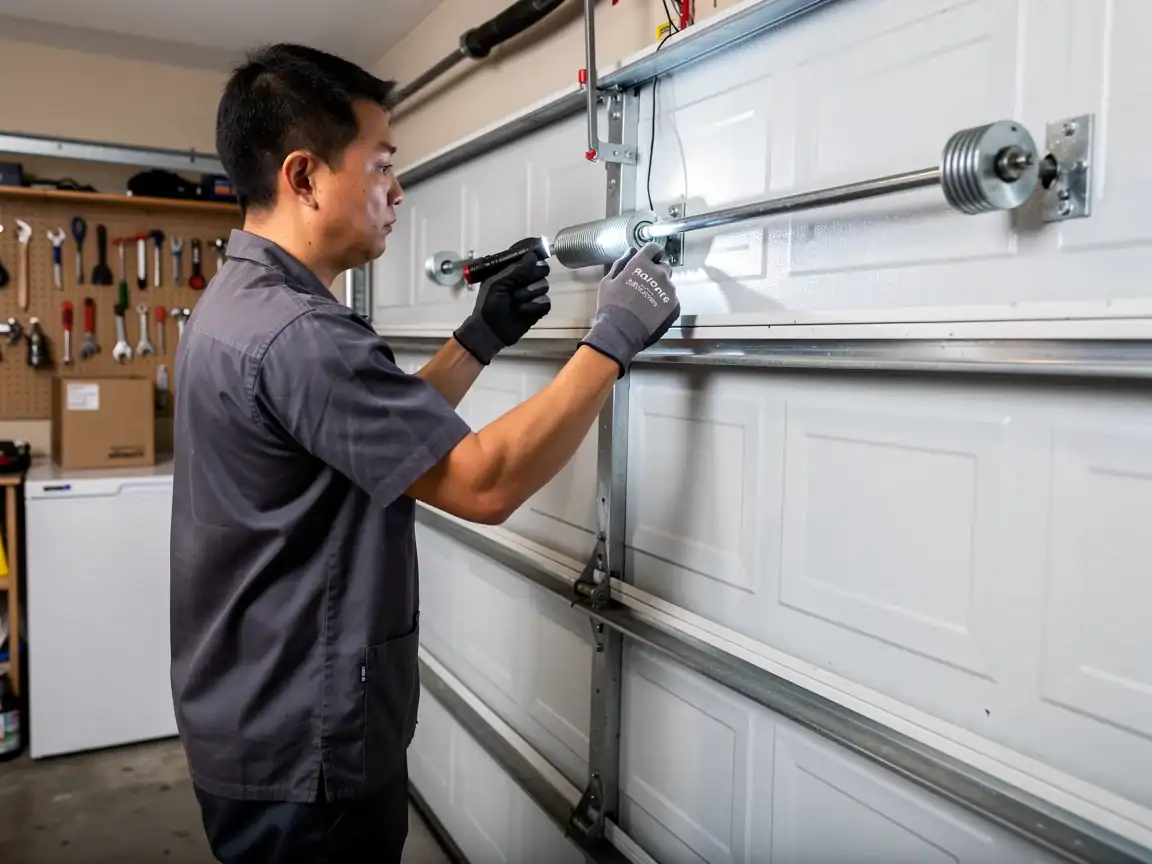
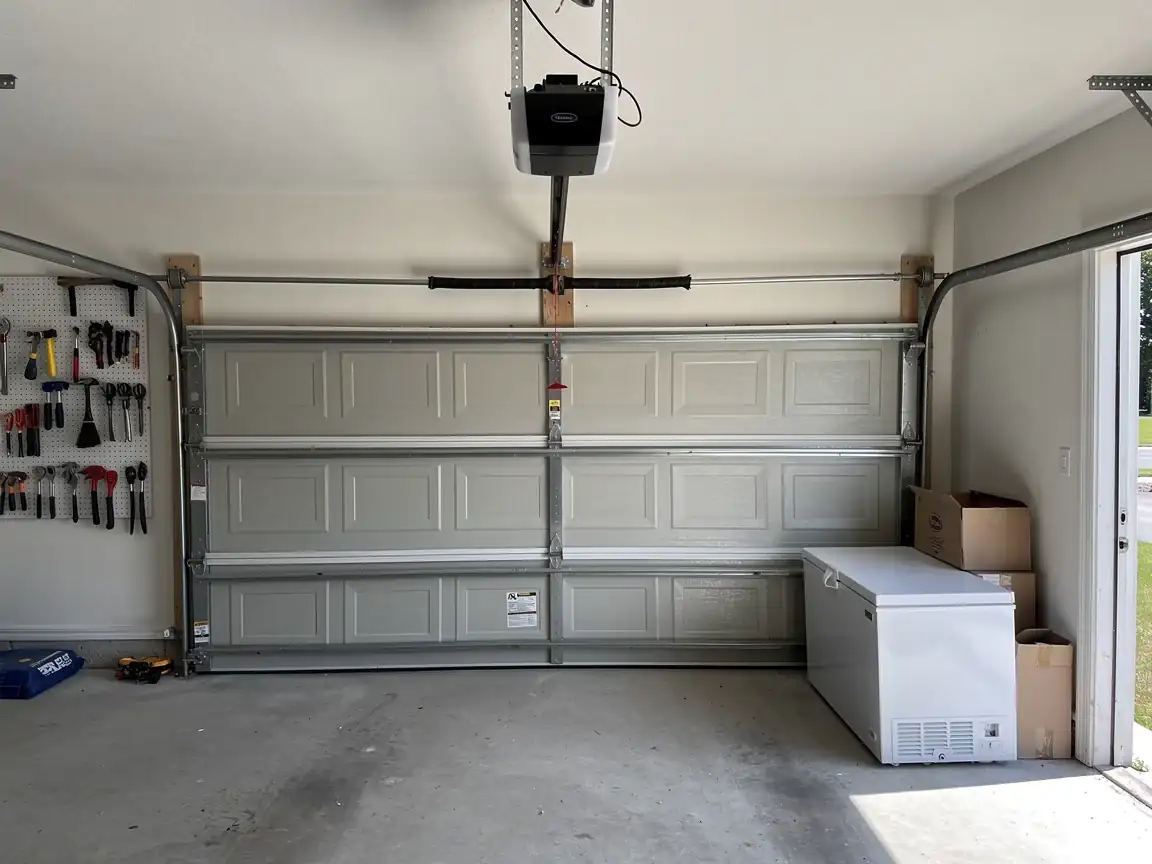
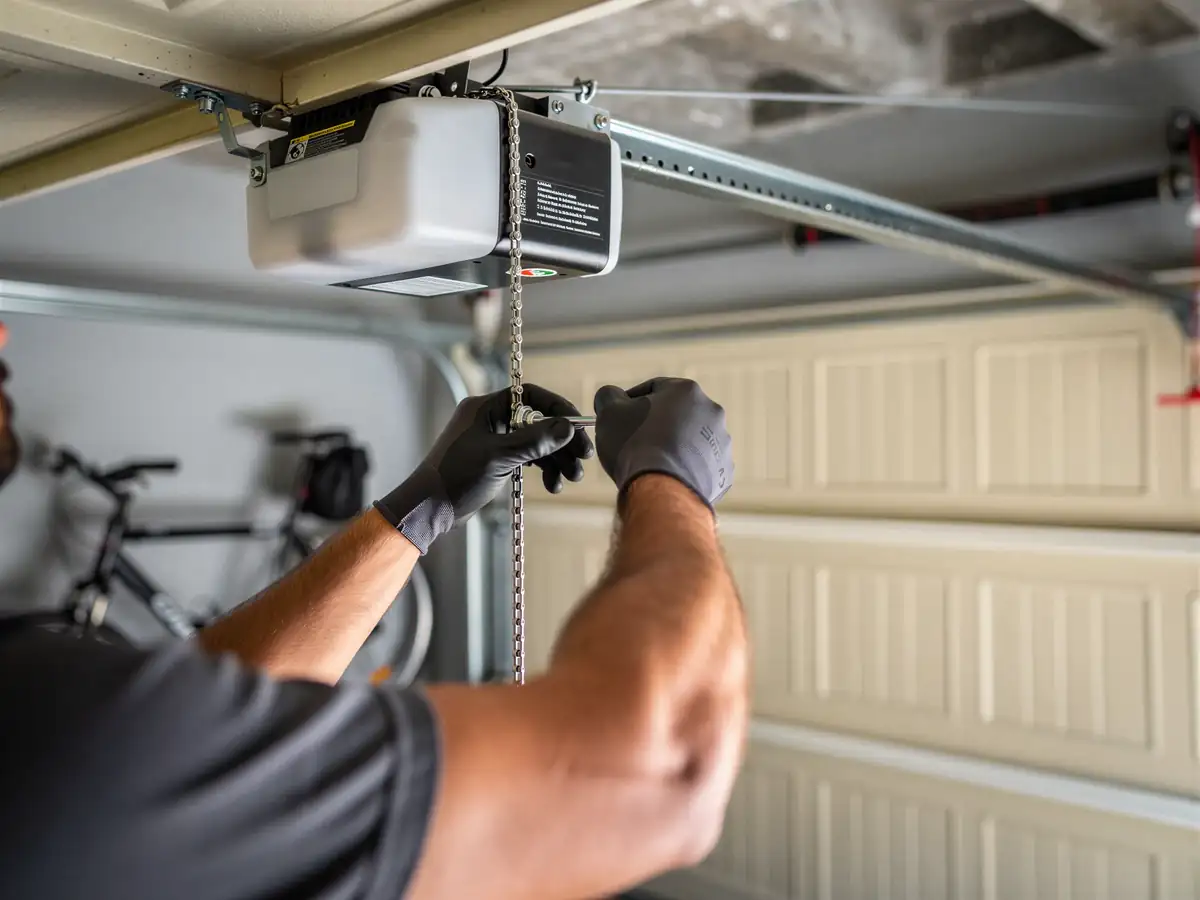
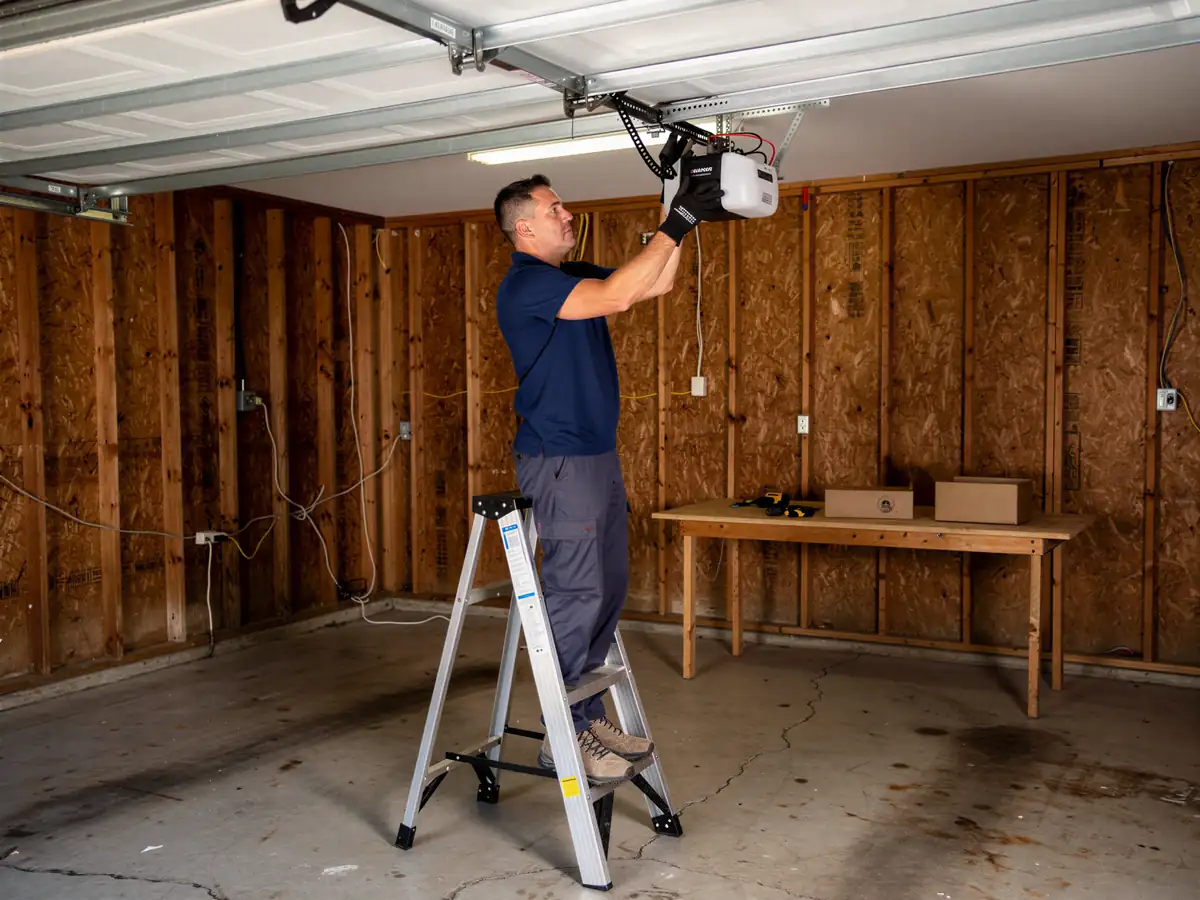
A builder-grade opener from 2013 often runs a chain drive with a standard 1/3 or 1/2 horsepower motor, and swapping one unit for another of the same type is within reach for someone comfortable on a ladder with a drill. Where it stops being a weekend project: matching the new opener's lift capacity to the actual door weight, wiring in safety reversal sensors to code, and setting travel limits so the door doesn't slam the floor or strain against the header. With 715 households in this area, most on similar-era construction, the failure we see isn't a bad DIY wiring job - it's an opener sized for a lighter door than what's actually hanging on the track, which burns out the motor inside a year or two. If you're swapping like-for-like on a door you know the weight of, go ahead. If you're upsizing to a belt drive or adding battery backup, that's worth a second set of hands.
How It Shows Up
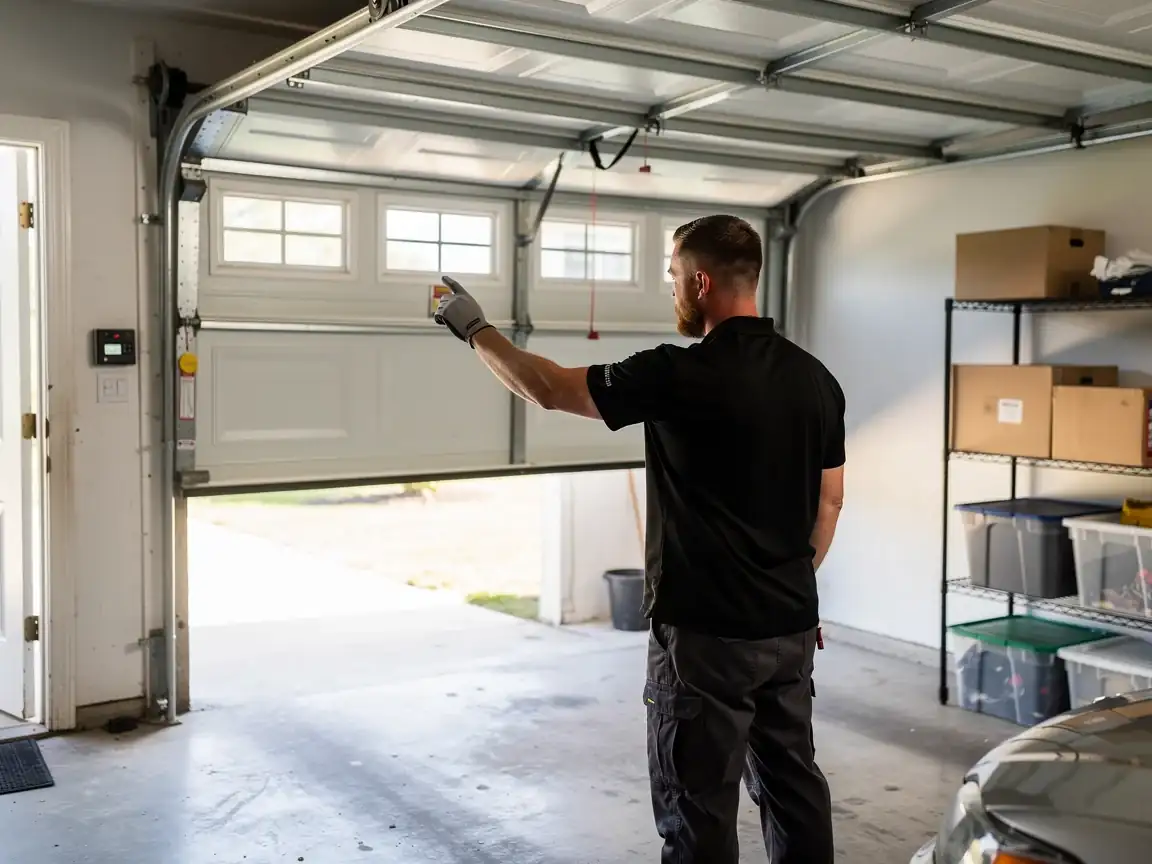
On a 2013-era build, the opener fault usually isn't a worn-out gear - the unit is still inside its expected service life. What we actually find is a logic board that's dropped its remote codes, a safety sensor knocked out of alignment during a move or a pressure-washing job, or a wall switch that's lost continuity. Doors this age rarely need the opener replaced because of age alone; they need it replaced because the household income profile here, with a median around $46,683, means most owners bought the builder-standard unit rather than a premium model, and builder-standard units are the first to fail electronically even while the motor housing is fine. That's a different failure mode than the worn sprockets and stripped gears you'd see on an opener installed in the 1980s. Expect intermittent response to the remote before a full stop, not a sudden dead unit.
Where This Job Goes Sideways
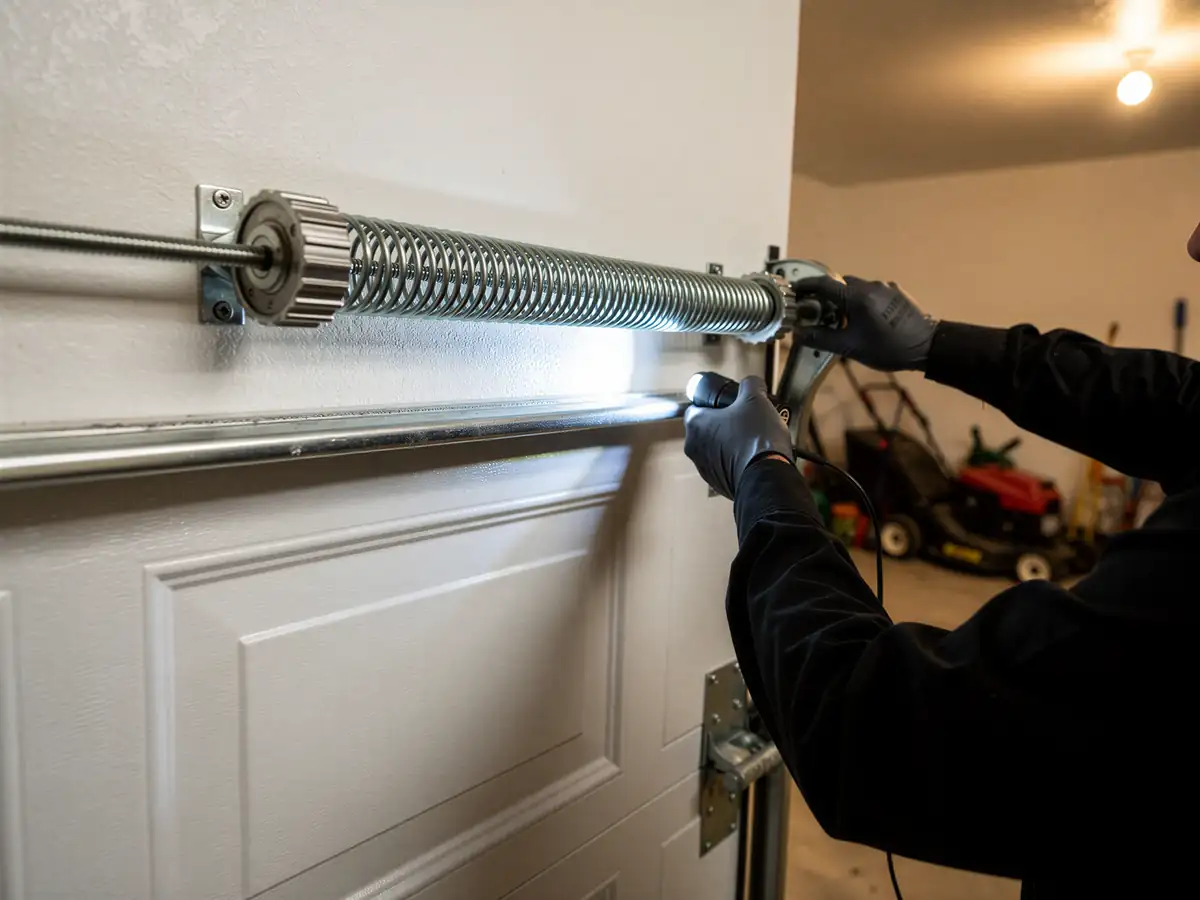
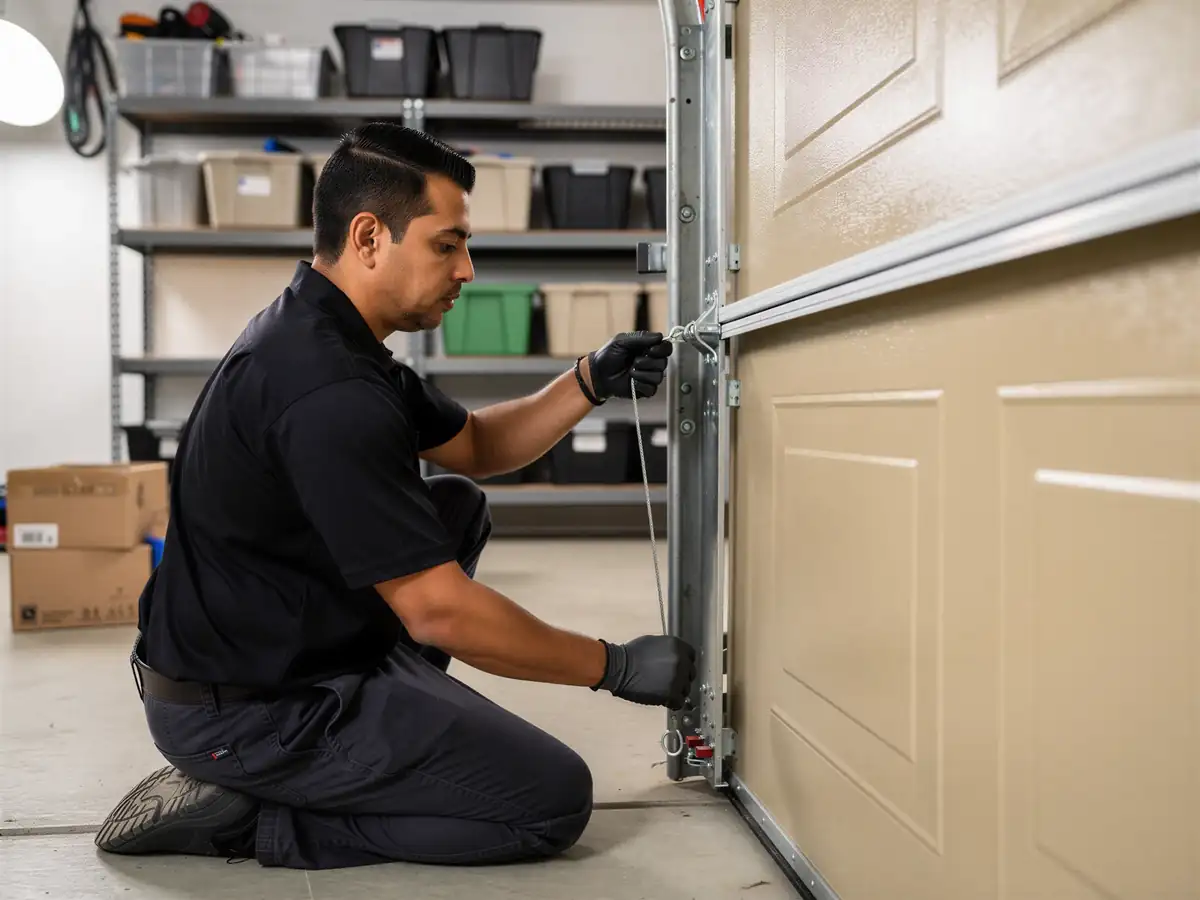
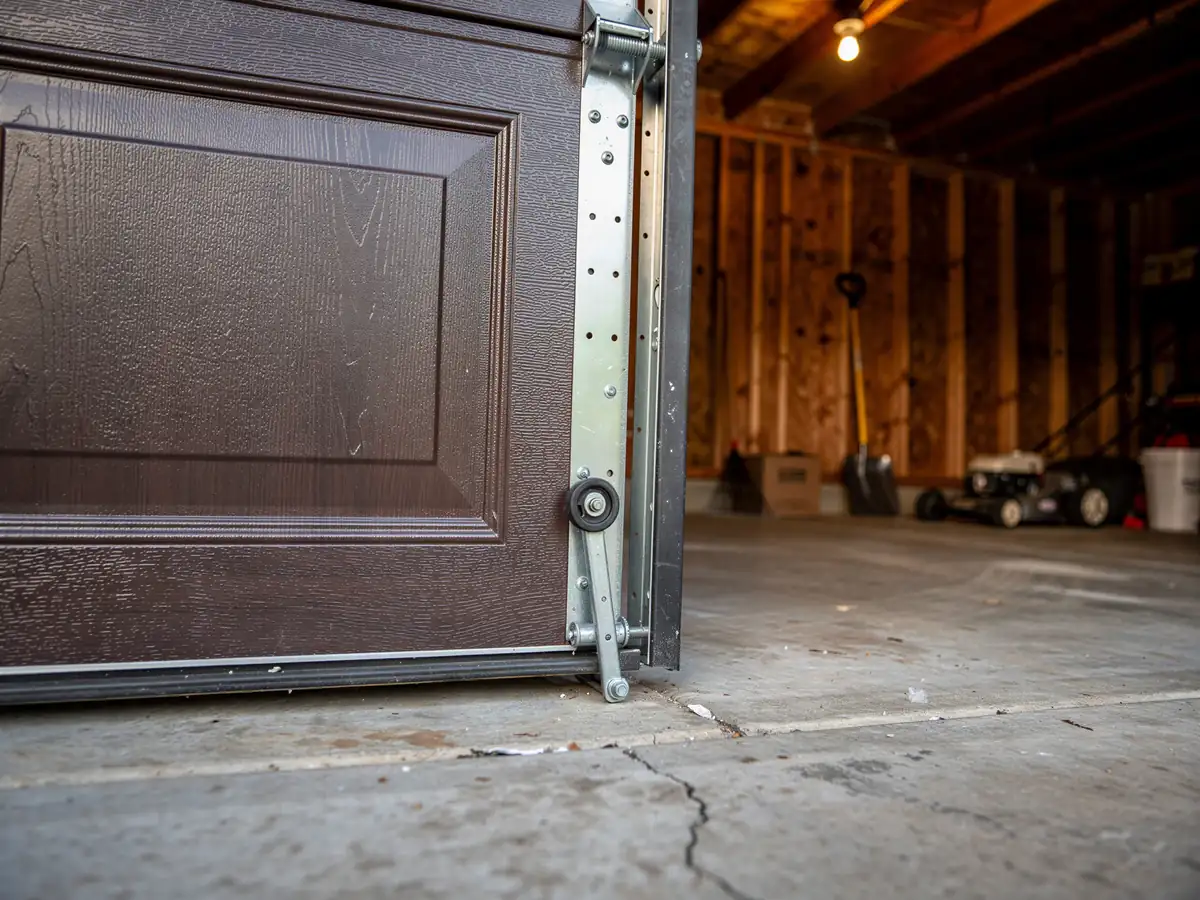
The job gets complicated when the door and the opener disagree about what decade they're from. We've seen newer openers bolted onto older doors elsewhere in the service area, and the reverse happens here too: a homeowner upgrades the opener but the original door hardware, from when the house was built around 2013, has already been swapped once for a mismatched replacement door. When that happens, the opener install stalls until we confirm actual door weight and rail alignment, not what the build year would suggest. The other way it goes sideways is wiring - some of these homes were built with a dedicated opener circuit, some weren't, and if yours wasn't, that's an electrical scope question before we can finish the opener side of the job.