The DIY Question
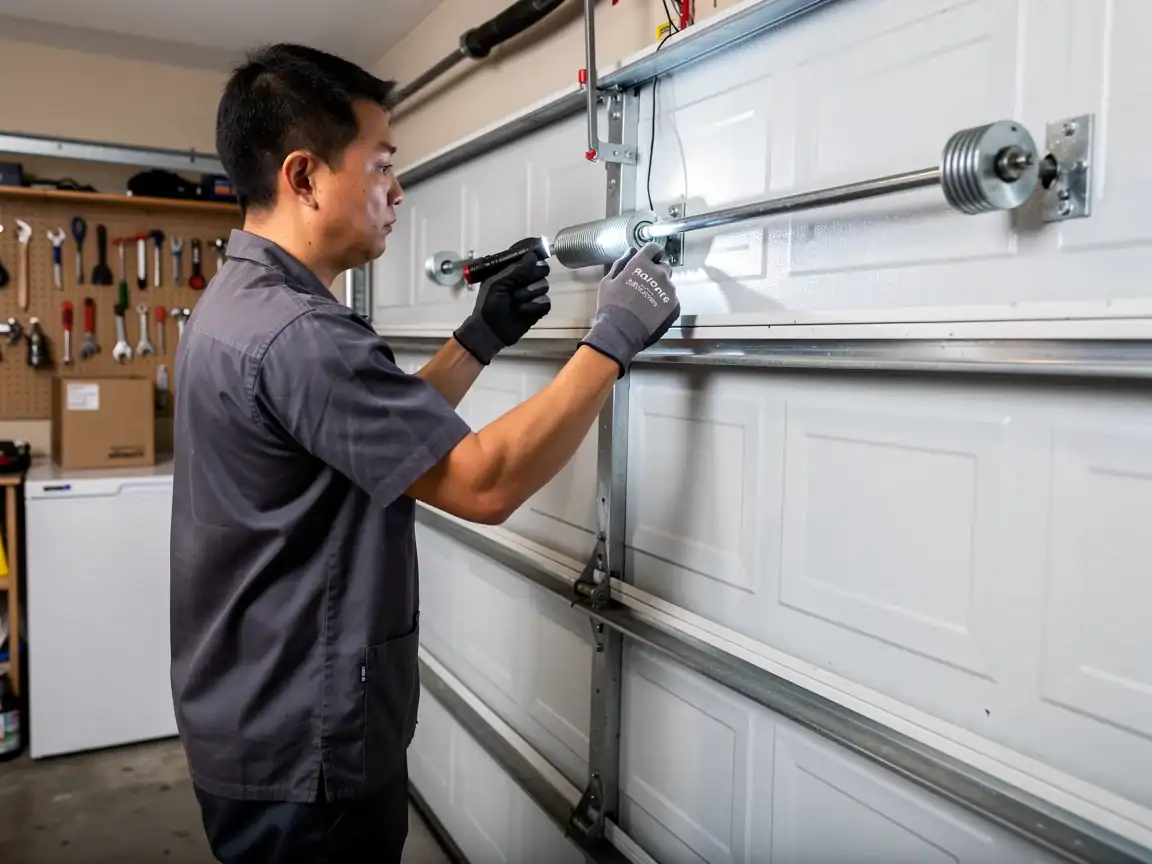
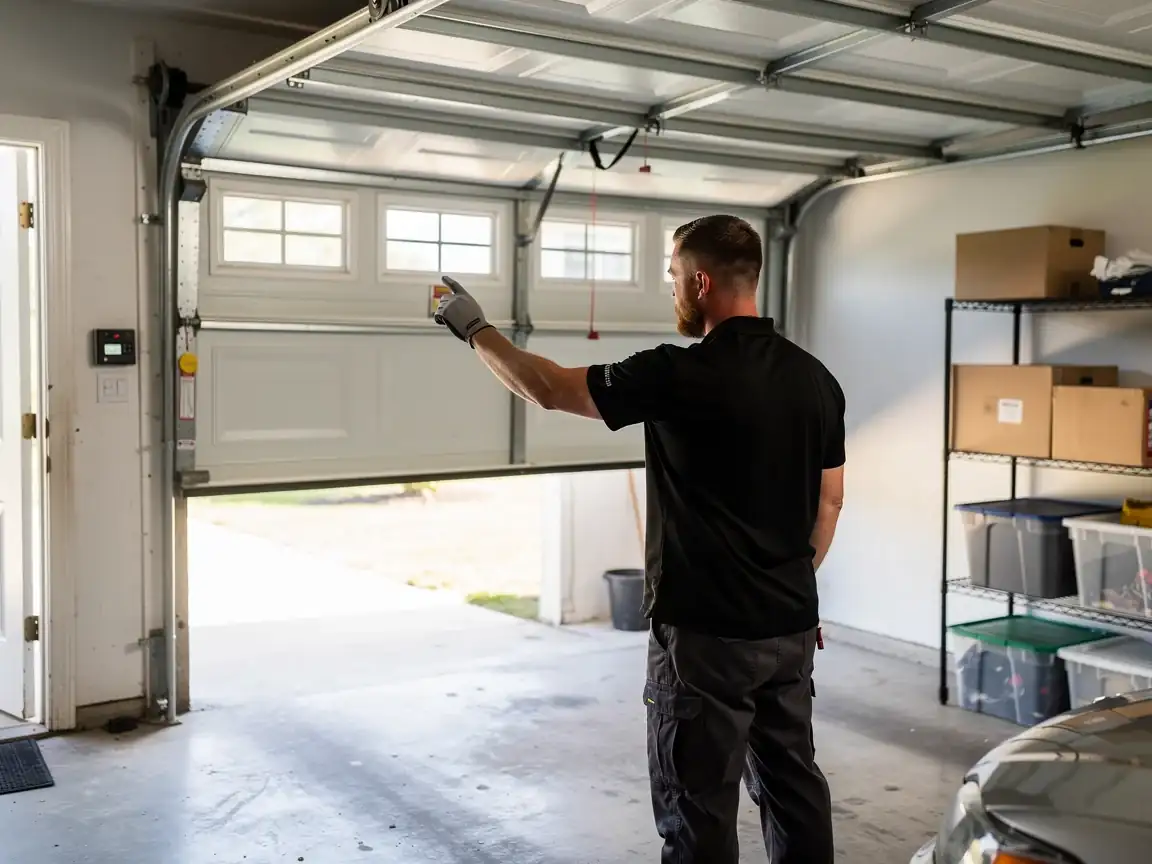
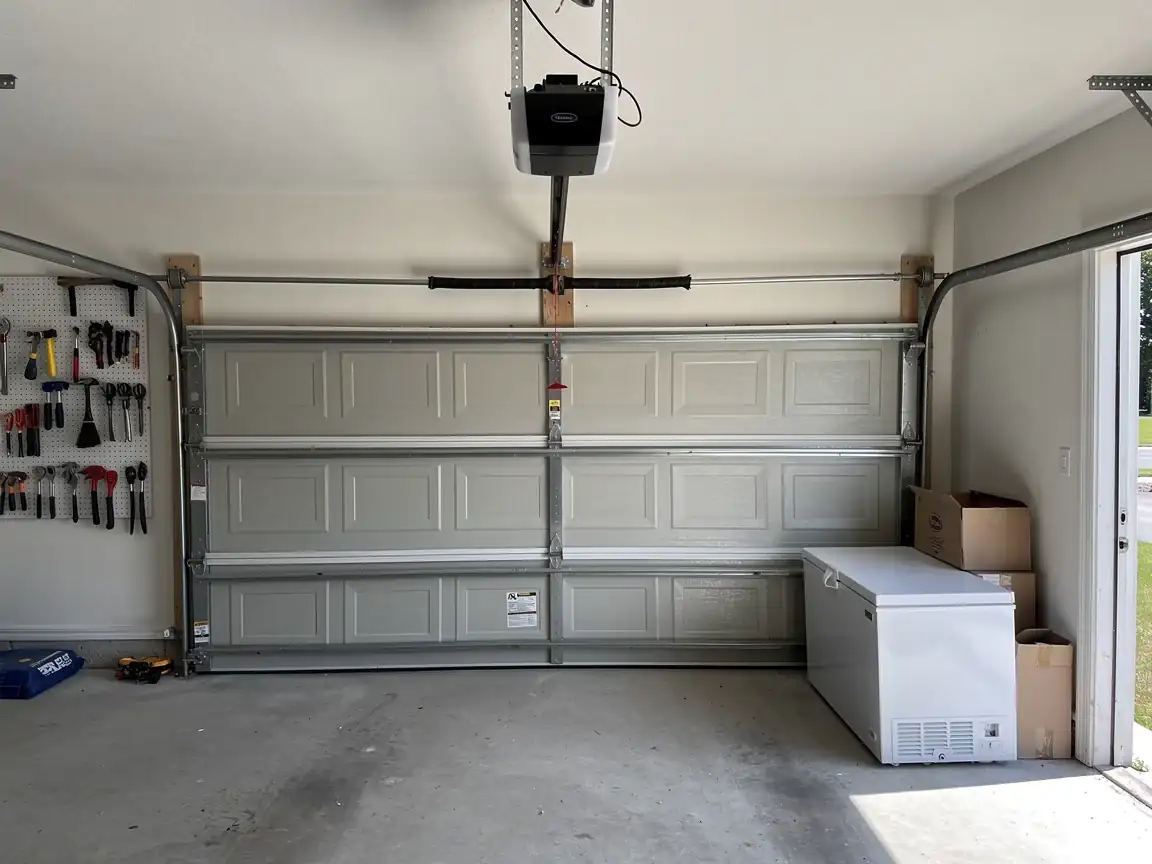
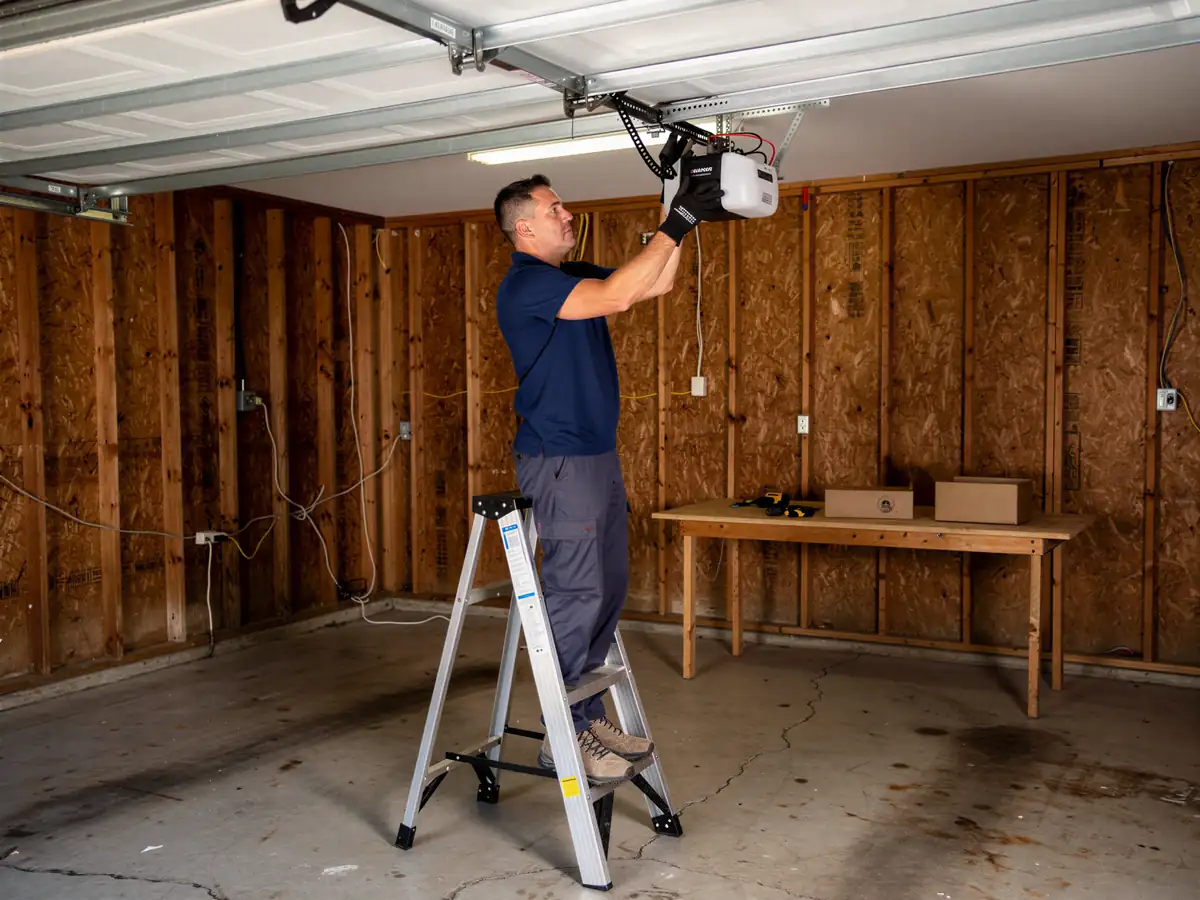
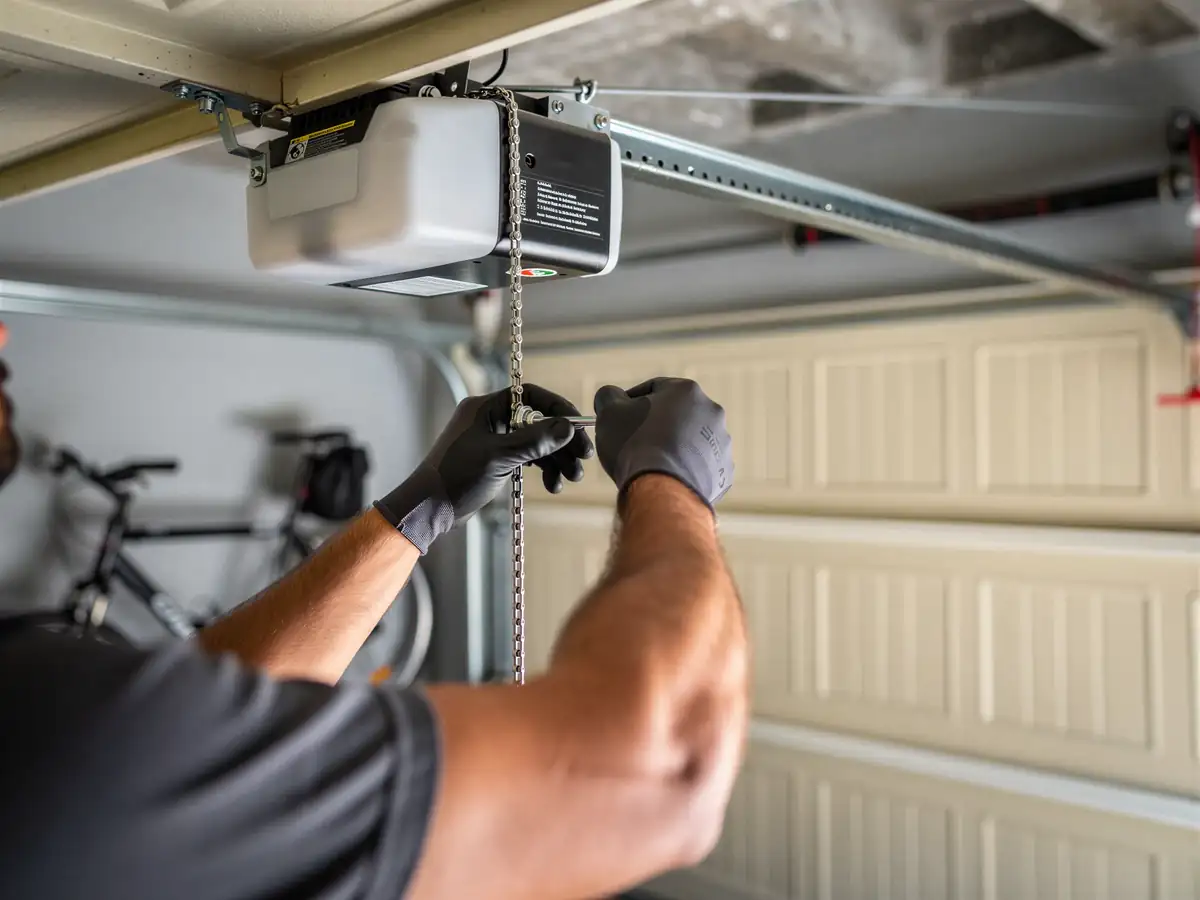
With a 2013-era median build, most Hurlburt Field openers are still within a reasonable service life, which changes the DIY math compared to an older house. If your opener is dead silent - no light, no hum, nothing - check the breaker and the wall switch before calling anyone. That's a five-minute check anyone can do. Where it gets risky is anything involving the logic board, the safety sensors near the floor, or the drive gear - those are not jobs to learn on a $300-400 unit that's only a decade or so old. Taking the cover off a circuit board you don't understand can turn a sensor fault into a dead board. If the opener runs but the door won't move, or reverses halfway up, that's very likely a sensor alignment issue or a limit switch setting, not something to force past with repeated button presses. We'd rather you call with a working theory than call us after three failed attempts to force it.
How It Shows Up
On newer builds like the ones that make up most of Hurlburt Field, opener trouble tends to look different than it does on 1970s hardware. You're more likely to see error codes on a wall console, intermittent remote range instead of total failure, or a door that starts and reverses without finishing its cycle. Climate plays a role too - this area sits in a mild band with occasional freeze risk, so cold mornings a few times a winter can make rubber seals and door weight shift just enough to trip a force-sensitivity setting on a belt-drive opener. That's a five-minute adjustment, not a part replacement, but it looks alarming the first time it happens. Total power loss - no light, no sound - usually points to the breaker or a failed board, not the motor itself. The newer the opener, the more likely the fault is electronic rather than mechanical, which is actually good news: those calls are often quicker once we're on site.
Where This Job Goes Sideways
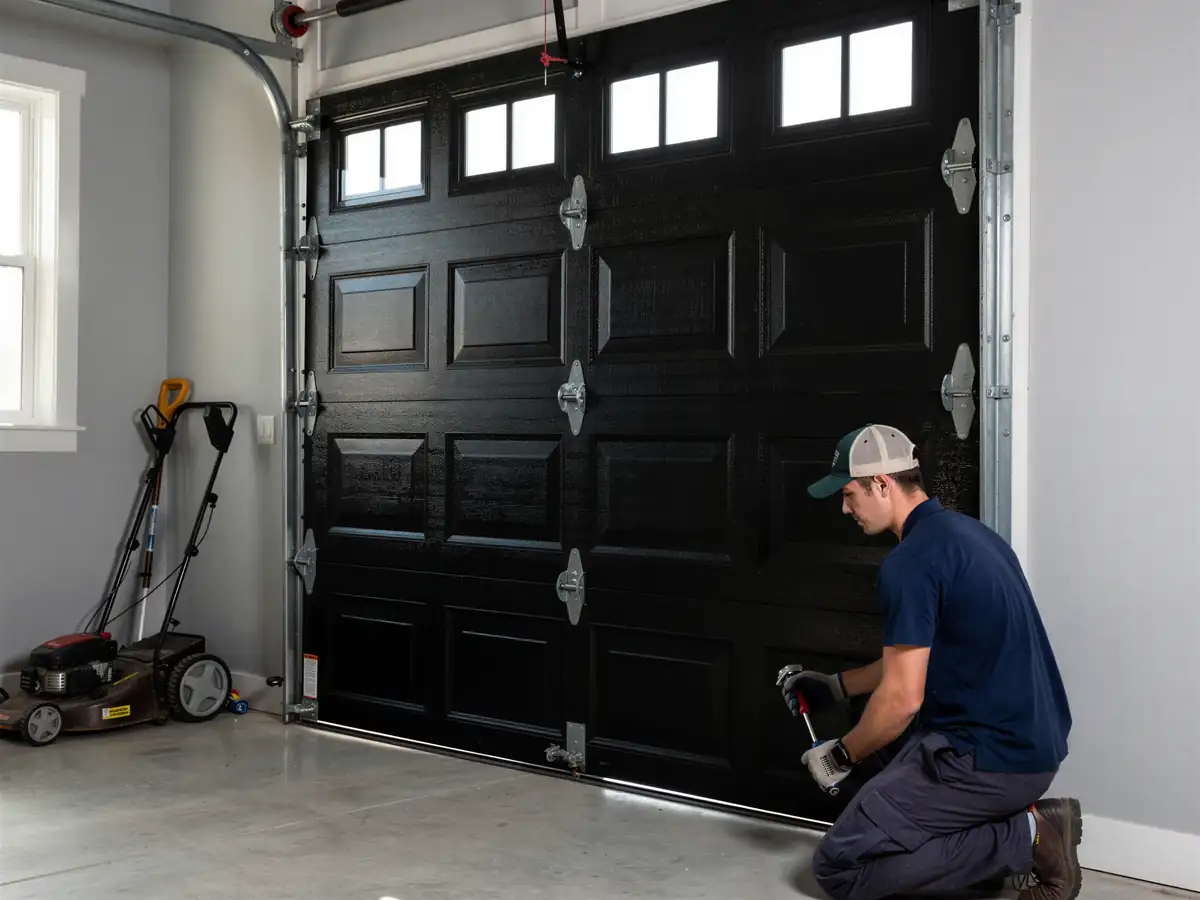
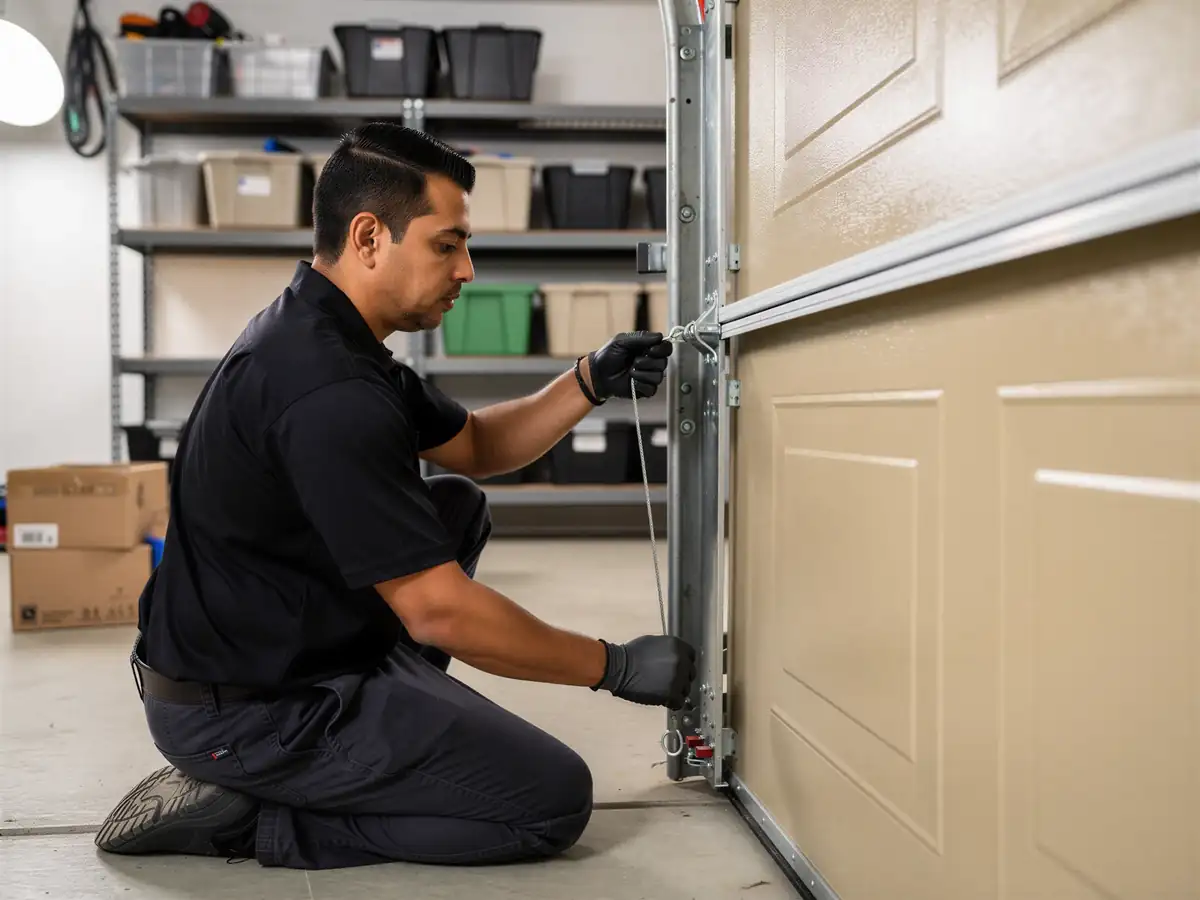
The honest limitation: if your opener logic board is dead and the model is more than a few years discontinued, we may be ordering a part rather than fixing it that day - that's a lead-time issue, not something we can rush. Where the call goes sideways most often is when someone assumes a dead opener means a dead door and starts forcing the door by hand without releasing it from the trolley first, which can bend the arm or crack the header bracket. The other version: a homeowner swaps the remote battery, sees no change, and assumes the whole unit needs replacing when it's a $20 sensor. At $46,683 median household income here - notably below the $81,938 median across the broader service area - we try to be straight about whether a repair makes sense versus a full opener swap before you commit to either. Across only 715 households in Hurlburt Field itself, the opener fleet is small enough that we're not guessing blind about what's common out here - it's mostly newer, electronic, and worth repairing rather than replacing.