How Long You Are Without the Door
We run out of Niceville
And Hurlburt Field sits at the far edge of our coverage - 16 miles out, the longest drive on our list. That matters for how a spring call here actually works. There's no local branch to dispatch from, so the truck has to make that trip every single time, which means a tech isn't already five minutes away like he might be closer to Niceville itself. We still come out the same day in most cases, but we're not going to pretend this is a quick hop across town, because it isn't. If your door is stuck shut on a broken spring, plan on it being down for a stretch of the day rather than an hour, simply because of where this area sits relative to the shop.
- 16 miles
The upside of the drive is that we're not guessing at what we'll find
Hurlburt Field's housing stock is newer than most of what we work on day to day, and that changes what's in the truck before we even leave.
The DIY Question
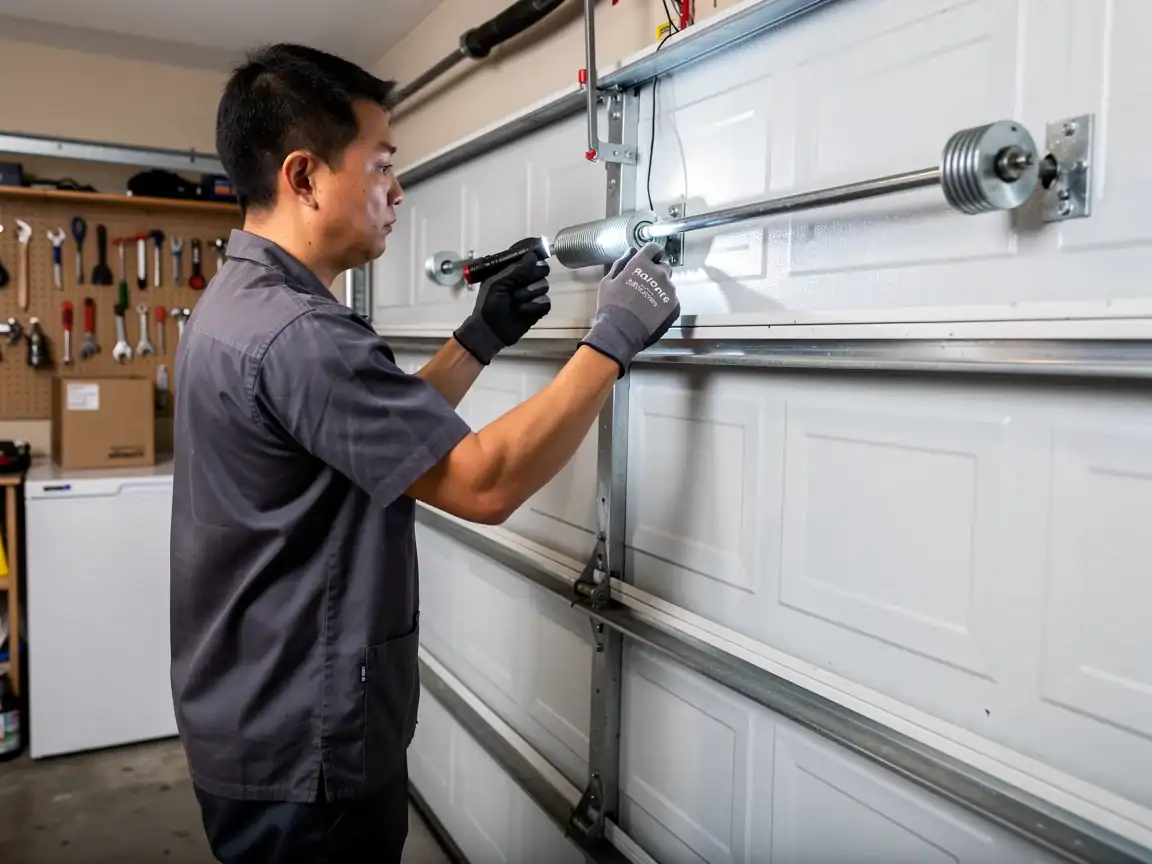
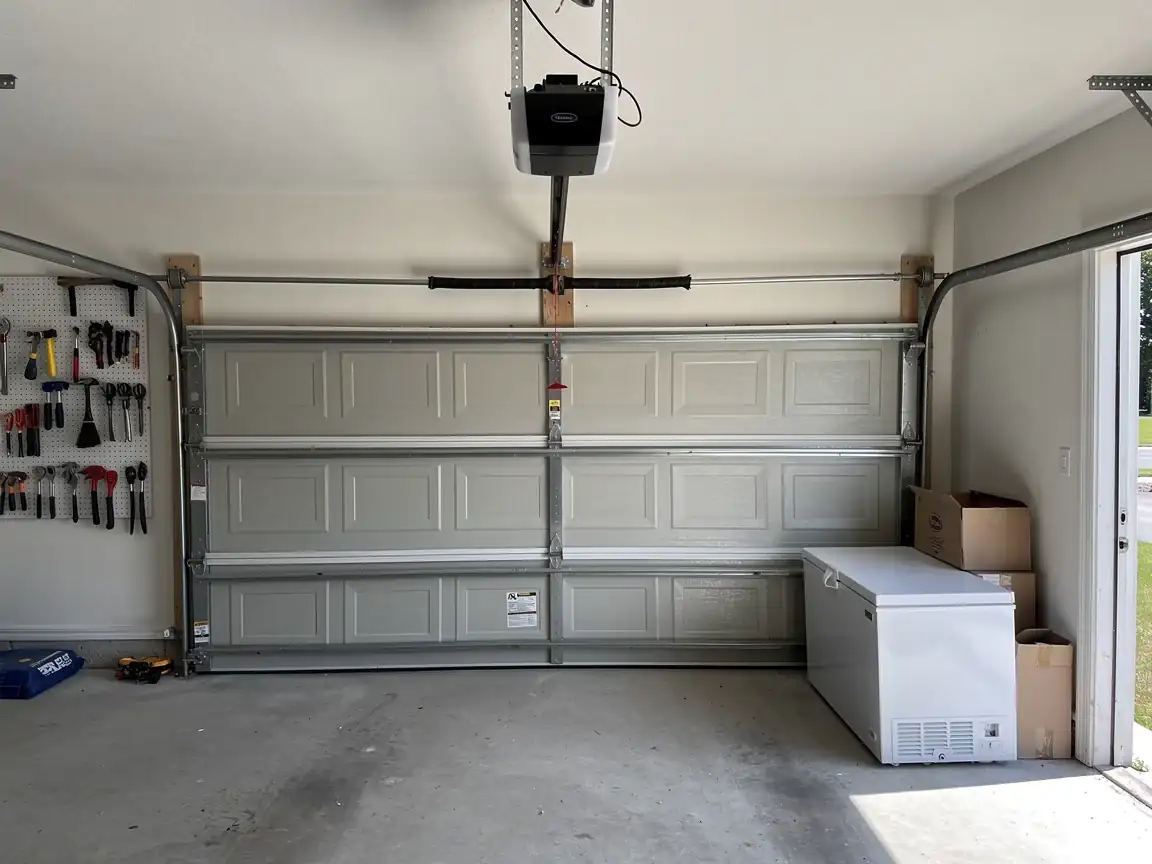
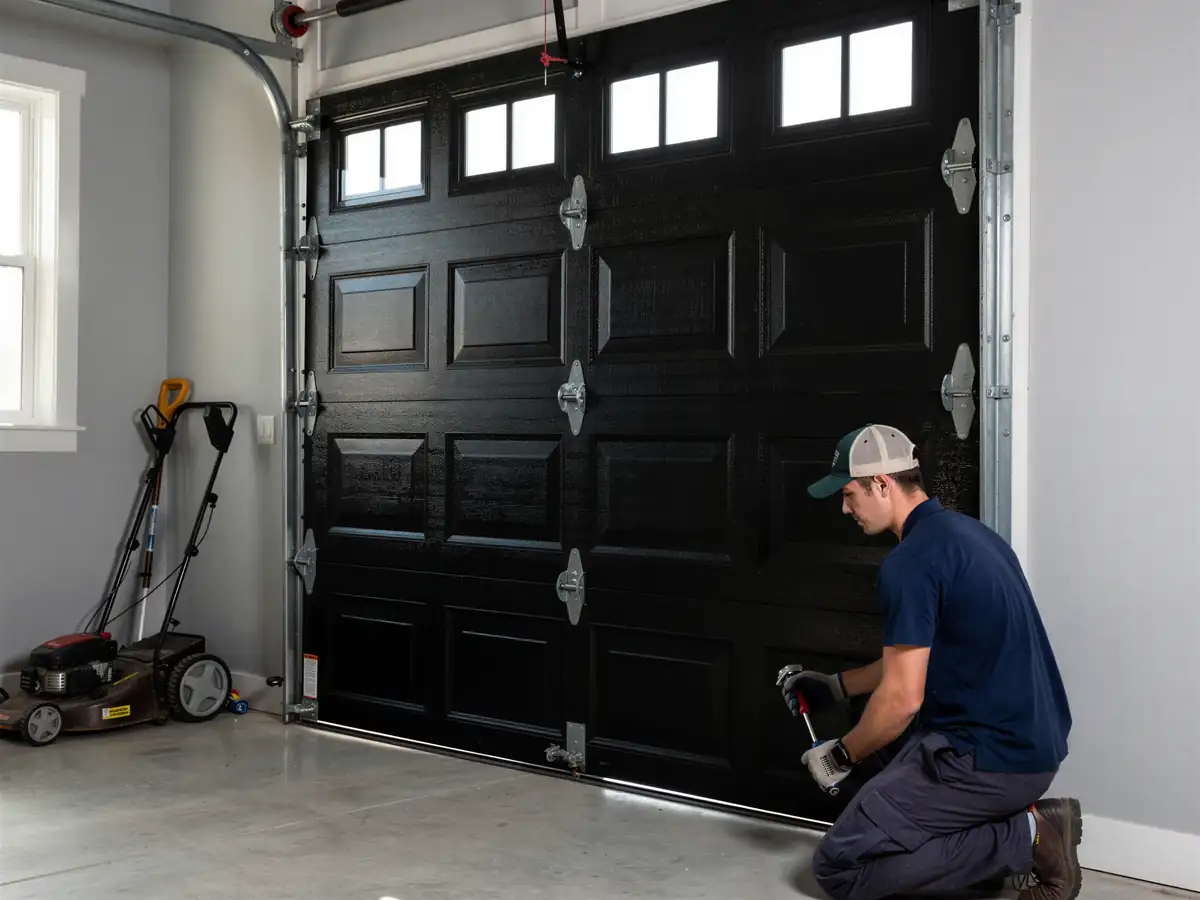
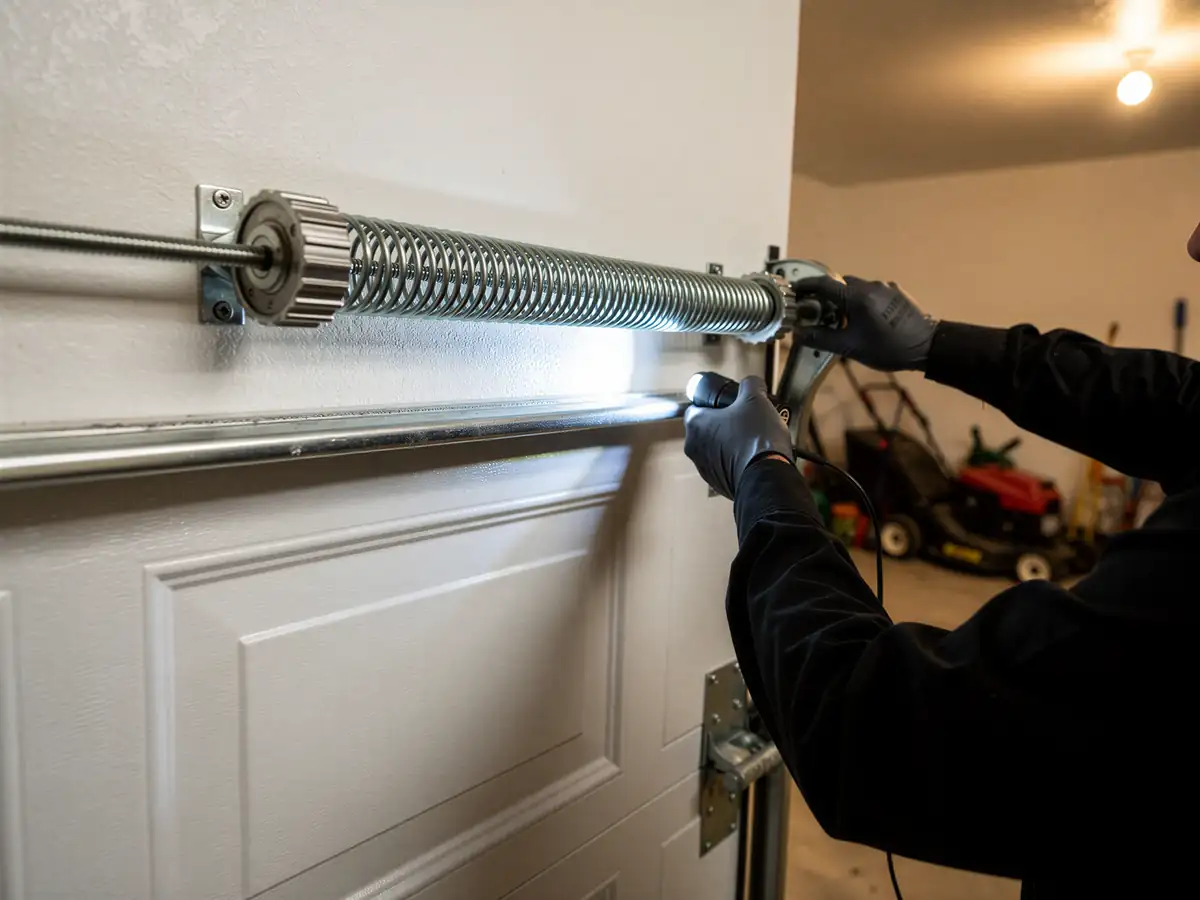
A torsion spring under tension can take a finger or worse, and that doesn't change based on how new the door is. If anything, newer doors built since the early 2000s often run heavier insulated steel sections, which means more spring tension holding that weight up, not less. We don't recommend homeowners pull the wound spring themselves - not because the job can't be learned, but because the margin for error is thin and the tools (winding bars, a proper ladder setup, clamps) aren't things most garages have lying around.
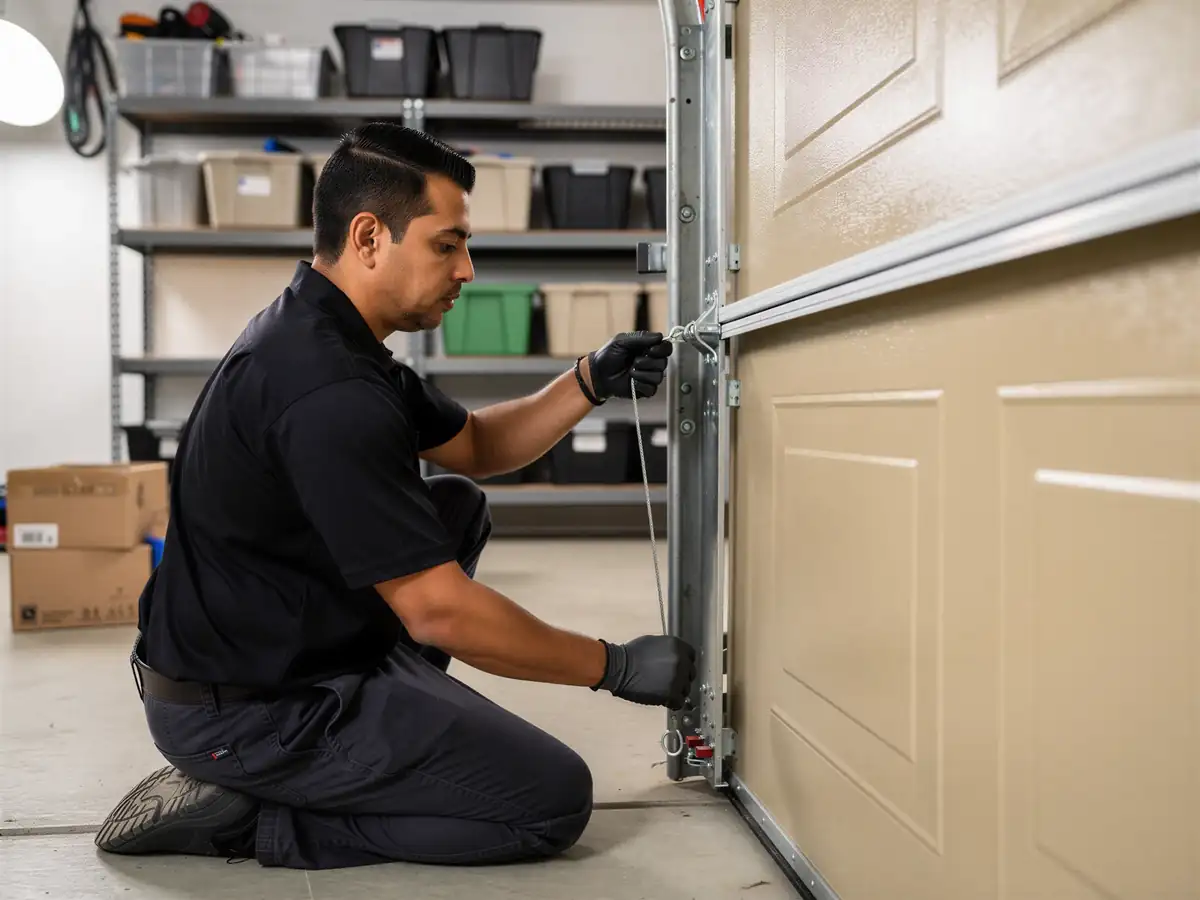
What you can safely check yourself: whether the cables look frayed, whether the door is off-track, or whether it's just one spring on a double door (the door will hang crooked, not drop straight). That tells us something useful before we even get there. Past that point, leave the bars in the truck.
How It Shows Up
Because the median year built out here runs around 2013 - decades newer than much of the rest of the service area - the failure mode looks different than it does on older housing stock. You're less likely to be dealing with a worn-out single torsion spring that's simply outlived its cycle count, and more likely to be looking at a factory-installed extension or torsion system that's seeing heavier use than it was speced for, especially on larger double-car doors common in newer construction.
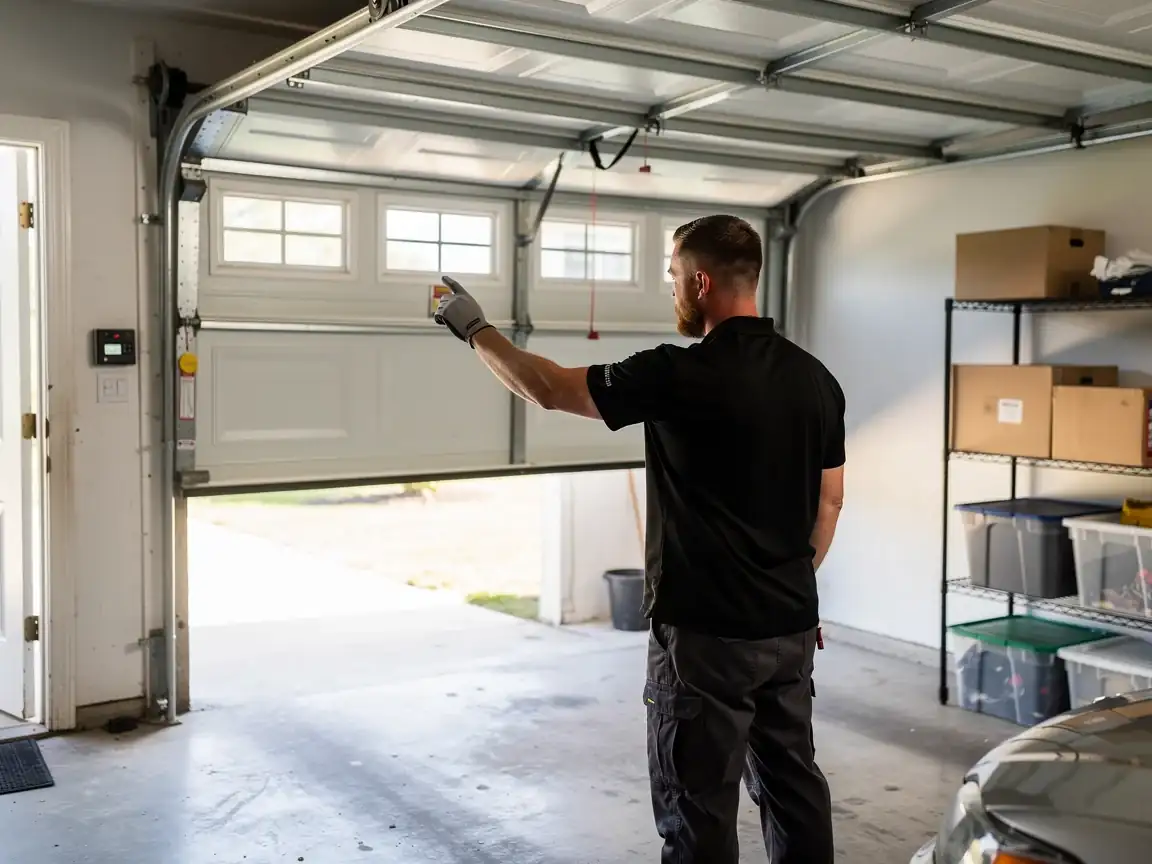
The tell is usually the same regardless of age: the door won't lift, or it lifts a few inches and stops, or the opener strains and reverses. On a door this age, that almost always means the spring, not the opener motor, even though the opener takes the blame first. If the door slams down hard instead of easing shut, that's a spring that's already gone.
Stocked Parts
We carry common torsion spring sizes on the truck
Which covers most of what's installed in Niceville-area housing from the 1970s through the 2000s. Newer doors in Hurlburt Field sometimes run spring and drum combinations sized for heavier insulated panels, and those aren't always a match for what's in standard stock. When that happens, we're honest about it - we'd rather order the correct size and come back than force a close-enough spring onto hardware it wasn't matched to, which just shortens its life and your door's.
That's the one limitation worth saying plainly
If your door is a less common size or a newer heavy-duty setup, the repair might take two trips instead of one. We'd rather tell you that up front than promise a same-visit fix we can't guarantee.
Where This Job Goes Sideways
The usual way a spring job turns into something bigger is the cable. On a heavier door, a spring that's already failed puts extra load on the cables and drums holding the other side, and if those were already worn, they can go next. We check both cables any time we're replacing a spring, because doing one without the other on a heavier door is asking for a second call.
The other way it goes sideways is the opener. If the spring's been weak for a while before it broke, the opener has likely been straining to lift a door it wasn't getting enough spring assist for. That can wear the gears or the drive mechanism faster than normal. We'll flag it if we see it, but we're not going to sell you an opener you don't need - sometimes a weak opener on a newly-sprung door is fine for years yet.