How to Book
Shalimar is a small town
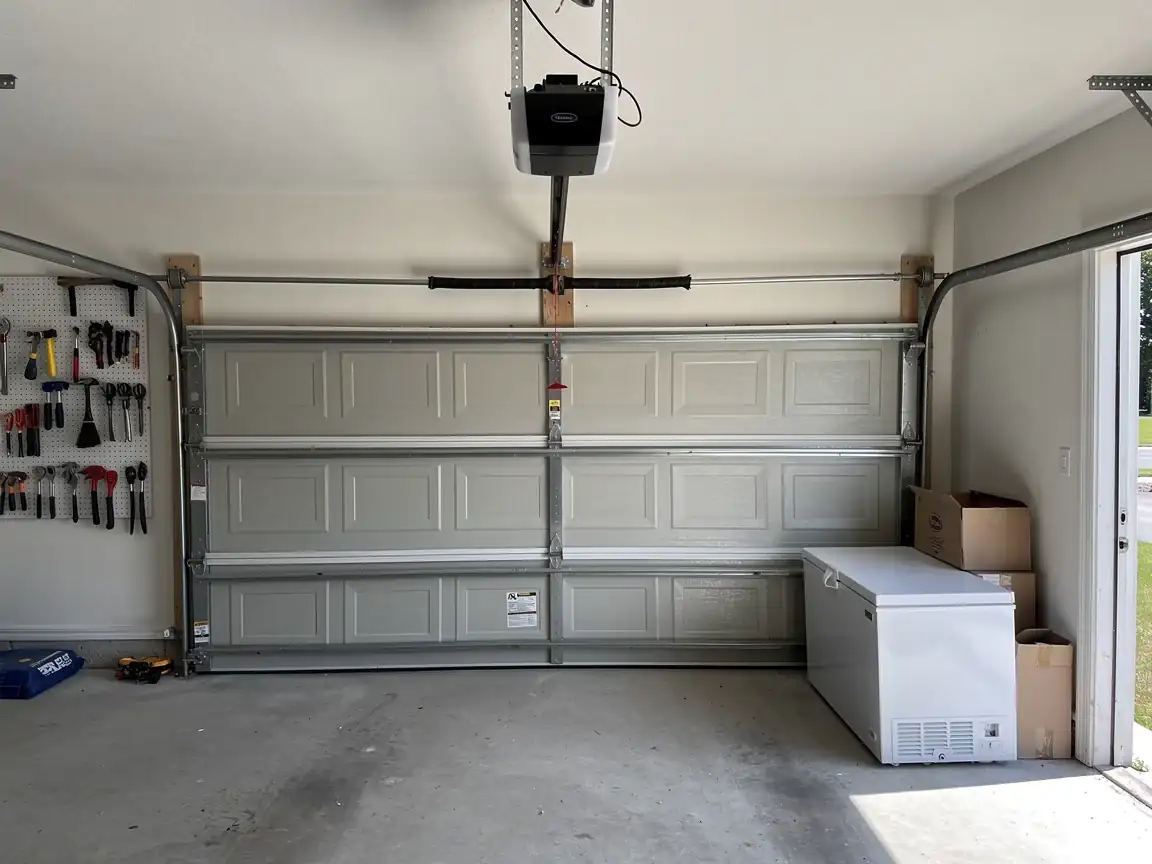
390 households, by the last count - which means we're not sending a truck here every day the way we might to a bigger pocket of the service area. That's fine. It just means when you call, tell us the door brand if you can see it on the track rail or the motor housing, and whether the door still opens by hand with the opener disconnected. That one detail (does it move freely in manual mode) tells us if we're looking at a spring problem or something electrical before we're out the door. We run the call from our shop in Niceville, nine miles up the road, so we ask a few more questions up front than a company with a branch three streets from you would need to. It saves a second trip. If the opener is dead and the door won't budge by hand either, say that first - it usually means a broken spring, and we'll bring the right one instead of guessing on-site.
- 390 households
Book through the Shalimar page or call
If what you actually need is a look at everything we do across the wider service area, that's the Niceville repair page, not this one.
Why It Happens Here
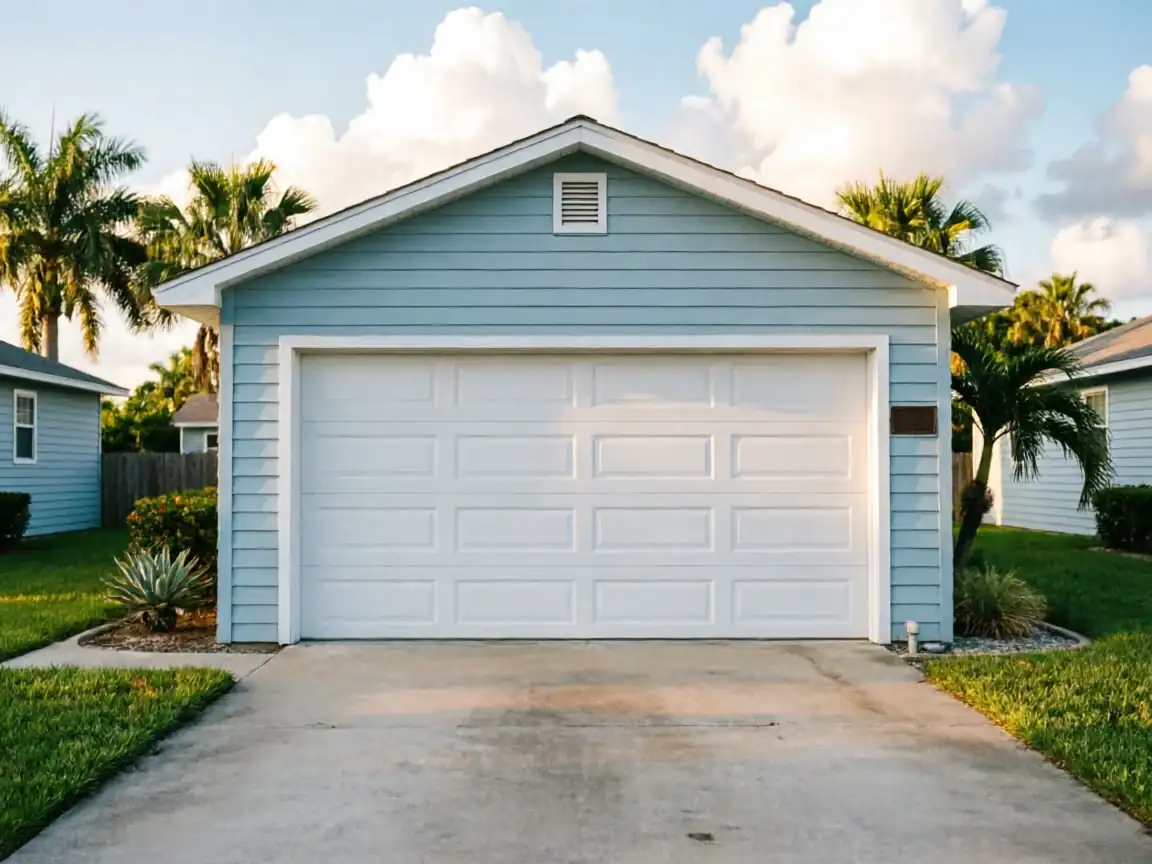
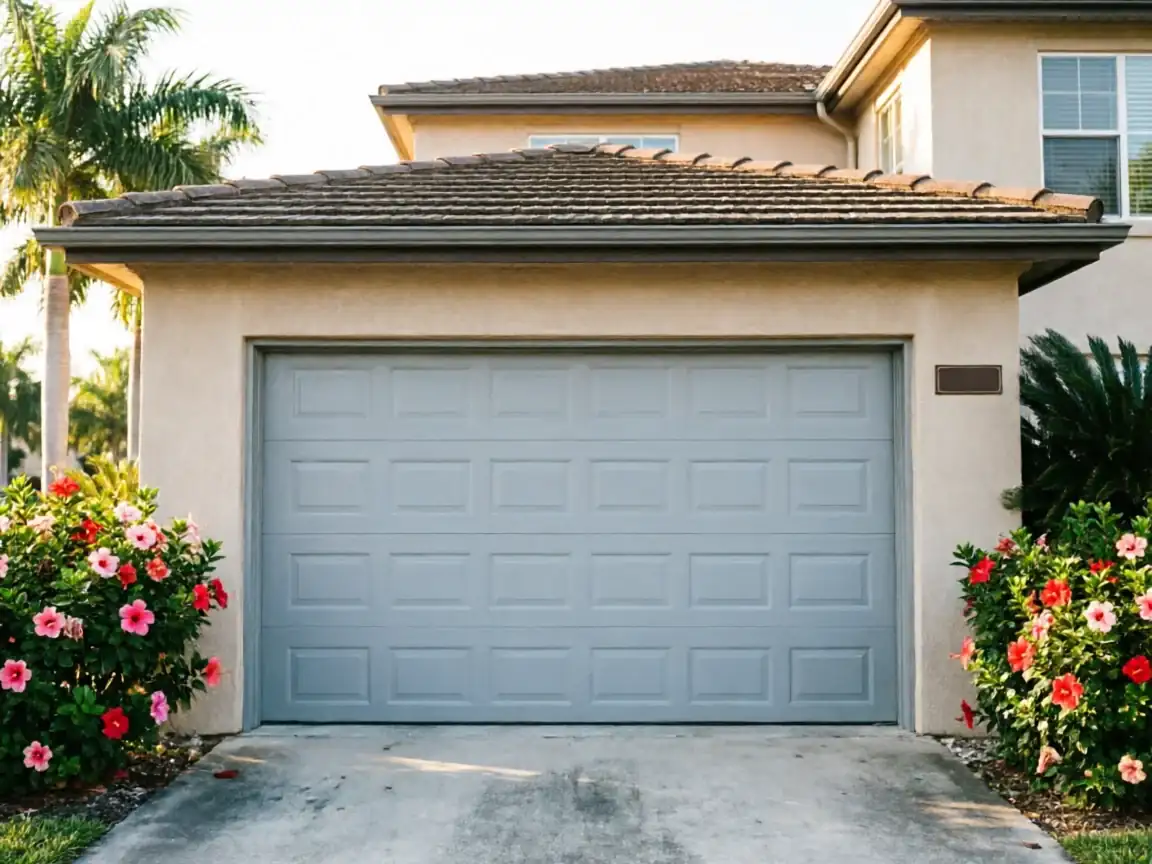
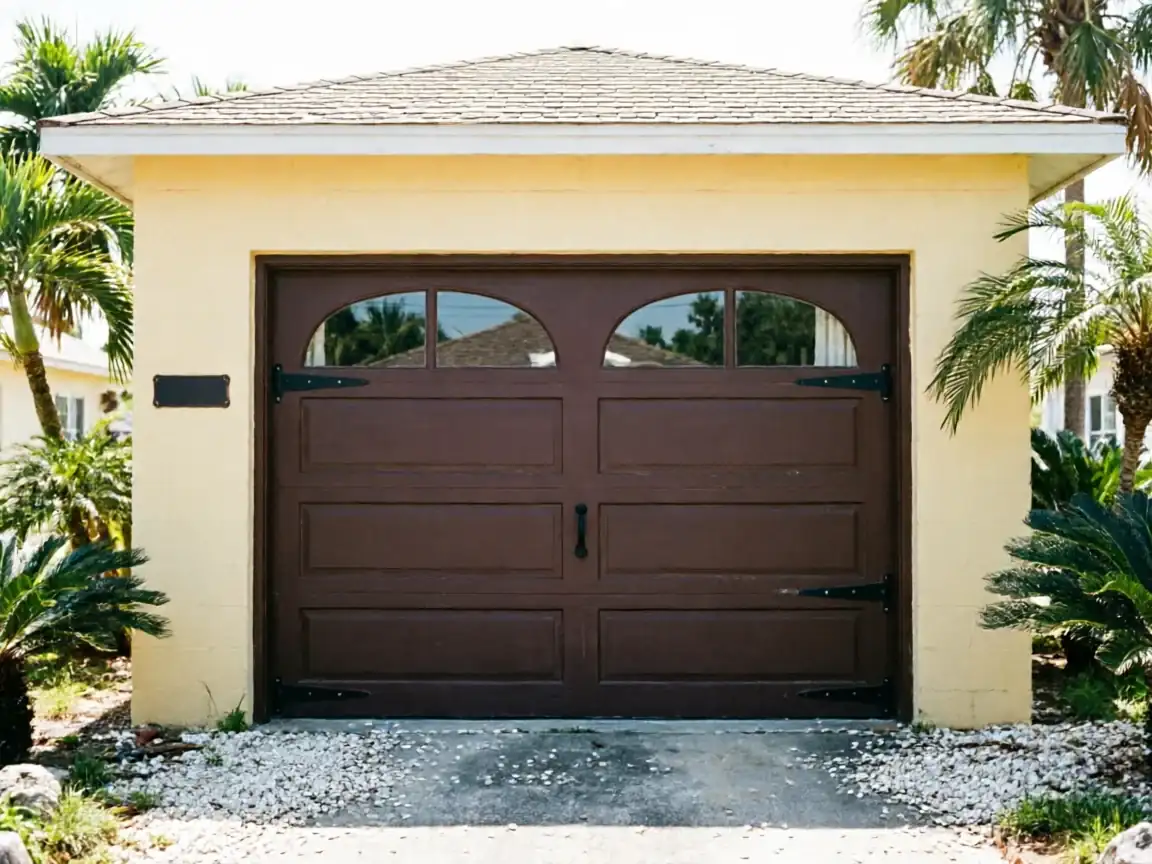
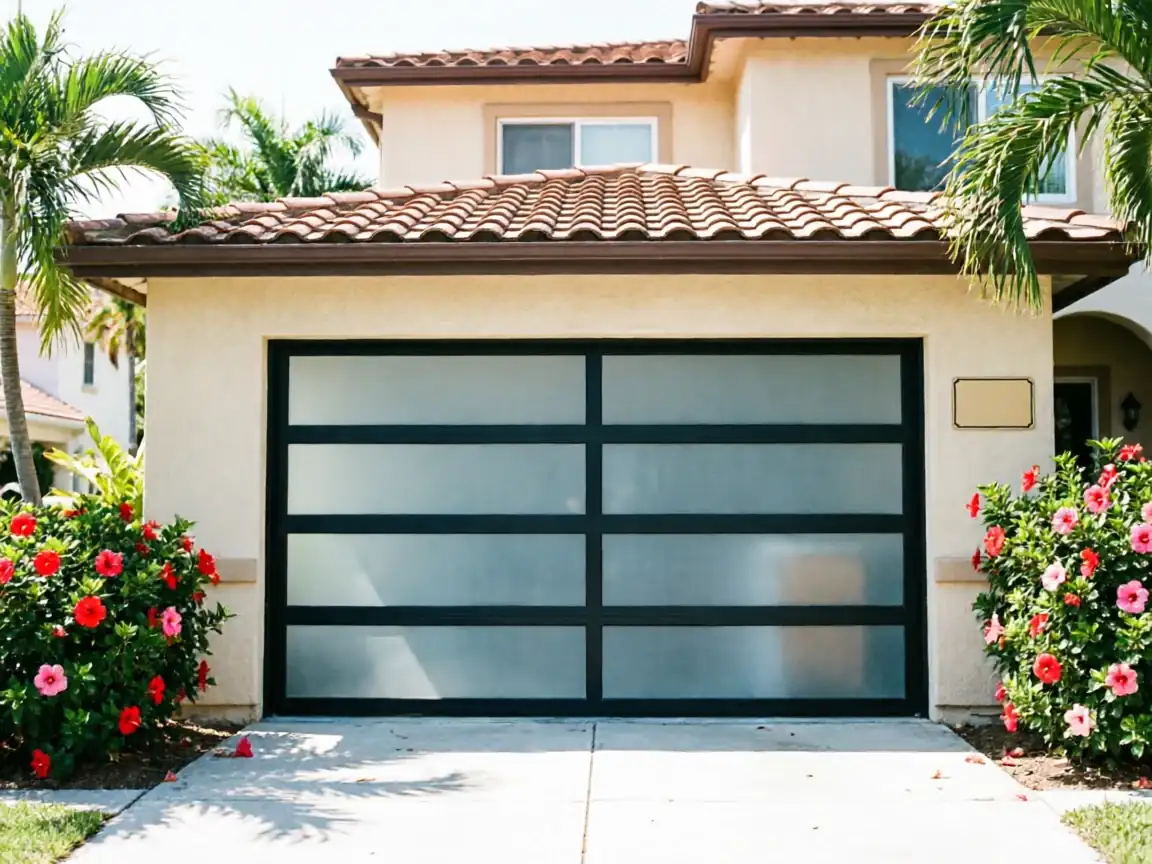
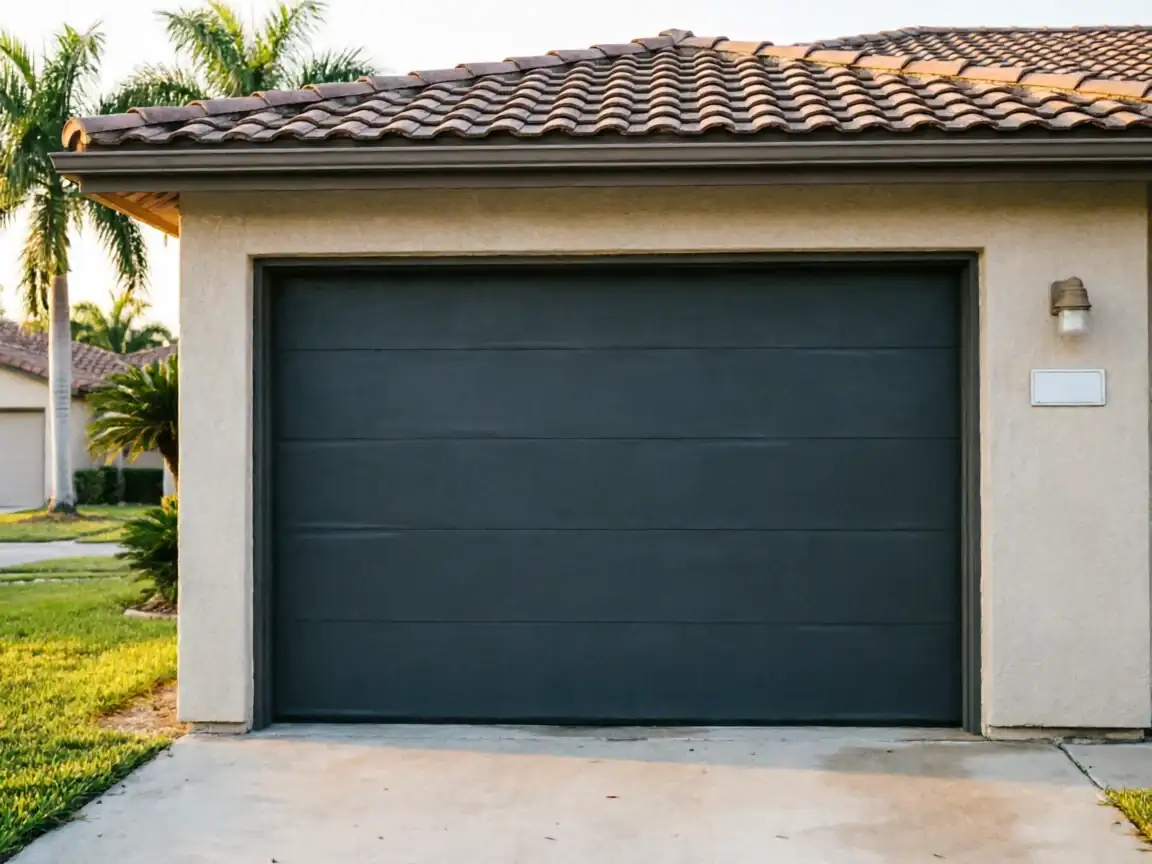
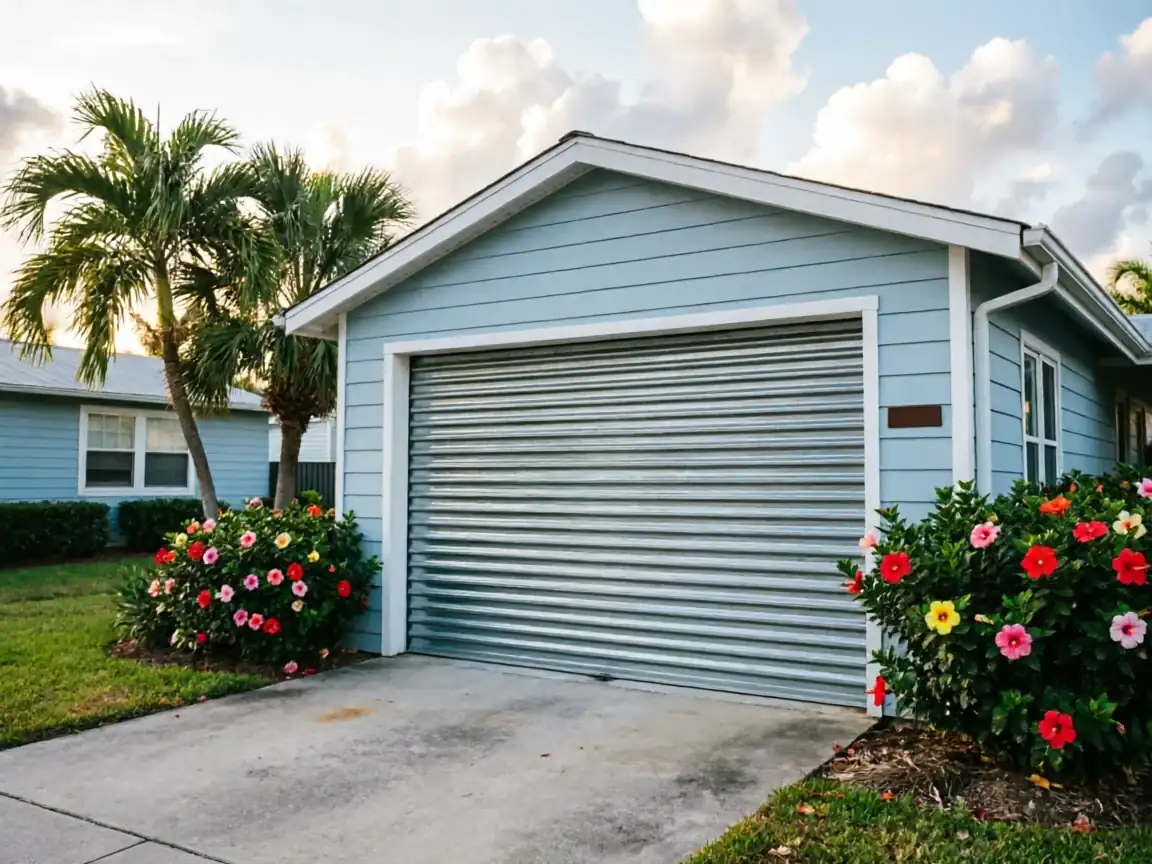
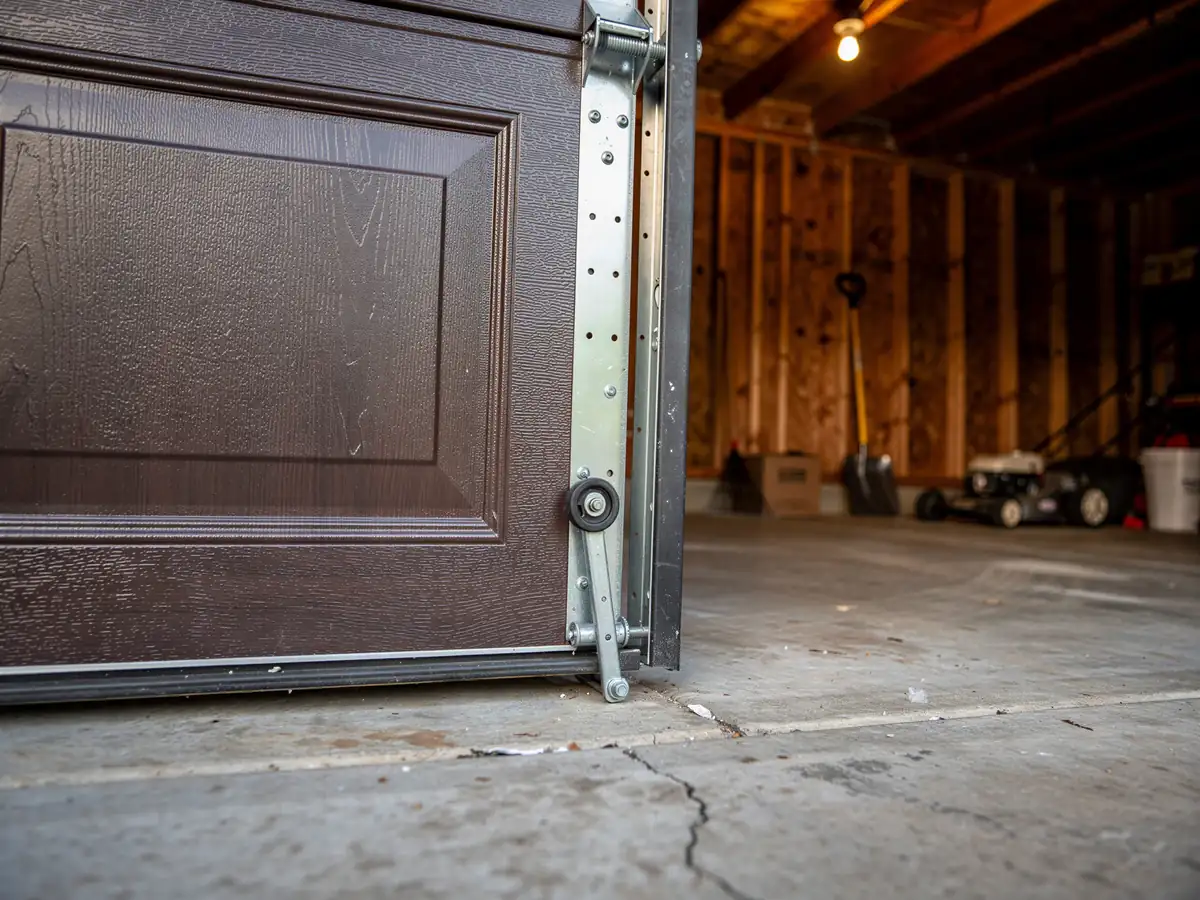
The housing stock in Shalimar skews newer than a lot of what we work on elsewhere in the service area. Median year built here is 1991, where a good chunk of the broader coverage area is sitting closer to 1979. That ten-to-fifteen-year gap matters more than it sounds like it should. A door from 1991 is more likely to be on extension springs or an early torsion setup with steel rollers that have had three decades to wear their grooves. It's less likely to have the original one-piece slab doors you see on older stock - most of what's here is sectional, steel or composite panels, which fail differently: panel seams crack before the door itself gives out, and the weatherstrip at the bottom goes brittle and starts letting water track in under the door.
The area's climate doesn't throw hard freezes, but it does get cold snaps, and a door that sat fine all summer can start binding on a cold morning when the track has contracted slightly and the rollers haven't been lubed in years. That's a cheap fix if you catch it before the opener motor starts straining against it and burns out trying to force a door that's just stiff, not broken.
Where This Job Goes Sideways
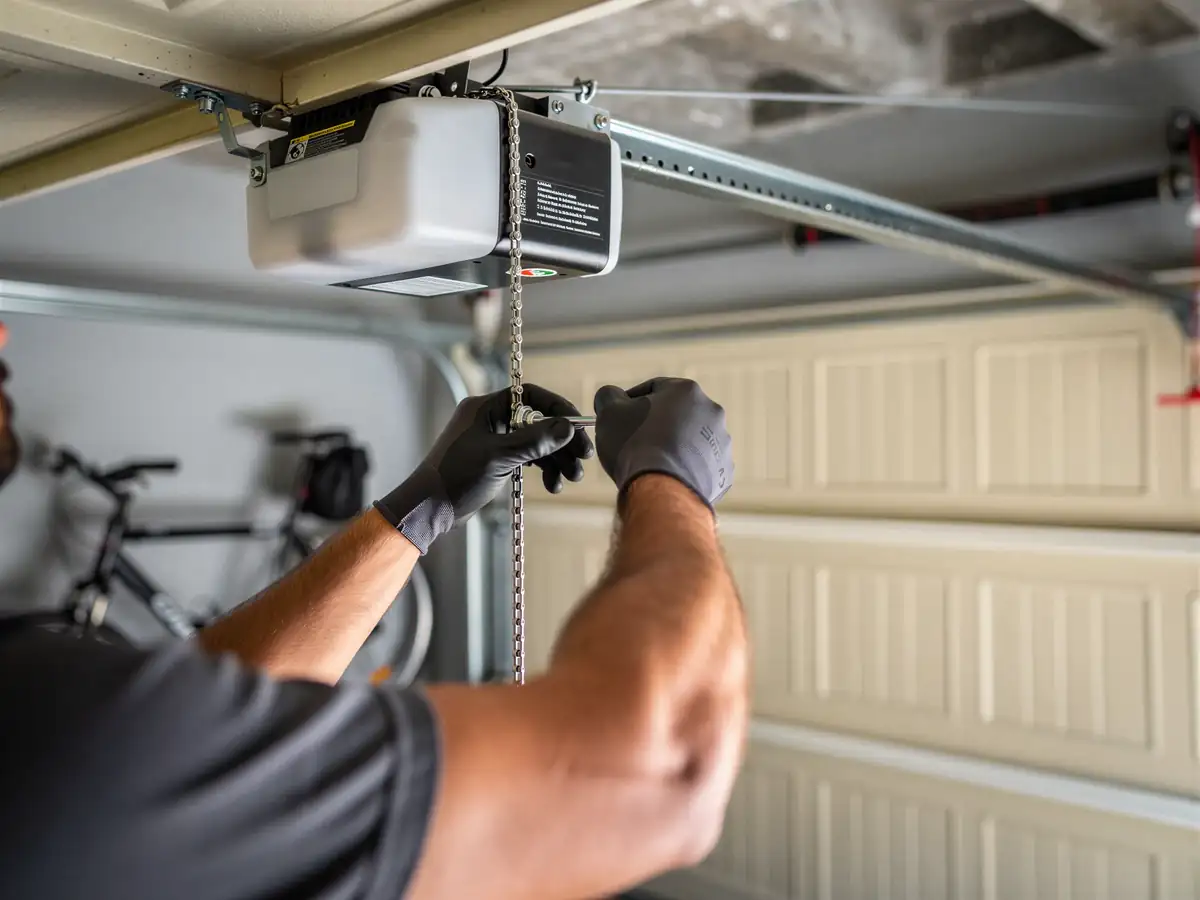
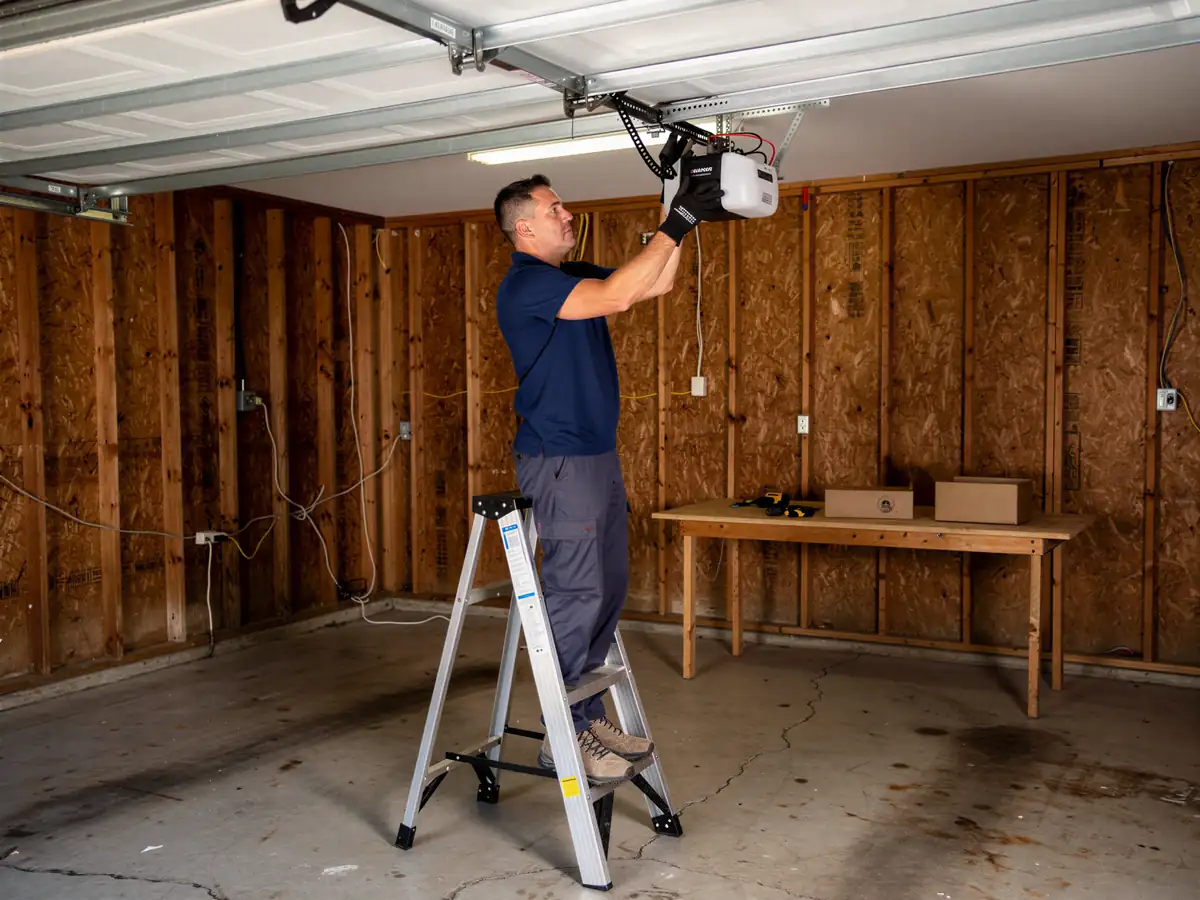
The honest failure point on a 1990s-era door is the opener, not the door itself. A lot of openers from that build era are long past their realistic service life, and when one finally quits, the owner's first instinct is to replace just the motor unit and keep the old track and springs. Sometimes that's the right call. Sometimes the track has enough wear or rust that a new opener on old hardware just transfers the strain somewhere else and you're back out here in eight months for a cable or roller.
We won't swap an opener onto a door that isn't carrying its own weight right. If the springs are undersized or stretched out, we'll say so, even if it means a bigger ticket than you were expecting. That's the limitation worth knowing going in: we don't sell a motor as a fix for a spring problem, and if your panels are original from 1991 and genuinely at the end of their run, repair isn't always the cheaper move over time. We'll tell you when replacement makes more sense than another patch.
How Long You Are Without the Door
Because we're running from Niceville, nine miles out, the time between your call and a truck in the driveway has a drive built into it that a shop sitting inside Shalimar wouldn't have
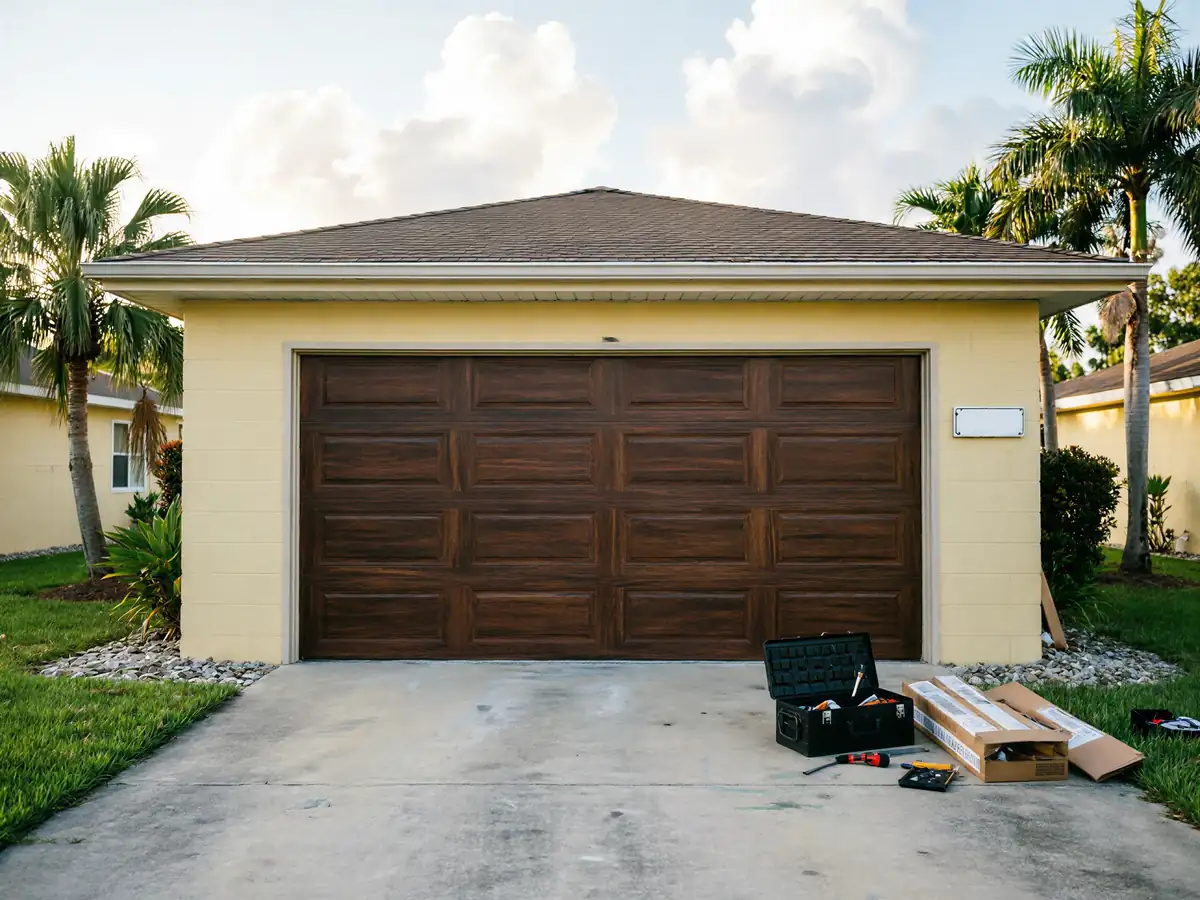
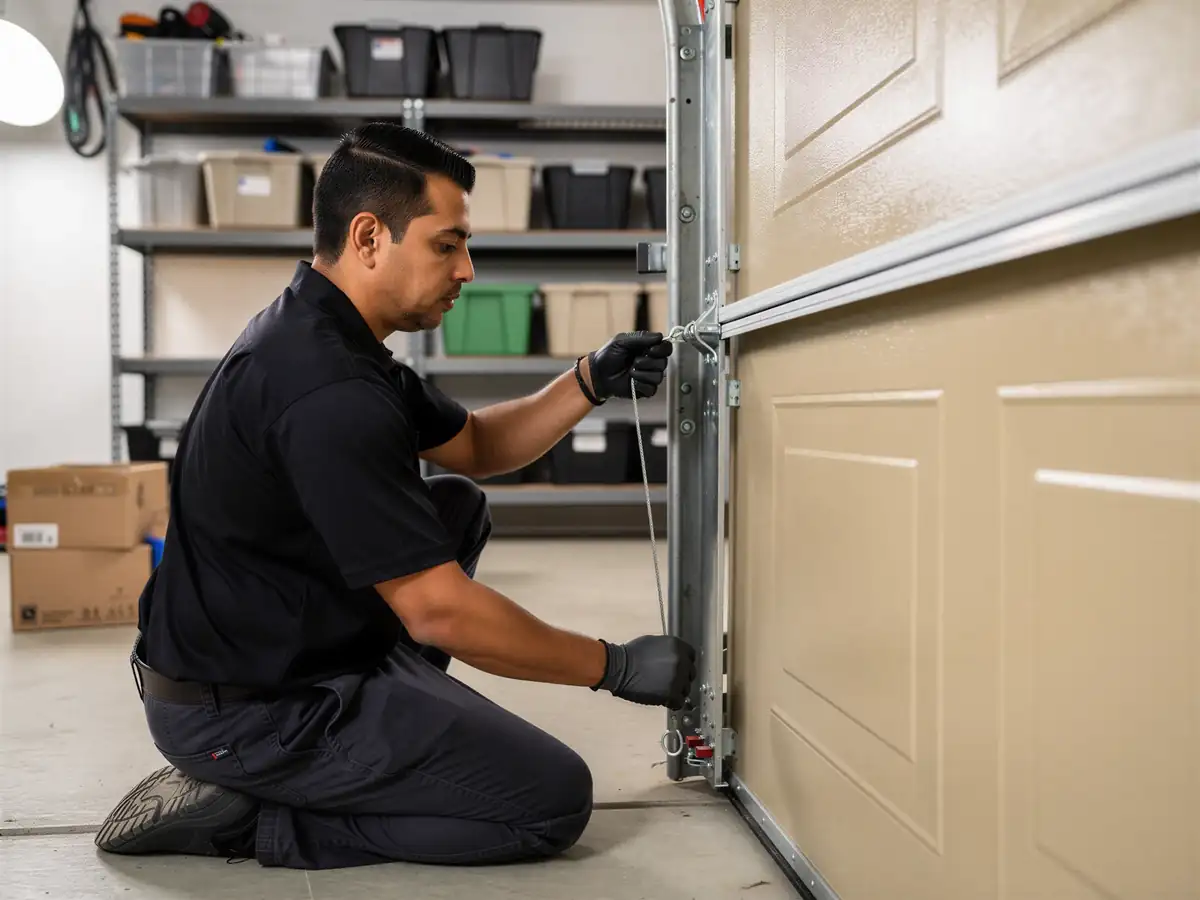
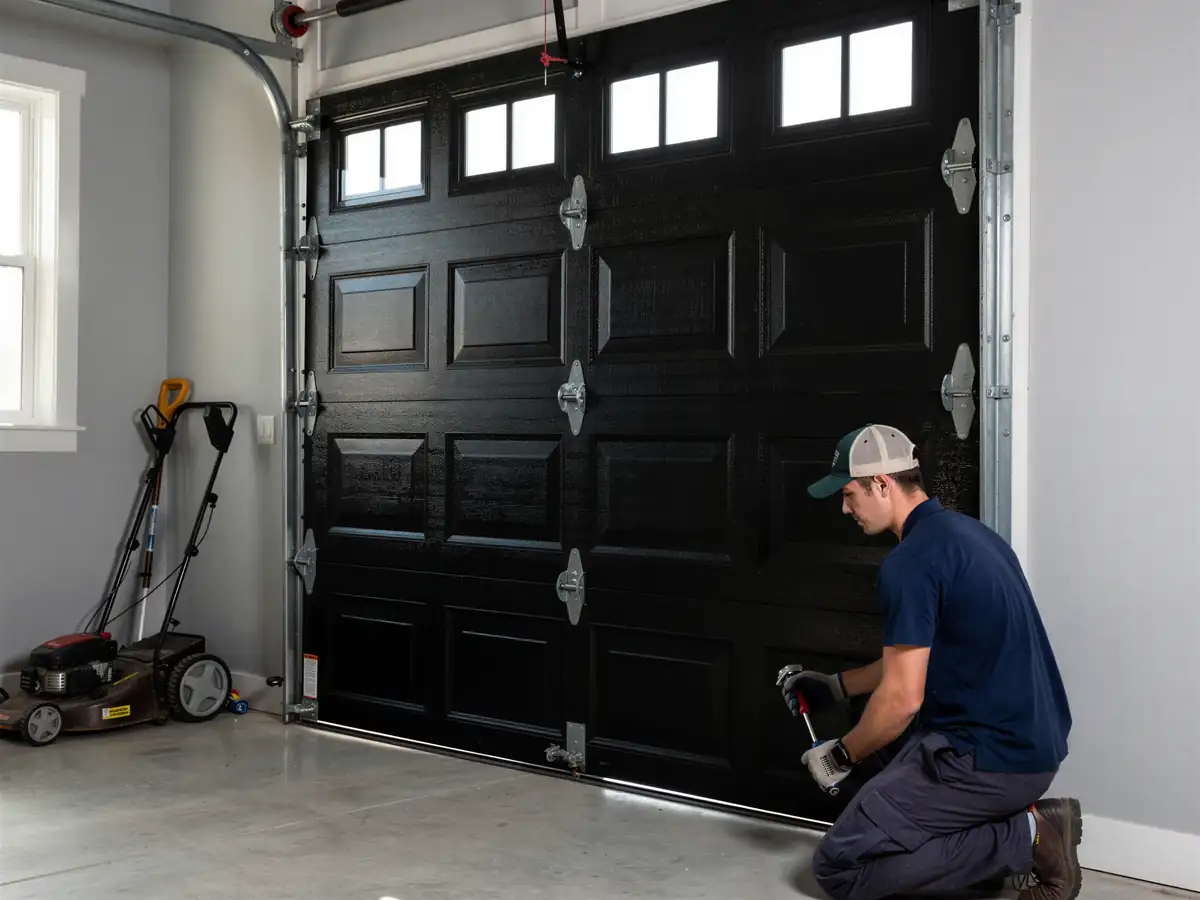
Once we're there, most spring and cable jobs on a standard double door close out in under two hours. Opener swaps run longer if we're also replacing track hardware. Panel damage - someone backed into the door, or a panel's cracked from age - sometimes means we have to order the part before we can finish the job, and that part lead time is the one variable we can't shrink by showing up faster.
We don't advertise a fixed response window for Shalimar specifically
Because we're not staged here the way we are closer to home. What we can tell you is that a stuck or off-track door gets priority over a routine tune-up call, every time.
The DIY Question
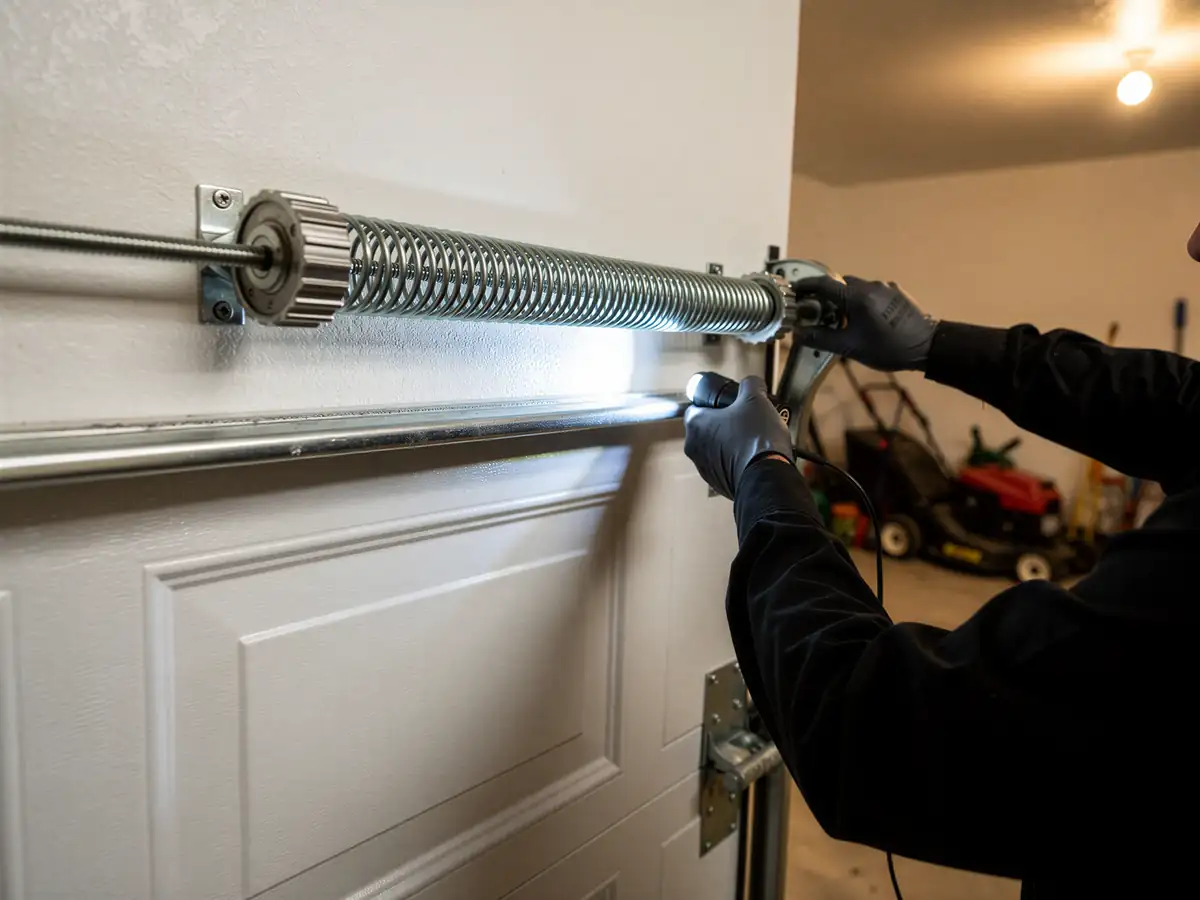
If your door is stuck and you're tempted to loosen the spring yourself, don't, especially on a door from the early 90s where the spring has had thirty-plus years to lose tension unevenly. A torsion spring under load can take a hand off; that's not an exaggeration, it's why we charge for the call. Lubricating rollers and hinges, tightening visible loose bolts on the track brackets, and clearing the photo-eye sensors of dust - those are fine for an owner to do and they're the cheapest maintenance there is.
What we'd steer you away from: replacing a spring, adjusting opener force settings past the point where the door still reverses on contact, or trying to re-square a track that's come loose from the jamb. On a smaller town like Shalimar where houses tend to be a bit newer, the parts are often still available off a standard supplier shelf, which is good news if you do need a professional repair - it's not a special-order hunt the way it can be on the oldest stock elsewhere in the area.