Why It Happens Here
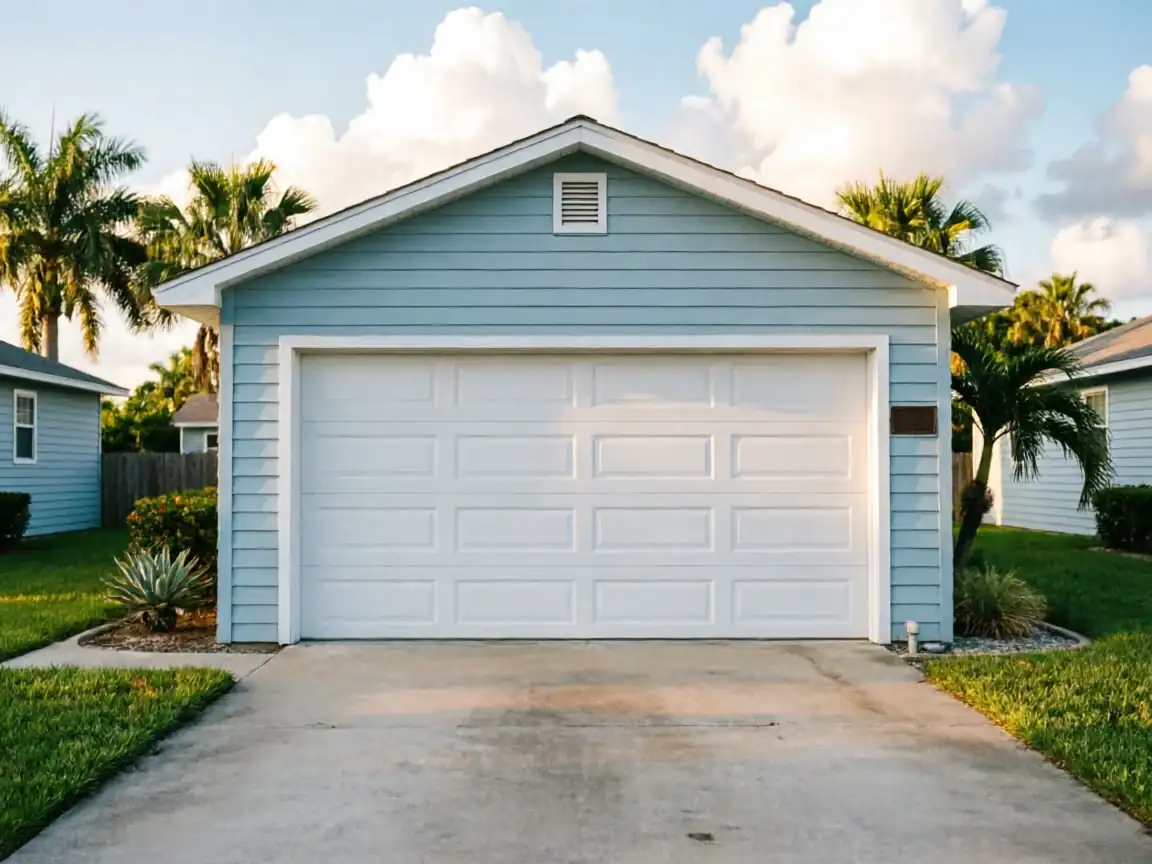
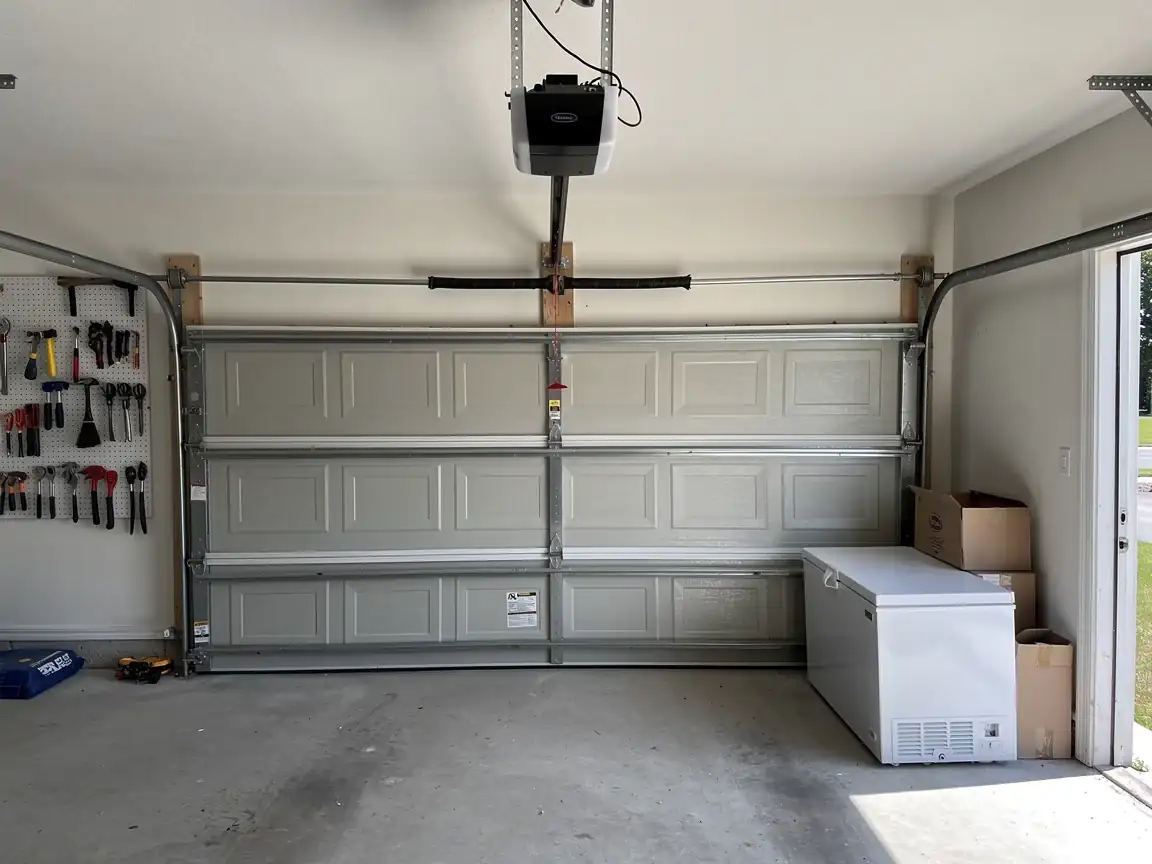
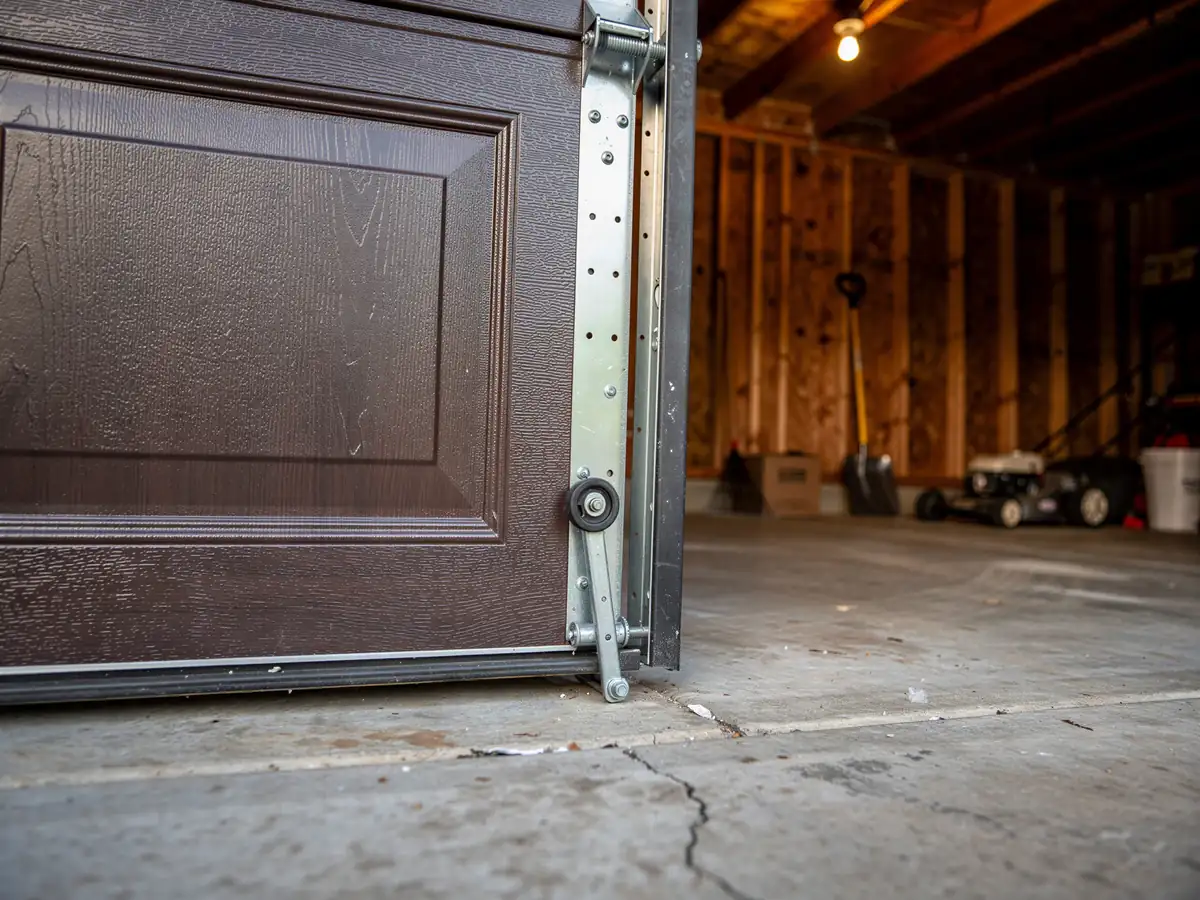
Most of the houses in Shalimar went up around 1991 - noticeably newer than a lot of the surrounding service area, where the bulk of the stock is 1960s and '70s builds. That gap matters for off-track calls. A 1991 build usually came with galvanized steel track and a roller setup from a builder package, not the original wood jamb hardware you'll find on an older neighborhood's door. The failure mode is different too: instead of track that's simply rusted through, you're more often looking at a bent rail from an impact, a loose wall bracket that's walked out of alignment over thirty-plus years, or a cable that jumped the drum and yanked the door sideways. The area doesn't see hard freezes - it's a mild climate with the occasional overnight freeze, not sustained cold - so track contraction from ice isn't the usual culprit here the way it might be further north. It's more often hardware that's simply never been touched since the house was framed.
Where This Job Goes Sideways
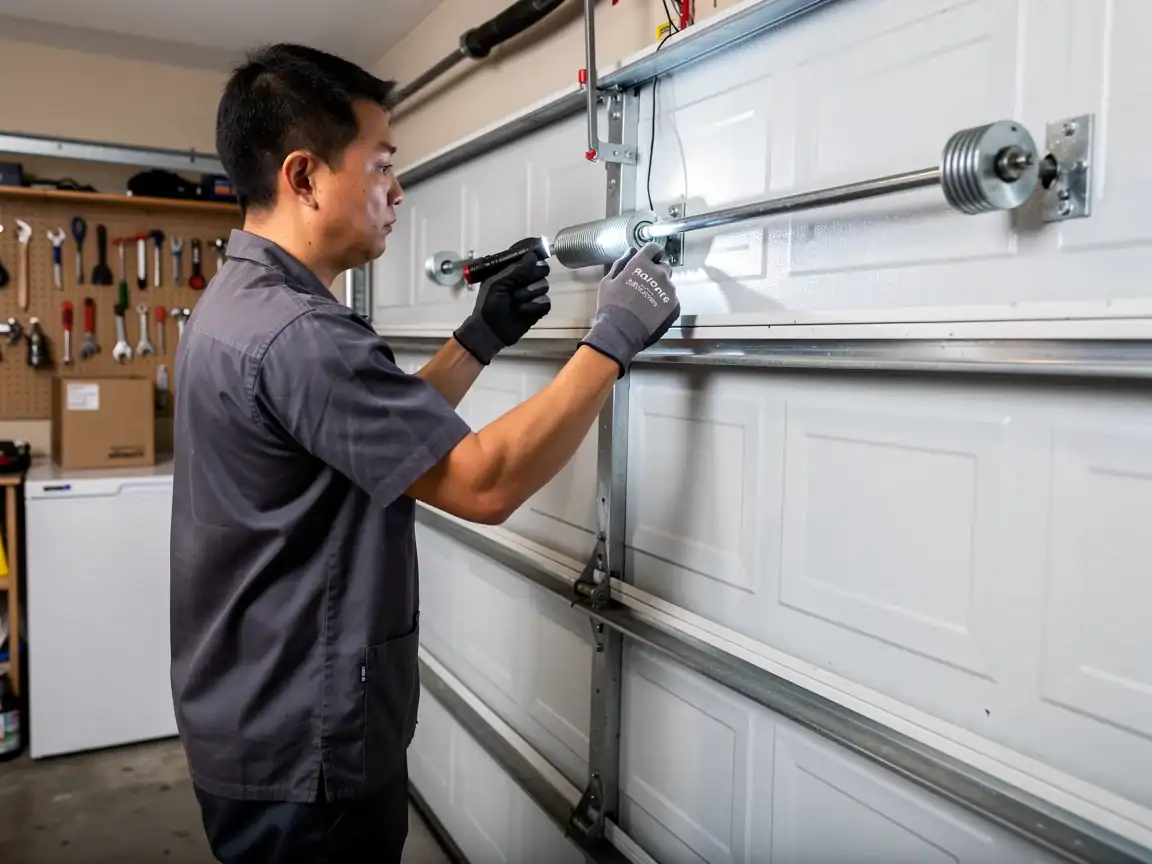
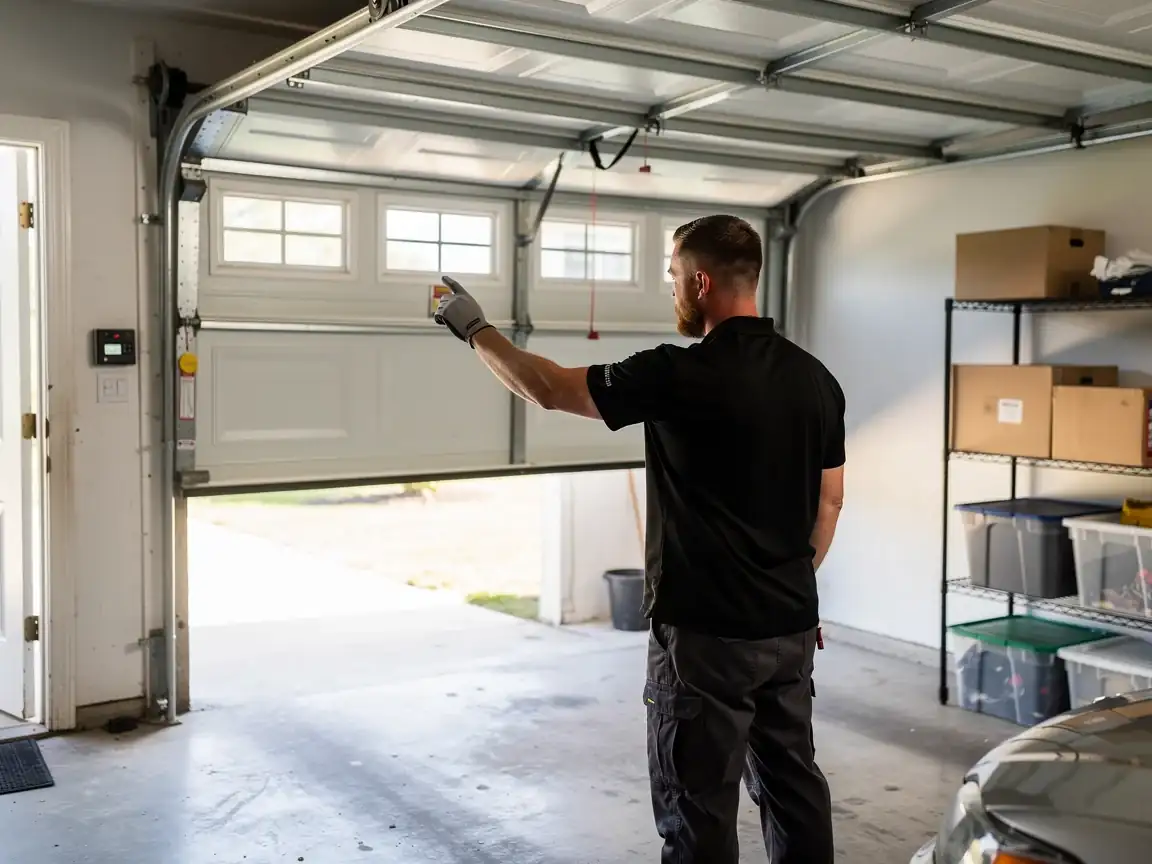
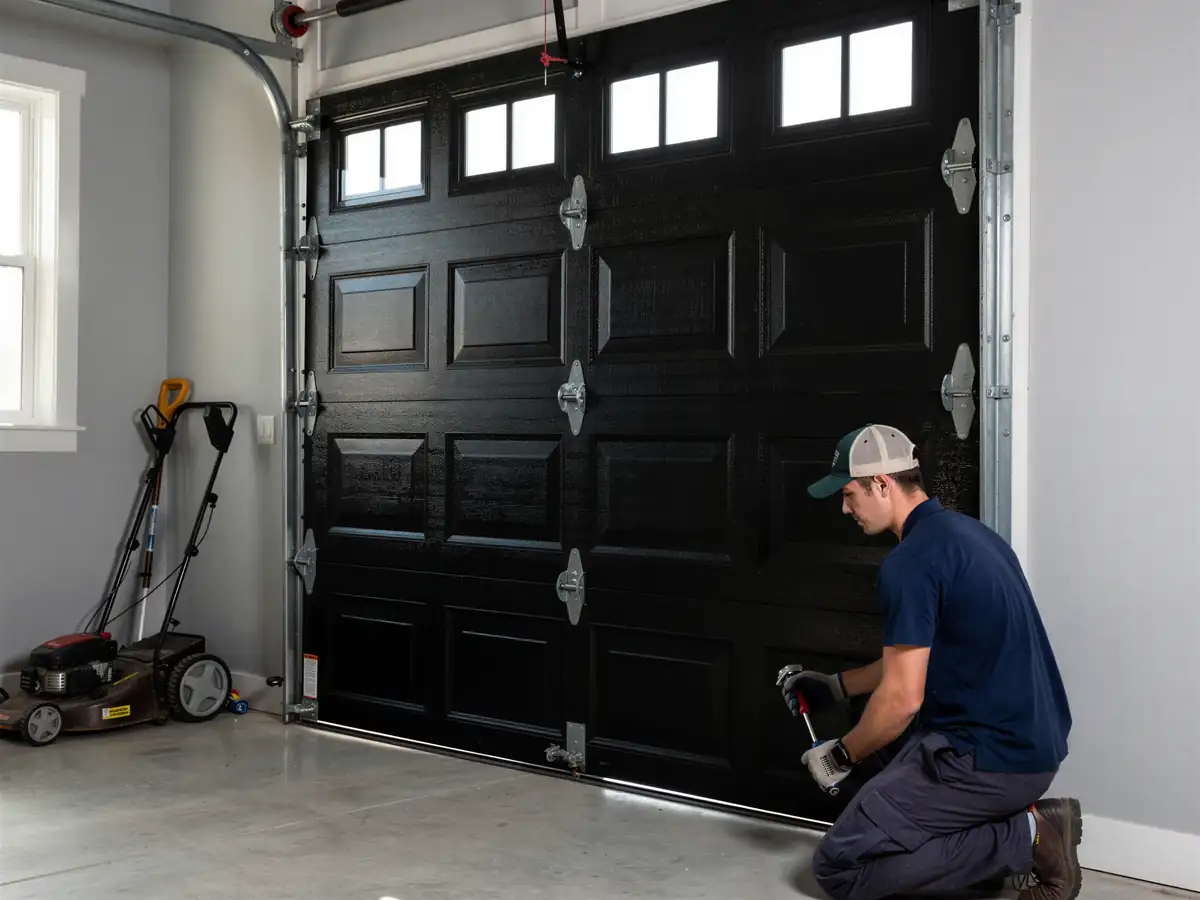
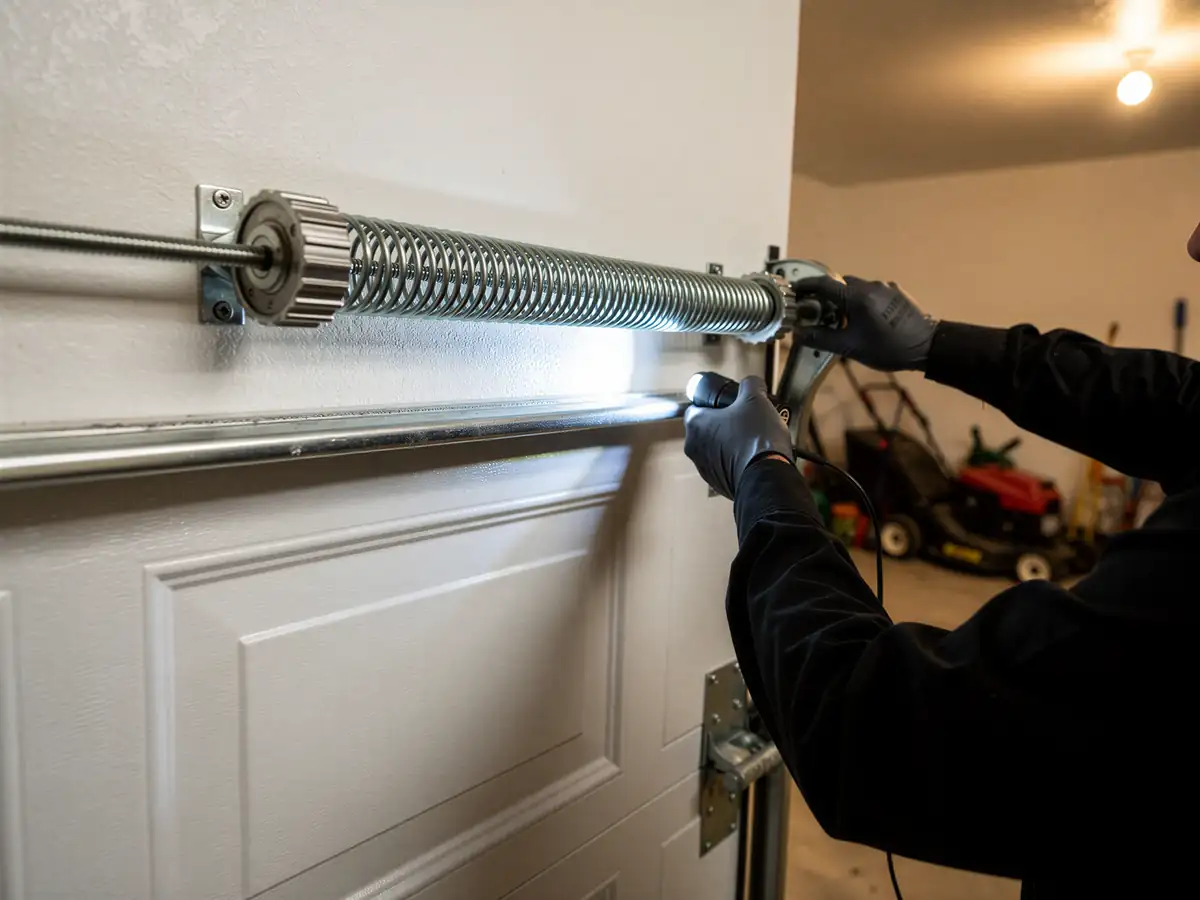
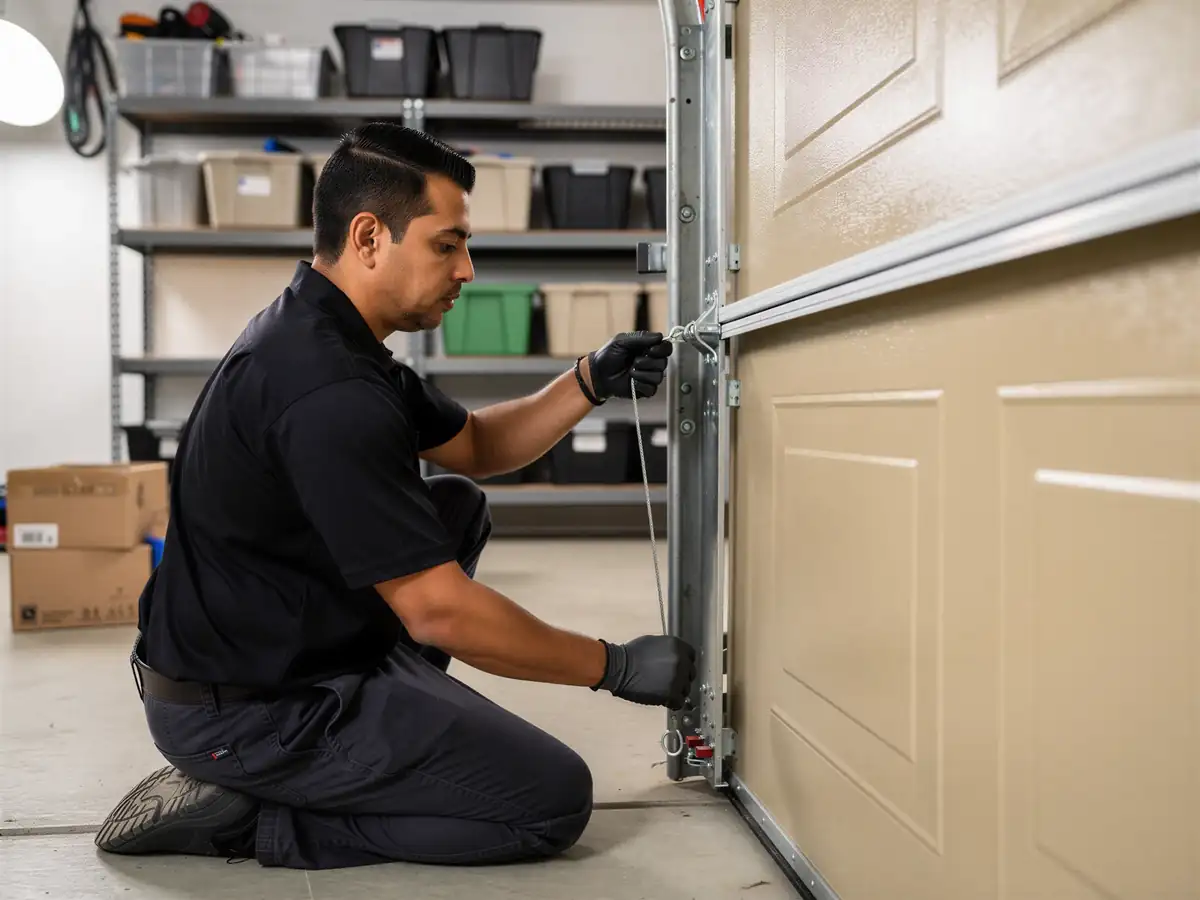
An off-track door looks like a track problem, and sometimes it is - a bracket worked loose, a rail got knocked out of plumb when someone backed into it. But a door that jumps track repeatedly, rather than once, usually has a cable or spring issue feeding it. One side of the door drops faster than the other, the rollers bind, and the door walks itself off the rail on that side. Straightening the track and sending the installer home fixes the symptom for a week, maybe a month, and then you're back where you started. We check cable tension and spring balance on every off-track call before we touch the rail itself, because fixing the rail without fixing what threw the door off it is the fastest way to pay for this twice.
The DIY Question
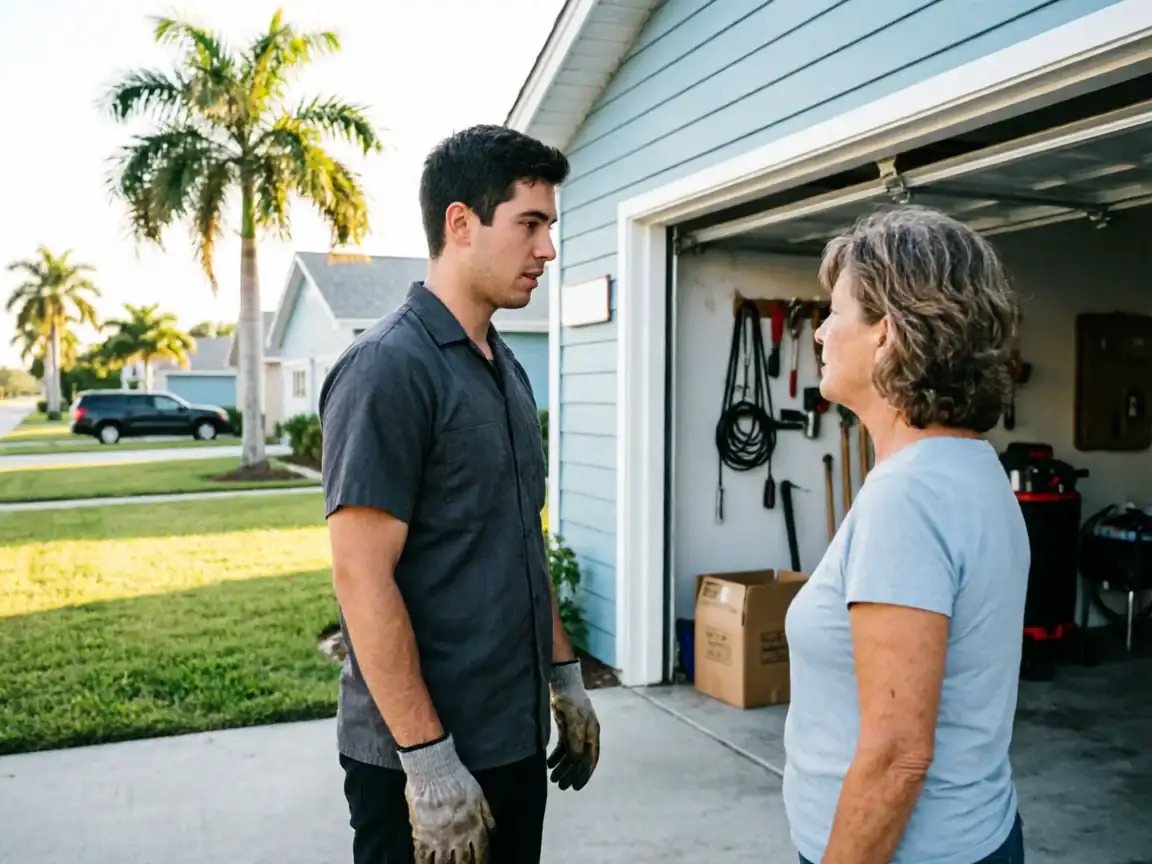
Shalimar's median household income runs well above the surrounding service area - around $108,182 versus roughly $81,938 area-wide - and that shows up in a specific way on this call: more owners ask about just replacing the whole door instead of fixing the track, even when the track alone is the problem. Sometimes that's the right call, especially on an original 1991 door that's never had new rollers or hinges. But a bent track with an otherwise sound panel and intact springs is almost always cheaper to straighten or replace in sections than to swap the whole unit. Where DIY genuinely isn't worth the risk: the door is under spring tension the whole time you'd be working near that track, and a spring letting go while you're leaning into the opening is how people get hurt. Realign a bracket if it's loosened, sure. Leave the cable and drum alone.