Why It Happens Here
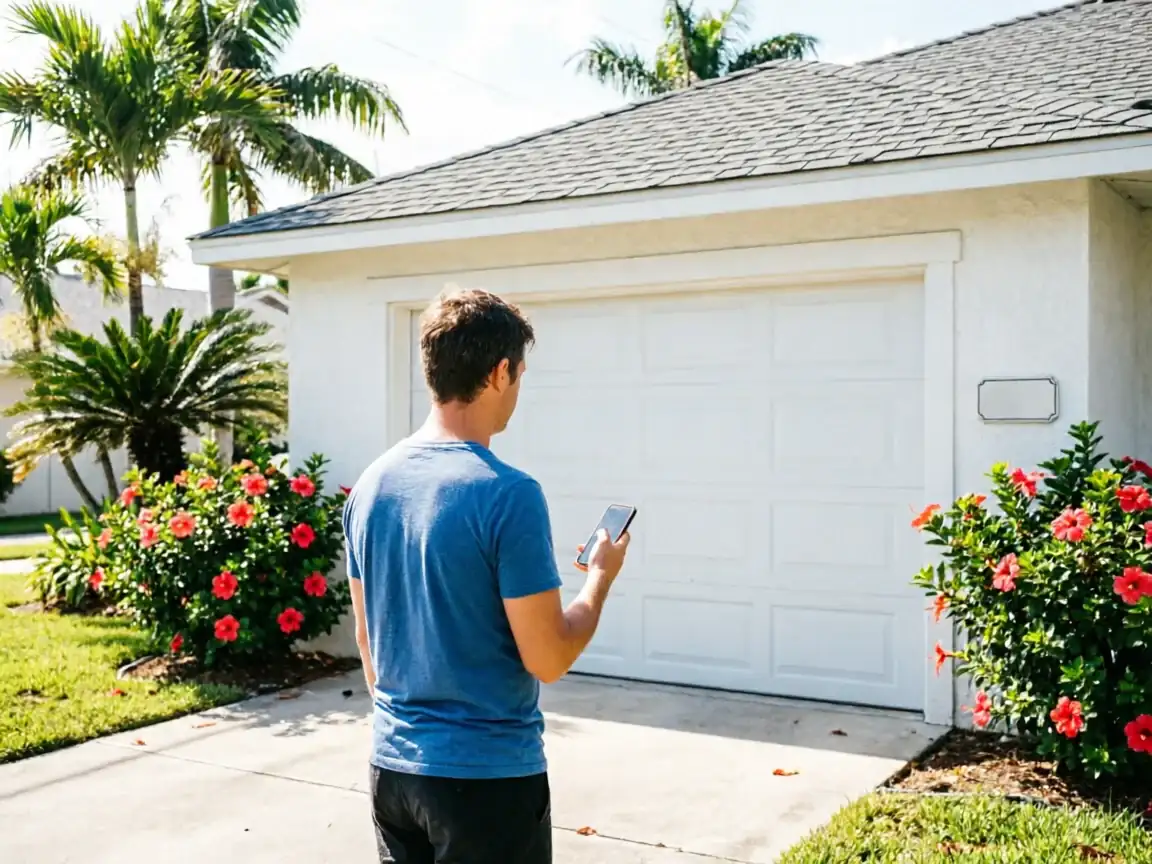
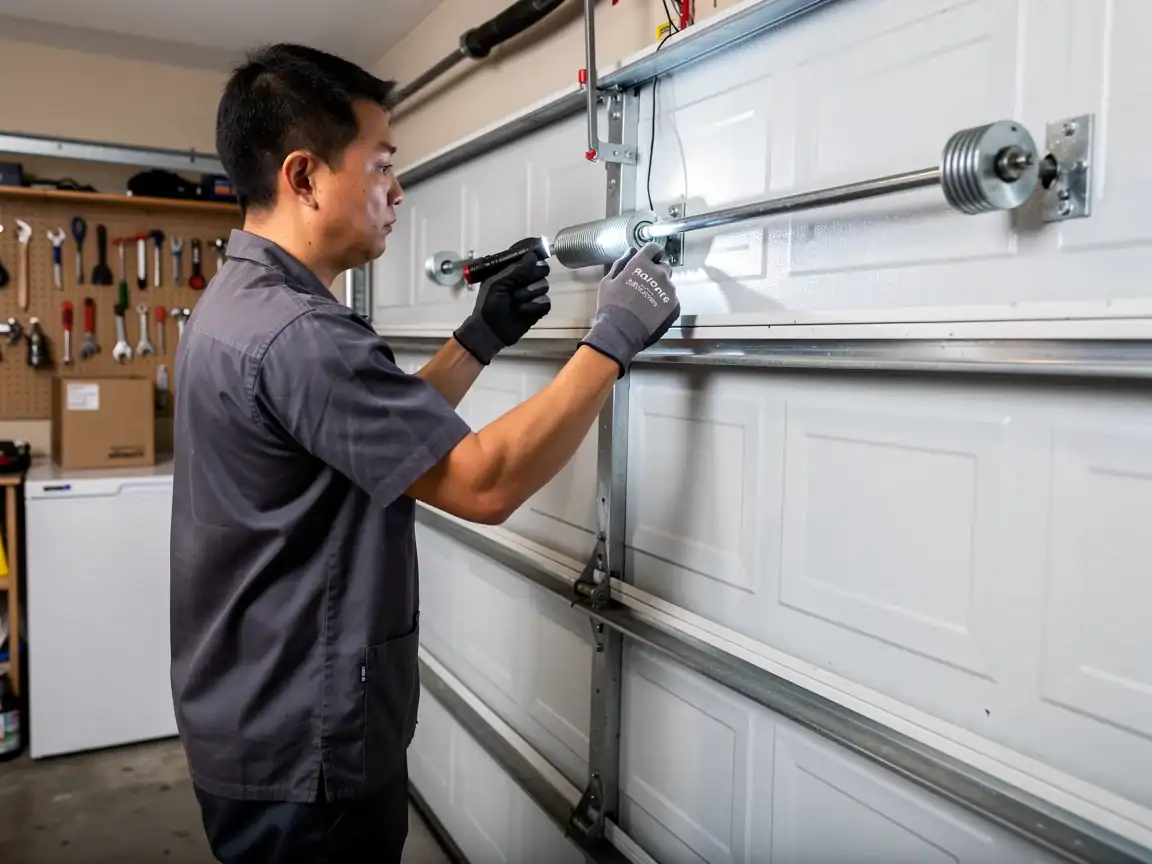
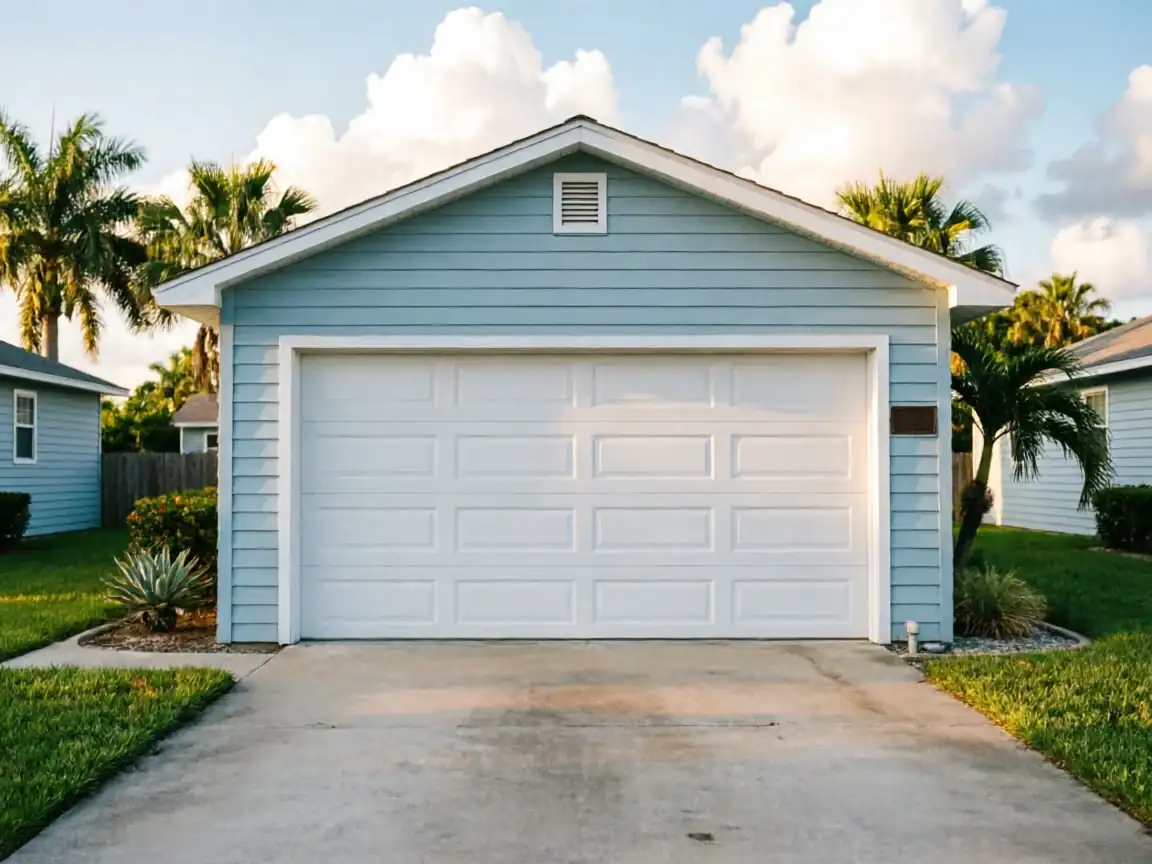
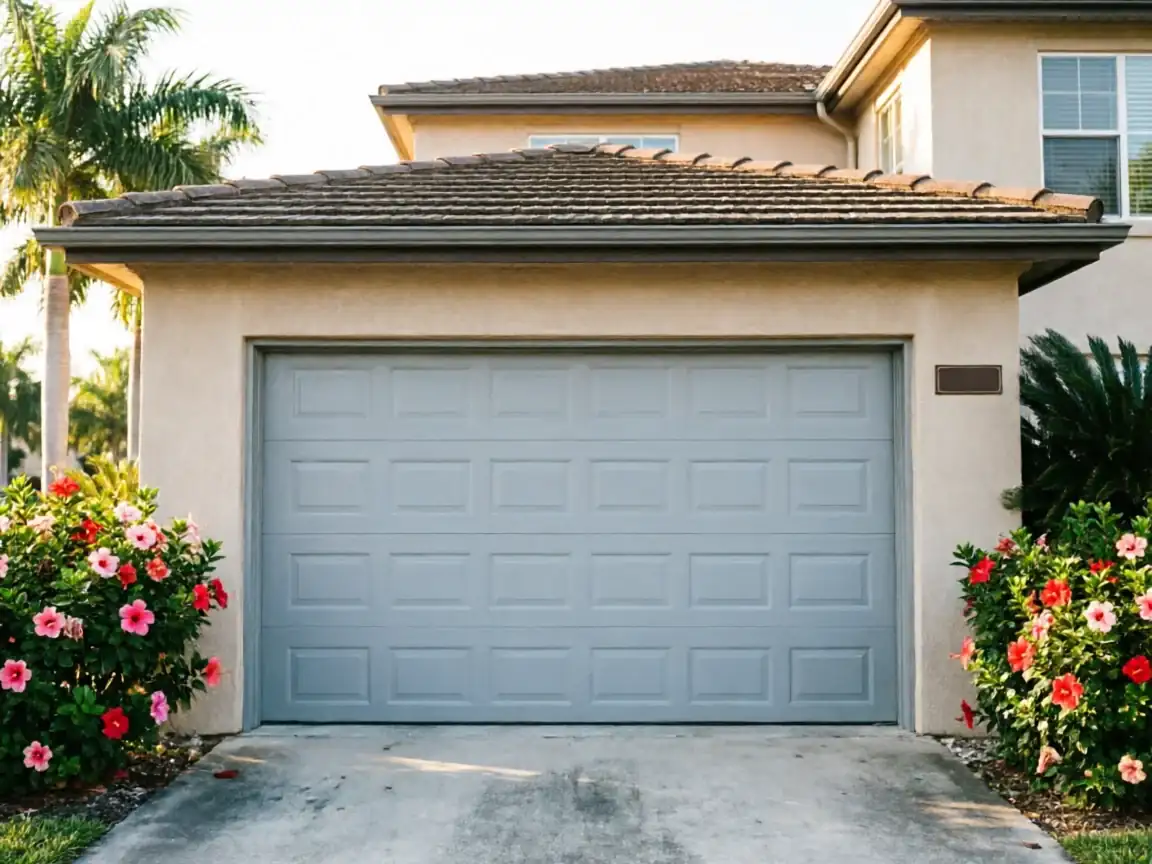
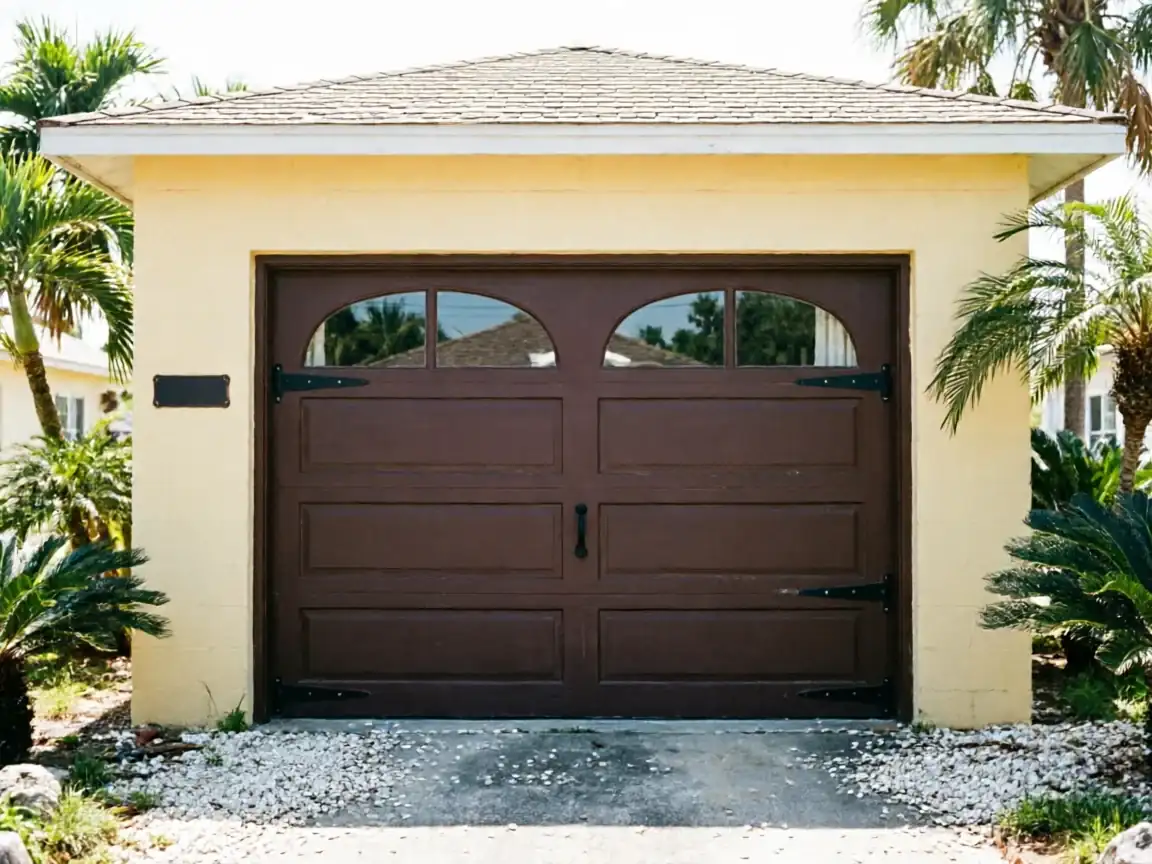
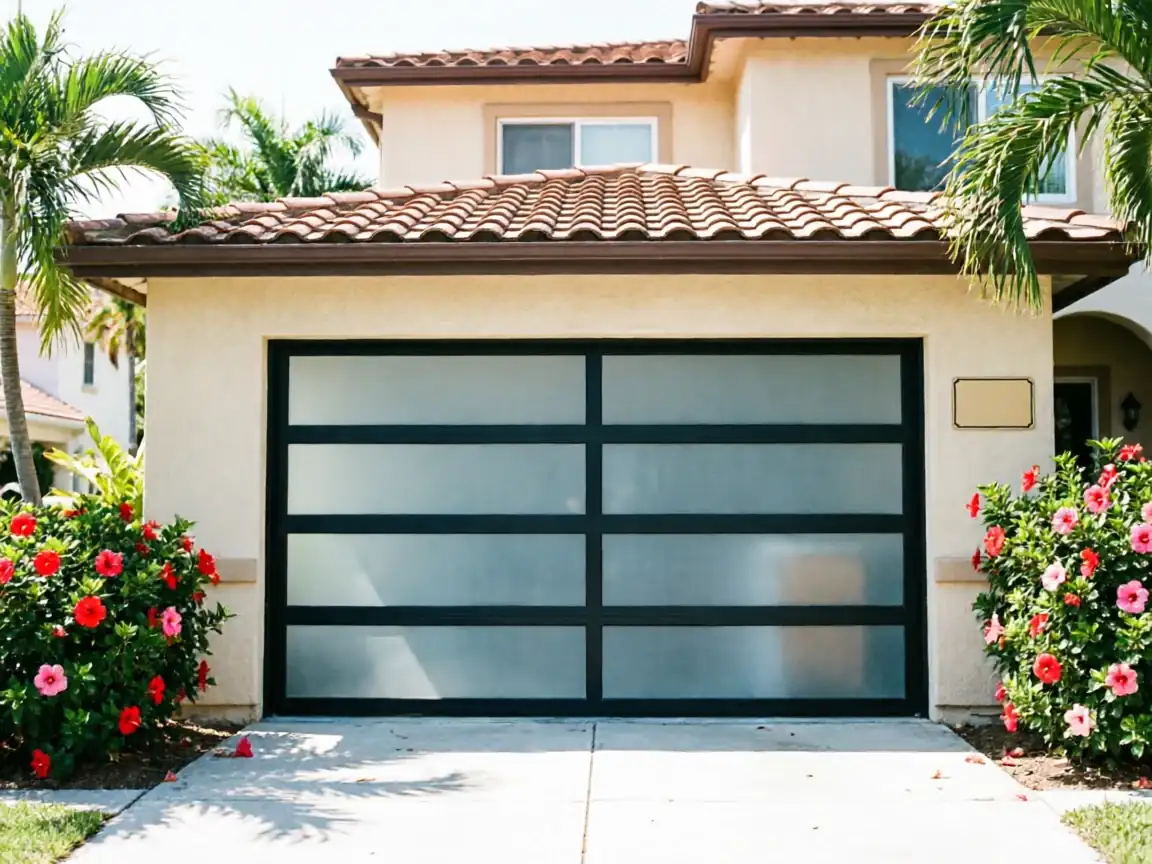
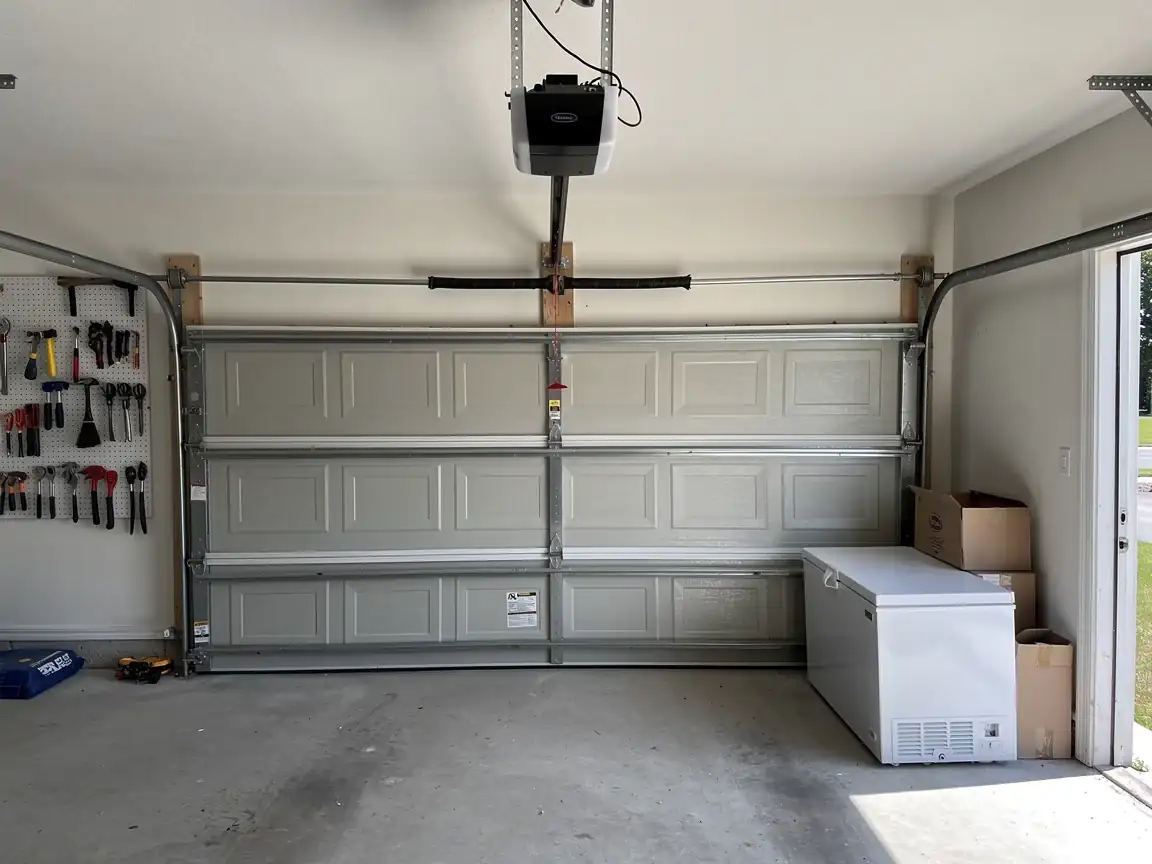
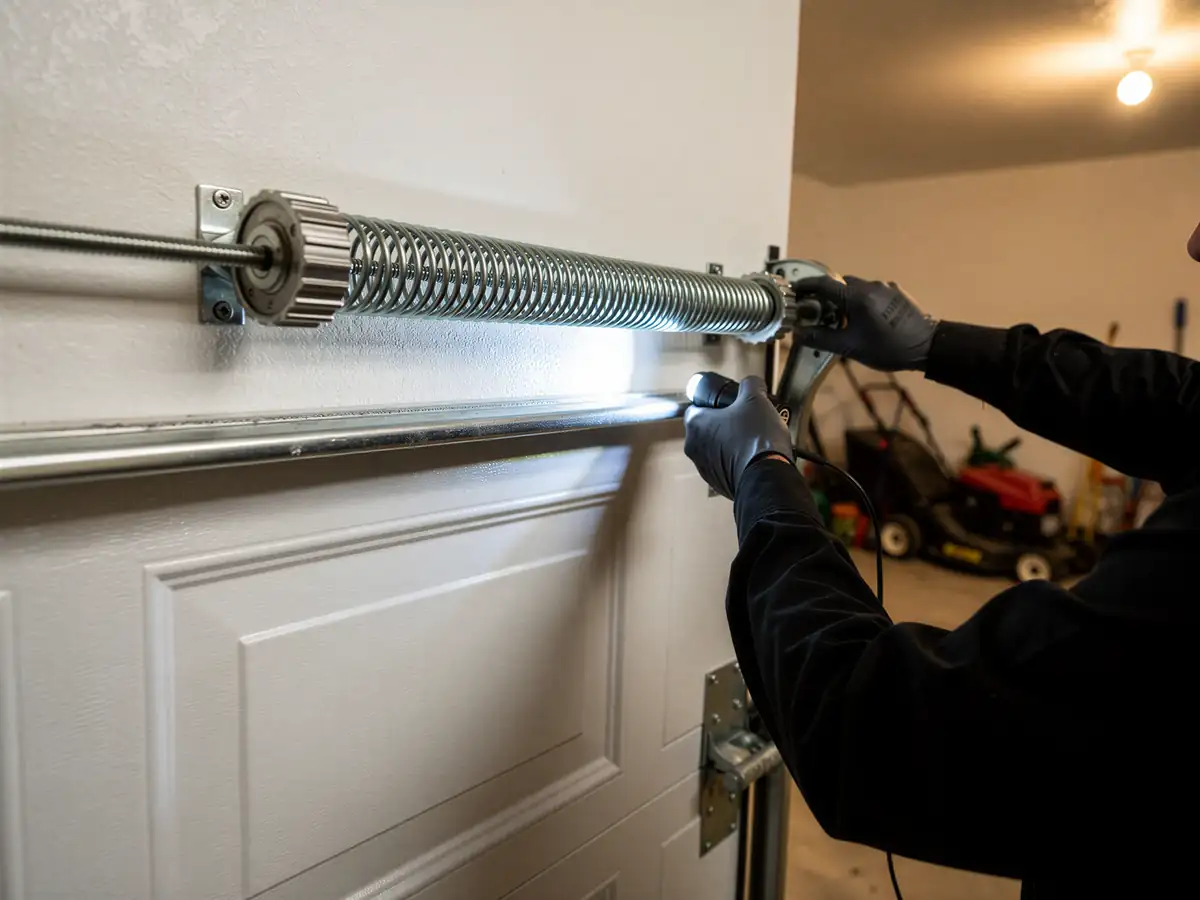
Shalimar's housing stock runs younger than most of the area we cover - the median home here was built around 1991, well past the 1960s-70s wave that makes up a lot of the surrounding neighborhoods. That means fewer of the old extension-spring setups bolted above the track, and more torsion springs mounted on a shaft over the header. Those springs last longer under normal cycling, but when they do go, they tend to go on doors that are bigger, heavier, and more insulated - Shalimar's median household income runs well above the wider service area's, and homes at that income level more often carry a heavier two-car door than a light single panel. A heavier door puts more load on the spring with every cycle, so when it fails, it's usually a full snap, not a slow stretch. Mild winters here mean the metal isn't dealing with hard freeze-thaw cycling, so corrosion is less often the culprit than it would be further north - fatigue from cycle count is the more common cause in a neighborhood this age.
Where This Job Goes Sideways
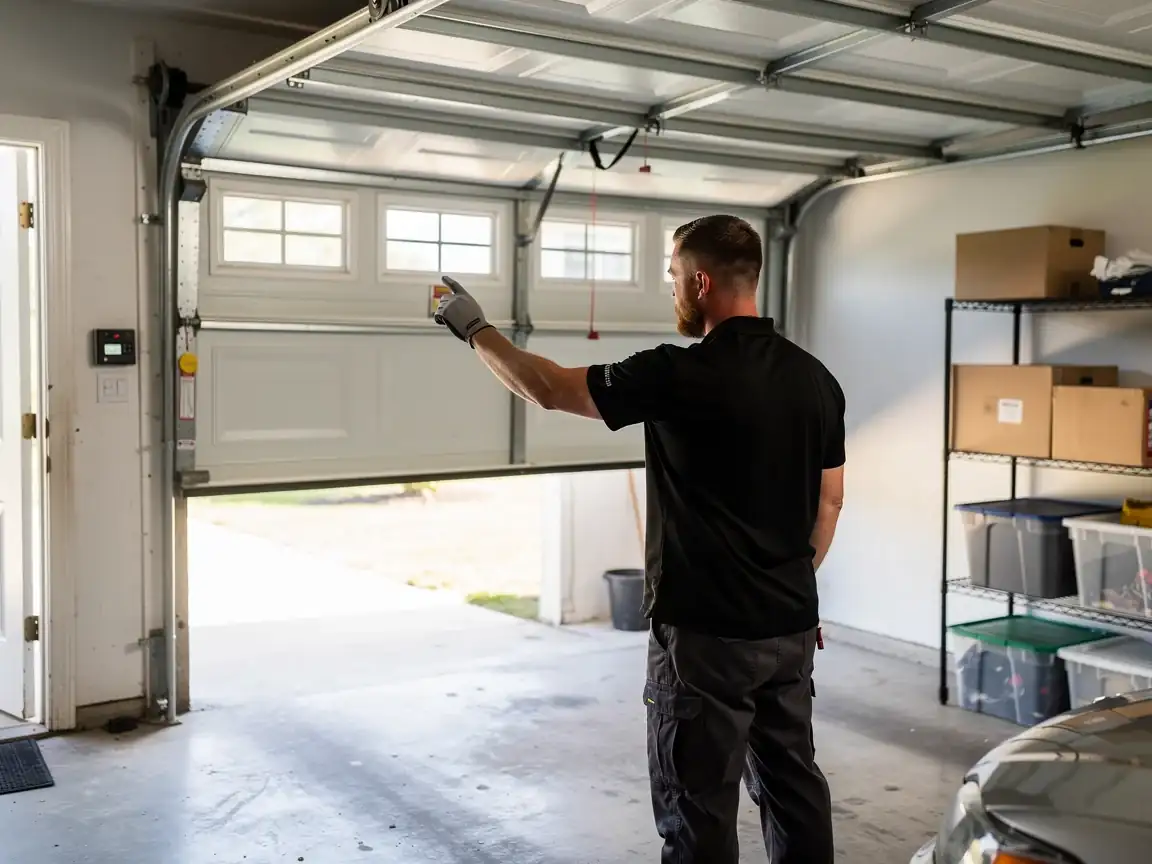
The mistake we see on newer doors like the ones common in Shalimar is sizing the replacement spring off the old door's weight rating instead of the installed hardware. A heavier insulated door needs a spring wound to match it, and guessing low means the opener strains and the door won't hold position when you let go of it partway. The other issue is cable condition - on a torsion system the cables wear alongside the spring, and if you replace one without checking the other, you're back out here again within a year. We also won't quote a spring repair over the phone sight unseen if the door is original to a 1991-era build and has never been serviced; at that age the bearing plates and center bracket are worth a look before we commit to just the spring. That's not us padding the job - it's cheaper to catch a worn bracket now than to replace a spring twice.
The DIY Question
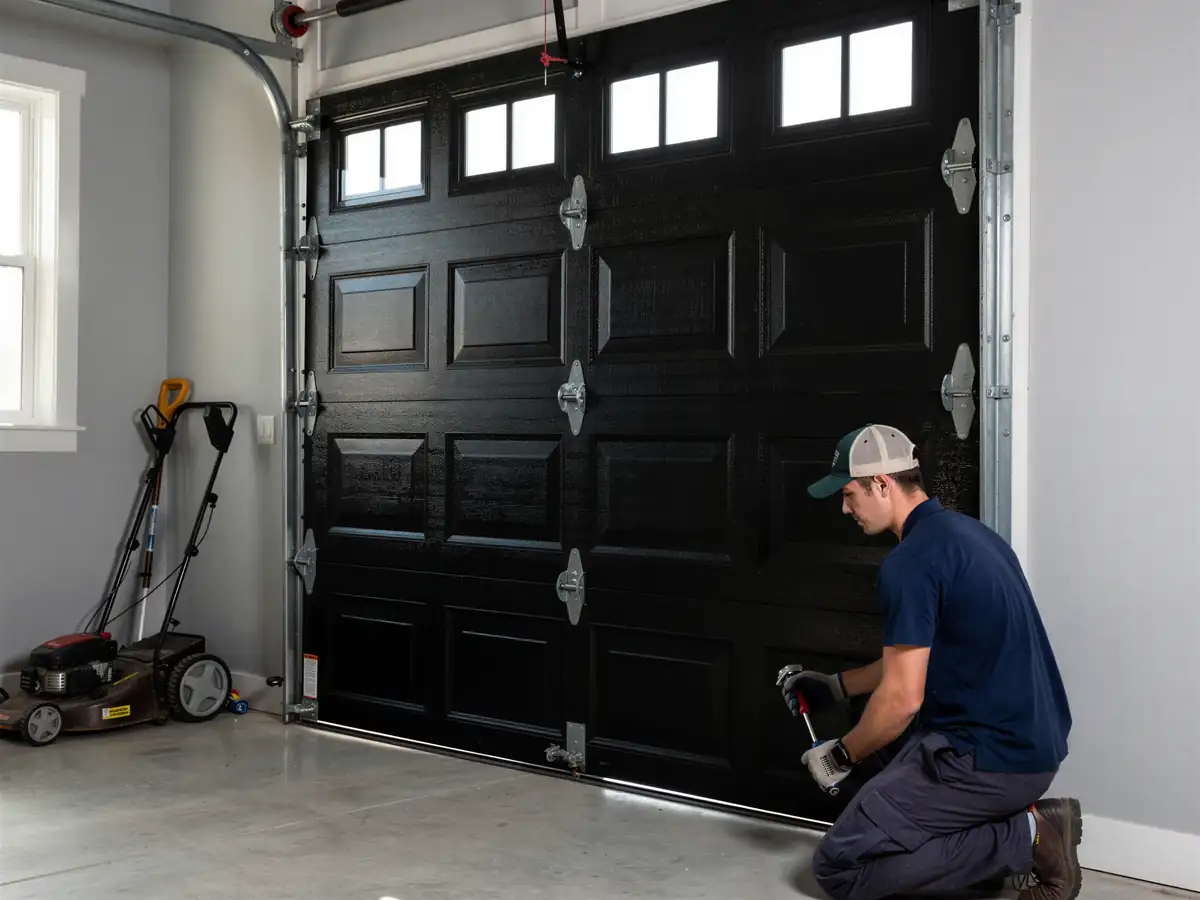
A torsion spring is under enough stored tension to break a bone or worse if it lets go while you're working on it, and that risk doesn't change because the house is newer or the door is nicer. We get the appeal of a $20 part off a hardware store shelf versus a service call, but the tools to wind a torsion spring safely - winding bars, a correctly rated spring, a locked-down ladder position - aren't something most homeowners keep around for a once-a-decade repair. If your door is from the 1991-era wave common in Shalimar and has never had the spring replaced, it's at or past the point where cycle fatigue is the likely cause, and that's exactly the kind of job where a bad DIY attempt turns into an ER visit instead of a repair bill. Call it in.