Why It Happens Here
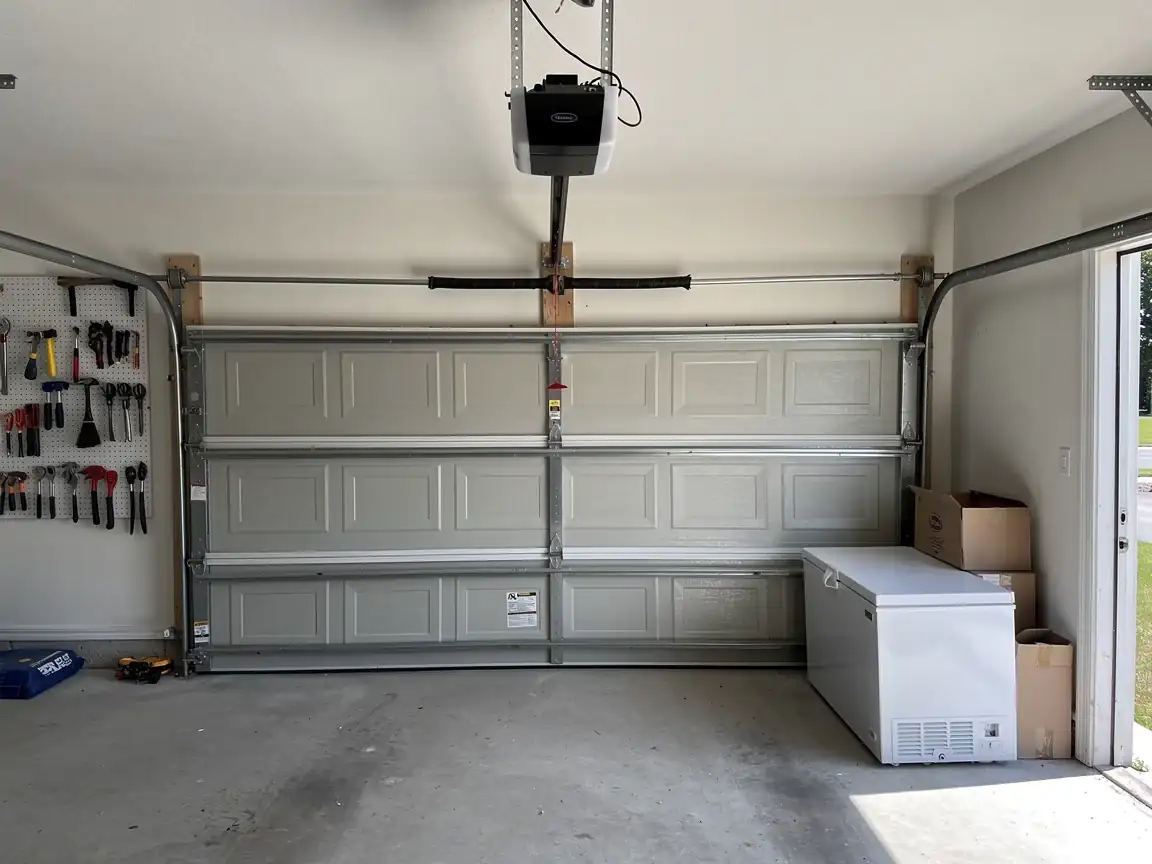
The median home in this part of the service area went up around 1991 - a good ten to fifteen years newer than the 1979 median across the rest of Niceville Garage Door Pros' territory. That gap matters more than it sounds. A house from 1991 likely had its first opener replaced sometime in the 2000s or 2010s, which means a lot of these units are now on their second or even third circuit board, second drive gear, second set of trolley parts. The logic boards from that mid-life replacement window are the ones we see failing most: capacitors drying out, relay contacts pitting, remotes that won't re-sync no matter how many times you hold the button. With $108,182 median household income here - well above the $81,938 figure for the wider service area - a fair number of these openers were mid-to-upper-tier models with belt drives and battery backup, which fail differently than the bare-bones chain units common in older stock nearby.
Where This Job Goes Sideways
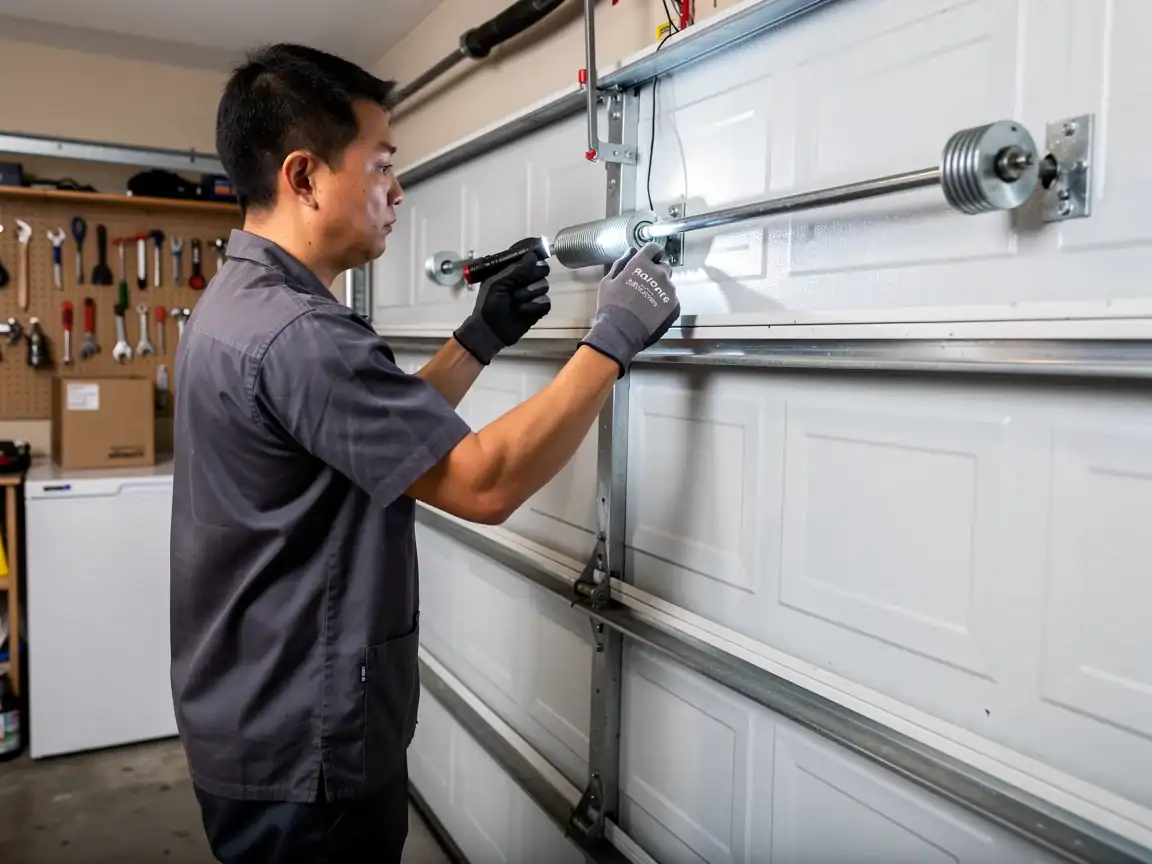
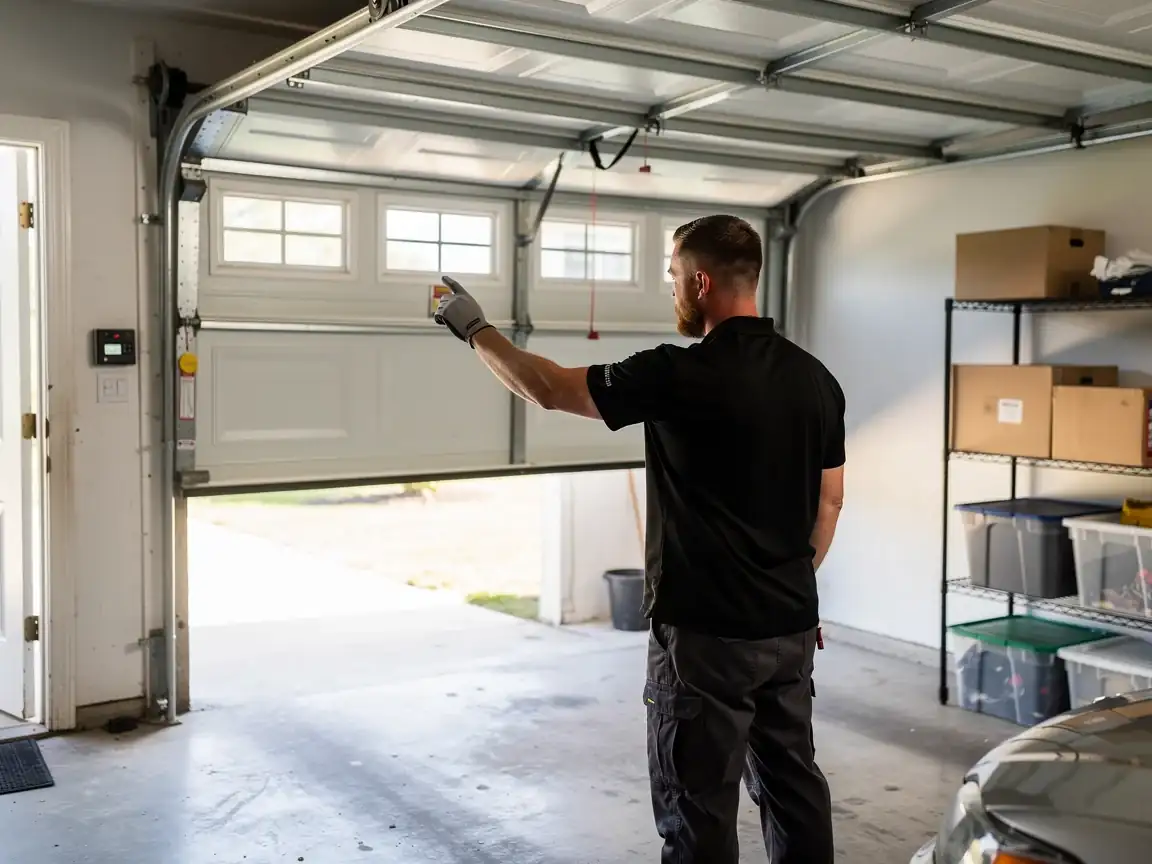
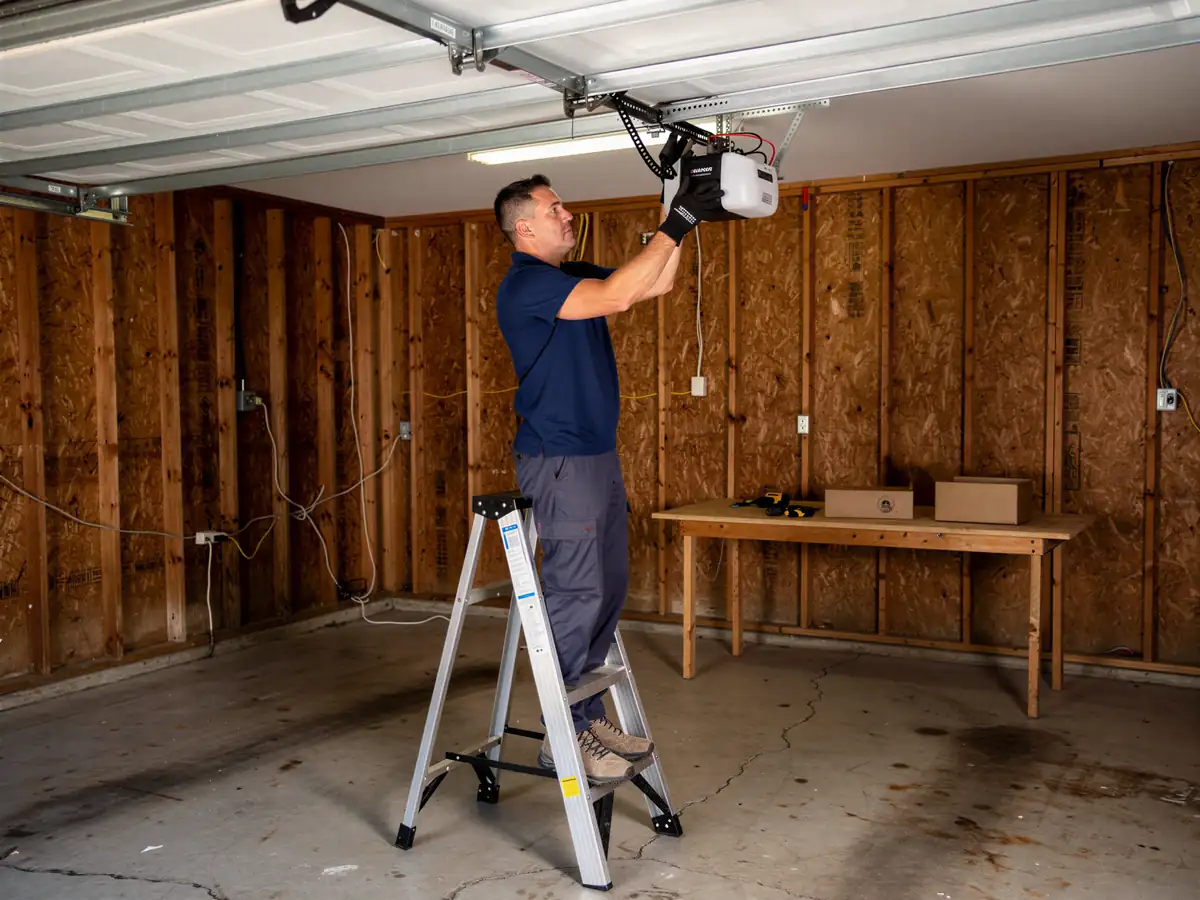
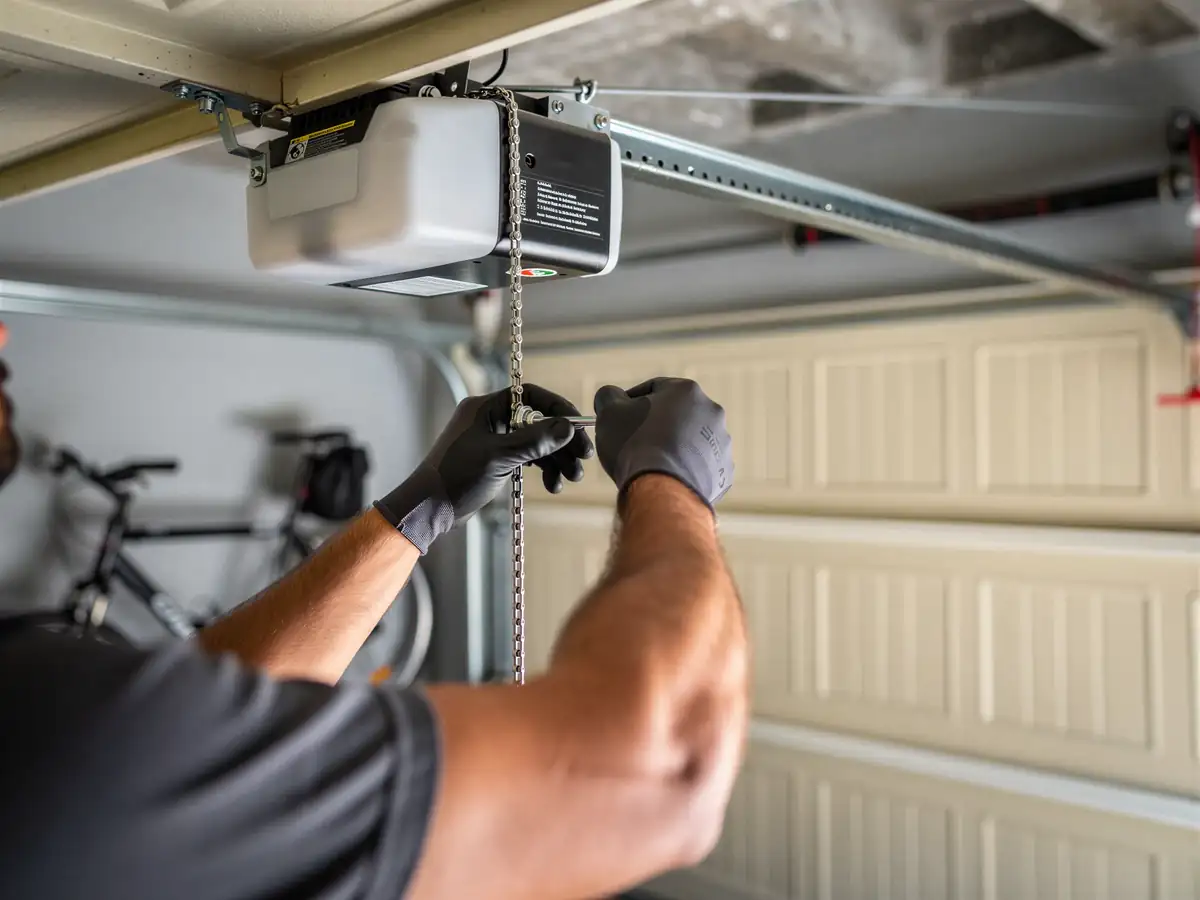
The mistake we see most is someone replacing the remote batteries, confirming the wall button still works, and assuming the opener itself is fine - when the actual fault is a worn drive gear stripping inside the housing. That part doesn't scream; it just quietly stops engaging the chain or belt, so the motor hums and the door doesn't move. On the newer-build opener units common in this area, the other common trap is a failed safety sensor alignment: a bumped sensor eye from a stored bike or a ladder leaning against the garage wall throws the whole unit into a refuse-to-close state, and people assume it's the main board when it's a $20 bracket out of alignment. We check sensor alignment and gear wear before we touch anything electronic, because swapping a board when the gear is the real problem means doing the job twice.
The DIY Question
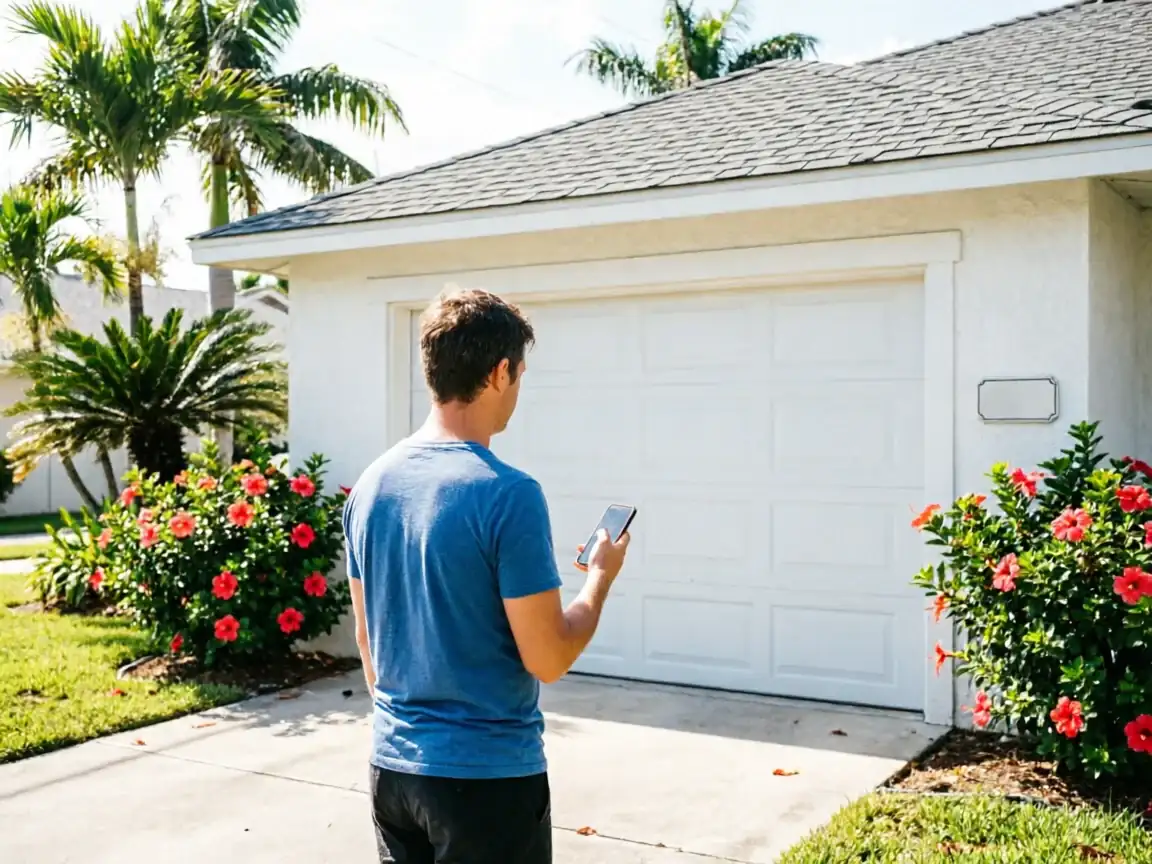
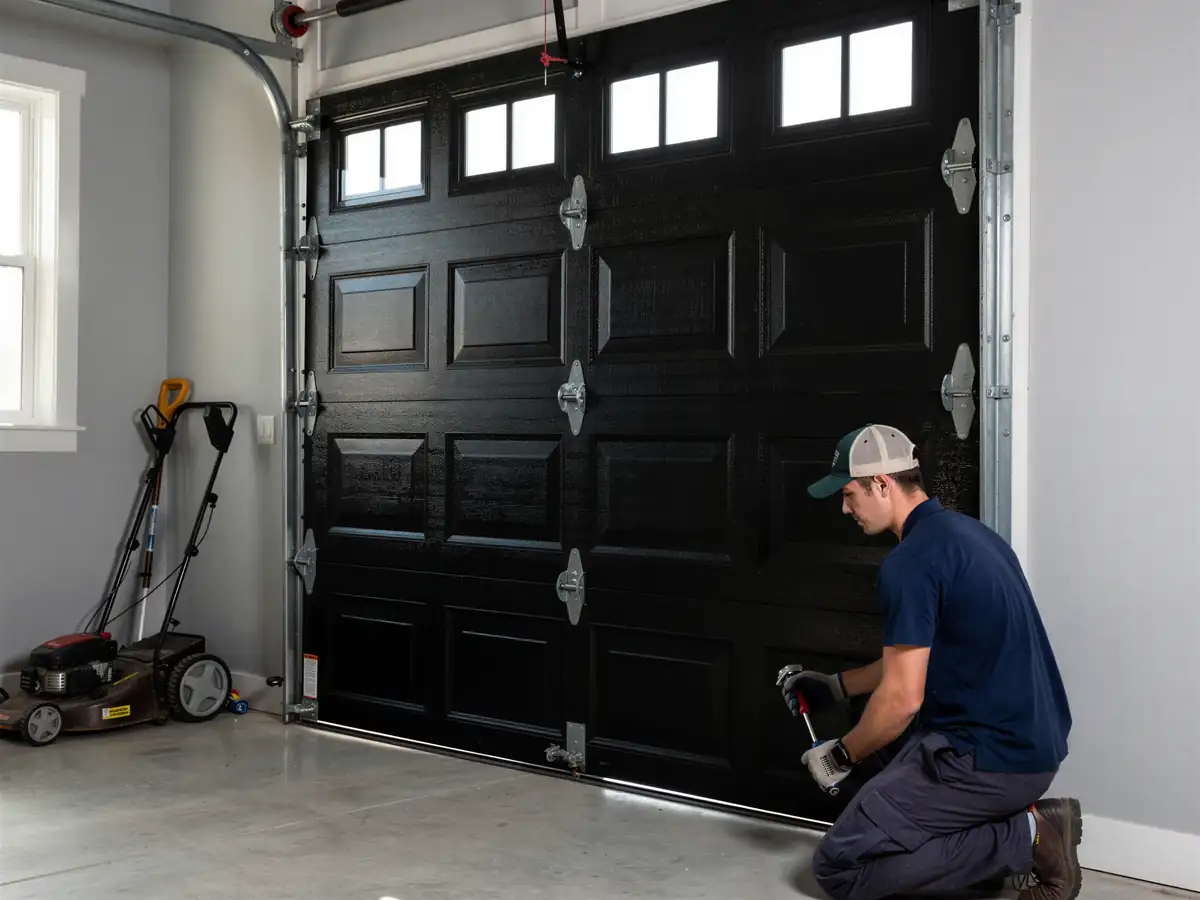
Resetting a remote code or replacing sensor eyes is reasonable DIY territory, and plenty of Shalimar homeowners handle that themselves. Where we'd stop you: anything involving the opener's drive gear housing, the high-voltage side of the unit, or a belt-drive system still under a manufacturer warranty, since opening the housing yourself can void coverage you didn't know you still had on a newer install. And if the opener is original to a home built close to that 1991 median and has never been touched, replacement usually beats repair - parts for units that old, even the mid-tier ones, are getting hard to source, and a new unit with current safety features costs less than chasing down obsolete boards.