Why It Happens Here
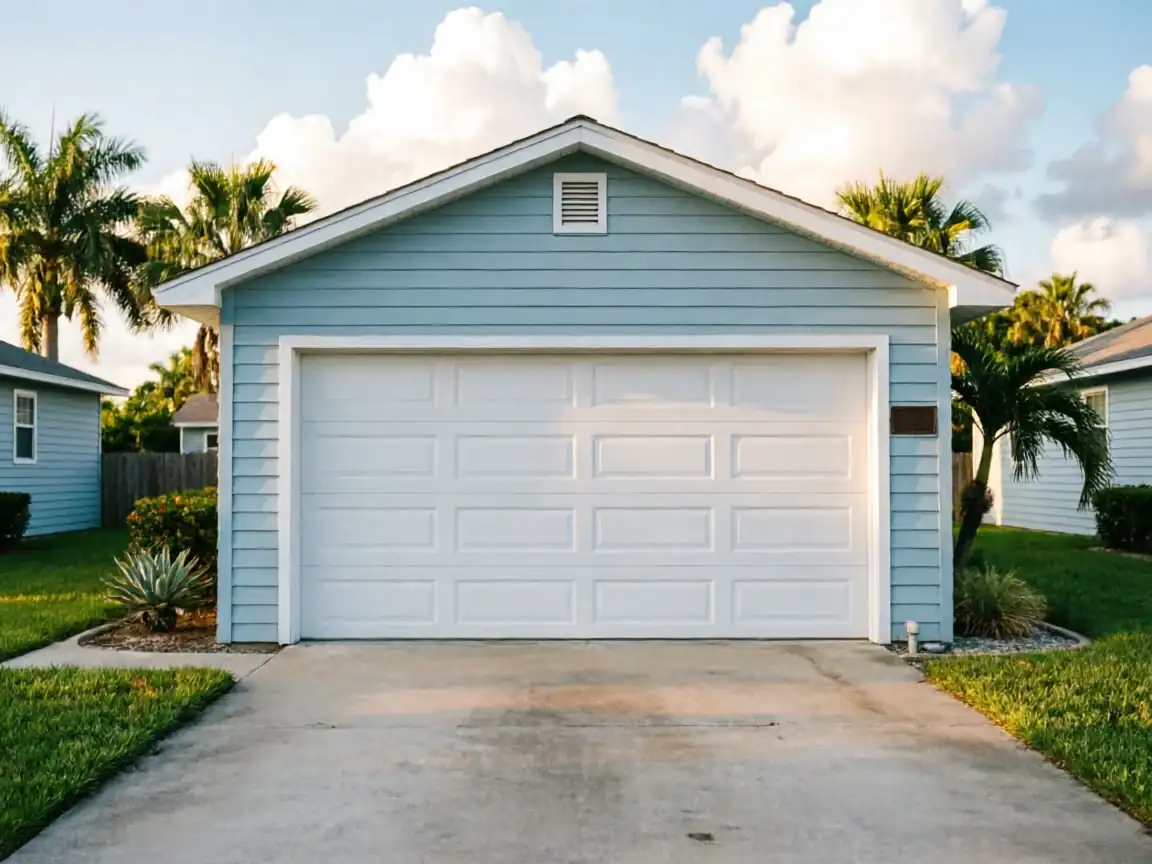
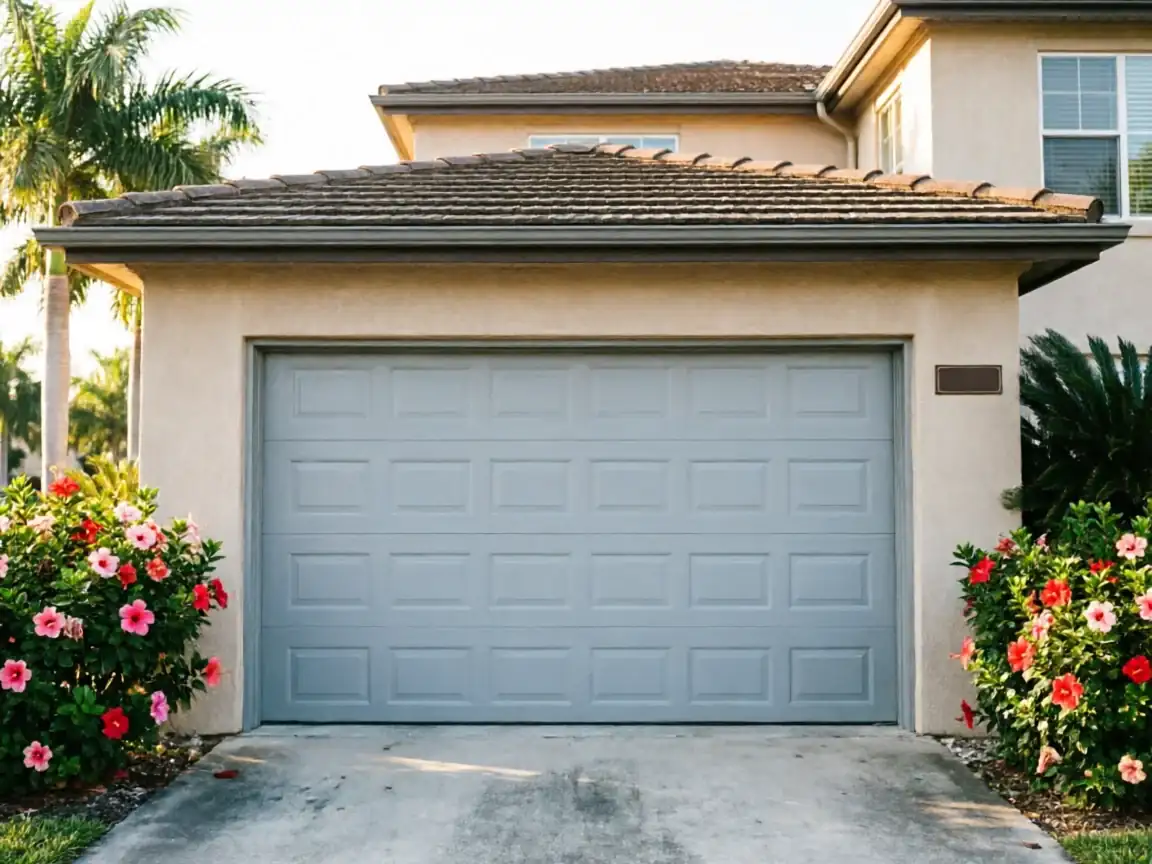
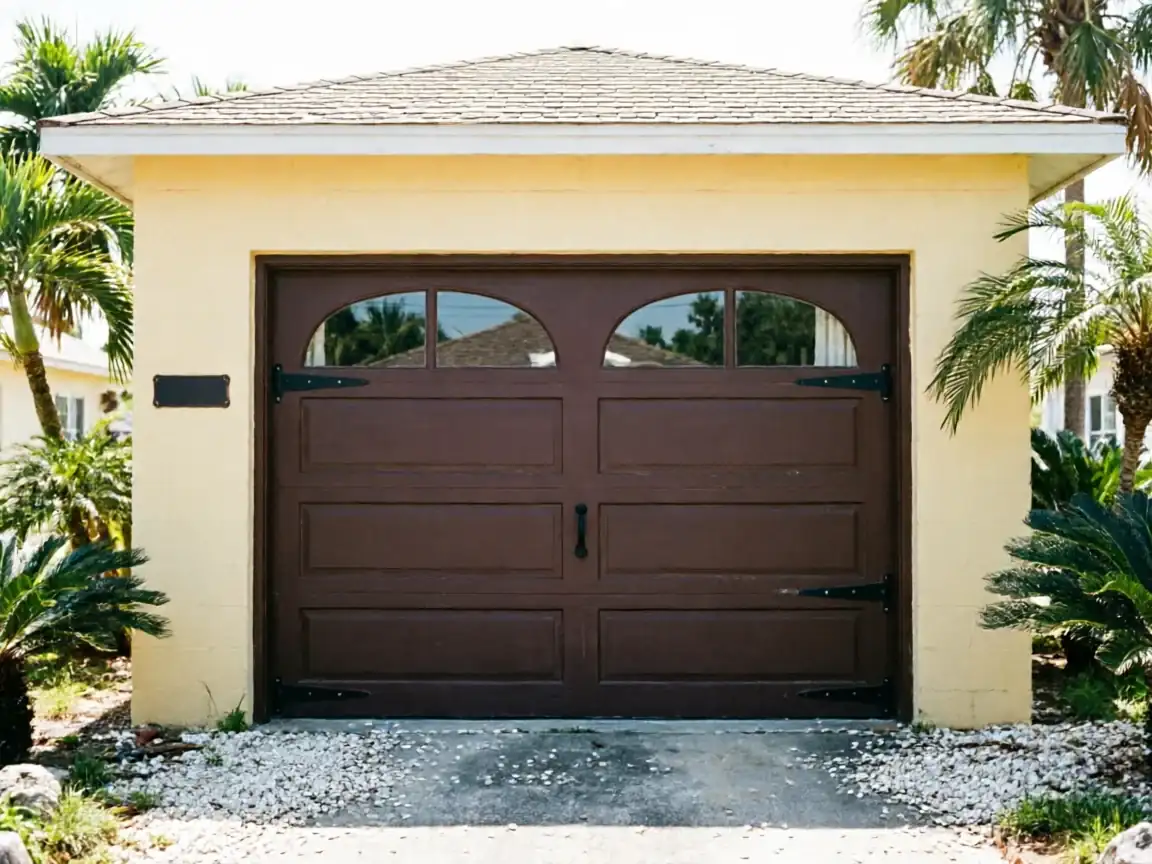
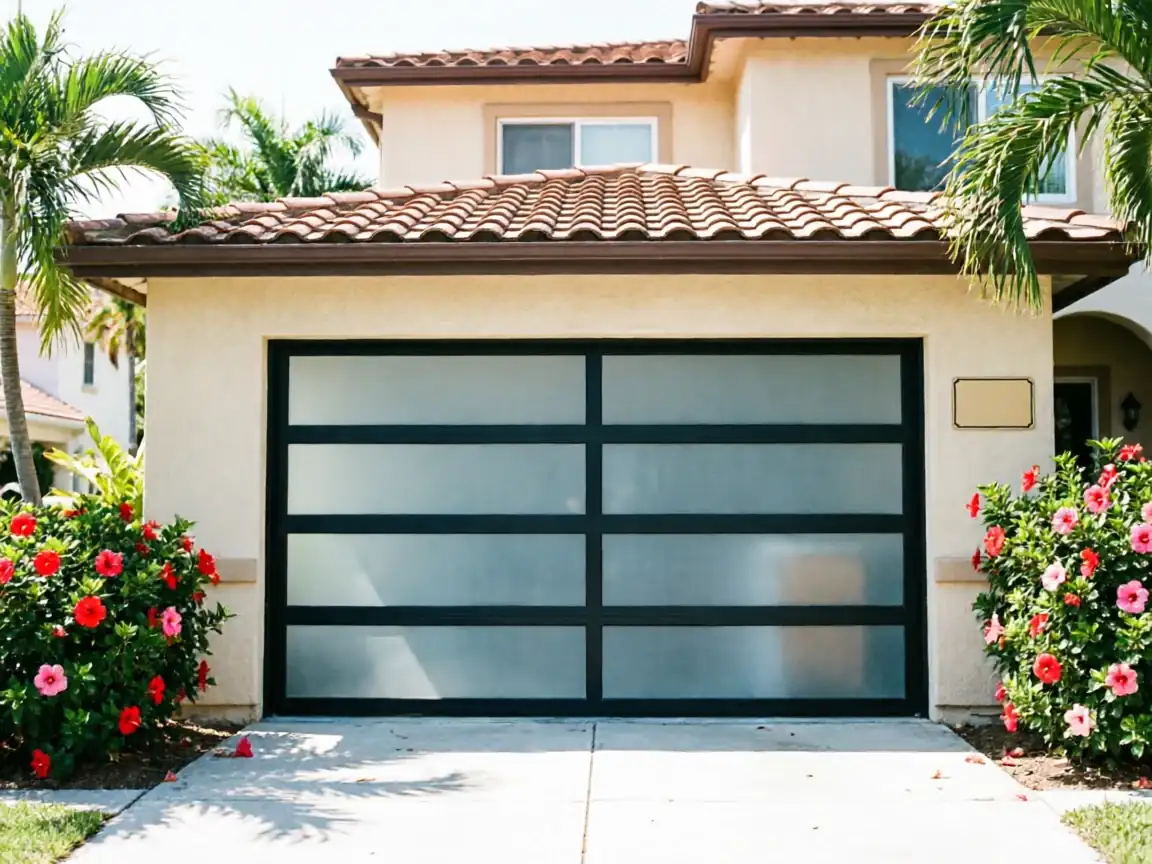
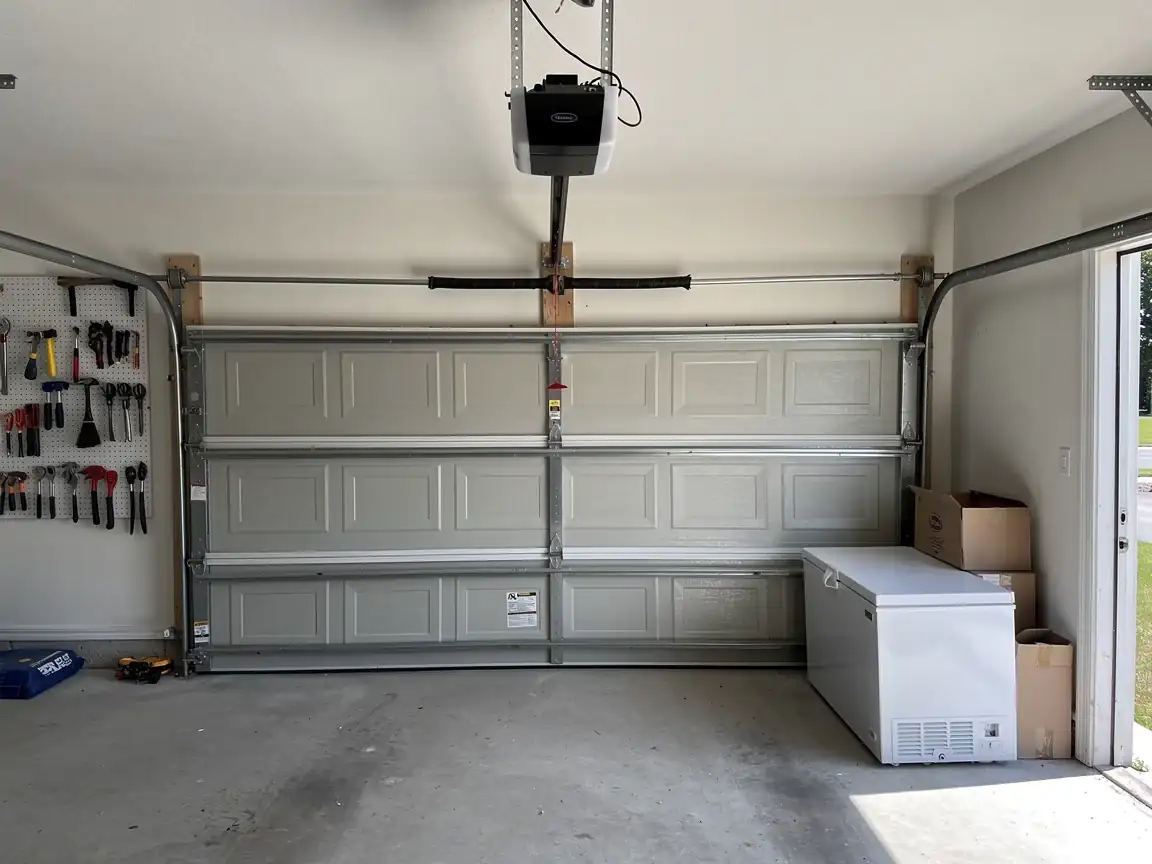
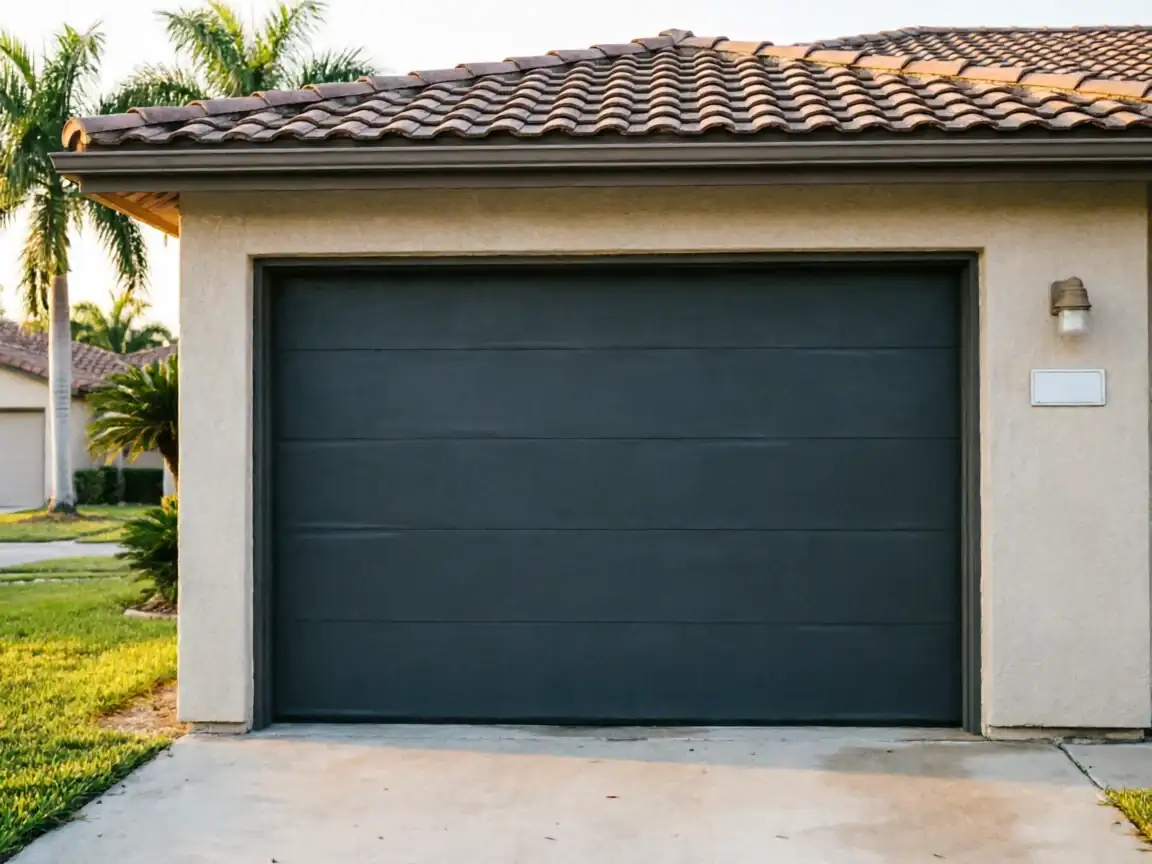
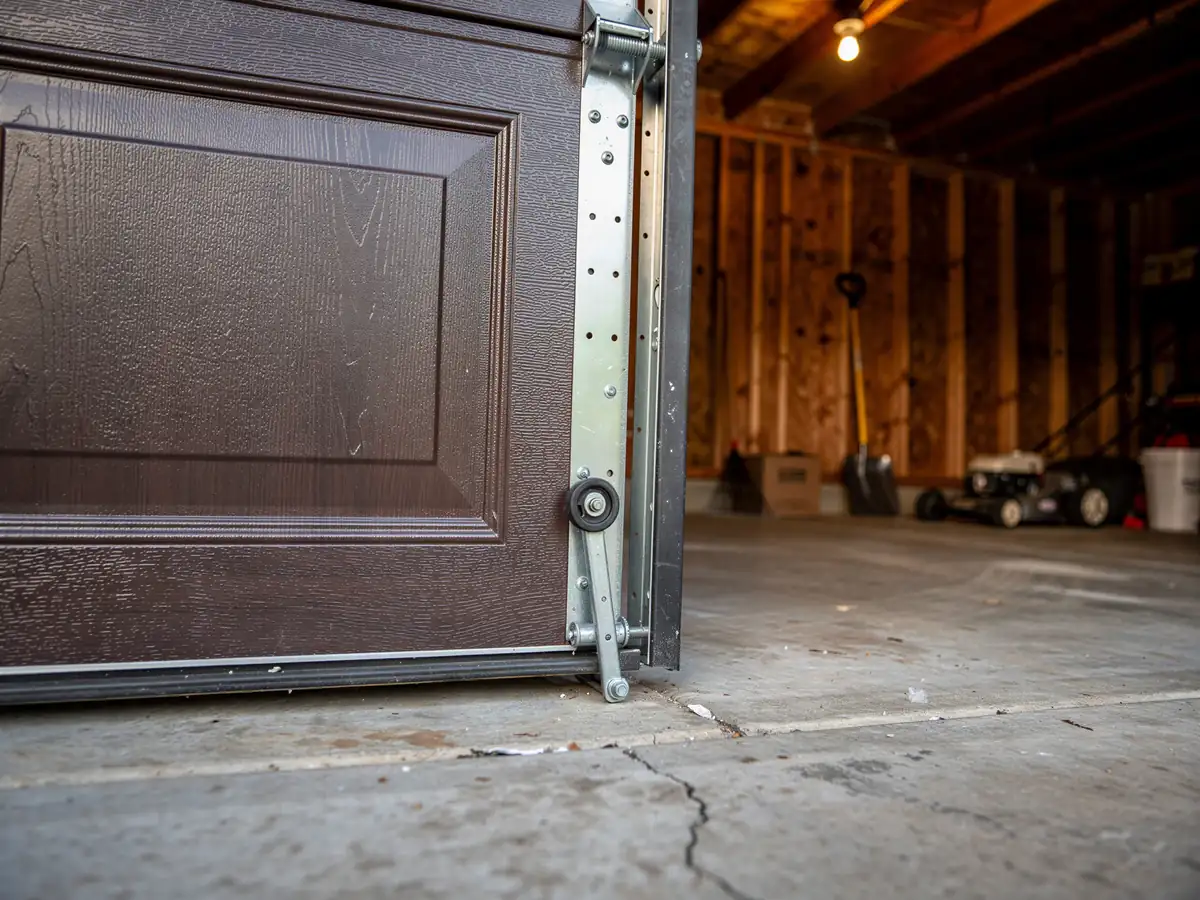
Most of the houses in Shalimar went up around 1991, which puts them a solid decade or more ahead of the 1960s and 70s stock that defines much of the wider service area. That gap matters for a new installation. On an original 1991 door, you're usually looking at a steel section door on a standard torsion system that's now over thirty years old - original opener, springs replaced at least once if the owner kept up with it, track bent slightly from three decades of use. The door itself may still look fine from the driveway, but the hardware behind it is past where you want to be gambling on another repair instead of a straight swap. The area also sits in a mild climate band with occasional winter freezes, which isn't the brutal cold of farther north but is enough, spread over thirty years, to stiffen vinyl bottom seals and let moisture work into wood jambs that weren't sealed well to begin with. None of that shows up as one dramatic failure. It shows up as a door that's heavier to lift than it should be, an opener straining on every cycle, and a track that's slightly out of plumb from settling. That combination, not an accident, is why new installs in Shalimar tend to come from age.
Where This Job Goes Sideways
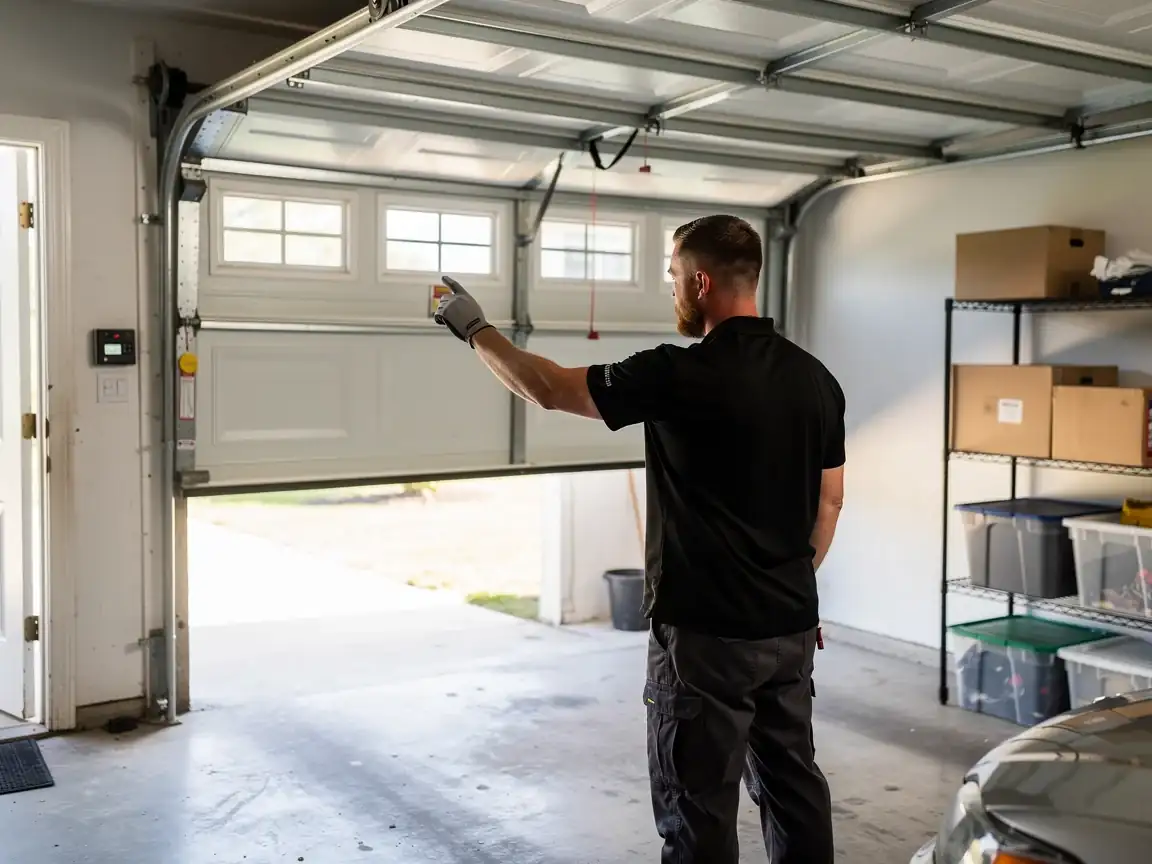
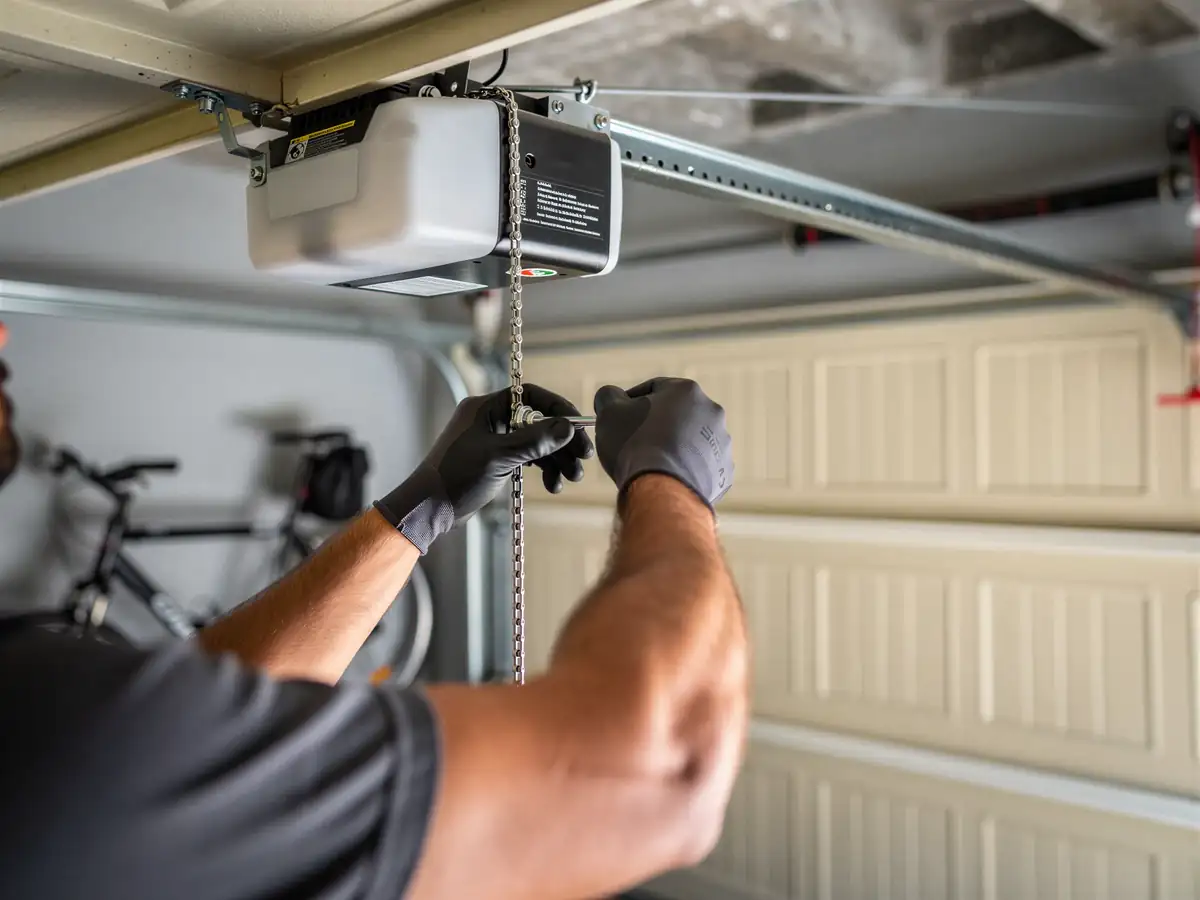
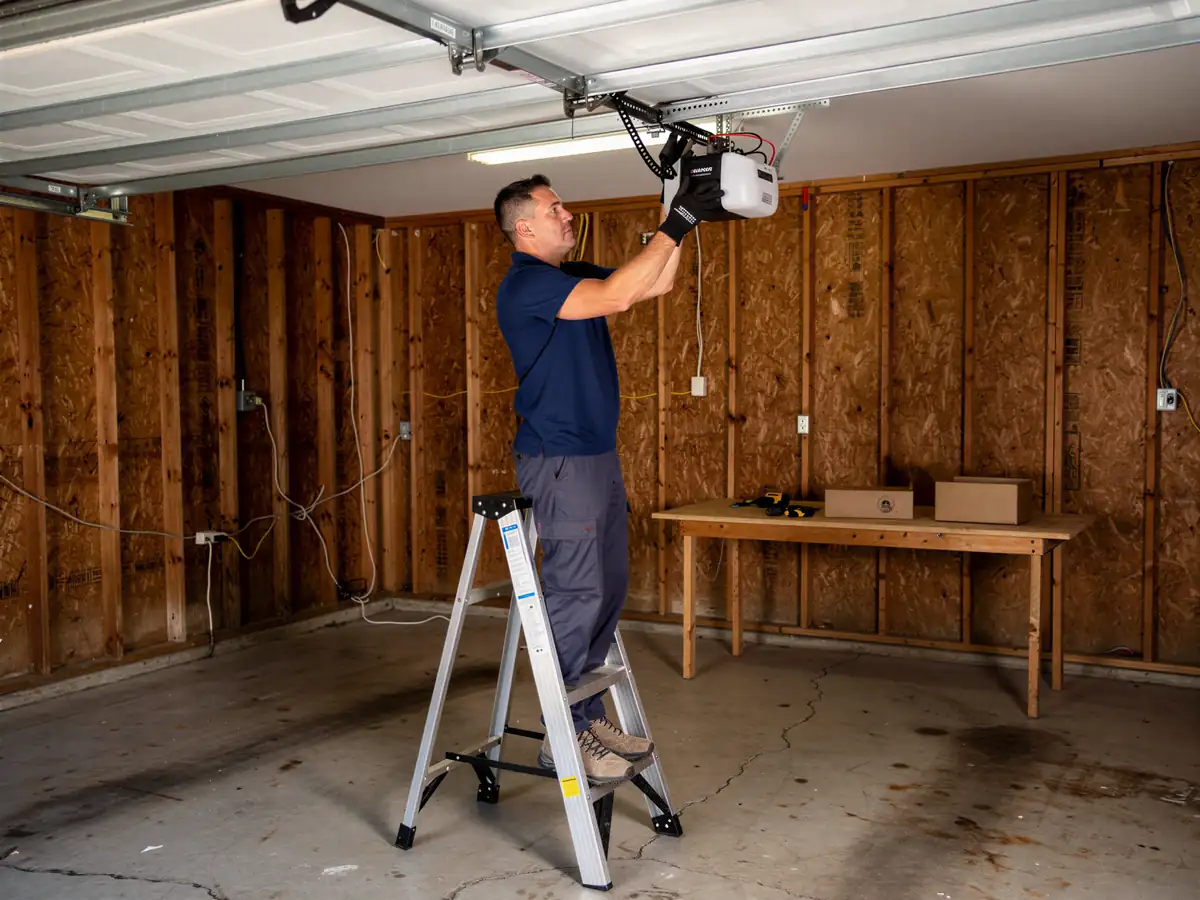
The surprise on 1991-era houses isn't usually the door - it's the opening. Builders in that period didn't all use the same header height or track spacing, and with only about 390 households in the area, you don't get the kind of uniform tract-house sizing that makes stocking a universal panel easy. We've measured openings here that need a non-standard width trim or a low-headroom track kit because the original builder shaved a few inches off header clearance to fit a specific roofline. If we show up expecting a standard 7-foot door and find 6-foot-8 clearance instead, that's a different track kit and sometimes a different order entirely - a delay nobody planned for. The other spot this goes wrong is the opener. A lot of these houses still run the original chain-drive unit from construction, wired straight into a circuit that predates current safety-sensor requirements. Swapping the door without addressing that wiring means a new door running on hardware that technically doesn't meet modern standards, even though nobody flags it until something fails. We check the opener and wiring as part of the same visit, not as an afterthought, because splitting those two jobs is exactly how this kind of install ends up needing a second truck trip.
The DIY Question
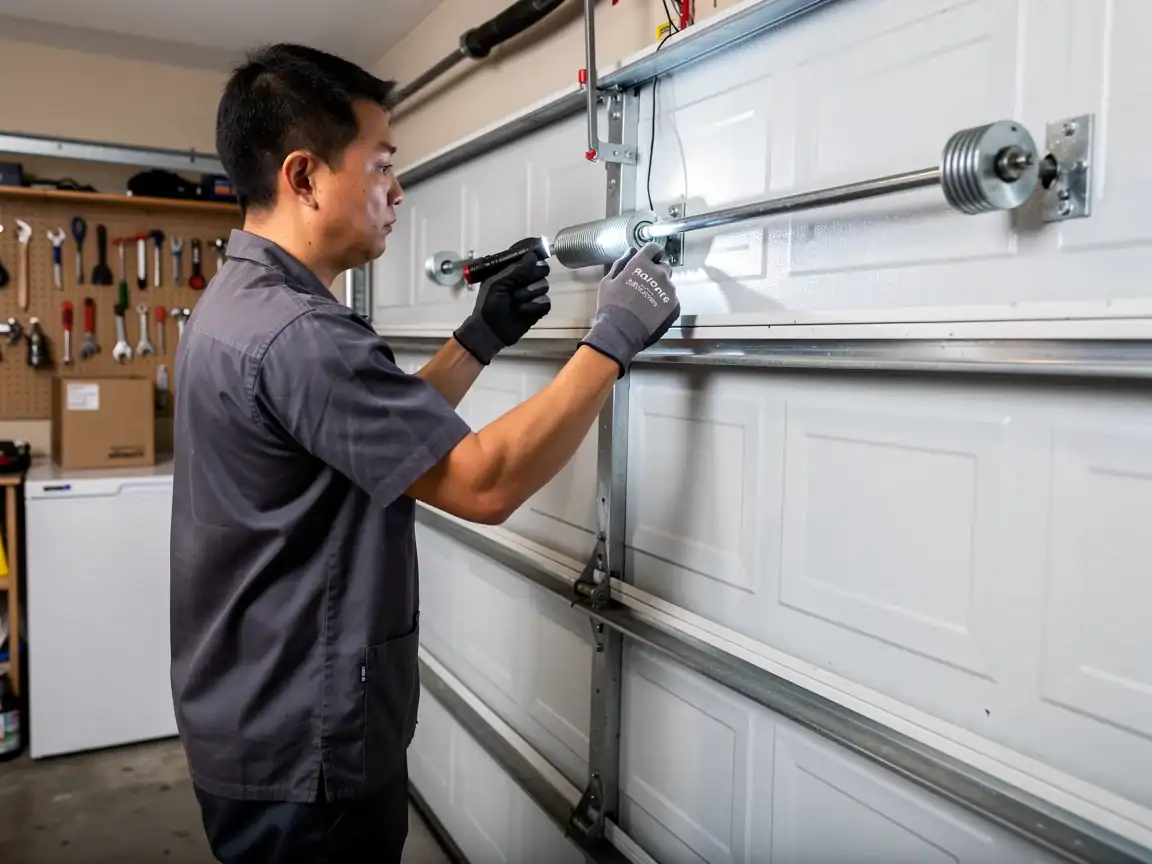
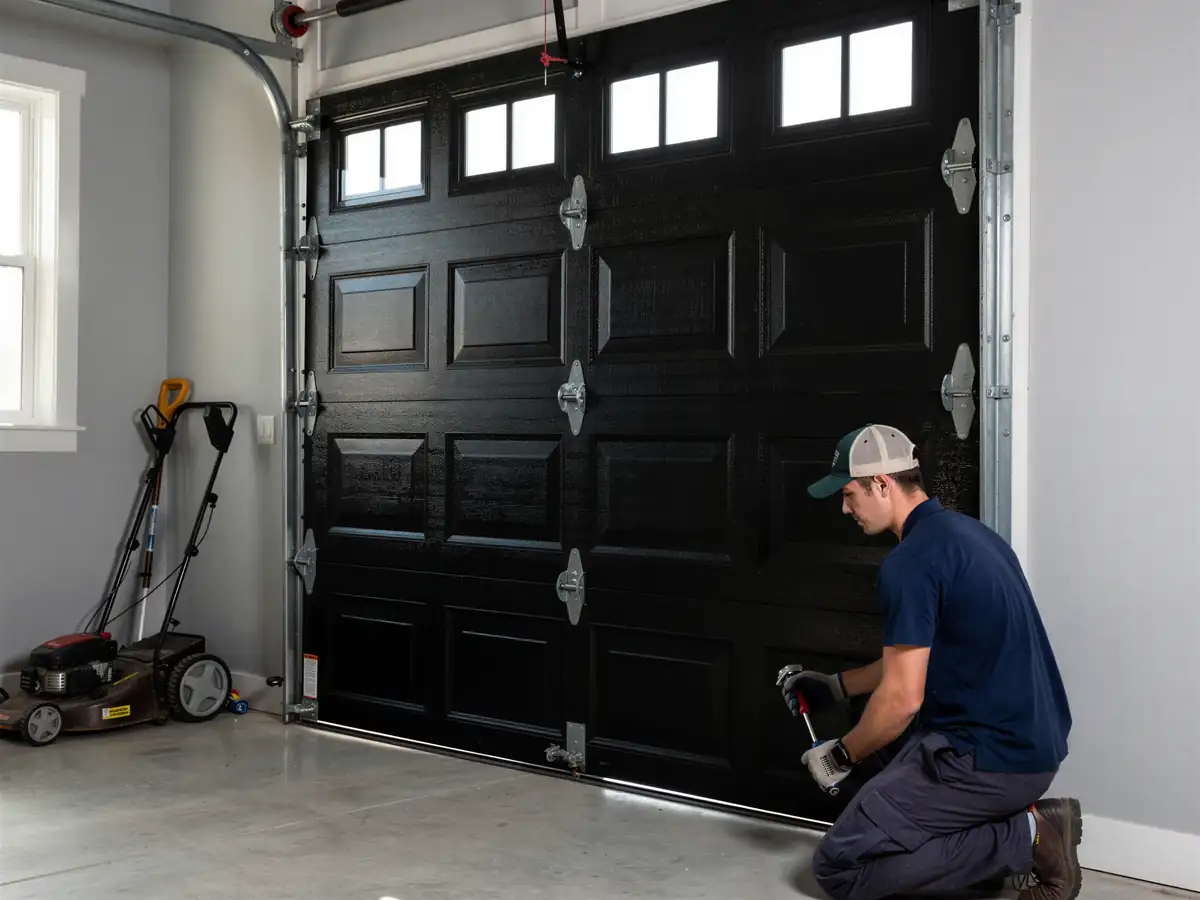
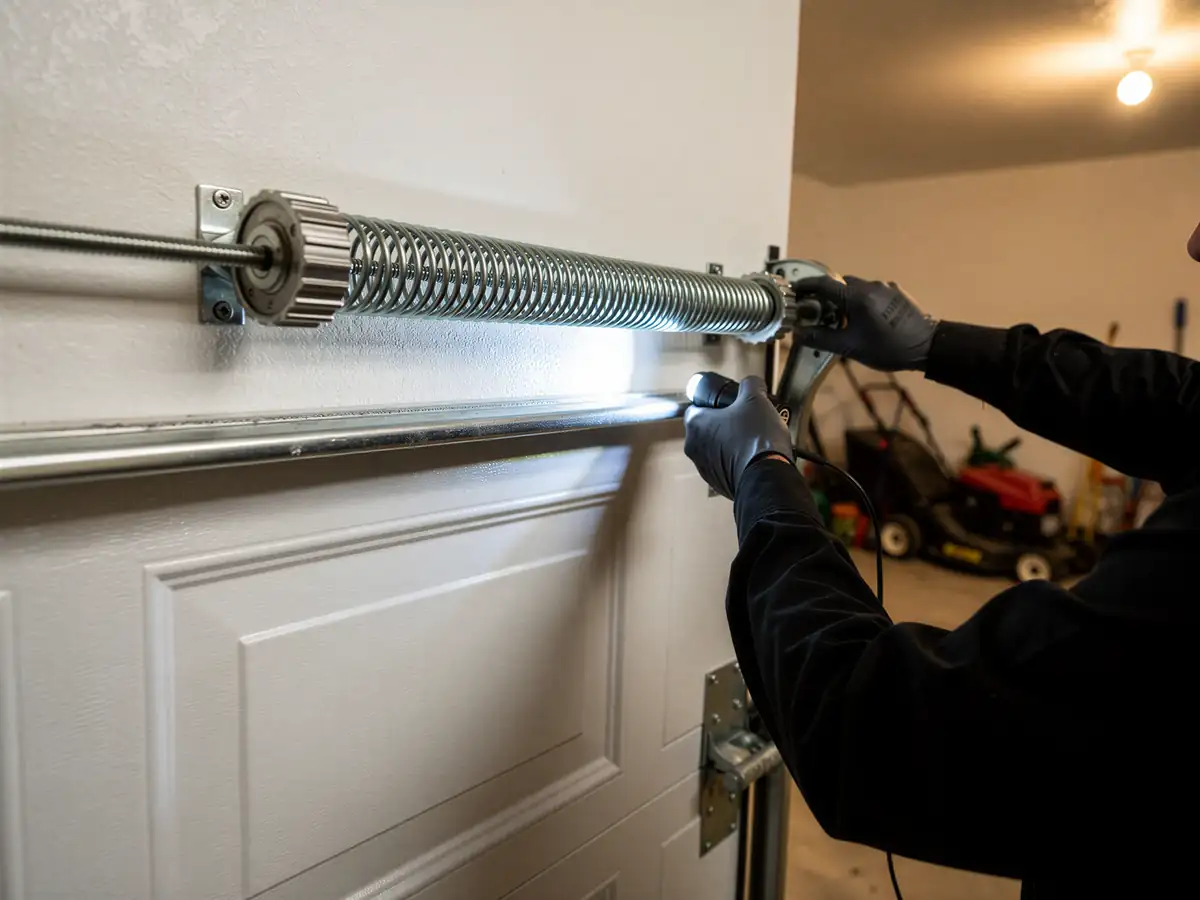
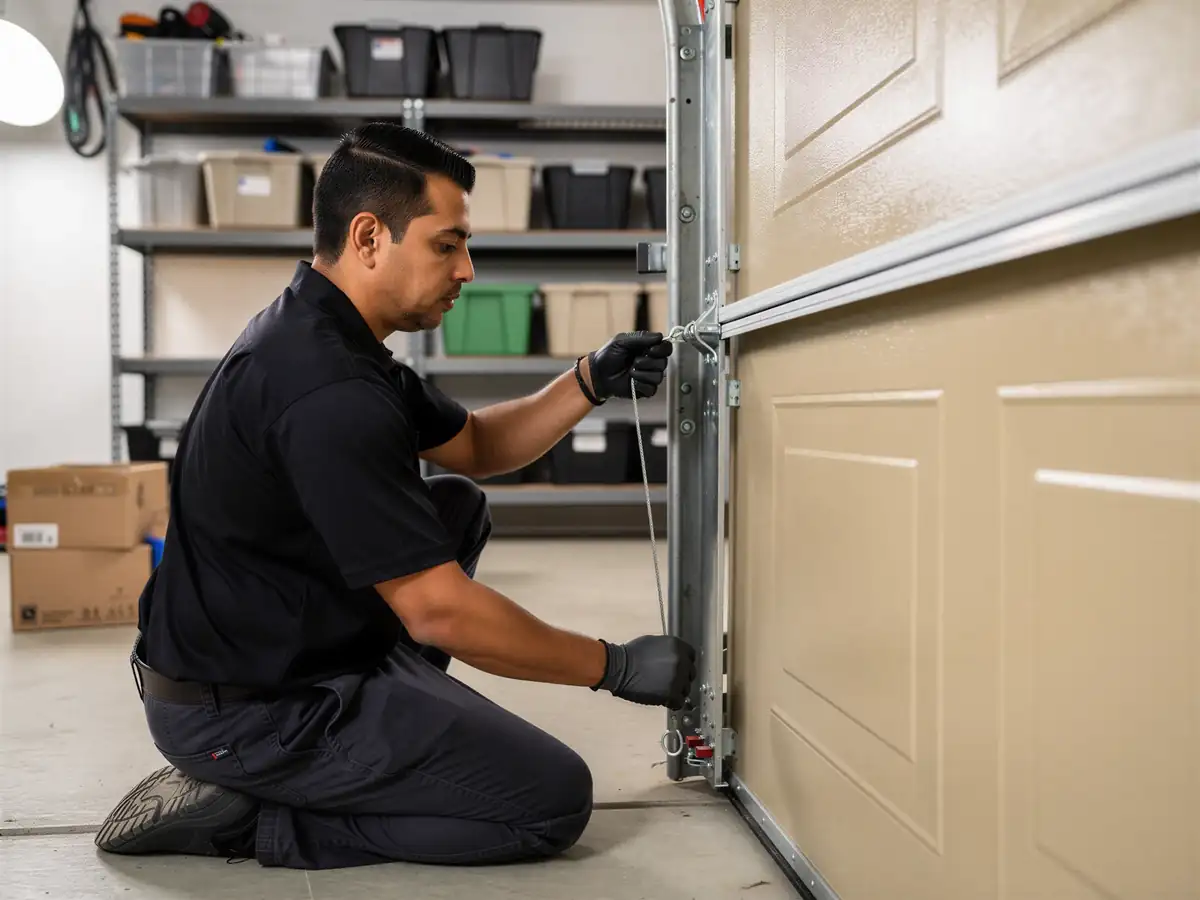
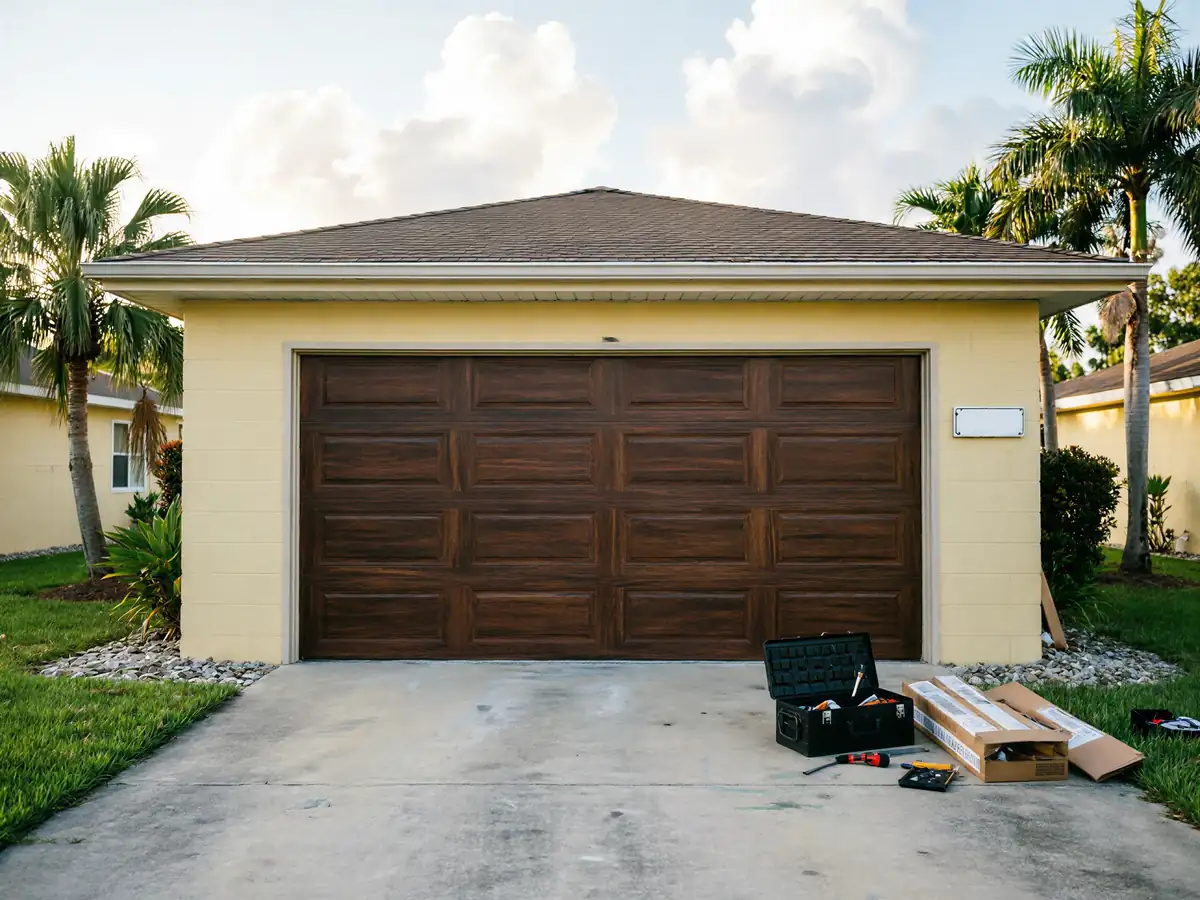
A torsion spring under tension can break a hand or worse, and that's true whether the door is brand new or thirty years old. We won't talk anyone through doing that part themselves, and if a quote includes spring work, that's not the place to save money by going it alone. Where a homeowner can reasonably do their own work is cosmetic - repainting a steel door, replacing weatherstripping, swapping a remote. The install itself, especially on a house where the opening doesn't match a catalog standard, is where a DIY job tends to cost more than it saves: a door hung half an inch out of square binds the opener, wears the rollers unevenly, and shortens the life of everything downstream. Given that household income here runs well above the wider area's figure, a fair number of owners we talk to are weighing an insulated steel door against the standard uninsulated panel that came with the house back in 1991. That's a real decision worth making carefully, but it's a decision about which door, not about whether to install it yourself. If you're set on doing it, measure the opening twice before you order anything - a wrong width is the single most common reason a new door install stalls out halfway through.