How to Book
Shalimar sits about 9 miles from our shop in Niceville
And we run jobs out here on the regular truck route, not as a special trip. Call and tell us what the door is doing - won't open, grinding, hanging on one side, opener clicking but nothing moving. We'll ask the age of the door and whether it's ever been serviced, because on a house built in the early 1990s that answer tells us more than a guess at the model number would.
- 9 miles
We don't keep a branch or drop box in Shalimar
So everything starts with a phone call and a truck dispatched from Niceville. That's worth knowing up front: if you need someone standing in your driveway in twenty minutes, we're not that. If you need the right part and someone who knows what a house from this era in Shalimar is running, that's the call to make.
Have the garage door opener brand on hand if you can find it
And know whether the door is a single wide door or two singles - it changes which spring setup we load on the truck before we leave Niceville.
Why It Happens Here
Here's the number that matters first: median household income in Shalimar runs $108,182, well above the $81,938 median across our wider service area. That gap changes the conversation we have with you on a service call. At that income level, a lot of Shalimar homeowners choose to replace an aging door and opener outright rather than nurse along a 20-year-old unit with a $200 spring swap - the math works differently here than it does on a tighter budget three towns over.
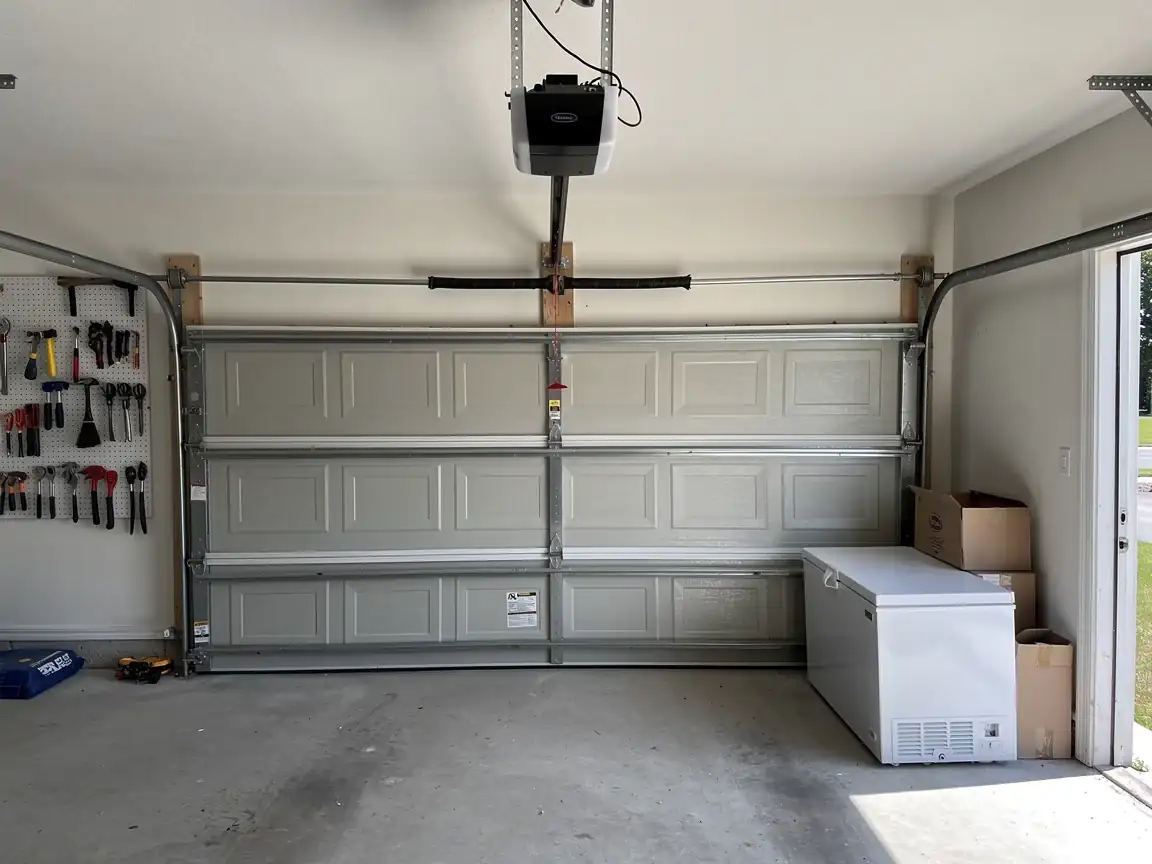
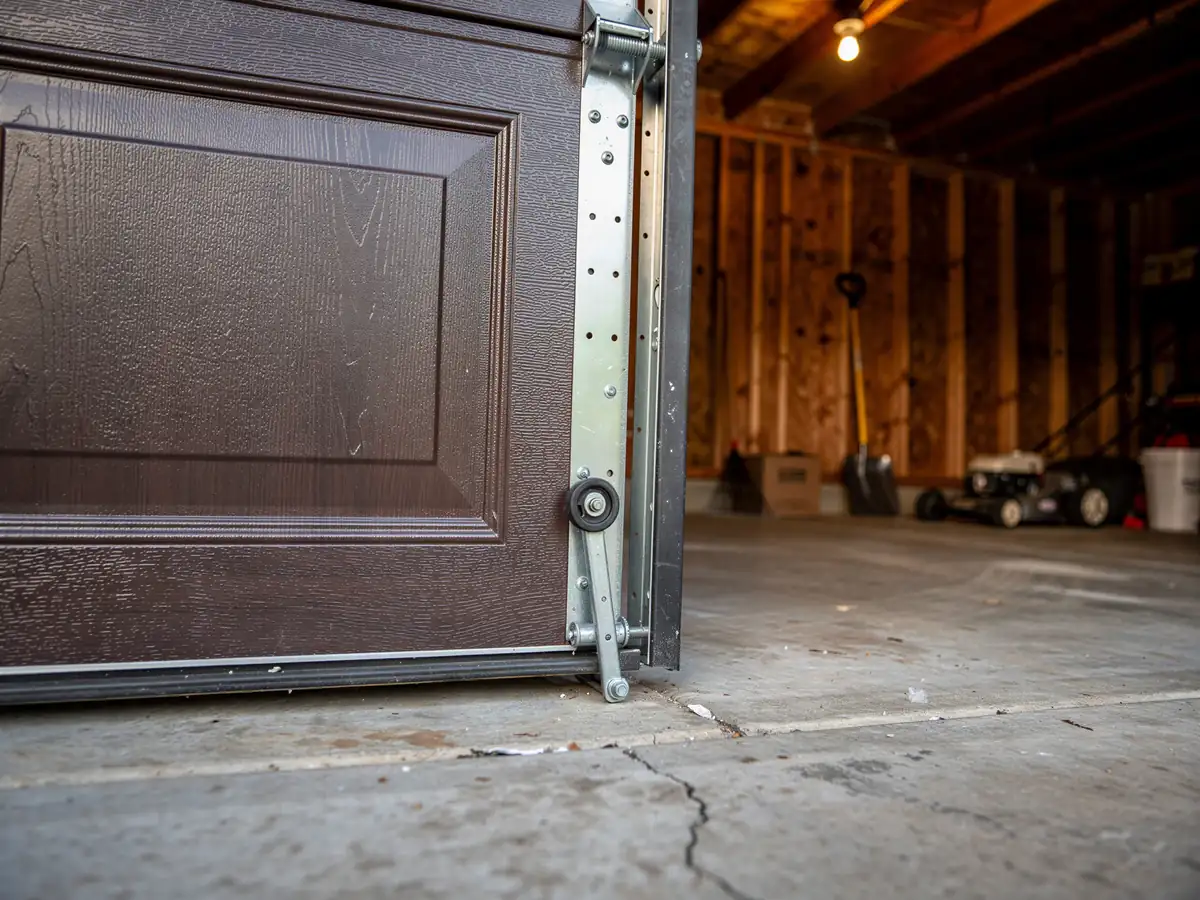
The housing itself skews newer too. Shalimar's median year built lands around 1991, compared to the mid-1970s stock that dominates a lot of the broader area we cover. That means fewer of the original one-piece doors and side-mounted torsion setups we deal with on older houses, and more steel sectional doors with extension or torsion springs that were standard through the '90s - openers from that era that are now aging out on their own schedule, chain-drive units with worn-out sprockets and gears rather than the garage door hardware failures tied to 1970s construction.
The mild-with-occasional-freeze climate here still stresses rollers and weatherstripping the same as anywhere in the area, but it's not the dominant failure driver for houses this age.
Where This Job Goes Sideways
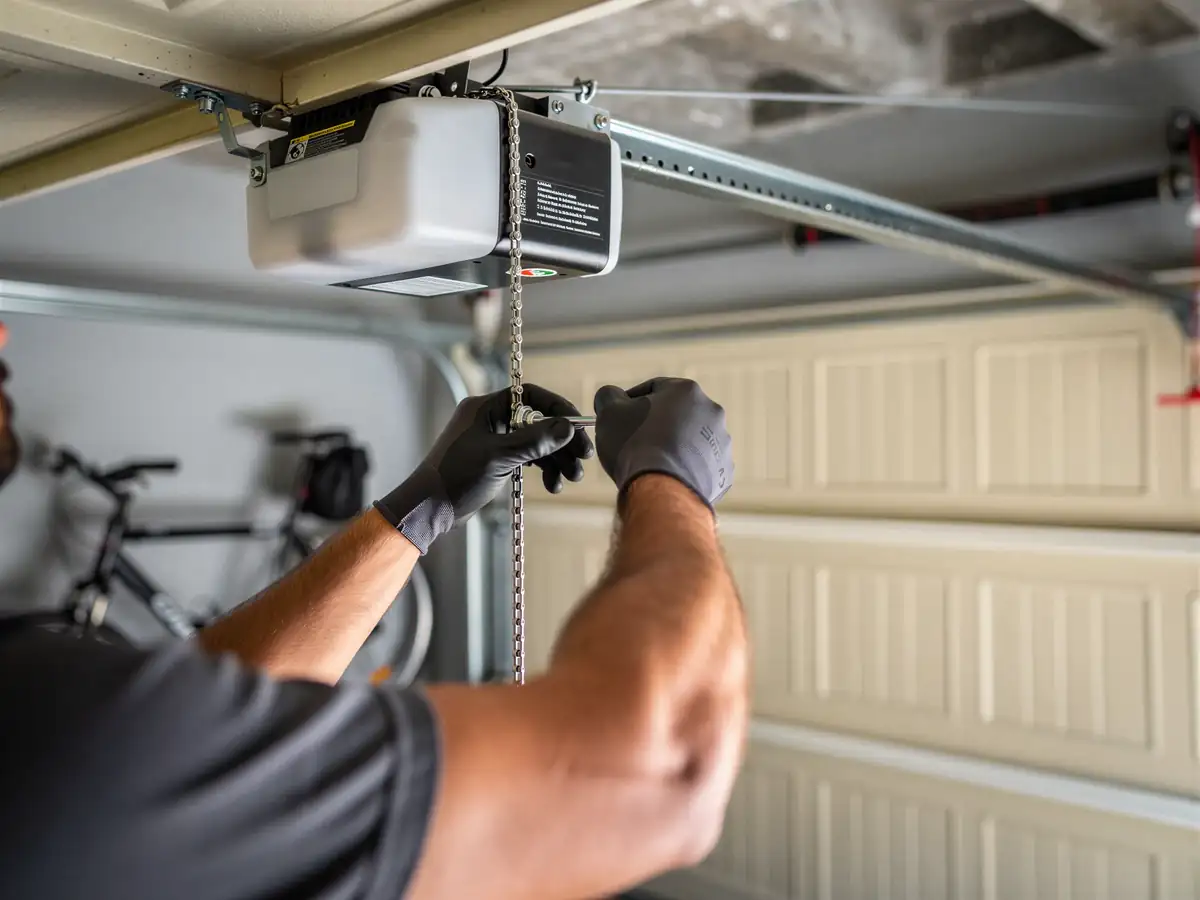
On a door this age, the part that usually causes trouble isn't the spring - it's the opener. A unit installed when the house was built in the early '90s is pushing 30+ years, and the circuit board, the gears, and the safety sensors wear out well before the track or the panels do. We'll see a homeowner call about a 'broken spring' and find the real issue is a dying logic board that's been overdriving the motor for months.
The other place it goes sideways: at Shalimar's income level, we get more requests for a straight opener and spring replacement without full diagnosis, because the owner has already decided to upgrade rather than troubleshoot. That's a reasonable call on a 30-year-old unit. It's a bad call on a door and track that are otherwise sound - replacing hardware that didn't need it costs more than fixing what did.
One honest limitation: we don't stock every opener logic board for every brand sold in the early '90s. If yours is an obscure model, the part may need to be ordered, and that adds days, not hours, to the job.
How Long You Are Without the Door
A straightforward spring or roller repair on a door this age is usually a same-visit fix once we're on site
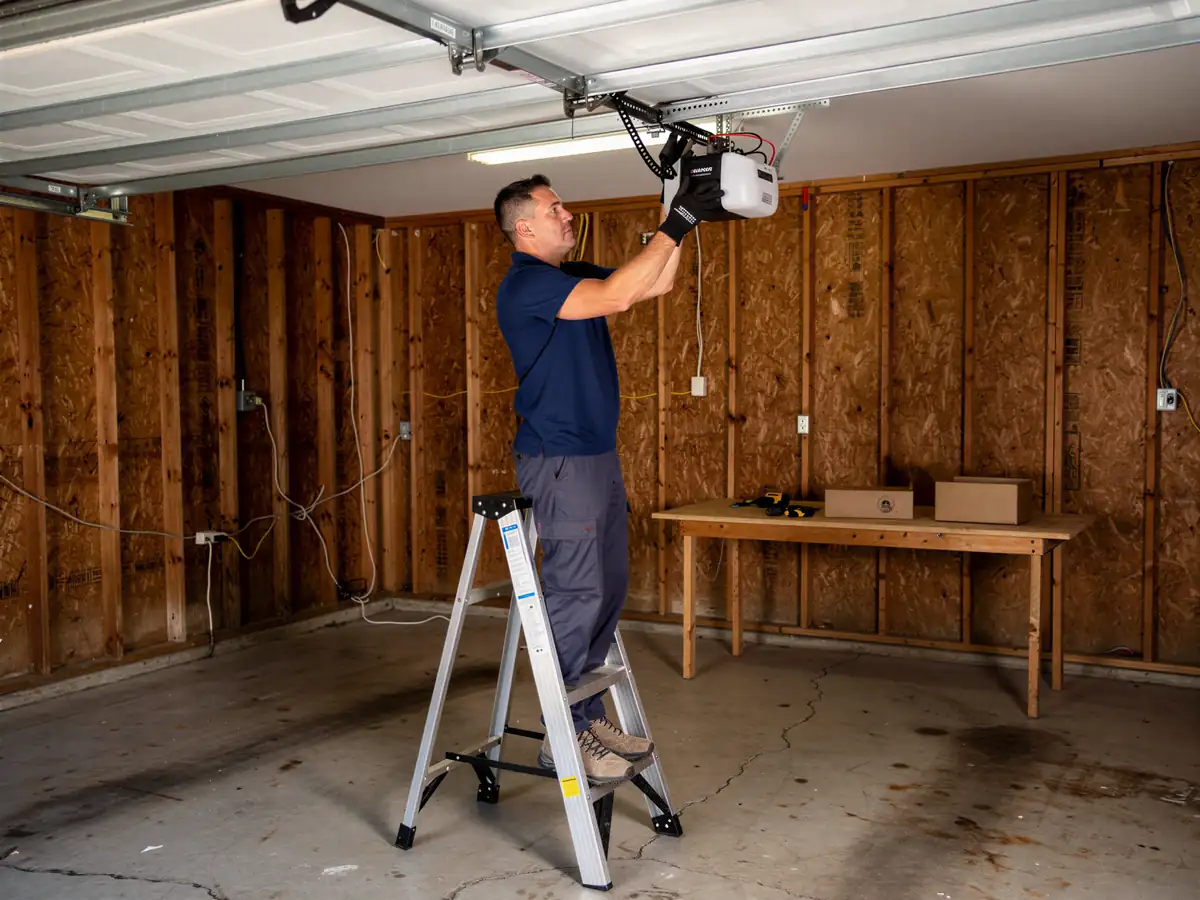
Assuming the part is a common one we carry on the truck. An opener replacement is also typically a single visit - we pull the old unit and put in new, and you're back to normal that day.
Where the timeline stretches is parts availability for anything less common
A specific logic board, a discontinued track kit, a sensor pair that doesn't match current models. Given the 9-mile run from Niceville, there's no added delay from distance - the delay, if any, is the part itself, not the drive.
The DIY Question
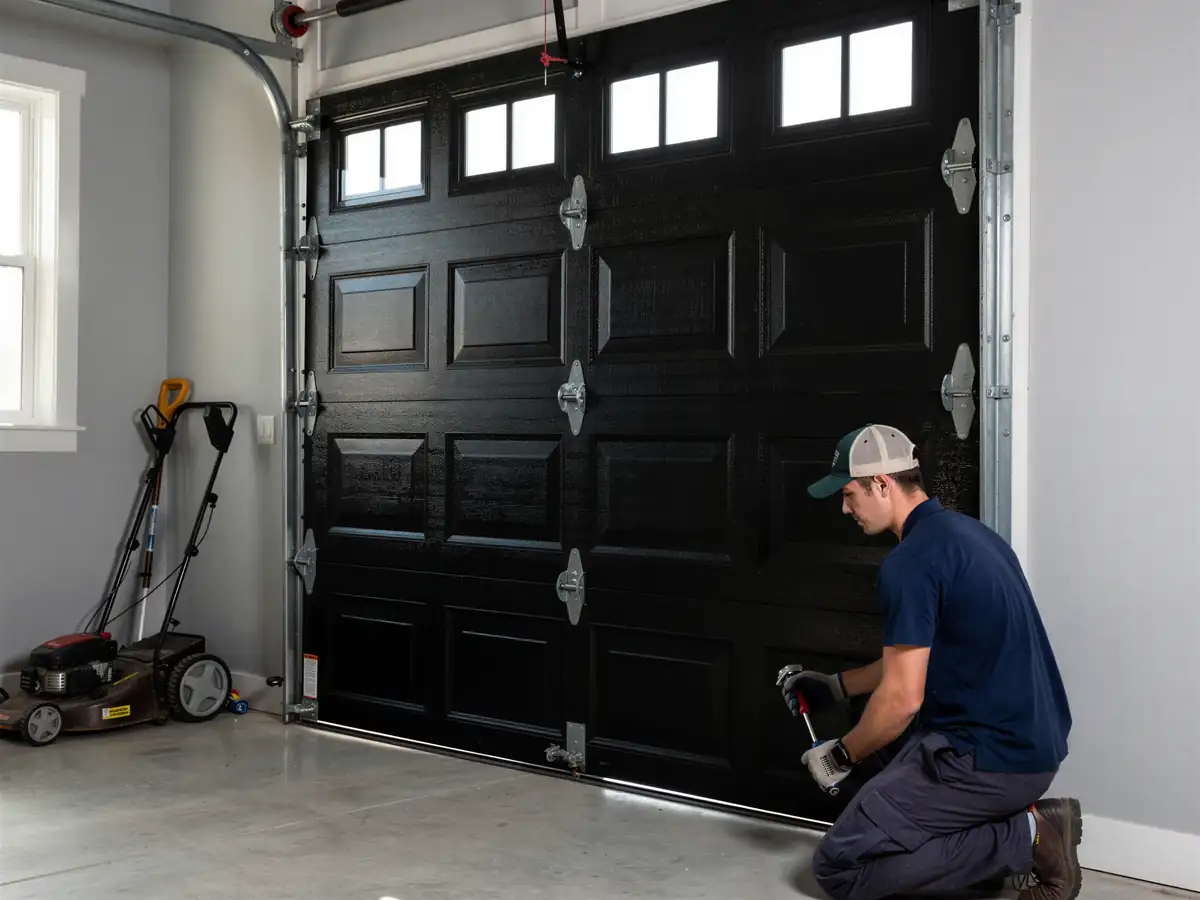
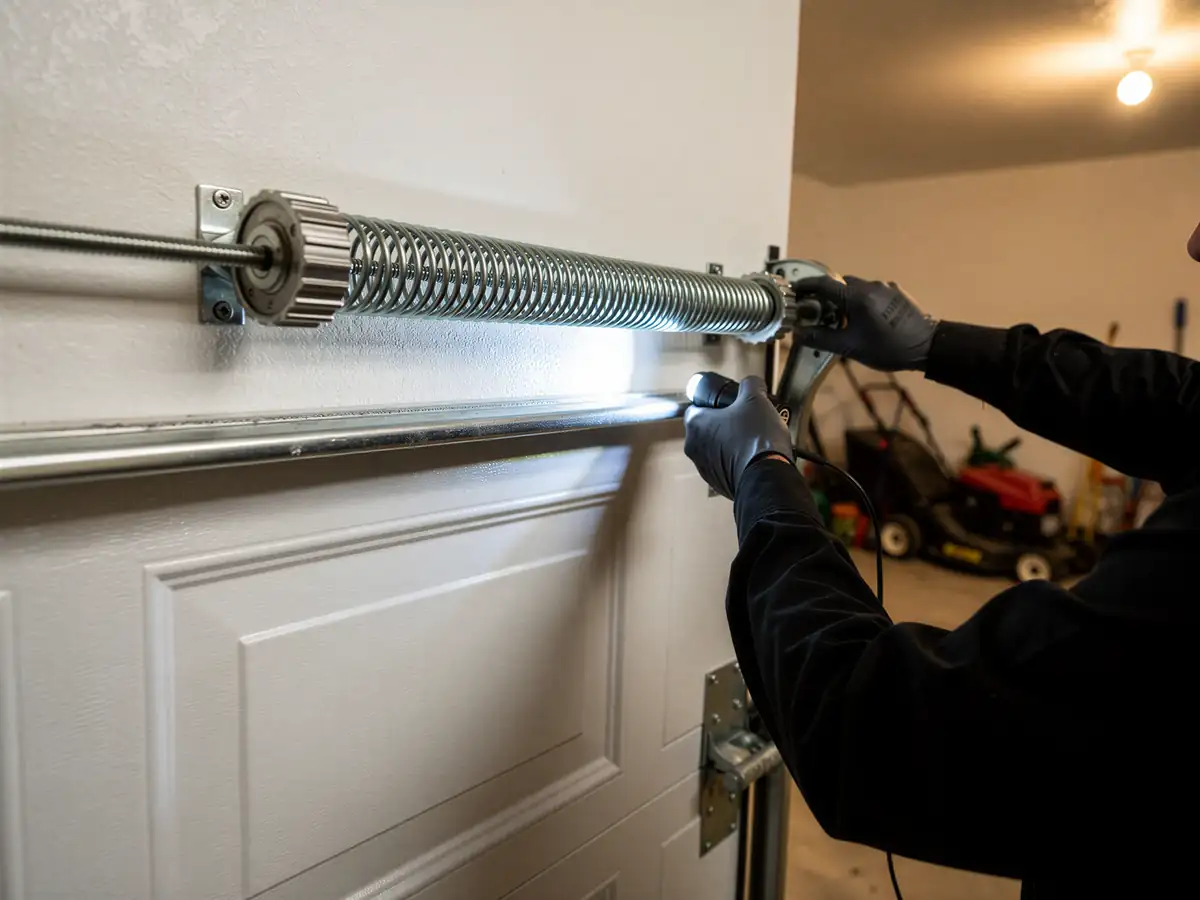
Springs are not a DIY job on any door, any age, any town - that's not a Shalimar-specific warning, that's just true everywhere, and it's the one piece of this page that would read the same no matter which suburb you're in. A torsion spring under load can break a hand or worse.
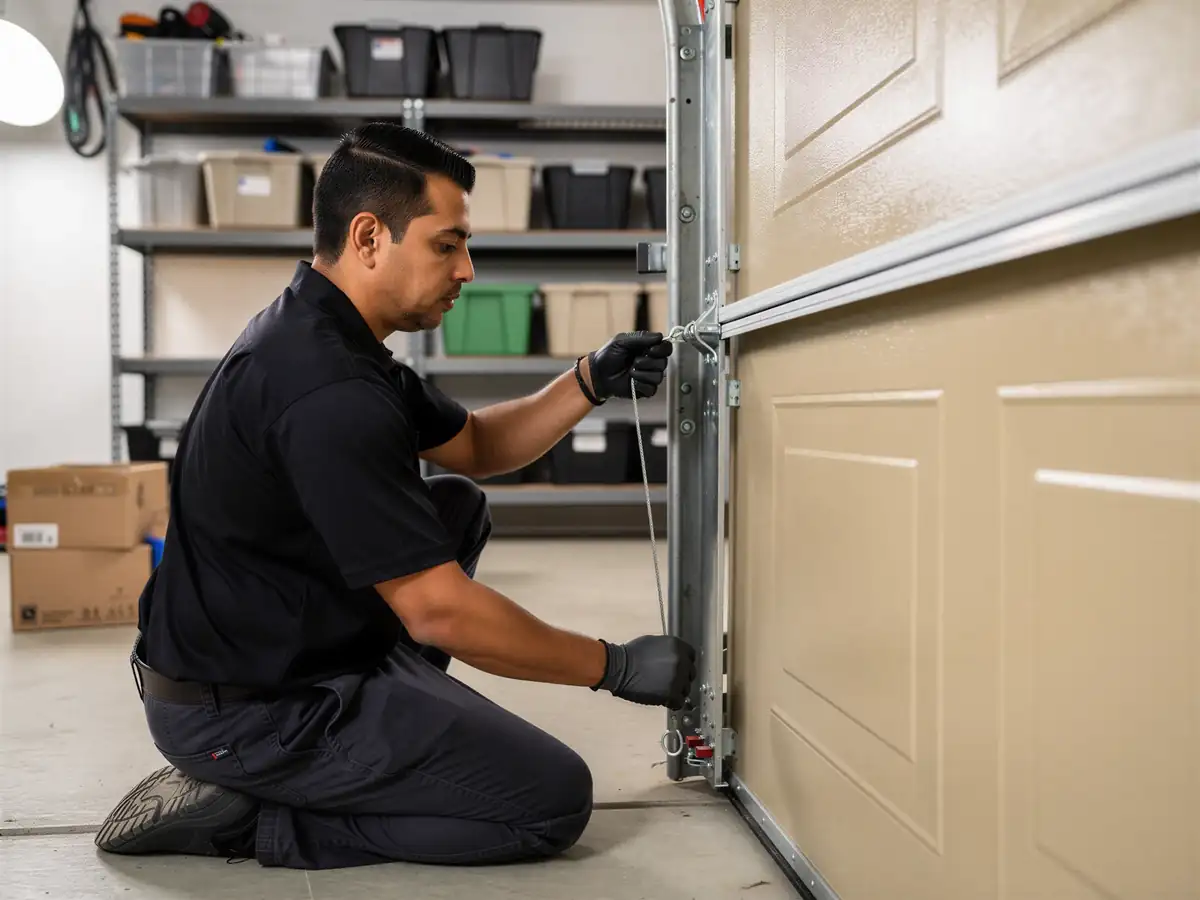
What you can reasonably check yourself on a house this age: the weatherstripping along the bottom panel, whether the photo-eye sensors near the floor are aligned and clean, and whether the opener's force setting is cranked up to compensate for something mechanical that's dragging. If the door is noticeably harder to lift by hand with the opener disconnected than it used to be, that's a spring losing tension - not a DIY fix, but useful information to give us on the call so we bring the right spring size on the first trip instead of a second one.